Climbing Plants That Grow In Tennessee Gardens With No Sun
Tennessee gardens hide many dark corners beneath trees, eaves, and narrow side yards.
Sun stays scarce, yet bare walls still beg for life.
Many homeowners assume vines fail without light, but a few tough performers prove otherwise.
These plants thrive in shade, grip surfaces with ease, and turn gloom into green calm.
Brick softens, fences gain depth, and dull spaces earn new purpose.
No harsh rays required, no constant care demanded.
With the right picks, shade works like an ally rather than a curse.
Texture rises, privacy improves, and outdoor rooms feel complete.
Heat, humidity, and clay soil pose no threat to these steady climbers.
They handle low light with grit and patience, season after season.
For yards boxed in by shade, hope stands tall.
A smart plant choice rewrites the story, adds beauty where none seemed possible, and proves even the darkest corner prevails with grace.
1. Virginia Creeper
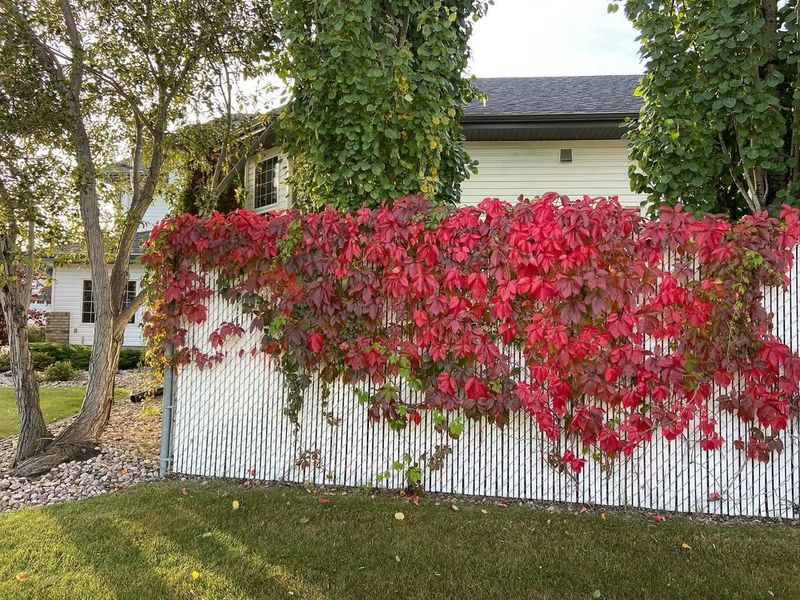
Native to Tennessee, Virginia creeper offers gardeners a fast-growing solution for covering unsightly structures in shaded areas.
This vigorous vine features distinctive five-leaflet leaves that turn brilliant shades of red and burgundy each fall.
The plant climbs using tendrils with adhesive tips, clinging to almost any surface without assistance.
You’ll appreciate how quickly Virginia creeper fills in bare spaces, sometimes growing up to 20 feet in a single season.
Small blue-black berries appear in late summer, providing food for birds and wildlife throughout autumn and winter.
Because it’s native, this vine supports local ecosystems and requires virtually no maintenance once established.
Virginia creeper tolerates a wide range of soil conditions, from clay to sandy loam.
It thrives in full shade to partial sun, making it incredibly versatile for Tennessee landscapes.
The vine can become aggressive, so plant it where you don’t mind it spreading or be prepared to prune regularly.
Some people experience skin irritation from the sap, so wear gloves when handling or pruning.
Despite its vigorous nature, Virginia creeper remains a top choice for naturalizing shaded areas.
The autumn color display alone makes this plant worth growing in your Tennessee garden.
2. Climbing Hydrangea
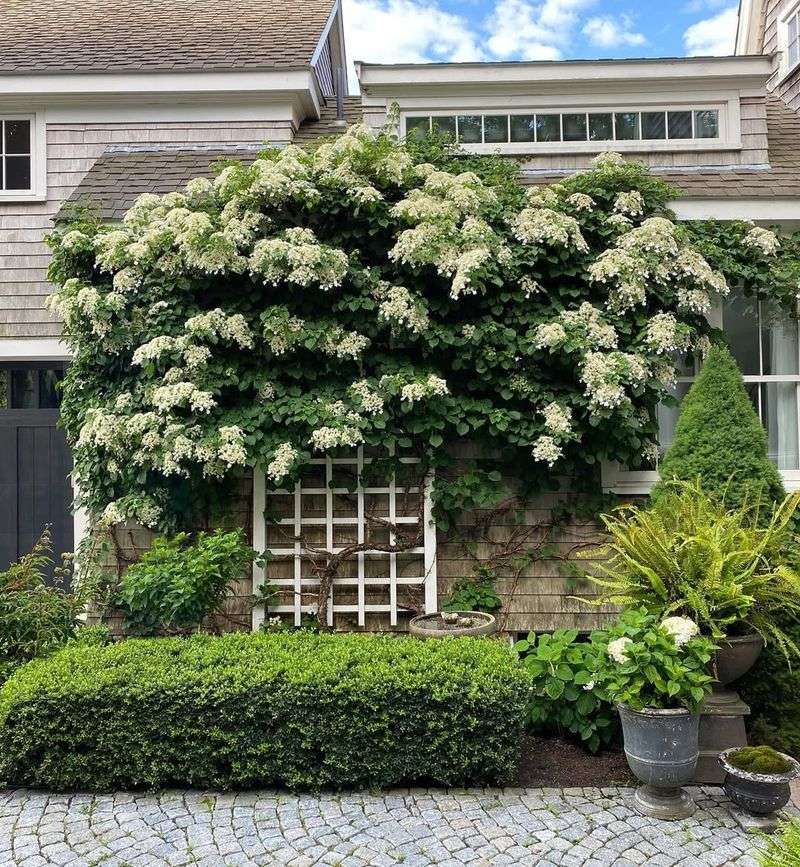
Climbing hydrangea brings elegance to any shaded wall or fence with its stunning white blooms that appear in late spring.
This woody vine attaches itself to surfaces using aerial rootlets, so you won’t need to worry about constant tying or training.
The plant grows slowly at first but becomes a magnificent specimen once established, reaching heights of 30 to 50 feet.
Tennessee gardeners love this vine because it tolerates our humid summers and cold winters without complaint.
The heart-shaped leaves turn a lovely yellow in autumn, adding seasonal interest beyond the flowering period.
Even when flowers aren’t present, the exfoliating bark provides winter interest with its cinnamon-colored peeling texture.
Plant climbing hydrangea in rich, well-draining soil amended with organic matter for best results.
Water regularly during the first few years while the root system develops.
Once mature, this vine becomes quite drought-tolerant and requires minimal care.
Give it a sturdy structure to climb since mature plants become quite heavy.
Brick walls, stone surfaces, and strong wooden fences work perfectly.
Patience pays off with this beauty—it may take three to five years before you see the first flowers.
3. Boston Ivy
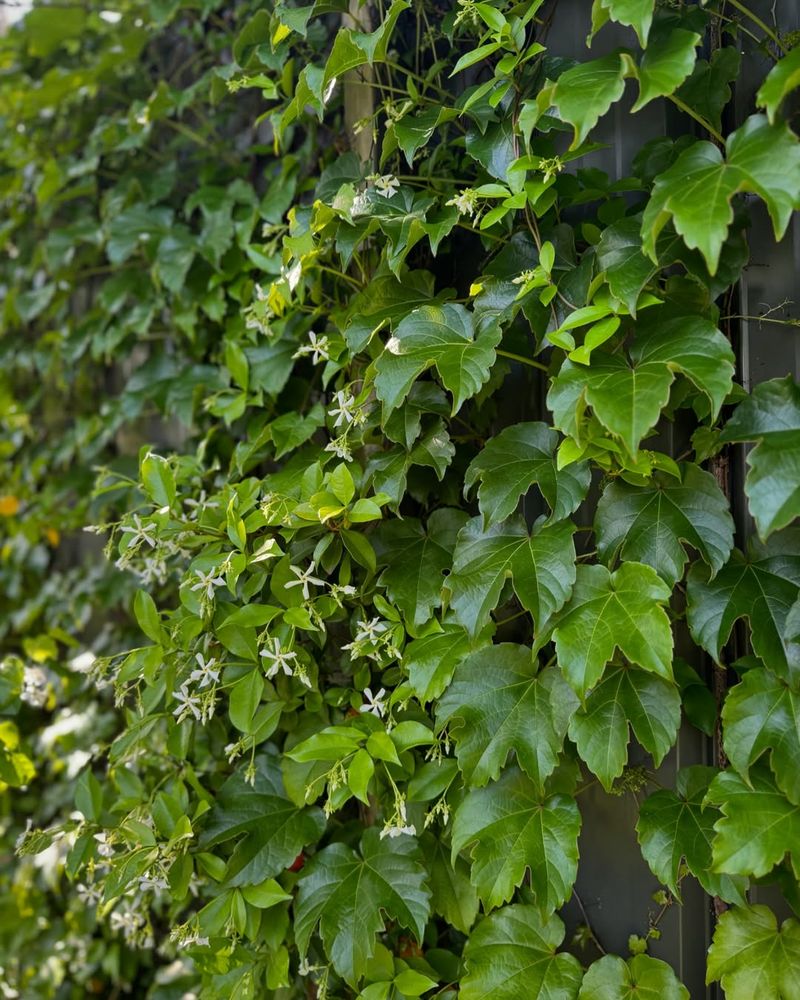
Boston ivy transforms plain walls into living tapestries with its dense, overlapping foliage that creates a polished look.
The glossy, three-lobed leaves emerge with a bronze tint in spring before maturing to deep green.
Come autumn, this vine puts on a spectacular show with fiery reds and oranges that rival any tree.
Unlike some climbers, Boston ivy attaches firmly to surfaces using small adhesive discs on its tendrils.
This self-clinging ability means you can plant it and watch it climb without installing support systems.
The vine grows moderately fast, typically adding several feet each year once established in Tennessee’s climate.
Brick and stone buildings benefit most from Boston ivy since the vine actually protects masonry from weather damage.
The dense leaf coverage insulates walls, keeping buildings cooler in summer and warmer in winter.
Plant this vine in spring or fall, spacing it about 18 inches from the wall base.
Boston ivy tolerates urban pollution, making it excellent for city gardens with limited sunlight.
Water regularly during establishment, then reduce watering as the plant matures.
Prune in late winter to control growth and keep windows and gutters clear of wandering vines.
4. Dutchman’s Pipe
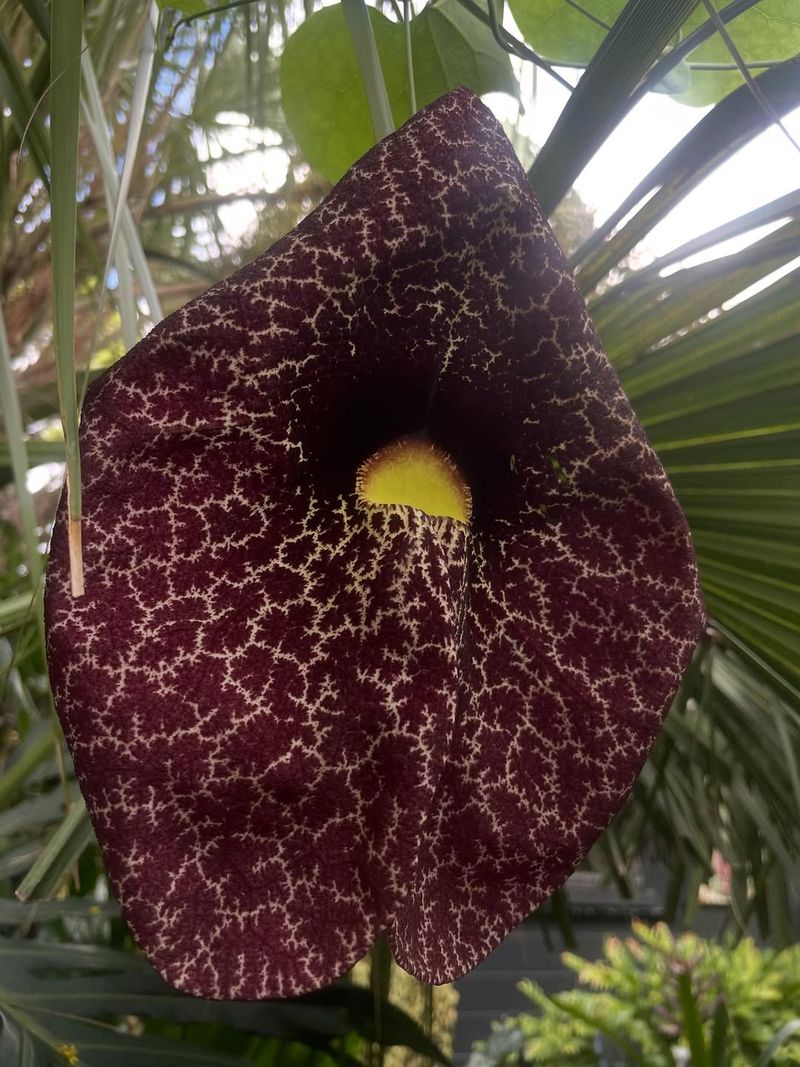
With leaves as big as dinner plates, Dutchman’s pipe creates an instant tropical feel in shaded Tennessee gardens.
The heart-shaped foliage overlaps to form a dense screen that provides excellent privacy and shade.
Curious pipe-shaped flowers hide beneath the leaves in late spring, resembling old-fashioned tobacco pipes.
This native Tennessee vine serves as the host plant for the stunning pipevine swallowtail butterfly.
Caterpillars munch on the leaves, but the plant grows so vigorously that you’ll barely notice the damage.
Watching these beautiful butterflies flutter around your garden makes any leaf loss worthwhile.
Dutchman’s pipe grows rapidly once established, easily covering arbors, pergolas, and fences within a few seasons.
The vine can reach 20 to 30 feet, twining around supports as it climbs upward.
Plant it in moist, rich soil for best growth, though it adapts to various soil types.
Tennessee’s humidity and rainfall patterns suit this vine perfectly, reducing your watering chores.
The foliage remains attractive from spring through fall, then drops cleanly in winter.
Consider planting Dutchman’s pipe near outdoor living spaces where you can enjoy both the shade and butterfly visitors.
5. Japanese Hydrangea Vine
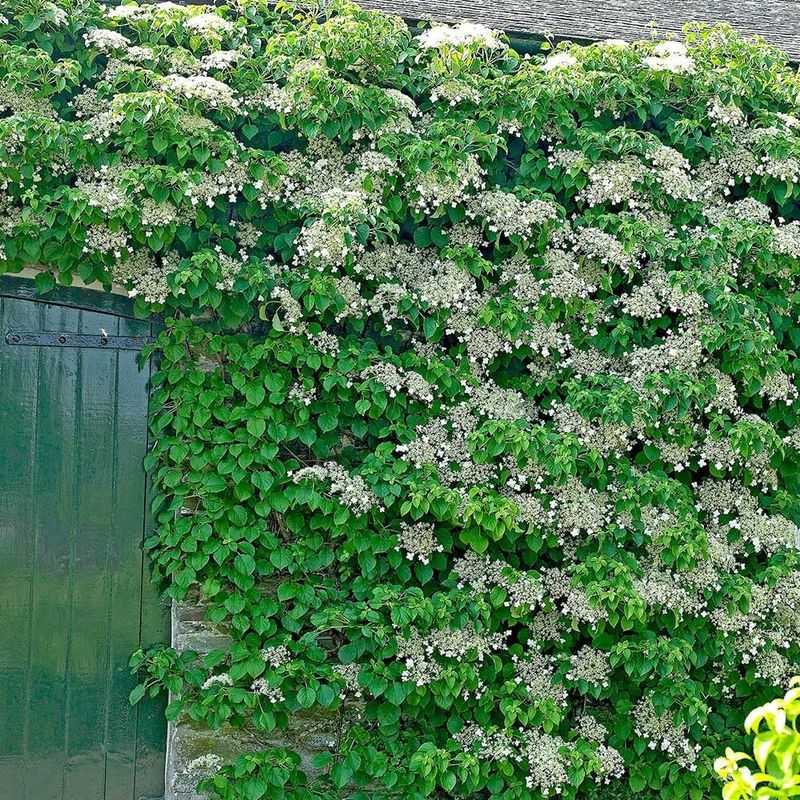
Often confused with climbing hydrangea, Japanese hydrangea vine offers similar beauty with a few distinct characteristics.
The lacecap flowers feature larger, showier sepals that dangle elegantly from the flower clusters in early summer.
Dark green, glossy leaves with serrated edges create a refined backdrop for the creamy white blooms.
This vine climbs using aerial rootlets and prefers the cool, shaded conditions found on north-facing walls in Tennessee.
Growth starts slowly but accelerates after the third year, eventually reaching 20 to 30 feet.
The exfoliating bark adds winter interest, peeling away to reveal cinnamon-brown underlayers.
Japanese hydrangea vine tolerates Tennessee’s clay soils better than many other climbers when amended with compost.
Water consistently during the first growing seasons to establish a strong root system.
Once mature, the vine becomes relatively drought-tolerant and low-maintenance.
Flowers appear on the previous year’s growth, so avoid heavy pruning if you want blooms.
Only trim to control size or remove damaged sections, preferably right after flowering ends.
The vine attracts pollinators during its bloom period, adding ecological value to your shaded garden.
Give it plenty of room to spread, as mature specimens develop substantial girth and weight over time.
6. English Ivy

Evergreen foliage makes English ivy a year-round performer in shaded Tennessee gardens where other plants go dormant.
The classic lobed leaves come in various patterns, from solid green to variegated forms with cream or white markings.
This vine clings to surfaces using aerial rootlets, creating a classic, old-world appearance on walls and fences.
English ivy grows vigorously in Tennessee’s climate, sometimes too vigorously for small spaces.
Regular pruning keeps it under control and prevents it from invading areas where it’s not wanted.
The plant tolerates deep shade better than almost any other climbing vine, making it ideal for the darkest corners.
Use English ivy as a groundcover under trees where grass struggles, or train it up shaded structures.
The dense growth provides excellent erosion control on slopes and banks.
Be aware that this plant can become invasive in natural areas, so keep it confined to your garden.
Mature plants produce small greenish flowers followed by black berries that birds enjoy.
The evergreen leaves provide shelter for wildlife throughout winter months.
Choose cultivars bred for less aggressive growth if you’re concerned about maintenance.
Water regularly until established, then English ivy becomes quite drought-tolerant in Tennessee’s typical rainfall patterns.
7. Climbing Aster

Few people know about climbing aster, but this Tennessee native deserves more attention for shaded garden spaces.
Delicate, daisy-like flowers in white or pale purple appear in late summer and fall when most shade plants have finished blooming.
The vine scrambles rather than truly climbs, weaving through shrubs and over low structures with casual grace.
Climbing aster brings a wildflower meadow feeling to cultivated gardens without looking messy or unkempt.
The plant reaches about 6 to 10 feet, making it perfect for smaller spaces and container growing.
Because it’s native, local pollinators recognize and visit the flowers regularly, especially butterflies and native bees.
This vine prefers moist soil and performs beautifully along shaded stream banks or in rain gardens.
Tennessee’s natural rainfall often provides enough moisture, though supplemental watering helps during dry spells.
The foliage remains attractive throughout the growing season, with narrow, lance-shaped leaves.
Climbing aster works wonderfully when allowed to scramble over tree stumps or old logs in naturalized areas.
It also looks charming weaving through a picket fence or climbing a rustic trellis.
Cut back the vine in late winter to encourage fresh, vigorous growth and abundant flowering.
This underused native plant adds authentic Tennessee character to shaded landscapes.
8. Crossvine
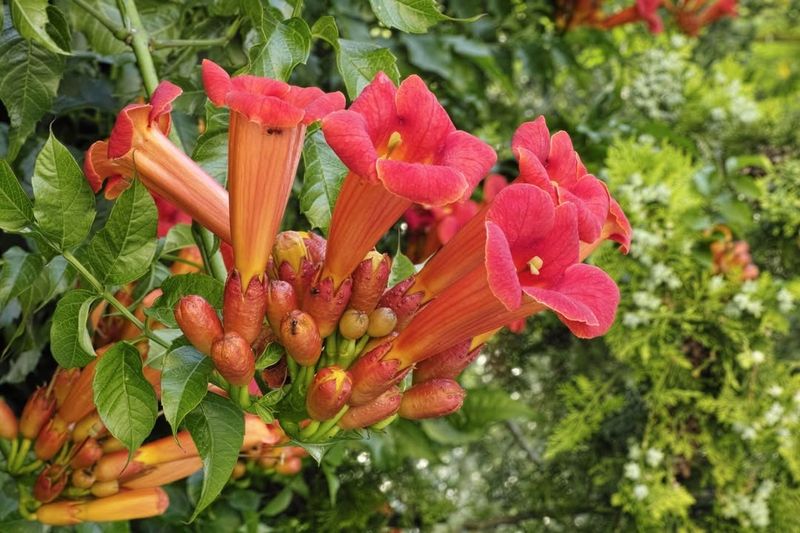
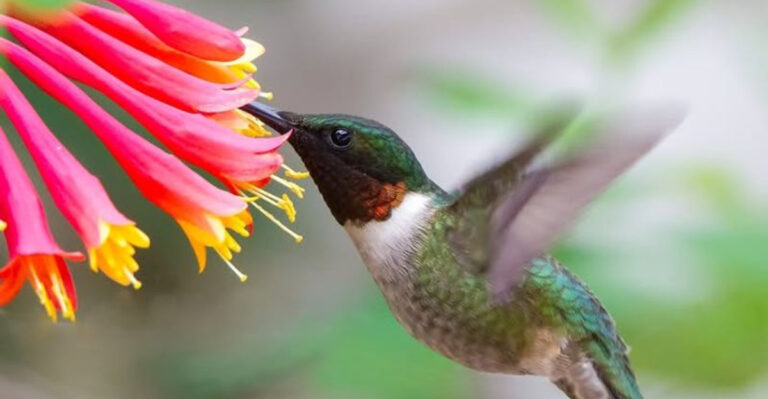
Tubular flowers in shades of orange, red, and yellow make crossvine a hummingbird magnet in spring.
This Tennessee native blooms prolifically even in shade, though it produces more flowers with a bit of morning sun.
The semi-evergreen foliage turns burgundy-purple in winter, providing color when most plants look brown and bare.
Crossvine climbs using tendrils that wrap around supports, making it perfect for chain-link fences and wire trellises.
The vine grows at a moderate pace, reaching 30 to 50 feet at maturity in ideal conditions.
Tennessee’s climate suits this plant perfectly since it’s native to our region and adapted to local weather patterns.
Plant crossvine in well-draining soil amended with organic matter for best results.
Once established, it tolerates drought better than many flowering vines.
The name comes from the cross-shaped pattern visible when you cut the stem, a fun fact to share with garden visitors.
Prune after flowering to shape the vine and remove any winter-damaged stems.
Crossvine rarely suffers from pest or disease problems, making it a low-maintenance choice.
The flowers attract not just hummingbirds but also butterflies and beneficial insects.
Consider planting crossvine where you can watch wildlife visits from a window or patio.
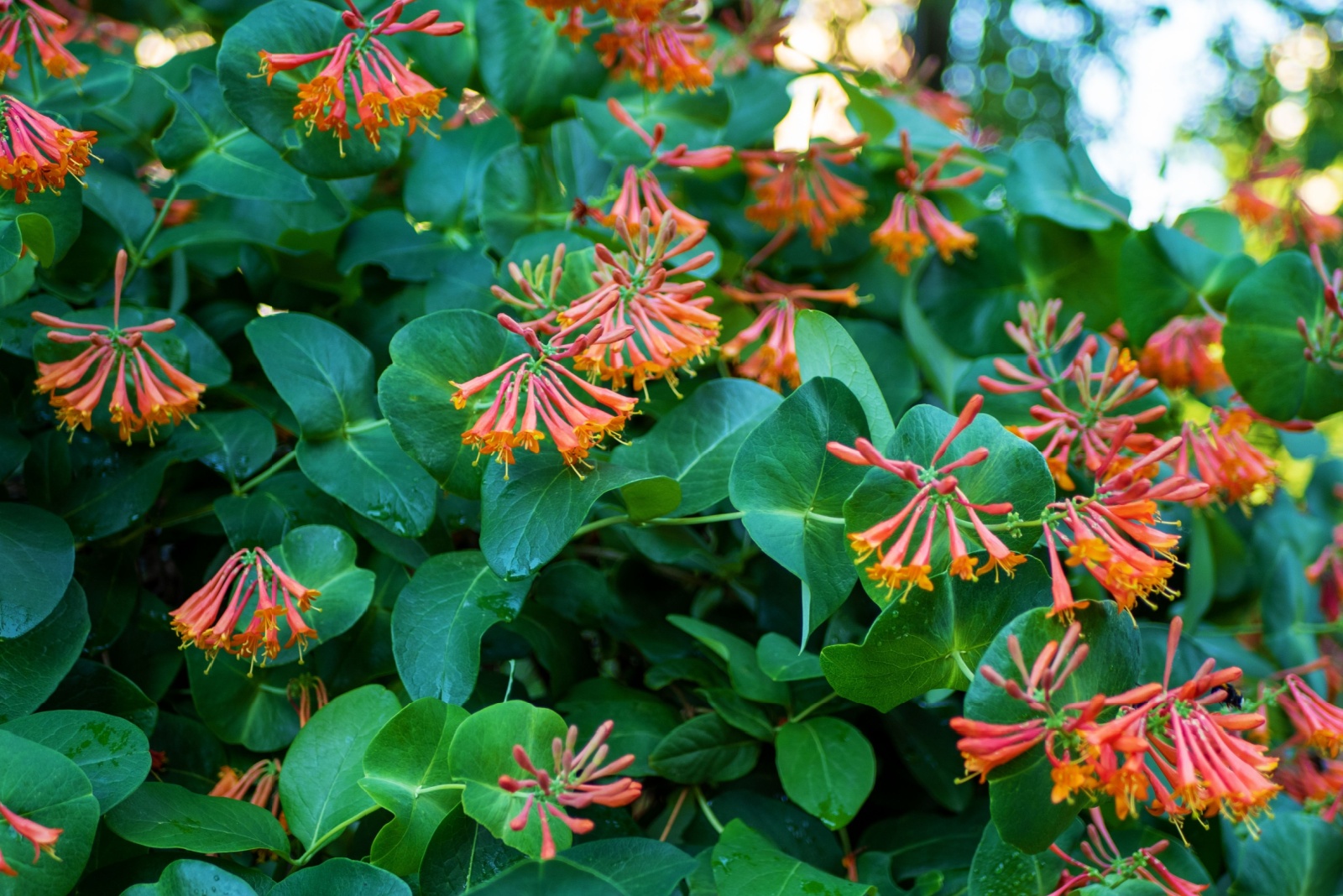
9. Trumpet Honeysuckle
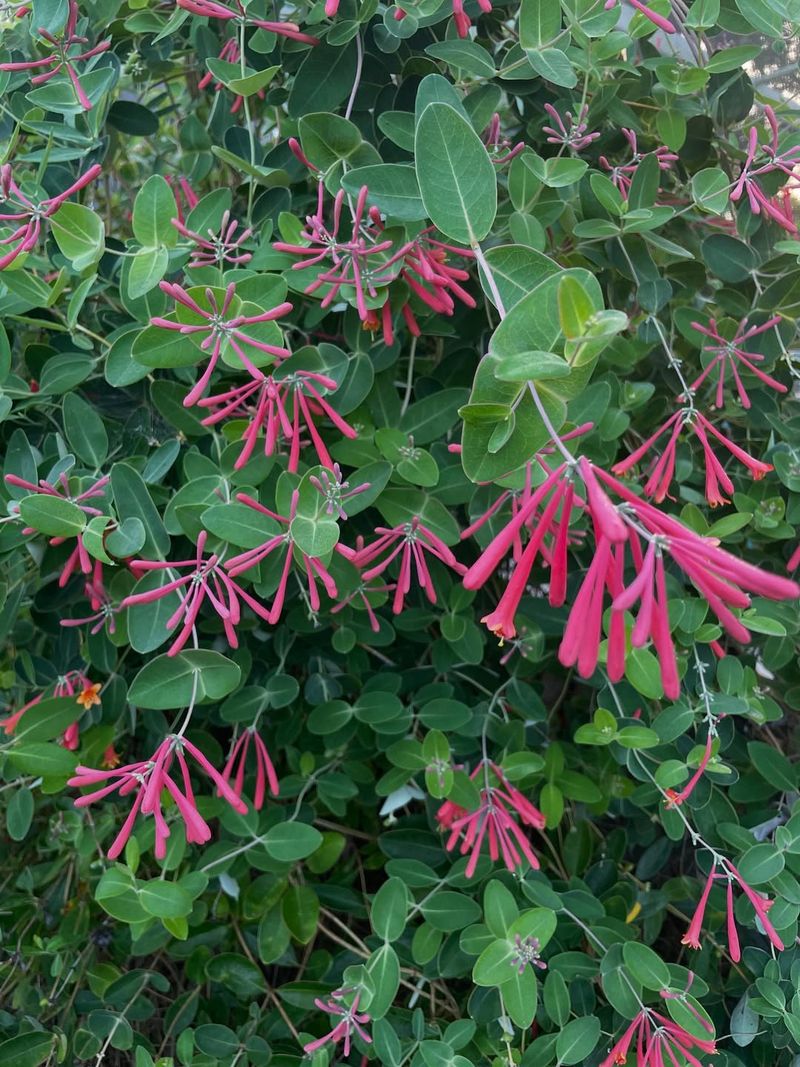
Bright red-orange tubular flowers make trumpet honeysuckle impossible for hummingbirds to resist throughout summer.
Unlike its invasive cousin, this native Tennessee honeysuckle behaves itself while providing non-stop blooms.
The flowers lack strong fragrance but more than compensate with their vibrant color and wildlife appeal.
Trumpet honeysuckle twines around supports, climbing fences, arbors, and mailbox posts with equal enthusiasm.
The vine typically reaches 10 to 15 feet, making it manageable for most garden situations.
Blue-green foliage remains attractive even when flowers take a brief rest between bloom cycles.
This vine performs surprisingly well in shade, though it produces the most flowers with some dappled sunlight.
Tennessee’s native plant enthusiasts prize trumpet honeysuckle for its ecological benefits and beauty.
Red berries follow the flowers in fall, providing food for songbirds as they prepare for migration.
Plant in average soil with decent drainage, avoiding overly rich soil that promotes foliage over flowers.
Water regularly during establishment, then reduce watering as the plant matures.
Prune lightly after the main flowering period to control size and encourage bushier growth.
Trumpet honeysuckle resists most pests and diseases, requiring minimal intervention from gardeners.
The combination of hummingbird activity and vibrant color makes this vine a Tennessee garden treasure.