Climbing Plants That Grow Strong In North Carolina Gardens Even Without Any Sun
North Carolina’s shaded yards can feel tricky to landscape, especially when homeowners want vertical growth or lush green walls.
Fortunately, several climbing plants thrive in low light and even deep shade, bringing texture and color to spaces where sun-loving plants fail.
Many of these vines are native or well adapted to the state’s humid climate, allowing them to grow reliably under trees, along north-facing walls, or beneath porch overhangs.
Shade-loving climbers can soften hard edges, hide fences, and add structure to quiet, dim corners of the yard.
By choosing species that naturally tolerate low sunlight, homeowners avoid frustration while enjoying vigorous, healthy growth.
Whether the goal is fragrance, flowers, evergreen coverage, or a wildlife-friendly landscape, there are climbers that perform beautifully without direct sun.
1. Climbing Hydrangea (Hydrangea Anomala Subsp. Petiolaris)
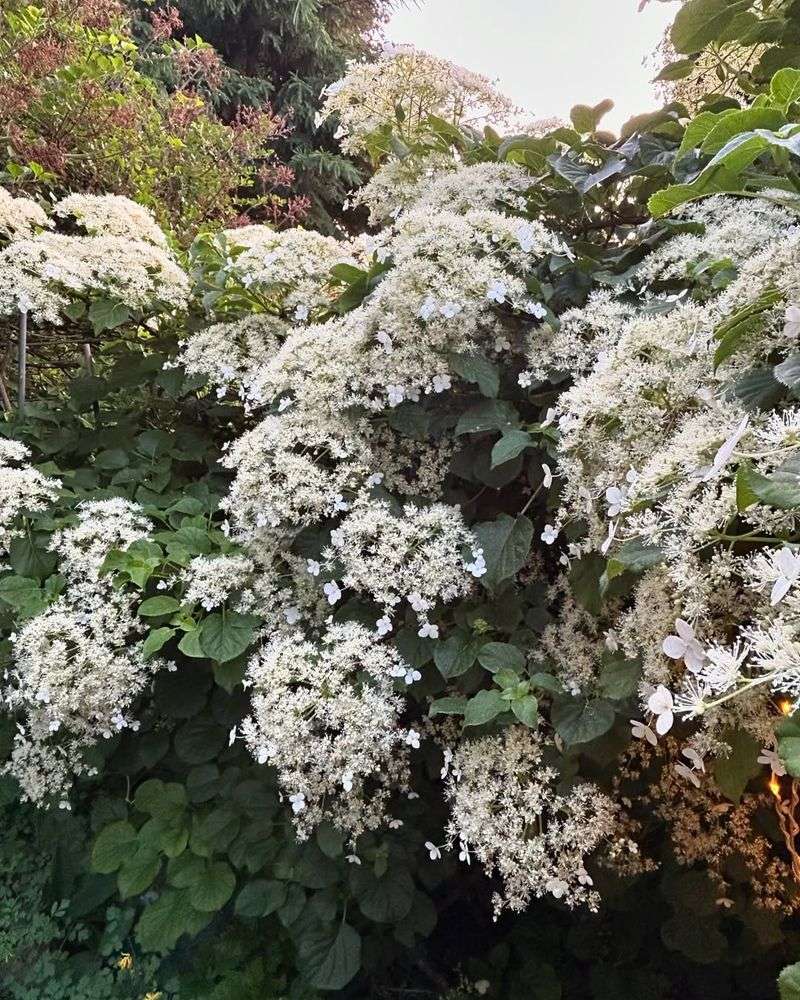
Patience pays off beautifully with this magnificent vine that transforms shaded walls into living tapestries of white blooms.
Climbing hydrangea attaches itself to surfaces using aerial rootlets, requiring no additional support once established.
During late spring and early summer, clusters of fragrant white flowers appear like delicate lace against dark green foliage.
This vine grows slowly during its first few years while developing a strong root system underground.
Once settled in, it climbs vigorously up brick walls, wooden fences, or even tree trunks without causing damage.
The glossy leaves turn golden yellow in autumn before dropping, revealing attractive peeling bark that adds winter interest.
North Carolina’s humid climate suits this plant perfectly, especially in areas with consistent moisture and protection from harsh afternoon sun.
Gardeners appreciate how climbing hydrangea fills vertical spaces that receive little to no direct sunlight throughout the day.
Water regularly during the establishment period, then enjoy years of low-maintenance beauty as it matures into a stunning focal point.
2. Confederate Jasmine (Trachelospermum Jasminoides)
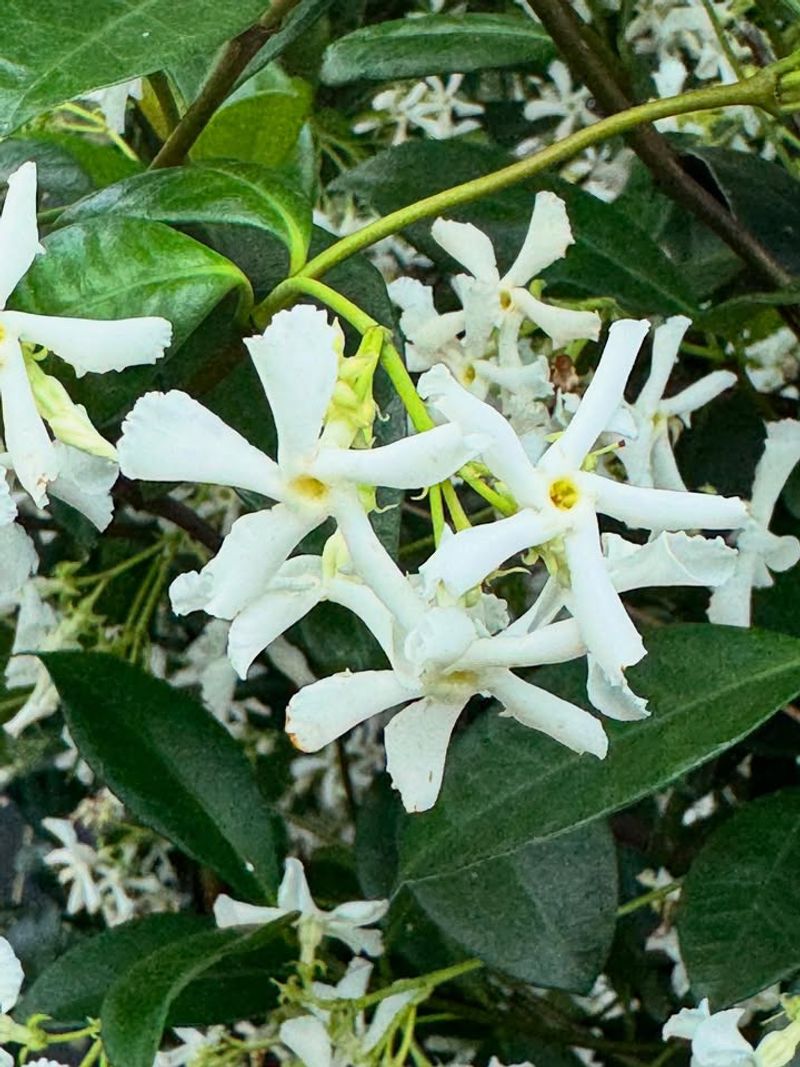
Few scents rival the intoxicating fragrance that fills the air when confederate jasmine blooms in spring.
This evergreen vine adapts remarkably well to deep shade beneath porches, decks, and mature tree canopies.
Glossy dark green leaves create a dense covering year-round, providing privacy and texture even during winter months.
Small white pinwheel-shaped flowers emerge in April and May, releasing a perfume reminiscent of tropical vacations and warm evenings.
Confederate jasmine twines around supports naturally, making it perfect for trellises, mailbox posts, and lamp posts in shaded areas.
Growth remains moderate and manageable compared to more aggressive vines, requiring only occasional trimming to maintain shape.
North Carolina gardeners value this plant for its ability to soften harsh architectural features in low-light conditions.
The vine tolerates a range of soil types and handles our state’s humidity without developing fungal problems common to other climbers.
Once established, it withstands brief periods of dryness, though consistent moisture encourages the healthiest growth and most abundant flowering.
3. Evergreen Climbing Fig (Ficus Pumila)
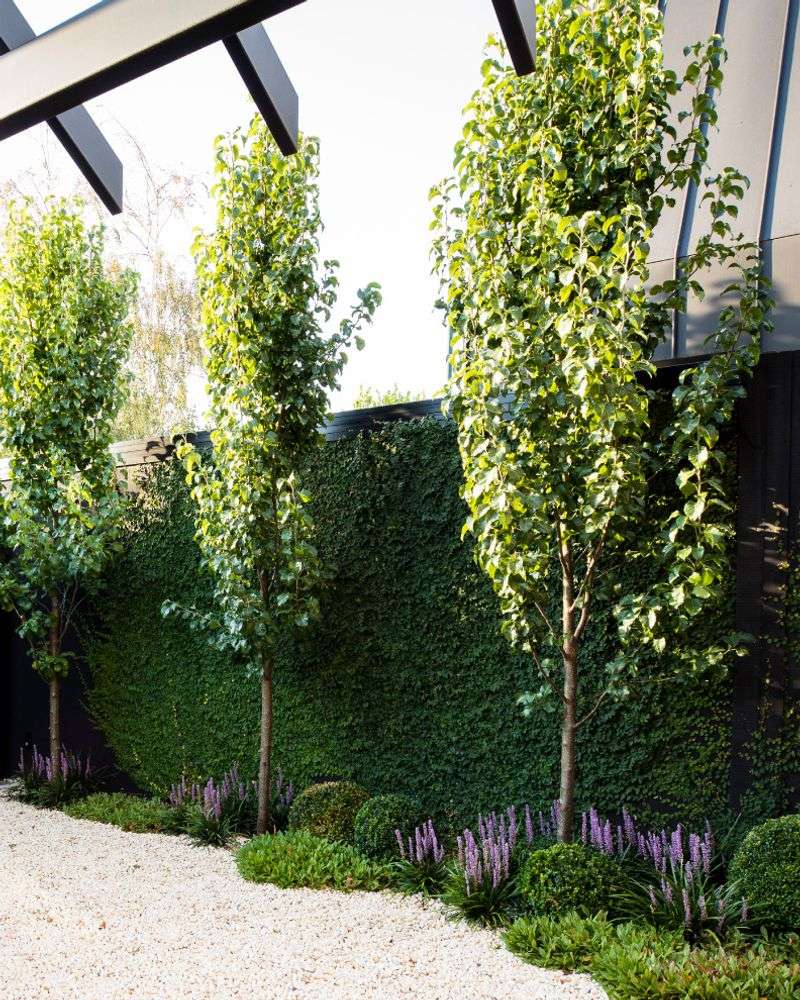
Walls disappear beneath the tiny leaves of climbing fig, which clings tenaciously to almost any vertical surface.
This remarkable vine uses small adhesive rootlets to attach itself to brick, stone, stucco, and even painted surfaces.
Growth starts slowly but accelerates dramatically once the plant establishes, eventually creating a seamless green tapestry.
The juvenile foliage features delicate heart-shaped leaves smaller than a dime, creating an elegant fine-textured appearance.
Climbing fig thrives in full shade where other vines struggle, making it ideal for north-facing walls and heavily wooded yards.
North Carolina’s mild winters allow this vine to remain evergreen, providing year-round coverage and visual interest.
Regular trimming keeps growth in check and prevents the vine from reaching windows, gutters, or roof edges.
Gardeners appreciate how quickly climbing fig transforms plain concrete foundations and retaining walls into attractive garden features.
Water consistently during establishment, then reduce frequency as the extensive root system develops and spreads beneath the soil surface.
4. Virginia Creeper (Parthenocissus Quinquefolia)
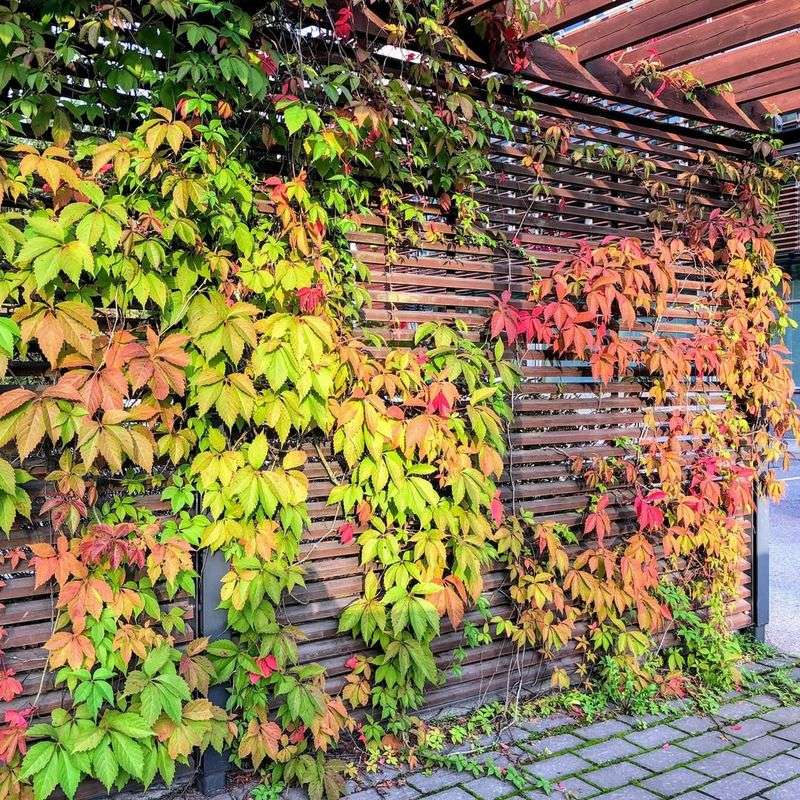
Native to North Carolina forests, this vigorous climber feels right at home in the shadiest corners of your landscape.
Five-leaflet compound leaves create a distinctive appearance that’s easy to identify throughout the growing season.
Virginia creeper climbs using both tendrils with adhesive pads and twining stems, allowing it to scale nearly any surface.
Growth rates impress even impatient gardeners, with established vines adding several feet of length each growing season.
The true magic happens in autumn when the foliage transforms into brilliant shades of crimson, burgundy, and scarlet.
Small blue-black berries appear in late summer, providing valuable food for migrating birds preparing for winter journeys.
This vine tolerates deep woodland shade where few other plants survive, making it perfect for naturalizing beneath mature trees.
North Carolina wildlife benefits greatly from Virginia creeper, as numerous insects, birds, and small mammals depend on it for shelter and sustenance.
Prune annually to control spread and prevent the vine from overwhelming smaller plants or climbing into gutters and roof areas.
5. English Ivy (Hedera Helix)
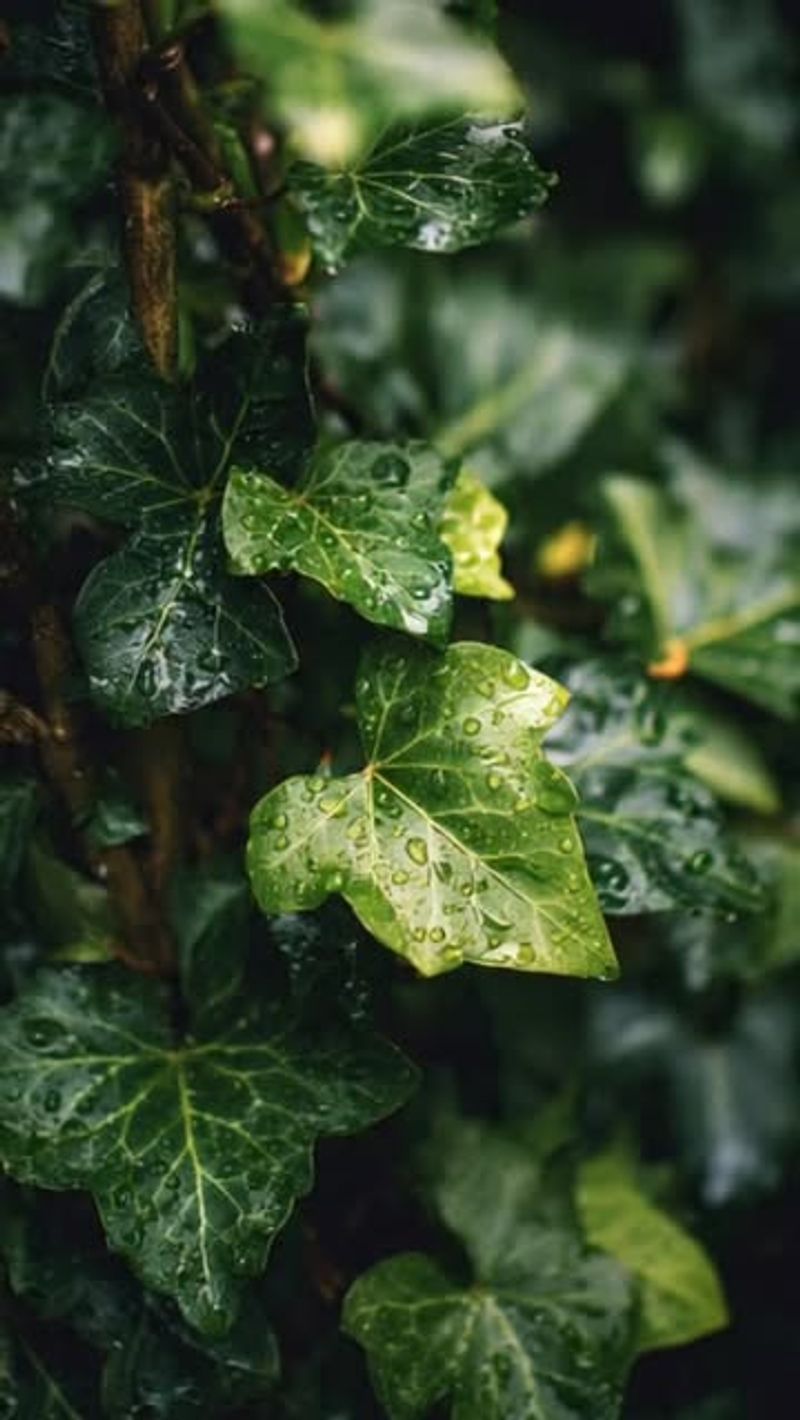
Love it or debate its place in the landscape, English ivy undeniably thrives in conditions that challenge most other climbers.
This evergreen vine grows with remarkable vigor in full shade, covering fences, walls, and ground areas with equal enthusiasm.
The classic three to five-lobed leaves remain deep green throughout the year, providing consistent color even during winter’s bleakest days.
English ivy climbs using aerial rootlets that grip tightly to rough surfaces, creating a dense living wall over time.
North Carolina’s climate allows this plant to flourish perhaps too well, as it can spread beyond intended boundaries if not monitored.
Many gardeners choose to grow it in contained areas where its aggressive nature becomes an asset rather than a concern.
The vine provides excellent erosion control on shaded slopes and creates habitat for small birds and beneficial insects.
Regular maintenance keeps English ivy attractive and prevents it from climbing into trees or spreading into natural areas where it competes with native species.
Consider planting it inside borders or using root barriers to enjoy its shade-tolerant benefits while maintaining control over its growth.
6. American Wisteria (Wisteria Frutescens)
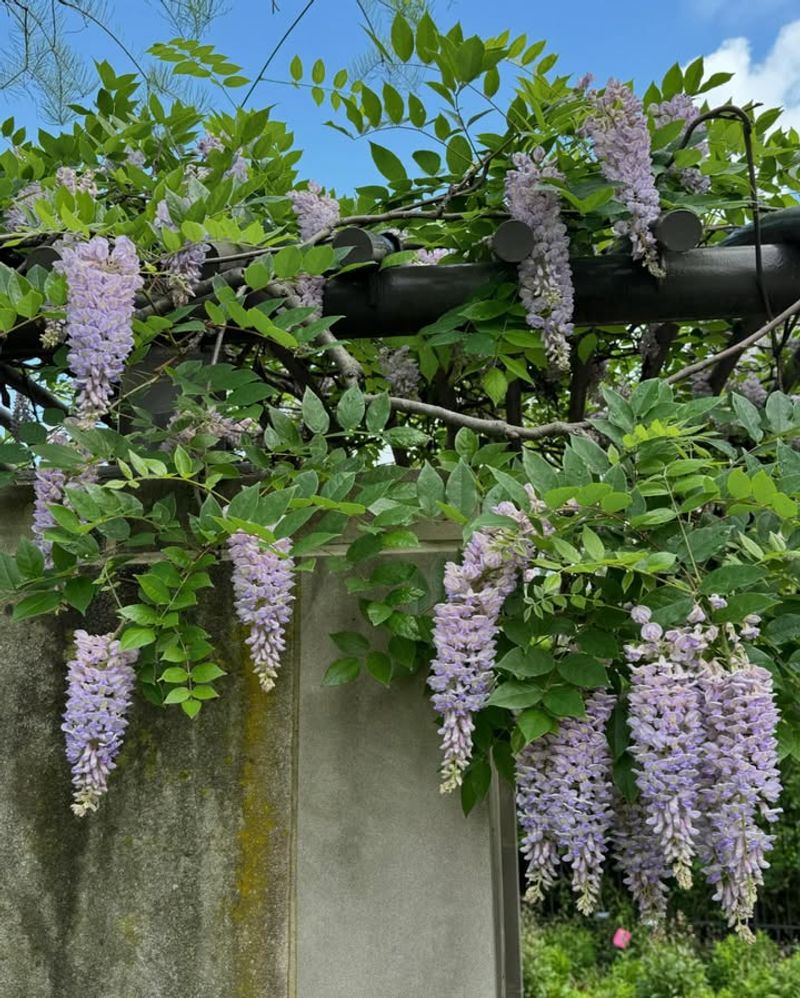
Unlike its aggressive Asian cousins, American wisteria behaves beautifully while still delivering spectacular spring flower displays.
This native vine produces shorter, denser flower clusters in shades of lavender, purple, and occasionally white.
Blooming occurs after the leaves emerge, creating a lovely contrast between green foliage and colorful dangling racemes.
American wisteria tolerates partial to deep shade far better than Chinese or Japanese varieties, making it perfect for woodland edges and shaded arbors.
Growth remains manageable with annual pruning, and the vine won’t strangle trees or tear down structures like invasive wisteria species.
North Carolina gardeners appreciate having a well-behaved native option that attracts hummingbirds and butterflies without causing neighborhood headaches.
The compound leaves create an attractive fine texture throughout summer, and the twining stems add architectural interest during winter dormancy.
Plant American wisteria on sturdy supports like pergolas, arbors, or strong fences that can handle the mature vine’s weight.
Provide consistent moisture during the first growing season, then enjoy years of reliable blooms and easy maintenance in your shaded garden spaces.
7. Coral Honeysuckle (Lonicera Sempervirens)
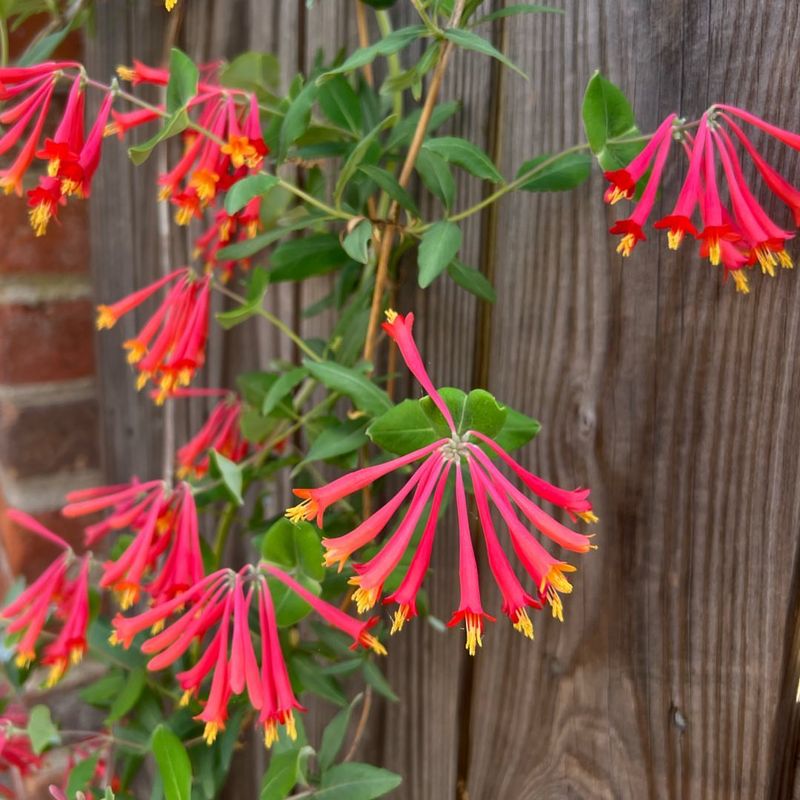
Hummingbirds zoom straight to the tubular red-orange flowers of this native beauty, even when planted in shady locations.
Coral honeysuckle blooms repeatedly from spring through fall, providing nectar for pollinators throughout the entire growing season.
The flowers emerge in clusters at stem tips, creating bright spots of color against blue-green foliage that remains attractive year-round in mild winters.
This vine twines gently around supports without strangling them, making it safe for mailboxes, lamp posts, and decorative garden structures.
Growth stays moderate and manageable compared to invasive Japanese honeysuckle, which aggressively overtakes everything in its path.
North Carolina’s native wildlife depends on coral honeysuckle for food, with hummingbirds, butterflies, and songbirds all benefiting from its presence.
The vine adapts to various light conditions, flowering abundantly even in areas that receive only dappled sunlight or bright shade.
Small red berries follow the flowers in late summer, adding another season of interest and providing food for migrating birds.
Plant coral honeysuckle on trellises, fences, or allow it to climb into small trees where its colorful blooms create delightful surprises throughout the canopy.
8. Sweet Autumn Clematis (Clematis Terniflora)
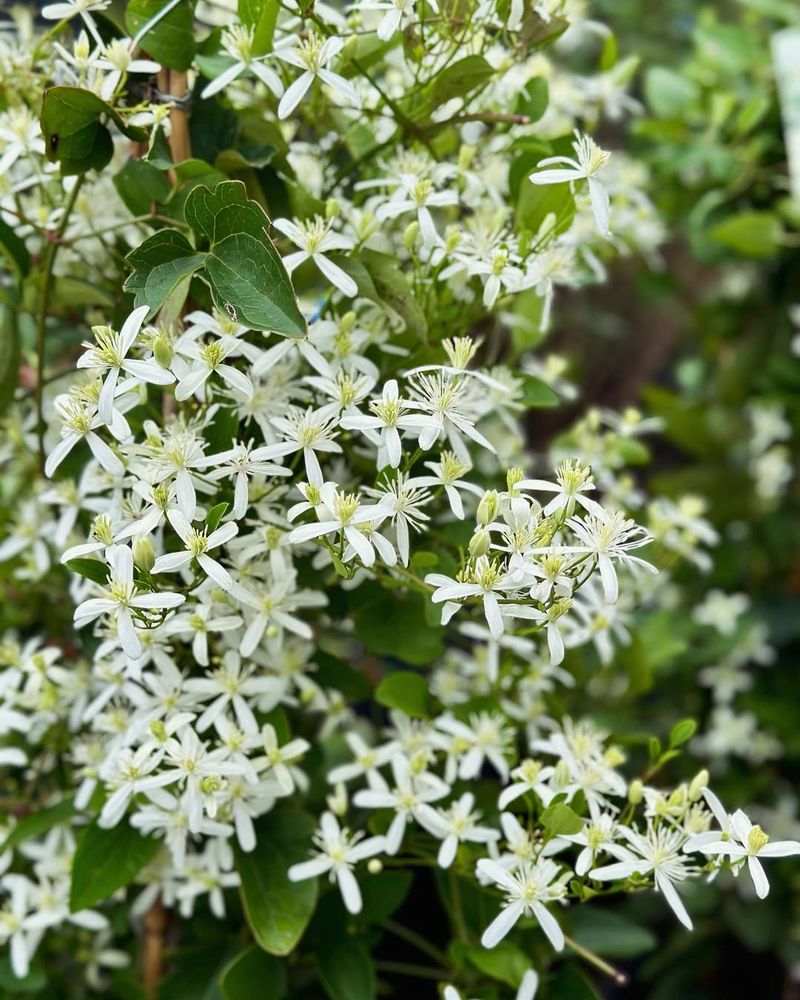
Late summer brings clouds of fragrant white blooms that transform shaded fences into dreamy backdrops worthy of garden magazines.
Sweet autumn clematis grows vigorously once established, climbing quickly to cover eyesores and fill vertical spaces with lush greenery.
The small star-shaped flowers appear in profusion during August and September, releasing a sweet vanilla-like fragrance that perfumes entire garden areas.
After flowering, fluffy silver seed heads develop, creating another ornamental feature that persists into early winter.
This clematis tolerates shade better than most varieties, blooming abundantly even in locations that receive limited direct sunlight.
North Carolina’s warm growing season allows sweet autumn clematis to reach impressive heights, sometimes covering entire fence lines in a single season.
The vine climbs by twining leaf stems around supports, so provide wire, lattice, or small branches for it to grasp.
Prune hard in late winter to encourage fresh growth and abundant flowering on new wood produced during the upcoming season.
Butterflies and bees visit the flowers enthusiastically, adding movement and life to shaded garden areas that might otherwise feel quiet and still.
9. Crossvine (Bignonia Capreolata)
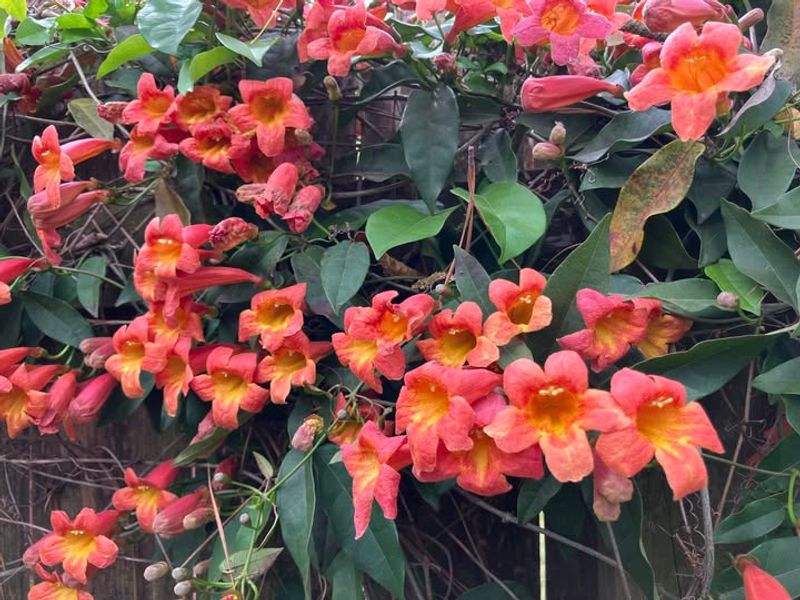
Blazing orange-red flowers announce spring’s arrival when crossvine bursts into bloom on shaded arbors and woodland edges.
This southeastern native climbs using tendrils with adhesive tips, attaching firmly to rough bark, wood, and masonry surfaces.
The evergreen to semi-evergreen foliage turns attractive shades of burgundy and purple during winter, providing year-round visual interest.
Tubular flowers appear in clusters during April and May, attracting hummingbirds that return faithfully each spring to feed.
Crossvine tolerates deep shade remarkably well, thriving beneath tree canopies where many flowering vines refuse to bloom.
North Carolina’s native plant enthusiasts treasure this vine for its ecological value and ability to support local pollinator populations.
Growth remains moderate and controllable, making crossvine suitable for smaller gardens where aggressive vines would quickly become problematic.
The common name comes from the cross-shaped pattern visible when stems are cut in cross-section, though most gardeners never notice this hidden feature.
Plant crossvine on fences, pergolas, or allow it to climb into small trees where its vibrant flowers create stunning displays against green spring foliage.
10. Carolina Jessamine (Gelsemium Sempervirens)
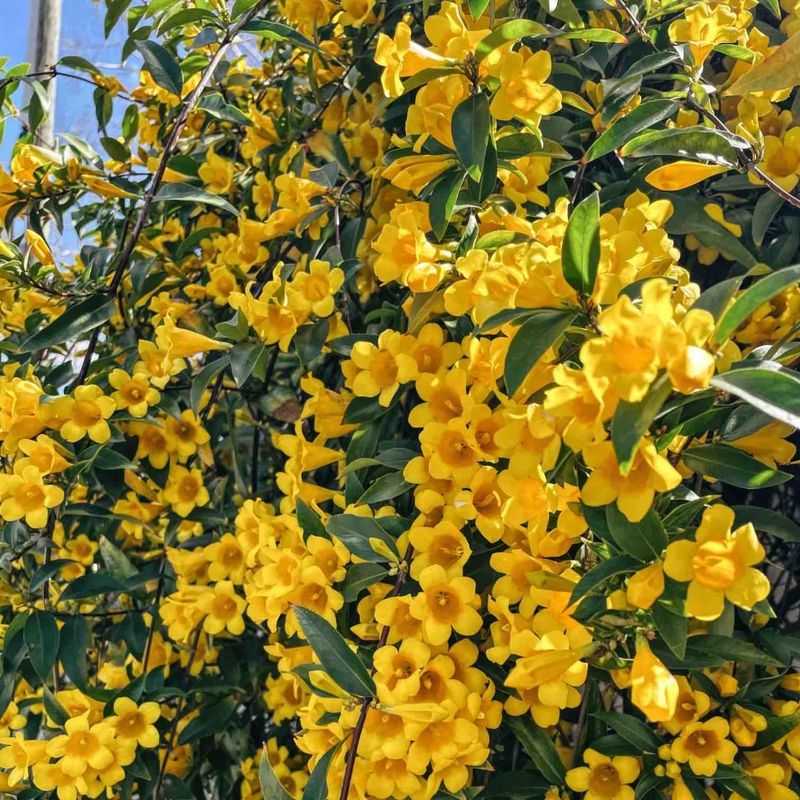
Bright yellow trumpet flowers herald spring’s arrival when Carolina jessamine blooms, bringing sunshine to shaded garden corners.
This native evergreen vine twines gracefully around supports, creating a delicate appearance despite its tough, adaptable nature.
Flowering begins in late winter and continues through early spring, often providing the first significant color after months of dormancy.
The glossy narrow leaves remain attractive throughout the year, maintaining a refined appearance even when the vine isn’t blooming.
Carolina jessamine adapts to various light conditions, flowering successfully in partial shade and even areas that receive limited direct sunlight.
North Carolina designated this beautiful vine as the state flower, recognizing its importance to our natural heritage and garden traditions.
Growth stays moderate and manageable with annual pruning, making it appropriate for mailboxes, lamp posts, and smaller garden structures.
All parts of the plant contain toxic compounds, so avoid planting where children or pets might be tempted to taste the flowers or foliage.
Establish Carolina jessamine on sturdy supports in shaded locations, then enjoy years of early spring color that brightens the transition from winter to growing season.