7 Climbing Plants That Grow Strong In South Carolina Gardens With Little Sun
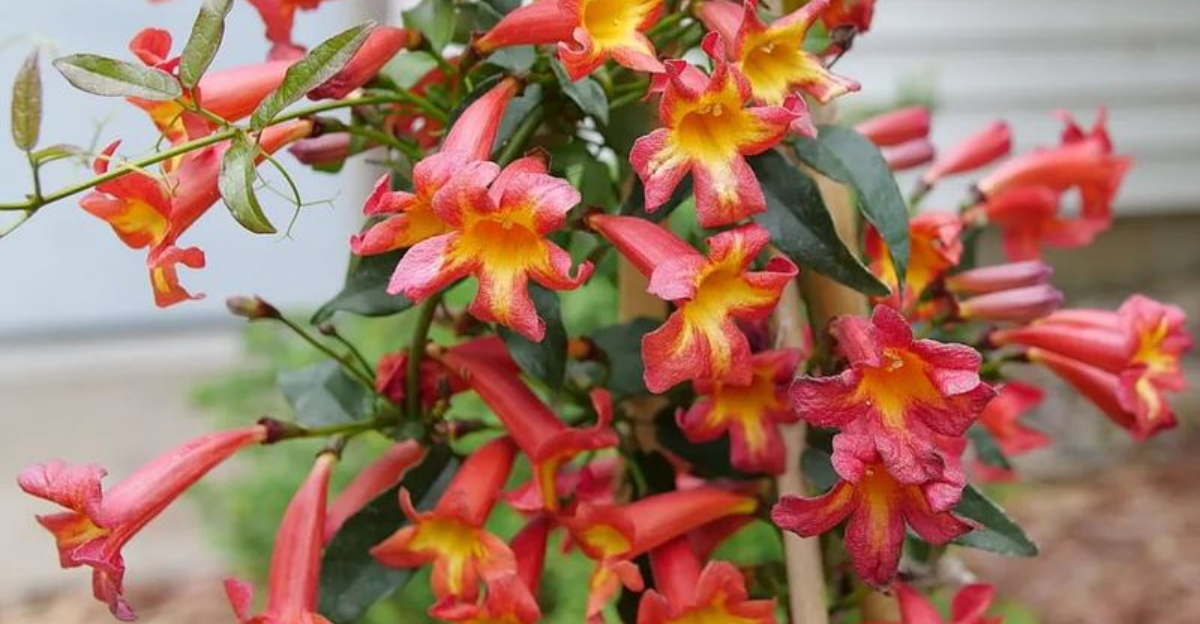
South Carolina gardens brim with heat, charm, and shade beneath pines and porches.
Many vines fail fast in such low light, yet a few tough picks rise to the task.
These plants play the long game, grip walls, trellises, and fences, and thrive where sun stays scarce.
They shrug off dim corners and turn bare spaces into green refuge.
For homeowners who face shadow all day, this feels like found money.
No need for harsh rays or constant fuss.
The right choice pulls weight, adds privacy, and brings texture where lawns fall flat.
From courtyards to side yards that never catch a beam, these climbers stand tall and true.
This guide cuts through the noise and points to options that deliver results without drama.
Pick smart, plant once, and watch shade turn from foe into ally, with growth that holds strong through heat, storms, and southern summers.
1. Climbing Hydrangea
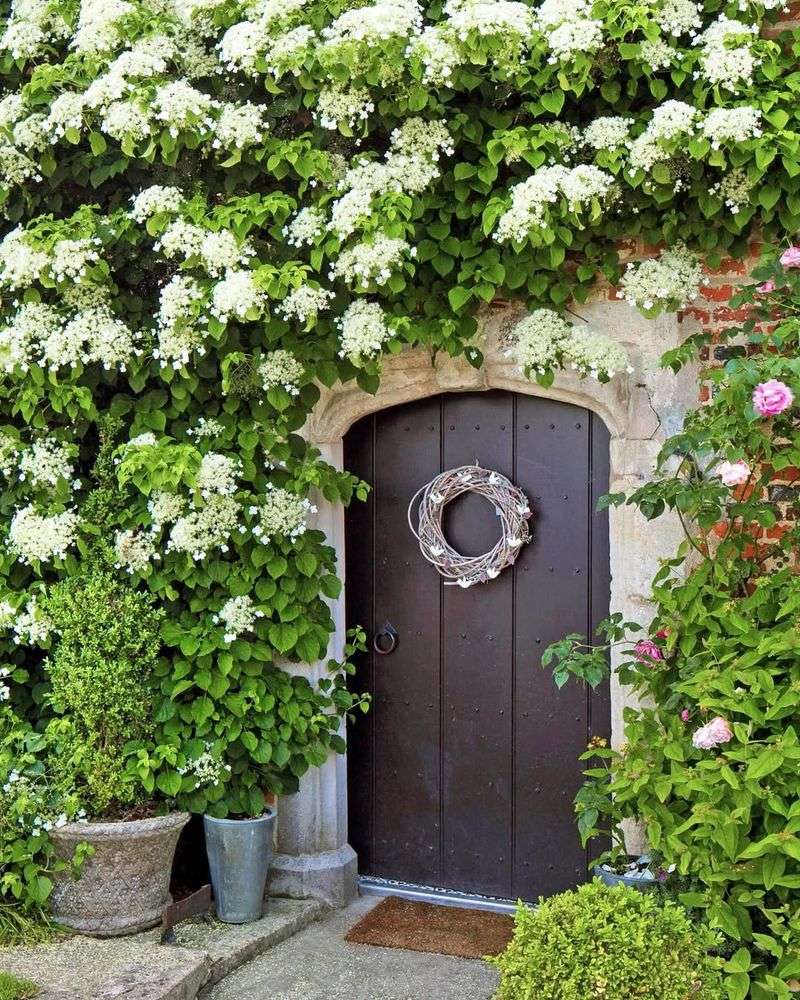
Climbing hydrangea brings elegance to any shaded garden wall or fence with its stunning white blooms and heart-shaped leaves.
This woody vine attaches itself to surfaces using aerial rootlets, so you won’t need to tie it up constantly.
Patience pays off with this plant since it takes a few years to establish strong roots before it starts climbing vigorously.
Once settled, climbing hydrangea can reach heights of 30 to 50 feet and produces beautiful lacecap flowers in late spring.
The foliage turns a lovely yellow-bronze color in autumn, adding seasonal interest to your landscape.
South Carolina’s humid climate suits this vine perfectly, especially in areas with morning sun and afternoon shade.
Water regularly during the first couple of years to help roots develop properly.
Mulching around the base keeps soil moist and cool, which this plant appreciates.
Pruning is rarely necessary except to control size or remove damaged branches.
This climber works wonderfully on brick walls, wooden fences, or sturdy arbors where it can show off its cascading blooms.
Few pests bother climbing hydrangea, making it a low-maintenance choice for busy gardeners.
2. Carolina Jessamine
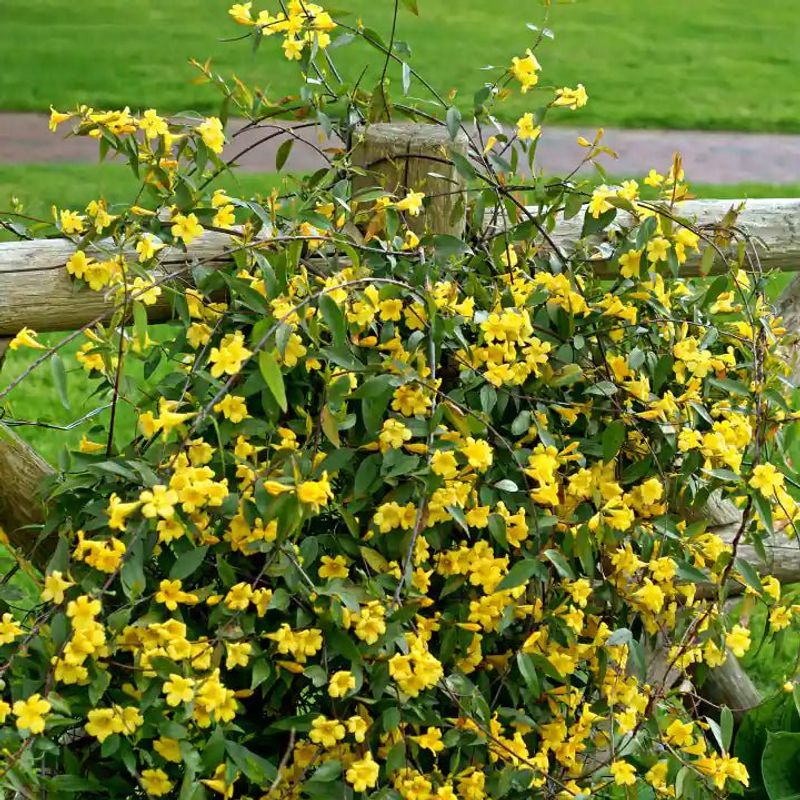
Bright yellow trumpet-shaped flowers make Carolina jessamine a beloved native vine across South Carolina gardens.
Blooming in late winter through early spring, this evergreen climber brings cheerful color when most plants remain dormant.
Carolina jessamine tolerates shade remarkably well, though it produces more flowers with a bit of morning sunlight.
The glossy green leaves stay attractive year-round, providing constant visual interest even after blooming finishes.
This vine grows quickly once established, reaching 10 to 20 feet and covering fences or pergolas with ease.
Hummingbirds adore the nectar-rich blossoms, making your garden a wildlife haven.
South Carolina’s state flower, Carolina jessamine thrives in the region’s warm, humid conditions without much fuss.
Plant it in well-draining soil and water regularly during dry spells for best results.
Training young vines onto supports helps them climb in the direction you prefer.
Prune lightly after flowering to maintain shape and encourage bushier growth.
Remember that all parts of this plant contain toxic compounds, so keep it away from pets and children who might nibble on leaves or flowers.
3. English Ivy

Few climbing plants match English ivy for its ability to thrive in deep shade and cover surfaces quickly.
The distinctive lobed leaves create a dense, evergreen blanket that looks attractive throughout all seasons.
English ivy clings to walls, trees, and fences using tiny rootlets that grip almost any surface.
This adaptable vine tolerates South Carolina’s hot summers and mild winters without complaint.
Gardeners appreciate how little maintenance English ivy requires once it gets going.
However, this plant can become aggressive and spread beyond where you want it.
Regular trimming keeps English ivy under control and prevents it from invading other garden areas.
Some varieties feature variegated leaves with white or yellow markings, adding extra visual appeal.
Plant English ivy where you need quick coverage on unsightly walls or bare fences.
Water new plantings regularly until roots establish, then this vine becomes quite drought-tolerant.
Birds appreciate the berries that mature plants produce, though these fruits are toxic to humans.
English ivy works particularly well in shaded courtyards or under tree canopies where other climbers struggle.
4. Crossvine
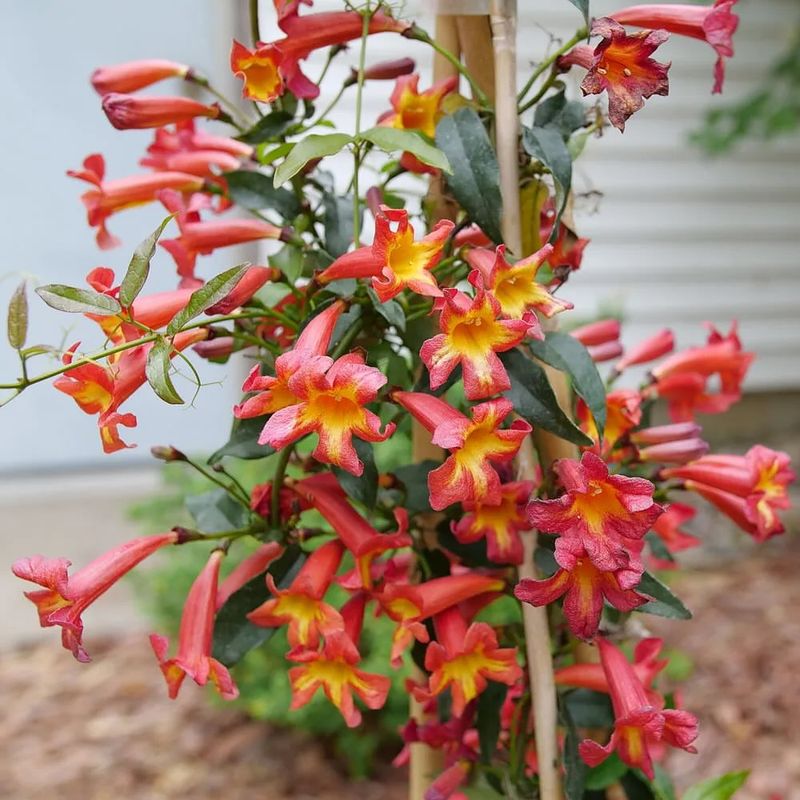
Reddish-orange tubular flowers dangle from crossvine branches each spring, creating a spectacular display that hummingbirds cannot resist.
This southeastern native vine performs beautifully in South Carolina gardens, especially in partial shade conditions.
Crossvine gets its unusual name from the cross-shaped pattern visible when you cut the stem.
The semi-evergreen foliage turns purplish-bronze in winter, providing year-round interest in your landscape.
Growing 25 to 50 feet long, crossvine needs sturdy support like a fence, arbor, or pergola.
Tendrils help this vine climb and attach to structures without damaging surfaces.
South Carolina’s climate suits crossvine perfectly, and it tolerates both heat and occasional cold snaps.
Plant in slightly acidic, well-draining soil and water during extended dry periods.
Crossvine blooms most abundantly with some morning sun, but it still flowers nicely in shadier spots.
Prune after flowering ends to control size and encourage fuller growth.
This native climber attracts pollinators while resisting most pests and diseases.
Deer typically avoid crossvine, making it ideal for gardens where wildlife browsing causes problems.
5. Dutchman’s Pipe
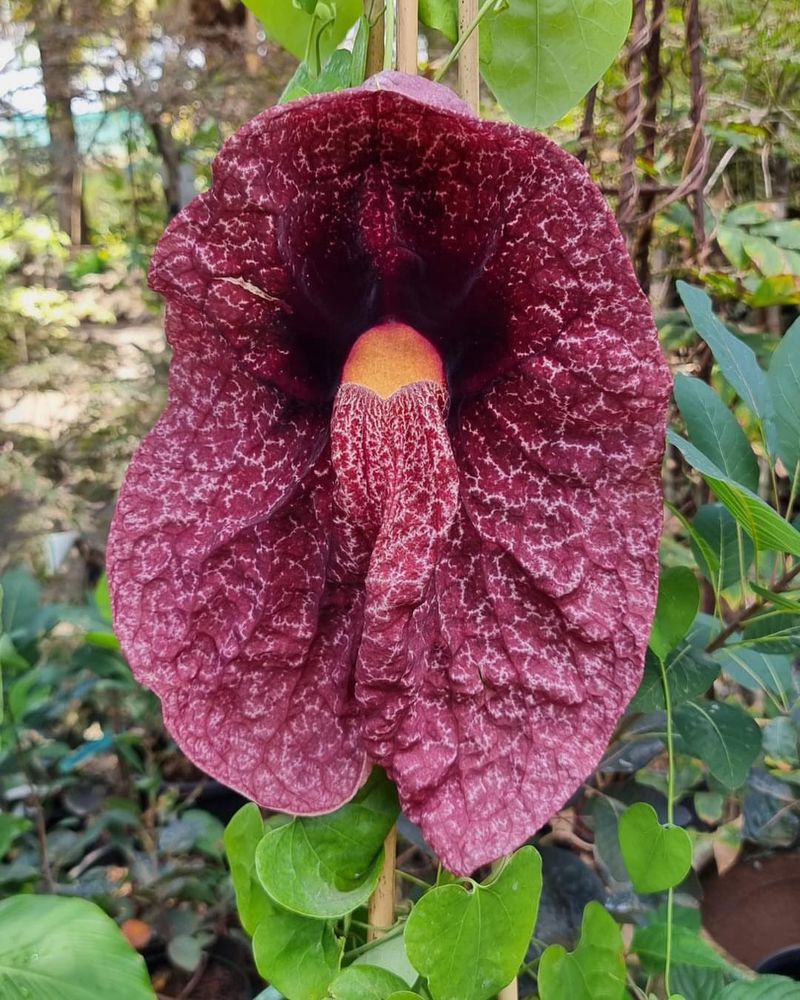
Enormous heart-shaped leaves up to 12 inches across make Dutchman’s pipe an excellent choice for creating dense shade and privacy screens.
The unusual pipe-shaped flowers hide beneath the foliage, resembling old-fashioned tobacco pipes in shape and color.
Dutchman’s pipe grows vigorously in shaded areas, quickly covering arbors, trellises, and pergolas.
This deciduous vine can reach 20 to 30 feet in a single growing season under ideal conditions.
South Carolina’s warm, humid summers provide perfect growing conditions for this moisture-loving climber.
Pipevine swallowtail butterflies lay eggs exclusively on Dutchman’s pipe, making your garden a butterfly nursery.
The caterpillars feed on the leaves, which might look unsightly but helps support important pollinator populations.
Plant Dutchman’s pipe in rich, moist soil and water regularly during dry weather.
Mulch around the base to keep roots cool and retain soil moisture.
Prune in late winter before new growth begins to control size and remove any damaged stems.
Strong support structures are necessary because the dense foliage becomes quite heavy.
Dutchman’s pipe works wonderfully for screening unsightly views or creating cool, shaded outdoor rooms.
6. Japanese Honeysuckle
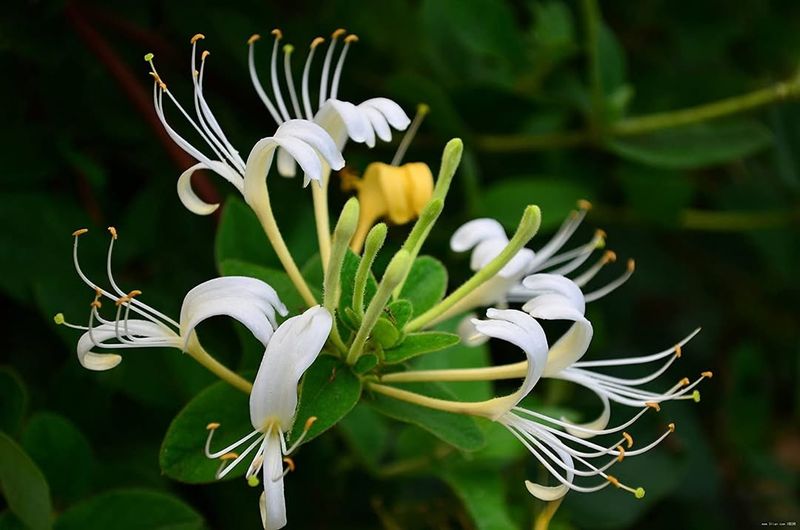
Sweetly fragrant white and yellow flowers perfume the air around Japanese honeysuckle from late spring through summer.
This vigorous evergreen vine thrives in shaded locations throughout South Carolina, though it can become quite aggressive.
Japanese honeysuckle climbs by twining around supports and can quickly cover fences, arbors, and trellises.
The fragrance intensifies during evening hours, making it perfect near patios or seating areas.
Hummingbirds and butterflies visit the nectar-rich blooms frequently throughout the flowering season.
Because this vine spreads rapidly, plant it only where you can manage its growth with regular pruning.
Some gardeners avoid Japanese honeysuckle due to its invasive tendencies in natural areas.
However, when kept under control in managed gardens, it provides beautiful coverage and wonderful fragrance.
Prune heavily in late winter to prevent it from overwhelming other plants.
Japanese honeysuckle tolerates poor soil, drought, and deep shade better than most climbing plants.
The dark blue berries that follow flowers attract birds to your garden.
Consider planting this vine in contained areas where its spreading habit won’t cause problems with native vegetation.
7. Virginia Creeper
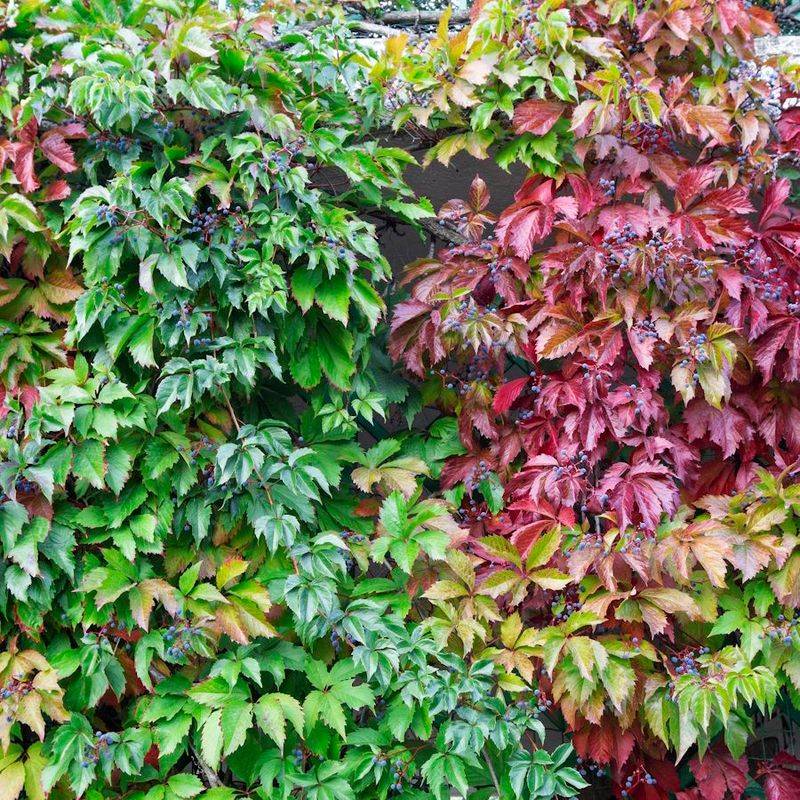
Brilliant red fall foliage makes Virginia creeper one of the most stunning climbing plants for autumn color in South Carolina.
The five-leaflet compound leaves create an attractive texture throughout the growing season before their dramatic color change.
Virginia creeper thrives in full shade to partial sun, adapting easily to various light conditions.
This native vine climbs using adhesive pads on tendrils, clinging to walls, fences, and tree trunks.
Growing 30 to 50 feet long, Virginia creeper provides quick coverage for large areas.
South Carolina’s climate suits this adaptable vine perfectly, and it tolerates heat, humidity, and occasional drought.
Small greenish flowers appear in spring, followed by dark blue berries that birds eagerly consume.
Plant Virginia creeper in almost any soil type, though it prefers slightly moist conditions.
Prune as needed to control growth and prevent it from climbing into gutters or under roof shingles.
Some people develop skin irritation from contact with Virginia creeper sap, so wear gloves when handling.
This low-maintenance climber resists most pests and diseases while providing excellent wildlife habitat.
Virginia creeper works beautifully softening hard architectural features or covering chain-link fences.