Climbing Plants That Will Thrive In Oregon Gardens Even With Little To No Sunlight
Many Oregon gardeners believe that a shady yard means giving up on vertical plants, but that couldn’t be further from the truth.
With the state’s tall trees, north-facing walls, and overcast winters, shade is a common challenge across Oregon landscapes.
Fortunately, several climbing plants are well adapted to low-light conditions and actually perform better without harsh sun.
These vines and climbers use broad leaves, strong clinging roots, or twining stems to capture what little light is available, allowing them to grow steadily where other plants struggle.
From covering bare fences to softening shaded walls, the right climbing plant can transform dim corners into lush, living backdrops.
Understanding which varieties tolerate shade—and how they behave over time—helps gardeners create vertical interest without constant maintenance.
Even in the darkest parts of the yard, these climbers prove that limited sunlight doesn’t have to limit beauty.
Climbing Hydrangea (Hydrangea Anomala Subsp. Petiolaris)
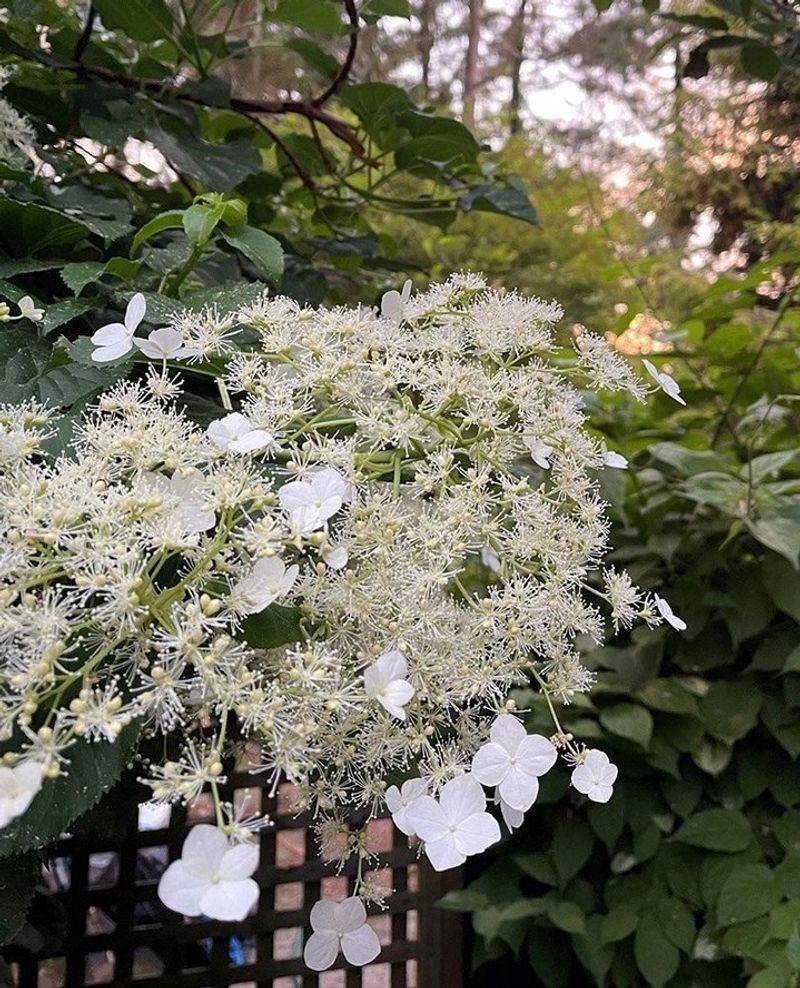
Picture a wall completely covered in lacy white flowers that seem to glow even in the deepest shade—that’s climbing hydrangea at its finest.
This remarkable vine stands out as one of the most reliable performers for Oregon’s shadiest garden spots.
Unlike many climbers that struggle without direct sun, this beauty actually prefers the cool darkness of north-facing walls and thrives under the canopy of mature trees.
Climbing hydrangea uses aerial rootlets to attach itself to surfaces without needing additional support structures.
The glossy green leaves create a dense backdrop for the stunning white flower clusters that appear in early summer.
In Oregon’s mild winters, the exfoliating bark adds visual interest even after the leaves drop.
Patience pays off with this plant, as it can take a few years to establish before it starts its vigorous upward climb.
Once settled, it can reach impressive heights of 30 to 50 feet, transforming blank walls into living tapestries.
The vine tolerates Oregon’s wet winters beautifully and rarely suffers from pest problems.
Water regularly during the first growing season to help roots establish deeply.
This climber works wonderfully as a backdrop for shade-loving perennials like hostas and ferns.
Its ability to brighten dark corners makes it an invaluable addition to any Pacific Northwest garden.
English Ivy (Hedera Helix)
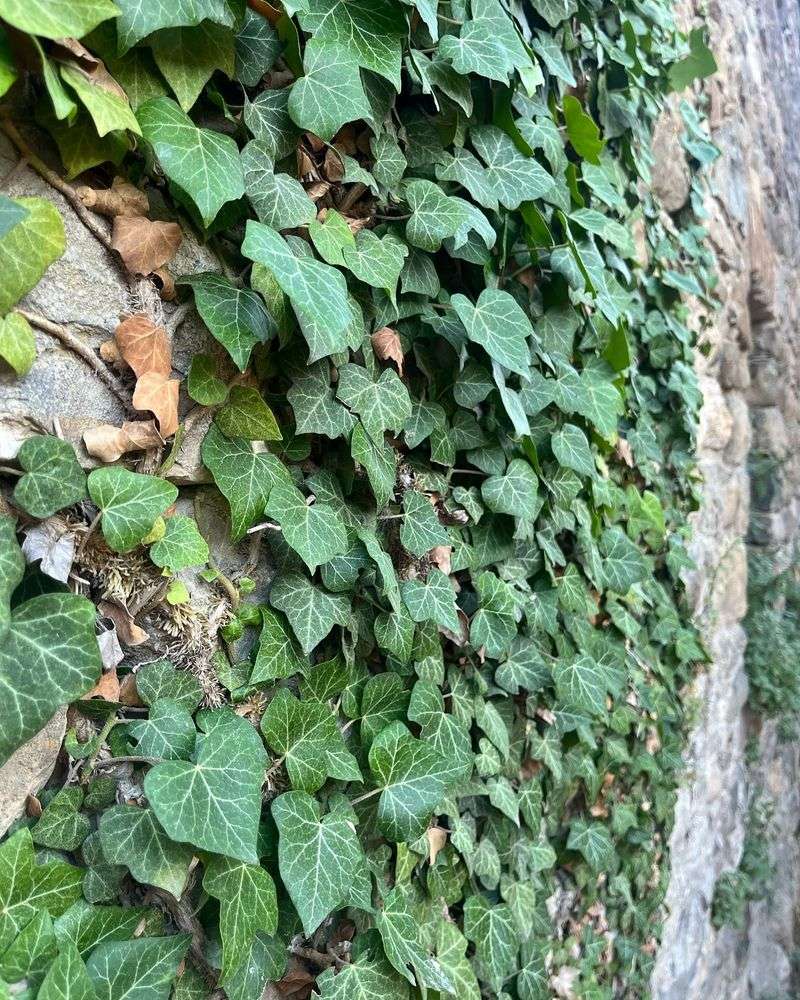
Few plants match English ivy’s determination to grow absolutely anywhere, regardless of how little light reaches the ground.
Western Oregon’s damp, cool conditions feel like home to this European native, which explains why it spreads so enthusiastically throughout the region.
Before planting, understand that this vine is considered invasive in Oregon and can escape into natural areas where it smothers native vegetation.
If you choose to use it, keep it strictly contained within your garden boundaries and monitor it regularly.
The evergreen foliage stays attractive year-round, creating a thick curtain of green even in winter.
English ivy attaches to surfaces using tiny rootlets, making it perfect for covering unsightly structures quickly.
It tolerates deep shade better than almost any other climbing plant, thriving where nothing else will grow.
The vine requires virtually no maintenance once established and handles drought surprisingly well despite preferring moisture.
Dark green leaves with distinctive lobing create classic appeal that complements both traditional and modern landscapes.
Consider planting it in large containers or raised beds to prevent unwanted spreading.
Regular pruning keeps growth in check and prevents it from reaching tree canopies where it causes harm.
Despite its aggressive nature, controlled English ivy solves difficult landscaping problems in heavily shaded urban gardens.
Virginia Creeper (Parthenocissus Quinquefolia)
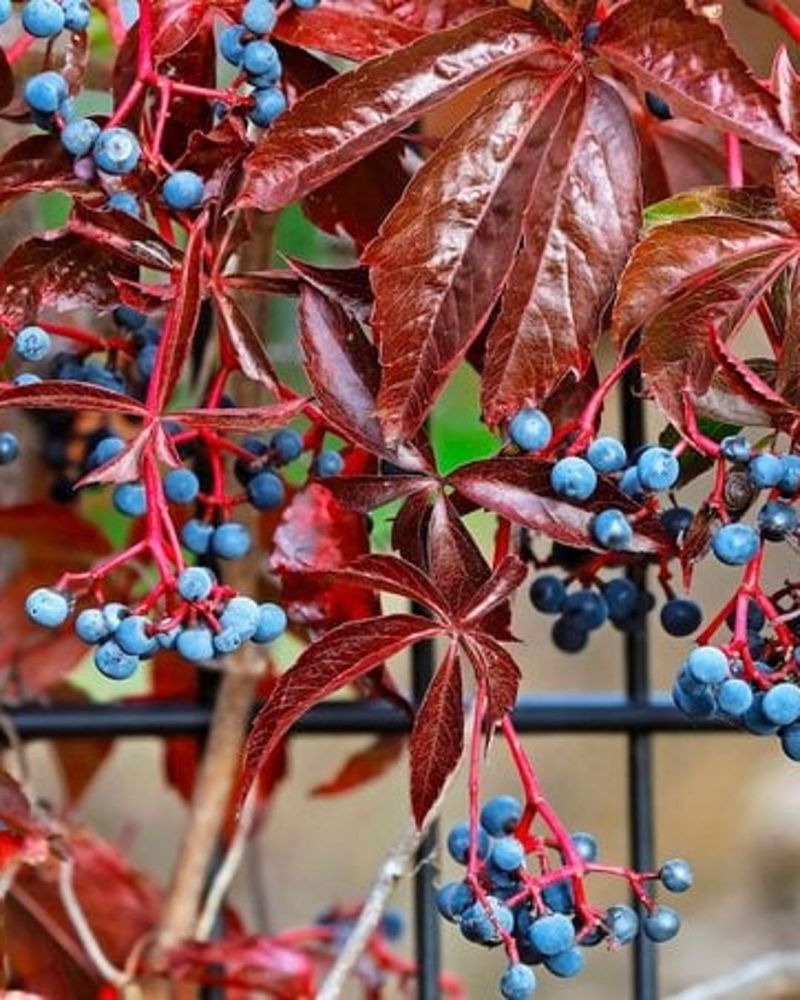
Native woodland edges throughout North America host this adaptable climber, making it naturally suited to Oregon’s shaded forest gardens.
Virginia creeper brings the charm of wild spaces into cultivated landscapes without demanding special care or conditions.
The distinctive five-leaflet compound leaves help identify this vine and distinguish it from its three-leafed cousin, poison ivy.
Branching tendrils tipped with adhesive pads allow the plant to scale rough surfaces like tree bark and stone walls effortlessly.
Throughout spring and summer, the foliage maintains a fresh green color that brightens shady spots considerably.
Come autumn, Virginia creeper puts on a spectacular show, transforming into brilliant shades of crimson and burgundy.
Small blue-black berries appear in fall, providing valuable food for migrating birds preparing for winter journeys.
This vine grows vigorously in Oregon’s climate, quickly covering fences, arbors, and garden structures.
It tolerates a wide range of soil conditions, from sandy to clay-heavy, as long as drainage is adequate.
Unlike some aggressive vines, Virginia creeper remains manageable with occasional trimming during the growing season.
The plant handles both deep shade and partial sun equally well, making it versatile for various garden situations.
Watching it change through the seasons adds dynamic beauty to spaces that might otherwise remain static and dull.
Dutchman’s Pipe (Aristolochia Macrophylla)
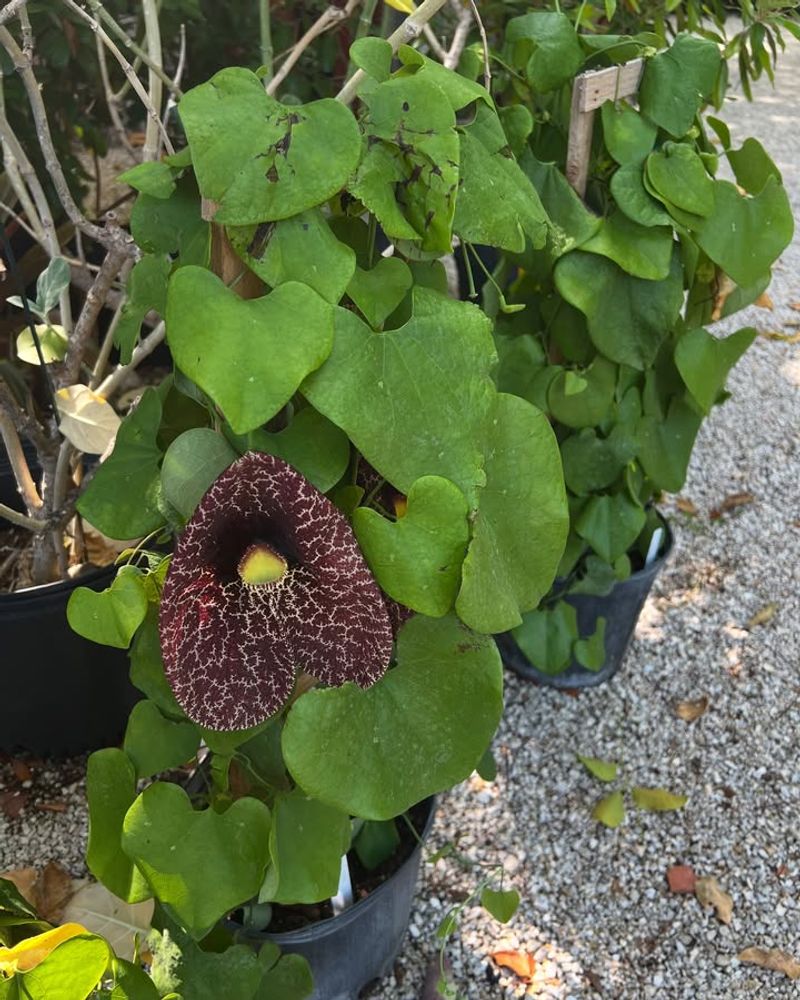
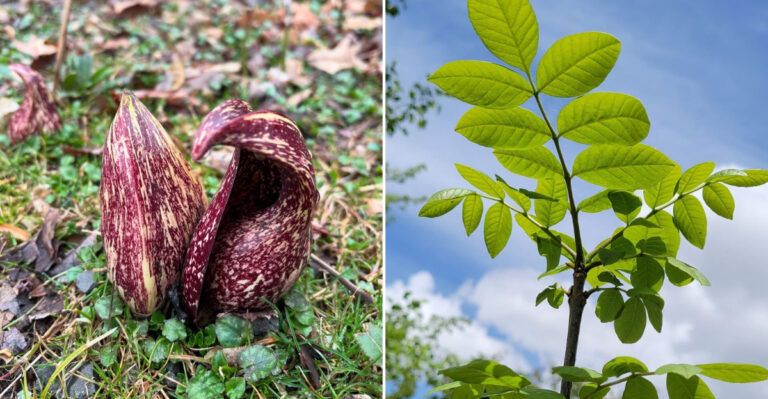
Enormous heart-shaped leaves create such dense coverage that Dutchman’s pipe transforms arbors into cool, shaded retreats perfect for hot summer afternoons.
Each leaf can span up to a foot across, overlapping like roof shingles to block light and create private garden rooms.
The unusual flowers hide beneath this leafy canopy, shaped like old-fashioned smoking pipes that give the plant its quirky common name.
Oregon’s cool summer temperatures suit this vine perfectly, as it struggles in regions with intense heat and humidity.
Dutchman’s pipe actually prefers partial to full shade, making it ideal for those problem areas where most plants refuse to grow.
The vigorous growth can cover large structures quickly, reaching 20 to 30 feet in just a few seasons.
Butterflies, particularly pipevine swallowtails, seek out this plant as a host for their caterpillars, adding wildlife interest to your garden.
Rich, moisture-retentive soil helps the vine establish quickly and maintain lush foliage throughout the growing season.
Winter brings complete dormancy, with the vine losing all its leaves until spring warmth triggers new growth.
Train young plants onto sturdy supports, as the mature vine becomes quite heavy with its dense foliage.
Regular watering during dry spells keeps leaves looking fresh and prevents premature browning at the edges.
This old-fashioned vine brings Victorian charm to modern gardens while solving challenging shade situations elegantly.
Akebia Or Chocolate Vine (Akebia Quinata)
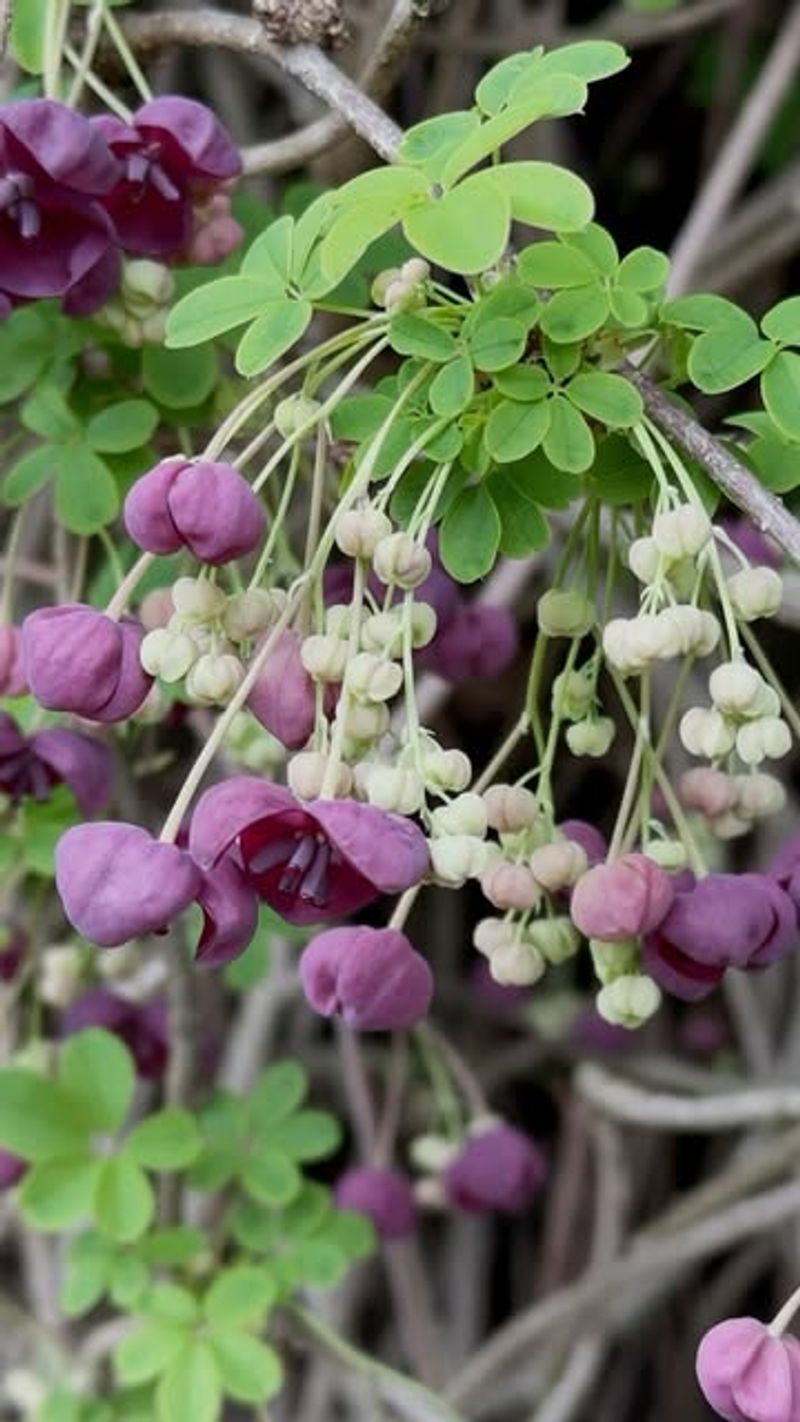
Delicate purple flowers dangle from this graceful vine in early spring, releasing a subtle chocolate fragrance that gives the plant its sweet common name.
Akebia brings an exotic touch to Pacific Northwest gardens while handling shade conditions that would discourage many flowering climbers.
The compound leaves with five rounded leaflets create an airy, delicate texture quite different from other shade-tolerant vines.
In Oregon’s mild coastal and valley regions, this vine often stays semi-evergreen, maintaining its foliage through all but the coldest winters.
Twining stems spiral around supports without clinging or using tendrils, so provide structures like trellises, arbors, or wire frameworks.
Fast growth means akebia can cover a 10-foot trellis in a single growing season once established.
The unusual flowers appear before leaves fully emerge, creating an early season display when little else blooms in shady areas.
Occasionally, long purple fruit pods develop after flowering, though they’re more common in the vine’s native Asian habitat.
Akebia tolerates a range of soil types but performs best with consistent moisture and good drainage.
Some gardeners find it spreads enthusiastically, so plant it where vigorous growth won’t overwhelm smaller companions.
Prune after flowering to control size and encourage bushier growth rather than long, straggly stems.
This underused climber deserves more attention for its beauty, resilience, and ability to flourish where sunlight barely reaches.
Evergreen Climbing Fig (Ficus Pumila)
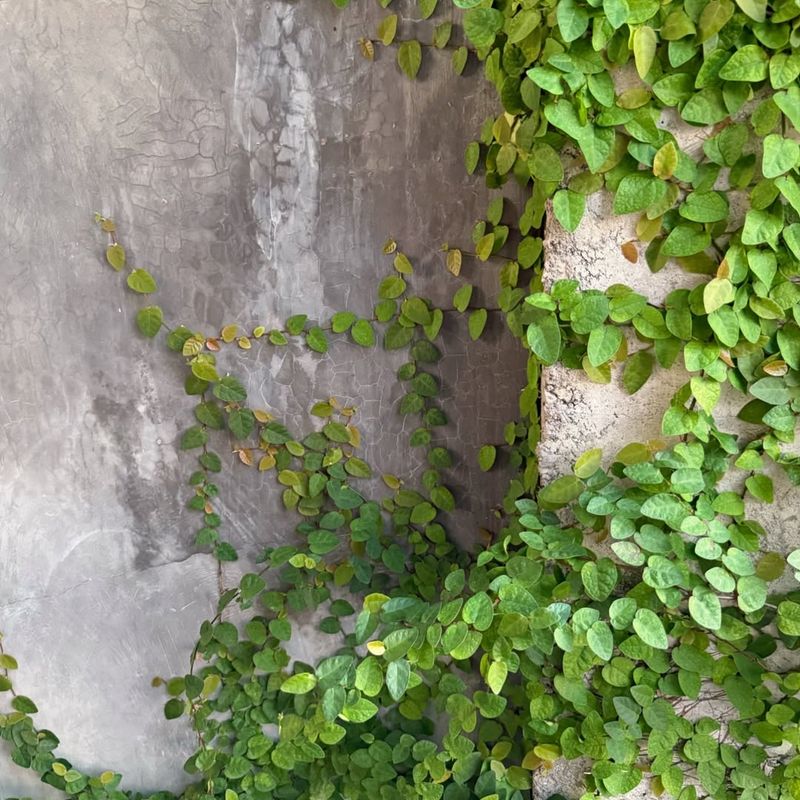
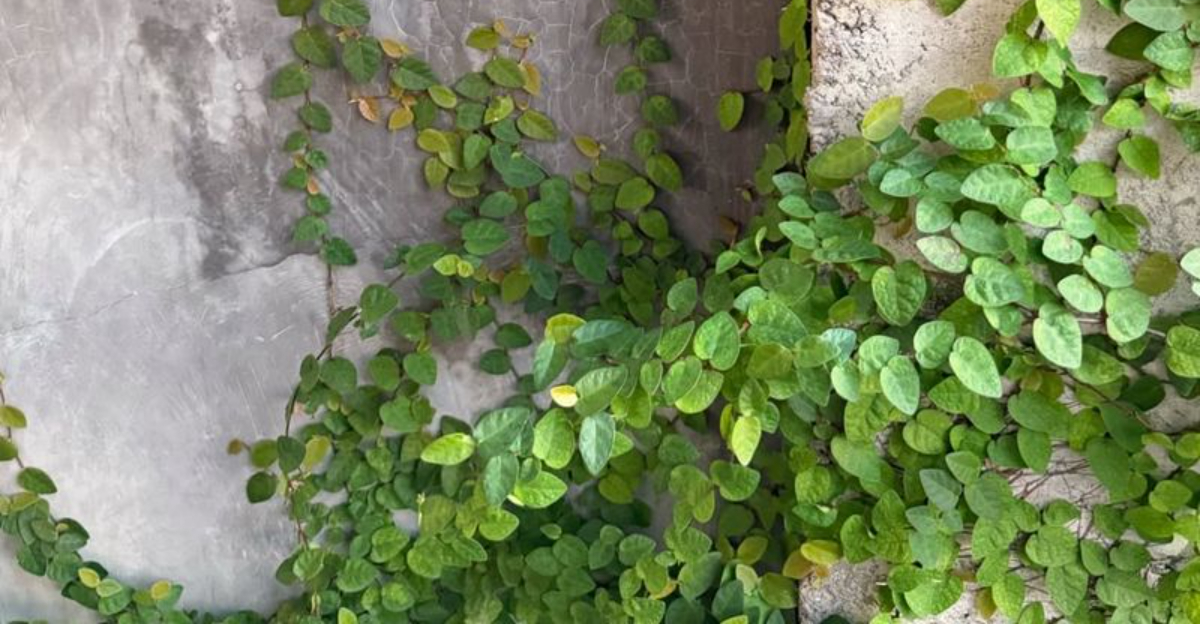
Tiny heart-shaped leaves press flat against walls, creating a living tapestry so tight that the surface beneath almost disappears from view.
Climbing fig brings a refined, manicured look to shaded walls, quite different from the wild appearance of many other vines.
This Asian native thrives in Oregon’s mild coastal areas where winter temperatures rarely drop below the mid-twenties.
Inland gardeners can grow it successfully in protected microclimates, such as against warm south-facing walls or in sheltered courtyards.
The vine attaches using aerial rootlets that grip surfaces firmly, making it ideal for brick, stone, and stucco walls.
Young plants start slowly, spending their first year establishing roots before beginning their upward climb.
Once settled, growth accelerates dramatically, and the vine can cover substantial wall space within a few seasons.
Evergreen foliage ensures year-round visual interest, maintaining garden structure even during Oregon’s gray winter months.
Regular trimming keeps the vine in its juvenile leaf stage, which features smaller, more attractive foliage.
Without pruning, mature growth develops larger leaves and a shrubby appearance that many gardeners find less appealing.
Climbing fig handles deep shade remarkably well, though it grows more vigorously with some filtered light.
Consistent moisture during the growing season promotes healthy foliage, but established plants tolerate brief dry periods surprisingly well.
Shade-Tolerant Clematis Varieties (Group 1 Types)
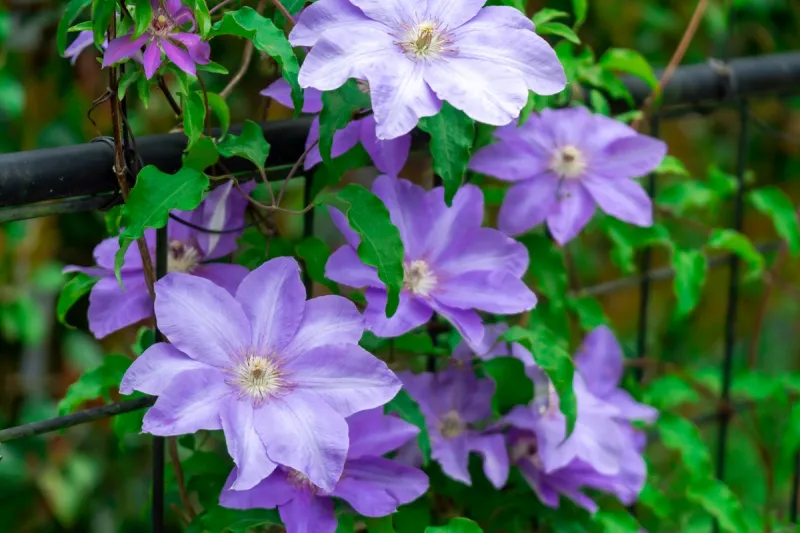
Not all clematis demand sunny exposures—certain early-blooming varieties actually flourish when their roots stay cool in shaded conditions.
Group 1 clematis, which includes species like montana and alpina, tolerates less light than their sun-loving hybrid cousins.
These spring bloomers produce masses of delicate flowers in shades of white, pink, and pale purple before most other climbers wake up.
Oregon’s cool spring temperatures extend the blooming period, giving you weeks of floral display in spots that receive only dappled light.
The key to success lies in providing what clematis growers call cool feet and warm heads—shaded roots with climbing stems reaching toward brighter areas.
Plant these vines where low-growing perennials or mulch can shade the root zone while stems climb into slightly brighter conditions.
Twining leaf stems wrap around supports, so provide thin trellises, wires, or branches for the vine to grasp.
After flowering finishes, attractive seed heads add ornamental value through summer and into fall.
These clematis varieties require less fussy care than large-flowered hybrids, making them perfect for casual gardeners.
Established plants handle Oregon’s wet winters without issue and rarely suffer from the clematis wilt that plagues other types.
Light pruning after flowering maintains shape, but these early bloomers don’t require the complex pruning schedules of later-blooming varieties.
Pairing them with shade-loving companions like hostas creates layered interest in woodland garden settings.
Western Pipevine (Aristolochia Californica)
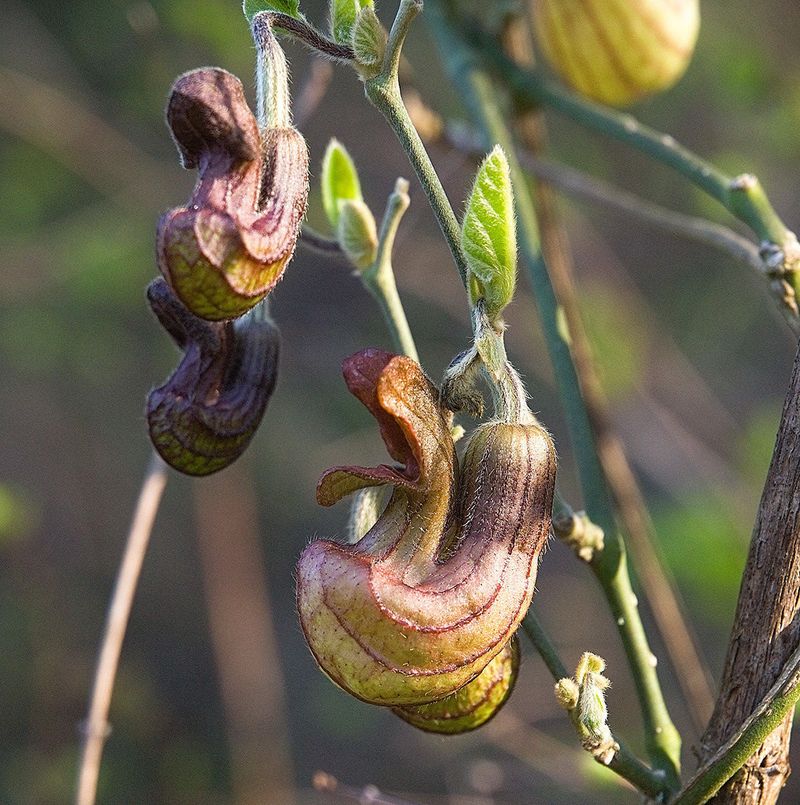
Native to the western United States, this regional treasure supports local ecosystems while solving difficult shade gardening challenges beautifully.
Heart-shaped leaves create lush coverage on fences and trellises, bringing a tropical feel to temperate Pacific Northwest gardens.
Western pipevine produces peculiar curved flowers in late winter and early spring that resemble tiny saxophones or pipes.
These blooms attract pipevine swallowtail butterflies, which lay eggs on the foliage, making your garden a nursery for these gorgeous insects.
Watching caterpillars munch leaves and transform into butterflies adds educational value for families with curious children.
The vine naturally grows in woodland understories and along shaded stream banks, proving its shade tolerance in wild settings.
It handles Oregon’s seasonal drought once established, though supplemental water during extended dry spells keeps foliage looking its best.
Deciduous nature means the vine loses leaves in winter, but this allows light to reach the ground for early spring bulbs and perennials.
Twining stems need support structures to climb, so install trellises or allow it to scramble through sturdy shrubs.
Western pipevine grows at a moderate pace, never becoming aggressively invasive like some non-native relatives.
Rich soil with good moisture retention encourages robust growth and healthier foliage throughout the season.
Choosing native plants like this one helps preserve regional biodiversity while creating gardens that feel connected to the surrounding landscape.
Japanese Honeysuckle (Lonicera Japonica)
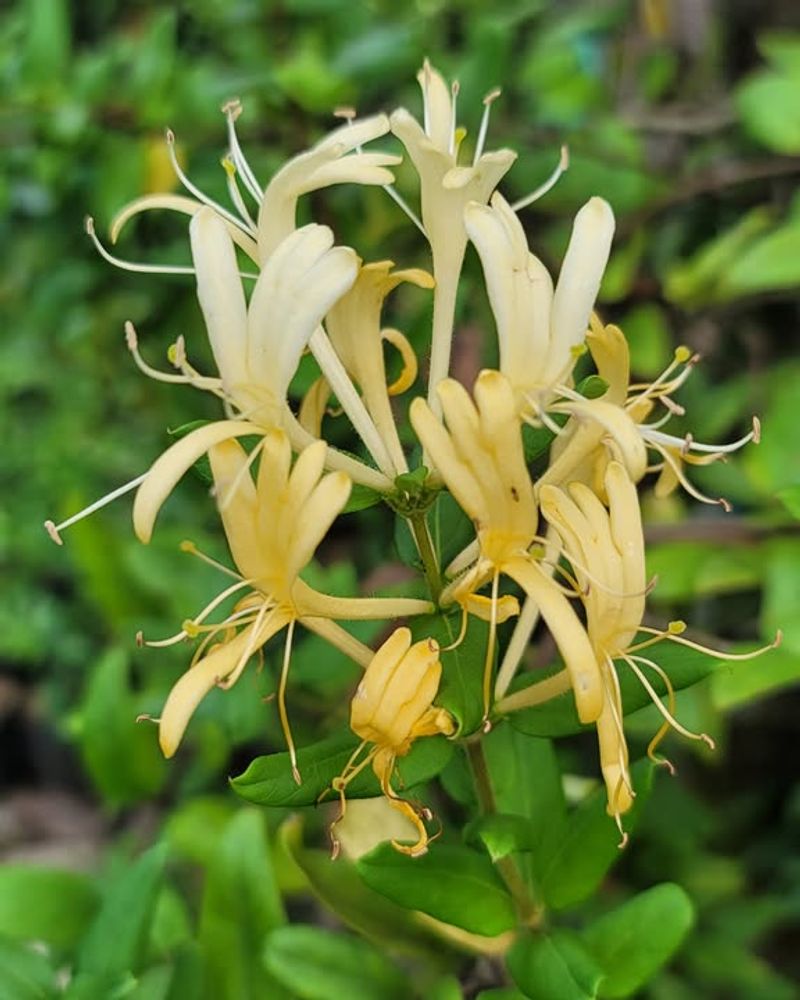
Intensely fragrant tubular flowers fill evening air with sweetness, creating sensory experiences that make this vine memorable despite its problematic nature.
Japanese honeysuckle grows with remarkable vigor in shaded conditions, handling low light better than most flowering vines.
Before planting, recognize that this species is listed as invasive in parts of Oregon and can escape into natural areas.
If you already have it growing on your property, enjoy it responsibly by preventing seed spread and keeping it strictly contained.
The flowers open white and age to yellow, creating a two-toned effect on the vine throughout the blooming period.
Hummingbirds and sphinx moths visit flowers regularly, drawn by nectar and the powerful fragrance that intensifies at dusk.
Evergreen or semi-evergreen foliage persists through mild Oregon winters, providing year-round screening for fences and structures.
Twining stems wrap around anything within reach, including other plants, so position it carefully away from valuable specimens.
Once established, Japanese honeysuckle tolerates neglect, drought, and poor soil—traits that contribute to its invasive success.
Regular pruning several times during the growing season helps control the aggressive growth and prevents unwanted spreading.
Remove seed-bearing berries before they ripen to prevent birds from dispersing seeds into wild areas.
Despite the concerns, controlled honeysuckle solves specific problems in urban gardens where aggressive growth and deep shade tolerance are actually beneficial.
Boston Ivy (Parthenocissus Tricuspidata)
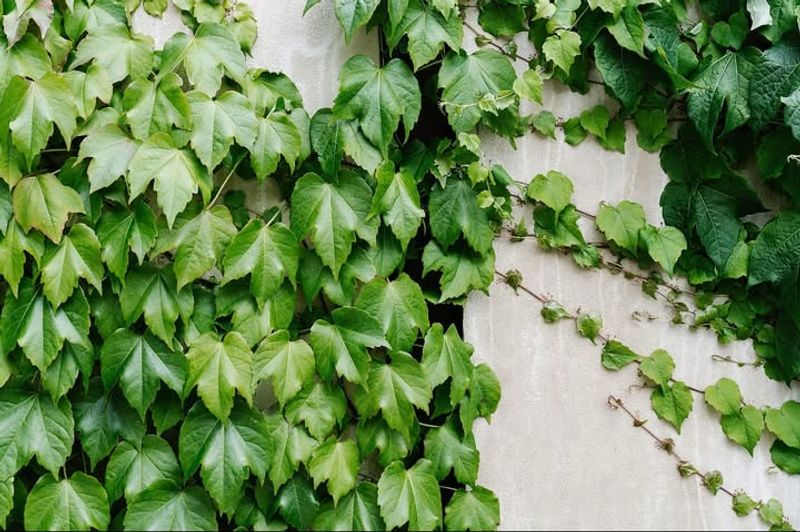
Classic brick buildings covered in Boston ivy create iconic images of established elegance, and this vine achieves that look even on shaded urban walls.
Three-lobed glossy leaves overlap like fish scales, creating uniform coverage that looks intentional rather than wild or messy.
Adhesive pads on branching tendrils allow the vine to cling to smooth surfaces without requiring wires, nails, or other support systems.
Boston ivy tolerates urban pollution, reflected heat from pavement, and the challenging conditions of city gardens remarkably well.
Shaded north-facing walls that remain problematic for most plants become opportunities when you introduce this adaptable climber.
Throughout the growing season, the foliage maintains a fresh, clean appearance that enhances rather than detracts from architectural features.
Autumn brings the transformation that makes this vine famous—leaves shift to brilliant scarlet, crimson, and burgundy shades.
Even in shade, fall color develops impressively, though vines receiving some sun display the most intense hues.
Small blue-black berries appear in fall, quickly consumed by birds that appreciate the high-fat food source before migration.
Winter reveals the vine’s structure—a network of stems clinging to walls that adds texture and pattern to bare surfaces.
Boston ivy grows quickly once established, capable of covering two-story buildings within several years.
Occasional trimming around windows and doors keeps growth tidy and prevents the vine from infiltrating gaps in siding or roofing.