8 Climbing Plants To Start In April In Arizona For Fences And Trellises
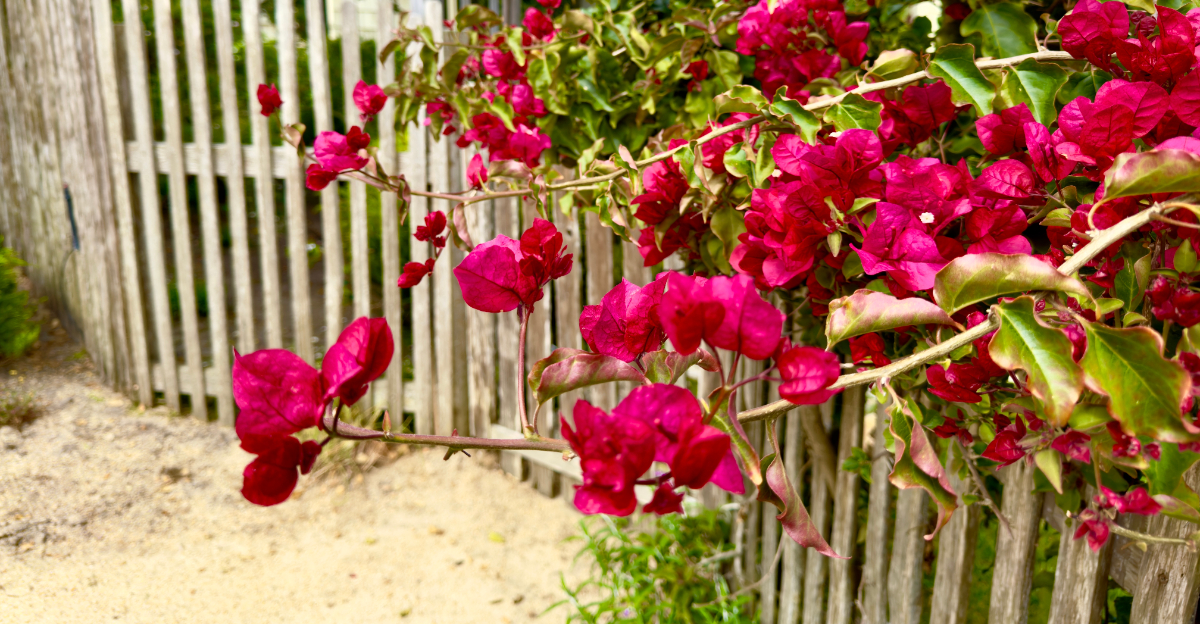
Fences and trellises do not stay empty for long in Arizona if the right climbers go in at the right time. April gives plants a chance to settle before intense conditions take over, and that early start makes a visible difference later.
Some vines grab on quickly and build coverage without much effort, while others never quite keep up once the season shifts.
The key is choosing climbers that match the pace and conditions, not just how they look at first. Growth habit, sun exposure, and how they attach all matter more than most expect.
A good match turns a plain structure into something that feels established much sooner, while the wrong one can stay thin and uneven no matter how much attention it gets.
1. Bougainvillea Climbs Quickly And Thrives In Intense Sun And Heat
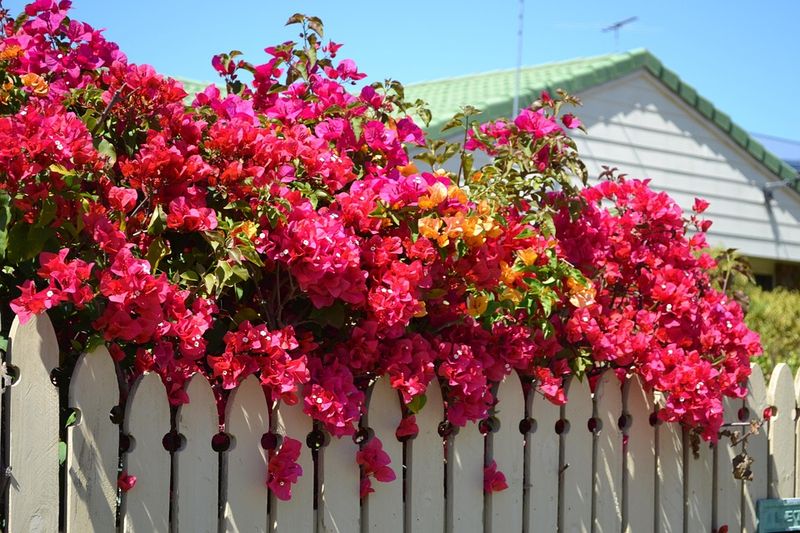
Nothing puts on a show quite like bougainvillea in full bloom. In Arizona, this vine is practically built for the conditions — blazing sun, low humidity, and stretches without rain.
April is a smart time to get it planted, right before the serious heat arrives, giving roots a chance to settle in before summer pushes the plant into overdrive.
Bougainvillea grows fast once it finds its footing. You can expect vigorous spreading along fences and trellises, especially if you keep irrigation consistent during the first few months.
After that, it can handle reduced watering, though it performs best with some regular moisture through the hottest part of the year.
The colorful parts people love are actually bracts, not flowers. The tiny white blooms sit in the center, surrounded by papery bracts in shades of pink, magenta, orange, red, or white.
Pruning a few times a year encourages heavier blooming and keeps the plant from taking over neighboring areas.
In the low desert zones of Arizona, bougainvillea can stay green year-round in mild winters. In higher elevations, it may drop leaves when temperatures dip.
Plant it in a spot with at least six hours of direct sun daily and make sure drainage is good — standing water around the roots is the one condition this vine genuinely struggles with.
2. Coral Vine Produces Fast Growth And Covers Structures In Warm Conditions
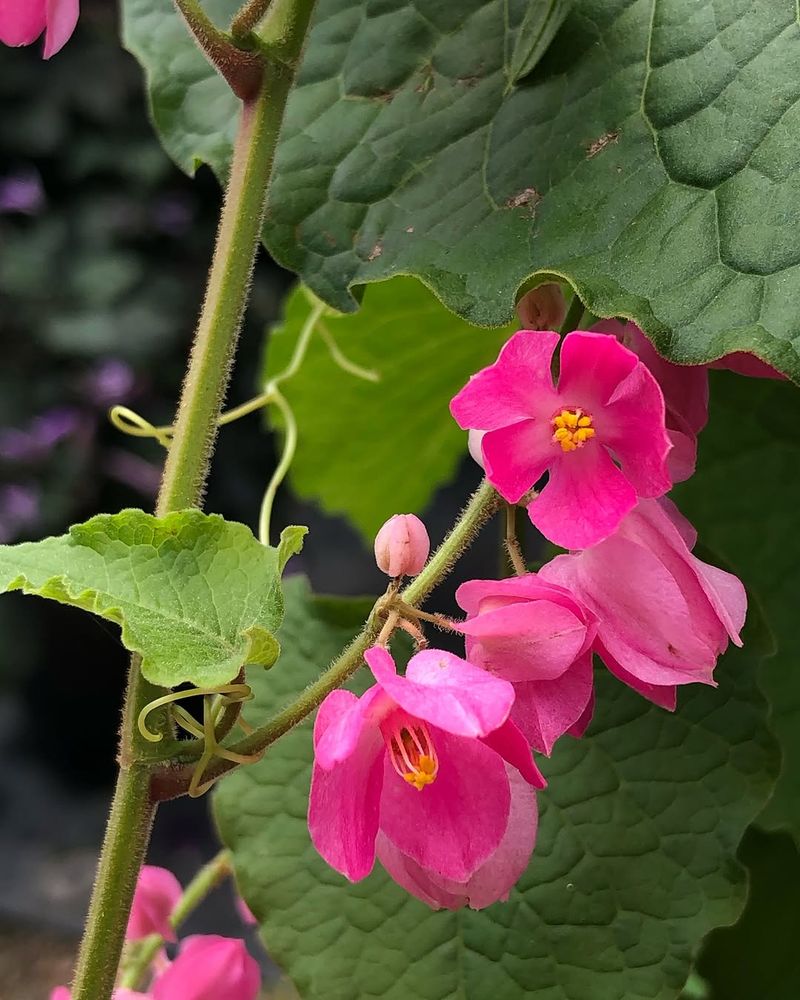
Coral vine, also called Queen’s Wreath, earns its reputation fast. Once you plant it in April in Arizona, you will likely be surprised by how quickly it starts climbing and filling in open spaces on fences or trellises.
The clusters of deep pink to magenta flowers show up from late spring through fall, giving you months of color in the yard.
Hummingbirds are drawn to the blooms regularly, which is a bonus for anyone who enjoys watching wildlife from the patio.
The vine uses tendrils to grab onto structures, so giving it something to grip — like wire fencing or a wooden trellis — helps it climb more effectively than trying to attach it to a smooth surface.
Watering needs are moderate. In Arizona’s low desert, plan on deep watering every week or two during summer, adjusting based on how dry your soil gets.
Coral vine can handle some drought once roots are established, but consistent moisture during the first growing season helps it spread more reliably.
In cooler parts of Arizona during winter, the vine may go back to the ground, but the tuberous root system usually survives and sends up new growth the following spring.
In warmer zones around Phoenix and Tucson, it often holds its foliage through mild winters. Planting near a south-facing fence gives it the warmth and sun exposure it responds to best.
3. Cat’s Claw Vine Attaches Easily And Handles Dry Desert Conditions
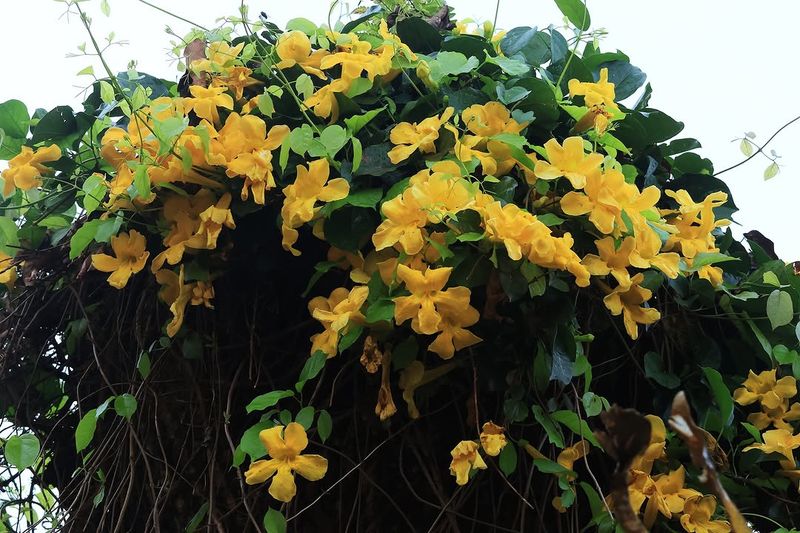
Cat’s claw vine is one of those plants that almost seems designed for Arizona. Its tiny hooked tendrils latch onto rough surfaces like block walls, stone fences, and brick with very little help from the gardener.
If you have a bare masonry wall you want covered, this vine can get the job done over a season or two with minimal fuss.
April planting gives it enough warm weather ahead to establish a solid root system before the intense summer heat kicks in. The yellow trumpet-shaped flowers appear in spring and are striking against the vine’s dark green foliage.
Bloom time is relatively short, but the dense coverage the plant provides is useful even outside of flowering season.
Water requirements are low compared to many other climbers. Once roots are settled, cat’s claw vine can push through dry stretches that would stress less adapted plants.
That said, watering every couple of weeks during summer helps it maintain better foliage density and appearance through the hottest months.
One thing worth knowing: this vine spreads aggressively. In some parts of Arizona, it has naturalized to the point where it requires active management to keep it from spreading beyond your intended area.
Trimming it back after flowering and monitoring where the roots travel will keep it from overwhelming nearby plants or structures. With a bit of attention, it stays attractive and manageable in most home landscapes.
4. Tangerine Beauty Crossvine Grows Well With Support And Seasonal Care
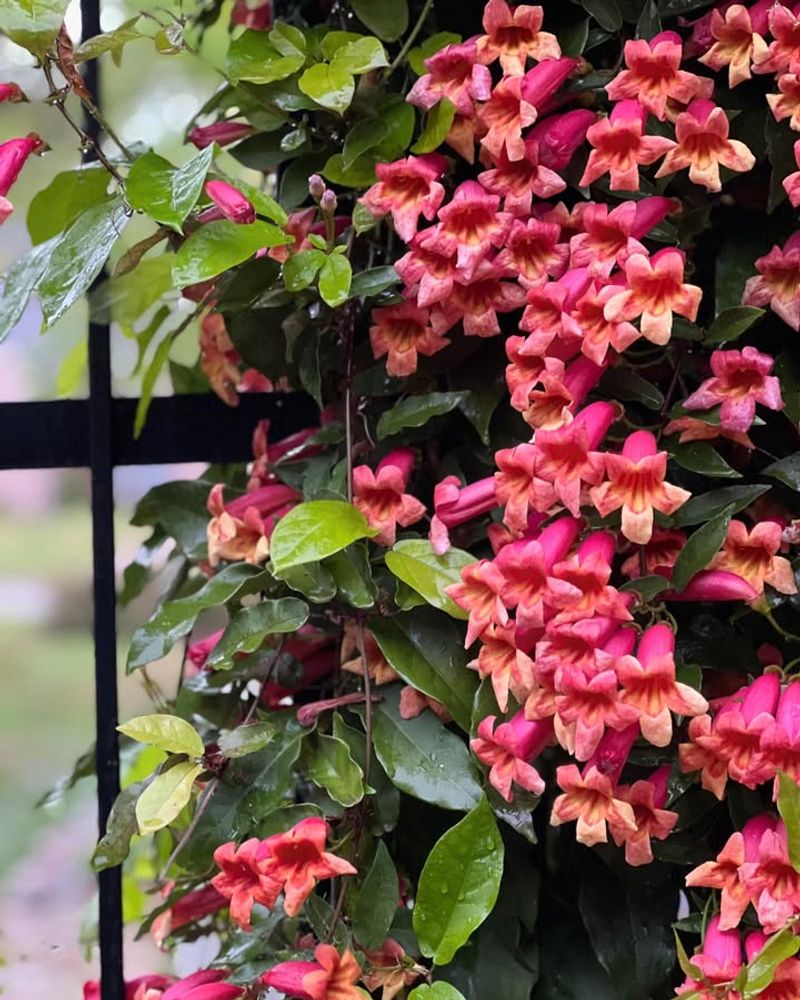
Crossvine is not the most talked-about climber in Arizona, but gardeners who have grown it tend to stick with it.
The Tangerine Beauty variety produces clusters of orange and yellow trumpet-shaped flowers in spring, and the color is genuinely eye-catching against a wooden fence or metal trellis.
April is a good planting window because the vine gets time to root in before summer temperatures peak.
Unlike some vines that need constant attention, crossvine is fairly adaptable. It grows in full sun or partial shade, which gives you flexibility depending on which direction your fence faces.
In spots that get afternoon shade, it actually holds its foliage color a bit better through the hottest months in Arizona’s low desert zones.
Support matters with this one. Crossvine uses adhesive-like holdfasts to grip surfaces, but giving it a trellis or wire grid to work with speeds up coverage noticeably.
Without something to grab, the vine tends to sprawl along the ground rather than climb, which defeats the purpose for most fence and trellis setups.
Watering should be consistent during the first growing season — about once a week in warm weather depending on soil type and sun exposure. After the root system develops, you can reduce frequency.
A light pruning after the spring bloom helps shape the plant and can encourage a secondary flush of flowers later in the season. It is a reliable performer in the right Arizona conditions.
5. Star Jasmine Climbs With Training And Performs Best With Regular Water
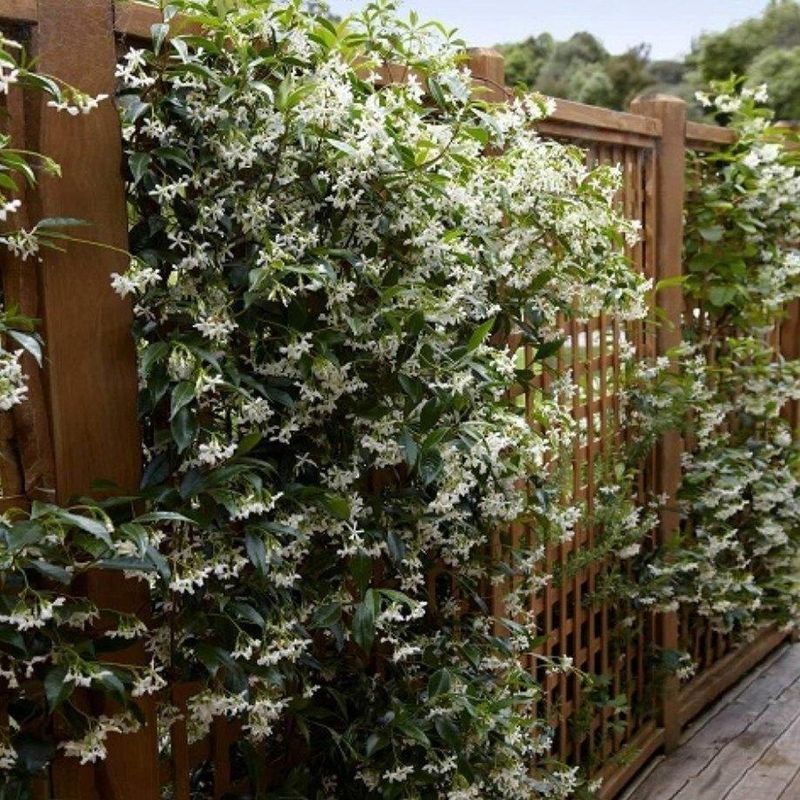
Walk past a star jasmine in bloom and the fragrance stops you in your tracks. Small, pinwheel-shaped white flowers appear in spring and produce one of the most pleasant scents you can add to an Arizona garden.
Planting in April gives the vine a head start before summer heat arrives and keeps transplant stress to a minimum.
Star jasmine is not a self-clinging vine. It needs to be trained along a trellis or fence by tucking stems through wire or loosely tying them in place.
Once it finds its path, it twines fairly readily and fills in with dense, glossy foliage. The coverage is attractive even when the plant is not in bloom.
Water is the main thing to stay on top of with this one. In Arizona, especially in the Phoenix and Tucson areas, star jasmine needs regular irrigation through summer to keep from looking stressed.
Letting it dry out too much between waterings causes leaf drop and slows growth. A drip system set to run two to three times per week during peak heat keeps it in solid shape.
Partial shade during the hottest afternoon hours helps a lot. A spot that gets morning sun and afternoon shade tends to produce the healthiest plants in Arizona’s lower desert zones.
Star jasmine can handle full sun in coastal climates, but the desert intensity is a different situation. With a shaded spot and consistent water, it performs well and looks great on a covered patio trellis or shaded fence line.
6. Trumpet Creeper Grows Vigorously And Handles High Temperatures
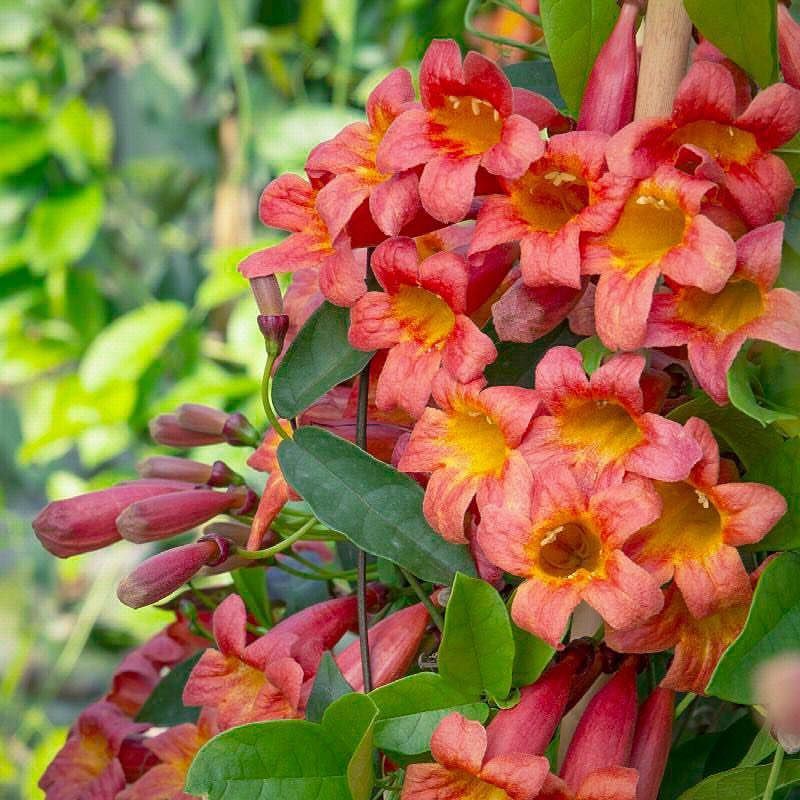
Trumpet creeper does not ease into a space — it takes over. That can be exactly what you want when you have a long fence to cover or a bare trellis that needs serious greenery fast.
In Arizona’s heat, this vine performs reliably where others struggle, and the large orange-red tubular flowers are a consistent draw for hummingbirds throughout the summer months.
Planting in April gives the vine a warm start, and you will likely see significant growth within the first season. Trumpet creeper can reach 30 feet or more over several years, so choosing your planting spot carefully matters.
It does best along a sturdy fence or a strong trellis that can support the weight of mature growth.
Watering deeply every week or two during summer is enough for established plants in most Arizona locations. Young plants need more frequent moisture — about twice a week — until roots are well settled.
After that, the vine handles dry stretches better than many climbers and does not require much supplemental fertilizer to keep growing steadily.
One honest note: trumpet creeper spreads by underground runners and can pop up several feet away from the original planting. Pulling up sprouts around the base a few times a season keeps it from spreading beyond the fence line.
Some gardeners plant it in a contained area to manage this habit more easily. Managed well, it is one of the toughest and most rewarding climbers available for Arizona fences.
7. Lady Banks’ Rose Spreads Easily And Adapts Well To Warm Climates
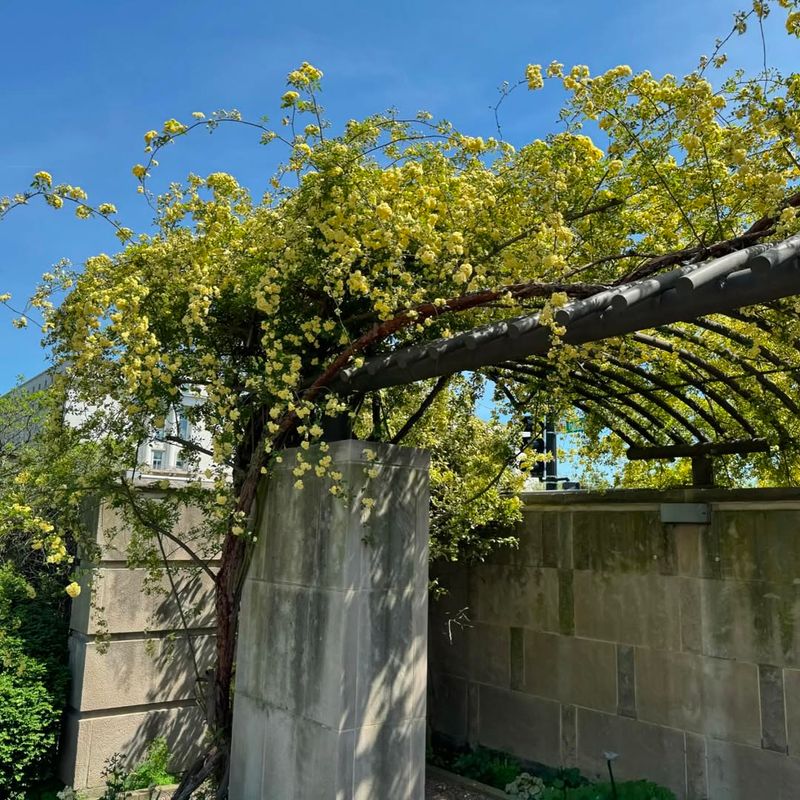
Lady Banks’ Rose has a quality that most roses cannot match in Arizona: it handles heat, spreads willingly, and does all of it without thorns.
The clusters of small pale yellow or white flowers appear in early to mid-spring, creating a waterfall effect when the plant is trained over an arbor or along a long fence line.
April is right at the tail end of prime bloom time, making it a great moment to plant and enjoy the flowers while helping the vine settle in.
Growth is vigorous. In warm Arizona climates, this rose can spread 15 to 20 feet or more over a few years, filling in large structures with dense, semi-evergreen foliage.
Giving it a sturdy support from the start — something that can handle real weight over time — saves a lot of retrofitting later.
Watering needs are moderate. During the first summer, plan on deep irrigation every week to ten days.
After the root system is well developed, Lady Banks’ Rose handles periods with less water, though it looks noticeably better with consistent moisture through the hottest months in the Phoenix and Tucson areas.
Pruning is best done right after the spring bloom ends. Cutting back heavily at other times of year risks removing the wood that will carry next season’s flowers, since blooms form on second-year canes.
Light shaping throughout the year is fine, but the main pruning session should happen while the plant is still winding down from flowering.
8. Honeysuckle Climbs Readily And Performs Best With Consistent Moisture
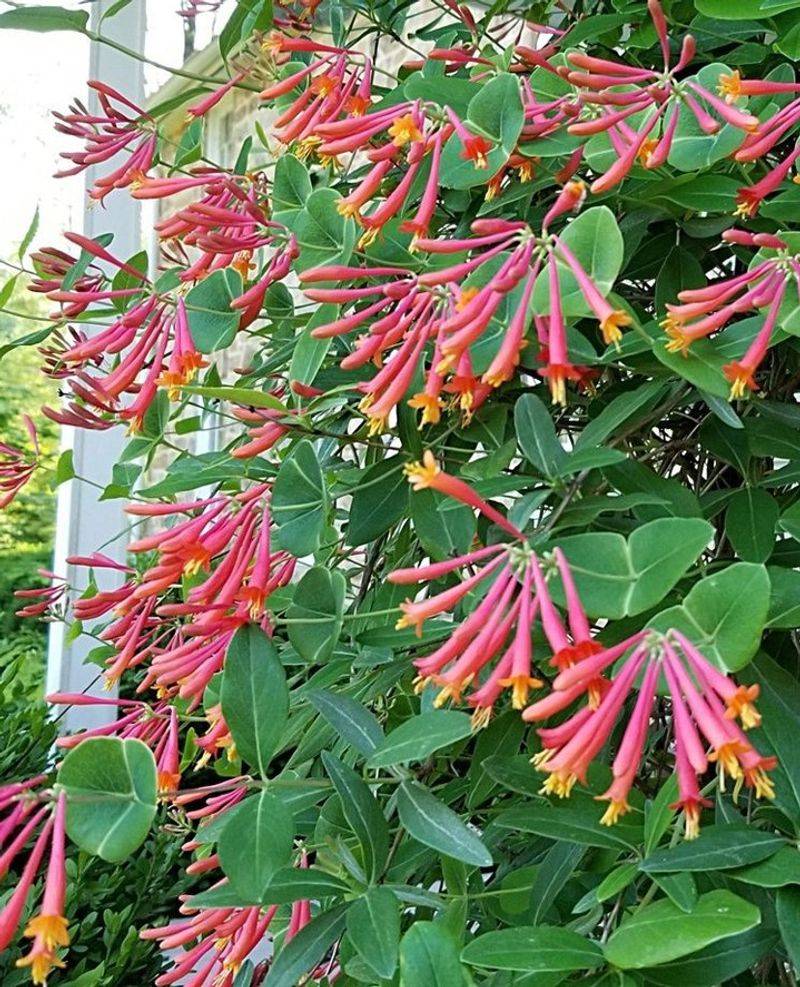
Honeysuckle has a way of making a garden feel more alive. The tubular flowers attract hummingbirds and butterflies regularly, and the sweet fragrance from some varieties drifts across a patio on warm evenings in a way that is genuinely pleasant.
Coral honeysuckle is one of the best choices for Arizona — it handles heat better than many other varieties and blooms from late spring through fall with the right care.
April planting gives the vine time to establish roots before the serious summer heat arrives. Honeysuckle twines naturally around wire, wooden slats, and trellis frames, so it does not require much hands-on training once you get it started in the right direction.
Weaving a few stems through the structure early on is usually enough to get it going.
Water consistency is the main factor in how well honeysuckle performs in Arizona. In the low desert, plan on irrigating deeply two to three times per week during summer.
Letting the soil dry out completely between waterings causes leaf drop and slows new growth noticeably. A layer of mulch around the base helps retain soil moisture and keeps root temperatures more stable during the hottest stretches.
Partial shade during afternoon hours improves performance in hotter Arizona locations. Morning sun with some afternoon relief produces the most reliable flowering and keeps foliage looking healthy through summer.
A light trim after the main flush of spring blooms tidies up the plant and encourages continued flowering into fall across most Arizona growing zones.