7 Cold Hardy Apricot Trees That Grow Well In Michigan
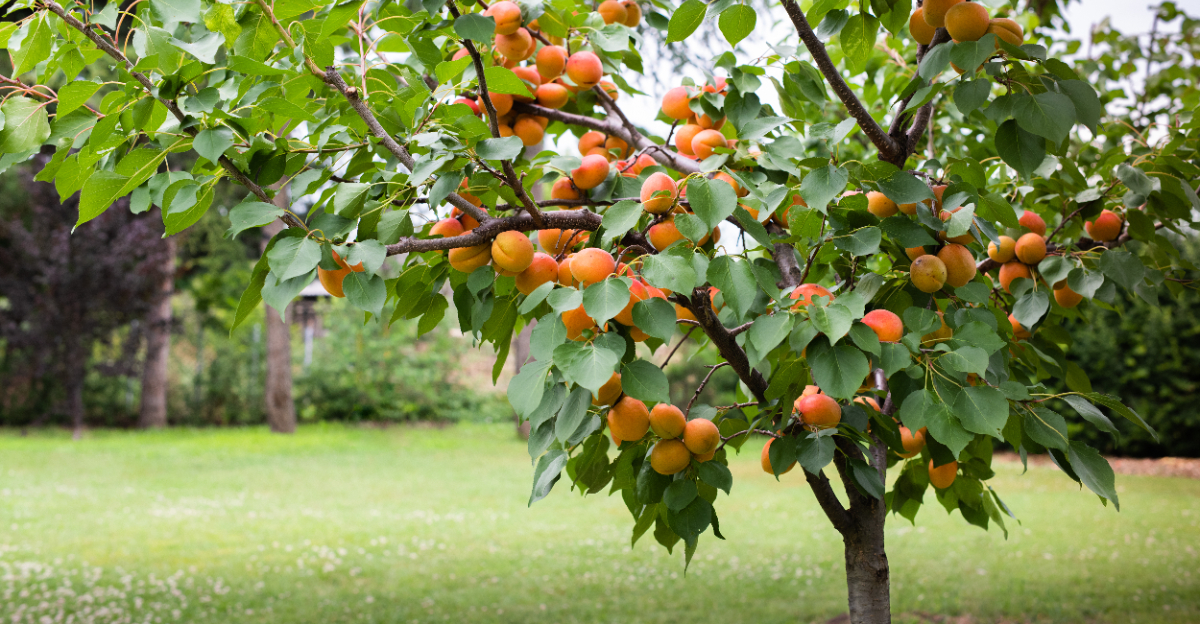
Apricots can grow in Michigan, but only the tough ones make it. Cold winters, late frosts, and sudden temperature swings often challenge fruit trees across the state, and apricots are especially sensitive when the wrong variety is planted.
Still, some cold hardy types have proven they can handle Michigan’s climate, producing blossoms and fruit even after difficult winters.
Gardeners who succeed with apricots usually choose varieties bred for colder regions, focusing on trees that bloom slightly later and tolerate freezing temperatures without heavy damage.
Strong root systems, proper placement, and winter resilience all play a role in helping these trees establish and produce consistently. When matched with the right conditions, they reward growers with fragrant spring blossoms and a dependable summer harvest.
Selecting cold hardy apricot trees makes it possible to enjoy homegrown fruit while building a landscape that stays productive and resilient through Michigan’s challenging seasons.
1. Scout Apricot
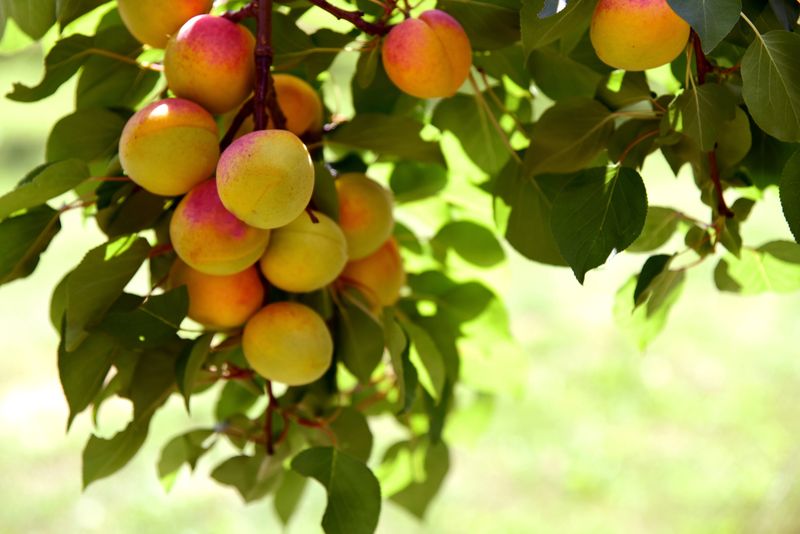
Prairie winters shaped this tough apricot into something special. Developed on the Canadian prairies where temperatures plunge well below zero, Scout learned to sleep through bitter cold without suffering damage.
When fully dormant, this variety tolerates temperatures that would destroy most stone fruit trees.
Michigan gardeners find Scout’s winter hardiness impressive and reliable. The tree’s ability to withstand extreme cold makes it a popular choice for northern orchards. However, surviving winter represents only half the challenge for successful fruit production.
Spring weather determines whether you’ll harvest apricots each year. Like all apricots, Scout blooms early when frost still threatens. A warm February followed by a March freeze can wipe out the entire crop before petals even open.
Choosing the right planting location dramatically improves your chances of success. Slopes with good air drainage help cold air flow away from blossoms. North-facing sites delay bloom slightly, sometimes just enough to dodge late freezes.
Protected spots near buildings or windbreaks create microclimates that moderate temperature swings.
These sheltered locations give Scout’s flowers better odds against spring’s unpredictable moods. Patience and smart site selection eventually reward you with beautiful golden fruit.
2. Moongold Apricot
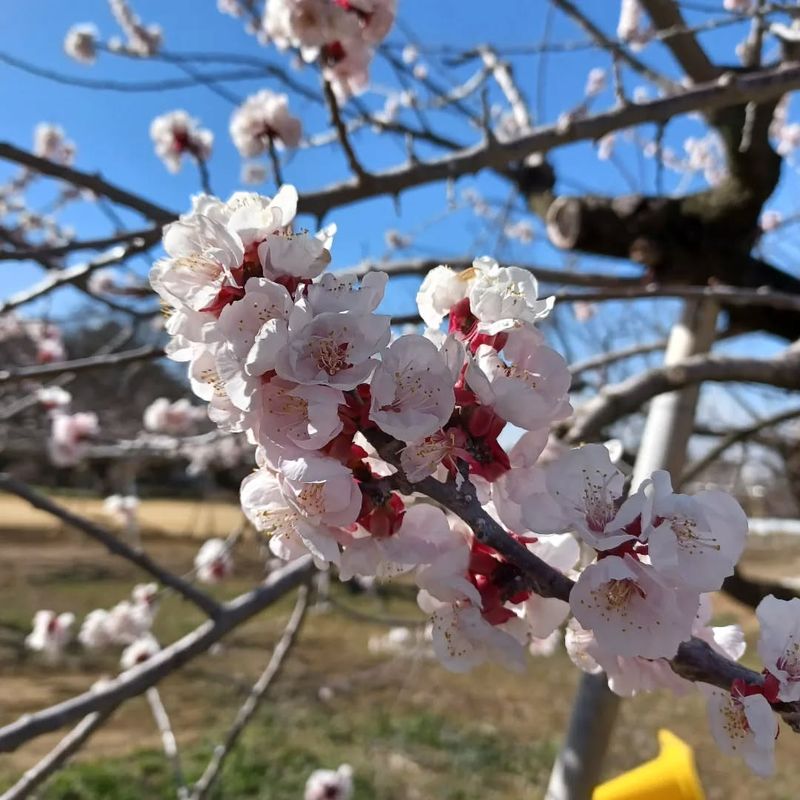
University of Minnesota researchers created Moongold specifically for gardeners fighting cold climates.
This variety emerged from years of careful breeding aimed at producing apricots that survive northern winters without protection. The result proved remarkably resilient, handling Zone 4 temperatures that hover around negative thirty degrees.
Bloom time creates both excitement and anxiety for apricot growers. Moongold flowers appear early in spring, painting branches with delicate pink-white blossoms. These beautiful flowers unfortunately face significant risk from late frost events common in Michigan.
Cross-pollination dramatically increases fruit production for this variety. Moongold works best when planted alongside Sungold, another Minnesota creation. The two varieties bloom simultaneously, allowing bees to transfer pollen effectively between trees.
Solitary Moongold trees produce limited fruit even in perfect conditions. Having a compatible pollinator nearby transforms occasional fruiting into reliable annual harvests. Most successful Michigan orchardists plant both varieties within fifty feet of each other.
The fruit itself offers sweet rewards when weather cooperates. Golden-orange apricots ripen in mid to late summer, providing fresh eating and excellent preserves.
While winter survival comes guaranteed, spring cooperation from Mother Nature remains the real variable.
3. Sungold Apricot
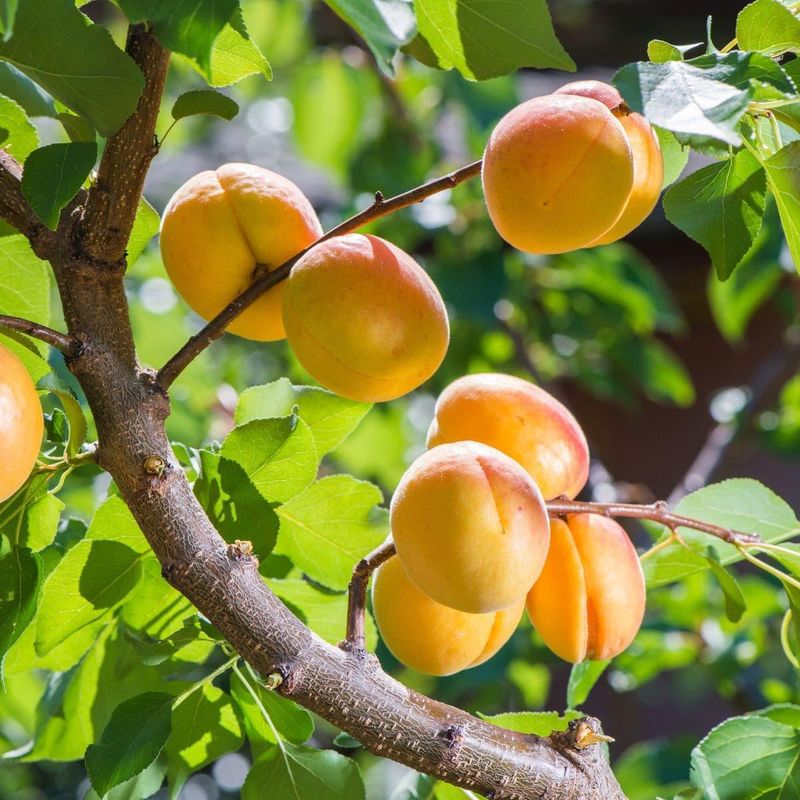
Minnesota winters tested countless apricot seedlings before Sungold earned its name. Bred alongside Moongold, this variety shares exceptional cold tolerance and similar bloom timing.
Together, they form the perfect partnership for northern fruit growers seeking reliable apricot production.
Bright orange fruit distinguishes Sungold from its golden sibling Moongold. The apricots ripen slightly later, extending your harvest season by several days. This staggered ripening proves convenient for home gardeners who prefer spreading out their preserving work.
Flavor profiles differ enough to make growing both varieties worthwhile. Sungold offers a slightly tangier taste compared to Moongold’s sweeter character. Many Michigan growers appreciate having both flavor options in their home orchards.
Pollination requirements make pairing these trees practically mandatory for success. Sungold produces sparse crops without a compatible partner nearby.
Planting Moongold within pollination distance transforms potential into productivity, dramatically increasing fruit set.
Winter hardiness means little without spring frost protection strategies. Sungold survives cold dormancy beautifully but flowers remain vulnerable to freezing temperatures.
Mulching, proper pruning, and strategic site selection help maximize your chances of enjoying homegrown apricots. Expect some years with abundant fruit and others with none.
4. Harcot Apricot
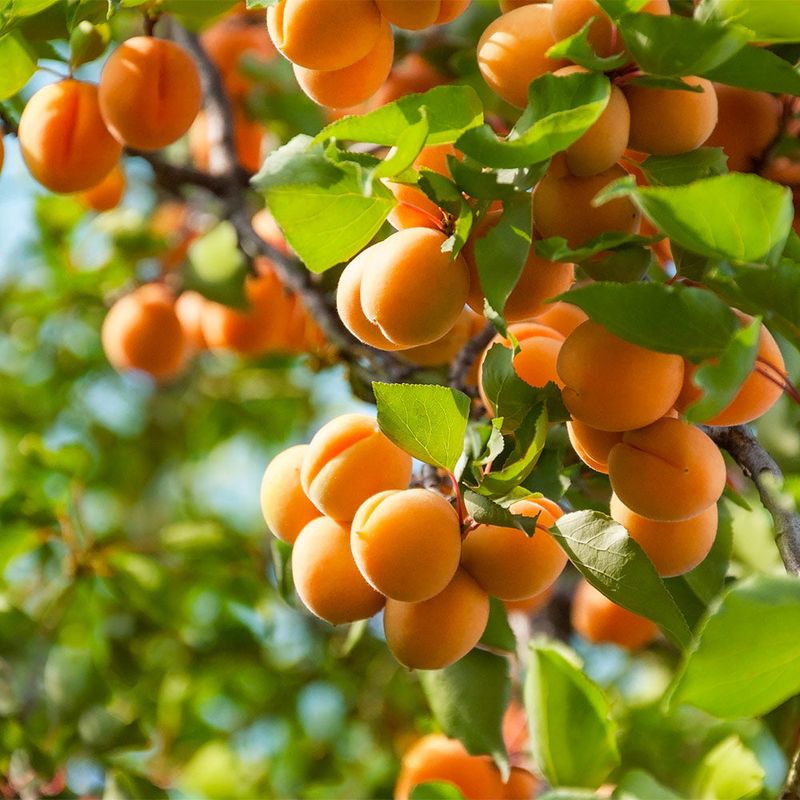
Ontario breeders focused on solving apricot’s biggest problem when developing Harcot. Rather than just improving cold tolerance, they aimed for later bloom timing.
This subtle shift makes a significant difference in Great Lakes regions where spring arrives unpredictably.
Blooming a week later than traditional varieties reduces frost risk considerably. That extra week often means the difference between flowers and fruit. Michigan’s weather patterns make this delayed flowering particularly valuable for consistent production.
Fruit size impresses growers who choose Harcot for their orchards. The apricots grow larger than many cold-hardy varieties, with excellent flavor and firm texture. These qualities make Harcot suitable for both fresh eating and various preservation methods.
Canadian origins mean this variety understands Great Lakes climate challenges. The breeding program in Ontario faced similar temperature swings and unpredictable springs. Harcot developed resilience to these exact conditions that Michigan gardeners encounter.
Commercial orchards in cooler regions favor Harcot for its reliability. Home growers benefit from the same qualities that attract professional fruit producers.
While no apricot guarantees annual crops in Michigan, Harcot’s later bloom improves your odds. Protected planting sites and good air circulation further enhance performance.
5. Harglow Apricot
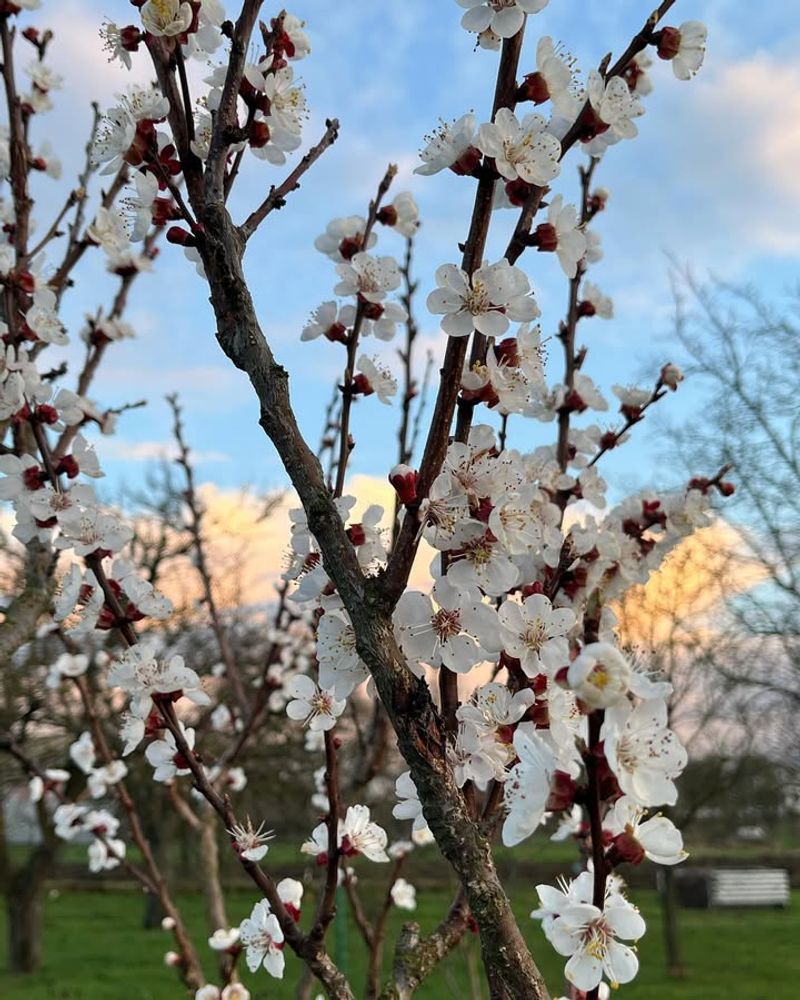
Canadian researchers created Harglow with multiple goals beyond simple cold tolerance. Disease resistance joined winter hardiness as primary breeding objectives.
The result handles both challenges better than older apricot varieties, making maintenance easier for home gardeners.
Bacterial spot and brown rot affect many stone fruits in humid climates. Harglow shows improved resistance to these common diseases that plague Michigan orchards. Less disease pressure means fewer spray applications and healthier trees overall.
Sheltered locations bring out the best in this variety’s potential. While Harglow survives open-field winters, protected sites reduce stress and improve fruiting consistency.
Planting near buildings or established windbreaks creates favorable microclimates that moderate temperature extremes.
Air drainage matters as much as shelter when positioning Harglow trees. Cold air flows downhill like water, pooling in low spots. Planting on slopes allows frosty air to move away from blossoms, reducing damage during critical spring nights.
Fruit quality justifies the effort required to grow apricots this far north. Harglow produces medium to large apricots with attractive color and sweet flavor.
The combination of cold hardiness, disease resistance, and fruit quality makes this variety worth considering. Success requires patience, proper siting, and accepting that some years simply won’t cooperate.
6. Hargrand Apricot
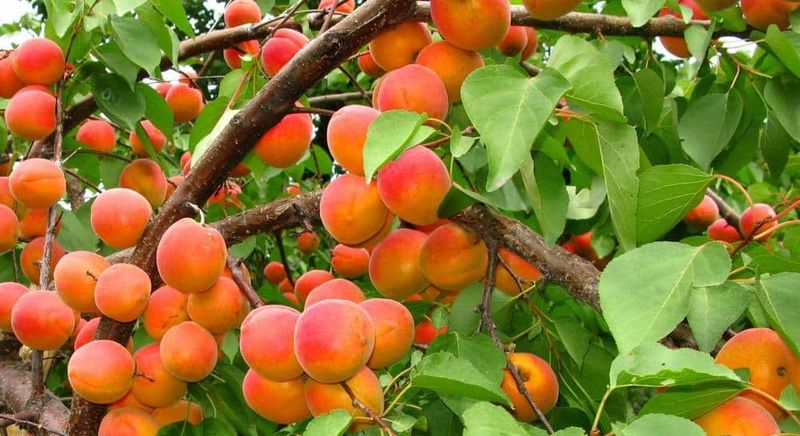
Slightly later flowering gives Hargrand a competitive advantage in northern climates. Canadian breeders recognized that delaying bloom by even a few days significantly improves fruiting odds.
This variety emerged from that understanding, combining cold tolerance with strategic bloom timing.
Winter survival never poses problems for properly established Hargrand trees. The variety handles Michigan’s coldest temperatures without suffering trunk damage or bud injury. Spring weather determines success or failure, just like all apricot varieties grown this far north.
Fruit size and appearance make Hargrand popular with growers seeking market quality. The apricots develop attractive color and grow larger than many cold-hardy alternatives. Flavor balances sweetness with enough acidity to remain interesting rather than bland.
Bloom timing remains weather dependent despite genetic improvements in this variety. A warm early spring can push flowering ahead, negating the later-bloom advantage. Conversely, a cold spring might delay bloom enough to avoid typical frost dates entirely.
Site selection amplifies or diminishes Hargrand’s natural advantages significantly. North-facing slopes naturally delay bloom through cooler temperatures and reduced sun exposure.
Combining Hargrand’s genetics with smart placement creates the best possible conditions. Michigan growers who understand these principles enjoy more consistent harvests over time.
7. Goldcot Apricot
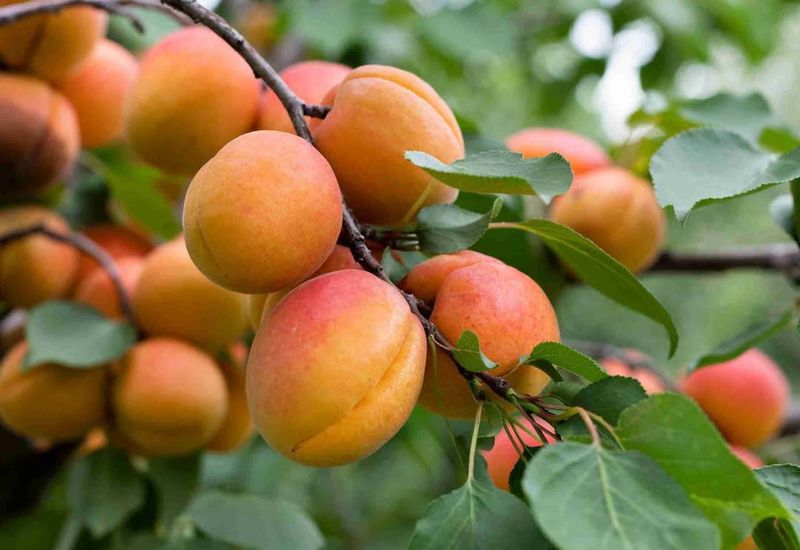
Among traditional apricot varieties, Goldcot stands out for superior cold tolerance. This older variety predates modern breeding programs focused specifically on northern climates.
Despite lacking the extreme hardiness of newer varieties, Goldcot survives Michigan winters better than standard commercial apricots.
Commercial growers in marginal climates once relied heavily on Goldcot. The variety represented the best available option before Canadian and Minnesota programs developed ultra-hardy alternatives.
Many Michigan orchards still maintain Goldcot trees that produce reliably in favorable locations.
Early bloom timing remains Goldcot’s primary limitation for northern growers. Flowers appear as soon as spring warmth arrives, often before frost danger passes. This eagerness to bloom results in inconsistent crops across different years.
Fruit quality explains why gardeners persist with Goldcot despite challenges. The apricots offer excellent flavor, attractive appearance, and versatile culinary uses. When weather cooperates, Goldcot produces abundant crops of beautiful fruit.
Realistic expectations help Michigan growers appreciate what Goldcot offers. Expect fruit every third or fourth year rather than annually. Those occasional harvests reward patience with exceptional quality.
Sheltered sites improve odds slightly, but spring frost remains unpredictable. Growing Goldcot means accepting uncertainty while hoping for those magical years when everything aligns perfectly.