Cold Hardy Flowers Michigan Gardeners Love Year After Year
If you garden in Michigan, you know winter does not play around. Freezing temperatures, heavy snow, and sudden spring chills can be tough on delicate plants.
That is why cold hardy flowers are such a favorite. These dependable bloomers survive harsh winters, bounce back when the weather warms, and return year after year with very little fuss.
Michigan gardeners rely on them to bring early color, support pollinators, and keep landscapes looking lively even after long cold months. The best part is you do not need constant care or complicated protection to keep them thriving.
With the right choices, your garden can wake up strong each season and stay colorful from spring into fall.
If you want flowers that handle Michigan winters and still put on a beautiful show, you are about to discover some of the most reliable favorites gardeners plant again and again.
1. Snowdrop (Galanthus Nivalis)
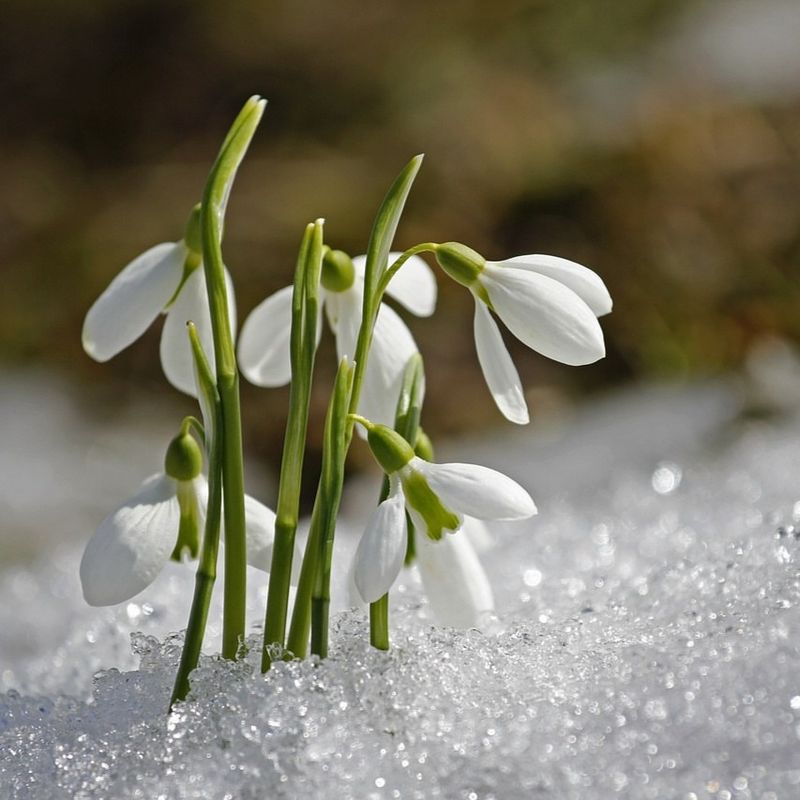
Few sights are more magical than discovering snowdrops blooming while snow still blankets the ground. These delicate white flowers earned their name honestly.
Their nodding bell-shaped blooms appear incredibly fragile, yet they’re tough enough to push through frozen soil and handle Michigan’s unpredictable late-winter weather without flinching.
Snowdrops prefer partially shaded spots with moist, well-draining soil. Under trees or along woodland edges, they naturalize beautifully, spreading slowly to form enchanting drifts of white.
Plant bulbs in fall about three inches deep and three inches apart. Within a few years, you’ll have expanding colonies that require zero effort.
These flowers contain a substance that prevents them from freezing solid. Their leaves and stems stay flexible even in harsh conditions.
This natural antifreeze allows them to bloom weeks before most other plants even consider growing.
Gardeners often pair snowdrops with early crocus and winter aconite for layered interest. The combination creates a tapestry of white, purple, and yellow that signals winter’s end.
Once established, snowdrops will return faithfully for decades, increasing in number and beauty each season.
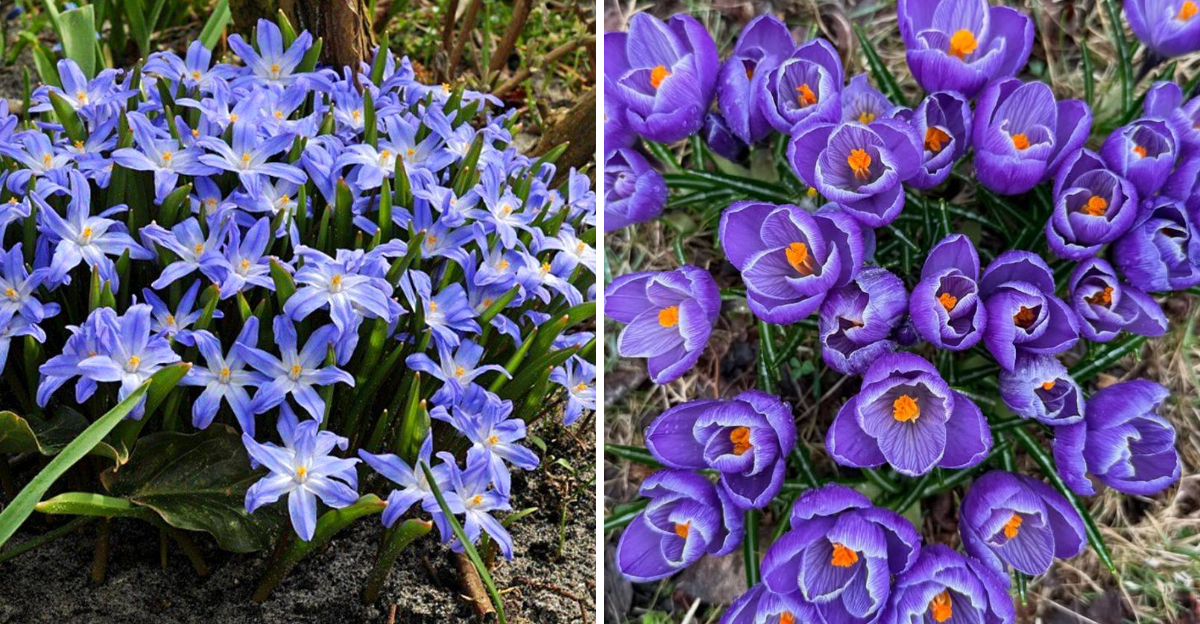
2. Crocus (Crocus Spp.)
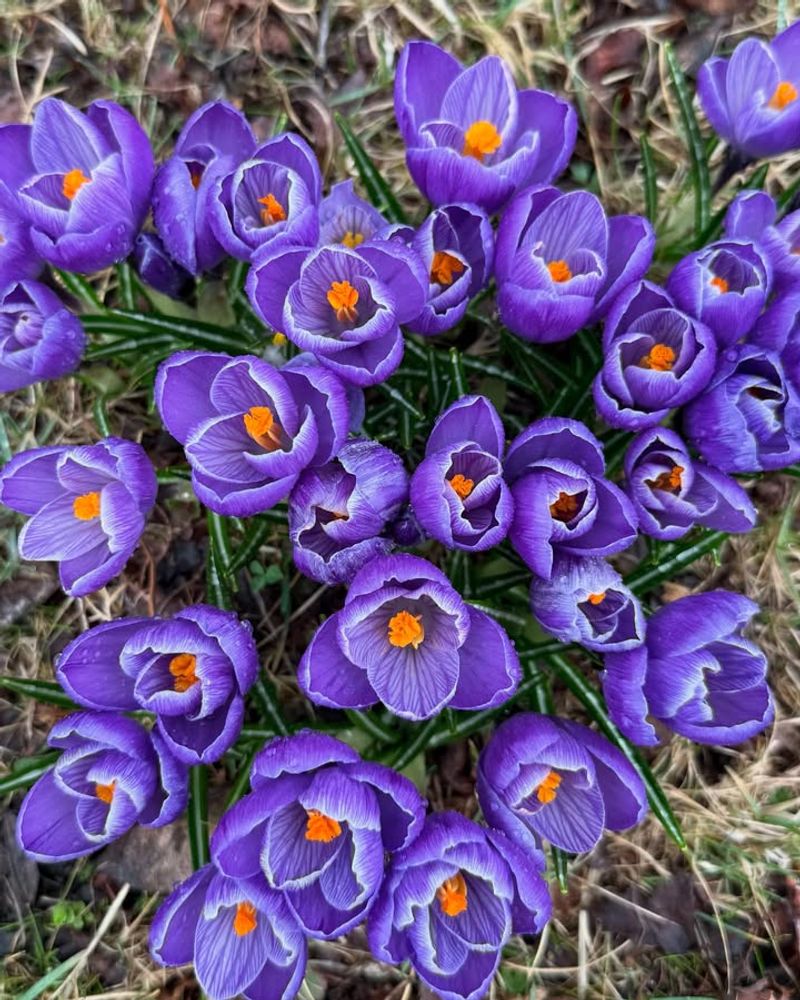
Picture this: snow still covers most of your yard, but tiny purple and yellow blooms push through like nature’s first celebration of spring. Crocus flowers are the brave little soldiers of the garden world.
They appear when most plants are still sleeping underground, bringing instant cheer to dreary late-winter landscapes.
These bulbs are incredibly easy to grow in Michigan soil. Plant them in fall about three inches deep, and they’ll reward you with blooms as early as February or March.
Squirrels might try to snack on them, but once established, crocuses multiply quickly and create stunning carpets of color.
The best part about crocuses is their low-maintenance nature. They need almost no care once planted.
Just let the foliage turn yellow naturally after blooming, which feeds the bulb for next year’s show. Mix different varieties for a longer blooming period.
Your lawn can even host these cheerful flowers. Plant them in grass areas where they’ll bloom before you need to mow.
Bees absolutely love early crocus nectar, making these tiny flowers important for pollinators emerging from winter hibernation.
3. Hellebores (Helleborus Spp.)
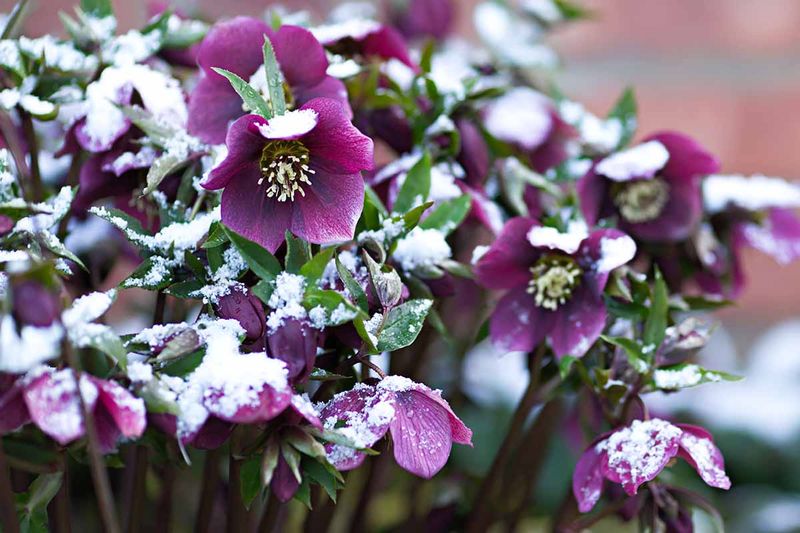
Hellebores laugh in the face of Michigan winters. While other perennials retreat completely underground, these remarkable plants keep their glossy evergreen leaves looking fresh all season long.
Come late winter or early spring, they produce stunning flowers in shades of white, pink, purple, and even nearly black. The blooms last for months, not weeks.
Commonly called Lenten roses because they often bloom during the Lenten season, hellebores prefer shade or partial shade. They’re perfect for those tricky spots under trees where grass struggles to grow.
Once established, they’re extremely drought-tolerant and practically indestructible. Deer avoid them completely, which is a huge bonus for Michigan gardeners.
Plant hellebores in rich, well-draining soil amended with compost. They’re slow to establish but incredibly long-lived once settled.
Some plants can thrive for twenty years or more in the same spot. Their flowers nod downward, so plant them on slopes or in raised beds where you can appreciate their intricate beauty.
The foliage provides year-round structure in garden beds. Cut back any damaged leaves in early spring before new growth emerges.
These plants self-sow readily, giving you free baby plants to share with friends or expand your collection.
4. Daffodils (Narcissus Spp.)
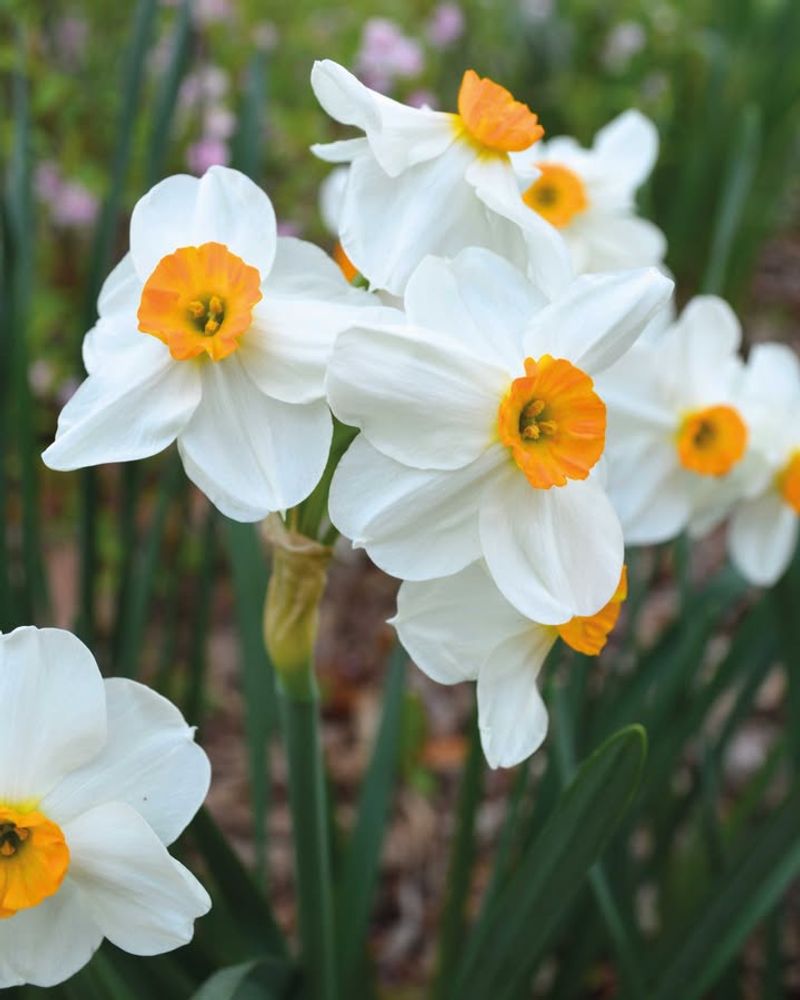
Nothing announces spring’s arrival quite like a cheerful parade of daffodils. These sunny yellow blooms are Michigan garden staples for excellent reasons.
They’re virtually foolproof, returning reliably year after year without any special treatment. Plant them once, and they’ll greet you every spring for decades.
Daffodils have a secret weapon: deer and rodents find them distasteful. While tulips get munched to nothing, daffodils remain untouched.
This makes them ideal for rural Michigan properties where wildlife pressure is intense. The bulbs contain compounds that animals instinctively avoid, protecting your investment.
Fall planting is essential for spring blooms. Set bulbs about six inches deep in well-draining soil. They tolerate a wide range of conditions but prefer full sun to partial shade. Mix early, mid, and late-season varieties for blooms from March through May.
The variety of colors now available goes far beyond plain yellow, including white, orange, pink, and bi-colors.
After blooming, resist the urge to cut back foliage immediately. Let leaves turn yellow naturally, which takes about six weeks.
This process feeds the bulb for next year’s display.
Daffodils multiply underground, creating larger clumps that can be divided and shared.
5. Pansies (Viola × Wittrockiana)
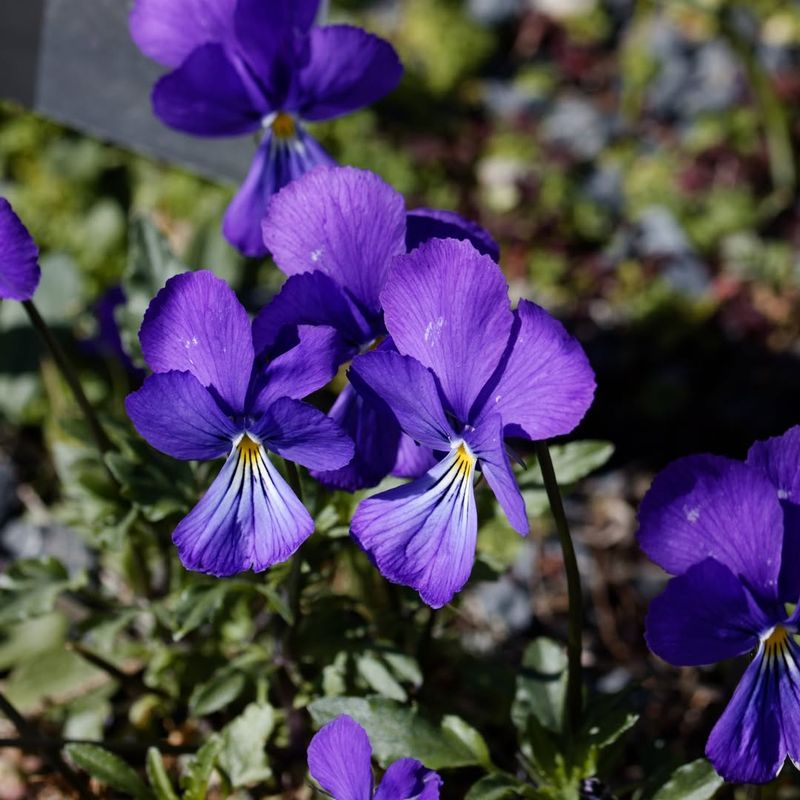
Pansies bring an explosion of color when Michigan gardens need it most. Available in practically every color imaginable, these cheerful flowers feature distinctive face-like markings that make them instantly recognizable.
What surprises many gardeners is just how cold-tolerant pansies actually are. They handle light frosts without missing a beat.
Plant pansies in early spring or fall for best results. Spring-planted pansies bloom until summer heat slows them down.
Fall-planted pansies often survive mild Michigan winters and resume blooming in spring. They prefer cool temperatures, making them perfect for Michigan’s extended spring and fall seasons.
Containers, hanging baskets, and garden beds all showcase pansies beautifully. They need regular watering and benefit from occasional feeding with balanced fertilizer.
Deadheading spent blooms encourages continuous flowering and keeps plants looking tidy. Pansies pair wonderfully with spring bulbs, providing color as daffodils and tulips finish blooming.
Modern pansy varieties offer improved cold tolerance and larger flowers than older types. Some can survive temperatures down to the teens without protection.
Their versatility makes them favorites for adding instant color to entrances, patios, and garden borders throughout Michigan’s unpredictable spring weather patterns.
6. Siberian Squill (Scilla Siberica)
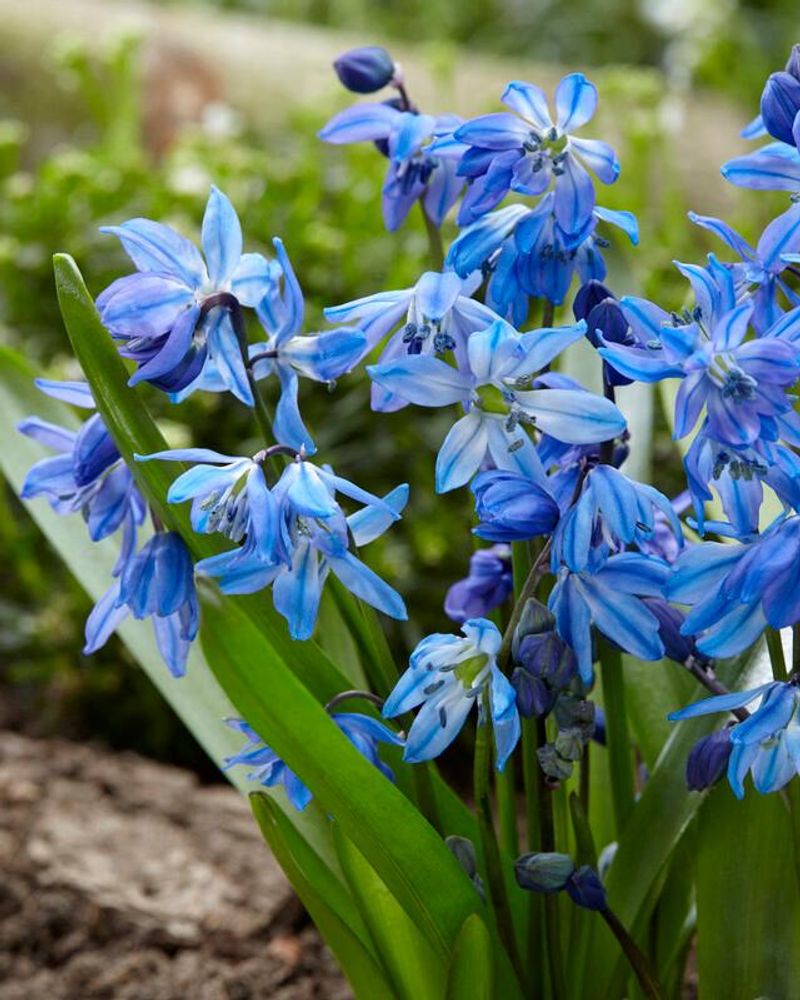
Electric blue waves of color rippling across your lawn sound like a fantasy, but Siberian squill makes it reality. These tiny bulbs produce intensely blue, star-shaped flowers that appear in early spring.
They naturalize aggressively, spreading to form stunning carpets of color that rival any professional landscape design.
Siberian squill is remarkably undemanding. Plant bulbs two to three inches deep in fall, then forget about them.
They’ll handle full sun to partial shade and tolerate various soil types. Once established, they multiply rapidly through self-seeding and bulb division. What starts as a small planting becomes a spectacular display within just a few years.
These flowers bloom before most lawn grass needs mowing, making them perfect for naturalizing in turf. The foliage disappears quickly after blooming, leaving no trace until next spring.
Squirrels and other pests ignore the bulbs, so your investment stays protected. The intense blue color provides striking contrast when planted with yellow daffodils or white snowdrops.
Bees and other early pollinators depend on Siberian squill nectar when few other food sources exist. By planting these bulbs, you’re supporting beneficial insects while creating breathtaking spring displays.
They’re virtually maintenance-free and incredibly cold-hardy, thriving throughout Michigan without protection.
7. Primrose (Primula Spp.)
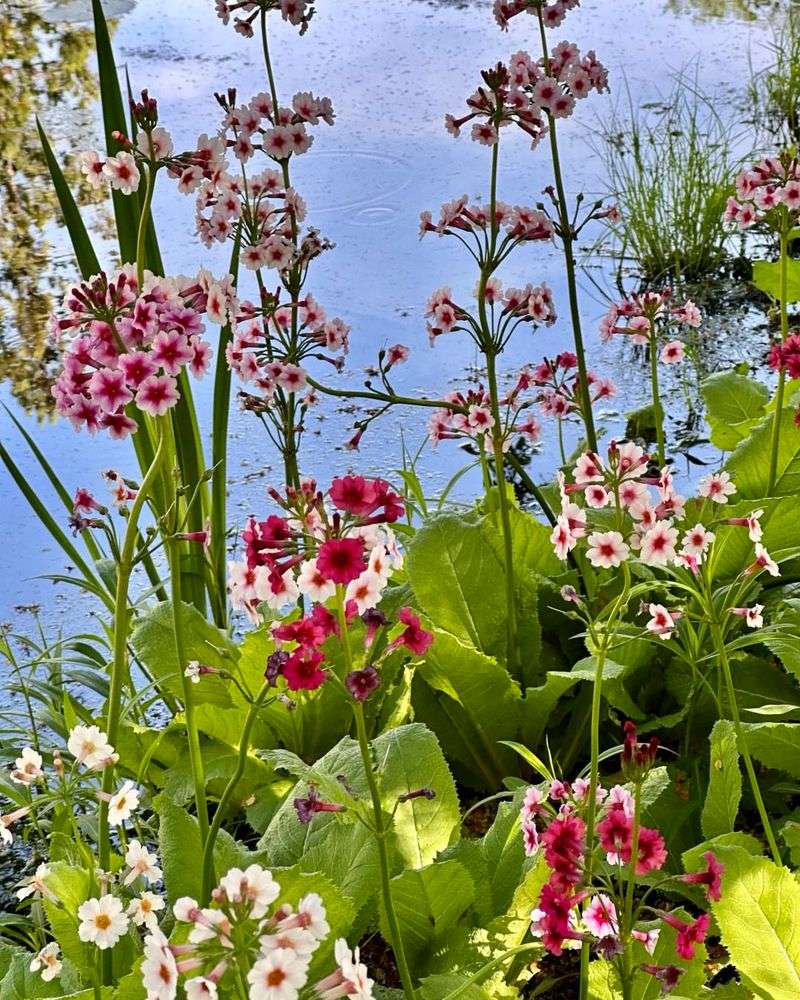
Primroses offer old-fashioned charm combined with modern toughness. These low-growing perennials produce clusters of cheerful flowers in nearly every color imaginable.
They bloom early in spring when gardens desperately need color, and many varieties continue flowering for weeks. Their rosettes of green leaves remain attractive even when plants aren’t blooming.
Michigan’s cool spring temperatures suit primroses perfectly. They prefer moist, rich soil and partial shade, though they’ll tolerate more sun in cooler climates.
Plant them along stream banks, in woodland gardens, or anywhere soil stays consistently moist. They struggle in hot, dry conditions but thrive in Michigan’s naturally cool, damp springs.
Different primrose species offer varying bloom times and characteristics. English primroses bloom earliest, while polyantha types flower slightly later with larger clusters.
Japanese primroses prefer even wetter conditions and bloom in late spring. Mixing varieties extends the flowering season considerably.
Divide primroses every few years to maintain vigor and increase your collection. They’re generally pest-free, though slugs occasionally nibble leaves in very damp conditions.
Mulch plants lightly to retain moisture and protect roots during winter.
With minimal care, primroses return faithfully each spring, bringing cottage-garden beauty to Michigan landscapes.
8. Glory Of The Snow (Chionodoxa Luciliae)
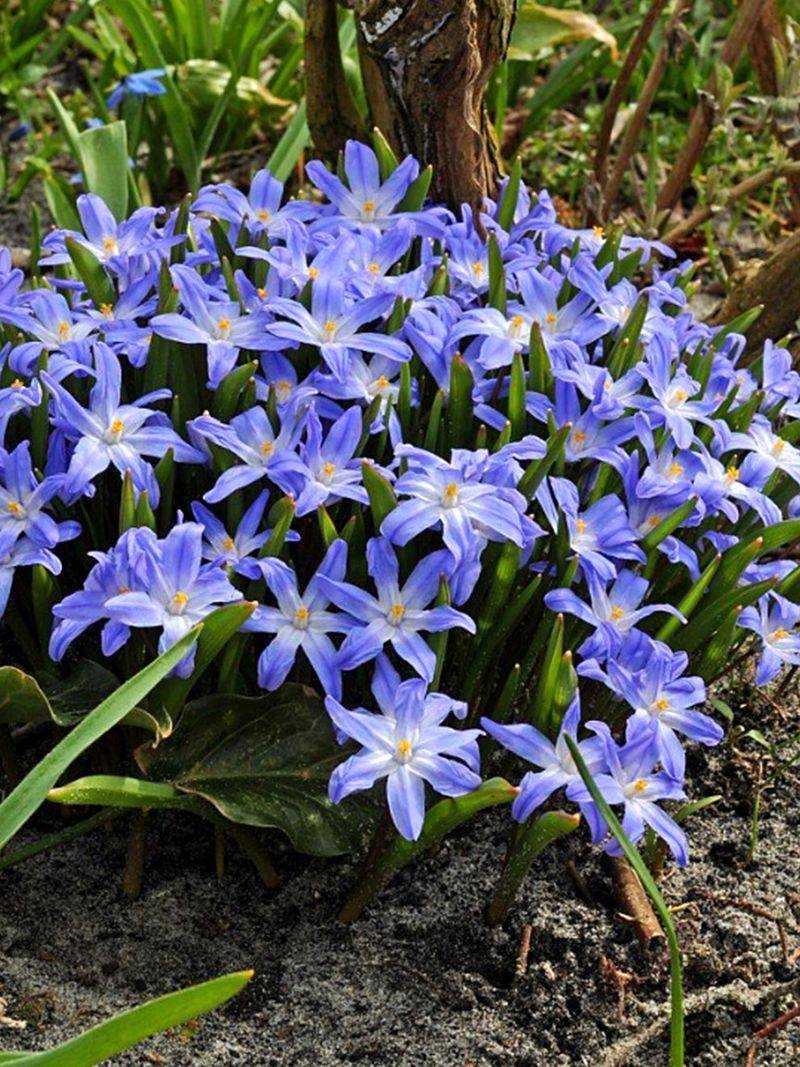
Glory of the Snow earns its poetic name by blooming incredibly early, often while snow patches still linger in shady spots. These charming little bulbs produce clusters of star-shaped blue flowers with white centers.
They’re smaller than crocuses but equally tough, handling Michigan’s volatile early spring weather without any issues whatsoever.
Plant these bulbs in fall about three inches deep and three inches apart. They prefer full sun to partial shade and well-draining soil.
Within a couple of years, they’ll naturalize beautifully, spreading to form lovely drifts of blue. They’re perfect for rock gardens, along walkways, or naturalized in lawn areas where they’ll bloom before mowing season begins.
Glory of the Snow requires absolutely zero maintenance once established. The bulbs are small and inexpensive, so you can plant hundreds without breaking the budget.
They multiply reliably through both bulb division and self-seeding. Wildlife ignores them completely, so your planting will steadily increase rather than disappear.
These flowers pair beautifully with other early bloomers like crocus and snowdrops. The combination creates layers of color that brighten dreary late-winter landscapes.
Bees appreciate their early nectar when few other food sources exist. Plant them generously for maximum impact in spring gardens.
9. Forget-Me-Not (Myosotis Spp.)
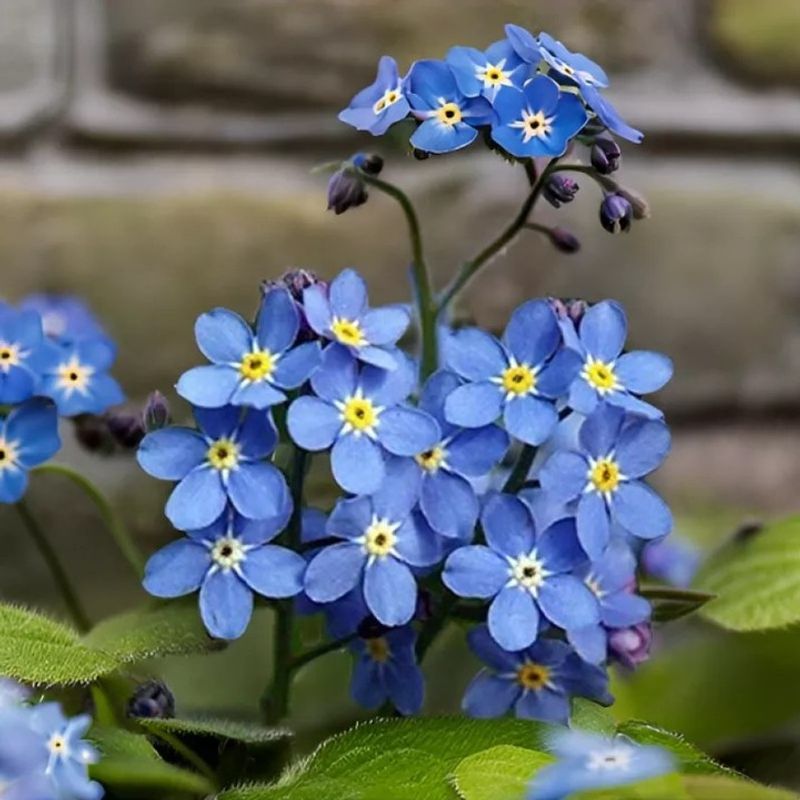
Forget-me-nots live up to their memorable name by creating unforgettable displays of delicate blue flowers. These low-growing plants form dense mats of soft green foliage covered in tiny sky-blue blooms with yellow centers.
They’re perfect for filling gaps between larger plants or creating romantic groundcover in partially shaded areas.
These charming flowers self-seed enthusiastically, which means they’ll pop up in unexpected places throughout your garden. Some gardeners consider this aggressive spreading a nuisance, but most appreciate the spontaneous beauty forget-me-nots bring.
They’re easy to pull if they appear where you don’t want them. In desired areas, they create stunning blue carpets that complement spring bulbs perfectly.
Forget-me-nots prefer moist soil and partial shade but adapt to various conditions. They bloom prolifically in spring, then set seed and often go dormant during hot summer months.
New plants emerge in fall and overwinter as small rosettes. This biennial or short-lived perennial habit means you’ll always have plants at different stages.
Their cottage-garden appeal makes them favorites for informal landscapes. They look especially beautiful planted near streams, ponds, or in woodland settings.
Pollinators visit the tiny flowers constantly. Once you plant forget-me-nots, they’ll likely become permanent garden residents, returning reliably year after year.
10. Virginia Bluebells (Mertensia Virginica)
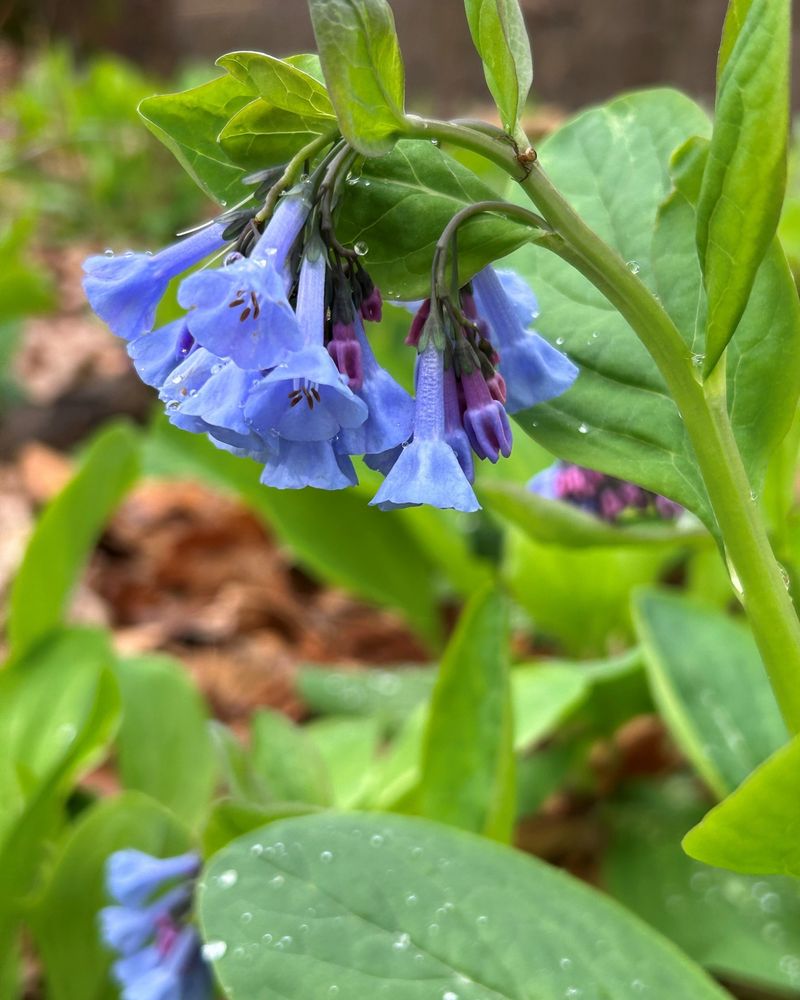
Virginia bluebells offer a spectacular spring show that feels like discovering a hidden treasure. These native Michigan wildflowers produce clusters of pink buds that open into beautiful blue, bell-shaped flowers.
They thrive in moist, partially shaded areas, making them perfect for woodland gardens or along stream banks where many plants struggle.
What makes Virginia bluebells particularly interesting is their ephemeral nature. They emerge in early spring, bloom gorgeously for several weeks, then completely disappear by early summer.
The foliage turns yellow and withers away, leaving no trace until next spring. This makes them perfect companions for hostas or ferns, which emerge later and fill the space bluebells leave behind.
Plant Virginia bluebells in rich, moist soil amended with plenty of organic matter. They spread slowly through rhizomes and self-seeding, eventually forming substantial colonies.
Once established, they require no maintenance whatsoever. Their native status means they’re perfectly adapted to Michigan’s climate and soil conditions.
These flowers are important early nectar sources for native bees and other pollinators. Their blue color is relatively rare in spring gardens, making them especially valuable for creating diverse color schemes.
Pair them with white trilliums or yellow marsh marigolds for stunning native plant combinations that celebrate Michigan’s natural beauty.