13 Cold-Hardy Flowers That Keep Ohio Yards Colorful All Winter
Ohio winters can feel long and dreary, especially when your garden loses its vibrant colors and everything turns brown or white.
But your yard doesn’t have to look lifeless during the coldest months of the year.
Some amazing flowers actually thrive in chilly temperatures and keep blooming even when snow starts to fall.
These tough plants bring cheerful colors to your landscape when you need them most, making your outdoor space feel welcoming all season long.
1. Hellebores Bring Early Color To Ohio Gardens
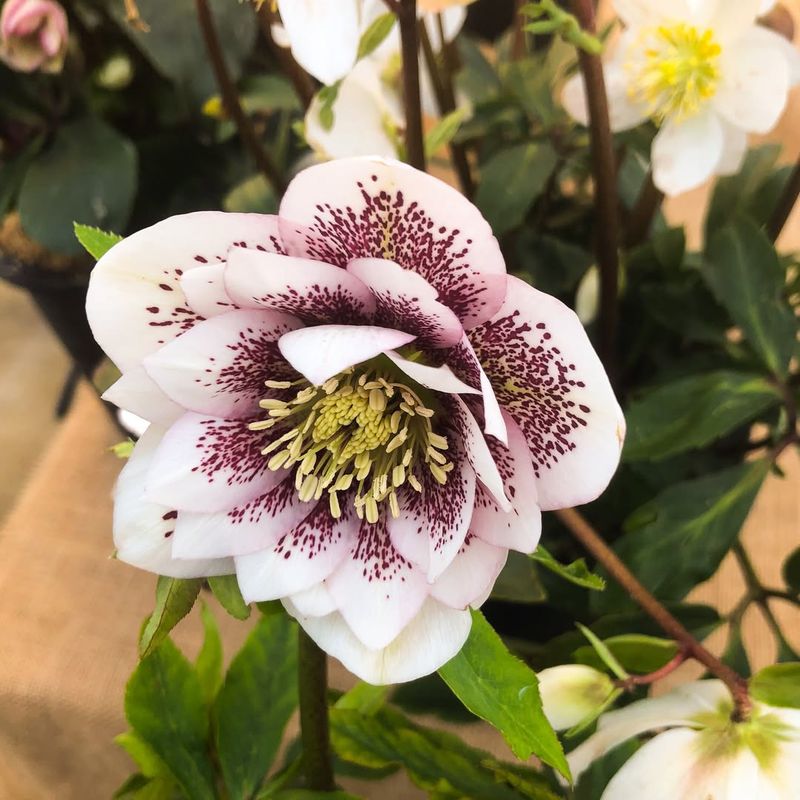
Often called Christmas roses or Lenten roses, hellebores start blooming when most plants are still sleeping through winter.
Their nodding flowers come in gorgeous shades of white, pink, purple, and even green, creating a magical effect against snow-covered ground.
These perennials are incredibly tough and can handle Ohio’s unpredictable weather patterns without any fuss.
Plant them in partially shaded spots where they’ll receive some protection from harsh afternoon sun.
Once established, hellebores require very little maintenance and will spread slowly to form attractive clumps.
Their evergreen foliage stays attractive throughout the year, providing structure even when flowers aren’t present.
Deer and rabbits usually avoid these plants, making them perfect for Ohio yards that deal with wildlife visitors.
The blooms can last for months, often appearing as early as January and continuing well into spring.
Pair them with evergreens or early bulbs for a stunning winter display that will brighten even the gloomiest days.
2. Winter Pansies Add Cheerful Faces To Cold-Weather Landscapes
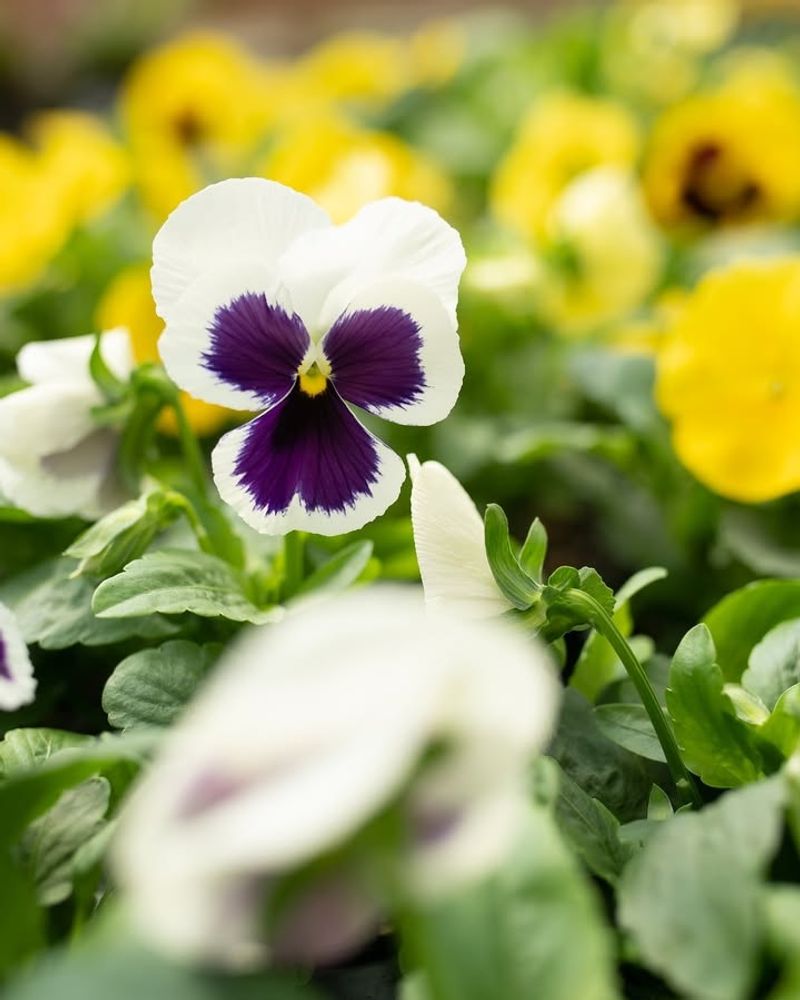
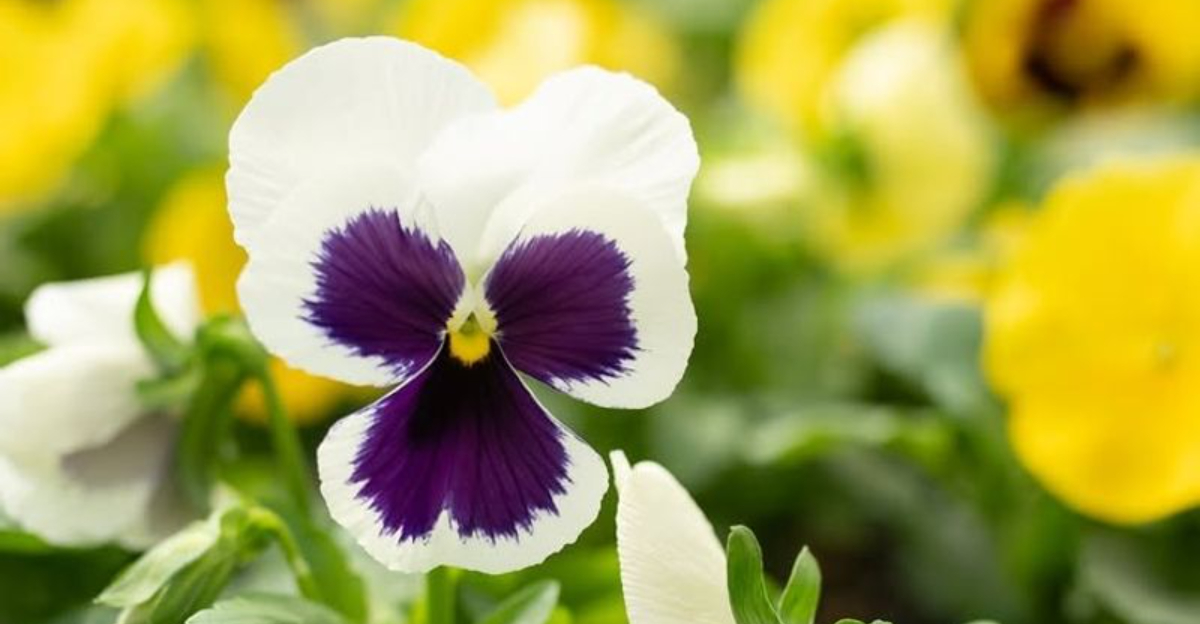
These charming annuals are bred specifically to withstand freezing temperatures and keep producing colorful blooms.
Unlike their warm-weather cousins, winter pansies can survive temperatures well below freezing and bounce back after snowfalls.
Their cheerful faces come in practically every color imaginable, from deep purples to bright yellows and oranges.
Plant them in containers near your front door or directly in garden beds where you’ll see them often.
Ohio gardeners can enjoy these beauties from fall through early spring with minimal care required.
Water them during dry spells, but winter precipitation usually provides enough moisture.
Deadheading spent blooms encourages more flowers, though it’s not absolutely necessary.
Their compact size makes them perfect for layering with taller plants or using as colorful groundcover.
Mix different colors together for a vibrant display that lifts your spirits all winter.
3. Witch Hazel Blooms When Everything Else Sleeps
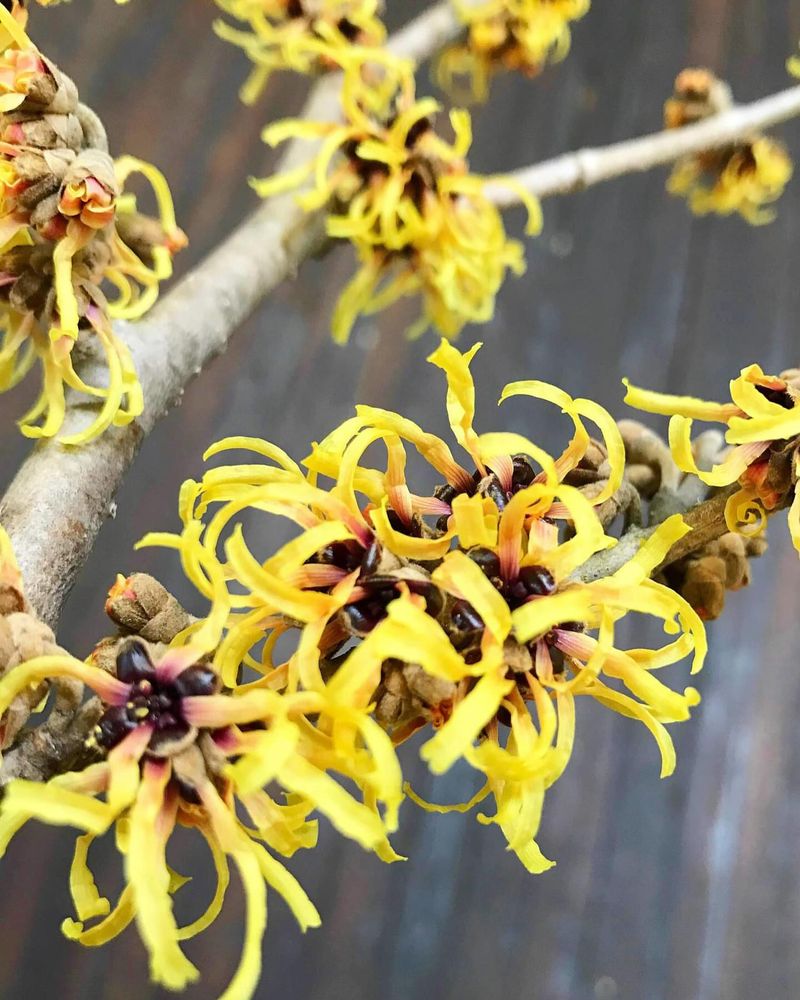
This native shrub produces the most unusual and delightful flowers right in the middle of Ohio’s coldest months.
The spidery, ribbon-like petals unfurl in shades of yellow, orange, or red, releasing a sweet fragrance that seems almost magical in winter air.
Witch hazel can bloom anytime from late fall through February, depending on the variety you choose.
The flowers are incredibly resilient and can survive hard freezes by simply curling up, then reopening when temperatures rise again.
This large shrub grows slowly but eventually reaches heights of 10 to 15 feet, providing structure and beauty year-round.
Plant it where you’ll walk past frequently so you can enjoy the wonderful scent during winter strolls.
The foliage turns brilliant yellow in autumn before dropping, giving you two seasons of spectacular color.
Witch hazel thrives in partial shade and adapts well to various soil types common throughout Ohio.
It’s a true four-season plant that rewards patient gardeners with unique winter interest.
4. Ornamental Kale Offers Bold Texture And Color
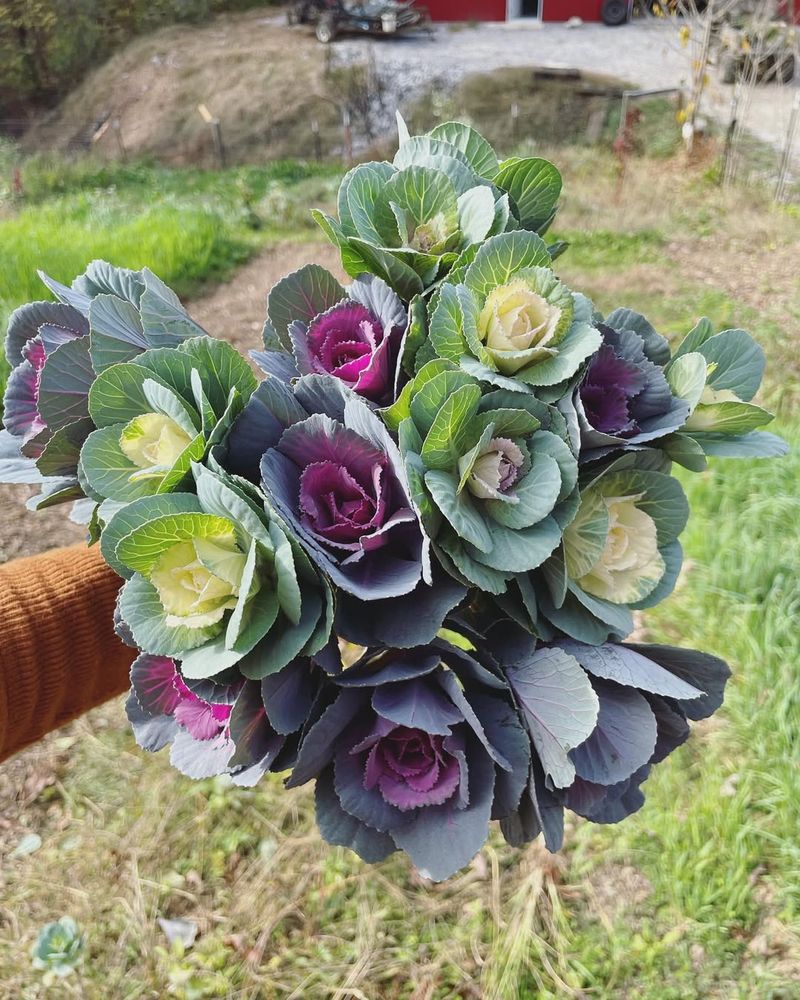
While technically not a flower, ornamental kale produces stunning rosettes that look like giant colorful blooms in your winter garden.
The leaves develop deeper, more vibrant colors as temperatures drop, with centers turning brilliant pink, purple, white, or cream.
Cold weather actually enhances their beauty rather than diminishing it, making them perfect for Ohio’s chilly climate.
These plants can survive temperatures down to about 5 degrees Fahrenheit, continuing to look gorgeous through most winter days.
Use them in containers, borders, or mass plantings for dramatic visual impact that photographs beautifully.
Ornamental kale grows best in full sun but tolerates partial shade, adapting well to various garden situations.
They pair wonderfully with evergreens, winter pansies, or ornamental grasses for layered texture and interest.
Unlike flowering plants that come and go, these bold beauties maintain their color for months without requiring deadheading.
Plant them in fall for the best color development, and watch them transform as Ohio’s temperatures drop throughout the season.
5. Snowdrops Emerge As Winter’s First Messengers
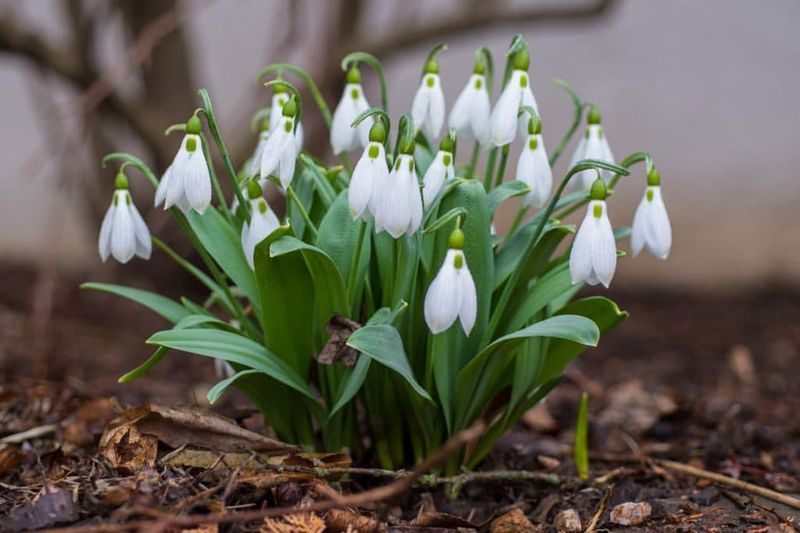
Few sights are as hopeful as seeing delicate snowdrop flowers pushing through frozen ground or even snow itself.
These tiny bulbs produce nodding white bell-shaped blooms that signal spring is eventually coming, even during Ohio’s coldest weeks.
Snowdrops often appear in late winter, sometimes as early as February, bringing much-needed encouragement to weary gardeners.
Their name perfectly describes their appearance and timing, as they literally bloom while snow still covers the ground.
Plant the bulbs in fall about three inches deep in areas with partial shade and well-draining soil.
They naturalize beautifully over time, spreading slowly to create charming drifts that return reliably every year.
Snowdrops work wonderfully under deciduous trees where they can bloom before the canopy leafs out in spring.
Their small size makes them perfect for rock gardens, woodland settings, or tucked along pathways where they’ll surprise you.
Once established, these tough little bulbs require virtually no maintenance and will multiply gradually to expand your display.
6. Winter Jasmine Cascades With Bright Yellow Blooms
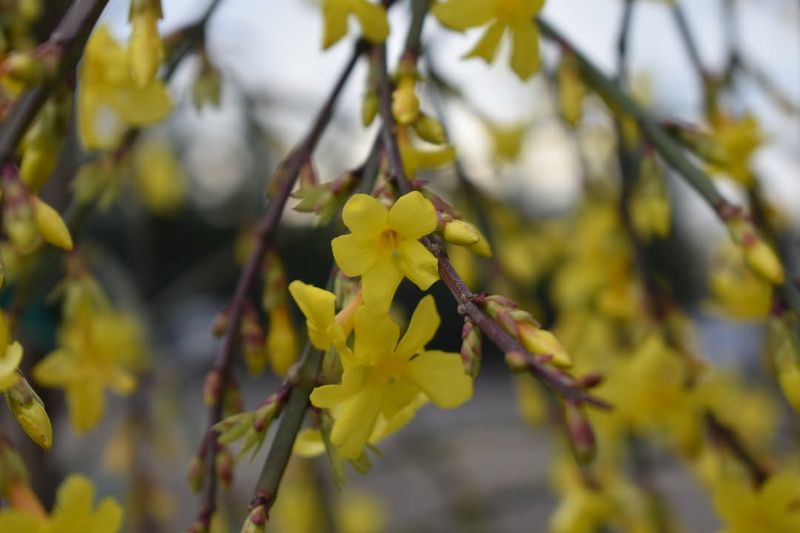
This vigorous shrub produces cheerful yellow flowers on bare green stems throughout late winter and early spring.
The bright blooms appear before leaves emerge, creating a stunning display of pure color against Ohio’s often gray winter landscape.
Winter jasmine grows in a cascading, arching habit that looks beautiful spilling over walls, banks, or trailing along fences.
Despite its name, this plant isn’t fragrant like other jasmines, but its visual impact more than makes up for the lack of scent.
It’s incredibly adaptable and can handle various soil types and light conditions, though it blooms best with some sun exposure.
The plant remains attractive even when not flowering, with its evergreen stems providing winter interest and structure.
Winter jasmine spreads readily and can be used as a groundcover on slopes where erosion might be a concern.
Prune it after flowering to maintain shape and encourage bushier growth for next year’s display.
This tough plant rarely suffers from pests or diseases and requires minimal care once established in Ohio gardens.
7. Camellias Provide Elegant Winter Sophistication
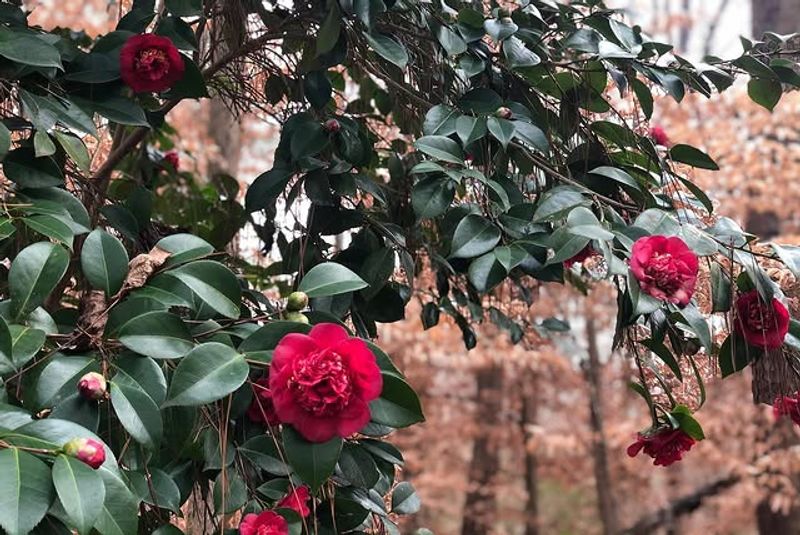
These evergreen shrubs produce absolutely stunning flowers that rival roses in beauty and complexity.
Camellia blooms come in shades of white, pink, red, and even variegated combinations, with forms ranging from simple to fully double.
While camellias are often associated with warmer climates, cold-hardy varieties thrive in protected locations throughout Ohio.
Choose varieties bred for zone 6 or colder, and plant them in spots sheltered from harsh winter winds and intense sun.
The glossy evergreen foliage looks attractive year-round, providing structure and color even when flowers aren’t present.
Camellias bloom from late fall through early spring, depending on the variety, offering months of spectacular flowers.
They prefer acidic soil similar to what rhododendrons and azaleas enjoy, so amend your Ohio soil if needed.
Mulch well around the base to protect roots from extreme temperature fluctuations during winter.
These aristocratic plants make stunning focal points and elevate any garden with their refined elegance and remarkable winter blooms.
8. Winter Aconite Carpets Ground With Golden Sunshine
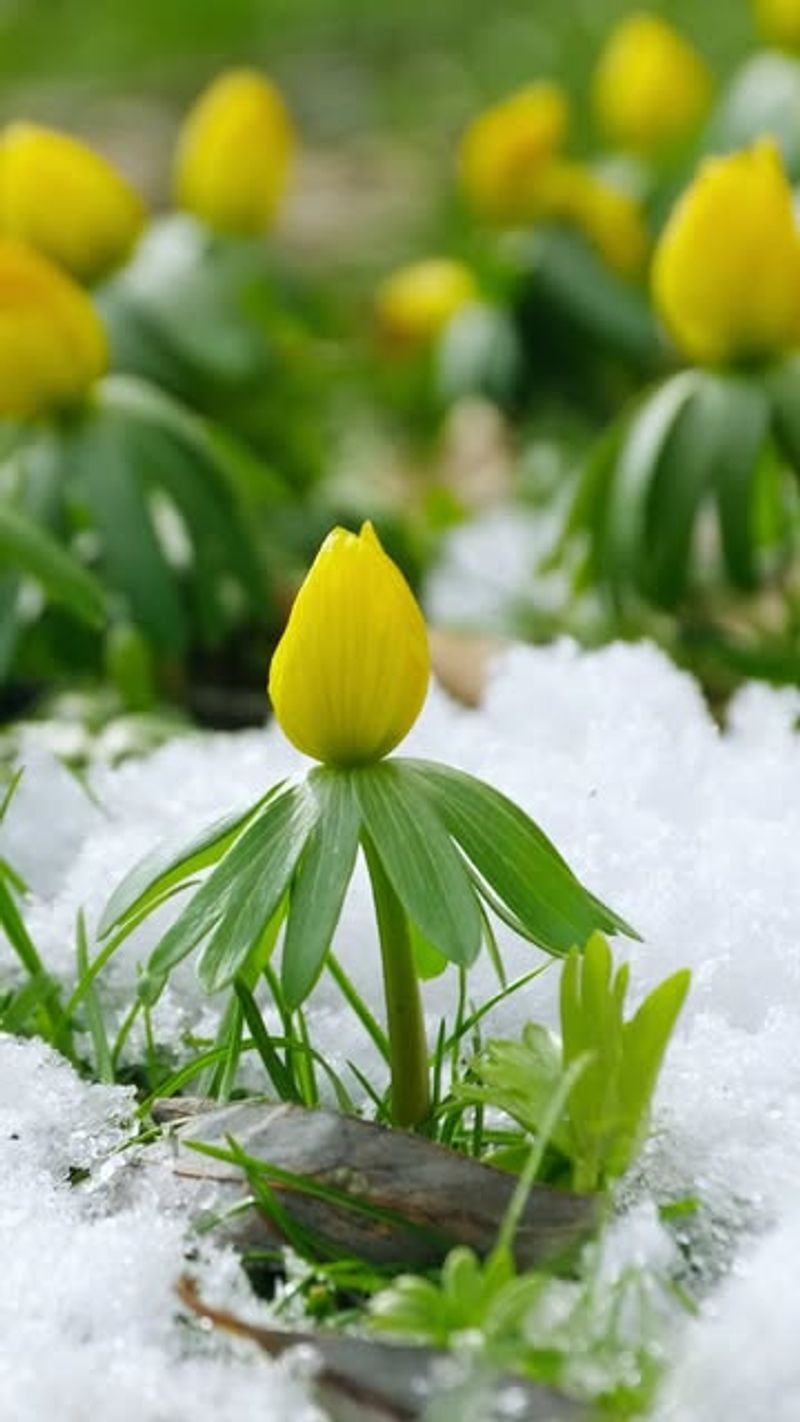
Among the earliest bulbs to bloom, winter aconite produces cheerful yellow flowers that look like tiny buttercups surrounded by green ruffs.
These low-growing plants create golden carpets that can brighten even the dreariest Ohio winter day.
They often bloom in late winter, sometimes pushing through snow to open their sunny faces toward weak winter sunshine.
Winter aconite spreads gradually through self-seeding, eventually forming substantial colonies that return faithfully each year.
Plant the tubers in fall in areas with partial shade and moisture-retentive soil for best results.
They work beautifully naturalized under deciduous trees or mixed with snowdrops for an extended early-season display.
The flowers close at night and on cloudy days, opening wide when sunshine appears to reveal their bright yellow centers.
After blooming, the foliage persists for a few weeks before going dormant for the rest of the year.
These cheerful little plants are remarkably tough and will reward your patience with increasingly impressive displays as colonies mature over time.
9. Cyclamen Coum Brings Dainty Pink And White Blooms
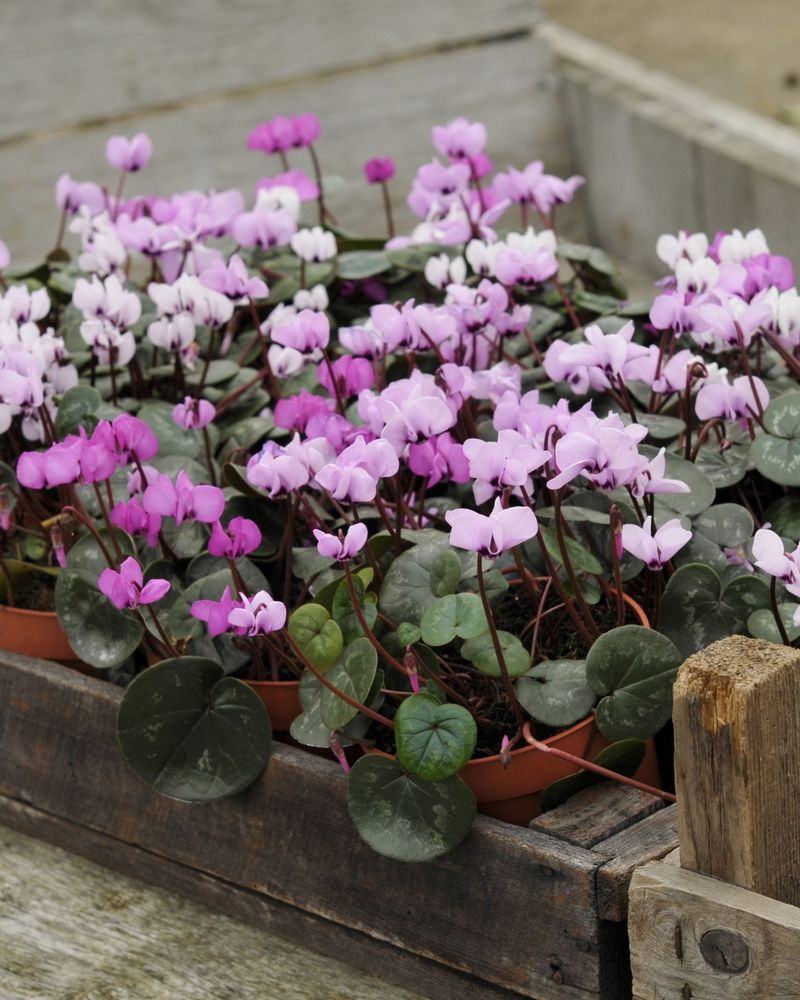
This diminutive plant produces adorable swept-back flowers that hover above beautifully patterned foliage like tiny butterflies.
Hardy cyclamen blooms in shades of pink, magenta, and white throughout winter, often continuing into early spring.
The heart-shaped leaves feature intricate silver patterns that remain attractive even when flowers aren’t present.
Unlike florist cyclamen sold as houseplants, Cyclamen coum is completely hardy and returns year after year in Ohio gardens.
Plant the tubers in late summer or fall in well-draining soil enriched with organic matter.
They prefer dappled shade under trees or shrubs where they’re protected from harsh conditions but receive adequate light.
Once established, hardy cyclamen can self-seed and gradually spread to form charming colonies.
The plants go dormant in late spring after flowering, making them perfect companions for hostas or other shade perennials that emerge later.
These delicate-looking plants are surprisingly tough and bring an enchanting woodland quality to winter gardens throughout Ohio.
10. Winterberry Holly Offers Brilliant Red Berries
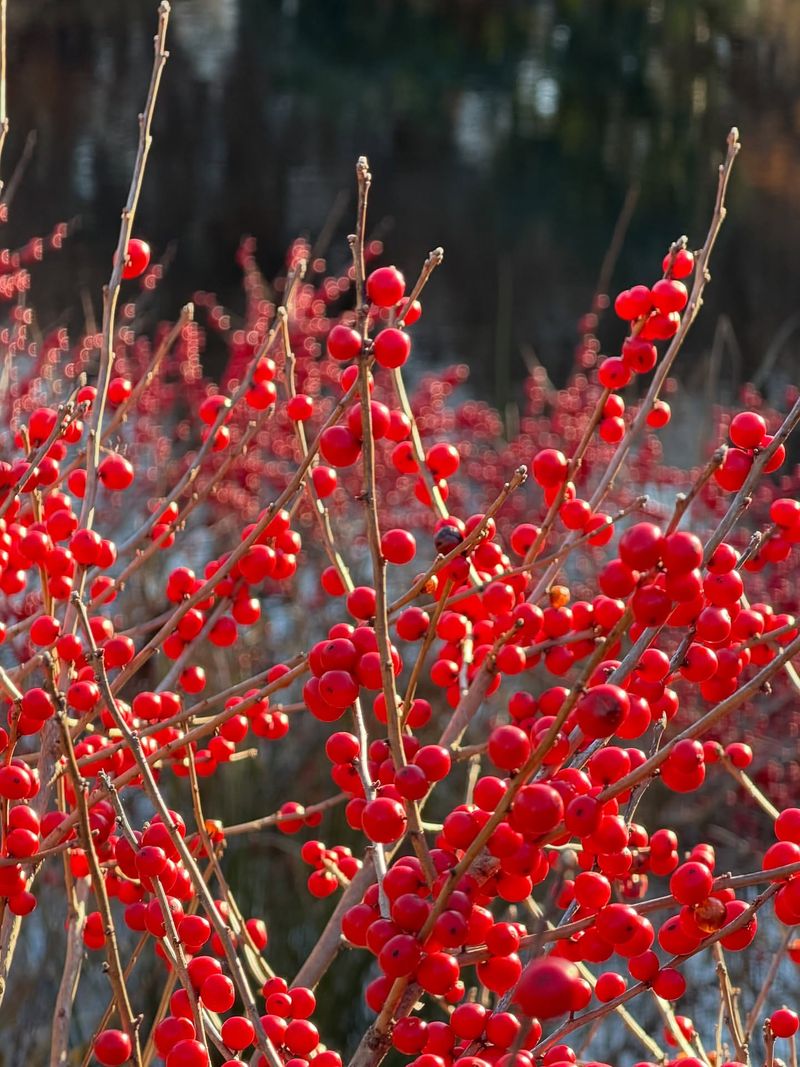
While technically not flowers, winterberry’s spectacular red berries provide the most vibrant color imaginable in Ohio’s winter landscape.
This deciduous holly loses its leaves in fall, revealing branches absolutely loaded with bright red berries that persist through winter.
The effect is breathtaking, especially against snow or evergreen backgrounds, creating natural holiday decorations in your yard.
Birds adore the berries, though they typically wait until late winter when other food sources have diminished.
You’ll need both male and female plants for berry production, with one male capable of pollinating several females.
Winterberry thrives in moist soil and can even tolerate boggy conditions that challenge many other shrubs.
Plant it in full sun to partial shade for the best berry production and most vibrant color.
The shrubs range from compact varieties perfect for smaller yards to larger forms suitable for screening or mass plantings.
Winterberry brings wildlife value and spectacular color to Ohio gardens during the season when visual interest is most needed and appreciated.
11. Mahonia Displays Fragrant Yellow Flower Clusters
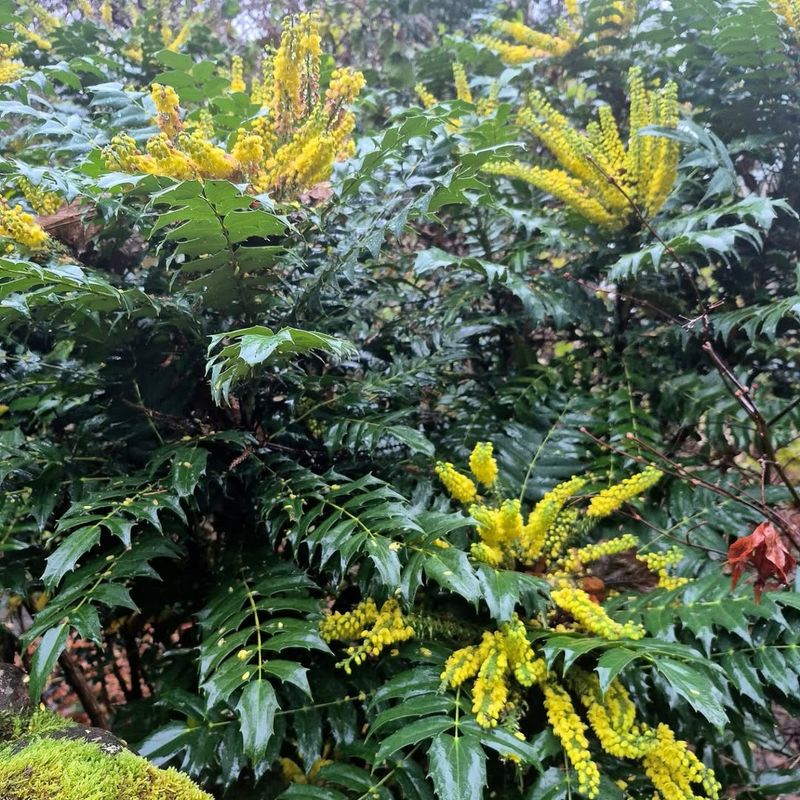
This evergreen shrub produces bright yellow flower clusters in late winter that fill the air with a sweet, honey-like fragrance.
The blooms appear when few other plants are flowering, making mahonia an invaluable addition to Ohio winter gardens.
Its bold, holly-like leaves remain attractive year-round, providing structure and texture even when flowers aren’t present.
The foliage often takes on bronze or purplish tints during cold weather, adding another layer of winter interest.
After flowering, mahonia produces blue-black berries that birds find irresistible, extending the plant’s seasonal value.
It performs well in partial to full shade, making it perfect for spots where many flowering shrubs struggle.
Mahonia grows slowly but eventually forms a substantial shrub that requires little maintenance or pruning.
The plant tolerates urban conditions well and adapts to various soil types common throughout Ohio.
Use it as a foundation plant, in mixed borders, or as an understory shrub where its architectural form and winter blooms can shine.
12. Primrose Varieties Bloom During Mild Winter Spells
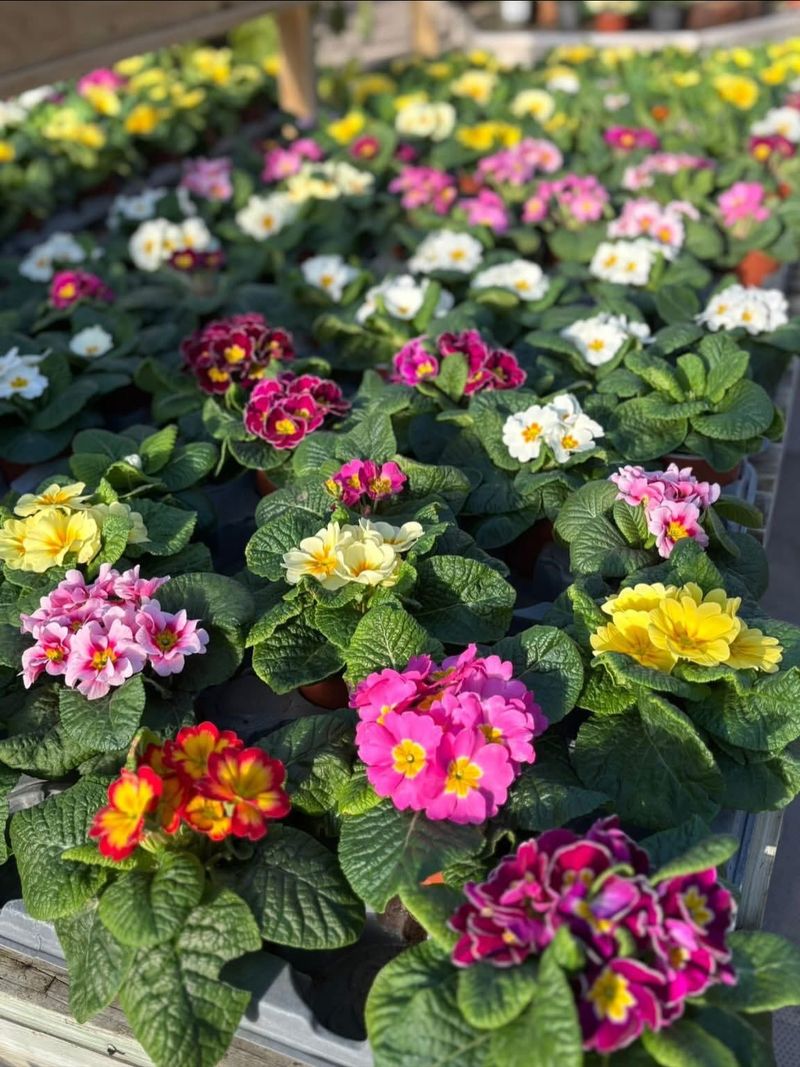
Certain primrose varieties start blooming surprisingly early, often appearing during warm spells in late winter across Ohio.
Their cheerful flowers come in practically every color you can imagine, from soft pastels to brilliant jewel tones.
English primroses are particularly cold-hardy and can withstand light frosts without damage to their blooms.
Plant them in partial shade with rich, moisture-retentive soil for the longest flowering period and healthiest growth.
These low-growing perennials work beautifully along pathways, in containers, or tucked into rock gardens where their colors really pop.
Primroses prefer cool weather and may struggle during Ohio’s hot summers, but they’ll reward you with early spring color.
Mulch around plants to help retain moisture and moderate soil temperatures throughout the seasons.
They combine beautifully with other early bloomers like pansies, snowdrops, or winter aconite for layered interest.
Deadhead spent flowers to encourage continued blooming and prevent plants from exhausting themselves by setting seed too early.
13. Crocus Bulbs Push Through Snow With Vibrant Colors
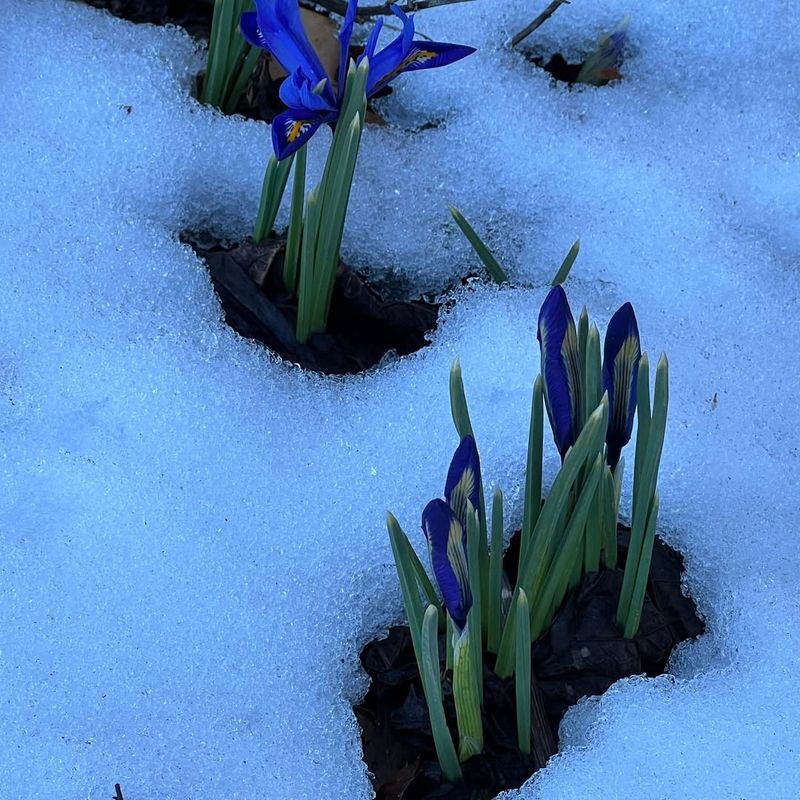
Few sights bring more joy than seeing cheerful crocus flowers emerging through melting snow in late winter.
These small but mighty bulbs produce goblet-shaped blooms in purple, yellow, white, and striped combinations that brighten Ohio yards.
Crocuses are among the earliest bulbs to bloom, often appearing in late February or early March when winter still feels endless.
Plant them in fall about three inches deep in areas that receive full sun to partial shade.
They naturalize beautifully in lawns, creating stunning drifts of color that appear before grass needs mowing.
Crocus bulbs multiply over time, gradually expanding your display without any effort on your part.
The flowers close at night and during cloudy weather, opening wide when sunshine warms them during the day.
Squirrels sometimes dig up newly planted bulbs, so cover areas with chicken wire until the ground freezes if this becomes a problem.
These reliable performers return year after year, bringing much-needed color and hope during Ohio’s transition from winter to spring.