10 Cold-Hardy Ohio Native Plants You Can Plant Before Spring Arrives
Late winter in Ohio rarely feels like planting season, yet this quiet window offers a powerful head start for the months ahead. While most gardens still rest, cold hardy native plants already know how to handle frozen soil, sharp winds, and sudden temperature swings.
Planting early gives roots time to settle, adjust, and prepare for strong spring growth long before the first warm days arrive.
Many experienced gardeners take advantage of this overlooked moment, working with nature rather than waiting on it. Native species bring another advantage.
They already understand Ohio’s soil, rainfall, and climate patterns, which makes them reliable, resilient, and easier to establish. The result shows later in the year through healthier growth, better structure, and a landscape that feels naturally balanced.
Choosing the right plants now can quietly transform how your garden performs once spring finally takes hold across the state.
1. Purple Coneflower Thrives In Cold Soil
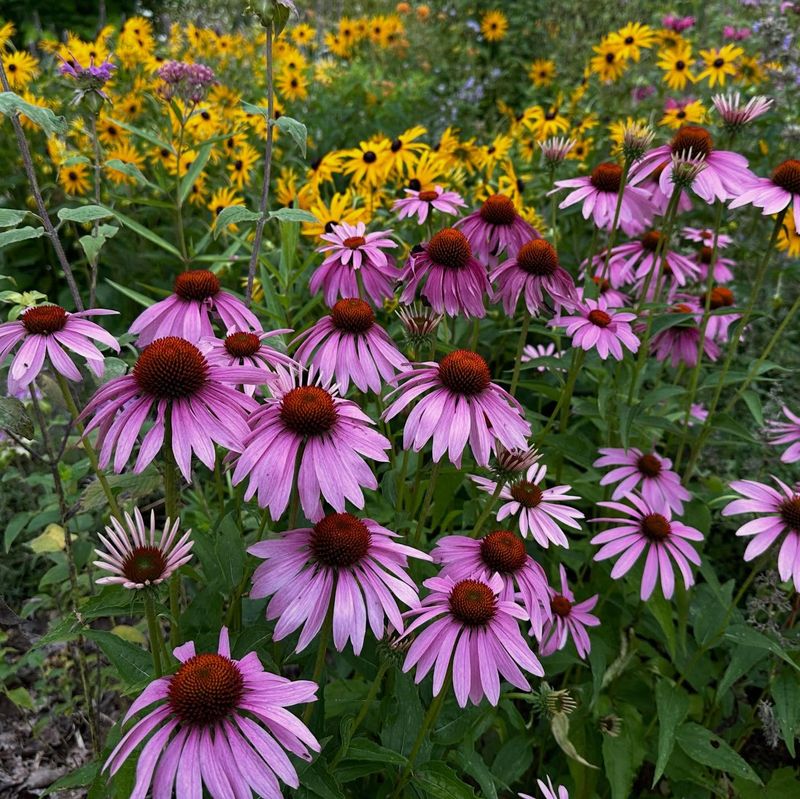
Gardeners often underestimate how tough this prairie native really is. You can tuck purple coneflower seedlings or bare-root plants into the ground when soil temperatures cool soil temperatures in early spring, well before your last frost date.
The roots actually prefer starting in cool, moist conditions because it mimics their natural germination cycle on the open prairie.
Purple coneflower tolerates a wide range of soil types, from clay to sandy loam, as long as drainage is decent. Plant them in full sun with about 18 inches of spacing between each one.
Water them in well after planting, then let nature take over unless conditions turn exceptionally dry.
Once established, these plants become incredibly drought-tolerant and bloom from early summer through fall. The prominent seed heads attract goldfinches and other songbirds well into winter.
Pollinators adore the nectar-rich flowers, making this plant a powerhouse for supporting local wildlife.
In Ohio gardens, purple coneflower handles our temperature swings with ease. Early planting gives the roots several weeks to settle before active growth begins.
By midsummer, you’ll have robust clumps covered in cheerful blooms that require almost no fussing. This plant proves that cold-season planting sets the stage for effortless beauty later on.
2. Black Eyed Susan Laughs At Late Frost
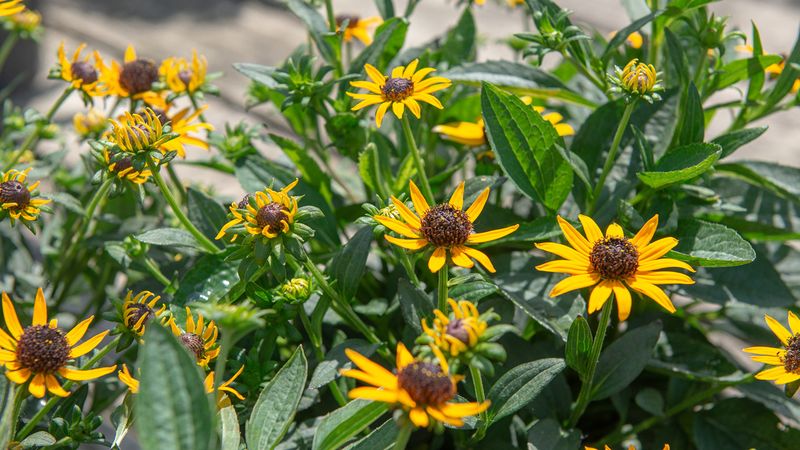
Few plants shrug off cold snaps quite like this cheerful wildflower. Black-eyed Susan seeds can go directly into the ground in late winter when soil is still chilly and frost remains a regular visitor.
The seeds need cold stratification to germinate properly, so planting early actually improves your success rate rather than hindering it.
Scatter seeds over prepared soil and barely cover them with a light dusting of earth. They need sunlight to sprout, so don’t bury them deep.
If you’re working with transplants instead, set them out about 12 inches apart in full sun.
Black-eyed Susans adapt to almost any soil condition except soggy, waterlogged spots. They tolerate clay, sand, and everything in between.
Once the weather warms, these plants grow quickly and produce masses of golden-yellow blooms with dark chocolate centers that pollinators find irresistible.
In Ohio, this native wildflower naturalizes easily and often reseeds itself for future seasons. Early planting takes advantage of spring moisture and gives roots time to anchor before summer heat arrives.
By July, your garden will be filled with sunny flowers that keep blooming until hard frost finally arrives in fall. This reliable performer proves its worth year after year with minimal care required.
3. New England Aster Handles Chilly Starts
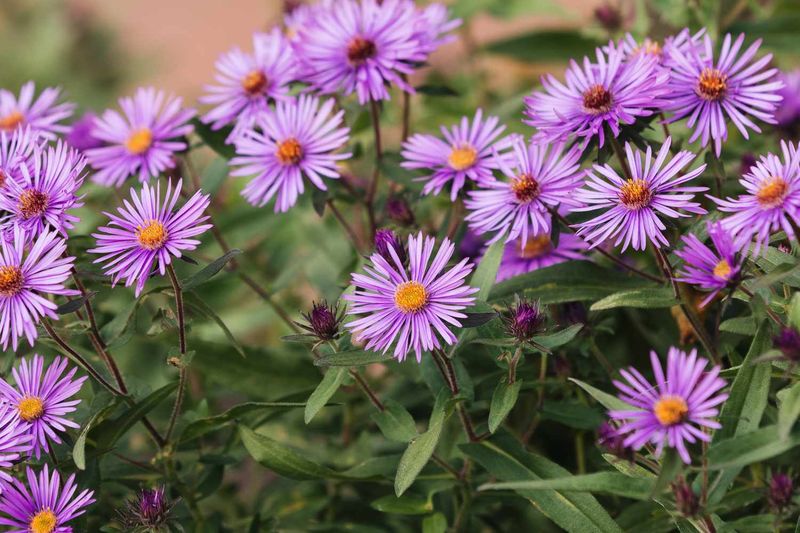
Late-season color starts with early-season planting when it comes to this stunning native. New England aster transplants can go into Ohio gardens while nights still dip below freezing and the soil feels cold to the touch.
The plants remain dormant or grow very slowly during chilly weeks, but their root systems are busy establishing underground.
Choose a sunny spot with average to moist soil. Space plants about 18 to 24 inches apart since they’ll form substantial clumps by late summer.
Water them in thoroughly after planting, then maintain even moisture as temperatures gradually warm.
New England aster tolerates a range of soil types but performs best when it doesn’t dry out completely during the growing season. The plants grow tall, often reaching three to four feet, and produce clouds of purple, pink, or magenta flowers in late summer and fall when many other perennials have finished blooming.
Pollinators depend heavily on these late-blooming flowers for nectar before winter arrives. Monarch butterflies migrating through Ohio in September feast on the blooms.
Early planting ensures strong, healthy plants that can support abundant flowering when the garden needs it most. The cold start doesn’t faze them one bit, and by autumn, you’ll have a spectacular display that feeds both your eyes and local wildlife.
4. Butterfly Weed Loves Cool Spring Roots
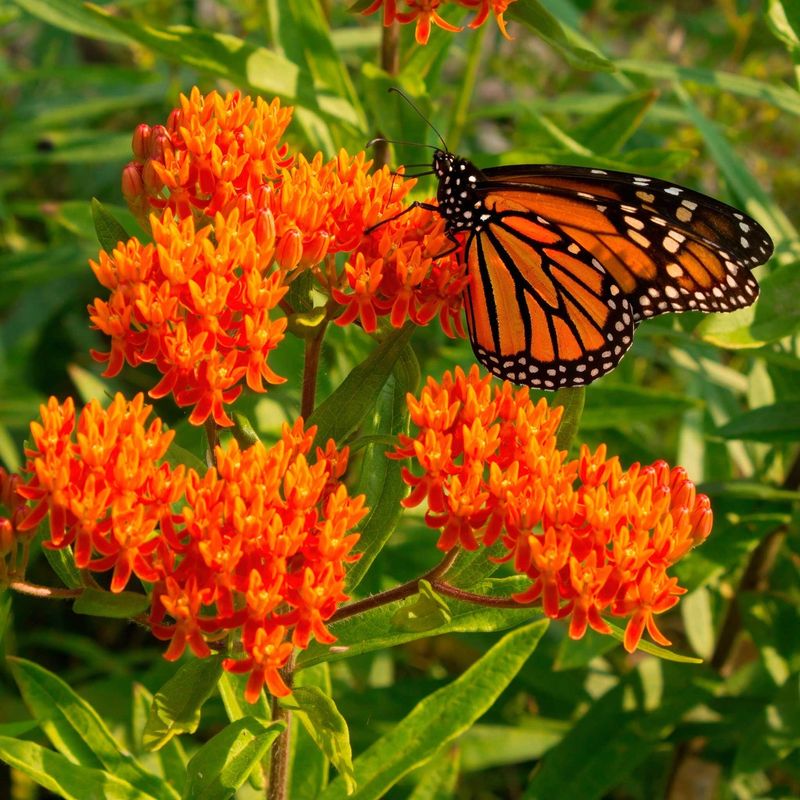
This stunning orange-flowered milkweed species thrives when given an early start. Butterfly weed develops a deep taproot that resents disturbance once established, so planting while the soil is still cool gives it the best chance to settle in properly.
You can plant container-grown transplants or direct-sow seeds in late winter when the ground is workable.
If using transplants, handle them gently and avoid breaking the taproot. Plant in full sun with excellent drainage since butterfly weed absolutely cannot tolerate soggy conditions.
Space plants about 12 to 18 inches apart.
Seeds need cold stratification, so early planting naturally provides the chilling period they require. Scatter them on the soil surface and press them in lightly.
Germination can be slow and irregular, so patience pays off.
Once established, butterfly weed becomes incredibly drought-tolerant and blooms prolifically from early summer into fall. The vibrant orange flowers attract monarchs, swallowtails, and dozens of other butterfly species.
It’s also a host plant for monarch caterpillars, making it essential for supporting their declining populations.
In Ohio gardens, this native milkweed handles temperature fluctuations beautifully. Early planting allows the taproot to grow deep before summer heat arrives, resulting in a plant that rarely needs watering and returns reliably year after year with minimal care.
5. Wild Columbine Wakes Up Early
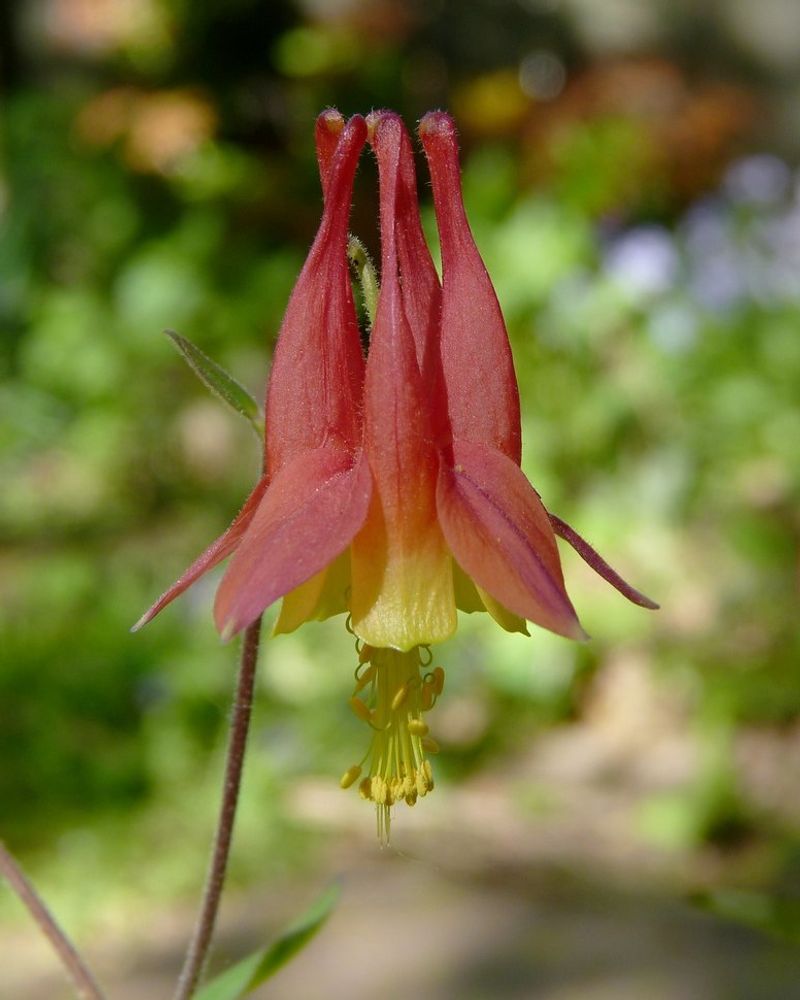
Woodland edges and rocky slopes throughout Ohio host this delicate native that blooms surprisingly early. Wild columbine transplants can go into the ground while frost still threatens and soil temperatures remain quite cool.
The plants naturally emerge early in spring, so planting them during late winter aligns perfectly with their growth cycle.
This plant prefers partial shade to full sun and tolerates a variety of soil conditions, including rocky or sandy spots where other perennials struggle. Space plants about 12 inches apart and water them in well after planting.
Wild columbine produces distinctive red and yellow flowers that dangle gracefully from wiry stems in April and May. Hummingbirds return from migration just as these flowers open, providing crucial early nectar when few other blooms are available.
The fernlike foliage remains attractive throughout the growing season even after flowering finishes.
In Ohio gardens, wild columbine often self-sows, creating naturalized drifts over time. Early planting takes advantage of spring moisture and cool temperatures that help roots establish before summer arrives.
The plants tolerate drought once mature but appreciate consistent moisture during their first season.
This native columbine handles our unpredictable spring weather without complaint. Late frosts won’t damage emerging foliage, and the plants quickly resume growth once temperatures warm.
By giving them a cold start, you’re working with their natural rhythm for best results.
6. Virginia Bluebells Bloom Through Cold
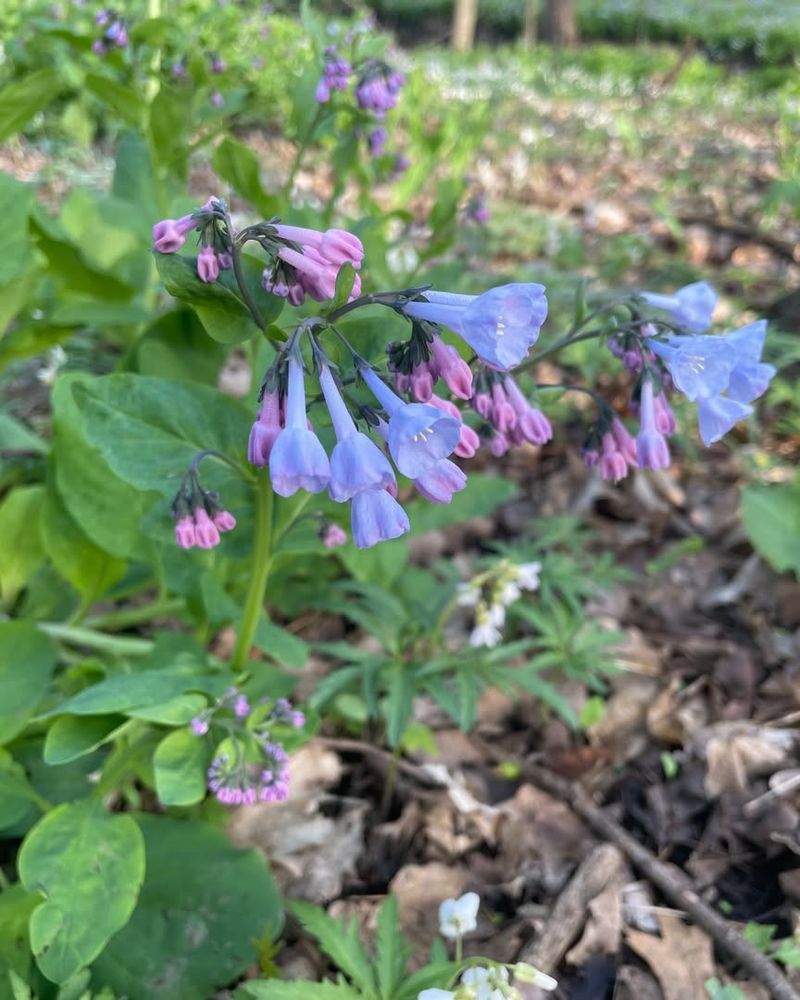
Watching these woodland treasures emerge through cold soil is one of spring’s great pleasures. Virginia bluebells can be planted as bare-root rhizomes or potted plants during late winter when the ground is still quite chilly.
They naturally push through cold soil in early spring, often appearing before most other perennials show signs of life.
Plant them in partial to full shade with rich, moist soil that mimics their native woodland habitat. Space rhizomes or transplants about 12 inches apart and water thoroughly after planting.
They prefer consistent moisture during their active growing season.
The plants produce clusters of pink buds that open into sky-blue bell-shaped flowers in April and May. The blooms provide essential early nectar for native bees and other pollinators emerging from winter dormancy.
After flowering, the foliage gradually yellows and goes dormant by midsummer, a natural cycle that shouldn’t cause concern.
In Ohio gardens, Virginia bluebells naturalize beautifully under deciduous trees where they receive spring sun before the canopy fills in. Early planting allows roots to establish while soil moisture is abundant.
The plants handle late frosts without damage, continuing to bloom even when temperatures drop overnight.
This native wildflower rewards early planting with reliable spring color year after year. The cold start doesn’t slow them down at all, and by the time warmer weather arrives, they’ve already put on their spectacular floral display.
7. Wild Geranium Powers Through Frost
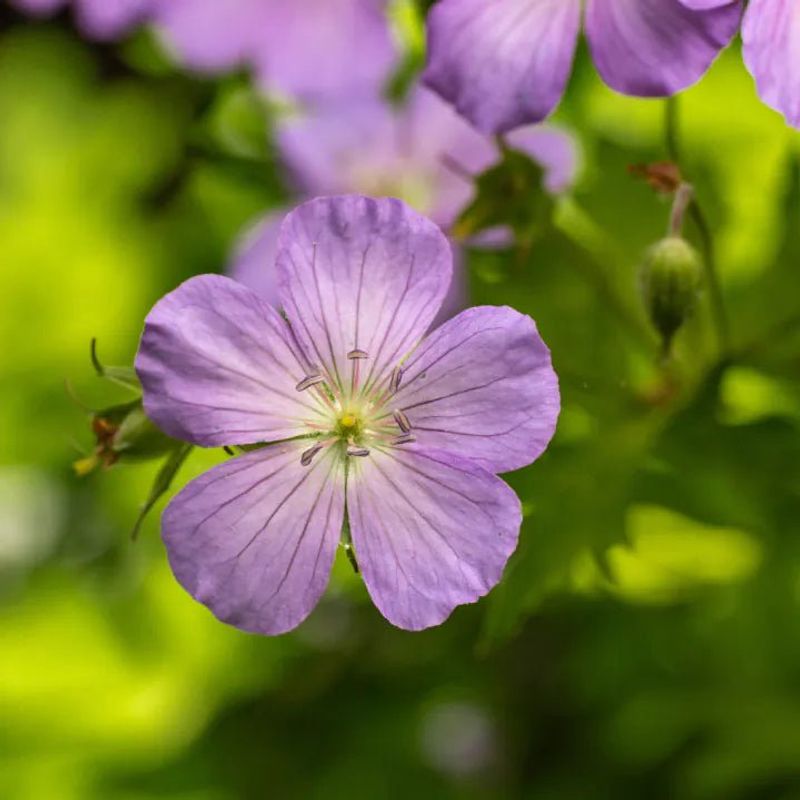
This tough native perennial handles cold conditions with remarkable ease. Wild geranium transplants can go into Ohio gardens while frost is still a regular occurrence and soil temperatures remain cool.
The plants actually prefer starting in chilly conditions because it reduces transplant shock and allows roots to establish gradually.
Plant in partial shade to full sun with average, well-drained soil. Space plants about 12 to 18 inches apart.
They tolerate a range of soil types and adapt well to different light conditions, though they perform best with some afternoon shade in hot locations.
Wild geranium produces clusters of pink to lavender flowers in late spring and early summer. The blooms attract native bees and other beneficial insects.
After flowering, the attractive foliage remains green throughout summer, providing texture and groundcover in shaded areas.
In Ohio gardens, this native geranium spreads slowly to form attractive clumps that fill gaps between other perennials. Early planting takes advantage of spring moisture and cool temperatures that help roots establish quickly.
The plants handle temperature fluctuations beautifully, continuing to grow even when late frosts arrive unexpectedly.
Wild geranium requires minimal maintenance once established and rarely suffers from pest or disease problems. By planting early while conditions are still cold, you’re giving this reliable native the best possible start.
The plants reward your efforts with years of low-maintenance beauty that supports local pollinators and wildlife.
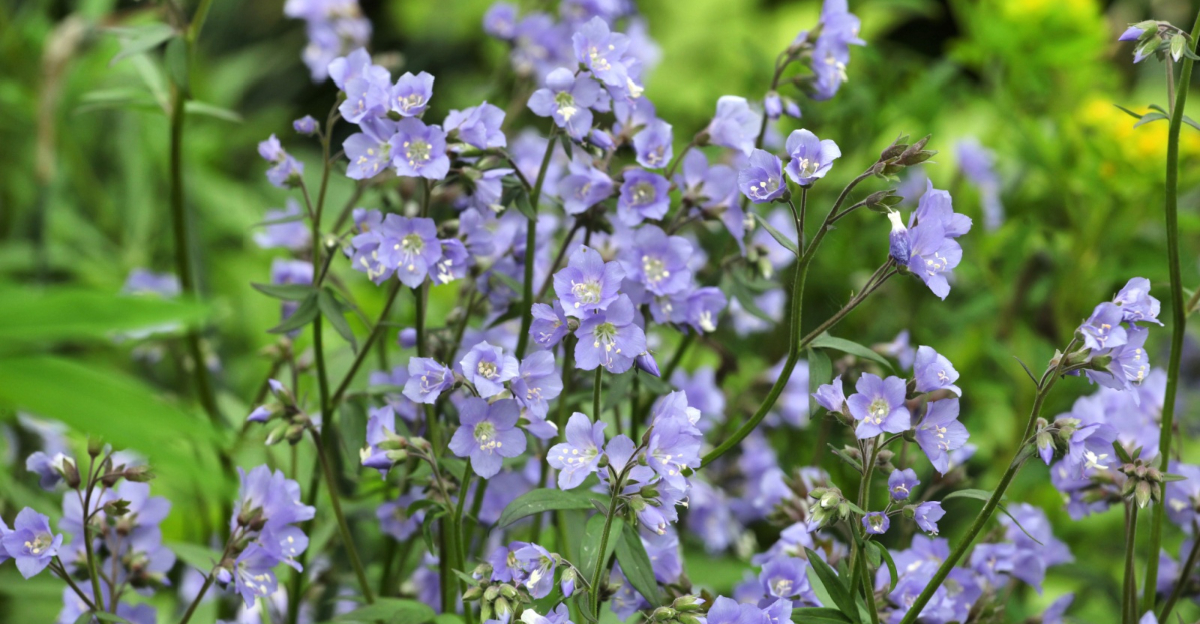
8. Jacobs Ladder Prefers Cool Weather
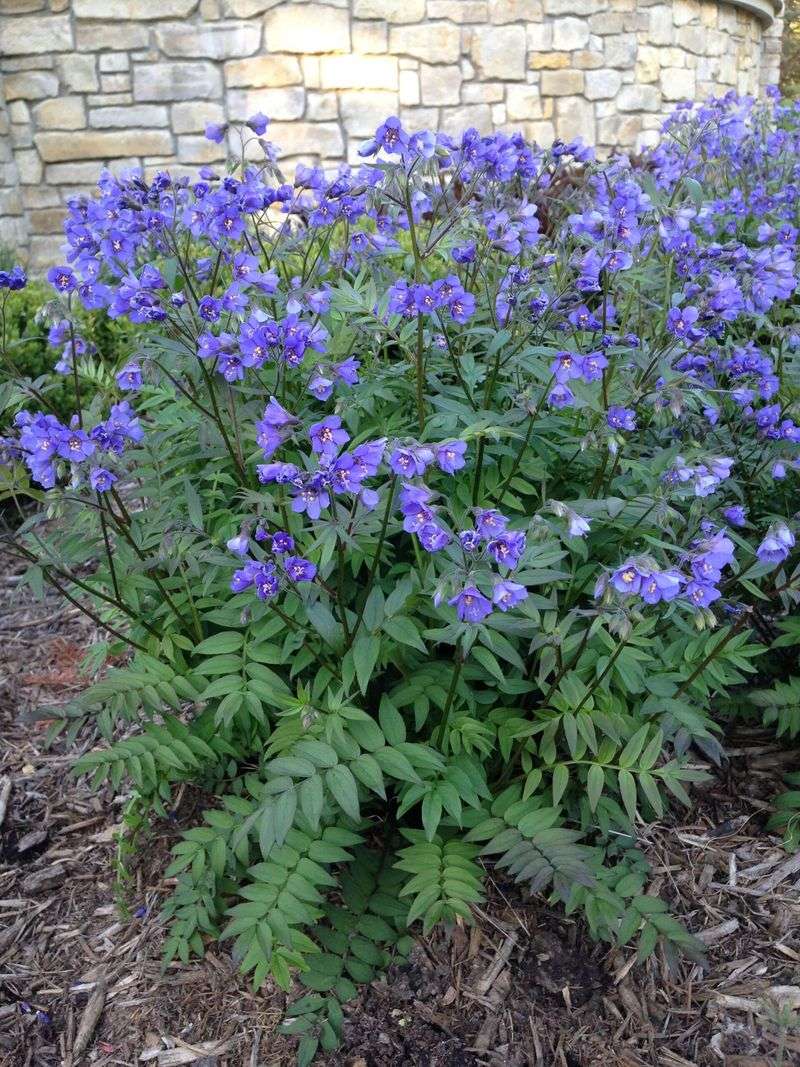
Cool soil and chilly air suit this woodland native perfectly. Jacobs ladder transplants thrive when planted during late winter while temperatures remain cold and frost is still common.
The plants naturally grow in cool, moist conditions and actually struggle more with heat than cold, making early planting the ideal approach.
Choose a spot with partial to full shade and rich, moist soil. Space plants about 12 inches apart and water them in thoroughly.
They appreciate consistent moisture throughout the growing season but tolerate brief dry periods once established.
Jacobs ladder produces delicate blue flowers in late spring that attract native bees and small pollinators. The distinctive foliage, which resembles a ladder with paired leaflets climbing a central stem, remains attractive long after flowering finishes.
The plants form tidy clumps that work beautifully in shaded borders or woodland gardens.
In Ohio, this native perennial handles our unpredictable spring weather without complaint. Late frosts won’t damage emerging foliage or flower buds.
Early planting allows roots to establish while soil moisture is abundant and temperatures favor steady growth without heat stress.
Jacobs ladder requires minimal care once settled in the garden. The cool start you provide by planting early sets the stage for healthy growth and reliable blooming.
By working with this plant’s preference for cool conditions, you’re ensuring it performs at its best throughout the growing season.
9. Common Milkweed Starts Strong In Cold
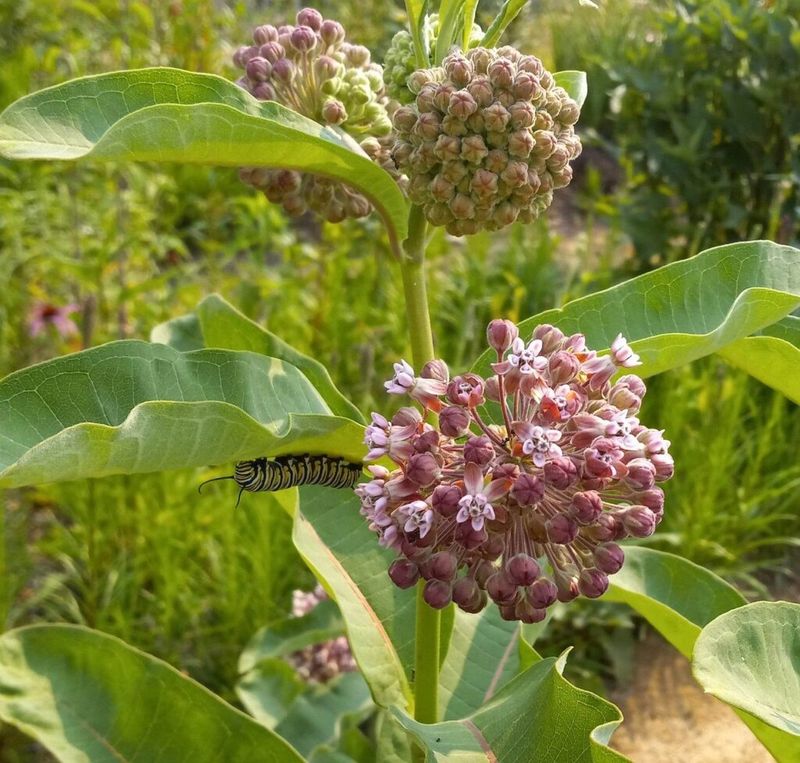
This prairie powerhouse handles cold soil like a champion. Common milkweed can be planted as bare-root plants or container transplants during late winter when the ground is still quite chilly.
Seeds can also be direct-sown early since they require cold stratification to germinate properly. Early planting actually improves germination rates for this important native.
Plant in full sun with average to dry soil. Common milkweed tolerates poor soil and tough conditions once established.
Space plants about 18 to 24 inches apart since they spread via underground rhizomes and can form substantial colonies over time.
The plants produce rounded clusters of fragrant pink-mauve flowers in early summer that attract dozens of pollinator species. Common milkweed is the most important host plant for monarch butterflies in the Midwest, providing essential habitat for their caterpillars.
Supporting monarchs means planting milkweed species they depend on for survival.
In Ohio gardens, common milkweed handles temperature swings beautifully. The plants emerge later than some other perennials, so don’t worry if you don’t see growth immediately after planting.
Early planting gives roots time to establish before the plants put energy into above-ground growth.
Common milkweed requires minimal care and becomes quite drought-tolerant once mature. By planting early while soil is cool, you’re working with nature’s timing and giving this crucial native the best possible start for supporting monarch populations and other wildlife.
10. Great White Trillium Welcomes Early Spring
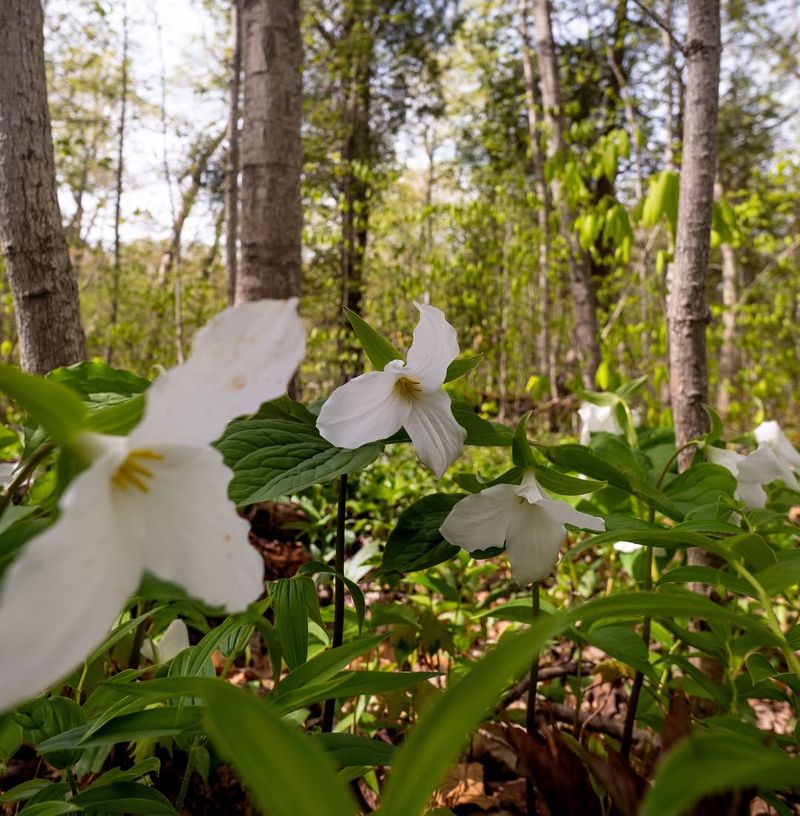
Woodland gardens come alive when these elegant natives bloom in early spring. Great white trillium can be planted as dormant rhizomes during late winter while the ground is still cold and frost remains common.
The plants naturally emerge early, often pushing through cold soil and leaf litter before most other woodland perennials show signs of life.
Plant rhizomes about three inches deep in rich, moist soil with plenty of organic matter. Choose a spot with partial to full shade, preferably under deciduous trees.
Space plants about 12 inches apart and water thoroughly after planting.
Great white trillium produces large, three-petaled white flowers that gradually fade to pink as they age. The blooms appear in April and May, providing crucial early nectar for native bees and other pollinators.
The distinctive foliage, with three broad leaves arranged in a whorl, remains attractive for several weeks after flowering.
In Ohio, this native trillium naturalizes slowly in woodland settings, forming colonies that expand gradually over many years. Early planting allows rhizomes to settle in while soil moisture is abundant.
The plants handle late frosts without damage and continue their growth cycle regardless of temperature fluctuations.
Great white trillium requires patience since it grows slowly, but the reward is spectacular spring beauty that returns reliably year after year. By planting early while conditions are cool, you’re giving these woodland treasures the best possible start for long-term success.
Always use nursery-grown plants and never collect trillium from the wild, where it is protected.