8 Cold Hardy Plants That Outperform Hydrangeas In Michigan Gardens
Michigan winters can be brutal on garden plants, and while hydrangeas have their charm, they often struggle with the cold and need extra protection to survive harsh freezes.
Across Michigan, many gardeners admire hydrangeas for their beauty yet grow frustrated when freezing temperatures damage stems and reduce spring blooms.
Protective wrapping and extra care often become part of the routine, but the results are not always rewarding.
Fortunately, Michigan’s climate also supports a wide range of resilient perennials that handle deep cold with ease while returning each year with dependable color and strength.
These hardy plants require far less effort, making them ideal for gardeners who want reliable beauty without constant seasonal worry.
By choosing varieties suited to Michigan’s winters, you can enjoy a landscape that stays vibrant and dependable year after year.
Discover perennials that thrive where hydrangeas struggle, bringing lasting color, structure, and confidence to your garden through every changing season.
1. Daylilies Return Strong Every Year With Minimal Care
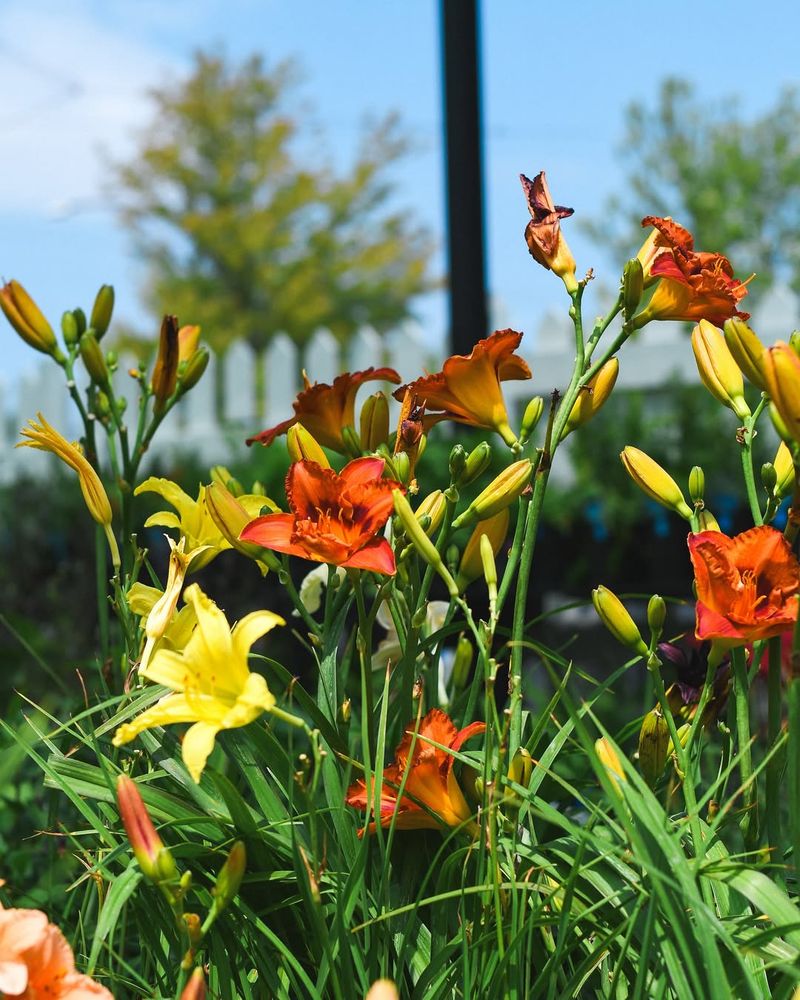
Daylilies laugh at Michigan winters while hydrangeas shiver and struggle. These perennials survive temperatures dropping to twenty below zero without losing vigor or bloom potential.
Their fleshy roots store energy underground, protected from ice and snow by soil insulation alone.
Each spring brings fresh green foliage that grows quickly into graceful clumps. Flower scapes emerge in early summer, producing buds that open into trumpet-shaped blooms in every color except true blue.
Individual flowers last just one day, but each scape carries dozens of buds that keep the show going for weeks.
Hydrangeas demand specific soil pH, consistent moisture, and protection from harsh winds. Daylilies grow happily in average garden soil and tolerate both wet springs and dry summers once their roots establish.
They handle full sun or partial shade equally well, adapting to whatever conditions your yard provides.
These tough plants resist deer browsing better than most perennials and rarely suffer from serious pest problems. They multiply steadily, forming larger clumps that can be divided and shared with neighbors.
Daylilies need no deadheading to continue blooming, though removing spent scapes keeps beds tidy. Their foliage stays attractive all season, providing structure even after flowers finish.
Michigan gardeners value plants that deliver beauty without demanding constant attention or winter protection.
2. Coneflower Delivers Reliable Blooms Through Harsh Winters
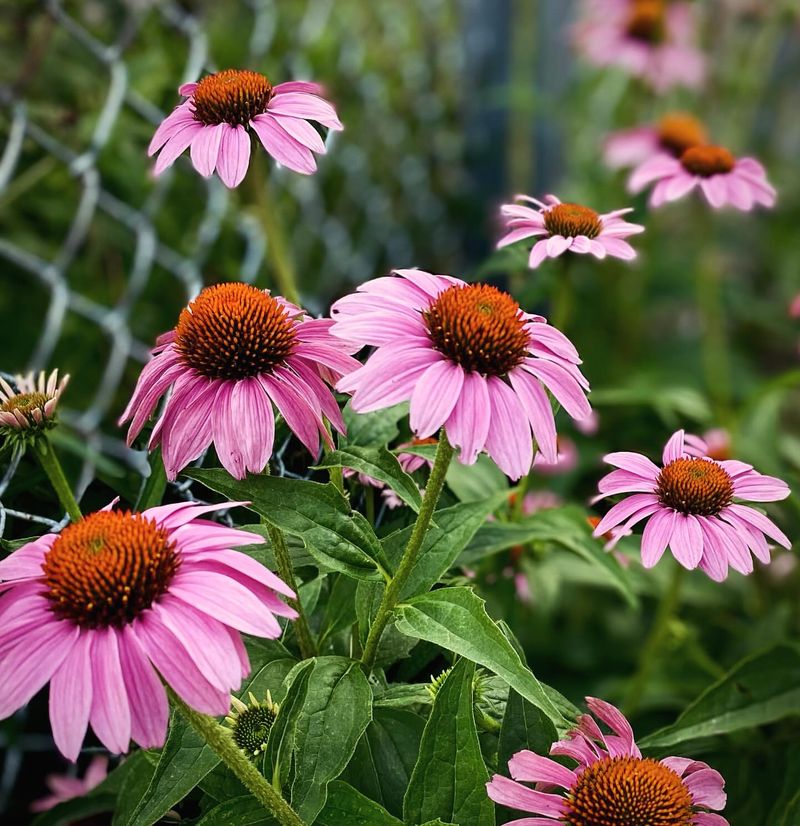
Purple coneflowers stand tall in Michigan gardens when other plants falter under winter pressure. These native perennials survive temperatures well below zero without any special protection or winter wrapping.
Their tough roots go dormant during cold months and bounce back vigorously each spring.
Hydrangeas often need burlap covers and careful placement to protect flower buds from frost damage. Coneflowers require none of that extra effort.
Plant them once and they return stronger each year, spreading gradually to fill garden beds with cheerful blooms from June through September.
The distinctive raised centers attract butterflies and bees throughout summer while the seed heads provide food for goldfinches in fall and winter. Coneflowers tolerate clay soil, drought, and full sun exposure that would stress many hydrangea varieties.
Their sturdy stems rarely need staking even in windy conditions.
These perennials adapt to various soil types as long as drainage is adequate. They bloom reliably without deadheading, though removing spent flowers encourages more blooms.
Coneflowers resist most pests and diseases naturally, saving gardeners time and money on treatments. Their purple, pink, or white petals brighten borders and cutting gardens while requiring minimal water once established.
Michigan gardeners appreciate plants that deliver consistent results without constant attention, and coneflowers fit that description perfectly.
3. Black Eyed Susan Thrives In Tough Conditions
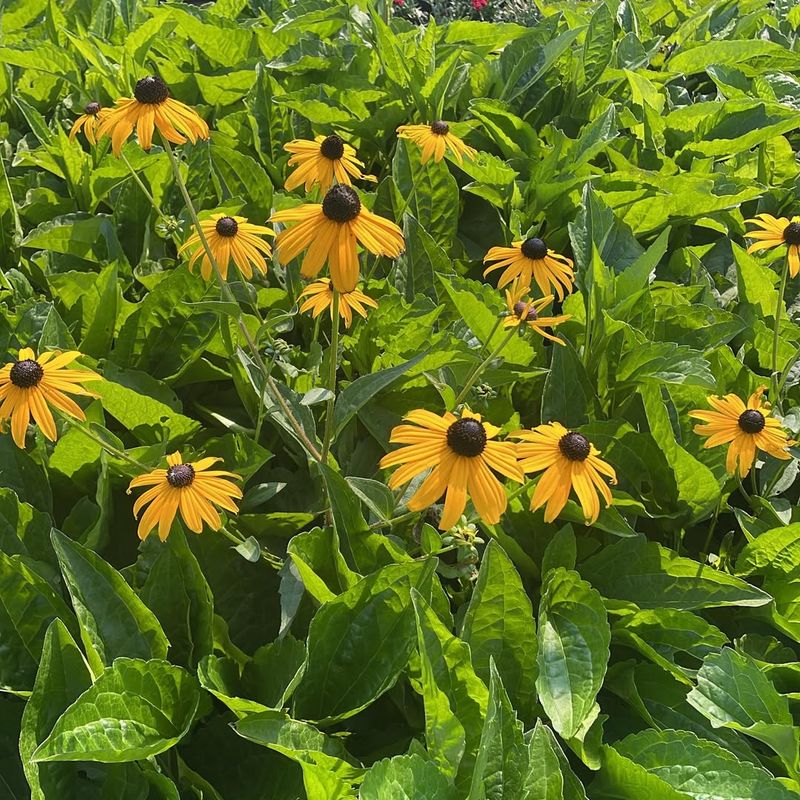
Golden petals surrounding chocolate centers make black-eyed Susans instantly recognizable across Michigan landscapes. These cheerful natives handle cold winters far better than hydrangeas manage, returning faithfully each spring without any special care.
Their deep taproots anchor plants firmly while storing resources for next season’s growth.
Rudbeckia tolerates poor soil, drought, heat, and humidity that would weaken hydrangea shrubs considerably. Plant them in full sun and watch them flourish with little intervention beyond occasional watering during extreme dry spells.
They self-sow moderately, filling empty spots with new seedlings that bloom their second year.
Butterflies and native bees visit these flowers constantly throughout their long bloom period from July into October. The seed heads persist through winter, feeding finches and sparrows when other food sources become scarce.
Black-eyed Susans mix beautifully with ornamental grasses, creating naturalistic plantings that look intentional rather than neglected.
These perennials resist most common garden pests and diseases naturally. They never need staking despite growing two to three feet tall with sturdy stems.
Deadheading extends blooming somewhat, but many gardeners leave seed heads intact for wildlife benefits. Black-eyed Susans adapt to clay or sandy soils equally well, making them perfect for challenging sites where hydrangeas would struggle.
Their bright blooms light up borders and meadow gardens with reliable color year after year.
4. Peonies Excel In Cold Northern Climates
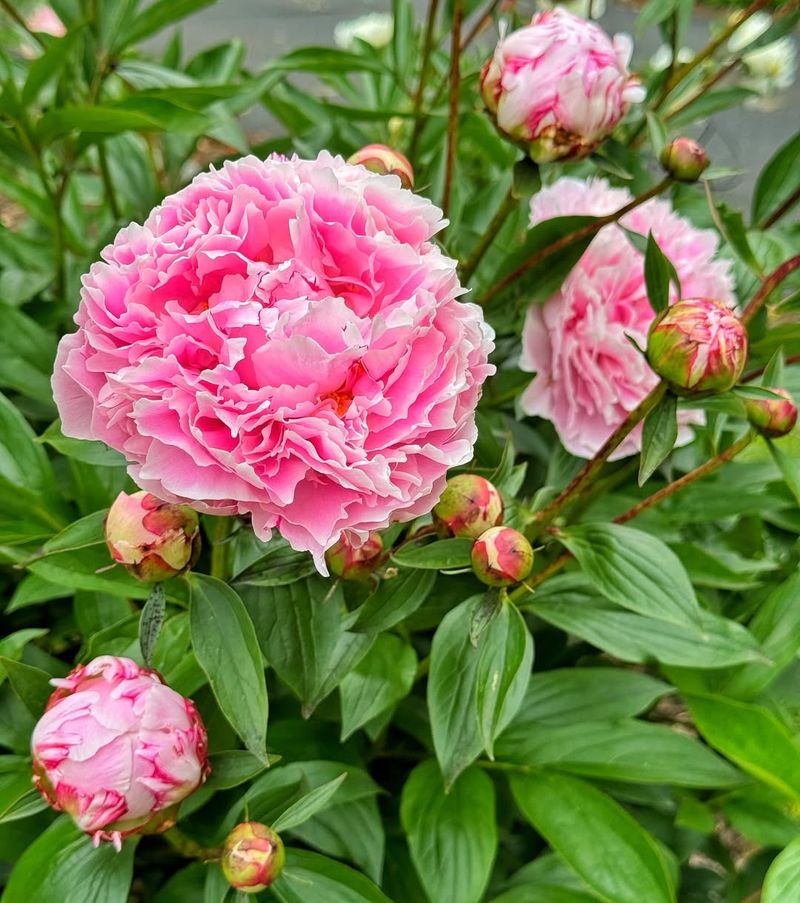
Peonies actually need cold winters to bloom their best, making them ideal for Michigan while hydrangeas often suffer frost damage. These classic perennials require a chilling period below forty degrees to set flower buds properly.
Southern gardeners envy northern growers who can cultivate these magnificent blooms with ease.
Herbaceous peonies disappear completely in fall, their roots resting safely underground throughout the coldest months. Spring brings fresh red shoots that mature into bushy plants topped with enormous fragrant flowers in late May and early June.
Colors range from pure white through every shade of pink to deep burgundy red.
Once established, peonies live for decades in the same spot without needing division or special attention. They tolerate various soil types as long as drainage is good and prefer full sun for maximum blooms.
Hydrangeas demand acidic soil amendments and careful pruning to maintain flowering, while peonies simply need planting at the correct depth and patience.
Their foliage remains attractive all season, turning bronze or red in fall before going dormant. Peonies resist deer browsing and most diseases naturally.
Support hoops help heavy blooms stay upright during rain, but otherwise these plants need minimal intervention. They make excellent cut flowers that last over a week in vases.
Michigan gardeners treasure peonies for their reliability, longevity, and spectacular spring display.
5. Russian Sage Handles Cold And Dry Conditions Well
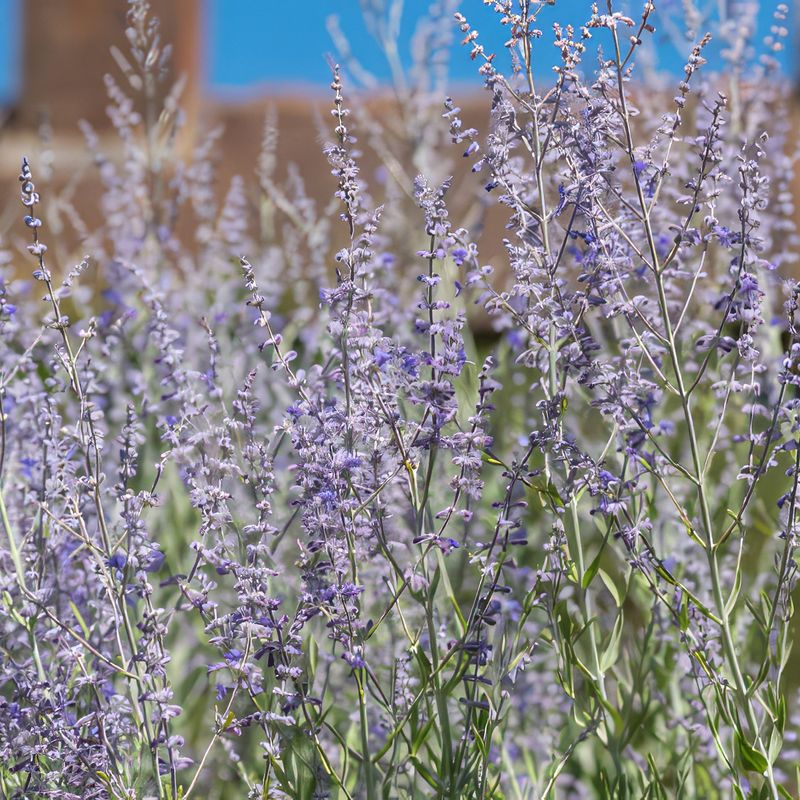
Silvery foliage and hazy blue flower spikes give Russian sage an ethereal quality that contrasts beautifully with bolder perennials. This tough plant survives Michigan winters completely unprotected, regrowing vigorously from woody bases each spring.
Hydrangeas need consistent moisture and shelter, but Russian sage actually prefers lean, dry conditions once established.
The aromatic leaves release a pleasant scent when brushed, and deer avoid them completely. Russian sage blooms from July through September, providing color during the hottest part of summer when many perennials take a break.
The flowers attract numerous pollinators while the tall stems create movement and texture in borders.
This plant tolerates drought, heat, poor soil, and road salt better than nearly any other perennial. It grows three to four feet tall and equally wide, forming airy clouds of blue that soften garden edges.
Russian sage needs full sun and excellent drainage but asks for nothing else beyond occasional spring pruning.
Cut stems back to about twelve inches in early spring before new growth emerges. This keeps plants compact and encourages more blooms.
Russian sage never needs staking despite its height because the stems are strong and flexible. It combines beautifully with ornamental grasses, sedums, and coneflowers in low-maintenance plantings.
Michigan gardeners appreciate plants that thrive on neglect, and Russian sage delivers exactly that kind of performance year after year.
6. Sedum Survives Freezing Temperatures With Ease
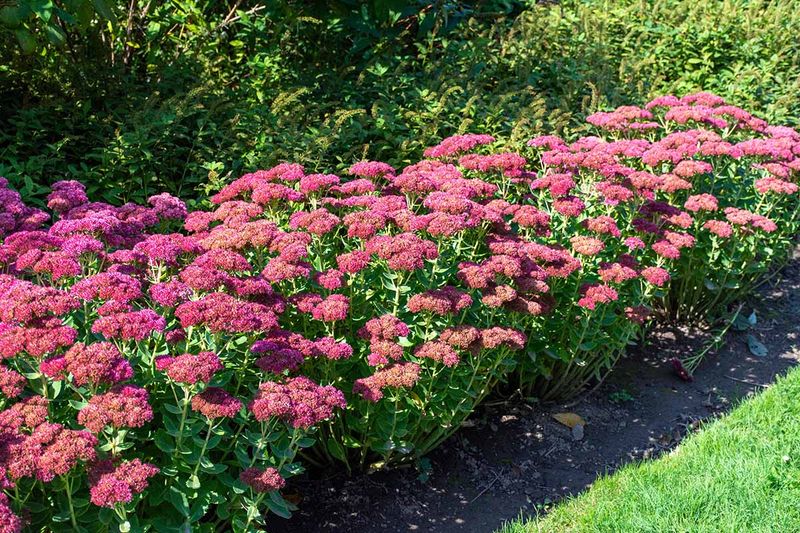
Succulent leaves and architectural flower heads make sedums stand out in Michigan gardens where hydrangeas often look bedraggled after winter. These hardy perennials store water in thick leaves, allowing them to survive both freezing temperatures and summer drought without complaint.
Their fleshy roots go dormant during cold months and emerge strongly each spring.
Tall sedums like Autumn Joy grow eighteen to twenty-four inches high with sturdy stems that support large flat flower clusters. Buds form in summer as green broccoli-like heads that gradually turn pink, then rose, then bronze as fall progresses.
These flower heads remain attractive through winter, providing structure when most perennials have collapsed.
Sedums tolerate the poorest soil in your yard and actually bloom better without fertilizer or rich amendments. They need full sun and good drainage but handle clay soil better than most succulents.
Butterflies and bees cover the flowers in late summer when nectar sources become scarce.
These plants never need deadheading, staking, or dividing unless you want to propagate more. Simply cut old stems to the ground in early spring before new growth appears.
Sedums resist all common pests and diseases naturally. They combine beautifully with ornamental grasses and create stunning fall displays when their foliage turns burgundy.
Michigan gardeners value plants that look good across multiple seasons while requiring minimal care, and sedums deliver exactly that.
7. Shasta Daisy Provides Reliable Cold Hardy Blooms
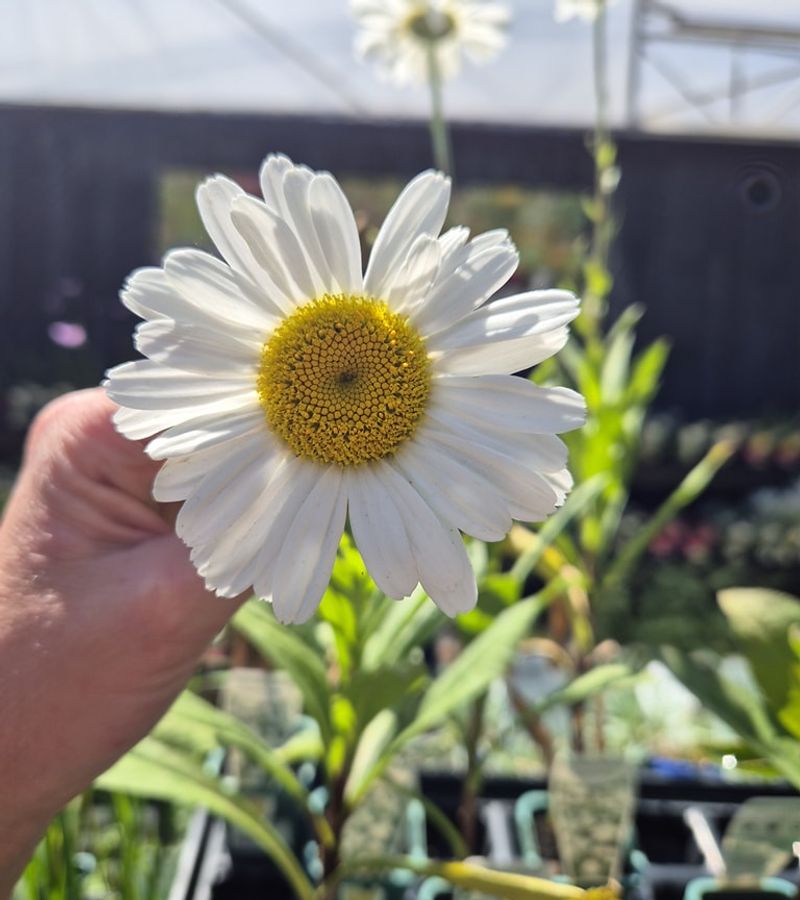
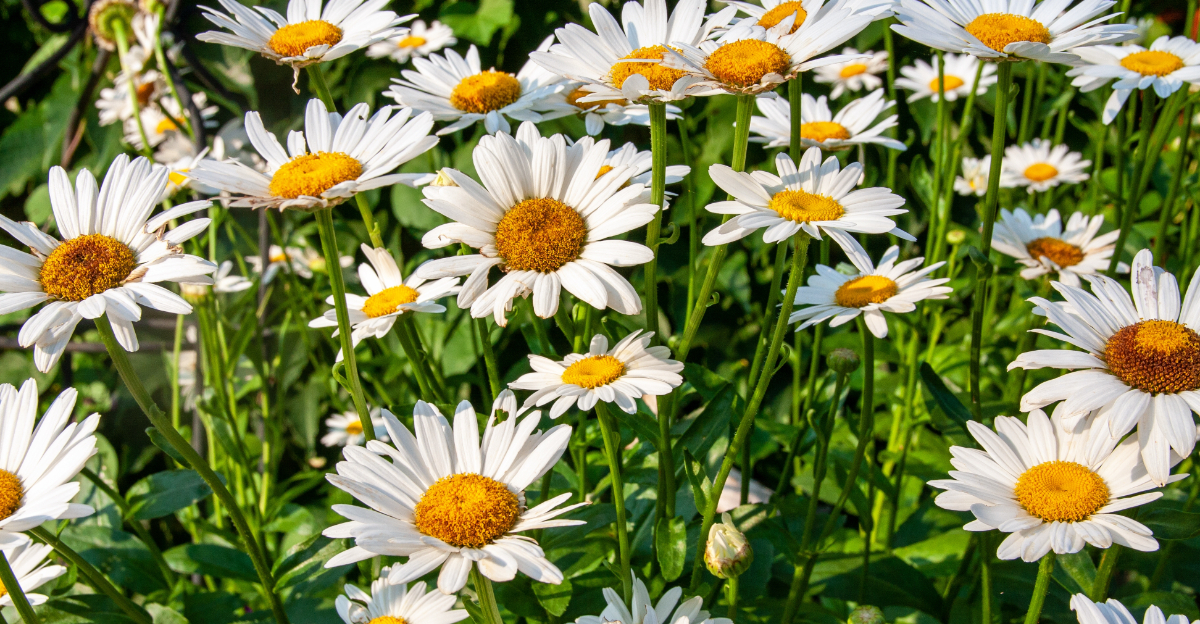
Classic white petals surrounding sunny yellow centers bring cheerful simplicity to Michigan gardens where hydrangeas demand complicated care. Shasta daisies survive harsh winters without protection, returning reliably each spring to bloom from June through August.
Their vigorous growth and easy maintenance make them perfect for busy gardeners.
These perennials prefer full sun and average soil with decent drainage. They tolerate both clay and sandy conditions better than hydrangeas manage, adapting to whatever your yard provides.
Shasta daisies grow one to three feet tall depending on variety, with sturdy stems that rarely need staking.
Deadheading spent blooms encourages continuous flowering throughout summer. The process takes just minutes weekly and rewards you with months of fresh flowers perfect for cutting.
Butterflies and beneficial insects visit these blooms regularly, supporting garden ecosystem health.
Shasta daisies multiply steadily, forming larger clumps that benefit from division every three to four years. This process is simple and gives you extra plants to spread around your garden or share with neighbors.
They resist most pests and diseases naturally, though slugs may nibble young foliage in wet springs.
These daisies combine beautifully with nearly any other perennial, providing a clean backdrop for bolder colors or standing alone in cottage garden plantings. Michigan gardeners appreciate their reliable performance, long bloom period, and minimal care requirements.
Unlike hydrangeas that need constant attention, Shasta daisies simply grow and bloom without drama.
8. Bee Balm Thrives In Cold Climates And Supports Pollinators
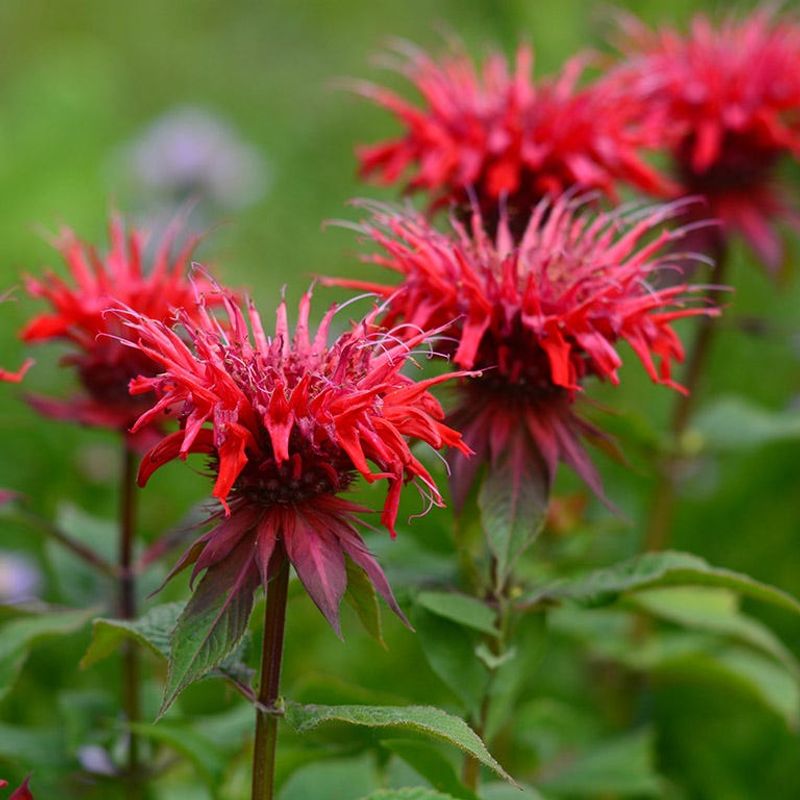
Tubular flowers in shades of red, pink, purple, or white create fireworks displays that hummingbirds cannot resist. Bee balm thrives in Michigan’s cold winters far better than hydrangeas manage, returning vigorously each spring with fragrant foliage and spectacular summer blooms.
This native perennial supports countless pollinators while requiring minimal maintenance from gardeners.
Monarda grows two to four feet tall with square stems and aromatic leaves that smell like bergamot when crushed. The unusual flower heads bloom from July through September, attracting hummingbirds, butterflies, and native bees in impressive numbers.
Watching wildlife visit these plants provides entertainment throughout summer months.
Bee balm prefers full sun to partial shade and tolerates various soil types as long as moisture stays consistent. It spreads moderately through underground runners, filling space without becoming invasive in most gardens.
Powdery mildew can affect older varieties, but newer cultivars resist this issue while maintaining excellent cold hardiness.
Deadheading extends the bloom period and prevents excessive self-seeding. The foliage remains attractive after flowering finishes, providing texture through fall.
Bee balm goes completely dormant in winter, with roots safely protected underground until spring warmth triggers new growth.
This perennial mixes beautifully with other native plants in naturalistic borders or pollinator gardens. Michigan gardeners value plants that support local ecosystems while delivering reliable beauty, and bee balm accomplishes both goals effortlessly.
Unlike finicky hydrangeas, bee balm simply grows and blooms without demanding special attention.