12 Cold-Hardy Plants That Thrive In New Hampshire Gardens
Winter in New Hampshire can be long, harsh, and challenging for gardeners—but some plants don’t just survive the cold; they thrive.
Cold-hardy varieties bring color, texture, and life to your garden when most plants are dormant. Your garden doesn’t have to hibernate—these plants prove winter can be beautiful!
These twelve species, from resilient perennials to tough shrubs, are perfect for New Hampshire’s freezing temperatures and fluctuating conditions. They tolerate frost, snow, and icy winds while adding interest to flower beds, borders, and containers.
With proper planting and minimal winter care, they provide vibrant foliage, early blooms, or structural beauty all season long. Winter doesn’t have to mean a barren landscape, these hardy plants bring life to your garden.
New Hampshire gardeners who select cold-hardy plants enjoy thriving gardens year-round, with less stress and more seasonal interest. Create a garden that survives, and shines—through the coldest months!
1. Coneflower (Echinacea)
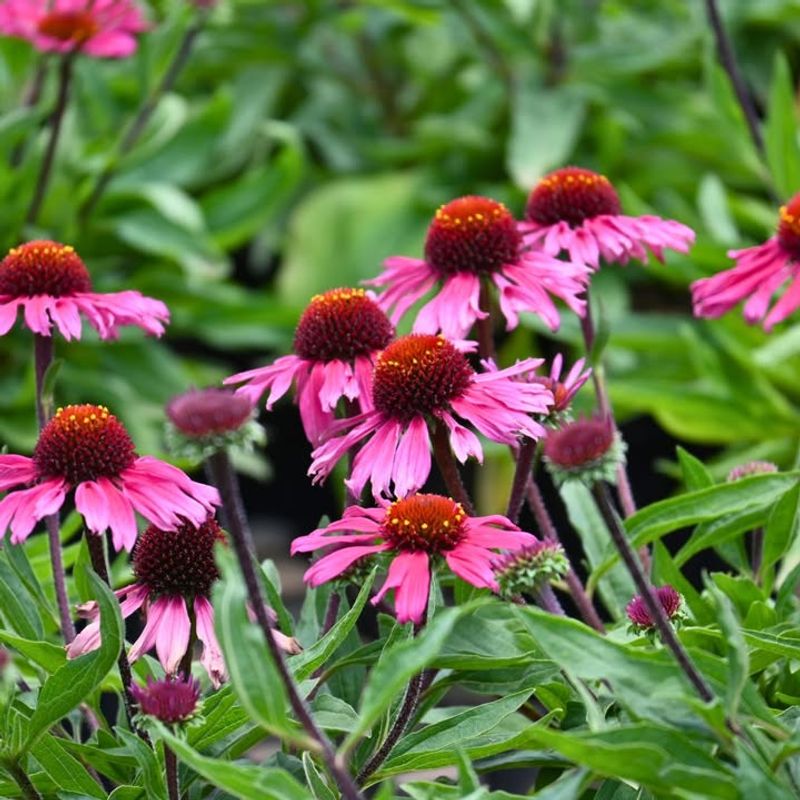
Coneflowers stand as one of the most reliable perennials for New Hampshire gardens, offering a combination of toughness and beauty that few plants can match.
These native North American wildflowers laugh in the face of freezing temperatures, bouncing back reliably each spring even after the harshest winters drop well below zero.
Their deep taproots allow them to access moisture during dry spells, making them remarkably drought-tolerant once established.
What makes coneflowers particularly valuable is their incredible bloom period that stretches from midsummer through early fall, providing consistent color when many other plants have finished flowering.
The classic purple petals surrounding prominent cone-shaped centers attract butterflies, bees, and goldfinches that feast on the seed heads later in the season.
Beyond the traditional purple varieties, modern cultivars now offer white, orange, yellow, and even coral-pink options to suit any garden palette.
These plants tolerate poor soil conditions that would discourage more finicky perennials, though they appreciate good drainage to prevent winter rot. Their stiff stems rarely require staking, and they resist most common garden pests and diseases.
Coneflowers grow best in full sun locations where they’ll develop their strongest stems and most abundant blooms, typically reaching heights between two and four feet depending on the variety you choose for your landscape.
2. Peonies
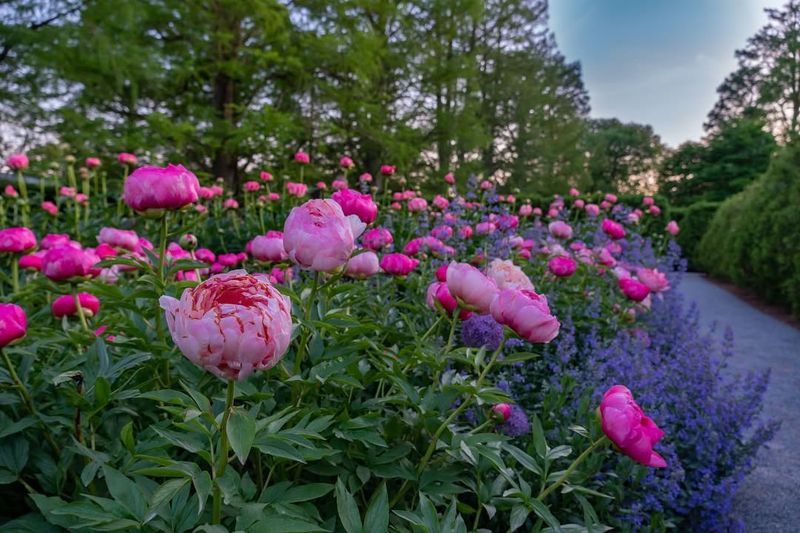
Few perennials capture the romance of early summer quite like peonies, with their massive, fragrant blooms that can span eight inches across in shades of white, pink, coral, and deep burgundy.
New Hampshire’s cold winters actually benefit these classic garden favorites because peonies require a significant period of winter chill to set flower buds properly for the following season.
Without adequate cold exposure, these plants simply won’t produce their spectacular spring display, making our northern climate absolutely perfect for growing them successfully.
Once established in your garden, peonies become family heirlooms that can outlive the gardeners who plant them, with some specimens documented thriving for over one hundred years in the same location.
Their glossy foliage emerges burgundy-red in spring before maturing to deep green, providing attractive texture throughout the growing season even after the blooms have faded.
The plants develop substantial root systems that allow them to withstand New Hampshire’s temperature extremes without missing a beat.
Plant peony roots in fall with the eyes positioned no more than two inches below the soil surface, as planting too deeply will prevent blooming.
They prefer full sun locations with well-drained soil enriched with compost, and once settled, they resent disturbance and should remain undivided for many years to achieve their full magnificent potential.
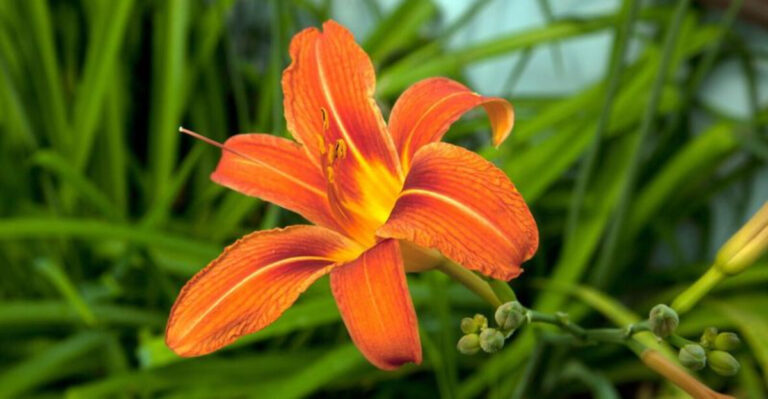
3. Daylilies (Hemerocallis)
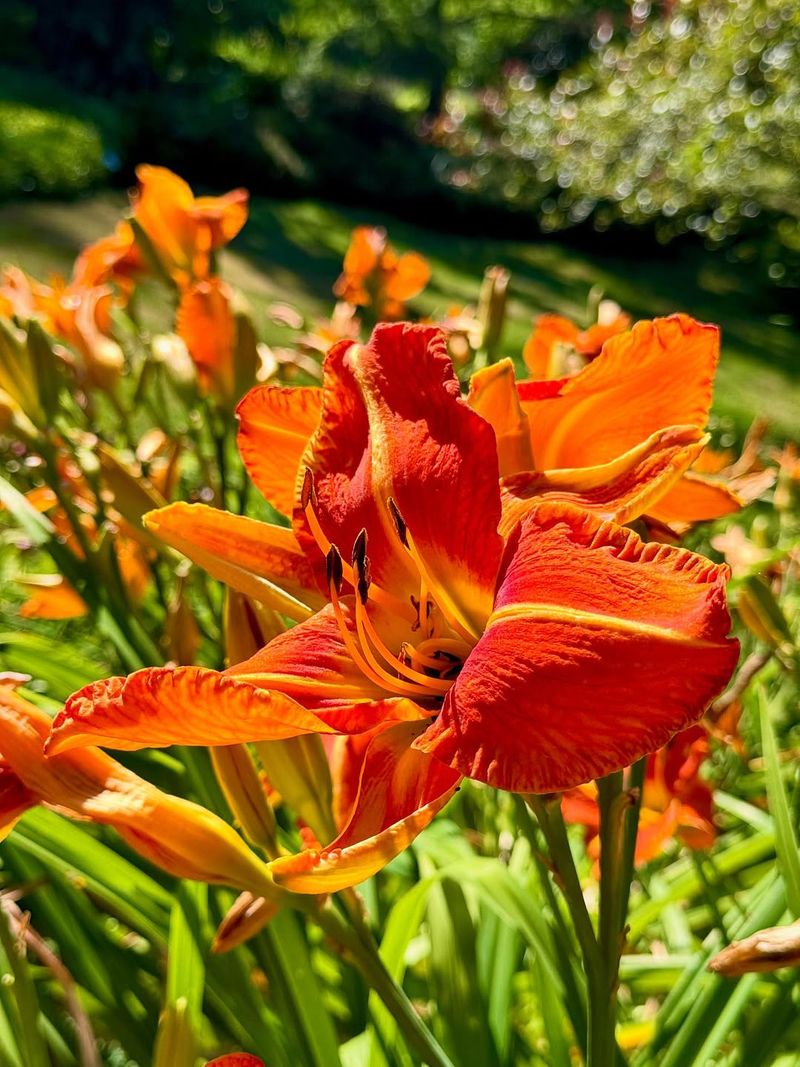
Daylilies earn their reputation as the perfect perennial for busy gardeners who want maximum beauty with minimal fuss, thriving in conditions that would challenge less adaptable plants.
Each individual bloom lasts only a single day, but established clumps produce such abundant flower stalks that the display continues for weeks during summer.
Modern breeding has created thousands of cultivars in nearly every color except true blue, with bloom times ranging from early June through September depending on which varieties you select.
The secret to their success lies in their thick, fleshy roots that store water and nutrients, allowing them to survive periods of drought without supplemental watering once they’ve had a season to settle in.
They handle New Hampshire’s heavy clay soils better than most perennials, though they’ll grow more vigorously in amended beds with better drainage.
Frost doesn’t faze these tough customers, and they’ll tolerate light shade, though flowering will be most prolific in locations receiving at least six hours of direct sunlight daily.
Their arching, grass-like foliage provides attractive texture before and after blooming, and they rarely suffer from serious pest or disease problems.
Dividing clumps every few years in early spring or late summer keeps them blooming vigorously and provides plenty of plants to expand your collection or share with fellow gardening friends who appreciate their reliable performance and cheerful flowers.
4. Hostas
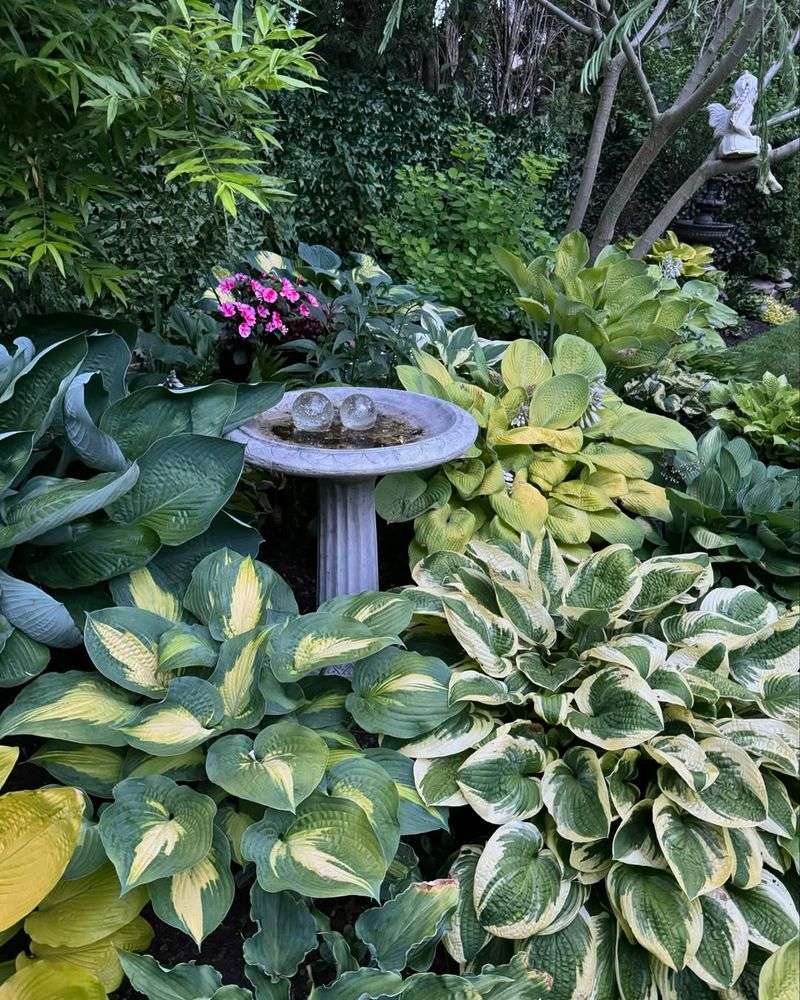
Hostas reign as the undisputed champions of shade gardening in New Hampshire, offering an incredible range of foliage colors, sizes, and textures that brighten dim corners where flowering plants struggle to perform.
Their leaves emerge each spring like tightly rolled cigars before unfurling into broad fans that can range from tiny four-inch specimens to giant varieties with leaves spanning two feet across.
Leaf colors include every shade of green imaginable, plus blues, golds, whites, and countless variegated combinations with stripes, margins, and splashes of contrasting hues.
New Hampshire’s harsh winters pose absolutely no threat to these reliable perennials, which retreat completely underground when frost arrives and return faithfully each spring without any special protection required.
They appreciate consistent moisture and rich, organic soil but will tolerate less-than-ideal conditions once established, making them forgiving choices for beginning gardeners.
While grown primarily for foliage, hostas also produce spikes of tubular flowers in white or lavender during summer that attract hummingbirds and add a delicate vertical element to the garden.
Slugs can be problematic in wet seasons, creating unsightly holes in leaves, but selecting thick-leaved varieties and maintaining good garden sanitation helps minimize damage.
Hostas combine beautifully with ferns, astilbes, and spring bulbs to create lush, layered shade gardens that provide visual interest from early spring through fall frost without demanding constant attention or maintenance.
5. Black-Eyed Susan (Rudbeckia)
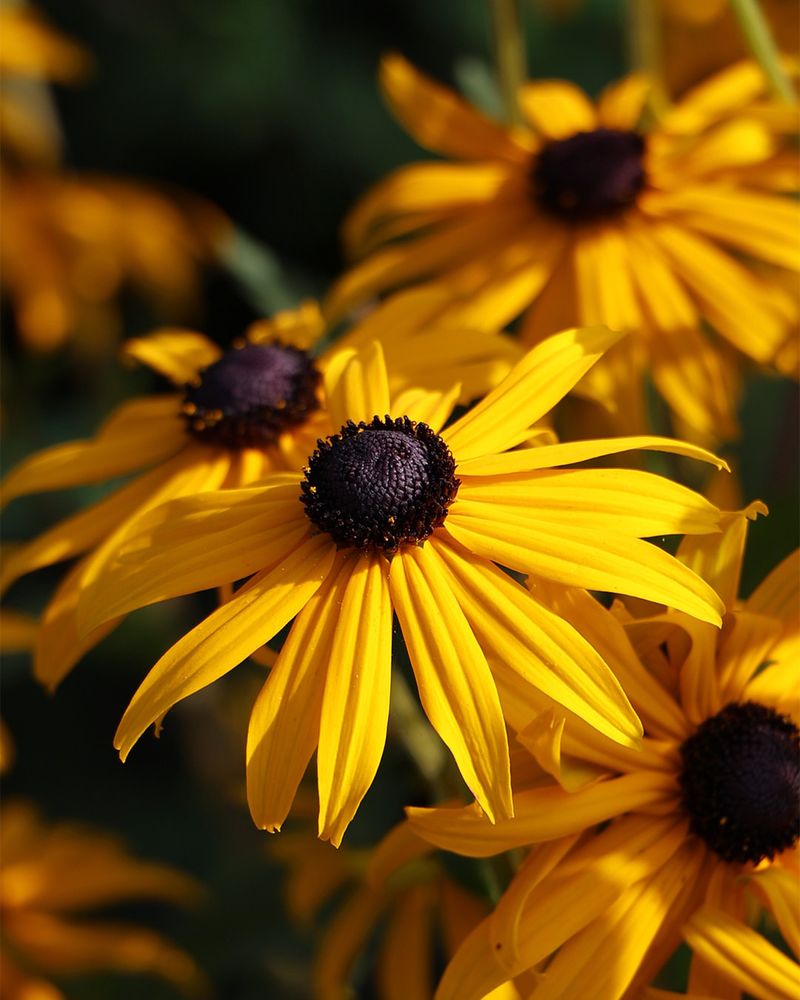
Black-eyed Susans bring the cheerful energy of prairie wildflowers to New Hampshire gardens, producing waves of golden-yellow, daisy-like blooms that seem to capture pure sunshine in their petals.
These native North American perennials handle our cold snaps with remarkable resilience, returning reliably each spring and quickly forming substantial clumps that deliver non-stop color from midsummer until frost arrives in fall.
Their dark chocolate-brown centers create striking contrast against the bright petals and serve as landing pads for butterflies, bees, and other beneficial pollinators that flock to their abundant nectar.
What makes these plants particularly valuable for northern gardeners is their ability to thrive in less-than-perfect conditions, tolerating clay soil, occasional drought, and even some shade, though flowering will be most abundant in full sun locations.
They self-sow moderately, creating natural-looking drifts that expand the display over time without becoming aggressively invasive like some wildflowers.
The sturdy stems rarely require staking and hold their blooms well above the foliage for maximum visual impact.
Black-eyed Susans combine beautifully with ornamental grasses, purple coneflowers, and Russian sage to create low-maintenance perennial borders that capture the relaxed charm of meadow plantings.
Leaving the seed heads standing through winter provides food for songbirds and adds interesting architectural elements to the dormant garden landscape before being cut back in early spring.
6. Bee Balm (Monarda)
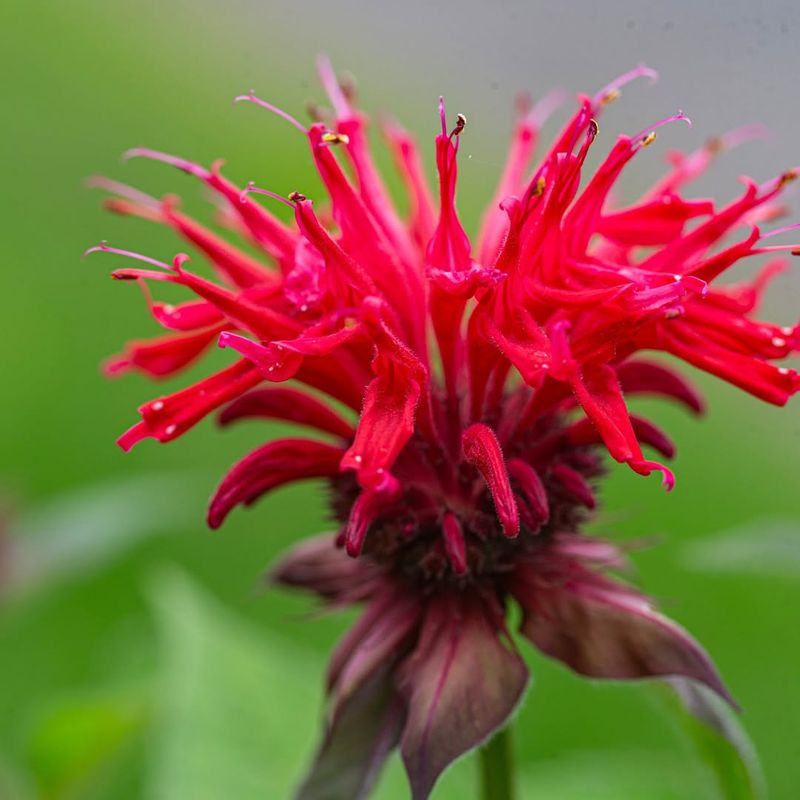
Bee balm transforms summer gardens into buzzing pollinator havens with its shaggy, tubular flowers that attract hummingbirds, butterflies, and countless bee species to their nectar-rich blooms.
The plants produce their distinctive flowers in shades of red, pink, purple, and white atop square stems surrounded by aromatic foliage that releases a delightful minty fragrance when brushed or crushed.
New Hampshire’s cold winters don’t intimidate these tough perennials, which spread by underground rhizomes to form expanding colonies that can be easily divided to control their spread or share with other gardeners.
Native to North America, bee balm has naturalized throughout the northeastern states and feels completely at home in our climate, handling temperature extremes without complaint.
The plants prefer consistently moist soil and will sulk during extended dry periods, though modern cultivars show improved drought tolerance compared to older varieties.
Selecting mildew-resistant varieties helps prevent the powdery white coating that can mar foliage during humid summer weather, maintaining attractive appearance throughout the growing season.
These plants work beautifully in cottage-style borders, pollinator gardens, and naturalized areas where their spreading habit becomes an asset rather than a concern.
The flowers bloom from early to midsummer and can be deadheaded to encourage additional flowering, though leaving some seed heads provides food for finches and other songbirds.
Both flowers and leaves can be harvested for making fragrant herbal teas with distinctive citrus-mint flavors.
7. Astilbe
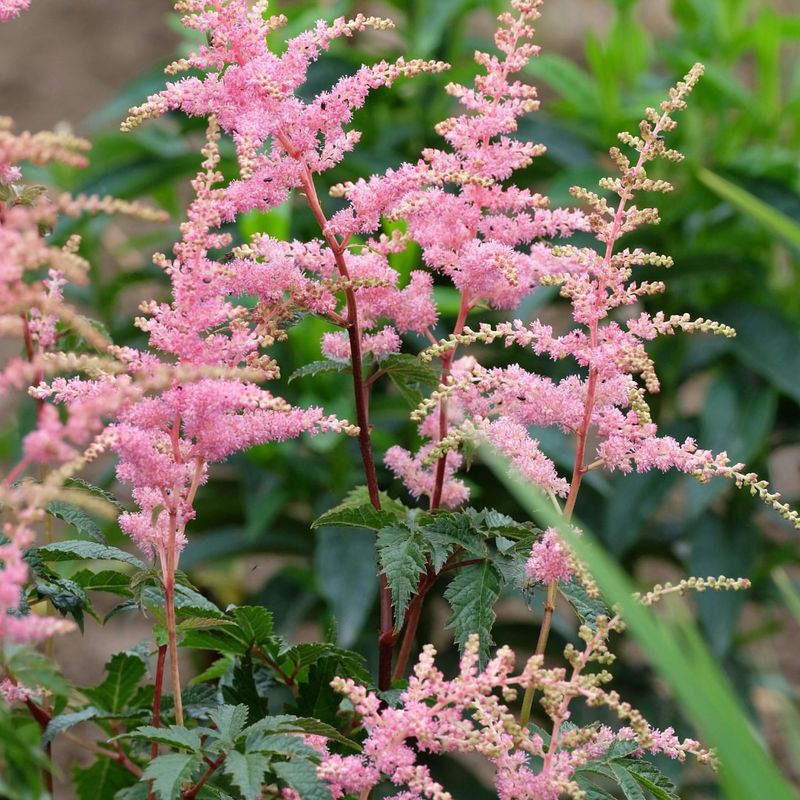
Astilbe brings feathery elegance to shaded garden spaces with plume-like flower spikes that rise above fern-like foliage in shades of white, pink, coral, red, and lavender during early to midsummer.
New Hampshire’s cool summers suit these woodland perennials perfectly, as they struggle in regions with intense heat and humidity that stress their delicate flowers.
The plants form attractive mounds of deeply divided leaves that provide textural interest even when not in bloom, and the spent flower plumes turn rusty bronze in fall, adding continued visual appeal to the landscape.
Unlike many shade-loving plants that merely tolerate dim conditions, astilbes genuinely prefer protection from hot afternoon sun and consistently moist, humus-rich soil that mimics their native woodland habitat.
They handle our cold winters without any special protection, retreating underground when frost arrives and emerging reliably each spring with fresh foliage.
While they appreciate regular moisture, established plants show surprising resilience during brief dry spells, though prolonged drought will cause leaf edges to brown and overall vigor to decline.
These versatile perennials work beautifully alongside hostas, ferns, and bleeding hearts in shaded borders, or planted en masse as groundcovers beneath trees where grass struggles to grow.
They also thrive in bog gardens and along stream banks where their moisture requirements are naturally met.
Dividing clumps every three to four years in early spring maintains vigor and provides plenty of plants to expand your shade garden or share with friends.
8. Siberian Iris
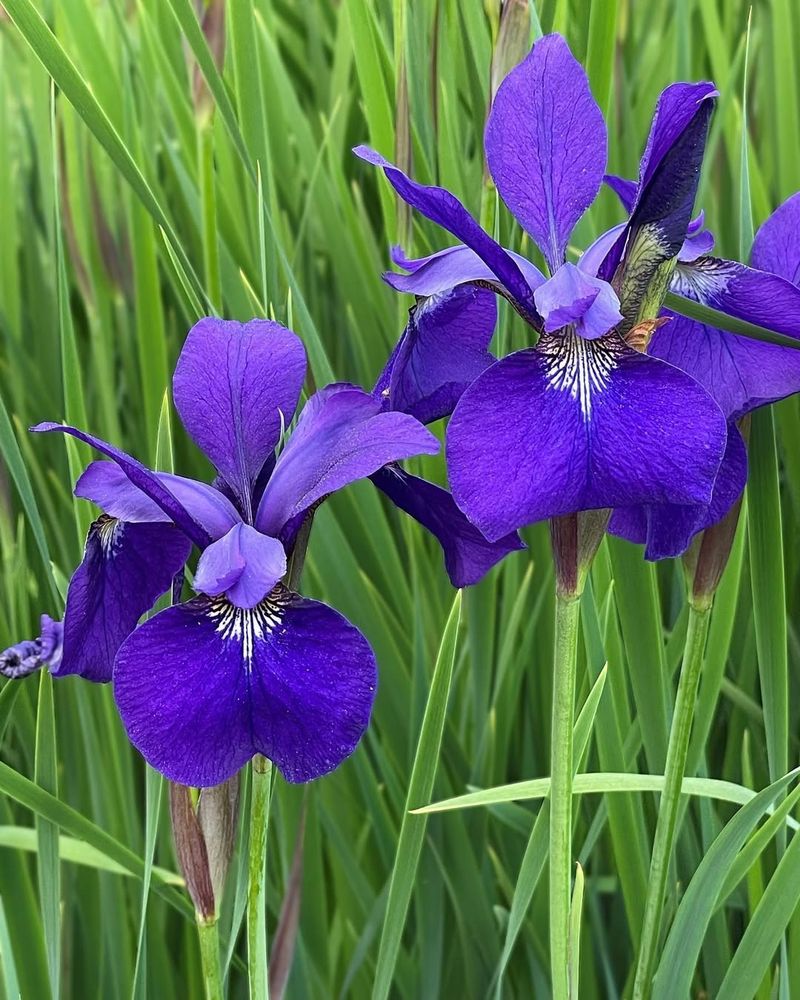
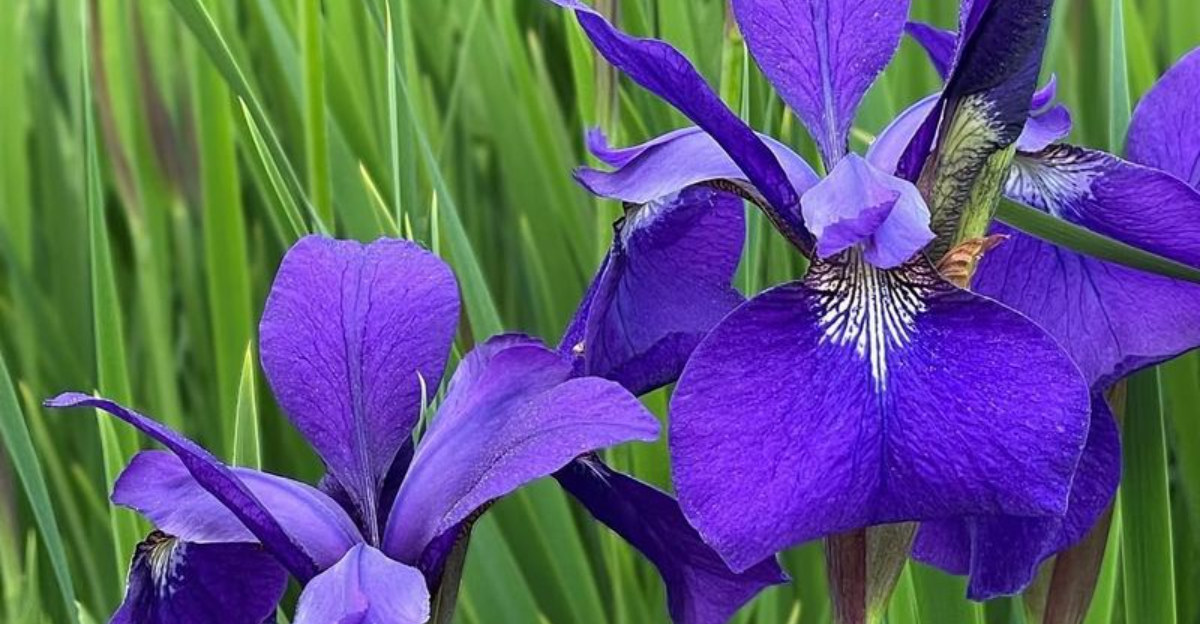
Siberian iris brings refined elegance to spring gardens with graceful flowers perched atop slender stems that sway gently in the breeze above clumps of narrow, grass-like foliage.
As their name suggests, these irises originate from cold regions and handle New Hampshire’s brutal winters with complete indifference, surviving temperatures well below zero without any protective mulching required.
Their blooms appear in late spring to early summer in shades of purple, blue, white, yellow, and wine-red, with delicate petals marked by intricate veining and colorful signals that guide pollinating insects to their centers.
Unlike their bearded iris cousins that can be finicky about drainage and susceptible to various rot problems, Siberian iris proves remarkably tough and disease-resistant, thriving in heavier soils and tolerating more moisture around their roots.
They appreciate full sun to light shade and consistent moisture during their growing season, though established clumps show surprising drought tolerance once their extensive root systems have developed.
The upright foliage remains attractive throughout summer, providing vertical texture that contrasts nicely with mounding perennials.
These low-maintenance perennials rarely require division, often performing beautifully for a decade or more in the same location without intervention.
When clumps eventually become congested and flowering diminishes, divide them in late summer by cutting through the tough roots with a sharp spade or saw, replanting divisions immediately to prevent the roots from drying out and causing establishment problems in their new locations.
9. Sedum (Stonecrop)
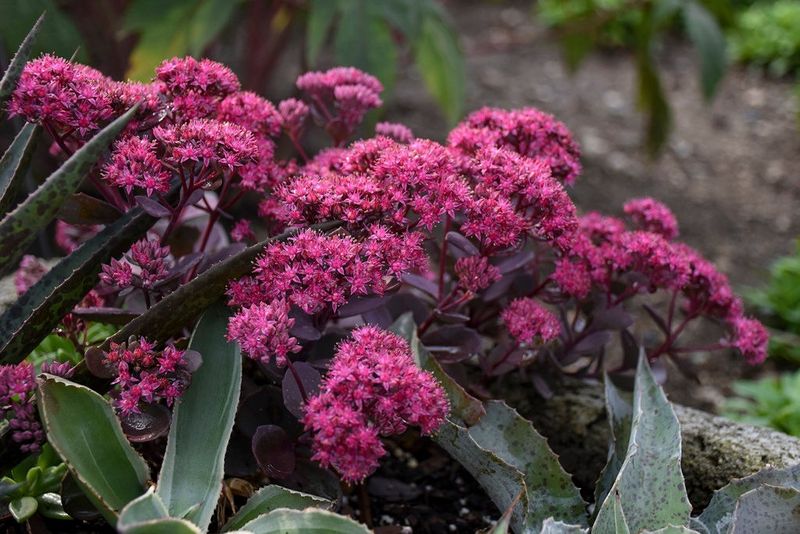
Sedums bring succulent beauty and incredible toughness to New Hampshire gardens, with fleshy leaves that store moisture and allow them to thrive in conditions that would stress most other perennials.
These diverse plants range from low-growing groundcovers that cascade over rock walls to upright varieties that form substantial clumps topped with flat flower clusters that transition through shades of pink, red, and burgundy from late summer through fall.
Their thick, waxy foliage often shows attractive blue-gray, burgundy, or variegated coloring that provides visual interest even before flowers appear.
New Hampshire’s cold winters pose absolutely no challenge to these remarkably hardy plants, which overwinter as dormant crowns that burst back to life each spring without fail.
They thrive in rocky, poor soil where few other plants can establish, making them perfect choices for challenging sites with thin soil over ledge or areas with sharp drainage.
Full sun brings out their best coloring and most compact growth habit, though they’ll tolerate light shade with slightly more relaxed form.
Upright varieties like Autumn Joy develop sturdy stems that support their heavy flower heads without staking, and the dried flower clusters provide winter interest while feeding birds that appreciate the abundant seeds.
Low-growing types spread to form dense mats that suppress weeds and soften hard edges along paths and walls.
Both types attract butterflies and bees during their bloom period and require virtually no maintenance beyond occasional division every few years.
10. Yarrow (Achillea)
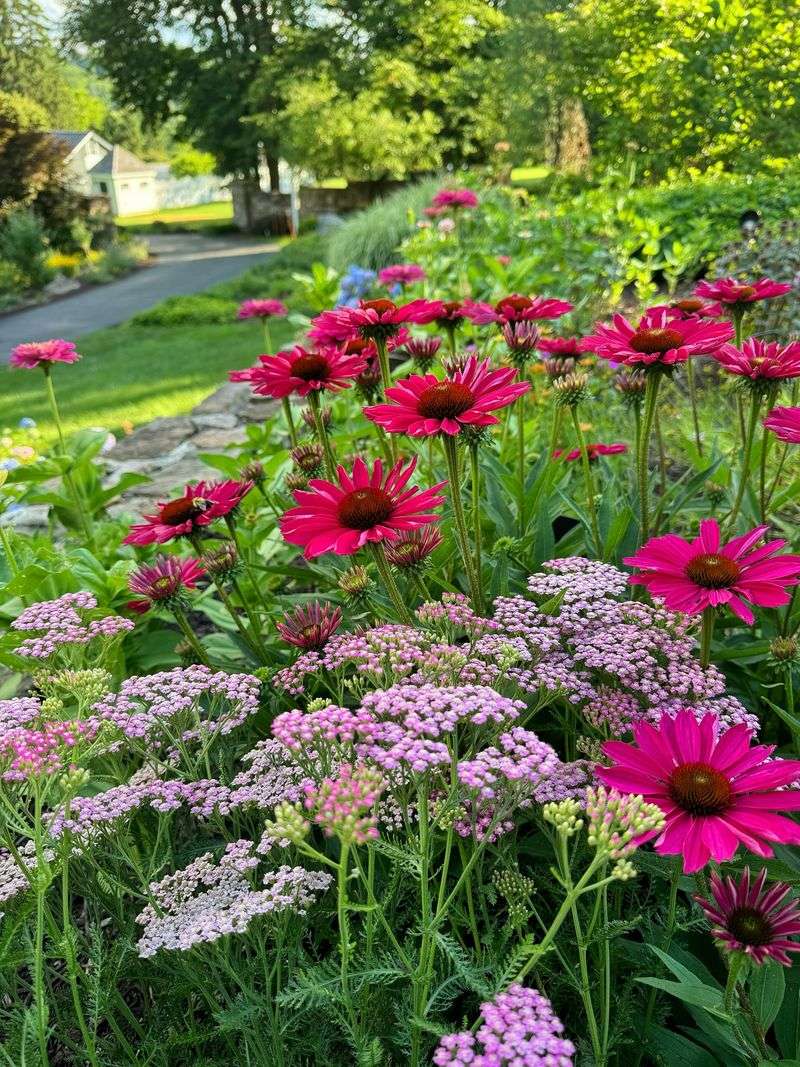
Yarrow stands as one of the toughest and most adaptable perennials for northern gardens, producing flat-topped flower clusters in shades of yellow, white, pink, red, and coral above ferny, aromatic foliage that releases a distinctive herbal scent when touched.
These European natives have naturalized throughout New Hampshire and demonstrate remarkable frost tolerance, shrugging off late spring cold snaps and early fall freezes that damage more tender plants.
Their long bloom period stretches from early summer well into fall, with flowers that hold their color beautifully and can be cut for fresh arrangements or dried for winter bouquets.
What makes yarrow particularly valuable is its ability to thrive in lean, dry soil where pampered garden plants would struggle, actually performing better without rich soil or supplemental fertilizer that can cause floppy growth requiring staking.
The plants spread by underground rhizomes to form expanding colonies that can be divided every few years to control their spread or propagate new plants.
They handle drought with remarkable grace once established, making them excellent choices for low-water landscapes and areas where irrigation isn’t practical.
Yarrow’s flat flower clusters attract beneficial insects including ladybugs, lacewings, and parasitic wasps that help control garden pests naturally, making them valuable additions to vegetable gardens and integrated pest management strategies.
Deadheading spent blooms encourages continued flowering, though leaving some seed heads provides food for finches and other seed-eating birds during fall and winter months when natural food sources become scarce.
11. Russian Sage (Salvia yangii)
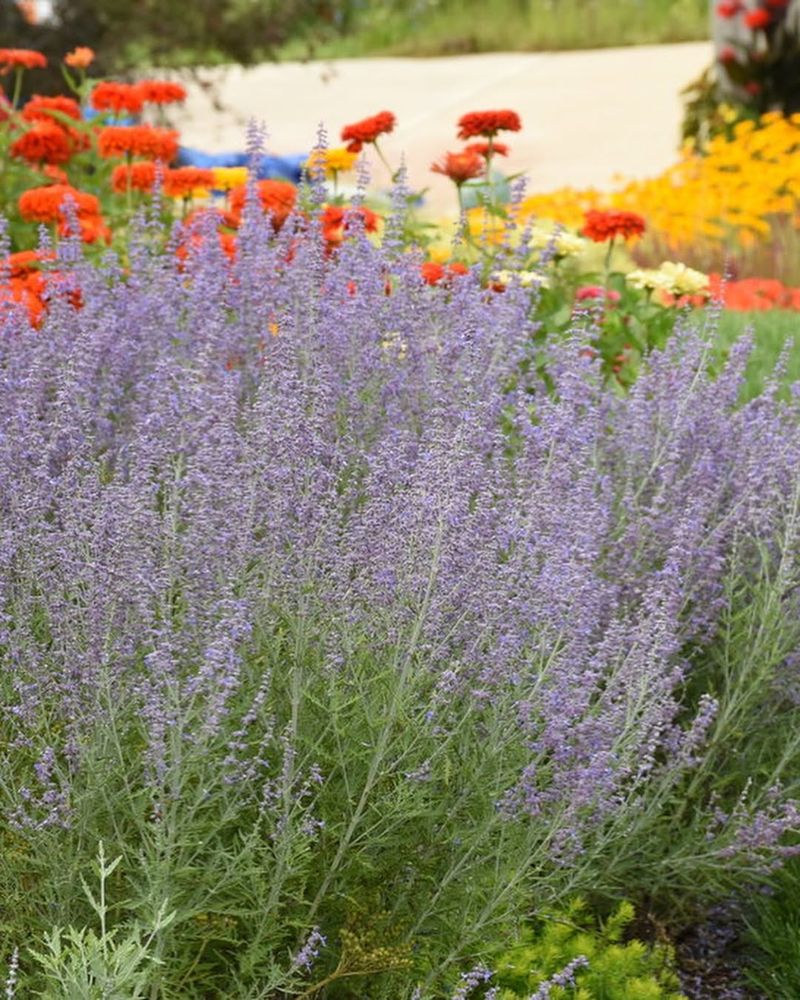
Russian sage creates clouds of misty lavender-blue flowers that seem to float above silvery-gray foliage from midsummer through fall, bringing an airy, romantic quality to sunny garden borders.
Once established, these woody-based perennials handle New Hampshire winters remarkably well, though they benefit from a winter of settling in before facing their first harsh cold season.
The plants develop strong root systems that allow them to tolerate drought, poor soil, and harsh conditions that would discourage less resilient species, making them excellent choices for challenging sites with excellent drainage.
The aromatic foliage releases a pleasant sage-like fragrance when brushed, and both deer and rabbits typically avoid browsing these plants, making them valuable for gardens in areas where wildlife pressure makes growing other perennials difficult.
Their upright, branching stems create substantial presence in the landscape, typically reaching three to four feet tall with equal spread, providing structure and volume that anchors perennial borders and mixed plantings.
The tiny flowers attract bees, butterflies, and hummingbirds throughout their extended bloom period.
Russian sage performs best in full sun locations with well-drained soil, struggling in heavy clay or sites with poor drainage that can lead to winter rot.
Cut plants back to about six inches in early spring before new growth emerges, as they bloom on new wood produced during the current season.
Their soft blue-purple flowers combine beautifully with yellow and orange blooms, creating vibrant color contrasts that energize late-season gardens.
12. Ninebark (Physocarpus)
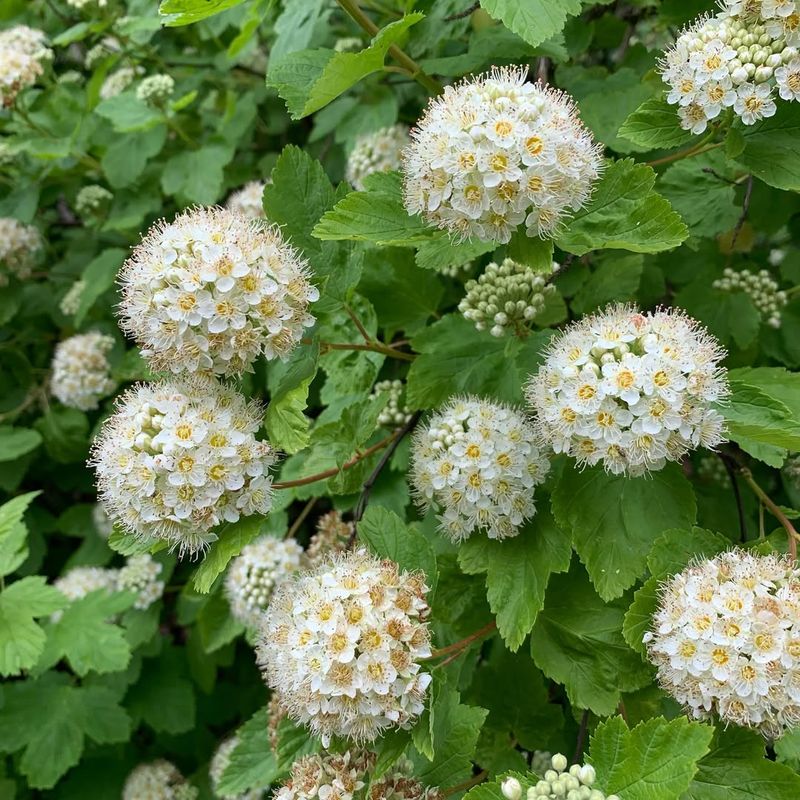
Ninebark brings year-round interest to New Hampshire landscapes with exfoliating bark that peels in multiple layers, clusters of white or pink flowers in spring, and colorful foliage that ranges from golden-yellow to deep burgundy depending on the cultivar selected.
This native shrub handles our harshest winters without any damage or dieback, making it one of the most reliable woody plants for northern gardens where many popular ornamental shrubs struggle with cold injury.
The plants grow vigorously once established, typically reaching six to eight feet tall with similar spread, though compact varieties offer smaller options for limited spaces.
What makes ninebark particularly valuable is its adaptability to various soil types and moisture conditions, thriving in everything from dry, rocky sites to heavier clay soils with occasional wetness.
The shrubs tolerate urban conditions including road salt spray, air pollution, and reflected heat from pavement, making them excellent choices for foundation plantings and street-side landscapes.
Their dense branching provides excellent cover for nesting birds, while the seed capsules that follow the flowers provide food for wildlife throughout winter.
Colored-leaf varieties like Diabolo with deep purple foliage or Dart’s Gold with bright chartreuse leaves provide stunning focal points and combine beautifully with flowering perennials to create dynamic mixed borders.
Minimal pruning keeps plants tidy, with the best time for shaping being immediately after spring flowering, though these forgiving shrubs tolerate hard renovation pruning if they become overgrown or leggy over time.