Cold-Hardy Vegetables Michigan Gardeners Can Plant Before May
Michigan winters may be long, but that doesn’t mean your garden has to sit idle until summer. In fact, plenty of cold-hardy vegetables thrive in the cool early days of spring, ready to go into the ground long before May.
Planting now gives your garden a head start, which means more harvests, fresher meals, and a vibrant garden while others are still waiting for the weather to warm up.
By taking advantage of those crisp spring days, you can enjoy crops that thrive in the cooler temperatures, setting the stage for a productive growing season. If you’ve been waiting for the perfect moment to dig in, that moment is now.
Get your hands dirty and start planting, your early spring garden is just the beginning of a season full of fresh, homegrown produce.
1. Peas
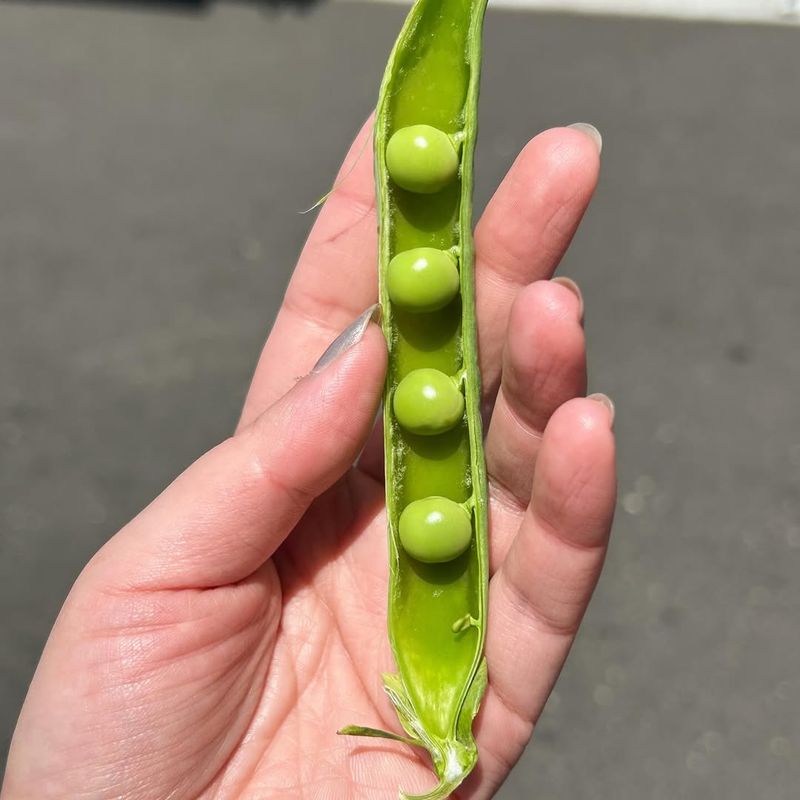
Few things signal the start of gardening season in Michigan quite like a row of peas pushing through cool, damp soil.
Peas are one of the very first vegetables you can direct sow each year, and they actually prefer the cold.
In Southern Michigan, you can get them in the ground as early as the first week of March, while Northern Michigan gardeners should aim for late March when the soil starts to loosen up.
Peas germinate well in soil temperatures as low as 40 degrees Fahrenheit, so there is no need to wait for warmth. Plant seeds about one inch deep and two inches apart in a sunny spot with good drainage.
A simple trellis or fence helps the vines climb and keeps air moving through the plants, which reduces disease problems later in the season.
One fun thing about growing peas in Michigan is how quickly the garden transforms from bare soil to a lush green tangle of vines. Peas fix nitrogen in the soil as they grow, which naturally feeds the ground for future crops.
Harvest them young and often for the sweetest flavor, and do not be surprised if you end up eating half of them right there in the garden before they ever make it inside.
2. Spinach
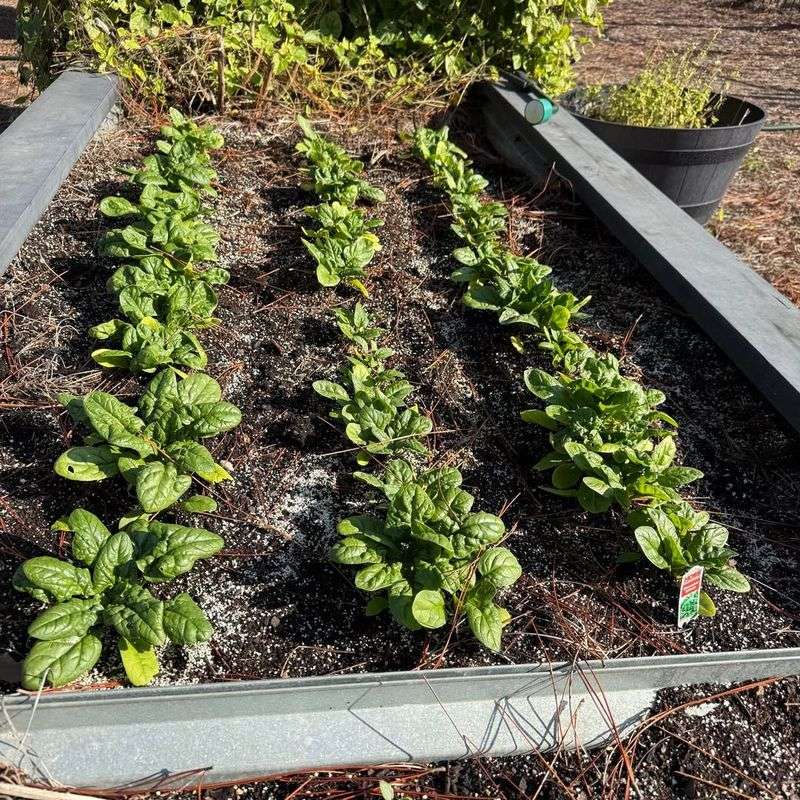
Spinach is the kind of vegetable that actually gets better when the weather is cold. Cool temperatures bring out a mild, slightly sweet flavor that warm-weather spinach simply cannot match.
Michigan gardeners in both the southern and northern parts of the state can direct sow spinach as soon as the soil is workable, which often means early March in Southern Michigan and around the same time or slightly later in Northern Michigan.
Seeds germinate in soil temperatures as low as 35 degrees Fahrenheit, making spinach one of the most reliable early-season crops around.
Sow seeds about half an inch deep and thin the seedlings to about three inches apart once they sprout.
Full sun works great, but spinach also handles partial shade, which makes it easy to tuck into spots around the garden that other plants might not love.
Spinach grows fast, and you can usually start harvesting outer leaves within four to six weeks of planting. Cut leaves from the outside of the plant and leave the center to keep producing.
Did you know spinach was originally cultivated in ancient Persia before spreading across the world?
Today it is a staple in Michigan home gardens because it fills the early spring gap when almost nothing else is growing yet. It is nutritious, easy, and incredibly rewarding to grow.
3. Lettuce
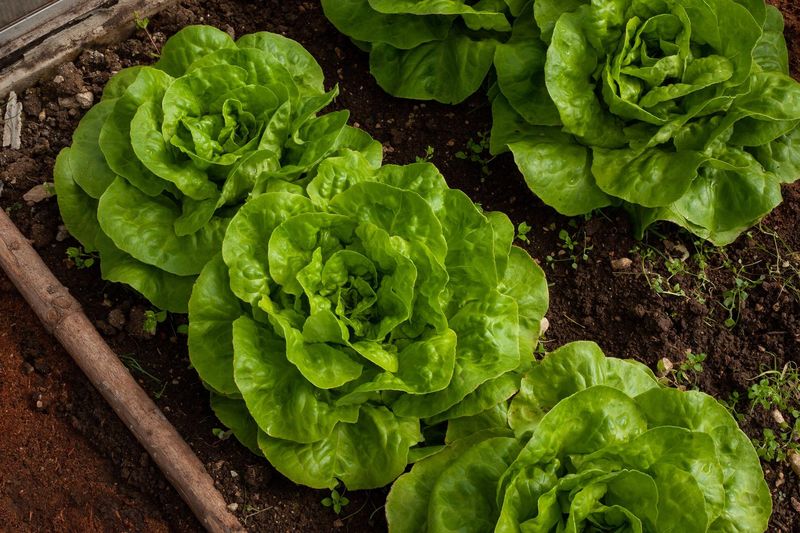
Crisp, colorful, and incredibly easy to grow, lettuce is one of the most satisfying early spring vegetables for Michigan gardeners.
It thrives in cool weather and actually struggles once summer heat arrives, so planting it early is not just possible, it is the smartest move you can make.
In Southern Michigan, direct sowing can start in early March, while Northern Michigan gardeners typically aim for mid-March as soil conditions allow.
Lettuce seeds are tiny, so scatter them lightly across the soil surface and press them in gently without burying them too deep. They need light to germinate well, so a thin layer of soil or none at all works best.
Space plants about six to eight inches apart once they are big enough to thin, and water consistently to keep the soil moist but not waterlogged. One of the biggest advantages of growing lettuce in Michigan is how quickly it produces.
Many varieties go from seed to harvest in as little as 45 days, which means you could have fresh salad greens on your table well before most gardeners are even thinking about planting.
Loose-leaf varieties like Black Seeded Simpson or Red Sails are especially great for early planting because you can harvest outer leaves continuously.
Light frost will not bother most lettuce varieties at all, making it perfectly suited for Michigan spring gardening.
4. Carrots
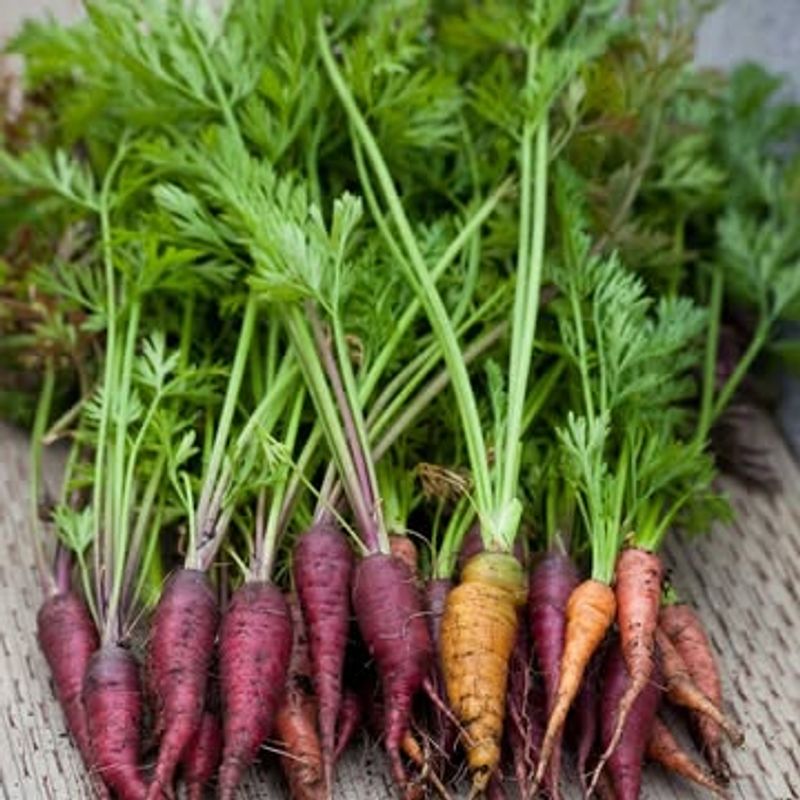
Carrots take a little patience, but planting them early in Michigan pays off with a harvest of sweet, crunchy roots that taste nothing like anything from a grocery store.
These root vegetables are frost-tolerant and actually develop sweeter flavor when exposed to cool temperatures, because the cold causes the plant to convert starches into sugars.
Southern Michigan gardeners can get carrot seeds in the ground in late March, while Northern Michigan gardeners should target early April.
Carrots need loose, deep, well-draining soil to grow their best. Rocky or compacted ground causes the roots to fork and twist, so it is worth taking time to loosen the soil at least 12 inches deep before planting.
Sow seeds about a quarter inch deep and thin seedlings to two to three inches apart once they reach a few inches tall, since overcrowding leads to small, stunted roots.
Germination can take anywhere from 10 to 21 days, so do not get discouraged if nothing appears right away. Keeping the soil consistently moist during this period makes a big difference.
Raised beds are a popular choice for carrots across Michigan because they provide the loose, warm soil that speeds up sprouting.
Once established, carrot plants are tough and reliable, handling light frosts without any trouble.
Mark your rows clearly so you do not accidentally disturb them while waiting for those first feathery green tops to appear.
5. Radishes
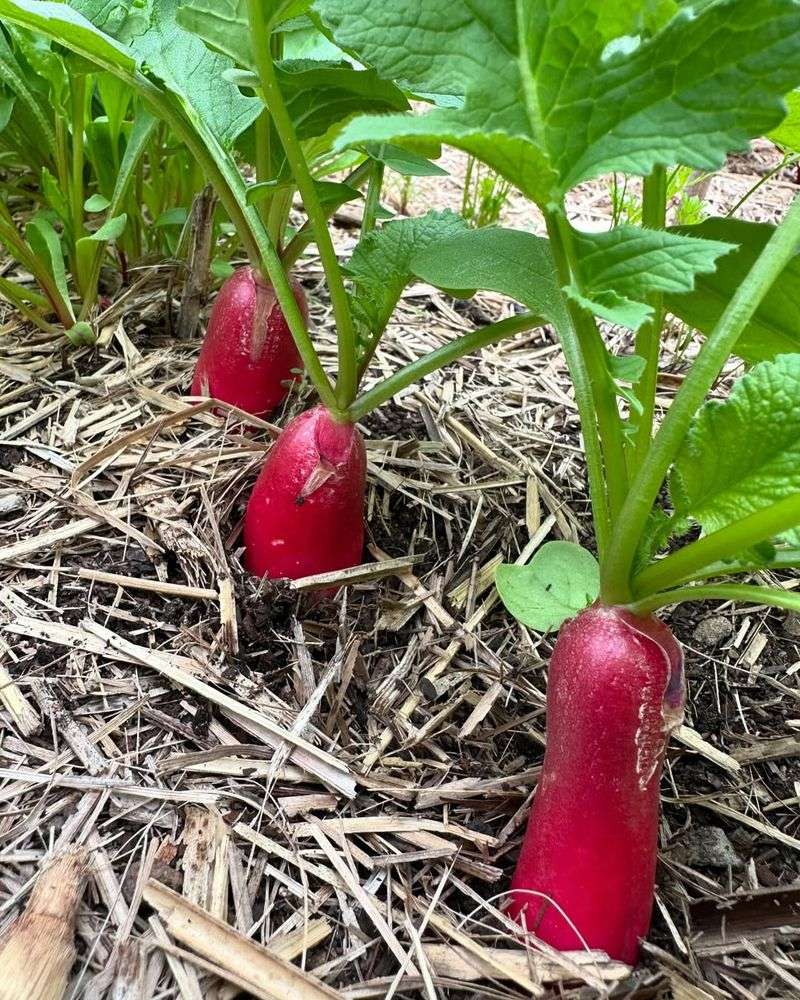
If you want instant gardening gratification, radishes are your answer.
These little root vegetables grow so fast that you can go from seed to harvest in as little as three to four weeks, which makes them one of the most exciting early-season crops in Michigan.
Across both Southern and Northern Michigan, radishes can be direct sown in early March, right when the soil first becomes workable and before most other vegetables are even thinking about going in.
Sow radish seeds about half an inch deep and one inch apart in rows, then thin them to about two inches apart once they sprout.
They prefer full sun and consistent moisture, and since they mature so quickly, they fit neatly into spaces between slower-growing crops like carrots or broccoli.
Radishes actually make excellent companion plants because they attract pests away from more valuable vegetables nearby.
Succession planting is a smart strategy with radishes, meaning you sow a small batch every week or two for a continuous supply throughout spring.
Once temperatures climb too high in summer, radishes tend to become spicy and tough, so enjoying them during Michigan cool spring weather is really the sweet spot.
Cherry Belle and French Breakfast are two reliable varieties that perform especially well in Michigan gardens.
Radishes are also a wonderful project for young gardeners because the results come so quickly and the sense of accomplishment is immediate and real.
6. Kale
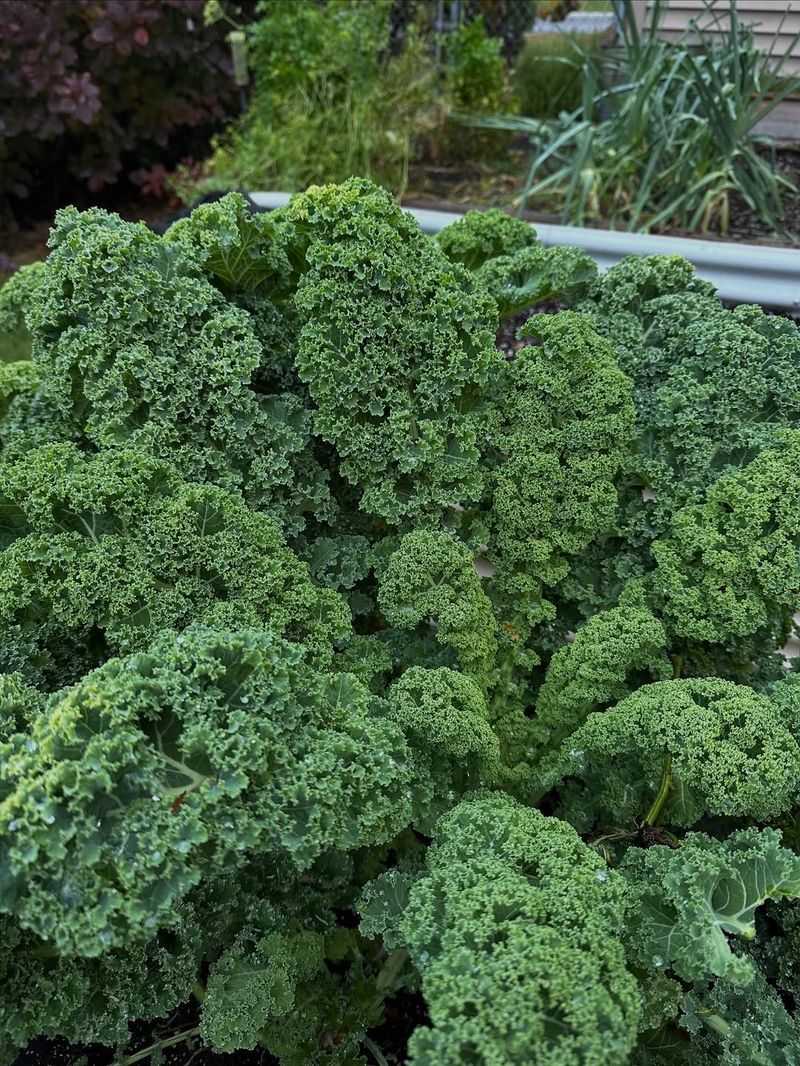
Kale is practically built for Michigan weather. It is one of the toughest leafy greens you can grow, handling temperatures that would flatten most other vegetables without missing a beat.
In Southern Michigan, direct sowing can begin in early March, while Northern Michigan gardeners should plan for mid to late March depending on how the season is progressing.
Kale actually tastes better after a frost, because the cold converts some of its starches into natural sugars.
Plant kale seeds about a quarter to half an inch deep and eventually thin plants to about 12 to 18 inches apart to give each one enough room to develop fully.
Kale grows large and leafy, so giving it space is important for good airflow and healthy growth.
It prefers full sun but handles partial shade reasonably well, making it flexible enough for different garden layouts across Michigan.
There are many varieties to choose from, and Siberian and Red Russian kale are especially popular with Michigan gardeners because of their extra cold tolerance.
Harvest outer leaves regularly to encourage the plant to keep producing fresh growth from the center.
Kale is packed with vitamins and minerals, and growing your own means you can harvest it at peak freshness.
Whether you use it in salads, soups, or smoothies, homegrown Michigan kale is something to feel genuinely proud of growing from a tiny seed in early spring soil.
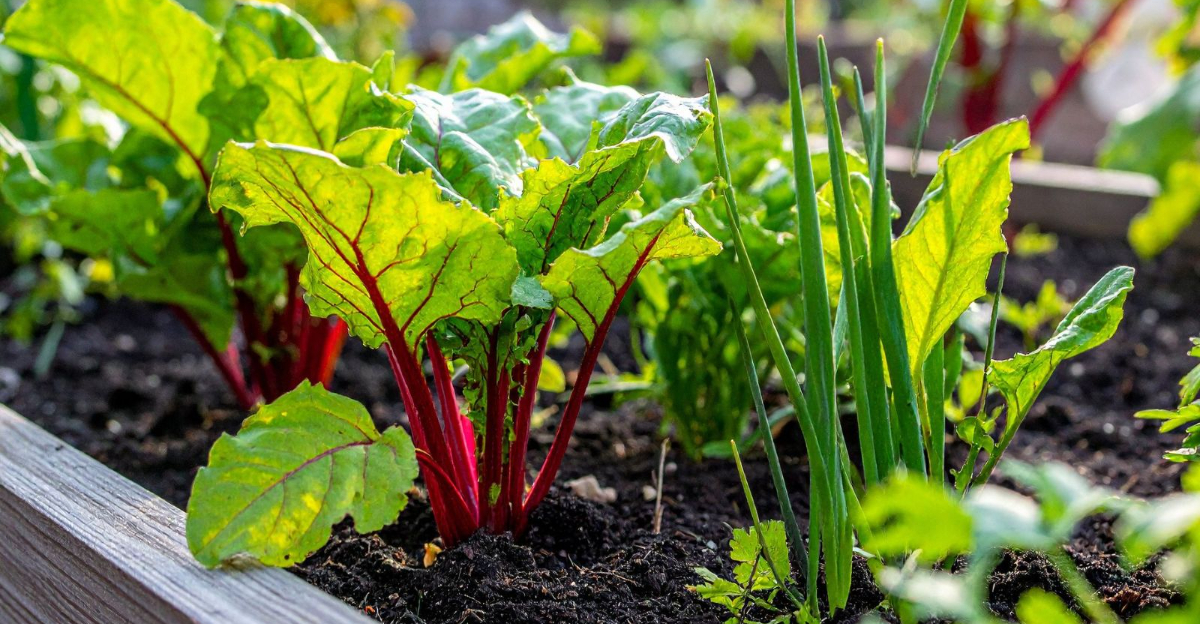
7. Swiss Chard
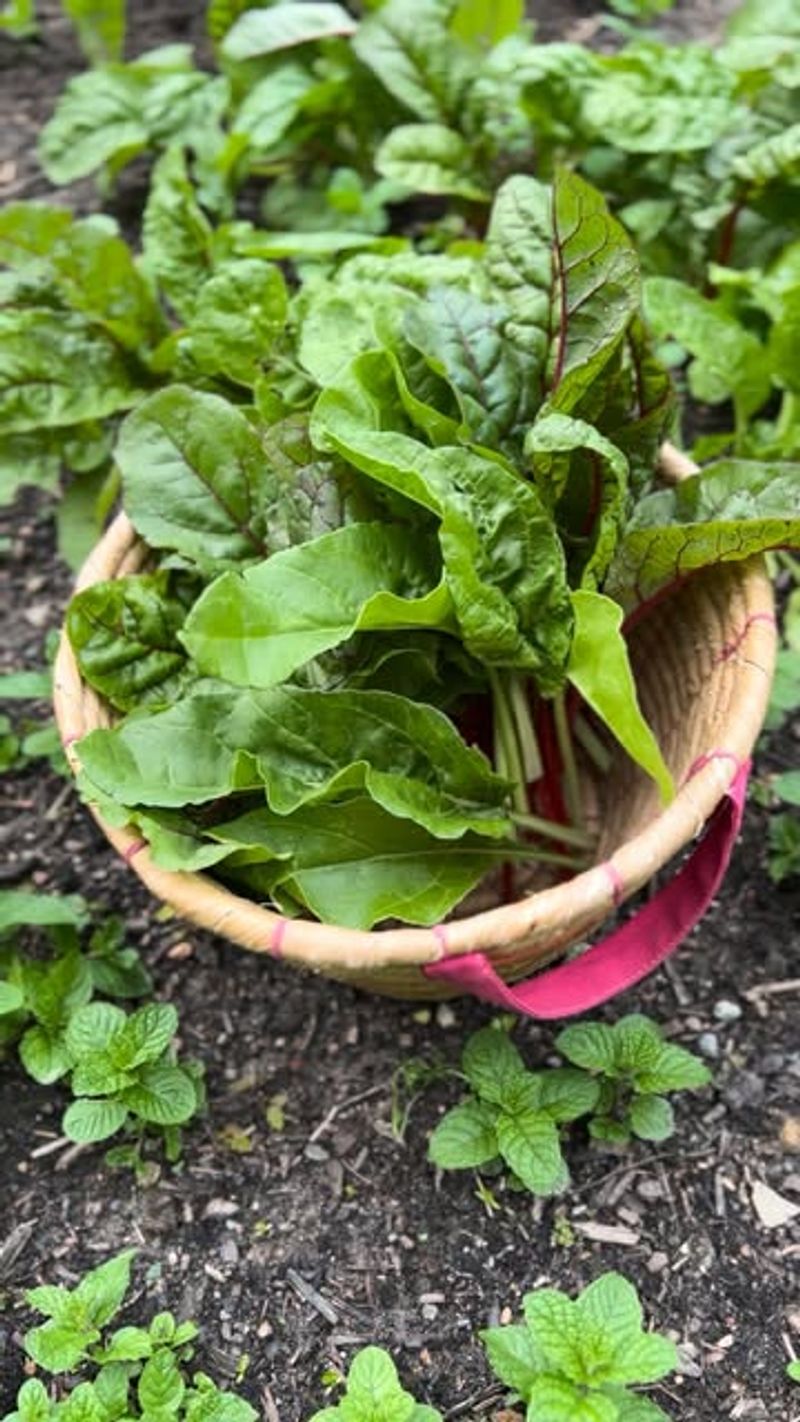
Swiss chard brings a burst of color to the early spring garden with its vivid red, yellow, orange, and white stems, and it is just as impressive on the plate as it is in the ground.
While it is slightly less cold-tolerant than kale or spinach, it is still a solid early-season choice for Michigan gardeners who plan their timing carefully.
In Southern Michigan, direct sowing works well starting in late March, while Northern Michigan gardeners should wait until early April to avoid prolonged frost exposure.
Plant seeds about half an inch deep and thin seedlings to six to nine inches apart as they grow.
Swiss chard prefers fertile, well-drained soil and consistent watering throughout the season.
Unlike some other greens, it handles both cool spring temperatures and warmer summer days, giving it a longer productive window than many other early-season vegetables grown across Michigan.
Rainbow chard, which is a mix of several colorful varieties, is especially popular because it adds visual interest to the garden and the dinner table at the same time.
You can start harvesting outer leaves when plants reach about nine to twelve inches tall, and the plant will continue producing new growth from the center for weeks.
Swiss chard is incredibly versatile in the kitchen, working well sauteed, added to pasta, or stirred into soups.
Growing it in Michigan gives you a productive, beautiful, and nutritious crop that earns its spot in any spring garden.
8. Mustard Greens
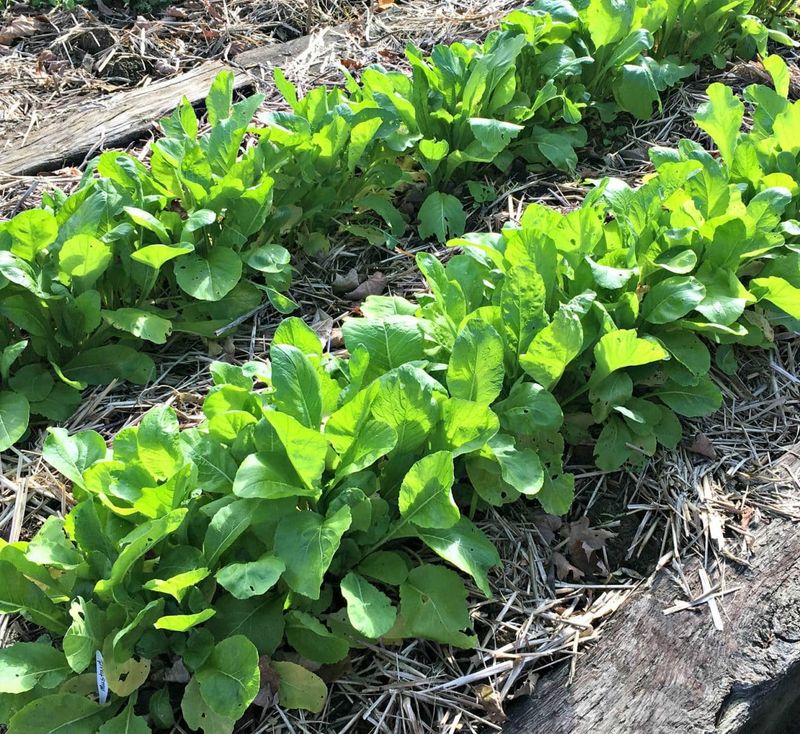
Not enough Michigan gardeners know about mustard greens, and that is a real missed opportunity.
These bold, peppery greens are one of the fastest-growing leafy vegetables you can plant in early spring, and they thrive in exactly the cool conditions that Michigan delivers in March.
Across both Southern and Northern Michigan, mustard greens can be direct sown in early March as soon as the ground is workable, making them one of the earliest vegetables to go into the garden each year.
Sow seeds about a quarter inch deep and thin plants to about six inches apart once they are established.
Mustard greens grow quickly and can be ready for a first harvest in as little as four to five weeks from planting.
They prefer full sun and consistent moisture, and they perform especially well in Michigan spring weather before summer heat arrives and causes them to bolt, which means they flower and become less palatable.
The flavor of fresh mustard greens is bold and slightly spicy, mellowing nicely when cooked. They work beautifully in stir-fries, soups, and braised dishes, and younger leaves are mild enough to toss raw into a salad.
Southern Curled and Florida Broadleaf are two varieties that do particularly well in Michigan gardens.
Growing mustard greens is also a smart space strategy because they mature before summer crops need their spot, allowing you to squeeze extra harvests out of your garden beds every single season.
9. Broccoli
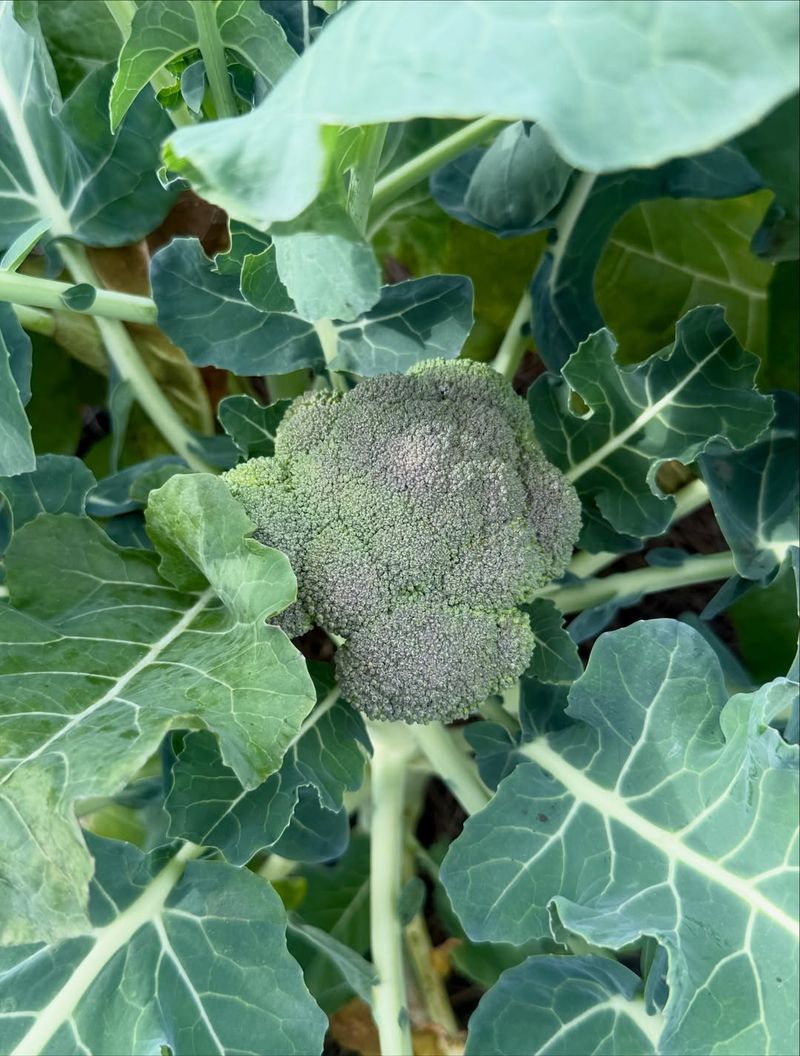
Broccoli is a powerhouse vegetable that loves cool weather, and Michigan spring gives it exactly the conditions it needs to thrive.
Many gardeners are surprised to learn that broccoli can be direct sown outdoors in early March in Southern Michigan and mid-March in Northern Michigan, well before the last frost date.
The key is that broccoli seeds germinate in soil temperatures as low as 40 degrees Fahrenheit, and young plants can handle light frosts without any damage.
Sow seeds about a quarter to half an inch deep, and once seedlings are a few inches tall, thin them to about 18 inches apart.
Broccoli needs plenty of space to develop its large central head, and crowding plants leads to smaller harvests.
Rich, fertile soil with consistent moisture and full sun will give you the best results across Michigan gardens of all sizes and styles.
One important tip is to harvest the central head while it is still tight and dark green, before any yellow flowers begin to open.
After cutting the main head, the plant will continue producing smaller side shoots for several more weeks, extending your harvest nicely.
Waltham 29 and Calabrese are two varieties that perform reliably in Michigan gardens. Broccoli is loaded with vitamins C and K, and growing your own means you can enjoy it at peak nutrition.
Starting it early in Michigan means you beat the summer heat and get the best possible crop.
10. Turnips
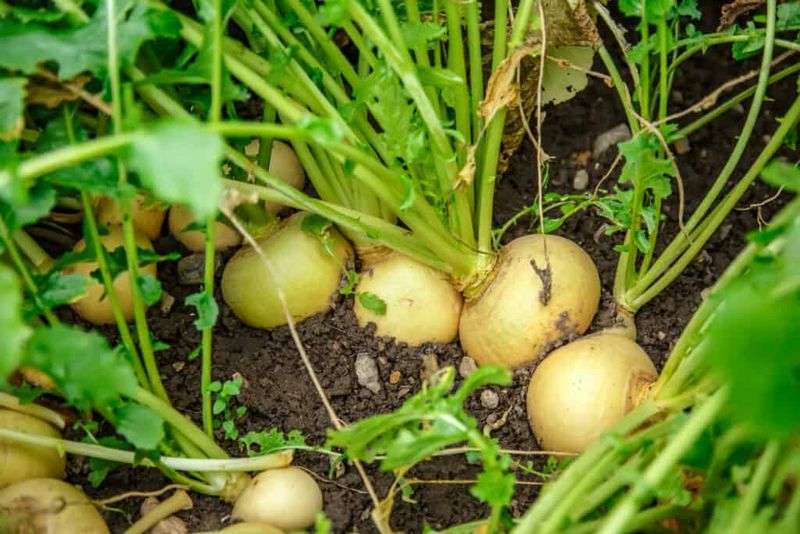
Turnips are one of those old-fashioned vegetables that deserve a serious comeback in Michigan gardens.
They are incredibly cold-hardy, grow quickly, and produce two crops in one because both the roots and the leafy tops are completely edible and delicious.
In Southern Michigan, direct sowing can begin in late March, while Northern Michigan gardeners should plan for early April when soil conditions allow for comfortable planting without extended hard freezes.
Sow turnip seeds about a quarter inch deep and thin seedlings to about four to six inches apart as they develop.
They prefer loose, well-drained soil and full sun, though they handle partial shade better than many other root vegetables.
Turnips mature quickly, with many varieties ready to harvest in just 35 to 60 days from planting, which makes them a fantastic early-season crop for Michigan gardeners who want results fast.
Young turnip greens can be harvested early and used just like mustard greens or spinach in cooked dishes and salads.
The roots are best harvested while still small and tender, around two to three inches in diameter, for the sweetest and mildest flavor.
Purple Top White Globe is one of the most popular and reliable varieties for Michigan gardens.
Turnips also store well in a cool place after harvest, giving you a supply that lasts well beyond the initial picking. Growing turnips early in Michigan is a smart, rewarding way to stretch the season.