7 Cold-Hardy Vegetables Ohio Gardeners Should Plant Early
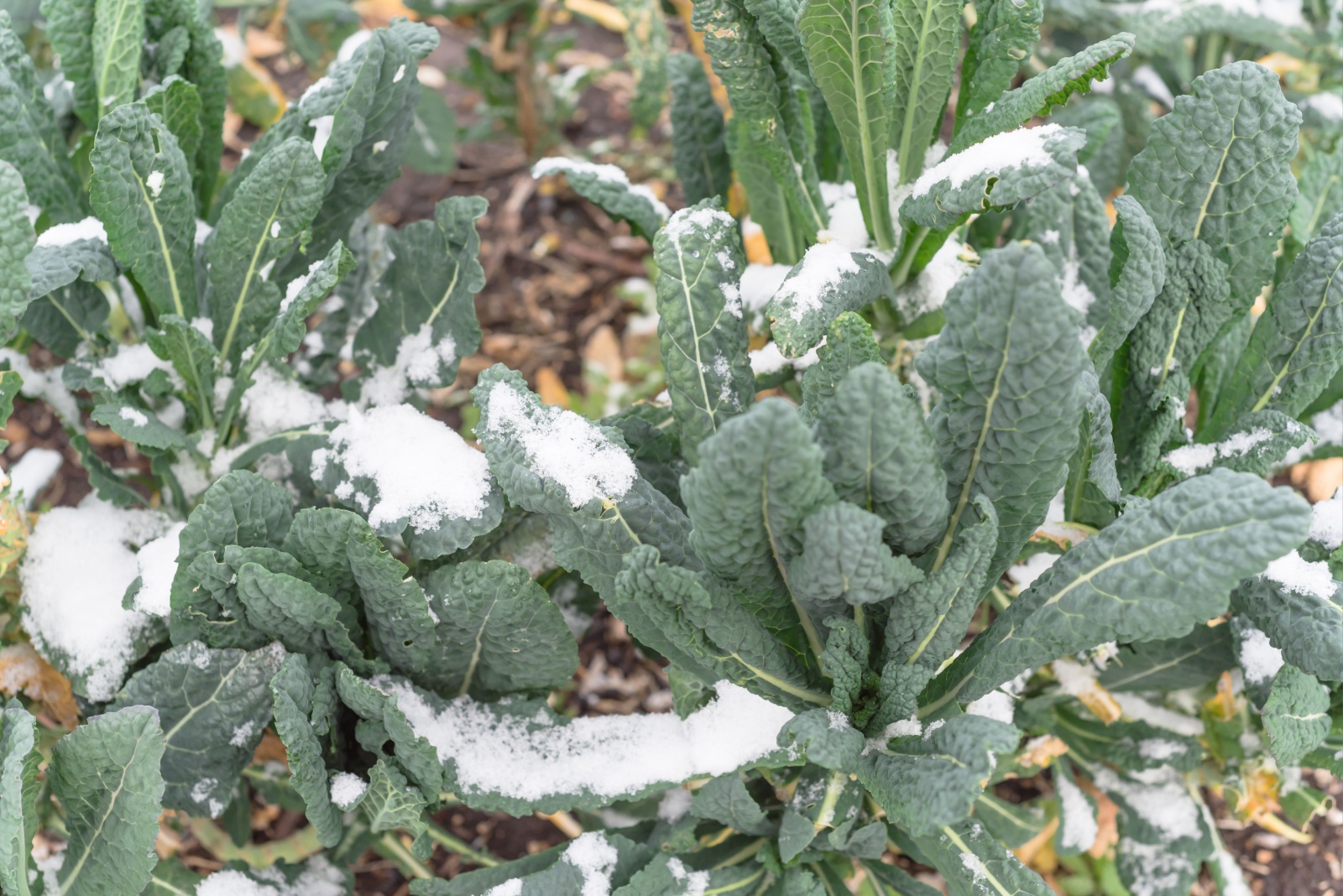
Snow still covers much of Ohio, but seasoned gardeners know a little secret. Certain vegetables love the cold and jump into action while most plants stay asleep.
To plant early feels exciting because the garden wakes up sooner and fresh food arrives weeks ahead of schedule. Cool air, light frost, and short days never scare these tough crops.
They push through chilly soil and reward simple effort with crisp greens and sweet roots. An early start also means fewer pests, less stress, and stronger growth from the very start.
Picture this on a cool spring morning, you walk outside and pick your own fresh harvest while neighbors still wait for warmer days. That small head start makes a big difference in both flavor and yield.
Grab your seeds, trust the season, and get ready to enjoy one of the earliest, most satisfying harvests your Ohio garden can offer this year.
1. Spinach Thrives In Early Spring Frost
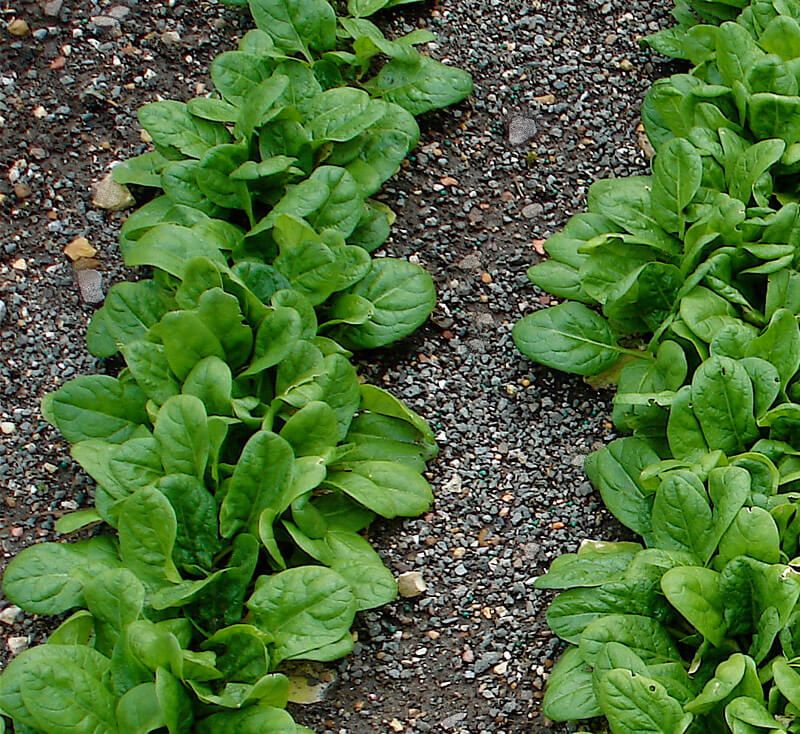
Few vegetables handle cold weather as confidently as spinach does in Ohio gardens. This leafy green can tolerate temperatures down to 20°F once established, making it one of the safest bets for early planting.
Ohio State University Extension recommends sowing spinach seeds directly in the garden as soon as the soil can be worked, typically in late March or early April across most of Ohio.
Soil temperature matters more than air temperature when planting spinach. Seeds will germinate when soil reaches just 35°F to 40°F, though germination speeds up considerably once soil warms to 50°F to 60°F.
Plant seeds about half an inch deep and one to two inches apart in rows spaced 12 to 18 inches apart.
Spinach actually grows better in cool weather than warm weather. When temperatures climb above 75°F, spinach plants often bolt, sending up flower stalks and turning leaves bitter.
This makes early spring planting essential in Ohio, where summer heat arrives quickly. By planting early, you give spinach the cool conditions it craves.
Ohio’s fluctuating spring temperatures don’t bother spinach much. The plants can handle repeated light frosts and even bounce back after a hard freeze.
For continuous harvests, try succession planting by sowing new rows every two weeks through mid-May. This strategy ensures you’ll have tender young leaves throughout spring.
Choose varieties bred for spring planting like Bloomsdale or Space for best results in Ohio gardens. These varieties resist bolting longer than others, giving you more time to harvest before warm weather arrives.
2. Carrots Grow Sweeter In Cold Soil
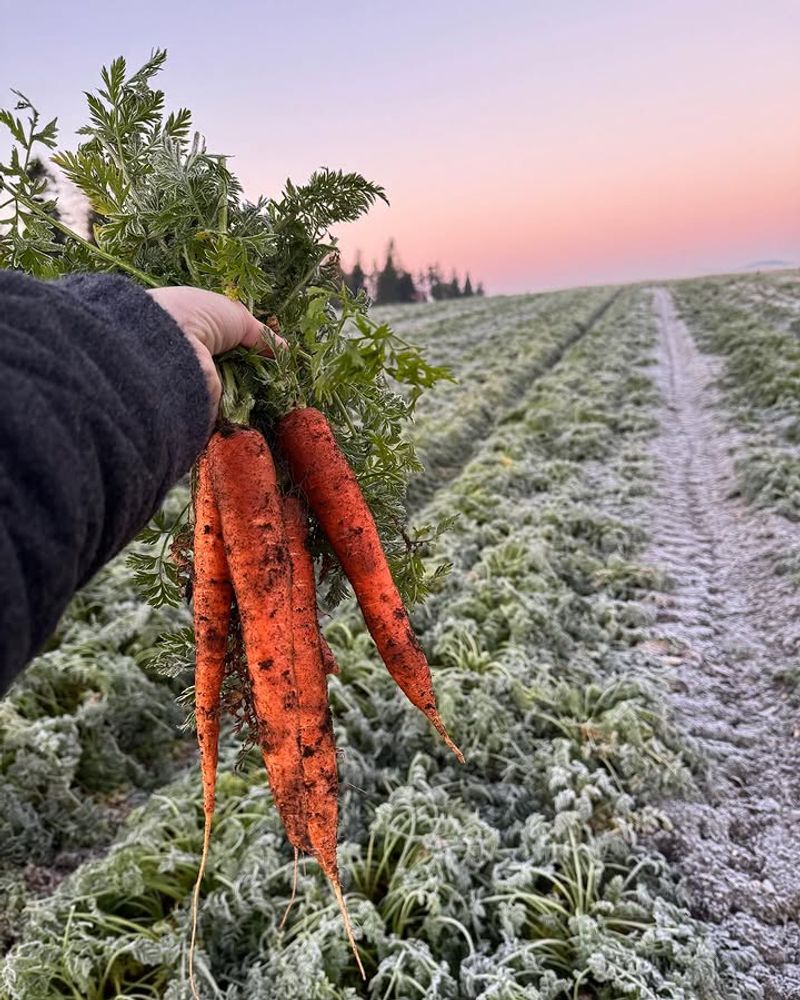
Cold soil doesn’t slow down carrots the way it does tomatoes or peppers. Carrot seeds will sprout when soil temperatures reach 40°F, though germination happens faster around 55°F to 75°F.
Ohio gardeners can plant carrots in early April in most regions, even when overnight temperatures still dip below freezing. The seeds are remarkably patient, waiting in cool soil until conditions are right for sprouting.
Something magical happens when carrots mature in cold weather. The plants convert starches into sugars as a natural antifreeze mechanism, making carrots harvested after frost noticeably sweeter than those grown in warm conditions.
This is why fall carrots taste so good, but spring-planted carrots that mature in late spring also benefit from cool soil temperatures during their early growth.
Ohio’s heavy clay soils can challenge carrot growers. Carrots need loose, well-drained soil to develop straight roots.
Before planting, work in compost or aged manure to improve soil structure. Consider raised beds if your native soil is particularly heavy.
Ohio State University Extension recommends preparing beds in fall so soil is ready for early spring planting.
Germination takes patience with carrots. Seeds may take two to three weeks to sprout in cold spring soil.
Keep the soil consistently moist during this period, as the tiny seeds can’t push through crusty, dried soil. Once seedlings emerge, thin them to about two inches apart.
Plant carrots in full sun for best results. Varieties like Danvers and Chantenay perform well in Ohio’s conditions and tolerate heavier soils better than long, slender types.
3. Onions Thrive In Cool Spring Weather
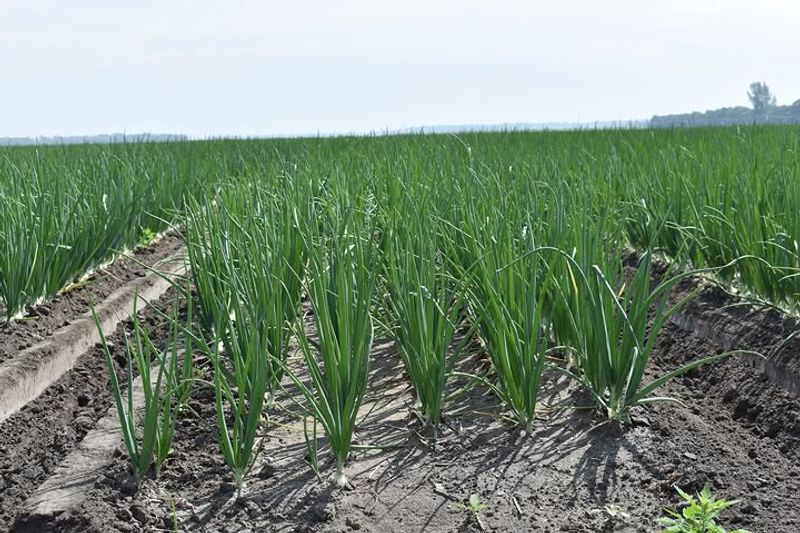
Timing matters tremendously when growing onions in Ohio. These hardy vegetables need cool weather during their early growth stages to develop strong root systems before bulbing begins.
Plant onion sets or transplants in late March or early April, as soon as your garden soil is workable. Onions can handle frost easily, and early planting gives them the long growing season they need to form large bulbs.
Ohio gardeners should focus on long-day onion varieties. These varieties require 14 to 16 hours of daylight to trigger bulb formation, making them perfectly suited to Ohio’s latitude.
Short-day varieties bred for southern states won’t form proper bulbs in Ohio gardens. Popular long-day varieties include Walla Walla, Copra, and Patterson.
You have three options for starting onions: sets, transplants, or seeds. Sets are small, dormant bulbs that are easiest for beginners.
Plant them one to two inches deep with the pointed end up, spacing them four to six inches apart. Transplants give you more variety options and establish quickly in cool spring soil.
Direct-seeding onions is possible but requires starting very early, often indoors in late winter.
Onions tolerate temperatures down to 20°F once established, making them among the most cold-hardy vegetables you can grow. According to Ohio State University Extension research, this frost tolerance means you can plant onions weeks before your last expected frost date without worry.
Space rows 12 to 18 inches apart and ensure onions receive full sun. Keep soil consistently moist but not waterlogged, especially during bulb development in late spring and early summer.
4. Lettuce Grows Fast Before Summer Heat
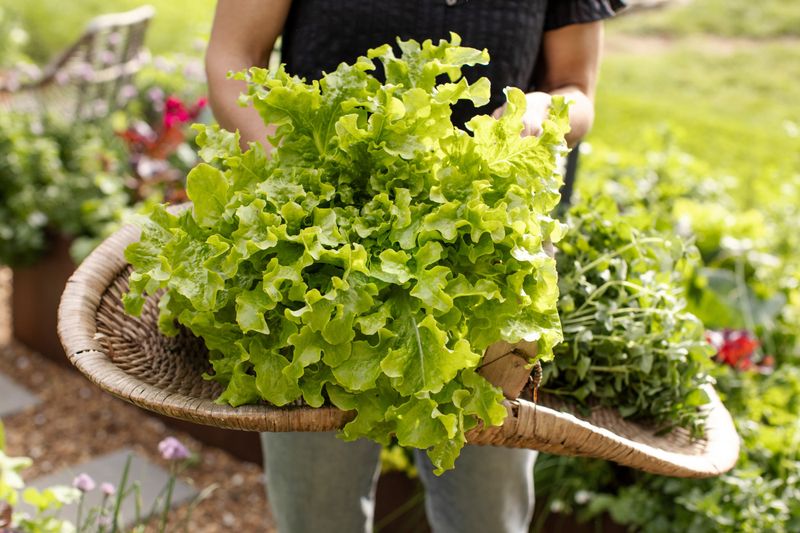
Speed is lettuce’s superpower in Ohio gardens. This quick-growing crop matures in as little as 30 to 45 days from seed, making it perfect for impatient gardeners eager for fresh harvests.
Plant lettuce in early April, and you’ll be eating homegrown salads by mid-May. The key is getting lettuce established during cool weather, because once Ohio’s summer heat arrives, lettuce quality declines rapidly.
Lettuce performs best when daytime temperatures stay between 60°F and 70°F. Once temperatures consistently exceed 75°F to 80°F, lettuce plants bolt, sending up flower stalks and turning leaves bitter.
Ohio’s transition from spring to summer happens quickly, often in late May or early June, so early planting is essential for quality harvests.
Seeds germinate in soil as cool as 40°F, though 55°F to 65°F is ideal. Plant seeds about a quarter inch deep in rows or broadcast them across a bed.
Lettuce needs consistent moisture and partial shade during warmer days. In Ohio gardens, planting lettuce on the east side of taller crops can provide afternoon shade as days lengthen.
Succession planting works beautifully with lettuce. Sow small amounts every two weeks from early April through mid-May for continuous harvests.
Once temperatures warm, switch to heat-tolerant varieties or wait until fall to plant again. Leaf lettuce varieties like Red Sails and Black Seeded Simpson tolerate temperature fluctuations better than head lettuce.
According to Ohio State University Extension, lettuce can handle light frosts down to 28°F, making it safe to plant four to six weeks before your last expected frost date.
5. Broccoli Loves Cold Spring Temperatures
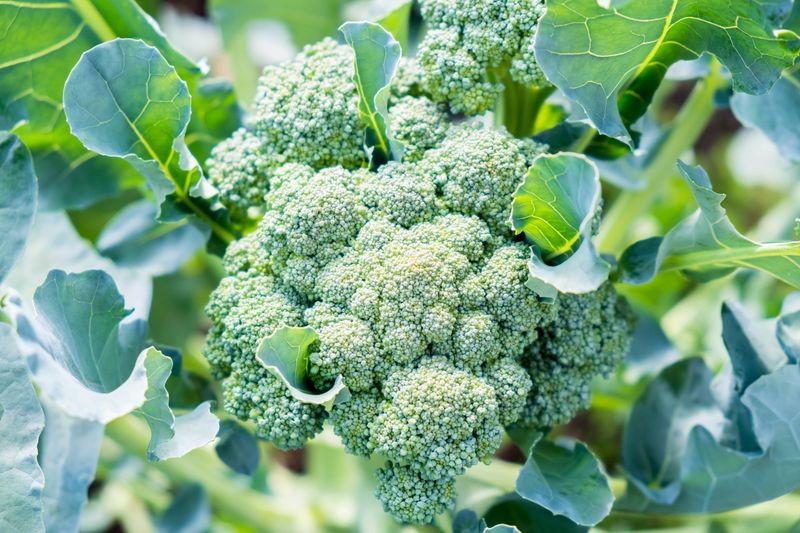
Transplants give broccoli the best start in Ohio gardens. While you can direct-seed broccoli, transplants allow you to time harvests more precisely and make better use of limited spring growing time.
Set out transplants in early to mid-April, about four weeks before your last expected frost date. Broccoli transplants handle cold remarkably well, tolerating temperatures down to 26°F once hardened off properly.
Cool temperatures actually improve broccoli quality. The heads develop tighter, more flavorful florets when daytime temperatures stay between 60°F and 70°F.
When temperatures climb above 75°F consistently, broccoli heads become loose and may develop a bitter taste. This temperature sensitivity makes spring the ideal growing season for broccoli in Ohio, though fall crops often produce even better results.
Space broccoli plants 18 to 24 inches apart in rows spaced 24 to 36 inches apart. Broccoli needs full sun and consistent moisture throughout the growing season.
According to research-based guidance from Ohio State University Extension, broccoli is a heavy feeder that benefits from rich, well-amended soil with plenty of organic matter.
Ohio gardeners should watch for cabbage worms, which target broccoli and related crops. Row covers installed at planting time prevent adult moths from laying eggs on plants.
Remove covers once plants are well-established and temperatures warm.
Harvest main heads when they’re tight and deep green, before individual florets start to open. After cutting the main head, side shoots will develop smaller heads over several weeks, extending your harvest.
6. Peas Flourish In Chilly Soil
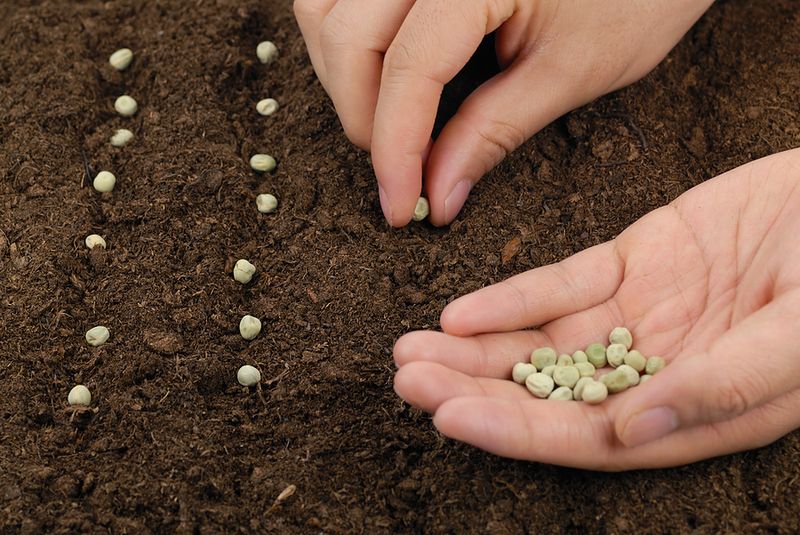
Garden peas are among the first seeds Ohio gardeners can plant each spring. Pea seeds germinate in soil as cold as 40°F, and the plants thrive in cool weather that would stunt warm-season crops.
Plant peas as soon as your soil is workable, typically in late March across much of Ohio. The old saying “plant peas on St. Patrick’s Day” holds true in many Ohio gardens, though northern regions may need to wait until early April.
Peas actually prefer cold soil for germination. While seeds will sprout faster in warmer soil, planting in cool conditions reduces disease problems and produces sturdier plants.
Established pea plants tolerate hard frosts down to 25°F, making them virtually frost-proof during Ohio’s unpredictable spring weather.
Most pea varieties need support as they grow. Install trellises, stakes, or netting at planting time to avoid disturbing roots later.
Even bush varieties benefit from some support to keep pods off the ground and make harvesting easier. Space pea seeds one to two inches apart in rows or plant them in wide bands for efficient use of garden space.
Peas stop producing once temperatures consistently exceed 75°F to 80°F. The plants yellow and decline rapidly in summer heat, so early planting is crucial for good harvests.
Ohio State University Extension recommends planting peas six to eight weeks before your last expected frost date for best results.
Choose between shelling peas, snap peas, and snow peas based on your preferences. Sugar snap peas offer sweetness and crunch that kids love, while traditional shelling peas provide classic flavor for spring dishes.
7. Kale Gets Sweeter After Frost
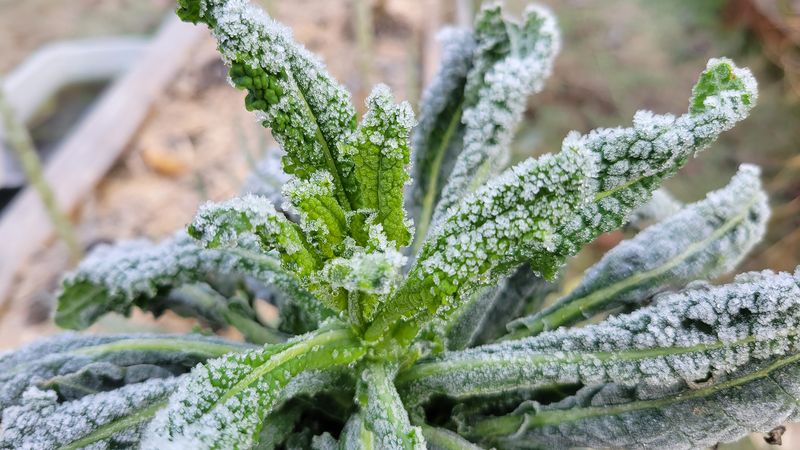
Frost transforms kale from slightly bitter to surprisingly sweet. This cold-hardy green actually improves in flavor after exposure to freezing temperatures, as the plant converts starches to sugars as a protective mechanism.
Ohio gardeners can plant kale in early April and enjoy harvests from late spring through fall, or even winter in mild years. Kale tolerates temperatures down to 20°F once established, making it one of the most cold-hardy vegetables you can grow.
Seeds germinate in soil temperatures as low as 40°F, though 60°F to 65°F speeds germination considerably. Plant seeds half an inch deep, spacing them three to four inches apart in rows 18 to 24 inches apart.
Thin seedlings to 12 to 18 inches apart as they grow. Kale needs full sun but tolerates partial shade better than many vegetables.
The beauty of kale in Ohio gardens is its incredibly long harvest window. Begin harvesting outer leaves when they reach usable size, typically six to eight weeks after planting.
Leave the central growing point intact, and the plant will continue producing new leaves for months. According to Ohio State University Extension, this cut-and-come-again harvesting method keeps plants productive from late spring through multiple fall frosts.
Kale’s texture improves dramatically after frost exposure. The leaves become more tender and lose any bitter edge, making fall-harvested kale noticeably superior to summer-grown leaves.
Many Ohio gardeners consider kale harvested after Thanksgiving the best of the entire season.
Try varieties like Winterbor, Lacinato, or Red Russian for excellent cold tolerance and flavor in Ohio gardens.