Cold Hardy Vegetables You Can Plant In Detroit, Michigan In Late March
Late March in Detroit can still feel like winter some mornings, but that does not mean the garden season has to wait. While warm season crops need steady heat, several vegetables actually prefer the cool temperatures that early spring brings to southeastern Michigan.
For gardeners eager to start planting, this is one of the most rewarding times of the year. Across Detroit and nearby parts of the Lower Peninsula, the soil is often workable by late March even though nights remain chilly.
Cool weather vegetables can handle light frost and continue growing while other plants would struggle in the same conditions. Starting the right crops now gives Detroit gardeners a valuable head start on the season.
With a few well chosen vegetables in the ground, you can enjoy fresh harvests much earlier while the rest of the garden is still waiting for warmer days to arrive.
1. Peas
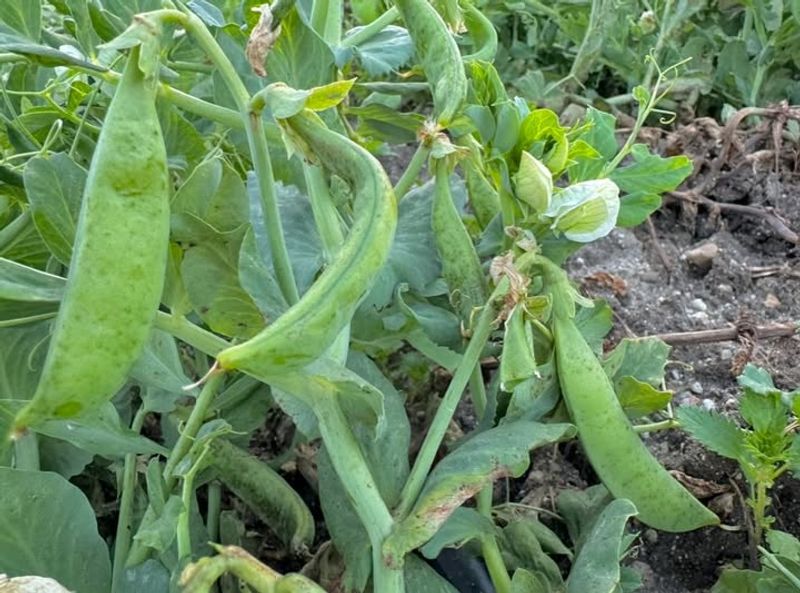
Peas are one of the true champions of early spring gardening, and Detroit gardeners have every reason to get excited about planting them in late March. Garden peas, known scientifically as Pisum sativum, actually prefer cool weather over warm temperatures.
They germinate well in soil as cold as 40 degrees Fahrenheit, which makes them a natural fit for southeastern Michigan’s unpredictable early spring climate.
Sow your pea seeds directly into the garden about 1 to 1.5 inches deep and roughly 2 inches apart. Climbing varieties will need a trellis or some kind of support structure, so plan ahead before planting day arrives.
The good news is that young pea plants can handle light frosts without much damage, so a surprise cold snap will not set you back.
One of the biggest advantages of planting peas early in Detroit is beating the summer heat. Peas struggle once temperatures climb above 75 degrees Fahrenheit, so an early start gives them time to mature and produce a full harvest before hot weather arrives.
You could be picking fresh pods by late May or early June. Few things taste better than a handful of sweet peas grown right in your own backyard, and it all starts with a simple seed pressed into cool Michigan soil in late March.
2. Spinach
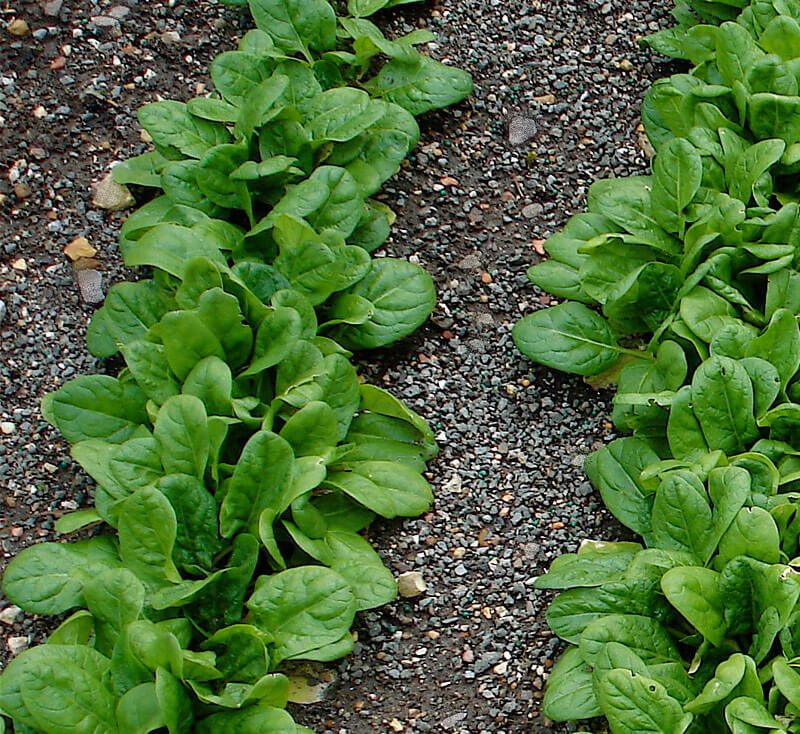
Cool weather brings out the absolute best in spinach, and that is exactly why late March in Detroit is the perfect time to get it in the ground. Spinacia oleracea is one of the most frost tolerant leafy greens available to home gardeners.
It germinates in soil temperatures around 40 degrees Fahrenheit and actually develops a sweeter, milder flavor when temperatures stay cool rather than warm.
Sowing spinach is straightforward and satisfying. Press seeds about half an inch deep and space them roughly 2 inches apart in your garden bed.
Keep the soil consistently moist after planting, since spinach seeds need steady moisture to sprout evenly. Thin your seedlings once they reach a couple of inches tall so each plant has enough room to fill out properly.
One thing Detroit gardeners should know is that spinach bolts quickly once summer heat arrives. Bolting means the plant shifts its energy toward producing seeds rather than leaves, which makes the flavor bitter and the harvest short.
Planting in late March gives spinach a long, comfortable window of cool spring weather to grow and produce. You can start harvesting outer leaves in as little as 40 days after sowing.
Fresh spinach from your own garden, grown right here in Michigan, tastes nothing like the bagged stuff from the store.
3. Radishes
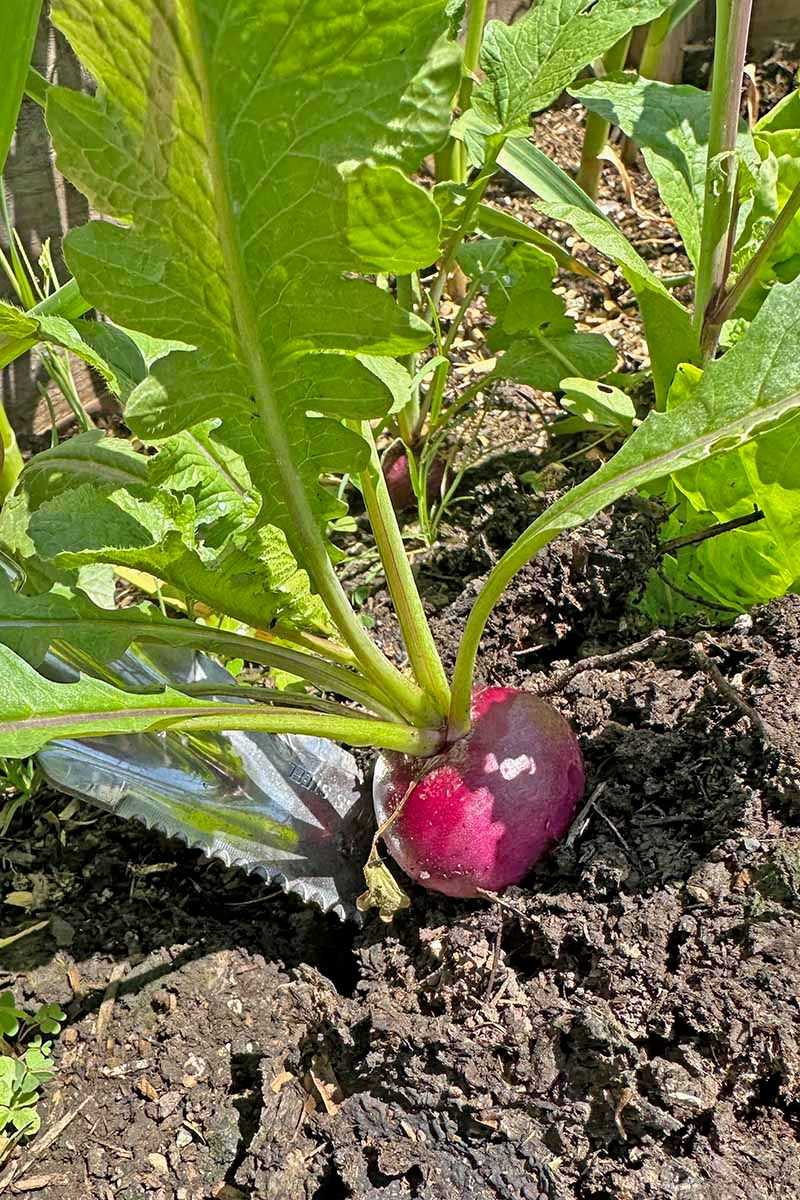
Few vegetables deliver the kind of quick, rewarding results that radishes do in a spring garden. Raphanus sativus is one of the fastest growing crops you can plant in Detroit, with many spring varieties ready to harvest in just 20 to 30 days after sowing.
That kind of turnaround is almost unheard of in the vegetable garden, and it makes radishes the perfect crop for anyone who wants early results.
Plant radish seeds about half an inch deep and 1 inch apart directly in your garden bed once the soil in southeastern Michigan is workable in late March. As seedlings emerge and start to crowd each other, thin them to about 2 inches apart.
This step is important because crowded radishes put their energy into leaves rather than developing the plump, crisp roots you actually want to eat.
Radishes thrive in cool soil and tolerate light frost beautifully, making them an ideal match for Detroit’s late March conditions. They also work well as a companion crop planted alongside slower vegetables like carrots, since the radishes will be harvested long before the carrots need that space.
Beyond their speed, radishes add a satisfying crunch to salads and snack plates. Starting your garden season with a fast win like a radish harvest is a great way to build momentum for everything else you plan to grow this spring.
4. Lettuce
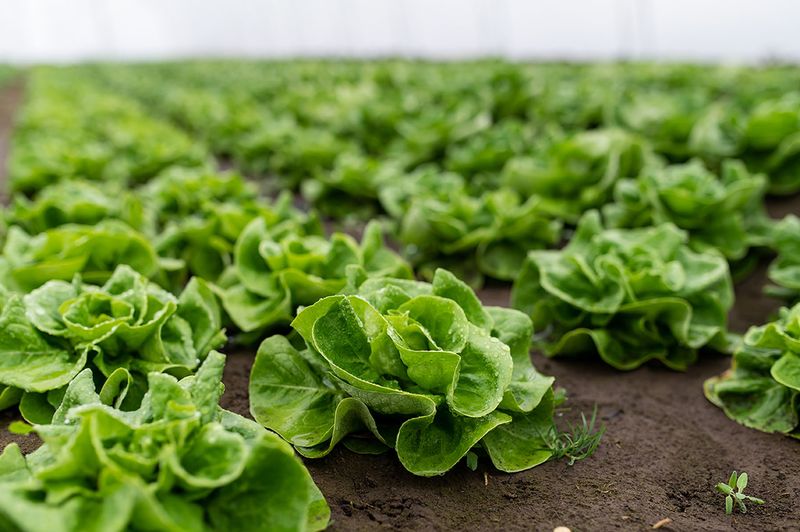
Crisp, colorful, and surprisingly tough for a leafy green, lettuce is one of the most rewarding vegetables to grow in Detroit’s early spring season.
Lactuca sativa loves cool weather and actually struggles once summer heat arrives, so planting it in late March puts you right in line with its favorite growing conditions.
Loose-leaf and romaine varieties are especially well suited for Michigan springs because they handle light frosts without wilting or losing quality.
Sow lettuce seeds just a quarter inch deep, either in rows or scattered lightly across a prepared bed. The seeds are tiny, so a light hand goes a long way.
Keep the soil consistently moist after planting, because lettuce seeds need steady surface moisture to germinate well. Thin seedlings once they emerge so plants have enough room to develop full, healthy heads or rosettes.
Lettuce grows best when temperatures stay between 45 and 65 degrees Fahrenheit, which describes a typical late March and April in southeastern Michigan almost perfectly.
You can begin harvesting outer leaves in as little as 30 days, with full heads ready in about 45 to 60 days depending on the variety.
Planting a few short rows every couple of weeks through April gives you a continuous supply of fresh greens. Growing lettuce at home in Detroit means you always have something fresh, flavorful, and ready to eat just steps from your kitchen door.
5. Carrots
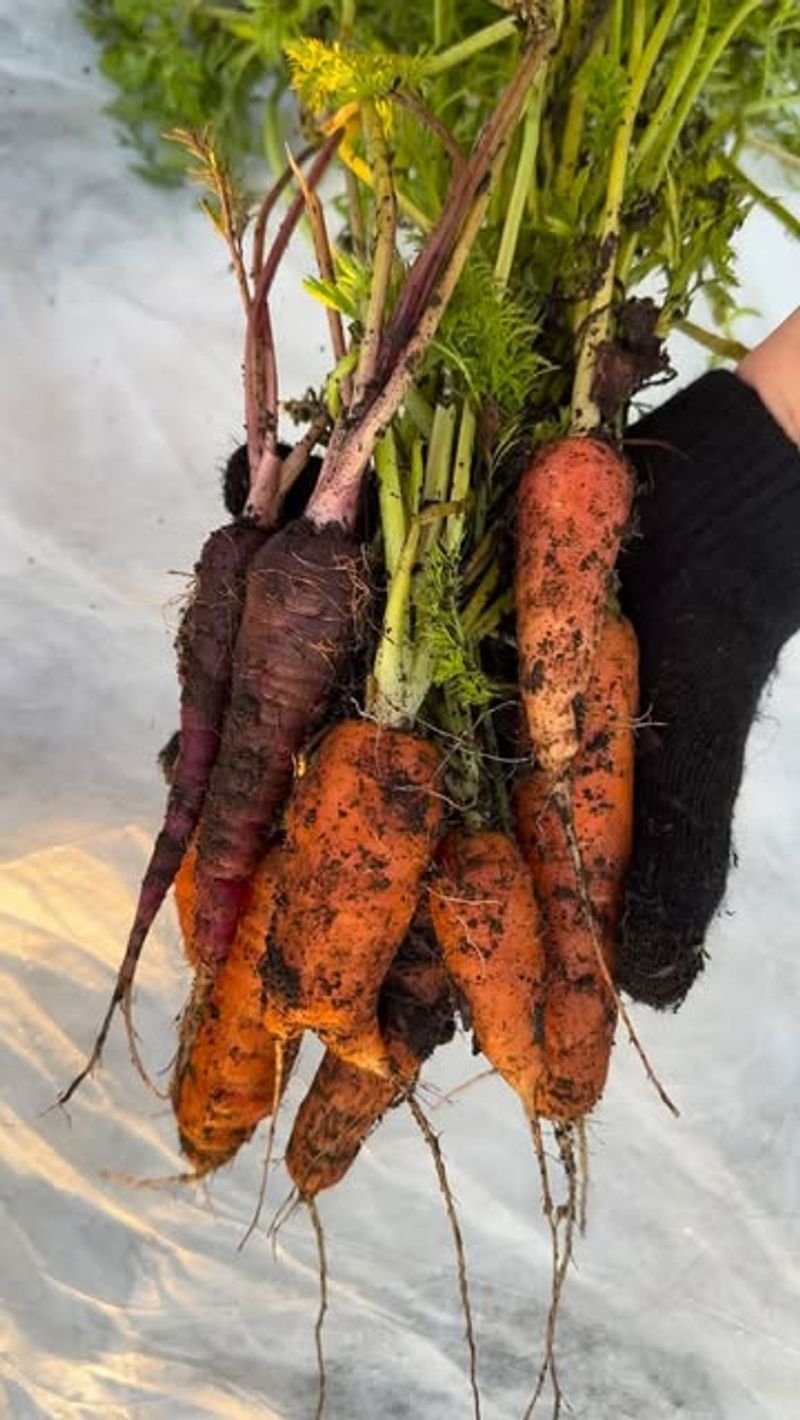
Carrots reward patient gardeners with something truly special, and late March in Detroit is the right time to start that journey. Daucus carota subsp. sativus seeds can go into the ground as soon as the soil is workable, even when temperatures are still cool.
Carrot seeds germinate slowly in cold soil, sometimes taking two to three weeks to sprout, but they are built for early spring conditions in southeastern Michigan and will push through.
Sow carrot seeds about a quarter inch deep and roughly 2 inches apart in loose, well worked soil. Loose soil is really the key here, because compacted or rocky ground causes roots to fork and twist rather than grow straight and full.
Keep the seedbed evenly moist throughout the germination period, since the surface drying out can prevent seeds from sprouting at all.
Here is something most people do not expect: carrots actually taste sweeter after they have been exposed to cool temperatures.
The cold triggers the plant to convert stored starches into sugars, which means a carrot grown through a cool Michigan spring can be noticeably sweeter than one grown in warm conditions.
Once thinned to about 3 inches apart, your plants will have room to develop properly sized roots. Expect your first harvest around 70 to 80 days after sowing, right when Detroit’s garden season is really hitting its stride.
6. Kale
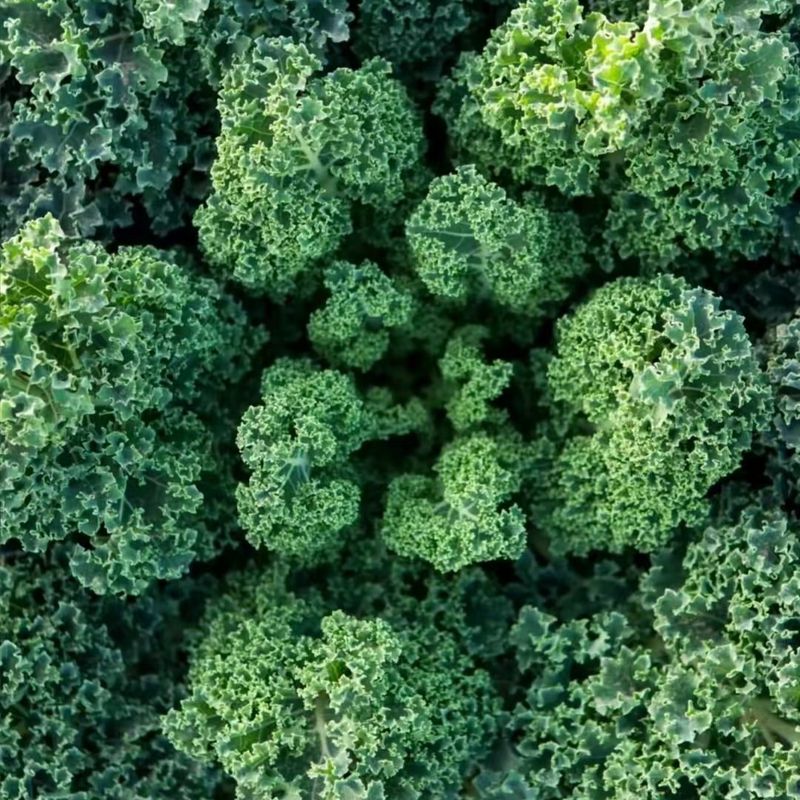
Kale might just be the toughest vegetable you can grow in a Detroit garden. Brassica oleracea var. sabellica handles cold temperatures that would flatten most other crops without flinching, making it a standout choice for late March planting in southeastern Michigan.
Young kale seedlings can withstand temperatures well below freezing, and a light snowfall will not slow them down at all.
Sow kale seeds about half an inch deep and 12 inches apart directly in your garden bed. If you started seedlings indoors earlier in the month, you can transplant them outside in late March once they have a few true leaves.
Either approach works well in Michigan’s early spring climate, so choose whichever method fits your setup best.
One of the most interesting things about kale is how cold weather actually improves it. Frost exposure triggers the plant to produce more natural sugars, which softens the flavor and makes it noticeably less bitter than kale grown in warm conditions.
Detroit gardeners who plant in late March often find their kale tastes best during the cool weeks of April and May. Kale also keeps producing for a long time, offering fresh leaves through spring and well into summer if you harvest regularly from the outside of the plant.
It is a high value crop that gives back far more than it asks of you.
7. Swiss Chard
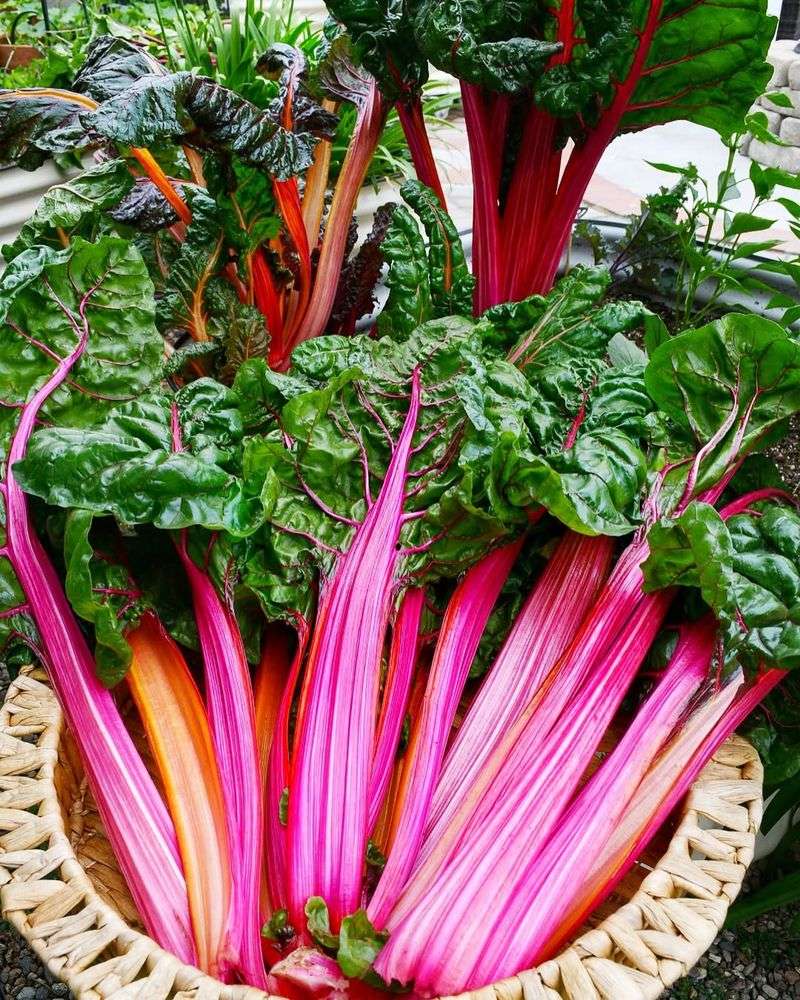
Swiss chard brings a splash of brilliant color to the early spring garden that almost no other vegetable can match.
Beta vulgaris subsp. vulgaris produces striking stems in red, yellow, orange, and white, and those colors look just as impressive in a Detroit backyard garden as they do on a dinner plate.
Beyond its good looks, chard is a reliable and productive cool weather crop that earns its place in any spring garden.
Sow chard seeds about half an inch deep and 6 inches apart once the soil in southeastern Michigan is workable in late March. Each chard seed is actually a cluster of seeds, so expect multiple sprouts from a single planting spot.
Thin seedlings as they grow to give each plant enough space to develop strong, full leaves. Regular thinning makes a noticeable difference in the size and quality of your harvest.
Chard tolerates cool temperatures and light frost once it has established itself in the soil, though it is slightly less cold hardy than kale or spinach. Planting it in late March in Detroit gives it time to settle in before any serious heat arrives.
The real reward comes from how long chard keeps producing. You can harvest outer leaves continuously from late spring straight through summer, and the plant will keep pushing out new growth.
Few vegetables offer that kind of season long generosity, and chard delivers it with style.
8. Beets
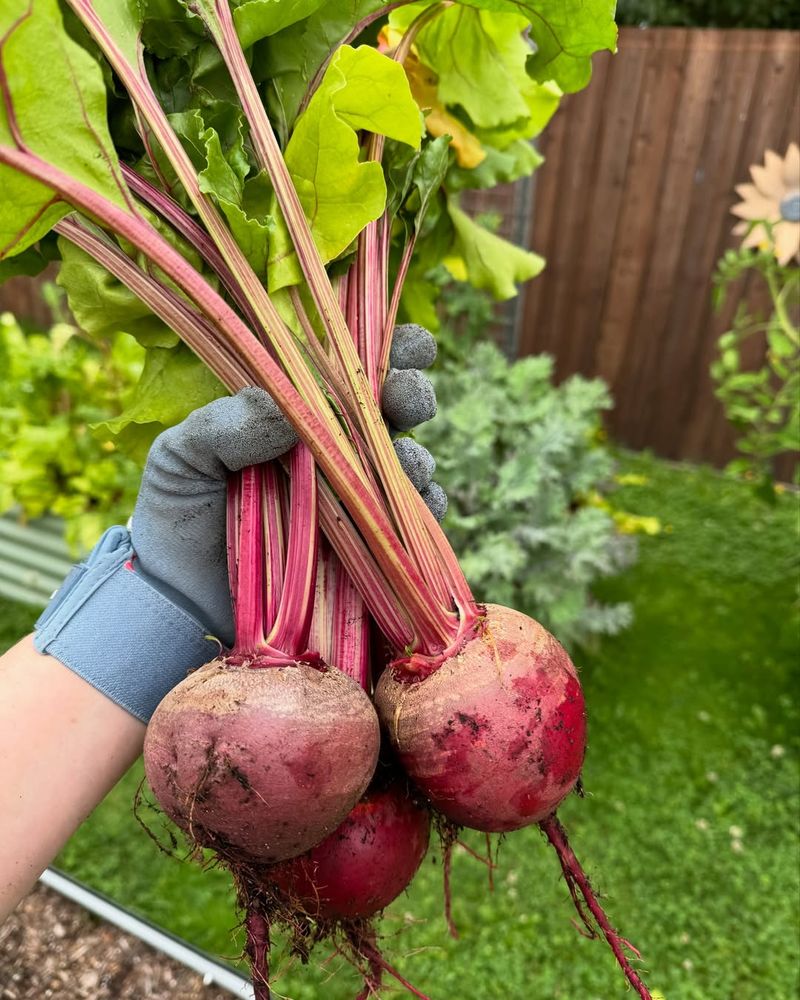
Beets are one of those vegetables that give you two harvests for the price of one, and that alone makes them worth planting in every Detroit garden come late March.
Beta vulgaris seeds can go directly into the ground once soil temperatures reach around 45 degrees Fahrenheit, which is very achievable in southeastern Michigan by the end of March.
Young beet plants handle spring frost well and settle into cool soil without much fuss.
Sow beet seeds about half an inch deep and roughly 2 inches apart in a prepared bed. Like chard, beet seeds are actually small clusters, so you will often get more than one sprout per spot.
Once seedlings reach about 3 inches tall, thin them to around 3 to 4 inches apart so the roots have room to swell and develop properly. Skipping this step leads to crowded plants and undersized roots.
What many gardeners in Detroit do not realize is that beet greens are completely edible and genuinely delicious. Young leaves taste similar to spinach and can go straight into salads or be lightly sauteed.
So while you wait for the roots to mature, usually around 55 to 70 days after sowing, you can already be harvesting the tops.
Beets are a practical, flavorful, and surprisingly versatile addition to any Michigan spring garden, and late March is exactly the right time to get them started.