8 Common Arizona Trees You Should Never Plant Near Your Home
Arizona’s sunny climate makes it easy to grow beautiful trees, but not every tree is a good neighbor to your home. Some popular choices can crack foundations, clog pipes, or turn your yard into a nonstop cleanup zone.
One wrong tree can cost you thousands in repairs. That’s why knowing what not to plant is just as important as knowing what looks good.
Think shade now, pay later? Not if you choose wisely.
From fast-growing giants with aggressive roots to messy trees that drop debris year-round, the risks are real and often overlooked. Your dream yard shouldn’t become a homeowner’s nightmare.
Before you head to the nursery or start digging, it’s smart to understand which trees can quietly cause big problems. A little planning today can save you big headaches tomorrow.
Let’s take a closer look at the common Arizona trees you should never plant near your home.
1. Mulberry Trees
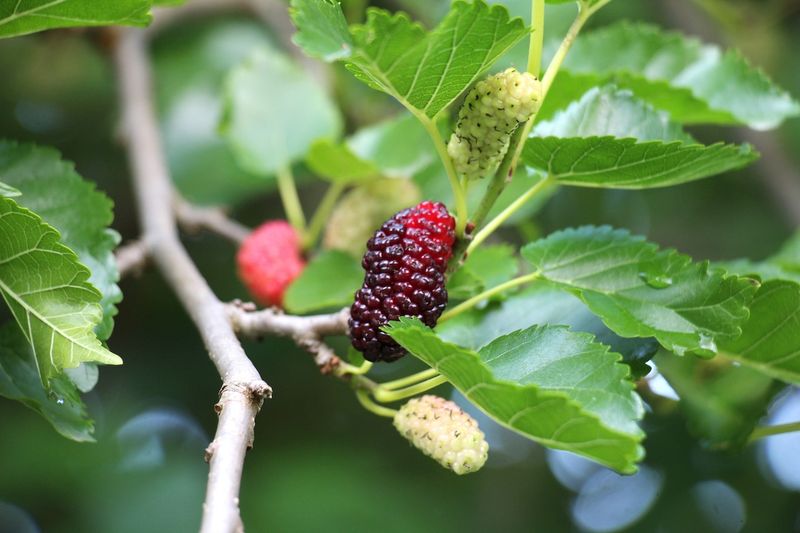
Mulberry trees grow incredibly fast in Arizona, which sounds appealing when you’re desperate for shade. Their rapid growth rate means they develop extensive, aggressive root systems that spread far beyond the tree’s canopy.
These roots have a reputation for finding and infiltrating water sources, including your home’s sewer lines, irrigation systems, and foundation. Once inside pipes, mulberry roots create blockages that require expensive plumbing repairs and can cause sewage backups in your home.
The shallow root system also makes mulberries prone to toppling during Arizona’s monsoon season when strong winds and saturated soil combine. A fallen mulberry can cause catastrophic damage to roofs, walls, and vehicles.
Beyond structural concerns, these trees produce abundant fruit that stains driveways, patios, and sidewalks with purple juice that’s nearly impossible to remove completely.
Arizona landscapes already face enough challenges without adding a tree that attracts swarms of birds who feast on the berries and leave droppings everywhere. The constant mess makes outdoor spaces less enjoyable and creates ongoing maintenance headaches.
Mulberry trees also have weak wood that breaks easily, dropping branches without warning.
Property owners throughout Arizona have learned this lesson the hard way after planting mulberries too close to their homes. The initial fast shade comes at a price that far exceeds the benefits.
Keep these trees at least 50 feet away from any structure, or better yet, choose a different species altogether for your Arizona yard.
2. Eucalyptus Trees
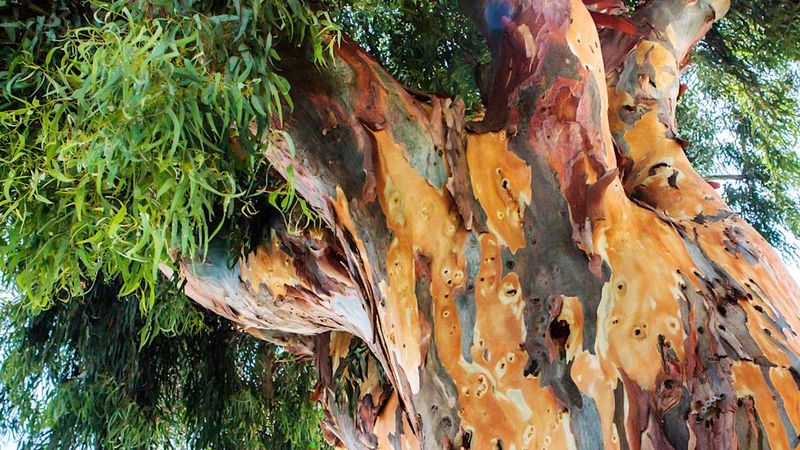
Eucalyptus trees bring an exotic appearance to Arizona landscapes with their distinctive peeling bark and aromatic leaves. Originally from Australia, these fast-growing giants can reach heights of 60 feet or more, creating potential hazards for nearby homes.
Their root systems are notoriously invasive and competitive, seeking out water sources with determination that can compromise your home’s foundation and underground utilities.
During Arizona’s intense summer heat, eucalyptus trees shed massive amounts of bark, leaves, and seed pods. This debris accumulates quickly on roofs and in gutters, creating fire hazards and blocking drainage systems.
The oily leaves are particularly concerning because they’re highly flammable and can fuel wildfires, putting your entire property at risk during Arizona’s fire season.
Wind poses another serious threat with eucalyptus trees planted near homes. These trees have relatively shallow roots compared to their height, making them susceptible to toppling during monsoon storms.
When a eucalyptus falls, its enormous size guarantees significant damage to whatever it lands on.
The trees also release allelopathic chemicals through their roots and fallen leaves, inhibiting the growth of other plants beneath them. This makes landscaping around eucalyptus extremely challenging for Arizona homeowners who want diverse, attractive yards.
Many municipalities across Arizona actually restrict or prohibit planting eucalyptus in residential areas because of these numerous problems.
If you already have one near your house, consider consulting with an arborist about safe removal options before monsoon season arrives.
3. Arizona Ash Trees
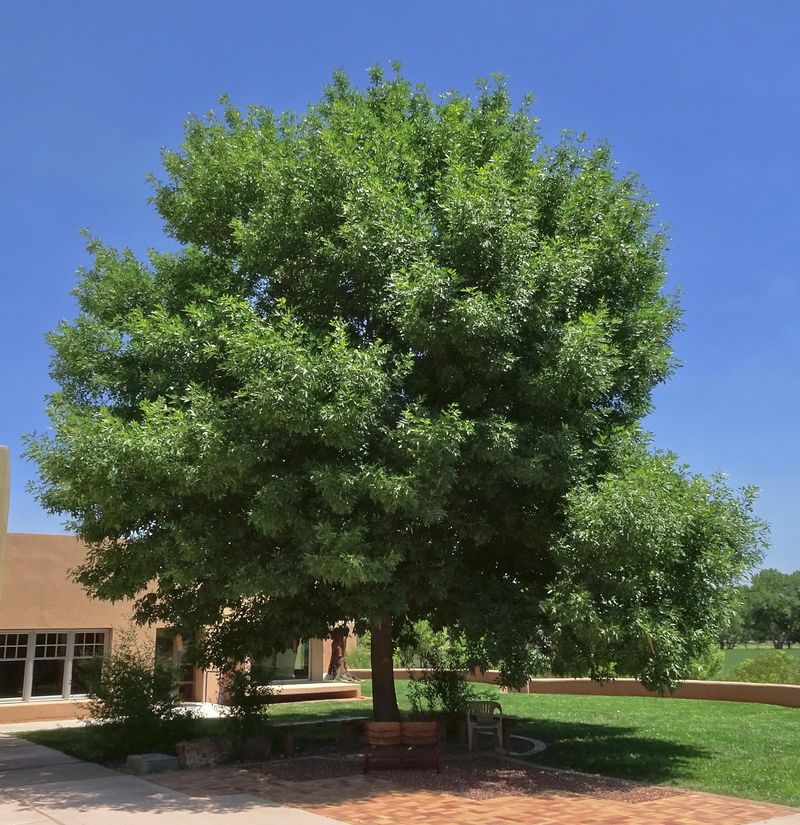
Ironically, one of Arizona’s namesake trees ranks among the worst choices for planting near your home. Arizona ash trees were once extremely popular in desert landscaping because they grow quickly and provide generous shade.
However, decades of experience have revealed serious flaws that make them problematic neighbors for houses and other structures.
These trees have brittle wood that breaks easily under stress from wind, heavy rain, or even the weight of their own branches.
Arizona homeowners frequently wake up after monsoon storms to find large ash branches scattered across their yards, sometimes causing damage to roofs, windows, or vehicles.
The constant branch drop creates ongoing cleanup work and potential safety hazards throughout the year.
Root systems on Arizona ash trees grow aggressively in search of water, often lifting sidewalks, driveways, and patio pavers as they expand. The roots can also invade sewer lines and irrigation systems, leading to costly repairs.
In Arizona’s alkaline soil, these trees are particularly susceptible to various diseases and pest infestations that weaken them further and create unsightly appearances.
Many Arizona ash trees only live 20 to 30 years, which is relatively short for a landscape investment. As they age, they become increasingly hazardous and require more maintenance.
Municipalities across Arizona have stopped planting them in public spaces, and landscape professionals now recommend against using them in residential settings.
Better alternatives exist that provide shade without the structural risks and maintenance burdens that Arizona ash trees bring to properties throughout the state.
4. Mexican Fan Palm
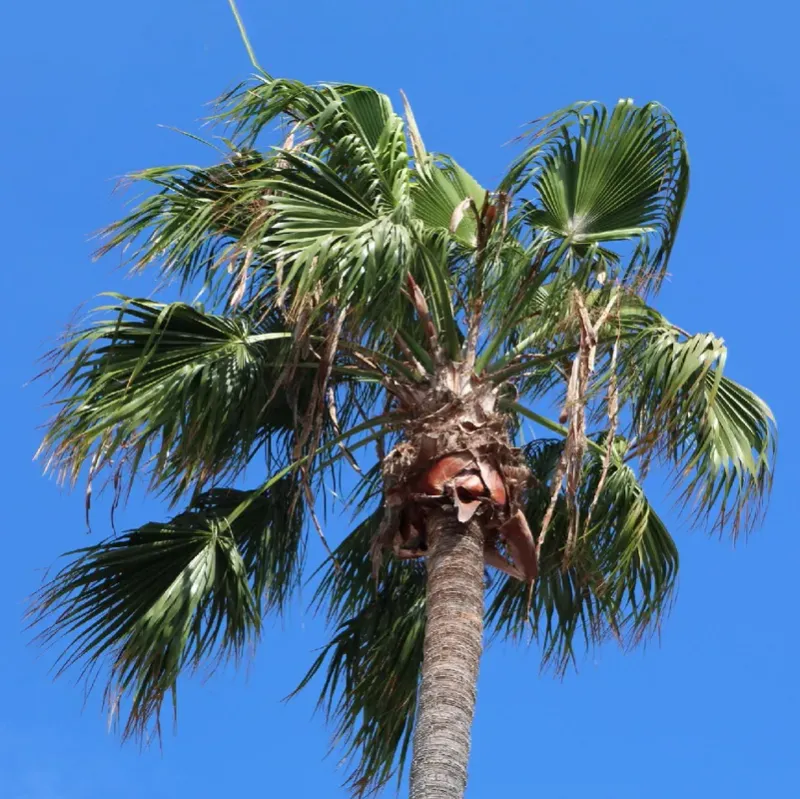
Standing tall with their distinctive skirts of dry fronds, Mexican fan palms have become iconic symbols of the Southwest. While they certainly make visual statements, planting them close to Arizona homes invites numerous problems that outweigh their aesthetic appeal.
These palms can grow over 80 feet tall with relatively small root systems, creating significant stability concerns during high winds.
The dry fronds that hang beneath the crown create fire hazards, especially in Arizona’s dry climate. These dried leaves ignite easily and burn intensely, potentially spreading flames to nearby structures.
Regular trimming is necessary but expensive, as professional palm trimmers must use specialized equipment to reach the heights safely.
Mexican fan palms drop heavy seed stalks throughout the year, and these can damage roofs, gutters, and anything else they land on. The seeds themselves sprout readily in Arizona’s climate, creating volunteer palms throughout your landscape that require constant removal.
Rats and other rodents often nest in the frond skirts, bringing unwanted wildlife uncomfortably close to your living spaces.
Root systems, while not as invasive as some trees, can still lift pavers and interfere with shallow irrigation lines. The palms also provide minimal shade despite their size, offering little practical benefit for Arizona’s intense heat.
Many homeowners who planted Mexican fan palms decades ago now face difficult and expensive removal decisions as the trees tower over their properties.
Landscape designers throughout Arizona now recommend keeping these palms far from structures or choosing different species that offer better proportion and fewer maintenance headaches for residential settings.
5. African Sumac
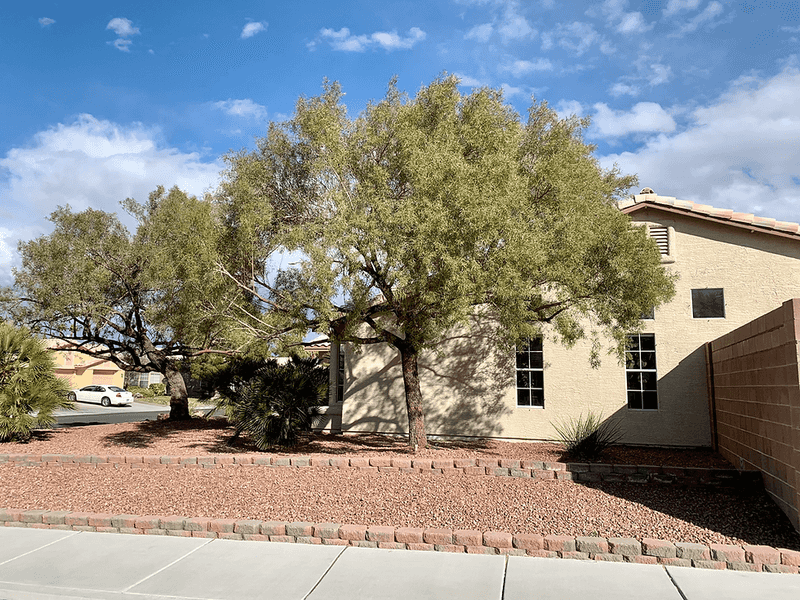
African sumac trees have gained popularity in Arizona landscaping for their graceful, weeping appearance and ability to thrive in desert conditions.
Their delicate-looking foliage and drought tolerance make them seem like ideal choices, but planting them near homes creates several unexpected challenges.
These trees produce prolific amounts of pollen that trigger severe allergic reactions in many people, making outdoor spaces uncomfortable during blooming season.
The root systems of African sumac trees spread extensively and grow close to the surface, frequently lifting sidewalks, driveways, and foundation edges.
In their constant search for water in Arizona’s arid environment, these roots will infiltrate irrigation lines and sometimes even sewer pipes.
The surface roots also make mowing and landscaping around the tree extremely difficult and can create tripping hazards.
African sumac trees shed continuously throughout the year, dropping small leaves, berries, and twigs that accumulate in gutters and create constant cleanup work. The berries attract birds that leave droppings on cars, patios, and outdoor furniture.
Female trees produce especially heavy berry crops that create slippery messes on walkways and driveways when crushed underfoot.
These trees can also harbor aphids and other pests that produce sticky honeydew, which drips onto anything beneath the canopy. This substance attracts ants and develops sooty mold, creating stains on vehicles, patio furniture, and home siding.
While African sumac tolerates Arizona conditions well, that very adaptability means it can become invasive, spreading beyond where you want it.
Keeping these trees at substantial distances from structures prevents most problems while still allowing you to enjoy their ornamental qualities elsewhere in larger Arizona landscapes.
6. Aleppo Pine
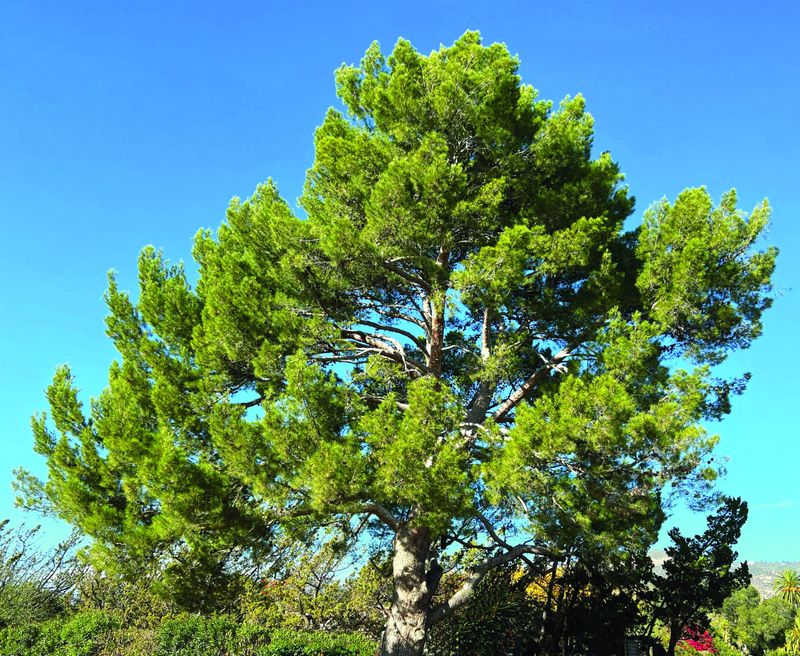
Aleppo pines bring welcome greenery to Arizona landscapes with their evergreen needles and relatively fast growth. Many homeowners plant them seeking year-round color and the pleasant scent of pine.
However, these Mediterranean natives develop characteristics that make them poor choices for locations near houses and other structures throughout Arizona communities.
The root systems of Aleppo pines spread aggressively and can extend two to three times beyond the tree’s canopy. These roots commonly lift driveways, sidewalks, and patio surfaces as they expand, creating expensive hardscape repairs.
The roots also seek out water sources and have been known to invade irrigation systems and occasionally sewer lines in Arizona properties.
Aleppo pines drop needles constantly, creating thick mats of debris that clog gutters and create fire hazards on roofs. In Arizona’s dry climate, accumulated pine needles ignite easily and burn hot, posing serious risks during wildfire season.
The trees also produce heavy pine cones that fall without warning, potentially damaging roof tiles, vehicles, and outdoor equipment.
These pines are susceptible to various diseases and pest infestations in Arizona, particularly bark beetles that can weaken or compromise entire trees.
Weakened Aleppo pines become hazardous during monsoon winds, with branches breaking off or entire trees toppling onto nearby structures.
The trees also have relatively short lifespans in Arizona conditions, often declining after 30 to 40 years.
Many Arizona municipalities have recognized these problems and stopped planting Aleppo pines in public spaces.
Homeowners with existing Aleppo pines near their houses should monitor them carefully for signs of decline and consider professional assessment of potential hazards before monsoon season arrives each year.
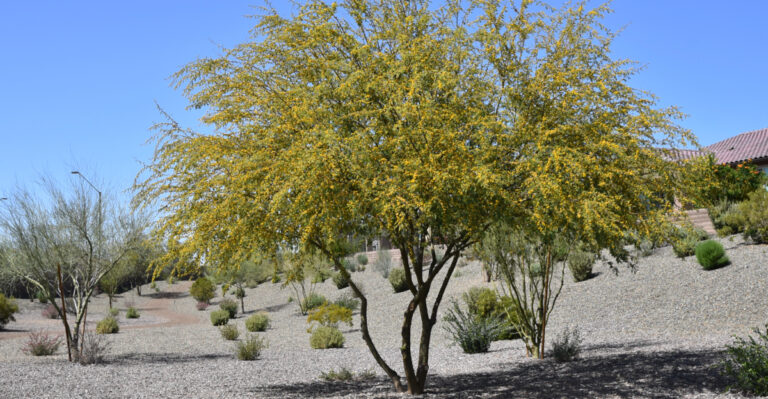
7. Willow Acacia
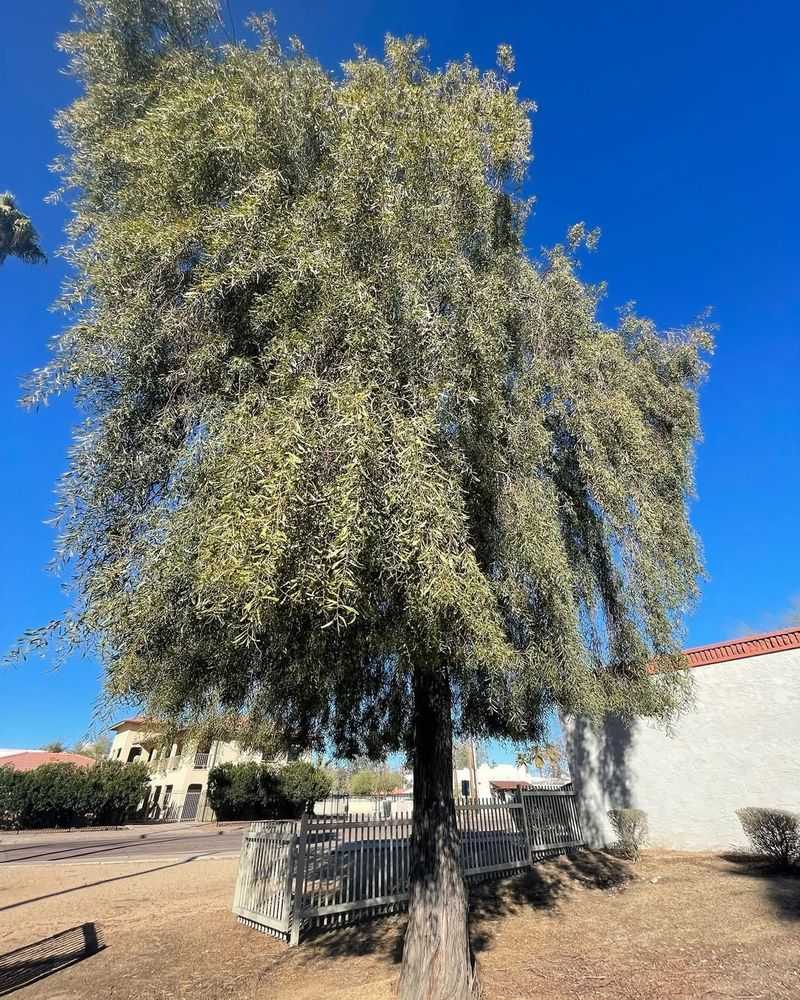
With its wispy, willow-like foliage and ability to handle Arizona heat, the willow acacia attracts homeowners looking for fast-growing shade trees. This Australian native adapts readily to desert conditions and grows quickly, which explains its popularity in new Arizona developments.
Unfortunately, this rapid growth comes with structural weaknesses that create significant risks when planted too close to homes.
Willow acacias have notoriously weak wood that splits and breaks easily, especially during Arizona’s monsoon season. Strong winds regularly tear branches from these trees, sending them crashing onto roofs, vehicles, and power lines.
Even without storms, mature willow acacias frequently drop branches unexpectedly, creating hazards for people and property beneath them.
The root systems are aggressive water-seekers that will invade irrigation lines, sewer pipes, and any other moisture source they encounter. These roots grow close to the surface and often lift pavers, crack foundations, and create uneven surfaces throughout Arizona yards.
The trees also have relatively short lifespans, typically declining significantly after just 15 to 20 years.
Willow acacias produce seed pods prolifically, creating constant cleanup work as they drop and scatter across patios and driveways. The trees are also susceptible to various pests and diseases in Arizona, requiring ongoing maintenance and treatment to keep them healthy.
Many landscape professionals throughout Arizona now advise against planting willow acacias anywhere on residential properties.
If you already have willow acacias near your home, regular professional pruning and inspection are essential to minimize risks.
However, the safest long-term solution often involves removing these problematic trees and replacing them with more structurally sound species better suited for locations near Arizona homes and buildings.
8. Cottonwood Trees
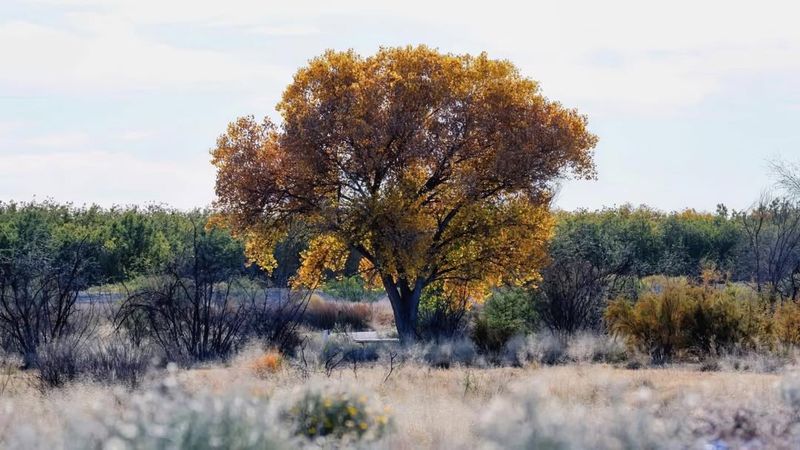
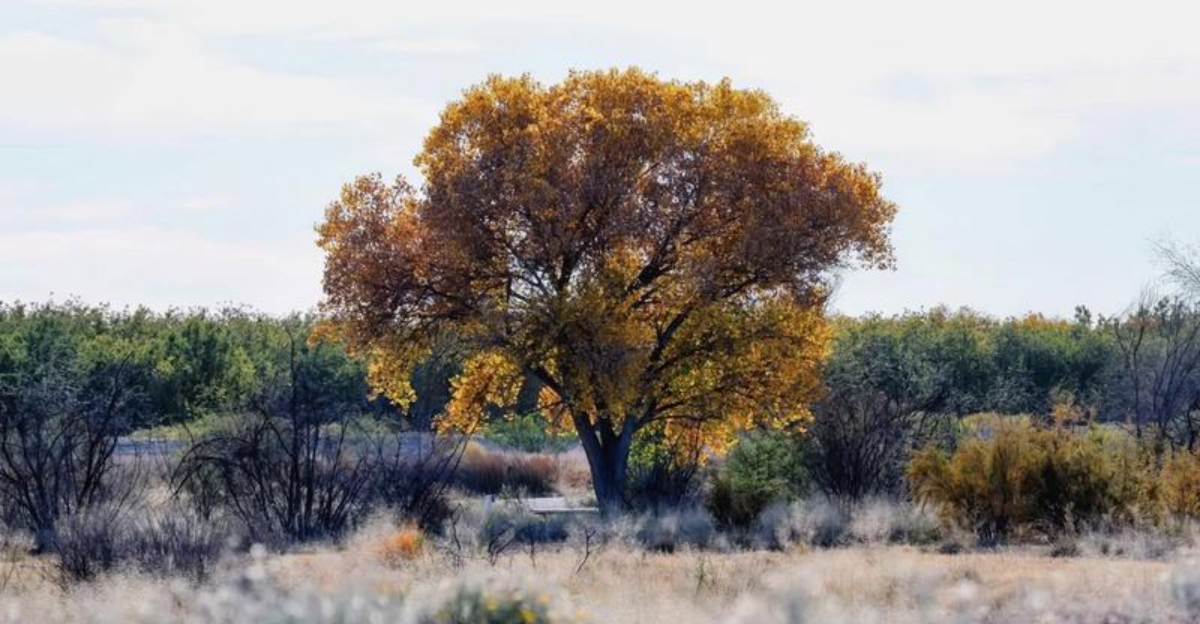
Cottonwood trees evoke images of riparian areas and provide magnificent shade, which makes them tempting choices for Arizona properties near washes or with high water tables. These native trees can grow to impressive sizes and offer cooling canopies during brutal summer months.
However, their biology makes them completely unsuitable for planting anywhere near homes or other structures across Arizona.
The root systems of cottonwoods are among the most aggressive of any tree species, spreading vast distances in search of water.
These roots will find and exploit any weakness in sewer lines, water pipes, or foundations, causing damage that can cost thousands of dollars to repair.
In Arizona landscapes with irrigation systems, cottonwood roots quickly invade and clog lines, requiring extensive repairs.
Cottonwoods produce enormous amounts of fluffy seeds that give the trees their name. When released, this cottony material fills the air, clogs air conditioning units, creates allergic reactions, and accumulates in thick drifts around Arizona properties.
The mess lasts for weeks and makes outdoor spaces unpleasant during seed release periods.
These trees also have brittle wood that breaks easily during storms, dropping massive branches that can cause catastrophic damage to roofs and other structures.
Cottonwoods require tremendous amounts of water to thrive, making them impractical and environmentally questionable choices for most Arizona residential landscapes.
They also attract numerous pests, including aphids that produce sticky honeydew and various beetles that weaken the wood.
Professional landscapers throughout Arizona universally recommend keeping cottonwoods far from any structures.
If your property includes existing cottonwoods near your home, consult with a certified arborist about management strategies or removal options to protect your investment and avoid future damage from these beautiful but problematic Arizona natives.