8 Common Crepe Myrtle Mistakes North Carolina Gardeners Still Make
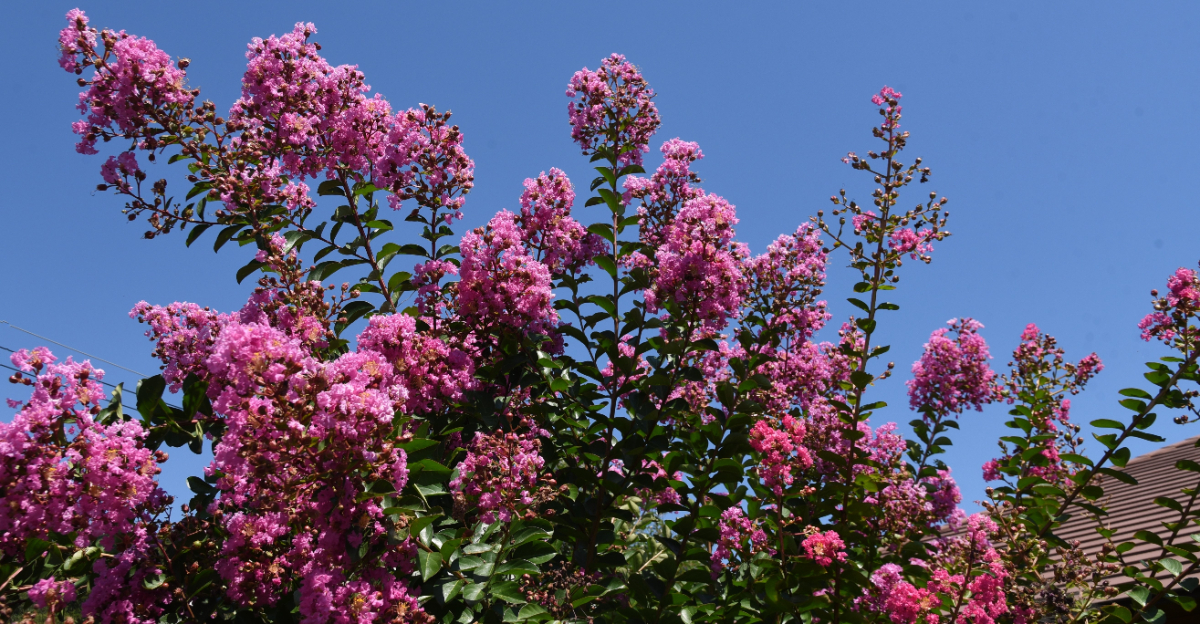
Crepe myrtles are one of the signature sights of summer in North Carolina. When they are healthy, these trees burst into bold color and bring life to landscapes from the Coastal Plain to the Piedmont and into the warmer pockets of the Mountain region.
Their smooth bark, bright blooms, and long flowering season make them a favorite for homeowners across the state. But many crepe myrtles never reach their full potential because of a few common mistakes.
Poor planting locations, incorrect pruning, or simple care errors can hold these trees back and limit the number of blooms they produce each year. The good news is that most of these problems are easy to avoid once you know what to watch for.
With the right approach, North Carolina gardeners can grow crepe myrtles that are stronger, healthier, and covered in color every summer.
1. Cutting Trees Back Too Hard In Winter
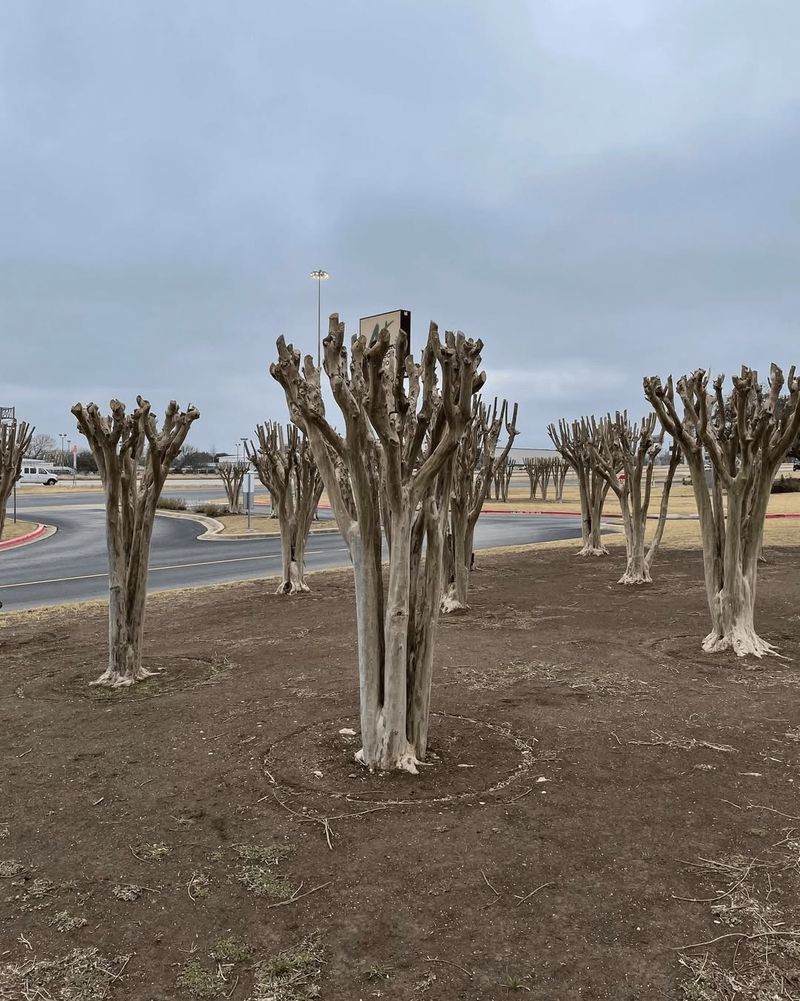
Walk through almost any North Carolina neighborhood in late winter, and you will spot rows of crepe myrtles chopped down to ugly stubs. This harsh practice has a fitting nickname among horticulturists: crepe murder.
It is one of the most widespread and damaging mistakes gardeners make with these trees every single year.
When you cut a crepe myrtle back severely, the tree responds by pushing out long, weak shoots from the cut ends. Those shoots grow fast but stay floppy, and they actually produce fewer flowers than branches that developed naturally.
The tree also forms unsightly knobby bumps at every cut point, which get bigger and more pronounced with each passing season.
North Carolina State University extension specialists have consistently advised against heavy topping for decades, yet the habit persists across the state. The truth is, most crepe myrtles need very little pruning at all.
A light touch in late winter, removing crossing branches, low suckers, and anything rubbing against another limb, is truly all that is needed. Choosing the right size variety from the start also removes the temptation to cut.
When you respect the tree’s natural form, you get stronger structure, healthier wood, and those gorgeous long flower clusters that make North Carolina summers so spectacular.
2. Planting Crepe Myrtle In Too Much Shade

Sunlight is not optional for crepe myrtles. It is absolutely essential. These trees evolved in warm, sunny climates and perform best when they soak up at least six to eight hours of direct sun every single day.
North Carolina offers plenty of sunshine, but planting placement still trips up many gardeners each spring.
When a crepe myrtle ends up in too much shade, the results are easy to spot. Flowering drops off dramatically, sometimes disappearing almost entirely in heavily shaded spots.
The branches stretch outward in search of light, creating a thin and unbalanced canopy that looks nothing like the full, rounded shape these trees are known for.
Shade also traps moisture around the foliage, which creates the perfect environment for fungal issues to take hold.
Before you plant anywhere in your North Carolina yard, spend a full day observing how sunlight moves across that space. Spots under large oaks or near the north side of buildings are usually poor choices.
Open lawns, sunny borders, and south-facing beds tend to work beautifully. Even a partially shaded location can limit bloom production enough to be frustrating season after season.
Giving your crepe myrtle a sunny home from day one sets the entire tree up for vibrant, reliable flowering that neighbors will notice from the street every summer.
3. Choosing The Wrong Size Variety For The Space

Not all crepe myrtles are the same size, and that surprises a lot of North Carolina gardeners who grab whichever plant looks prettiest at the nursery. Some standard varieties grow twenty to thirty feet tall with wide spreading canopies.
Dwarf selections stay under four feet. Picking the wrong one for your space creates years of frustration and unnecessary work.
Planting a large-growing variety in a tight spot near a mailbox, driveway, or small garden bed almost always leads to the same outcome. The tree outgrows the space, and the gardener responds by chopping it back hard every winter.
That cycle of cutting and regrowing weakens the tree and ruins its natural beauty. Across North Carolina landscapes, this scenario plays out in front yards and commercial properties alike.
The smart move is reading the plant tag carefully before buying. Nurseries and garden centers in North Carolina typically stock a wide range of cultivars, from compact bloomers like the Chickasaw series to medium-sized favorites like Natchez and Tuscarora.
Matching the mature height and spread to the actual space you have prevents pruning problems before they start.
A crepe myrtle planted with room to grow will develop a graceful, multi-stemmed form that requires almost no intervention and rewards you with stunning blooms from early summer straight through into fall without any struggle.
4. Overwatering Established Trees
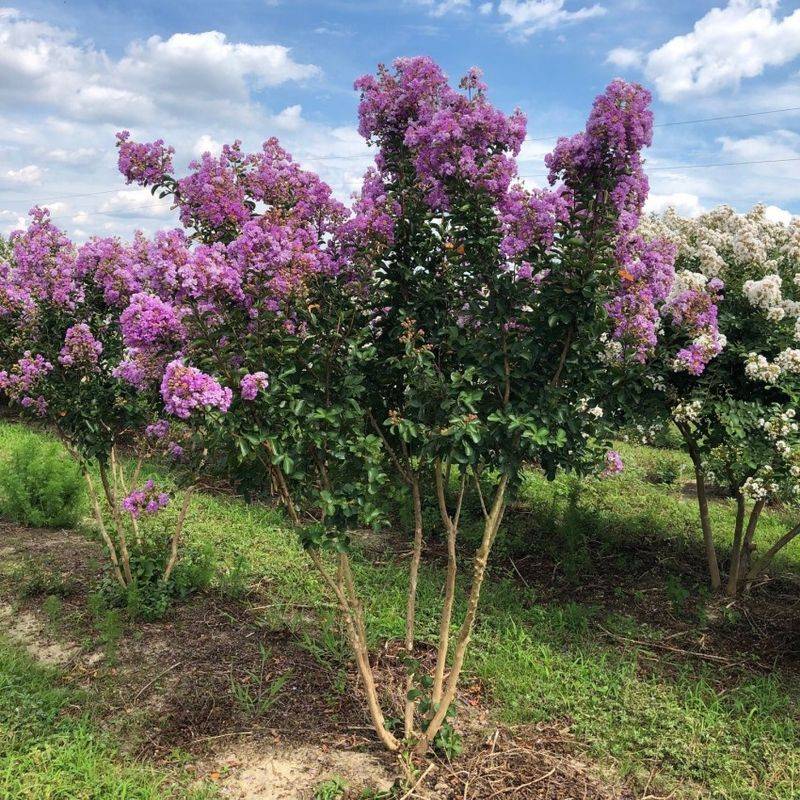
Once a crepe myrtle settles into its new home and develops a strong root system, it becomes remarkably tough. Established trees handle North Carolina’s hot, dry summers with impressive resilience, pulling moisture from deep in the soil without much help.
Many gardeners, however, keep watering on the same schedule they used right after planting, and that becomes a real problem.
Roots need air just as much as they need water. When soil stays constantly wet from frequent irrigation, oxygen gets squeezed out of the root zone.
The tree responds with stressed, weak growth that looks surprisingly similar to drought stress, which confuses gardeners into watering even more. Root problems caused by overwatering are actually harder to fix than those caused by underwatering.
During North Carolina’s summer months, established crepe myrtles generally do fine with deep watering once every week or two, depending on rainfall and soil type.
Sandy soils dry faster and may need slightly more frequent attention, while heavy clay holds moisture longer.
Checking the soil a few inches below the surface before reaching for the hose is always a smarter approach than sticking to a rigid schedule. Let the tree tell you what it needs.
Healthy crepe myrtles in North Carolina can go through stretches of dry weather without skipping a single bloom, which makes them perfect for our warm, unpredictable climate.
5. Ignoring Powdery Mildew Resistant Varieties
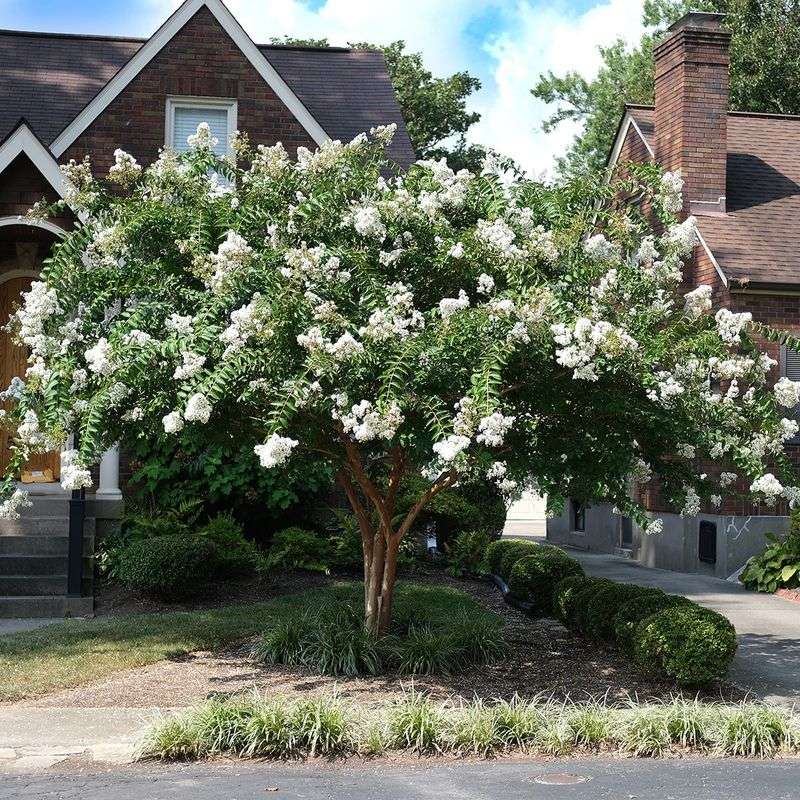
North Carolina summers are gorgeous but seriously humid, and that thick summer air creates ideal conditions for powdery mildew to spread across crepe myrtle foliage.
Older varieties of crepe myrtle are especially vulnerable, developing that familiar chalky white coating on leaves and young stems when conditions are just right. Many gardeners see it every year and assume there is nothing they can do.
Powdery mildew rarely causes permanent harm to a mature tree, but it weakens young growth, dulls the foliage, and makes the tree look rough all season long. Repeated infections year after year can slow growth and reduce overall vigor.
Relying on fungicide sprays as a fix gets expensive and time-consuming fast, especially on larger specimens.
The easier and smarter solution is choosing a mildew-resistant cultivar from the start. Plant breeders, including researchers connected to the U.S.
National Arboretum, developed many popular crepe myrtle varieties specifically for disease resistance and performance in humid southeastern climates like North Carolina.
Varieties like Natchez, Acoma, Hopi, and Pecos are widely praised for strong mildew resistance along with beautiful bloom color.
When you visit a North Carolina nursery this spring, ask specifically about disease-resistant options.
You will spend far less time treating problems and far more time enjoying the spectacular flower show these trees deliver from midsummer all the way through early fall.
6. Leaving Seed Pods On The Tree All Winter

After the blooms fade and the leaves drop, crepe myrtles reveal something many gardeners overlook until winter: clusters of small, round seed pods clinging to every branch tip.
Some people never give them a second thought, and honestly, leaving them on does not hurt the tree’s health at all.
But for North Carolina gardeners who care about how their landscape looks during the off-season, those seed heads can make even a beautiful tree look a little ragged.
The seed pods are firm, brown, and persistent, staying attached through wind and cold without falling on their own. In a tidy, formal landscape, they draw the eye in a way that feels a bit messy compared to the clean branch structure underneath.
Removing them is quick work and fits naturally into the light late-winter pruning routine that most crepe myrtles benefit from anyway.
Using clean, sharp hand pruners, simply clip off the seed clusters right back to the nearest side branch or bud.
This small step tidies up the silhouette and actually makes it easier to see the tree’s beautiful exfoliating bark during the winter months when North Carolina yards feel quiet and bare.
Some gardeners in the state skip this step entirely and love the natural look, which is completely fine. It comes down to personal preference and the overall style of your outdoor space rather than any real horticultural concern.
7. Planting Too Close To Buildings Or Walkways
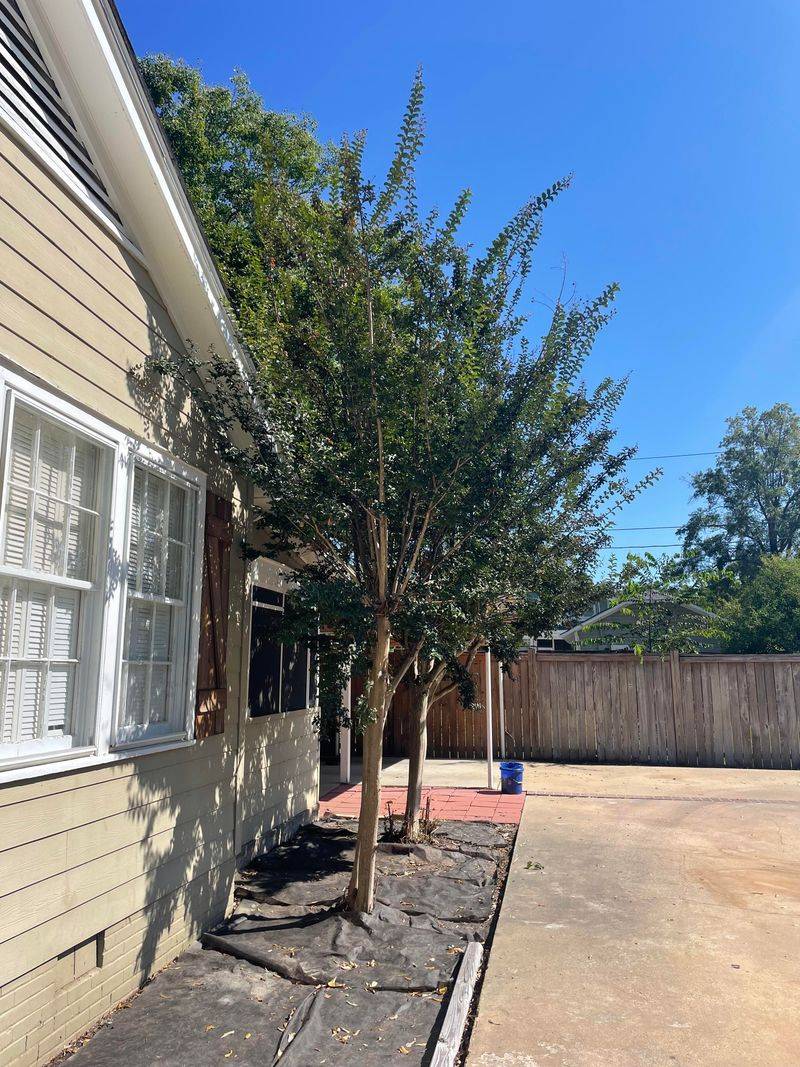
Crepe myrtles look relatively small and manageable at the nursery, which makes it tempting to tuck them right up against a fence, a building wall, or the edge of a sidewalk.
Fast forward ten or fifteen years, and that same tree has developed a wide canopy, thick surface roots, and a presence that commands serious space.
North Carolina yards are full of examples where this planning oversight caused real headaches.
Roots from larger crepe myrtle varieties can spread outward well beyond the canopy edge, sometimes lifting sidewalk sections or pushing against shallow foundations over time.
The canopy itself can press against siding, interfere with gutters, or block windows in ways that were impossible to imagine at planting time.
Fixing these issues usually means aggressive pruning that harms the tree or costly hardscape repairs.
Before planting, check the mature spread listed for your specific variety and give it the full room it needs plus a little extra buffer. Standard-sized crepe myrtles generally need at least eight to ten feet of clearance from structures and paved surfaces.
Dwarf varieties work beautifully in tighter spots along walkways or foundation beds throughout North Carolina. Taking ten minutes to plan spacing at planting time saves years of maintenance headaches later.
A well-placed crepe myrtle grows into a stunning landscape feature that enhances your property rather than creating problems you have to manage every single season.
8. Skipping Mulch Around The Root Zone
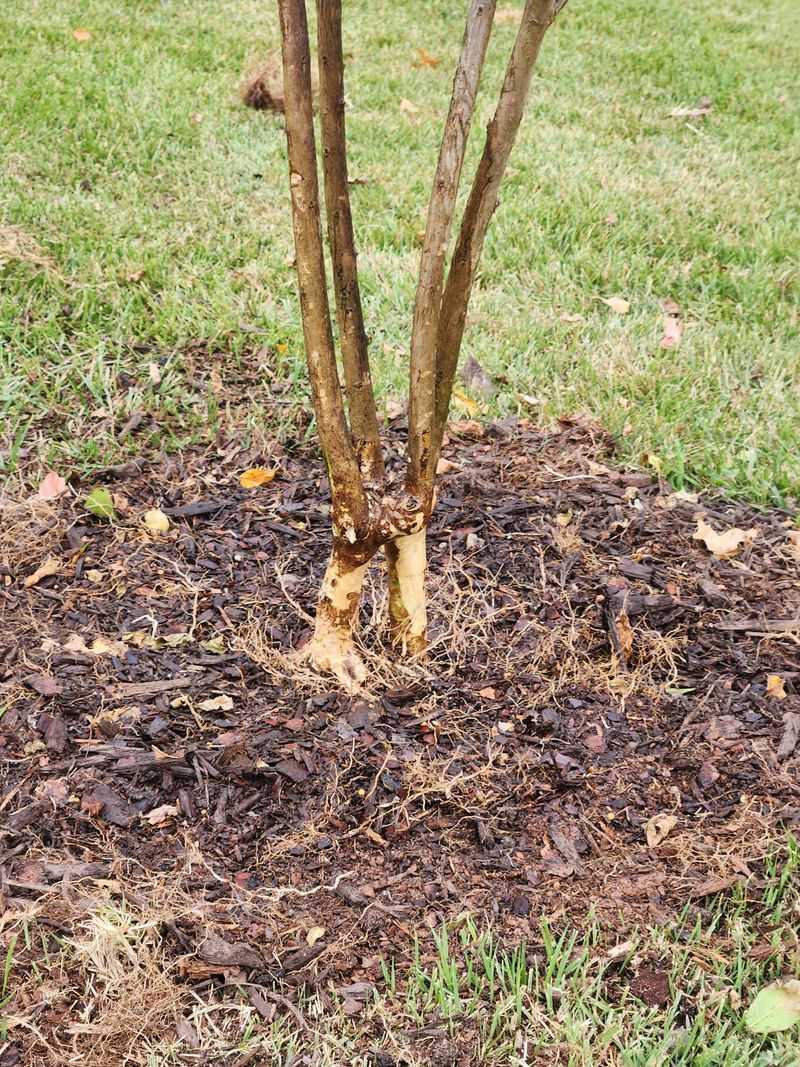
Mulch might seem like a small detail, but for crepe myrtles in North Carolina, it plays a genuinely big role in how well the tree handles summer heat and drought.
A two to three inch layer of organic mulch spread across the root zone holds soil moisture, keeps root temperatures more stable, and slowly improves soil quality as it breaks down over time.
Skipping it leaves the tree working harder than it needs to. Without mulch, summer sun bakes the soil surface, causing it to dry out faster between rain events. Weeds compete aggressively for the same moisture and nutrients the tree needs.
Lawn mowers and string trimmers also get dangerously close to the base of unmulched trees, and repeated bark damage at the base weakens the tree in ways that build up slowly over time.
Spreading mulch correctly is just as important as using it at all. A common mistake seen in North Carolina yards is piling mulch up against the trunk in a volcano shape.
That traps moisture directly against the bark, which can lead to rot and invite insects to nest in the soft wet material. Instead, keep mulch pulled back two to three inches from the trunk itself while extending the ring outward to cover the full root zone.
Fresh mulch applied each spring gives your crepe myrtle one of the easiest and most effective care boosts available all season long.