8 Common Garden Plants In Ohio That Can Cause Skin Irritation
Ohio gardens are full of beautiful plants, but some can cause itching, rashes, or other skin irritations if touched. Knowing which plants pose a risk helps gardeners protect themselves and enjoy their yards safely.
Beautiful plants can hide unpleasant surprises for your skin. These plants, including poison ivy, stinging nettle, and certain chrysanthemums, contain compounds that trigger irritation or allergic reactions.
Gardeners should wear gloves, long sleeves, and take care when handling or pruning these species. Proper identification and caution reduce the risk of discomfort while working in the garden. Awareness and protective measures are key to safe gardening.
Ohio gardeners who follow these tips can enjoy their gardens while avoiding painful or irritating encounters. Protect your skin and still enjoy a thriving, healthy garden.
1. Poison Ivy (Toxicodendron Radicans)
Walking along fence lines or woodland edges in Ohio means you’ll likely encounter this infamous plant at some point.
Poison ivy thrives throughout the state, growing as a vine that climbs trees, a ground cover that spreads across yards, or a shrubby plant tucked into garden borders.
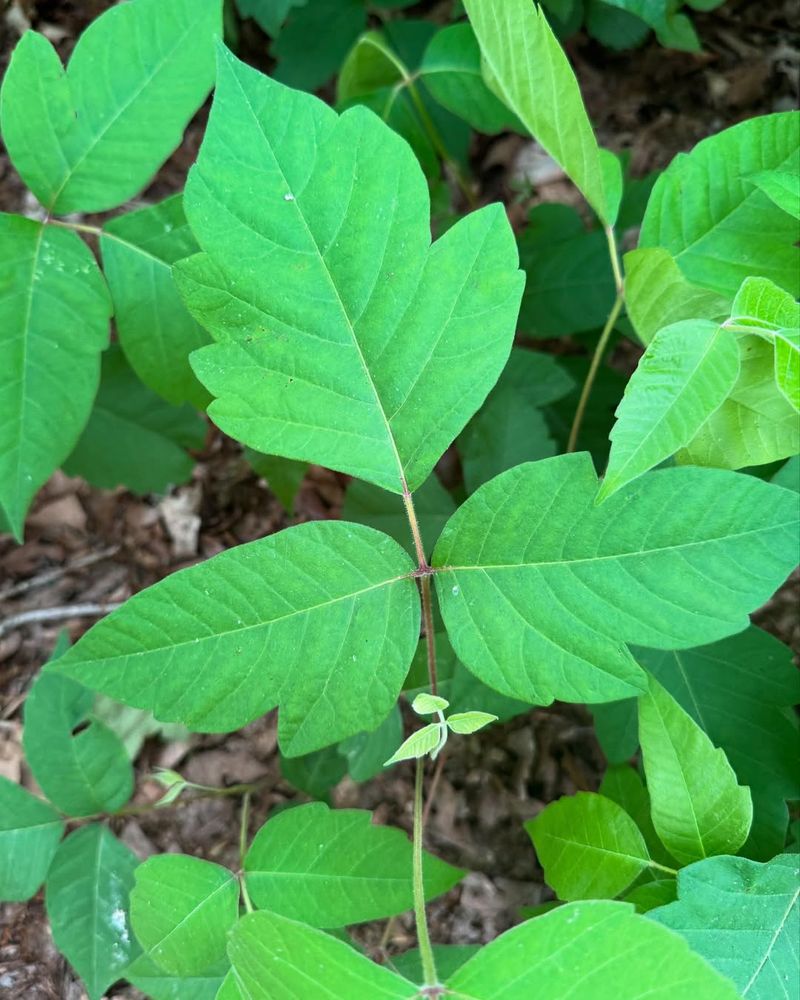
Recognition is your best defense, and the classic three-leaf cluster makes identification easier once you know what to look for.
Each leaflet has a pointed tip and can appear glossy or dull depending on the season. The leaves change from reddish in spring to green in summer and brilliant orange or red in fall. Vines climbing tree trunks develop hairy rootlets that look almost fuzzy from a distance.
The real troublemaker is urushiol, an oily resin found in all parts of the plant. When this oil touches your skin, it triggers an allergic reaction in most people, causing red, itchy rashes and fluid-filled blisters that can last for weeks.
Even brushing against the plant briefly can transfer enough oil to cause problems. Wearing long sleeves, pants, and gloves when working near suspected poison ivy areas provides essential protection.
Never burn these plants because inhaling smoke containing urushiol can cause serious respiratory issues.
If you spot poison ivy on your property, carefully remove it or hire professionals who have proper protective equipment and disposal methods.
2. Poison Sumac (Toxicodendron Vernix)
Southern Ohio wetlands and low-lying areas harbor one of the most potent skin irritants in North America.
Poison sumac prefers swampy conditions and moist soil where water collects, making it less common in typical suburban yards but still present in natural areas throughout the state.
This shrub or small tree can grow quite tall, reaching heights of fifteen to twenty feet in ideal conditions.
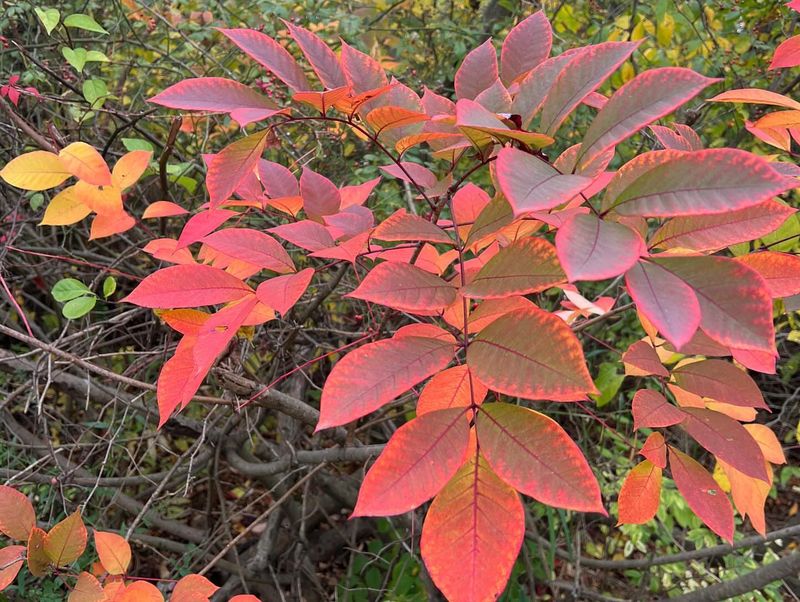
Unlike poison ivy with its three leaves, poison sumac displays compound leaves with seven to thirteen smooth-edged leaflets arranged in pairs along a central stem.
The leaflets are oval-shaped with pointed tips, and the plant produces drooping clusters of white or pale green berries. In autumn, the foliage turns stunning shades of orange and red, tempting people to collect branches for decorations.
The same urushiol oil found in poison ivy exists in poison sumac but often in higher concentrations, making reactions potentially more severe.
Contact with any part of the plant can trigger intense itching, painful blisters, and swelling that spreads across large areas of skin. Some people experience such strong reactions that medical treatment becomes necessary.
Homeowners exploring wooded areas or working near streams and ponds should learn to identify this plant before venturing into its habitat.
Protective clothing remains essential, and teaching children to recognize and avoid poison sumac prevents painful experiences during outdoor adventures.
3. Wild Parsnip (Pastinaca Sativa)
Roadsides and abandoned fields across Ohio have become home to a plant that causes reactions unlike typical contact irritants.
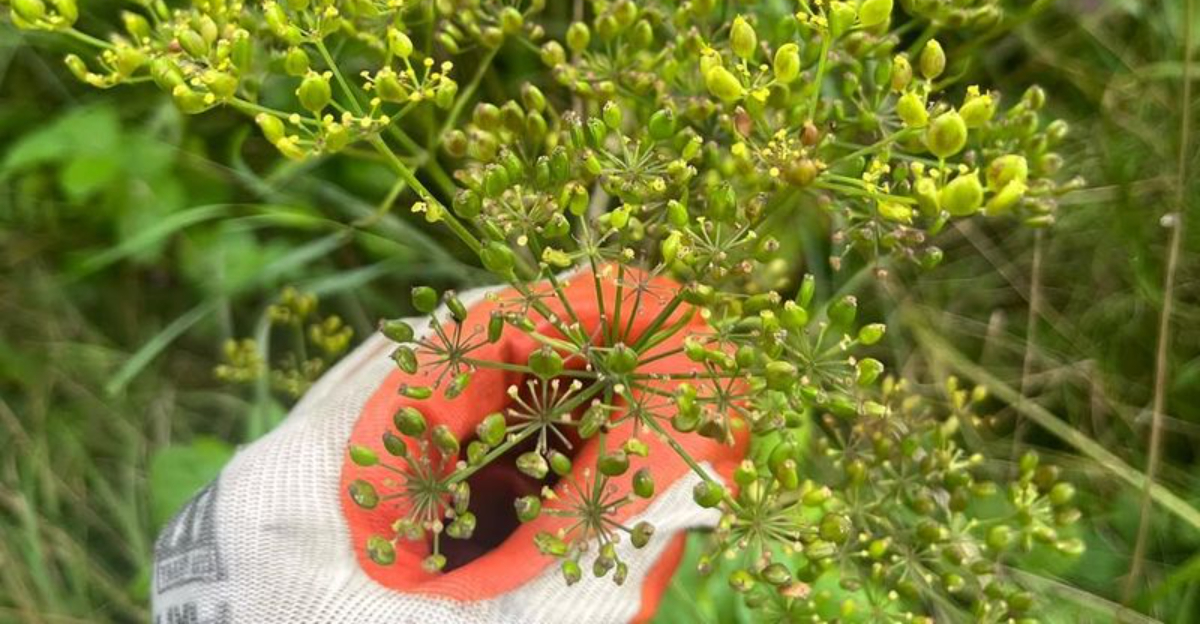
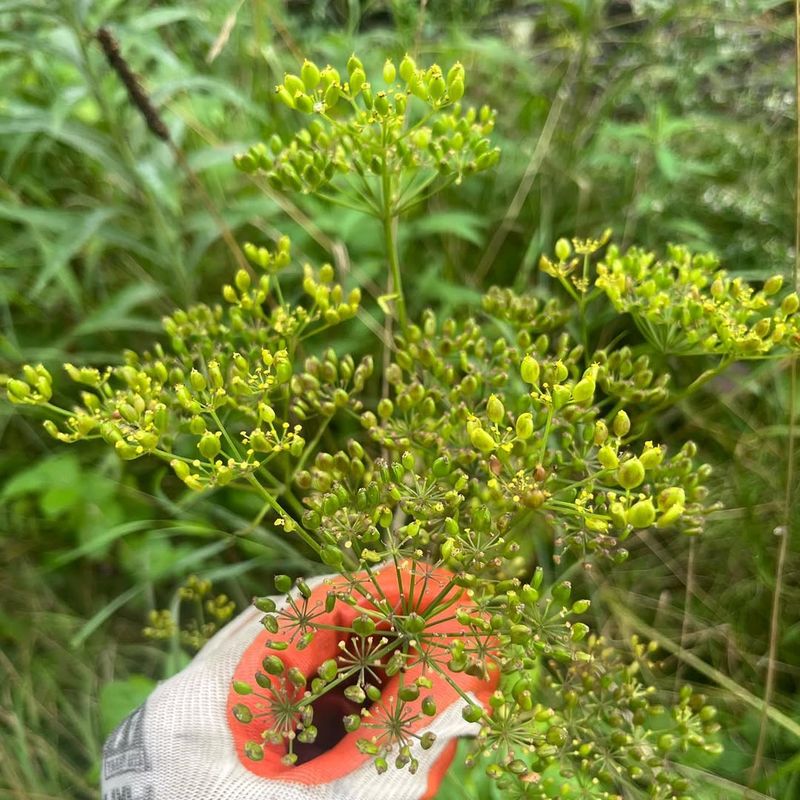
Wild parsnip looks innocent enough with its yellow umbrella-shaped flower clusters sitting atop tall stems, but the clear sap contains chemicals called furanocoumarins that create a unique hazard.
The danger doesn’t come from simple contact but from a combination of sap exposure and sunlight.
When wild parsnip sap touches your skin and that area gets exposed to ultraviolet light, a chemical reaction occurs that causes phytophotodermatitis. This tongue-twisting condition results in painful burns, blisters, and dark discoloration that can last for months.
The reaction often doesn’t appear immediately, developing hours or even days after exposure, which makes identifying the cause tricky.
The plant grows three to five feet tall with compound leaves that resemble large celery leaves. Flowers bloom in flat-topped clusters during late spring and summer, creating bright yellow displays along highways and field edges.
The plant spreads aggressively, and Ohio has seen increasing populations in recent years. Removing wild parsnip requires careful planning and proper protection. Wear long sleeves, long pants, gloves, and consider eye protection when cutting or pulling these plants.
Work during cloudy days or late evening when UV exposure is minimal, and immediately wash any exposed skin thoroughly with soap and water. Keep the washed areas covered and away from sunlight for at least forty-eight hours.
4. Giant Hogweed (Heracleum Mantegazzianum)
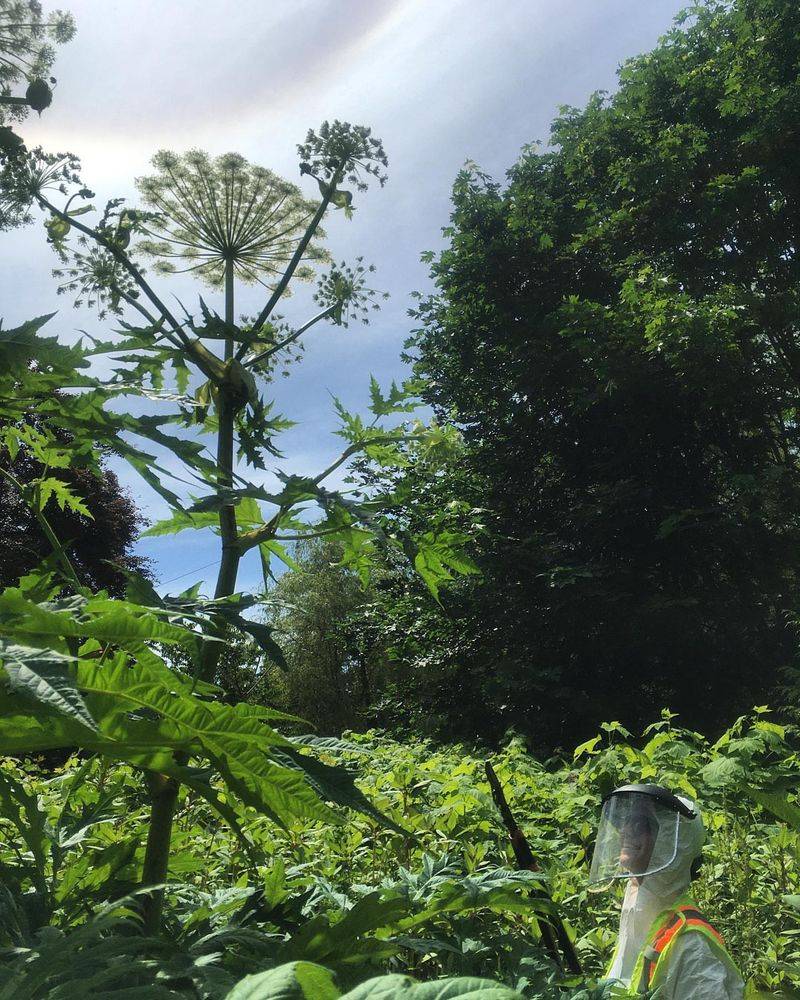
Imagine a plant so large it looks like something from a prehistoric era, with leaves spanning several feet across and flower clusters the size of beach balls.
Giant hogweed has been confirmed in several Ohio counties, and authorities take sightings seriously because of the severe reactions this invasive species can cause.
The plant can tower twelve to fifteen feet high, making it hard to miss once you know what you’re looking for.
The massive white flower clusters bloom in umbrella shapes similar to wild parsnip but much larger, appearing from late spring through midsummer.
Thick, hollow stems covered in purple blotches and coarse white hairs support the enormous leaves, which are deeply lobed and jagged-edged. The sheer size distinguishes giant hogweed from most native plants.
Like wild parsnip, giant hogweed sap contains furanocoumarins that react with sunlight to cause severe burns and blistering. Reactions can be more intense than wild parsnip because of higher chemical concentrations.
Scars and sensitivity to sunlight can persist for years after exposure, and accidental contact with eyes can cause temporary or permanent vision problems.
Never attempt to remove giant hogweed yourself. Ohio residents who spot this plant should photograph it from a safe distance and report the location to their county extension office or the Ohio Department of Agriculture.
Professionals with specialized equipment and training handle removal to prevent spread and protect public safety. Teaching children to recognize and avoid this plant protects them during outdoor play and exploration.
5. Stinging Nettle (Urtica Dioica)
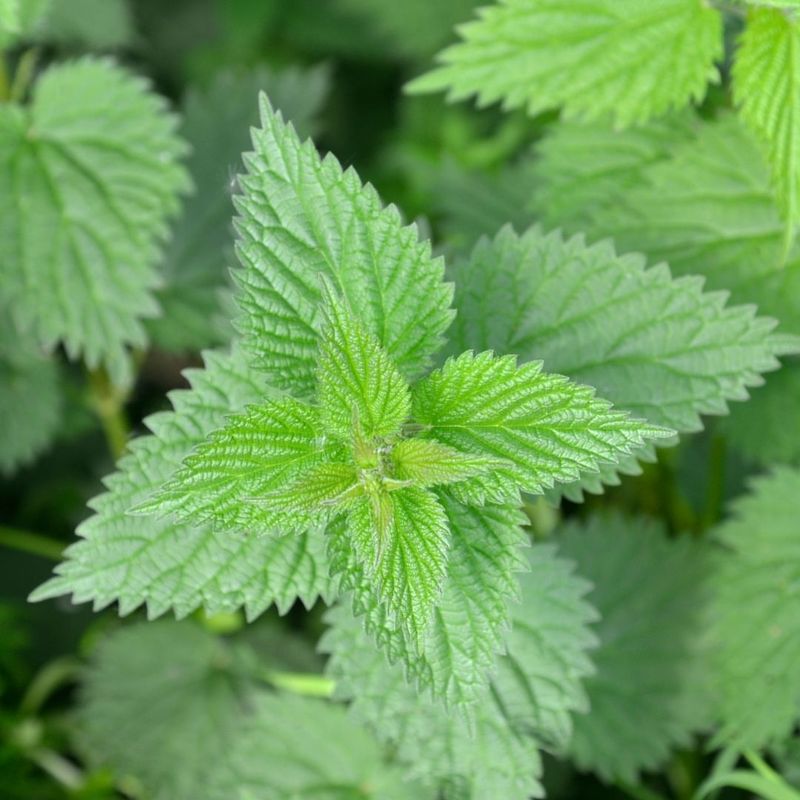
One brush against this plant delivers an instant reminder that nature has creative defense mechanisms. Stinging nettle grows abundantly in Ohio’s disturbed soils, along stream banks, in woodland clearings, and even in neglected corners of suburban yards.
The reaction happens immediately upon contact, unlike the delayed responses from poison ivy or wild parsnip, so you’ll know right away when you’ve encountered this prickly plant.
Tiny hollow hairs cover the leaves and stems, acting like miniature hypodermic needles that inject a cocktail of chemicals including histamine, acetylcholine, and formic acid into your skin.
The sensation starts as a sharp sting followed by burning, itching, and raised welts that typically fade within a few hours.
Most reactions are uncomfortable but not dangerous, though sensitive individuals might experience more intense symptoms.
The plant grows two to four feet tall with opposite leaves that have serrated edges and a heart-shaped base. Small greenish flowers hang in clusters from the upper leaf axils during summer months.
Despite its aggressive defenses, stinging nettle has been used for centuries as food and medicine when properly prepared.
Handling stinging nettle safely requires thick gloves and long sleeves. Interestingly, grasping the plant firmly and quickly can sometimes prevent stinging because the hairs get crushed before they can inject their chemicals.
If you do get stung, washing the area and applying a paste of baking soda and water can help relieve discomfort.
6. Spurge (Euphorbia Species)
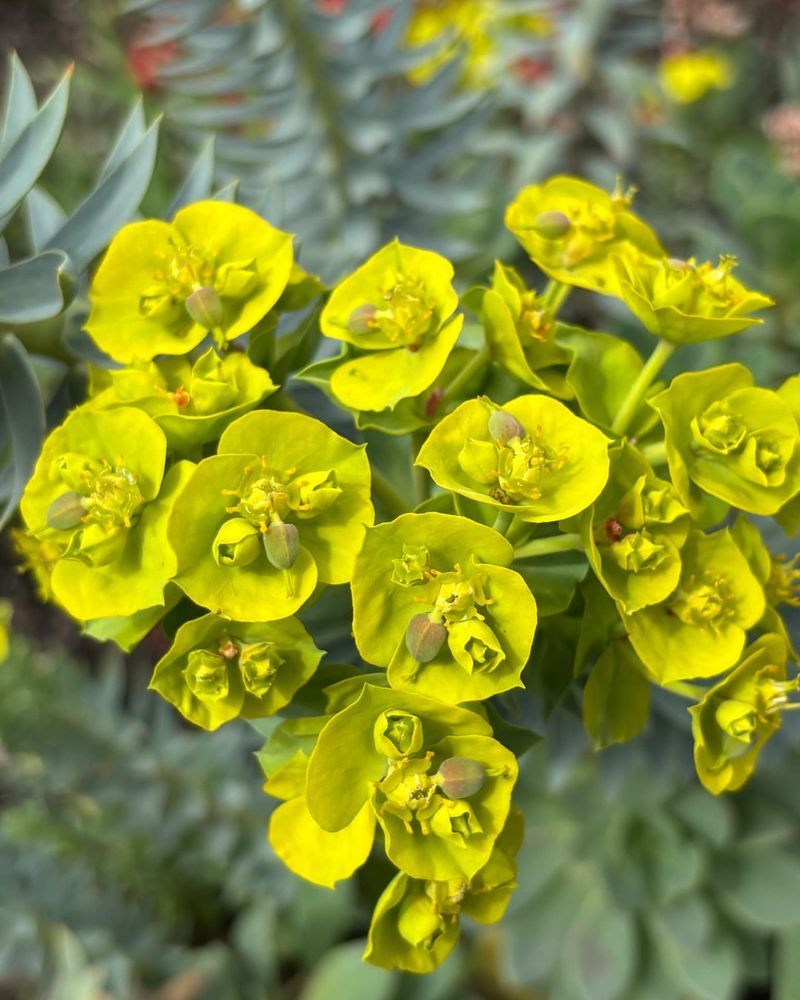
Many Ohio gardeners cultivate spurge varieties for their attractive foliage and low-maintenance growing habits without realizing these plants produce an irritating sap.
Ornamental spurges like cushion spurge, cypress spurge, and flowering spurge add texture and color to landscape designs, while some species grow as common weeds in lawns and garden beds.
The entire Euphorbia family shares one distinctive characteristic that signals potential trouble.
Breaking or cutting any part of a spurge plant releases a milky white latex sap that can irritate skin and eyes. The sap contains compounds that cause redness, burning sensations, and sometimes blistering in sensitive individuals.
Contact with eyes is particularly concerning because the sap can cause temporary vision problems and significant discomfort that requires medical attention.
Spurge plants vary widely in appearance depending on the species, but most have simple leaves arranged alternately or in whorls along the stems. Flowers are typically small and surrounded by colorful bracts that provide the ornamental appeal.
The milky sap is the consistent identifying feature across all spurge varieties. Gardeners working with spurge should wear gloves when pruning, dividing, or removing these plants. Keep hands away from your face until you’ve washed thoroughly with soap and water.
If sap contacts your eyes, rinse immediately with clean water for several minutes and seek medical advice if irritation persists. Teaching children not to break stems or pick flowers from spurge plants prevents accidental exposure during backyard play.
7. Daffodil (Narcissus Species)
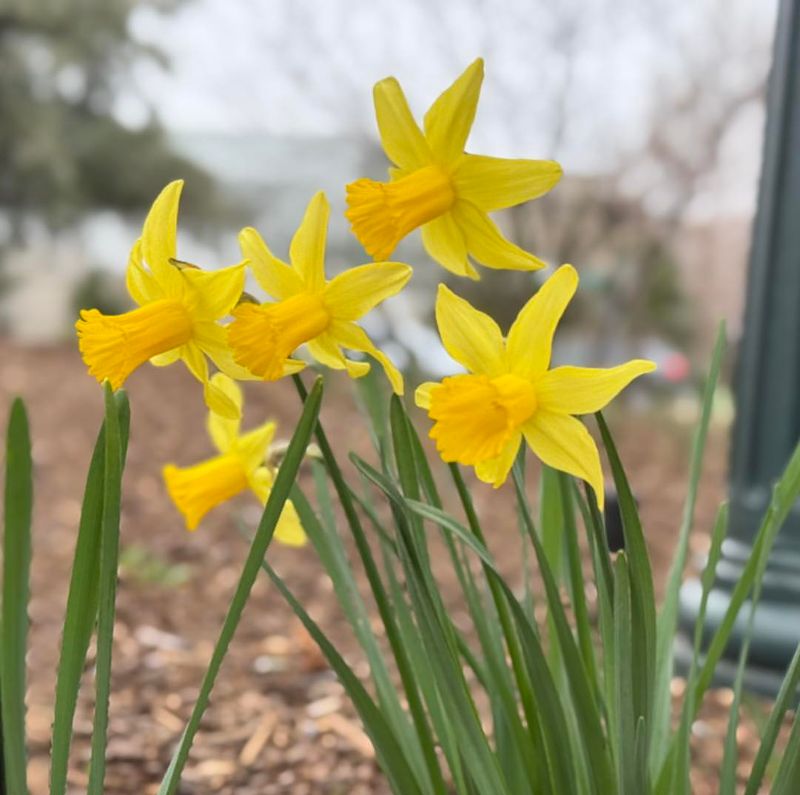
Cheerful yellow and white daffodils signal spring’s arrival across Ohio landscapes, bringing smiles after long winter months.
These beloved bulbs naturalize easily, returning year after year with minimal care, which explains their popularity in home gardens, parks, and public plantings.
However, the same compounds that protect daffodils from hungry deer and rodents can cause problems for gardeners who handle bulbs and stems without proper precautions.
All parts of daffodil plants contain calcium oxalate crystals and alkaloids that irritate skin. The highest concentrations exist in the bulbs, which gardeners handle during fall planting and spring division.
Sap from broken stems and leaves can also trigger reactions, especially in people with sensitive skin or those who handle large quantities of cut flowers.
Symptoms typically include redness, itching, and a prickly or burning sensation where sap contacts skin. Some people develop a condition called “daffodil itch” from repeated exposure, experiencing more severe reactions over time.
The sap can also cause contact dermatitis that results in small blisters and peeling skin. Wearing gardening gloves when planting bulbs or cutting flowers provides simple protection against irritation.
If you’ve been handling daffodils and notice skin discomfort, wash the affected areas with soap and cool water.
People who regularly work with large numbers of daffodils, such as florists or commercial growers, should consider using protective cream barriers on their hands. Despite these concerns, daffodils remain safe garden additions when handled with basic awareness and care.
8. Virginia Creeper (Parthenocissus Quinquefolia)
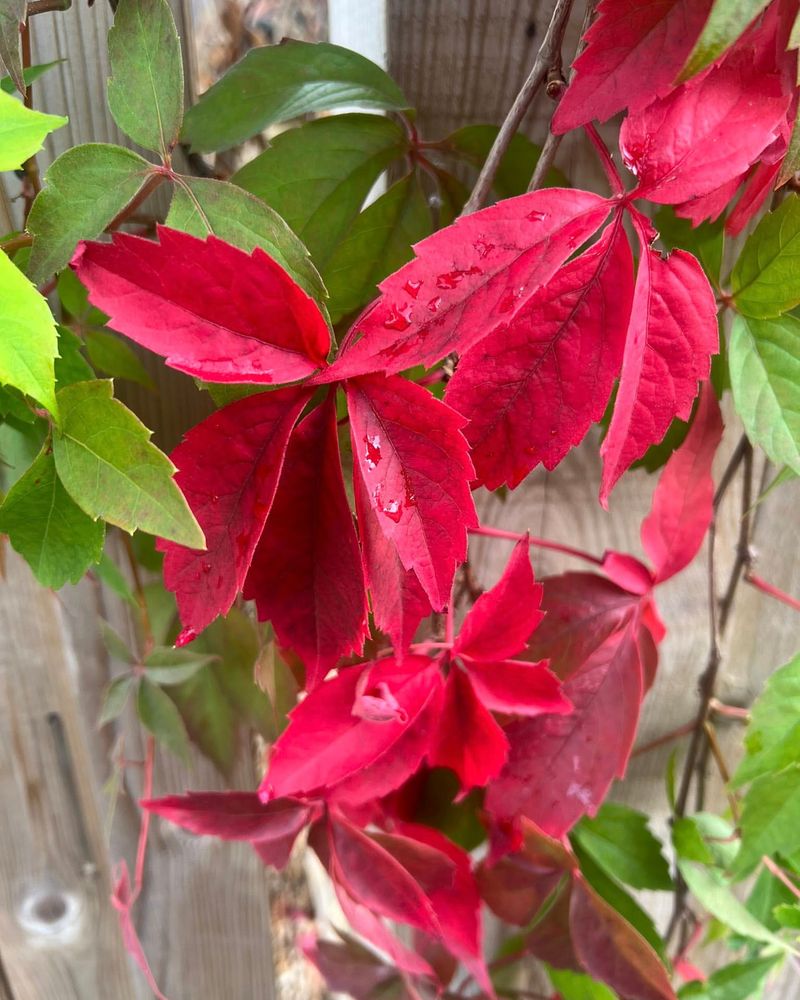
Brilliant red fall color makes Virginia creeper a favorite among Ohio gardeners who appreciate native vines for covering fences, walls, and arbors.
This vigorous climber attaches to surfaces using small adhesive pads, creating dramatic vertical displays that provide habitat for birds and beneficial insects.
The plant grows enthusiastically throughout Ohio, sometimes a bit too enthusiastically for gardeners trying to keep it within bounds, which means regular pruning becomes necessary.
Most people can handle Virginia creeper without problems, but some individuals experience skin irritation from contact with the sap or from tiny needle-like calcium oxalate crystals called raphides present in plant tissues.
Reactions tend to be mild compared to poison ivy, typically involving redness, itching, or a slight rash. The vine is sometimes confused with poison ivy, though Virginia creeper has five leaflets per leaf stem rather than three.
Each compound leaf displays five toothed leaflets arranged like fingers spreading from your palm. Small greenish flowers bloom in early summer, followed by dark blue berries that birds relish in fall.
The foliage transforms into spectacular shades of crimson and burgundy as temperatures cool, creating stunning autumn displays.
Pruning Virginia creeper while wearing gloves and long sleeves prevents most reactions. Some people find that washing exposed skin promptly after working with the vine eliminates any minor irritation.
If you notice consistent reactions when handling this plant, consider using pruning tools with long handles to minimize direct contact, or assign pruning tasks to family members who don’t experience sensitivity.