10 Common Garden Plants That Are Illegal Or Could Be Banned In Oregon
Oregon’s lush climate makes it a paradise for gardeners—and a battleground for invasive plants.
Some familiar favorites that thrive effortlessly in backyards have caused serious damage to forests, waterways, and native ecosystems across the state.
As a result, certain plants are already illegal to grow, while others sit on watch lists facing possible bans.
What looks harmless in a garden bed can spread far beyond the fence line, triggering fines, removal orders, or future restrictions.
From aggressive ground covers to fast-spreading ornamentals, these common plants come with hidden risks every Oregon gardener should take seriously.
1. Scotch Broom
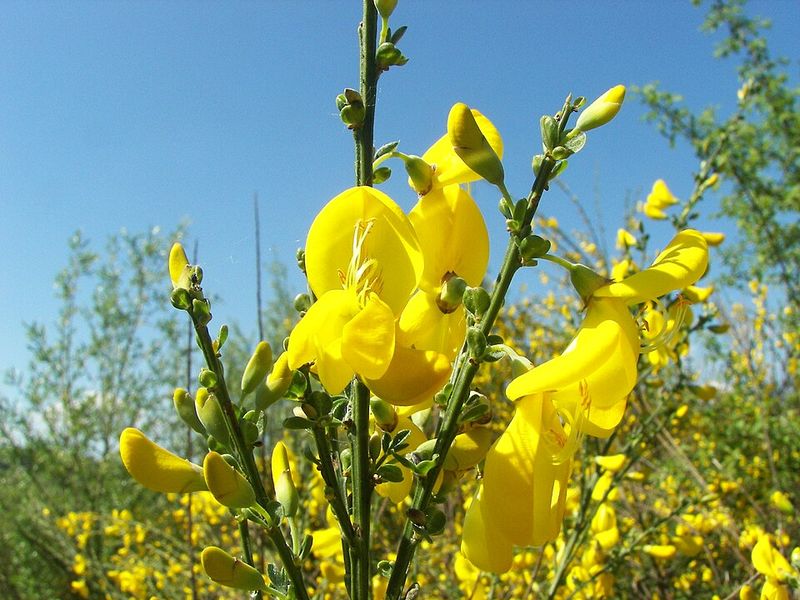
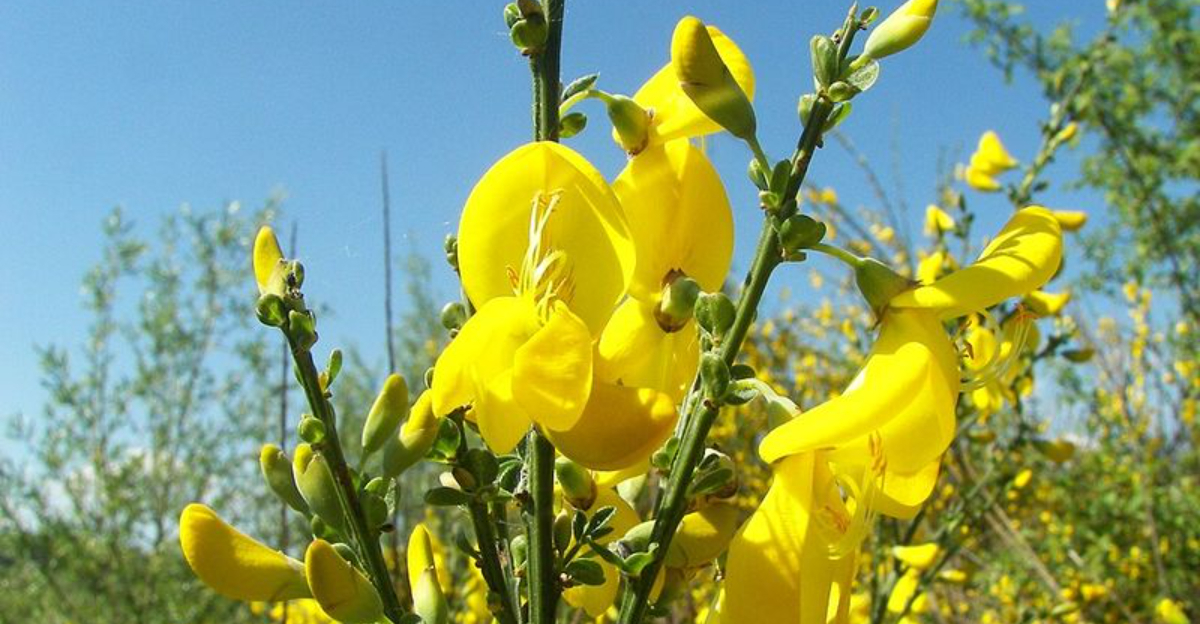
Bright yellow flowers might look cheerful in spring, but Scotch Broom causes major problems for Oregon’s forests, grasslands, and natural areas throughout the state.
This shrubby plant spreads incredibly fast, forming dense thickets that crowd out native plants and create fire hazards during dry summer months in Oregon.
Seeds remain viable in soil for decades, making removal extremely difficult once this invasive species establishes itself in any particular location or area.
Oregon law prohibits planting, selling, or transporting Scotch Broom because it damages ecosystems and costs millions in control efforts annually across the state.
Landowners must remove existing plants to prevent further spread, though complete eradication requires years of persistent effort and careful monitoring throughout affected properties.
Native alternatives like Ocean Spray or Red-flowering Currant provide similar beauty without the invasive tendencies that make Scotch Broom so problematic for Oregon.
Recognizing this plant’s bright blooms and green stems helps gardeners avoid accidentally introducing it or allowing it to spread from neighboring properties into theirs.
Oregon’s climate provides perfect growing conditions for Scotch Broom, which is why state regulations take such a strict approach to controlling its distribution.
2. Giant Hogweed
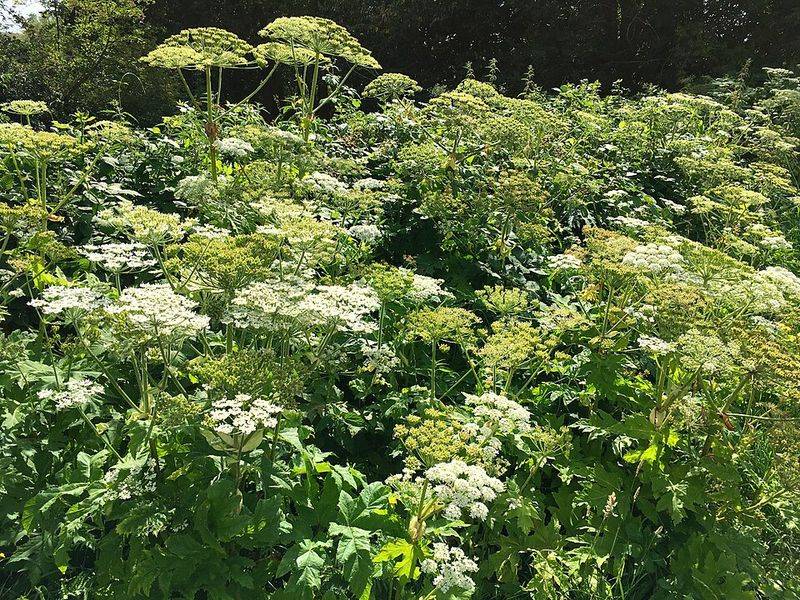
Towering up to fifteen feet tall, Giant Hogweed looks impressive but contains toxic sap that causes severe burns, blisters, and permanent scarring on human skin.
Sunlight activates the dangerous chemicals in the sap, creating painful reactions that can last for months and leave dark scars for years afterward.
Children often mistake this plant for a harmless giant, but touching stems, leaves, or flowers can send people to hospitals with serious chemical burns.
Oregon strictly bans Giant Hogweed because of these health dangers, plus its ability to spread rapidly along streams, roads, and disturbed areas statewide.
Identifying this menace involves looking for massive leaves, thick stems with purple blotches, and huge white flower clusters resembling giant Queen Anne’s Lace blooms.
Never attempt removal without professional help, proper protective clothing, and equipment since even small amounts of sap cause excruciating pain and lasting damage to skin.
Reporting sightings to Oregon authorities helps track and eliminate populations before they spread further or injure unsuspecting hikers, children, or gardeners exploring natural areas.
Oregon’s moist climate suits Giant Hogweed perfectly, making early detection and rapid response absolutely critical for protecting public health and preventing further establishment statewide.
3. Kudzu
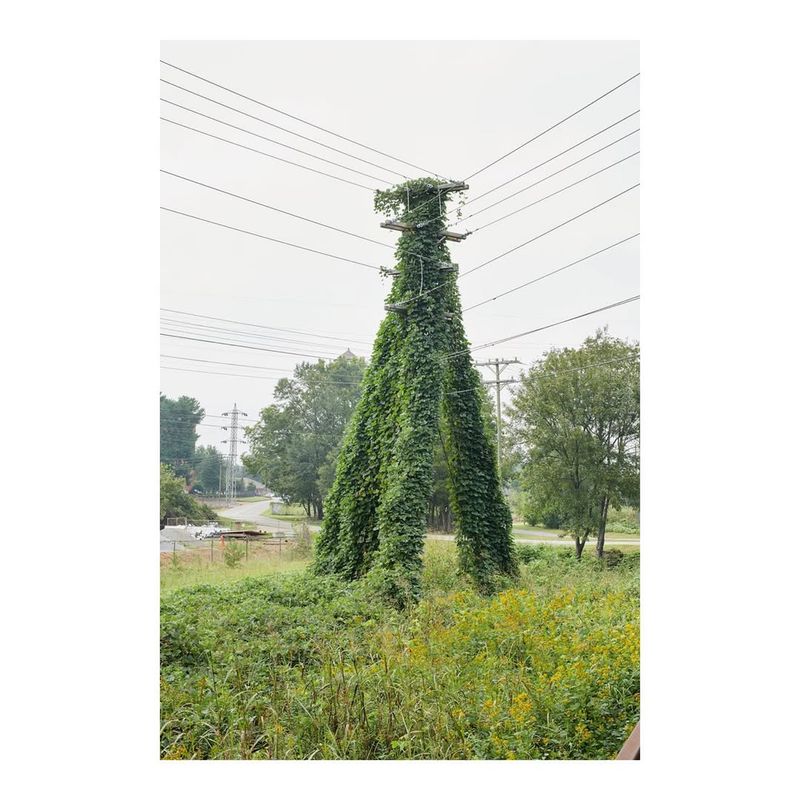
Known as the vine that ate the South, Kudzu grows up to a foot per day during summer, smothering everything in its path relentlessly.
Trees, buildings, power lines, and entire forests disappear under blankets of Kudzu leaves, which block sunlight and essentially suffocate all vegetation beneath their coverage.
Oregon hasn’t experienced widespread Kudzu invasion yet, but officials ban it preemptively because climate change makes establishment increasingly possible in coming decades ahead.
This aggressive vine produces fragrant purple flowers that seem innocent, but its rapid growth rate and extensive root system make eradication nearly impossible once established.
Southern states spend millions fighting Kudzu each year, providing Oregon with clear warnings about why prevention is far better than attempting control later on.
Gardeners sometimes purchase Kudzu for quick privacy screens or erosion control, not realizing they’re introducing a potential ecological disaster to their properties and communities.
Oregon law prohibits importing, selling, or planting Kudzu anywhere within state boundaries, with strict penalties for violations to protect natural areas from future infestations.
Vigilance at borders and education about Kudzu’s dangers help keep Oregon free from this notorious invader that has devastated ecosystems throughout southeastern United States.
4. Yellow Flag Iris
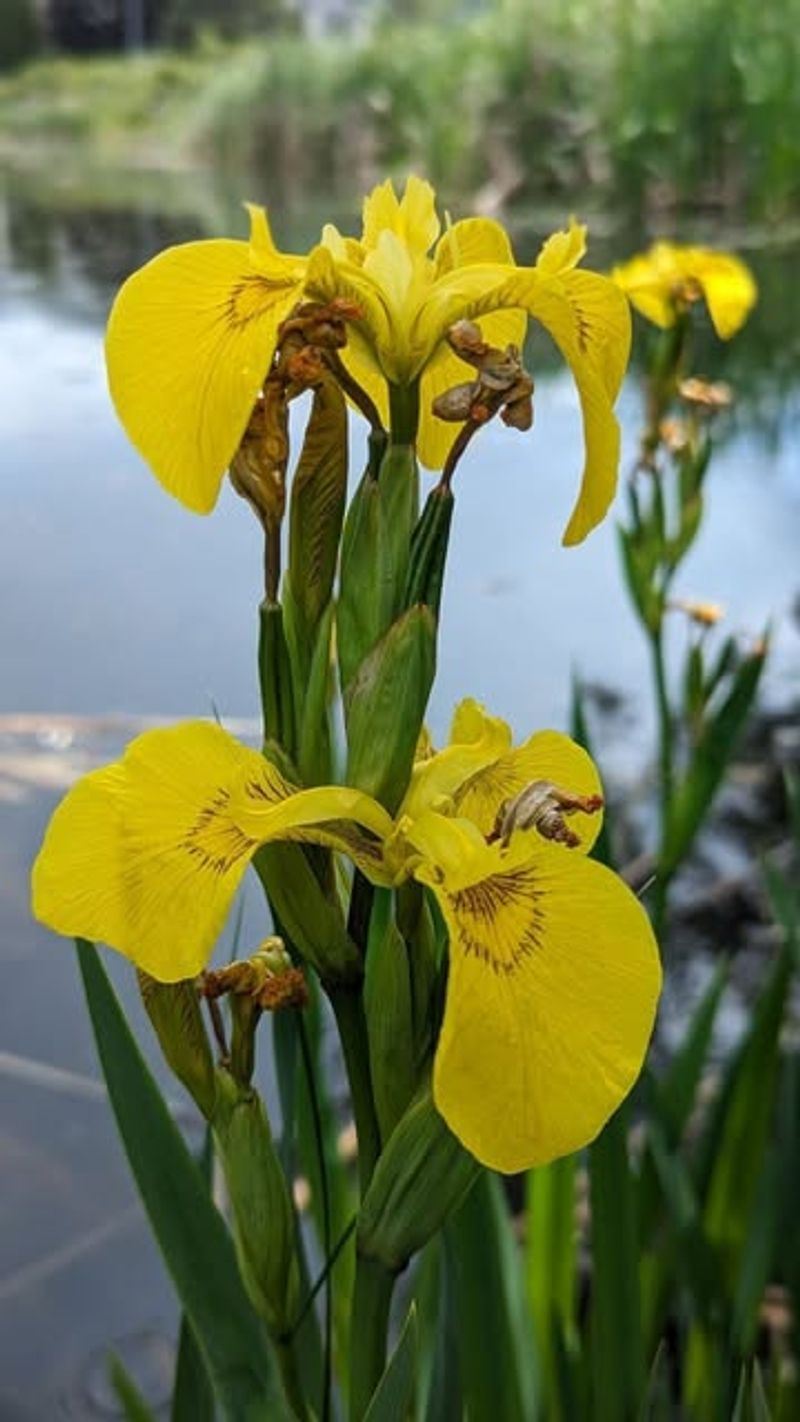
Gorgeous golden blooms attract gardeners to Yellow Flag Iris, but this pretty plant destroys wetlands, clogs waterways, and outcompetes native species throughout Oregon’s aquatic ecosystems.
Rhizomes spread aggressively underwater, forming dense mats that alter water flow, increase flooding risks, and eliminate habitat for fish, amphibians, and waterfowl populations.
Oregon designates Yellow Flag Iris as a noxious weed because it degrades water quality, reduces biodiversity, and costs landowners thousands in removal efforts annually.
Many gardeners inherit this plant from previous owners or receive divisions from neighbors, unaware they’re spreading an illegal invasive species across their properties.
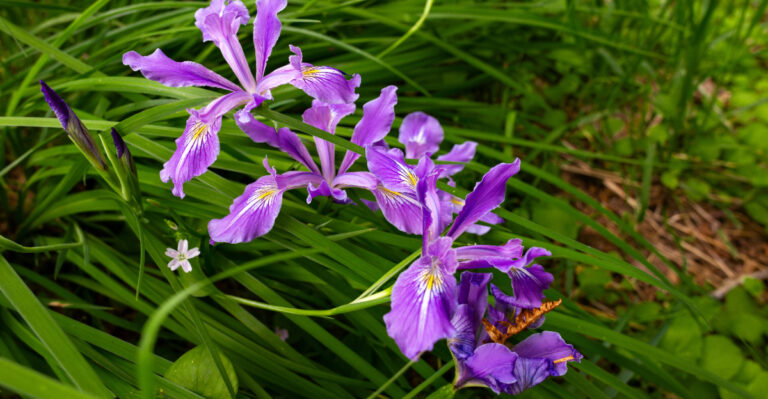
Native alternatives like Western Blue Flag Iris or Douglas Iris provide similar beauty without the ecological destruction and legal problems associated with Yellow Flag varieties.
Removing Yellow Flag Iris requires digging out entire root systems, which can extend several feet deep and wide, making complete eradication challenging and time-consuming.
Seeds also spread through water, allowing this invasive iris to colonize new wetlands, ponds, and streams downstream from original planting sites across Oregon watersheds.
Oregon regulations require removal from properties, especially near waterways, to protect critical habitat and prevent further degradation of precious wetland ecosystems statewide and beyond.
5. Purple Loosestrife
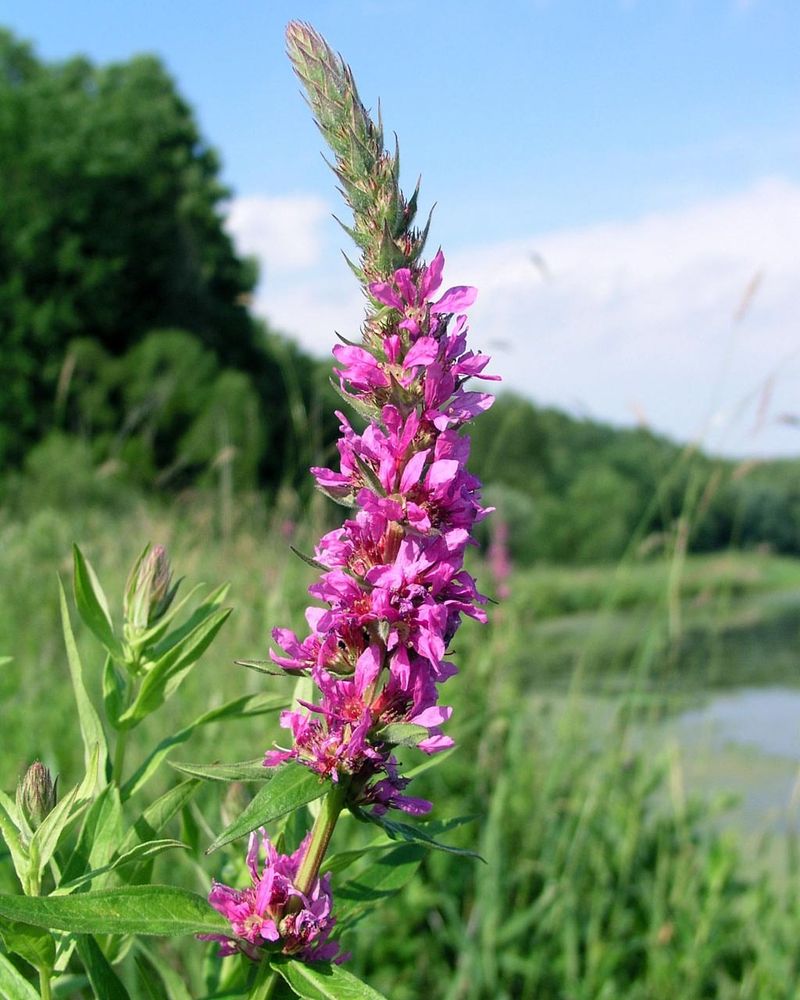
Stunning purple flower spikes make Purple Loosestrife a garden center favorite, but this beautiful perennial wreaks havoc on Oregon’s wetlands, marshes, and riparian zones.
Each plant produces millions of tiny seeds annually, spreading rapidly through wind, water, animals, and human activity to colonize new wetland areas across entire regions.
Dense stands of Purple Loosestrife crowd out cattails, sedges, and other native wetland plants that provide food and shelter for wildlife throughout Oregon’s diverse ecosystems.
Waterfowl, fish, and amphibians suffer when this invader takes over, as it offers little nutritional value and poor habitat compared to native wetland vegetation.
Oregon law bans selling, planting, or transporting Purple Loosestrife because of its devastating impacts on wetland health, water quality, and wildlife populations statewide.
Gardeners seeking similar beauty should choose native alternatives like Fireweed, which provides gorgeous purple blooms without threatening delicate wetland ecosystems throughout the Pacific Northwest region.
Early detection and removal prevent small infestations from becoming major problems that require years of expensive control efforts and extensive restoration work to repair damage.
Oregon’s abundant wetlands make the state particularly vulnerable to Purple Loosestrife invasion, which is why regulations take such a firm stance against this deceptively attractive plant.
6. English Ivy
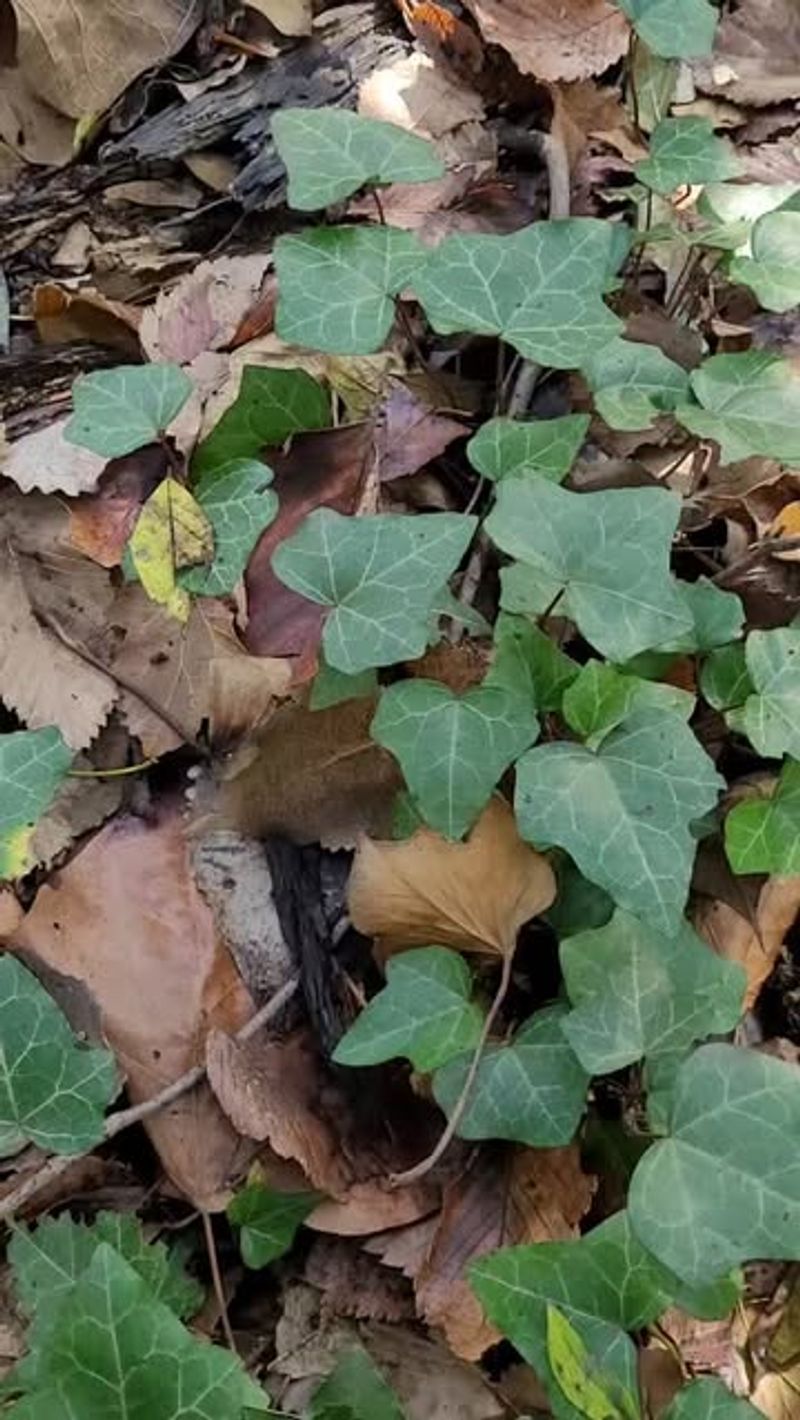
Classic groundcover for shady spots, English Ivy seems harmless until it climbs trees, smothers native plants, and creates dense mats that nothing else penetrates successfully.
Climbing vines add weight to trees, making them more susceptible to wind damage, storm breakage, and eventual decline from blocked sunlight reaching their leaves.
Oregon doesn’t completely ban English Ivy yet, but officials consider stricter regulations because it invades forests, parks, and natural areas at alarming rates statewide.
Seeds spread through birds eating berries, allowing English Ivy to colonize areas far from original plantings and establish in pristine natural habitats throughout Oregon.
Removing established ivy requires cutting vines at ground level, carefully pulling them from trees, and digging out roots to prevent regrowth from remaining fragments.
Native alternatives like Inside-out Flower or Wild Ginger provide excellent groundcover without the invasive tendencies that make English Ivy problematic for Oregon’s forest ecosystems.
Many older homes feature English Ivy plantings from decades past, but responsible gardeners now remove it to protect trees and prevent spread to neighboring properties.
Oregon’s mild, moist climate creates perfect conditions for English Ivy to thrive and spread, making proactive removal important before potential bans make keeping it illegal.
7. Japanese Knotweed
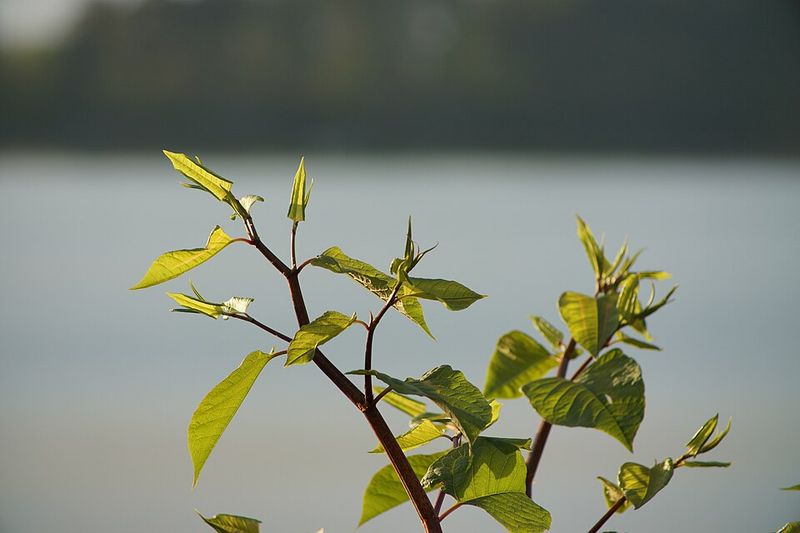
Bamboo-like stems and heart-shaped leaves make Japanese Knotweed look exotic, but this aggressive invader damages foundations, breaks through pavement, and destroys property values rapidly.
Roots extend twenty feet deep and spread over sixty feet wide, making removal extraordinarily difficult and expensive, often costing thousands of dollars per property.
Tiny root fragments regenerate into new plants, so improper removal actually spreads infestations rather than controlling them, creating worse problems for surrounding properties and areas.
Oregon lists Japanese Knotweed as a noxious weed requiring mandatory control because it destabilizes stream banks, increases erosion, and eliminates native vegetation along waterways.
Property sales can fall through when Japanese Knotweed is discovered, as mortgage companies refuse loans until complete professional eradication is documented and guaranteed successfully.
This invasive plant forms dense thickets that block access to streams, eliminate wildlife habitat, and reduce property usability for recreation or development purposes entirely.
Professional removal involves years of treatment with specialized techniques, including stem injection, root barrier installation, and persistent monitoring to ensure complete eradication from affected sites.
Oregon gardeners must report Japanese Knotweed sightings and work with authorities to eliminate populations before they spread further and cause additional environmental and economic damage statewide.
8. Giant Reed (Arundo)
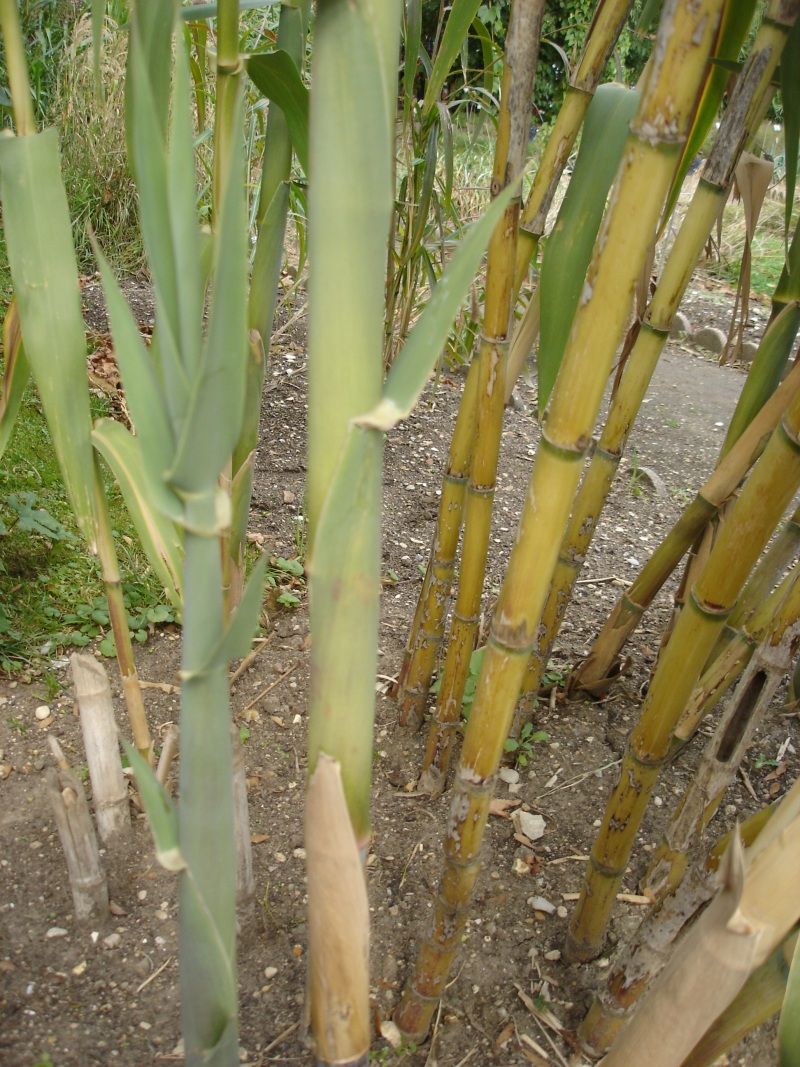
Towering canes reaching twenty feet tall might seem dramatic for landscaping, but Giant Reed creates serious fire hazards and destroys riparian habitats throughout Oregon’s watersheds.
Dense stands along streams and rivers increase flood risks by blocking water flow, trapping debris, and causing erosion when seasonal floods wash away destabilized banks.
Oregon bans Giant Reed because it consumes enormous amounts of water, outcompetes native willows and cottonwoods, and eliminates critical habitat for salmon and other wildlife.
Rhizomes spread rapidly underground, forming impenetrable thickets that prevent access to waterways and create perfect hiding spots for invasive species like nutria and bullfrogs.
Dry canes become extremely flammable in summer, creating dangerous fuel loads that increase wildfire intensity and spread, threatening homes and natural areas near infestations.
Removal requires heavy equipment, herbicide treatment, and years of follow-up to eliminate regrowth from rhizome fragments remaining in soil after initial clearing operations.
Native alternatives like Red-osier Dogwood or Pacific Willow provide streamside beauty and wildlife habitat without the invasive characteristics that make Giant Reed so problematic.
Oregon’s regulations require landowners to remove Giant Reed from properties, especially near waterways, to protect water resources, reduce fire risks, and restore native plant communities.
9. Butterfly Bush
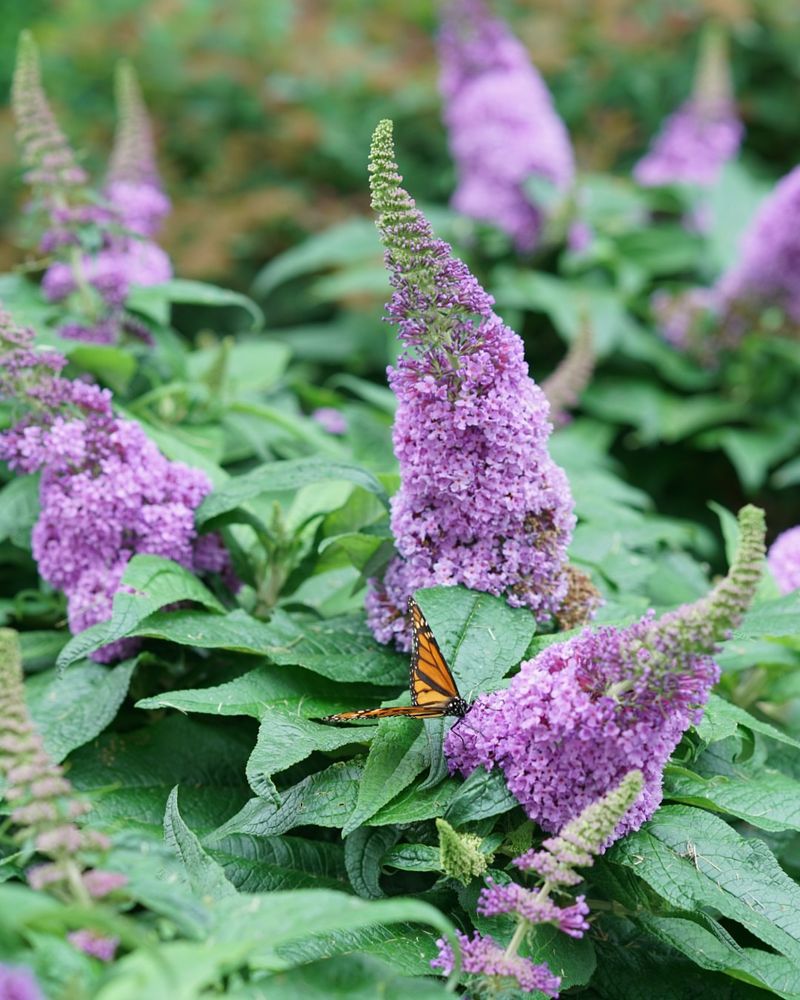
Fragrant purple blooms covered with butterflies make Butterfly Bush seem perfect for wildlife gardens, but it actually provides poor nutrition and spreads aggressively in Oregon.
Seeds disperse widely through wind and water, allowing Butterfly Bush to escape gardens and colonize riverbanks, roadsides, and disturbed areas throughout the state.
Oregon hasn’t banned Butterfly Bush completely yet, but officials consider restrictions because it invades natural areas and outcompetes native plants that provide better wildlife support.
Adult butterflies visit flowers for nectar, but caterpillars can’t eat the leaves, meaning Butterfly Bush doesn’t support complete butterfly lifecycles like native plants do.
Native alternatives like Mock Orange, Ocean Spray, or Ceanothus provide superior habitat for butterflies, bees, and other pollinators throughout their entire life stages and seasons.
Sterile cultivars exist that don’t produce viable seeds, offering compromise for gardeners who love Butterfly Bush but want to avoid contributing to invasive spread problems.
Removing seed heads before they mature prevents spread from existing plants, though this requires diligent attention throughout the long blooming season each summer and fall.
Oregon gardeners should choose native plants instead of Butterfly Bush to create truly beneficial wildlife habitat that supports local ecosystems rather than potentially harming them long-term.
10. Periwinkle (Vinca)
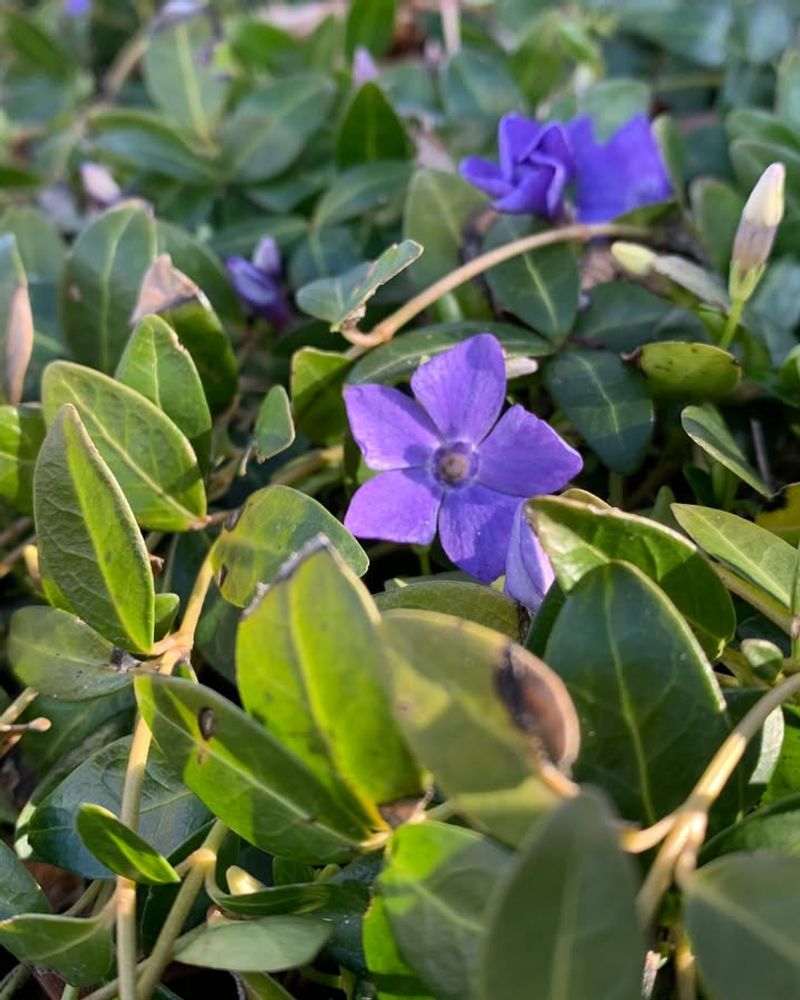
Charming blue flowers and easy-care nature make Periwinkle a popular groundcover, but this seemingly innocent plant invades forests and eliminates native wildflowers throughout Oregon.
Trailing stems root wherever they touch soil, creating dense mats that smother spring wildflowers, native ferns, and tree seedlings beneath impenetrable layers of vegetation.
Oregon hasn’t officially banned Periwinkle yet, but land managers recognize it as a serious threat to forest understory diversity and native plant communities statewide.
Seeds and stem fragments spread through yard waste dumping, allowing Periwinkle to colonize natural areas far from original plantings and establish in pristine habitats.
Removing Periwinkle requires pulling entire plants including roots, which can take years of persistent effort to eliminate from established infestations covering large areas.
Native groundcovers like Wild Ginger, Inside-out Flower, or Western Sword Fern provide beautiful alternatives without the invasive tendencies that make Periwinkle problematic for Oregon.
Many gardeners inherit Periwinkle from previous owners or receive starts from neighbors, unaware they’re planting a species that threatens forest health and biodiversity.
Oregon’s forest ecosystems face increasing pressure from invasive plants, making responsible gardening choices like avoiding Periwinkle crucial for protecting natural areas for future generations to enjoy.