10 Common Gardening Habits In California That Are Doing More Harm Than Good
California gardens are thriving and diverse—but even experienced gardeners sometimes unknowingly sabotage their own efforts.
Certain habits, though seemingly harmless, can stress plants, deplete soil, or invite pests and disease.
Awareness is key to keeping your garden healthy, productive, and beautiful.
Some of the things you’re doing every week could actually be hurting your plants!
From overwatering drought-tolerant plants to pruning at the wrong time, applying the wrong fertilizers, or crowding plantings too closely, these ten habits are more common than you think.
They may stem from tradition, convenience, or misinformation, but the results are the same: weaker plants, slower growth, and more maintenance headaches.
Sometimes good intentions can backfire in the garden.
California gardeners who recognize and adjust these habits can save time, money, and frustration while improving plant health and landscape longevity.
Small changes lead to stronger roots, bigger blooms, and a more sustainable garden that thrives in the Golden State’s unique climate.
Do it right, and your California garden will flourish like never before.
1. Overwatering Plants That Prefer Dry Soil
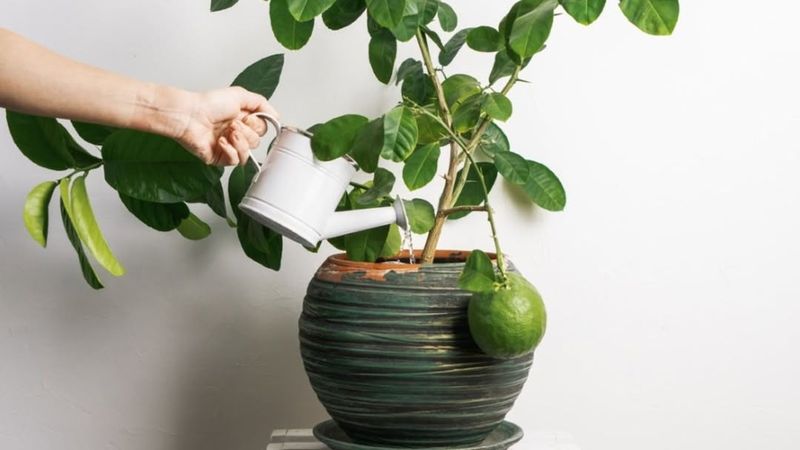
Many California gardeners struggle with the instinct to water frequently, even when their plants desperately need the opposite treatment.
Succulents, lavender, rosemary, and other Mediterranean herbs actually thrive in drier conditions that mimic their native environments.
When you water these plants too often, their roots sit in moisture they simply weren’t designed to handle, leading to root rot and fungal problems that weaken the entire plant.
California’s climate naturally supports many drought-tolerant species that have adapted to survive long, dry summers with minimal rainfall.
These plants develop deep root systems when forced to search for water, making them stronger and more resilient over time.
However, when you water them frequently with shallow applications, they develop weak, surface-level roots that make them dependent on constant attention.
Learning to recognize which plants prefer drier conditions saves water, reduces your workload, and creates healthier gardens overall.
Most succulents need watering only every two to three weeks during growing season, while established lavender and rosemary can often survive on rainfall alone in many California regions.
Check soil moisture several inches down before watering, and remember that underwatering is usually easier to fix than the root damage caused by too much moisture.
2. Using Traditional Lawn Care In A Drought State
Treating California lawns like the lush, water-hungry grass found in wetter states creates an expensive, environmentally damaging cycle that benefits nobody.
Traditional cool-season grasses like Kentucky bluegrass require enormous amounts of water to stay green during California’s hot, dry summers—often consuming 50 gallons or more per square foot annually.
This approach fights against the state’s natural climate patterns instead of working with them, leading to stressed grass, increased pest problems, and water bills that make homeowners cringe.
California’s Mediterranean climate naturally supports different lawn strategies that require far less maintenance and water.
Warm-season grasses like buffalo grass or UC Verde naturally go dormant during cooler months but thrive in summer heat with minimal irrigation.
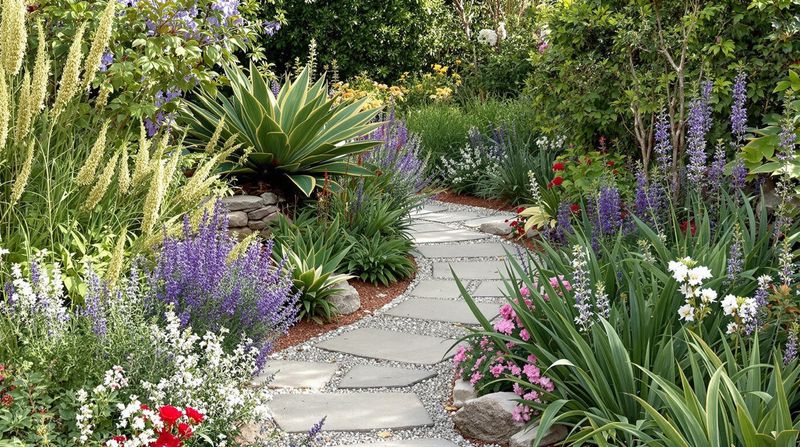
Alternative groundcovers such as clover, dymondia, or even well-managed native meadows provide beautiful, functional landscapes that actually improve with California’s seasonal patterns.
Rethinking your lawn doesn’t mean sacrificing outdoor living space or curb appeal—it means choosing plants adapted to succeed here.
Reducing lawn area by even 25 percent and replacing it with drought-tolerant landscaping can cut water use dramatically while creating more interesting, colorful yards that require less mowing, fertilizing, and overall fussing throughout the year.
3. Planting Without Considering Native And Climate-Adapted Species
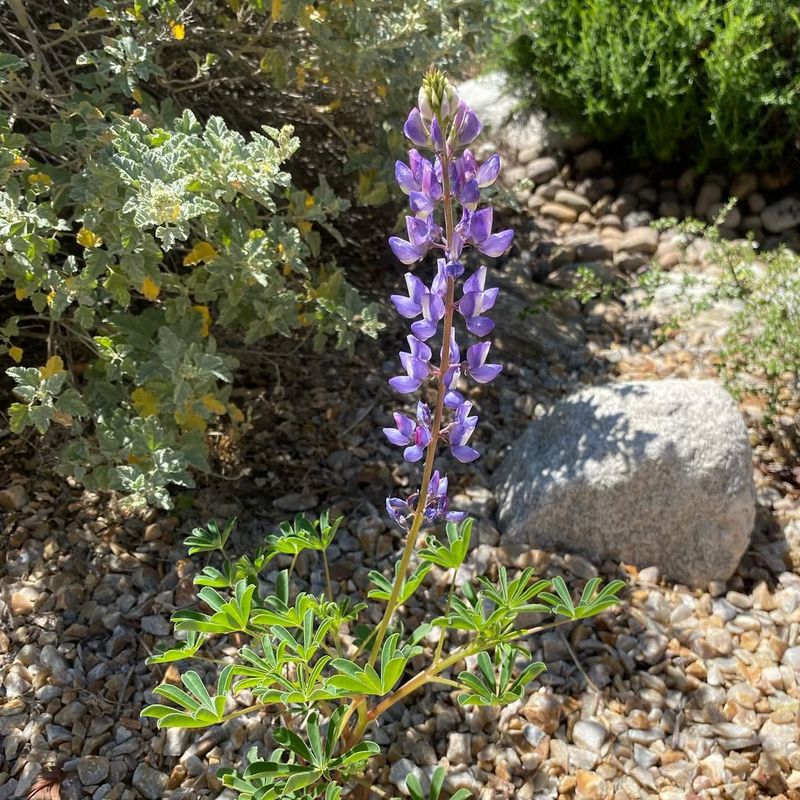
Choosing plants based purely on appearance without considering their water needs and climate requirements sets up California gardens for constant struggle and disappointment.
Non-adapted species often need supplemental watering throughout the year, specialized soil amendments, and extra protection from California’s intense summer sun and occasional winter frosts.
This creates high-maintenance landscapes that never quite look as good as the garden center photos promised, no matter how much effort you invest.
California native plants and climate-adapted species from similar Mediterranean regions have spent thousands of years developing survival strategies perfectly suited to local conditions.
These plants naturally resist local pests, tolerate seasonal drought, and often provide better habitat for beneficial insects, birds, and pollinators than exotic imports.
Once established, many natives require little to no supplemental watering, making them both economically and environmentally superior choices.
Transitioning toward more adapted plantings doesn’t require ripping out your entire garden overnight.
Start by replacing struggling plants with better-suited alternatives, and choose natives or Mediterranean species when adding new areas.
California offers incredible plant diversity across its climate zones—from coastal sages and manzanitas to desert wildflowers and oak woodlands—providing endless options for creating stunning, resilient landscapes that actually want to grow in your specific location.
4. Mulching Incorrectly Around Trees And Shrubs
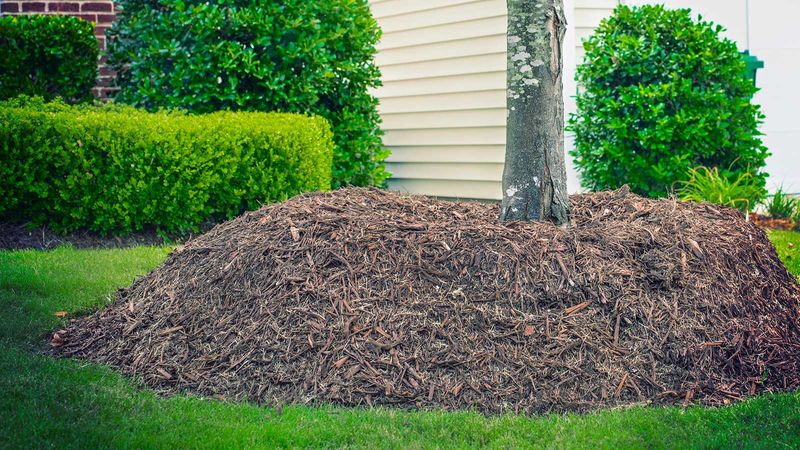
Piling mulch against tree trunks and shrub stems creates a moisture trap that invites rot, fungal diseases, and destructive pests to attack the most vulnerable part of your plants.
This common mistake, sometimes called “volcano mulching” because of the cone-shaped mound it creates, keeps bark constantly damp and provides perfect hiding spots for beetles, termites, and other insects that damage or girdle stems.
The very practice intended to protect plants ends up slowly weakening them from their foundation.
Proper mulching technique requires leaving several inches of space between mulch and plant stems, creating a donut shape rather than a volcano.
Spread mulch in a two-to-four-inch layer extending outward from the trunk, covering the root zone where it actually provides benefits.
This approach conserves soil moisture, moderates temperature, suppresses weeds, and gradually improves soil quality as the mulch breaks down—all without risking stem and trunk damage.
California’s dry climate makes mulch especially valuable for moisture retention, but only when applied correctly.
Organic mulches like wood chips, shredded bark, or compost work best in most situations, breaking down slowly to feed soil organisms and improve structure.
Refresh mulch layers annually as they decompose, always maintaining that critical gap around stems and trunks to prevent moisture-related problems.
5. Fertilizing When Plants Are Dormant
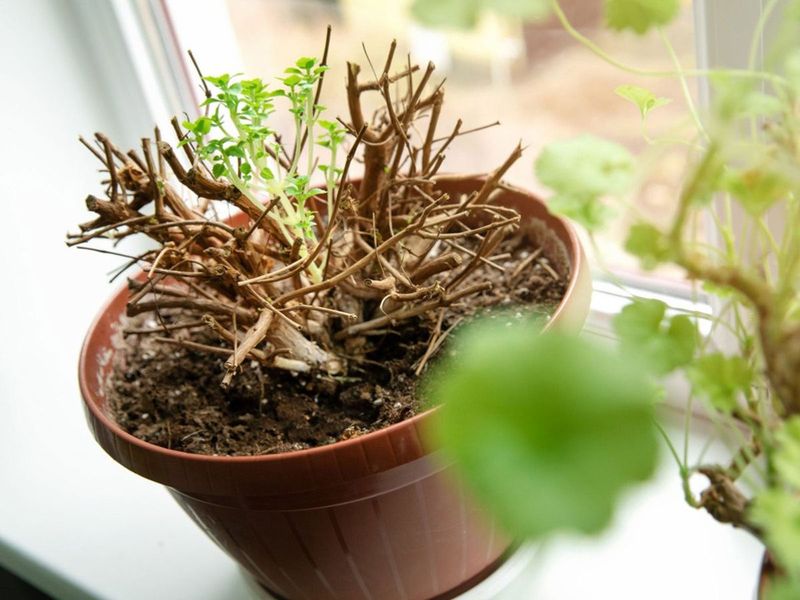
Applying fertilizer during winter dormancy or hot summer slowdowns pushes plants to grow when they naturally want to rest, resulting in weak, spindly growth that’s more susceptible to pest damage and disease.
Plants enter dormancy for good reasons—conserving energy, protecting themselves from temperature extremes, and preparing for their next active growing phase.
Forcing them to grow during these rest periods with unnecessary fertilizer applications stresses them rather than helping them thrive.
Excess fertilizer applied during dormancy doesn’t get absorbed by resting roots, so it washes away with rain or irrigation, polluting waterways and groundwater with nitrogen and phosphorus.
California’s winter rains make this runoff problem especially serious, as nutrients flow directly into storm drains, creeks, and eventually the ocean.
This pollution feeds harmful algae blooms, damages aquatic ecosystems, and wastes money on fertilizer that never benefits your plants anyway.
Timing fertilizer applications to match active growth periods maximizes benefits while minimizing waste and environmental harm.
Most California plants grow actively in spring and fall when temperatures moderate and moisture becomes available.
Light fertilizer applications during these periods support healthy growth, while avoiding fertilizer during hot summers and cool winters respects natural plant rhythms.
Always follow package directions carefully, as more fertilizer definitely doesn’t mean better results.
6. Ignoring Soil Drainage In Clay And Compacted Areas
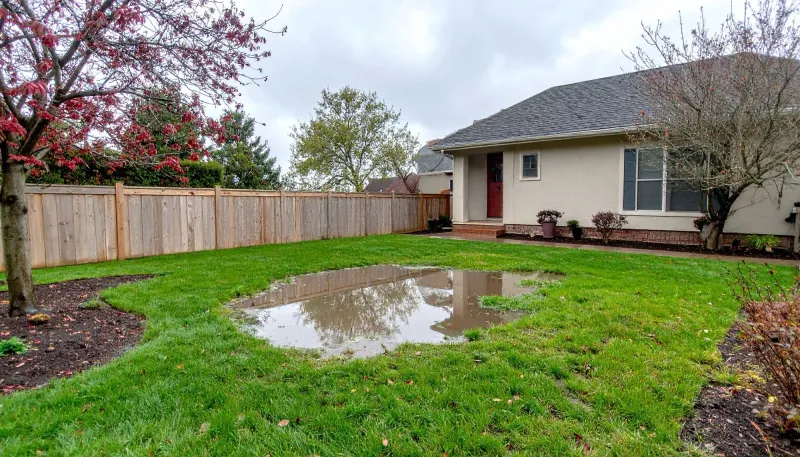
Poor drainage ranks among the top reasons plants fail in California gardens, yet many gardeners never test or improve drainage before planting.
Clay soils, which cover large areas throughout the state, hold water for extended periods after irrigation or rainfall, essentially drowning plant roots that need oxygen to function properly.
Compacted soils from construction or heavy foot traffic create similarly problematic conditions where water pools on the surface instead of penetrating down to root zones.
California’s typical rainfall pattern—long dry periods punctuated by intense winter storms—makes drainage problems especially damaging.
Plants adapted to consistent moisture often struggle when soil stays saturated for weeks after heavy rains, then dries to concrete hardness during summer.
Even drought-tolerant natives can develop root rot when planted in poorly draining clay, as they evolved for well-drained soils that dry quickly between natural rainfall events.
Testing drainage before planting takes only an hour but prevents years of frustration and plant losses.
Dig a hole about twelve inches deep, fill it with water, and observe how quickly it drains—ideally within a few hours.
Improve problem areas by incorporating compost, creating raised beds, installing drainage systems, or choosing plants specifically adapted to heavy soils.
Sometimes simply mounding soil and planting on berms provides enough improvement for success.
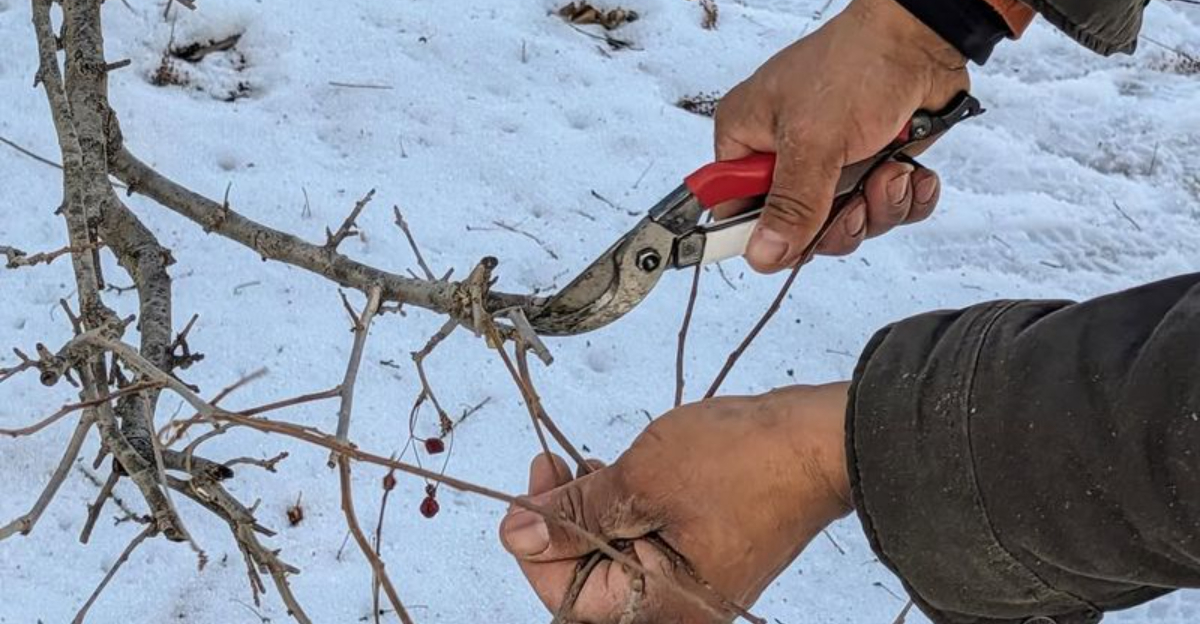
7. Pruning At The Wrong Time Of Year
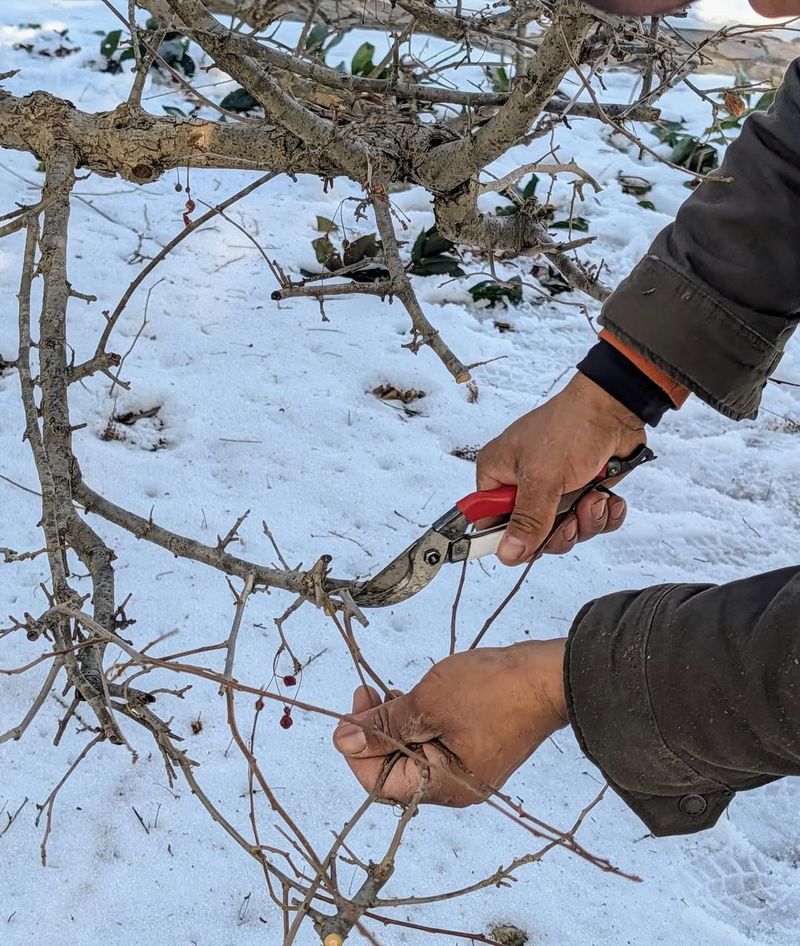
Timing pruning incorrectly can eliminate an entire season’s worth of flowers, leave plants vulnerable to disease, or stimulate new growth right before damaging frosts or heat waves.
Spring-blooming shrubs like lilacs and azaleas set their flower buds the previous summer, so pruning them in winter removes all those developing blooms.
Meanwhile, pruning plants during active growth periods can stress them unnecessarily, while cuts made during wet winter weather invite fungal infections to enter fresh wounds.
Different plant types require different pruning schedules based on their blooming habits and growth patterns.
Summer-blooming plants generally benefit from late winter or early spring pruning before new growth begins, while spring bloomers need pruning immediately after flowering finishes.
Fruit trees have their own specific timing requirements, with stone fruits preferring summer pruning and apples or pears benefiting from dormant-season work.
California’s mild winters mean many plants never fully go dormant, adding another layer of complexity to timing decisions.
Learning proper pruning timing for your specific plants maximizes flowers, fruit, and overall health while minimizing stress and disease risk.
Keep notes about when different plants bloom in your garden, and research their pruning needs individually rather than trying to prune everything on the same schedule.
Clean, sharp tools and proper cutting techniques matter as much as timing for preventing disease and promoting quick healing.
8. Relying On Chemical Pesticides Instead Of Natural Controls
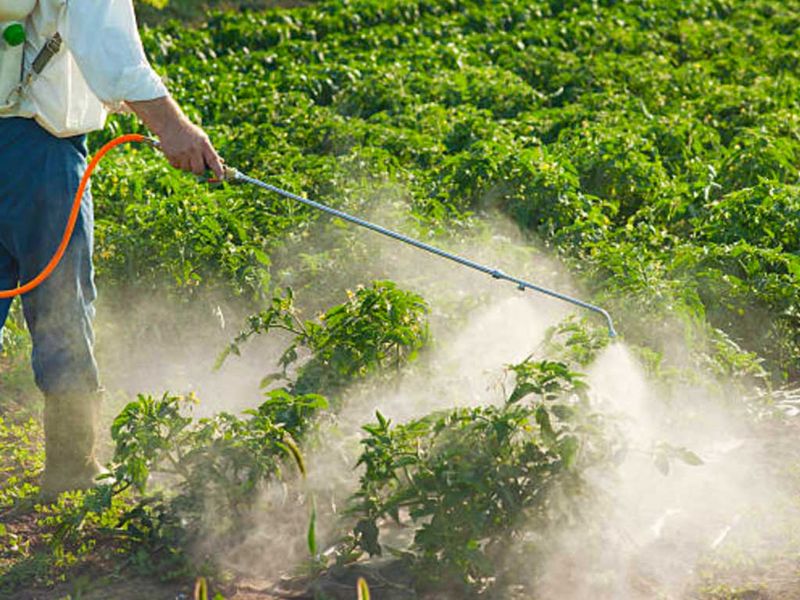
Reaching for chemical pesticides as a first response eliminates beneficial insects that naturally control pest populations, creating a destructive cycle requiring ever-increasing chemical applications.
Ladybugs, lacewings, parasitic wasps, and countless other beneficial species provide free pest control when allowed to thrive in gardens, but broad-spectrum pesticides eliminate them along with target pests.
This leaves gardens vulnerable to even worse pest explosions once chemical effects wear off, since beneficial populations take much longer to recover than fast-reproducing pests.
California’s year-round growing season supports incredibly diverse beneficial insect populations that can manage most pest problems when given a chance.
Creating habitat for these helpers through diverse plantings, water sources, and avoiding unnecessary chemical use builds natural pest management systems that become more effective over time.
Many pest problems resolve themselves within weeks as beneficial populations respond to the available food source, if you simply tolerate minor damage and let natural processes work.
Integrated pest management starts with prevention through healthy soil, appropriate plant selection, and good cultural practices that create naturally resilient gardens.
When problems arise, identify the specific pest and research targeted, least-toxic solutions before spraying anything.
Hand-picking, water sprays, insecticidal soaps, horticultural oils, and encouraging beneficials solve most issues without disrupting the entire garden ecosystem that keeps plants healthy long-term.
9. Crowding Plants Too Close Together
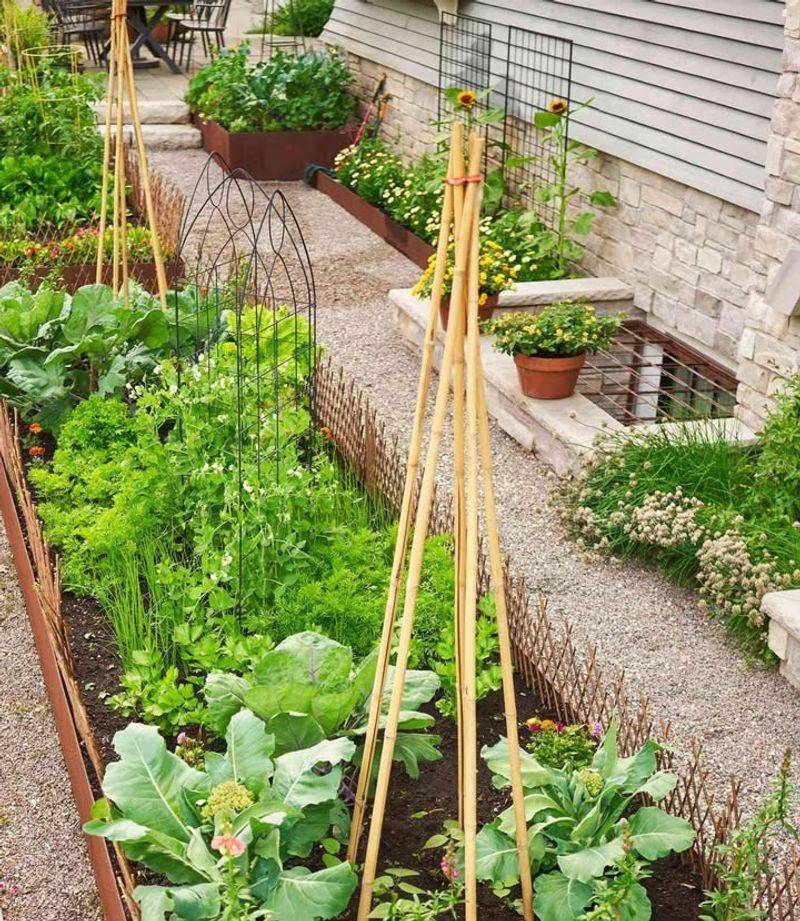
Spacing plants too closely creates competition for water, nutrients, and sunlight that weakens all the plants involved rather than creating the lush, full look many gardeners desire.
Crowded conditions also trap humidity around leaves and restrict airflow, creating perfect environments for fungal diseases like powdery mildew, rust, and botrytis to spread rapidly through your garden.
California’s warm climate and extended growing seasons make these disease problems especially troublesome, as pathogens can reproduce and spread year-round in mild conditions.
Proper spacing recommendations listed on plant tags reflect the mature size plants will reach, not their size at planting time.
Following these guidelines feels wrong initially, as newly planted gardens look sparse and empty with all that bare soil showing between small plants.
However, those gaps fill surprisingly quickly as plants grow, and proper spacing ultimately creates healthier, more attractive landscapes that require less maintenance, less watering, and fewer disease treatments than crowded plantings.
Patience pays enormous dividends when spacing plants correctly, even though the wait feels difficult at first.
Fill temporary gaps with fast-growing annuals or mulch while perennials and shrubs reach mature size, then remove the fillers as permanent plants grow.
Resist the temptation to squeeze in extra plants, and definitely avoid planting closer than recommended hoping to speed up the filled-in look—you’ll create problems that become increasingly difficult to solve as plants mature.
10. Treating All California Regions The Same
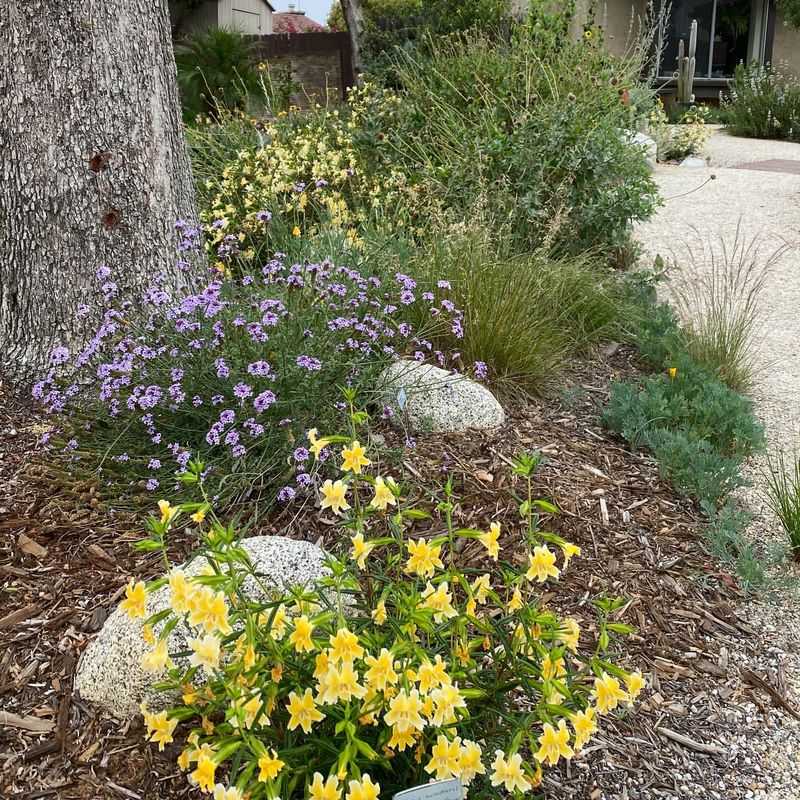
California spans an extraordinary range of climate zones from foggy coastal areas to scorching inland valleys, high-elevation mountain regions to desert lowlands, each requiring completely different gardening approaches.
What thrives in San Diego’s mild coastal climate might struggle terribly in Sacramento’s hot summers and cold winters, while plants perfect for San Francisco’s fog belt could languish in Palm Springs’ desert heat.
Ignoring these dramatic regional differences and following generic California gardening advice leads to constant frustration as you fight against your specific local conditions.
Understanding your particular microclimate helps you choose appropriate plants and adjust care practices for success in your exact location.
Coastal gardeners deal with salt spray, persistent fog, and cool summers that limit heat-loving crops but support plants that struggle inland.
Central Valley gardeners face extreme temperature swings, tule fog, and intense summer heat requiring completely different plant selections.
Mountain and foothill areas add freezing winters and shorter growing seasons, while desert regions demand extremely drought-tolerant species and careful summer shade management.
Finding local gardening resources specific to your region provides far better guidance than general California advice.
Connect with nearby master gardeners, visit successful local gardens, and join regional gardening groups to learn what actually works in your area.
Your county agricultural extension office offers free, research-based information tailored to local conditions, helping you make informed decisions that work with your climate instead of against it.