8 Common Gardening Materials That Could Be Restricted In Colorado
Gardening in Colorado has always been shaped by the land, the weather, and the people who care for it.
Lately, though, a new factor is starting to change how gardens are built and maintained.
Some common gardening materials that many homeowners rely on are now being reviewed for possible restrictions.
What you use to edge your beds, build raised gardens, or control weeds today may not be allowed tomorrow.
As Colorado focuses more on environmental protection, water use, and public safety, these changes are beginning to affect everyday gardeners.
Materials that once seemed harmless are being questioned for how they impact soil, wildlife, and nearby water sources.
For people who love working in their yards, this can feel unexpected and even stressful.
Knowing which gardening materials could be restricted gives you time to plan ahead and avoid costly surprises.
Staying informed also helps you make smarter choices that support both your garden and the environment.
With a little knowledge, you can keep your garden thriving while staying on the right side of new rules.
1. Chemical Fertilizers With High Nitrogen Content
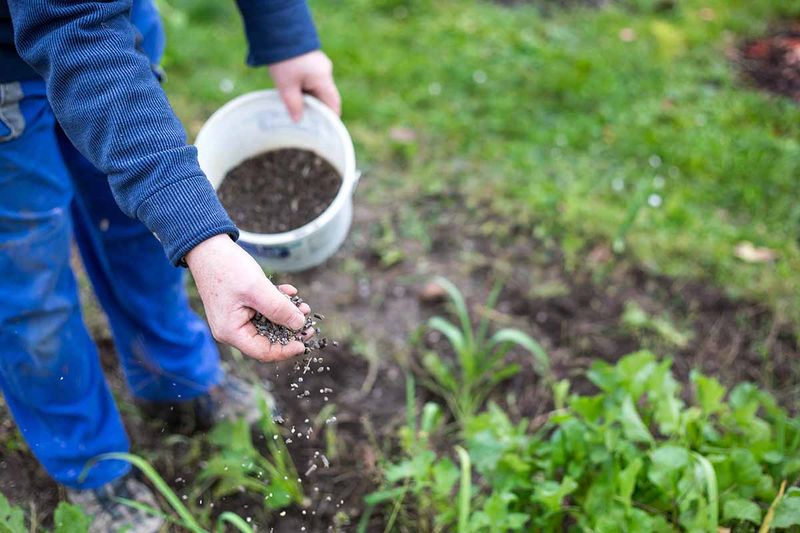
Bright green lawns and lush vegetable gardens often depend on chemical fertilizers loaded with nitrogen.
These products promise quick results and vigorous plant growth, making them popular choices at garden centers throughout Colorado.
But the very thing that makes them effective also creates serious environmental problems.
When it rains or when you water your lawn, excess nitrogen washes off into storm drains, streams, and eventually larger bodies of water.
This runoff causes algae blooms that deplete oxygen levels and harm aquatic life.
Water quality is a critical issue in Colorado, where rivers and reservoirs serve millions of people and support diverse ecosystems.
State officials are examining ways to reduce nitrogen pollution, and restricting high-nitrogen fertilizers for residential use is one option on the table.
Some Colorado municipalities have already implemented seasonal fertilizer bans or limits on nitrogen content.
Statewide restrictions could follow if water quality continues to decline in key watersheds.
Switching to organic fertilizers or slow-release formulas gives your plants the nutrients they need without the environmental damage.
Compost, fish emulsion, and bone meal provide steady nutrition that plants can absorb gradually.
These natural options also improve soil health over time, creating a living ecosystem in your garden beds.
Many Colorado gardeners report better long-term results with organic methods, even though they take a bit longer to show effects.
Planning ahead and building healthy soil now means you will not miss chemical fertilizers if restrictions arrive.
2. Peat Moss
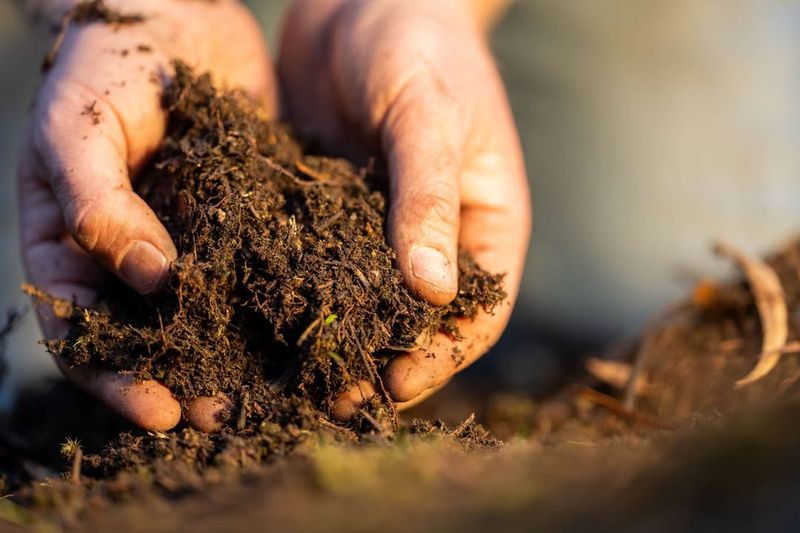
Peat moss has been a gardening favorite for generations because it helps soil retain moisture and creates an acidic environment that many plants love.
Gardeners across Colorado have relied on this material to improve clay-heavy soils and boost plant growth.
However, environmental groups are raising concerns about how peat moss is harvested.
Peat bogs take thousands of years to form, and removing peat destroys these ancient ecosystems.
These wetlands also store massive amounts of carbon, and when they are disturbed, that carbon gets released into the atmosphere.
Colorado lawmakers are considering restrictions on peat moss because of its environmental impact.
The state has been working hard to reduce carbon emissions and protect natural habitats.
Several European countries have already banned or limited peat moss sales, and similar measures could arrive in Colorado soon.
Garden centers might need to remove peat moss from their shelves or label it with environmental warnings.
Fortunately, excellent alternatives exist that work just as well without harming the environment.
Coconut coir, which comes from coconut husks, provides similar moisture retention and is completely renewable.
Compost and aged bark also improve soil structure without the environmental cost.
Many Colorado gardeners are already making the switch and finding that these alternatives perform beautifully in mountain and plains gardens alike.
Transitioning away from peat moss now prepares you for potential future restrictions while helping protect vital ecosystems.
3. Synthetic Pesticides Containing Neonicotinoids
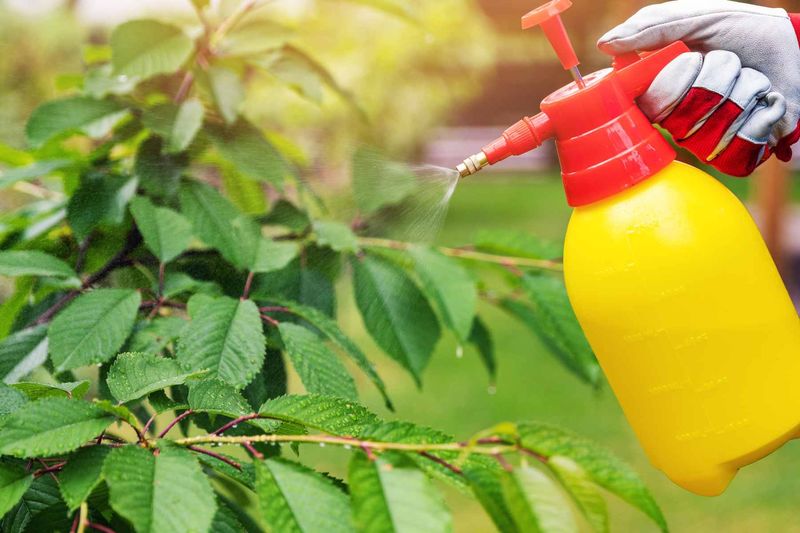
Neonicotinoids are a class of synthetic pesticides that have become extremely common in both agricultural and home gardening applications.
These chemicals work by attacking the nervous systems of insects, making them effective at controlling pests that damage plants.
Garden centers across Colorado stock numerous products containing neonicotinoids, and many gardeners use them without realizing the broader impact.
Research has shown that these pesticides harm beneficial insects, especially bees and other pollinators that are essential for food production and healthy ecosystems.
Pollinator populations have been declining dramatically in recent years, and neonicotinoids are considered a major contributing factor.
Colorado depends heavily on pollinators for its agricultural industry, particularly for fruit crops and native wildflowers.
Environmental groups have been pushing for restrictions on neonicotinoid pesticides, and several states and countries have already implemented bans.
Colorado legislators are evaluating similar measures, especially for residential use where alternatives are readily available.
Protecting your garden from pests does not require chemicals that harm beneficial insects.
Integrated pest management techniques use natural predators, companion planting, and physical barriers to control problem insects.
Insecticidal soaps and neem oil target specific pests without affecting pollinators when used correctly.
Many Colorado gardeners find that encouraging beneficial insects like ladybugs and lacewings creates a natural balance that reduces pest problems.
Building a pollinator-friendly garden not only prepares you for potential pesticide restrictions but also creates a healthier, more productive outdoor space.
4. Non-Porous Landscape Fabric
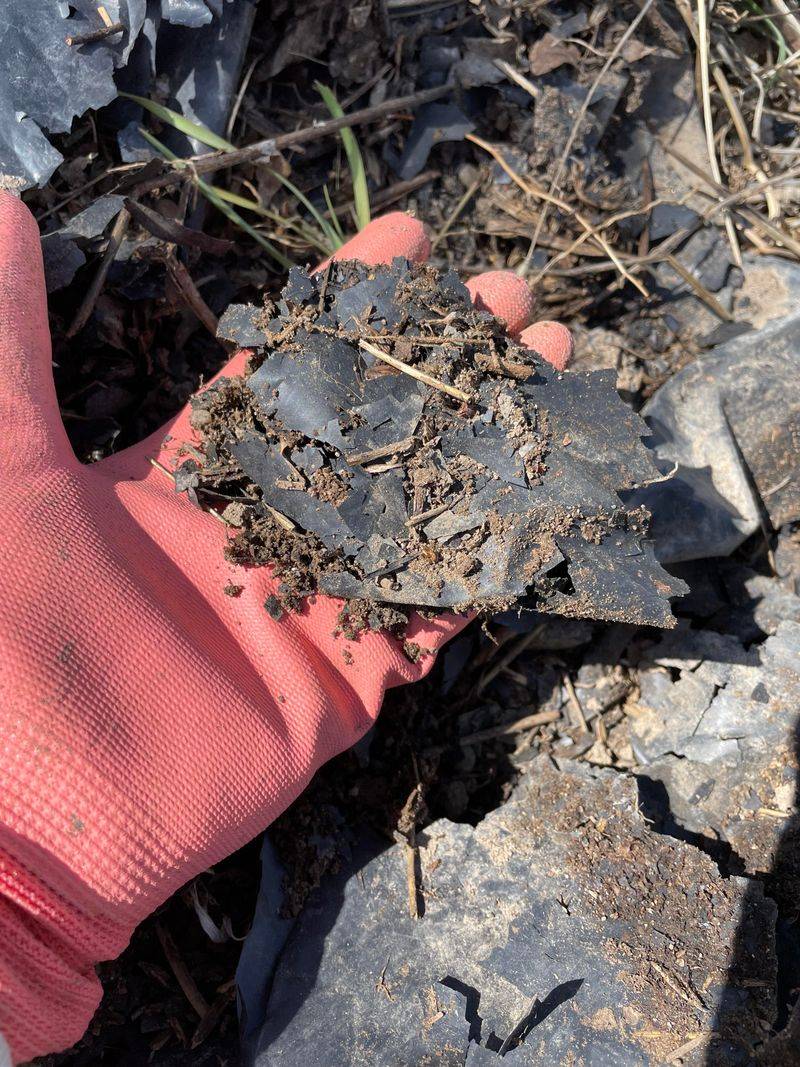
Walk through any Colorado neighborhood and you will find landscape fabric under mulch beds, around trees, and in vegetable gardens.
This material promises to block weeds while letting water through, saving gardeners countless hours of pulling unwanted plants.
Many landscaping companies install it as standard practice, and home improvement stores dedicate entire aisles to various types of landscape fabric.
However, the most common varieties are made from synthetic materials that never break down and create long-term environmental problems.
Non-porous landscape fabrics prevent water infiltration, suffocate soil organisms, and eventually fragment into microplastics that contaminate the soil.
In Colorado’s dry climate, anything that blocks water from reaching plant roots creates additional stress on vegetation.
Environmental regulators are becoming increasingly concerned about plastic pollution in all forms, including landscape materials.
Restrictions on non-biodegradable landscape fabrics could emerge as part of broader efforts to reduce plastic waste and improve soil health throughout the state.
Natural mulches like wood chips, straw, or shredded leaves provide excellent weed suppression without the environmental drawbacks.
These organic materials break down over time, enriching the soil and supporting beneficial microorganisms.
Cardboard and newspaper layers under mulch offer temporary weed blocking that decomposes naturally.
Colorado gardeners who have removed old landscape fabric often discover healthier plants and better water penetration.
Making the switch to natural weed barriers now saves you the trouble of removing synthetic fabrics later if restrictions take effect.
5. Treated Lumber For Raised Beds
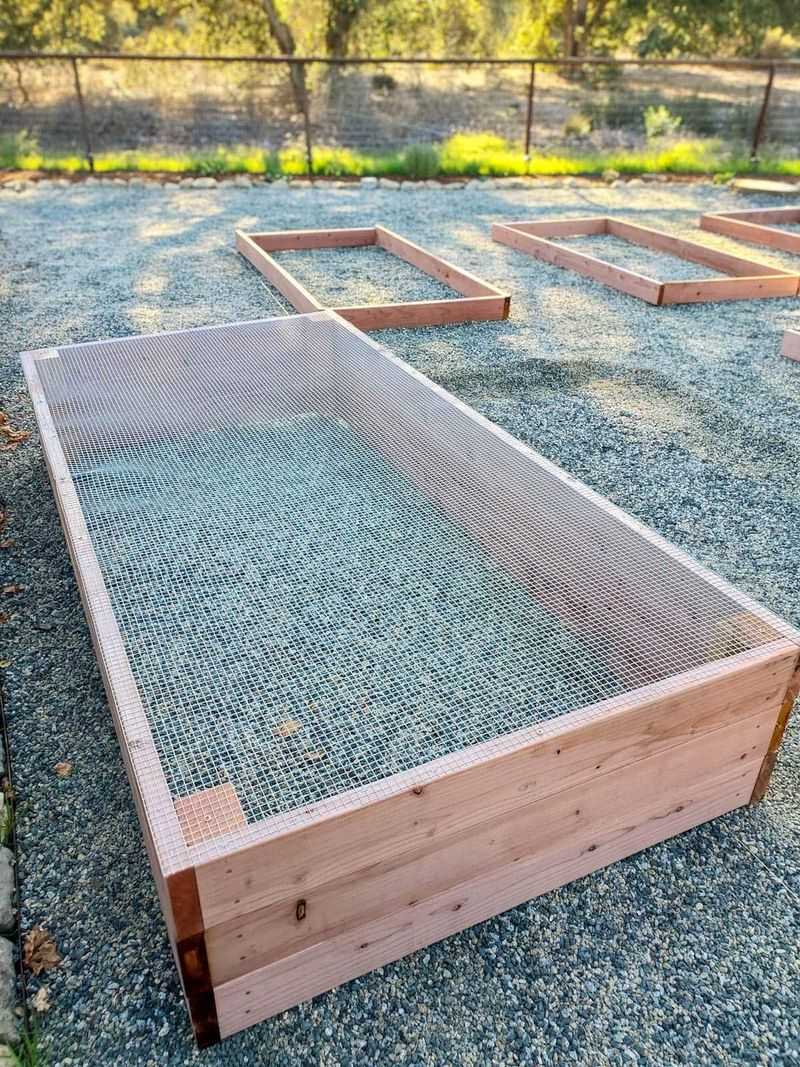
Raised garden beds have become incredibly popular in Colorado because they extend the growing season, improve drainage, and make gardening more accessible.
Building these beds requires durable lumber that can withstand moisture and soil contact for many years.
Pressure-treated lumber has been the go-to choice because it resists rot and insect damage.
However, the chemicals used to treat this wood have raised serious health and environmental concerns, especially when used near edible plants.
Older treated lumber contained chromated copper arsenate, which included arsenic, a known toxin.
While newer treatments use different chemicals, they still contain copper compounds and other preservatives that can leach into soil over time.
This is particularly concerning in vegetable gardens where food crops absorb whatever is in the soil.
Colorado health officials are monitoring the situation, and restrictions on treated lumber for food-growing applications could be implemented to protect public health.
Some municipalities already recommend against using treated wood in community gardens.
Untreated cedar and redwood naturally resist decay and provide safe alternatives for raised beds.
These woods cost more upfront but last for years without chemical treatments.
Composite materials made from recycled plastics offer another durable option, though they can be expensive.
Many Colorado gardeners are also using galvanized metal stock tanks or building beds from natural stone.
These alternatives eliminate concerns about chemical leaching while creating attractive, functional growing spaces.
Choosing safe materials now protects your family’s health and prepares you for possible future restrictions on treated lumber.
6. Decorative River Rock From Protected Waterways
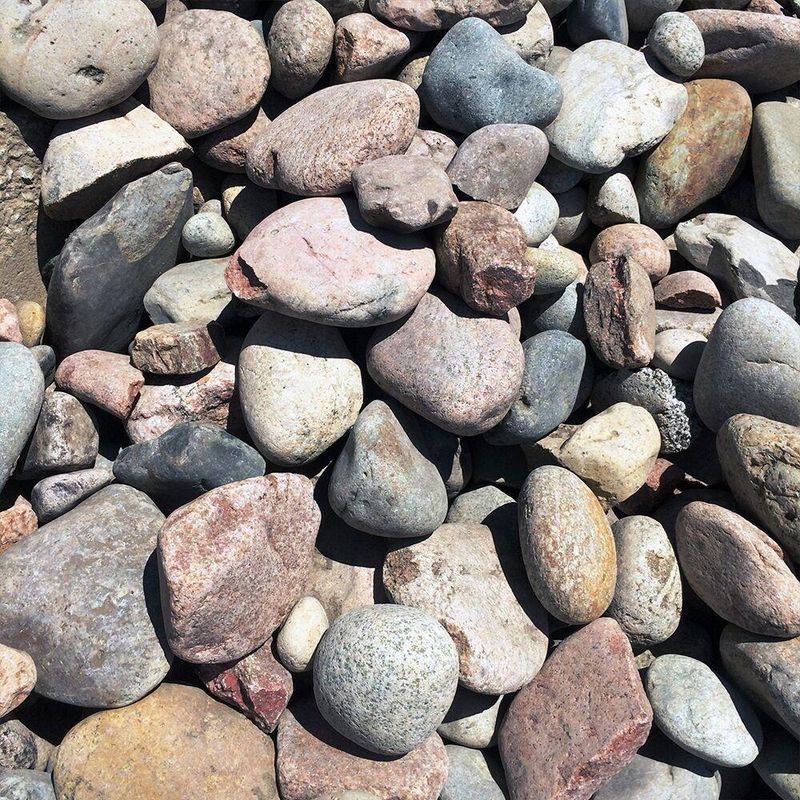
Colorado landscapes often feature beautiful river rock in xeriscaping designs, around water features, and as decorative ground cover.
These smooth, rounded stones create an attractive low-maintenance alternative to traditional lawns and work perfectly in the state’s dry climate.
Garden centers and landscape suppliers sell river rock by the ton, and it remains one of the most popular hardscaping materials.
But not all river rock comes from legal or sustainable sources, and enforcement agencies are cracking down on illegal harvesting from protected waterways.
Removing rocks from rivers and streams disrupts aquatic habitats, increases erosion, and damages ecosystems that many species depend on.
Colorado has strict regulations about taking materials from public waterways, but enforcement has been inconsistent.
Recent efforts to protect stream health and water quality have led to increased scrutiny of river rock sources.
Landscape suppliers may soon face requirements to prove their materials come from legal quarries rather than protected rivers.
Restrictions on river rock sales could affect availability and pricing throughout Colorado.
Quarried stone products provide the same aesthetic appeal without environmental damage.
Many Colorado quarries produce decorative rock that looks identical to river rock but comes from sustainable sources.
Recycled concrete, crushed granite, and manufactured stone offer additional alternatives.
When purchasing rock materials, ask suppliers about their sourcing practices and look for products certified as coming from legal operations.
Making informed choices about decorative stone supports responsible businesses and protects Colorado’s waterways.
Being aware of sourcing issues now helps you avoid problems if enforcement increases or new restrictions take effect.
7. Herbicides Containing Glyphosate
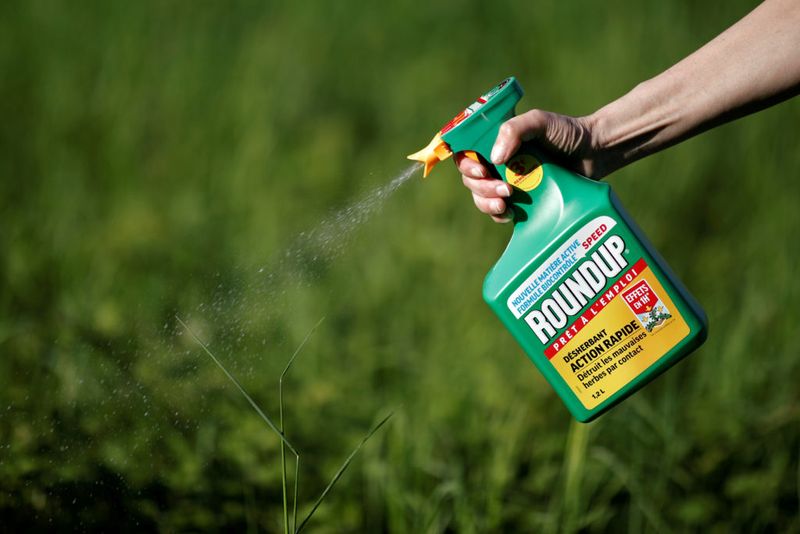
Glyphosate-based herbicides have dominated the weed control market for decades because they effectively eliminate unwanted plants with minimal effort.
Colorado gardeners and landscapers use these products extensively to maintain lawns, clear garden beds, and control weeds in driveways and walkways.
The convenience and effectiveness of glyphosate made it seem like a miracle solution for weed problems.
Recent studies and legal cases have raised significant concerns about potential health risks and environmental damage associated with glyphosate exposure.
Multiple lawsuits have linked glyphosate to serious health issues, and some research suggests it may harm beneficial soil organisms and contaminate water supplies.
Several countries and some U.S. municipalities have already banned or restricted glyphosate use.
Colorado environmental groups are pushing for similar measures, particularly in areas near schools, parks, and waterways.
State legislators are evaluating options that range from usage restrictions to complete bans on glyphosate products for residential applications.
Garden centers may eventually need to remove these products from shelves or provide extensive warning labels.
Manual weeding, mulching, and natural herbicides provide effective alternatives without health concerns.
Vinegar-based products, corn gluten meal, and boiling water can control weeds in many situations.
Colorado’s dry climate actually makes weed control easier than in humid regions because weeds struggle to establish without regular water.
Many gardeners find that consistent mulching and proper watering practices reduce weed problems significantly.
Transitioning to natural weed control methods takes more time initially but creates healthier soil and eliminates concerns about chemical exposure for your family and pets.
8. Non-Native Invasive Plant Species
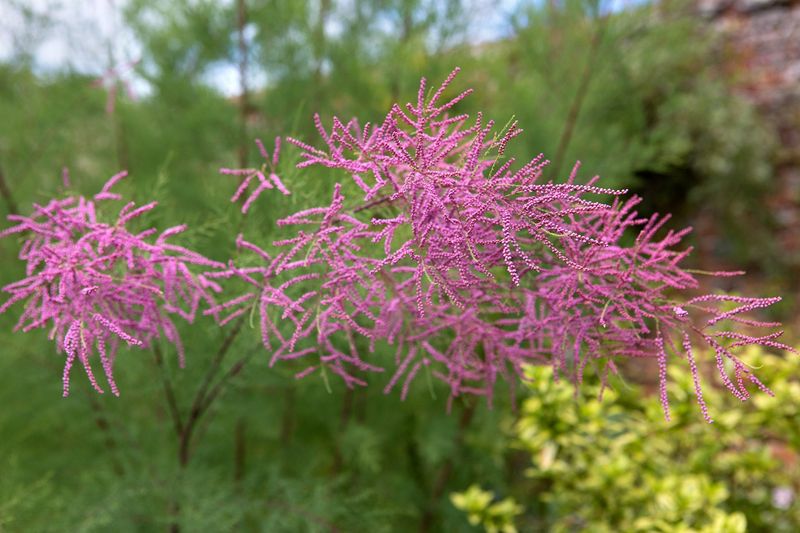
Garden centers throughout Colorado sell ornamental plants from all over the world, offering gardeners endless choices for landscaping projects.
Some of these non-native species adapt so well to Colorado conditions that they escape cultivation and spread aggressively into natural areas.
Plants like Russian olive, tamarisk, and purple loosestrife have become serious invasive problems, crowding out native vegetation and disrupting ecosystems.
What starts as an attractive garden plant can become an environmental disaster when it spreads beyond your property.
Colorado spends millions of dollars annually trying to control invasive plant species that damage rangeland, forests, and wetlands.
State officials maintain lists of noxious weeds that are illegal to sell or plant, and this list continues to grow as more species prove problematic.
Enforcement of existing regulations is increasing, and penalties for planting restricted species are becoming more severe.
Additional ornamental plants could be added to restricted lists if they show invasive tendencies.
Garden centers may face limitations on what they can sell, and homeowners could be required to remove certain plants from their properties.
Native Colorado plants provide beautiful, low-maintenance alternatives that support local ecosystems and pollinators.
Species like penstemon, blanket flower, and blue grama grass thrive in Colorado conditions without extra water or care.
These plants have evolved to handle the state’s temperature extremes and limited rainfall.
Choosing native species creates resilient landscapes that require less maintenance and support birds, butterflies, and beneficial insects.
Before purchasing any plant, check Colorado’s noxious weed list and choose natives whenever possible to avoid future problems with restrictions or removal requirements.