11 Common Gardening Myths Many California Gardeners Believe
California gardeners face unique challenges that come with the state’s diverse climates, from coastal fog to desert heat and everything in between.
Many well-meaning gardeners follow advice that sounds logical but actually works against their gardens, wasting time, water, and money on unnecessary tasks.
Understanding which common beliefs are actually myths can help you create a healthier garden while using fewer resources and enjoying better results.
Let’s explore some widespread misconceptions that might be holding your California garden back from reaching its full potential and beautiful blooming success.
1. Native Plants Don’t Need Any Water Once Established
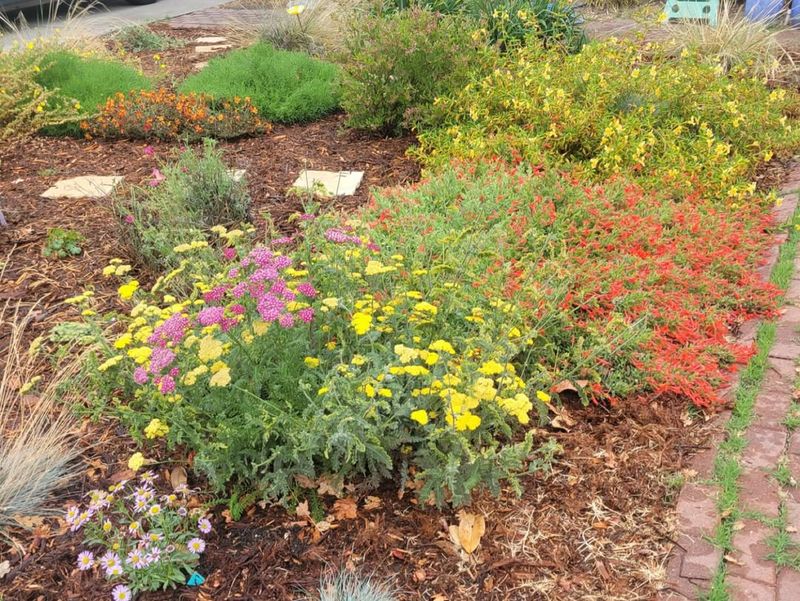
California native plants are often marketed as completely drought-tolerant once their roots establish, but this oversimplification can lead to struggling or declining plants.
While natives do require significantly less water than thirsty lawn grass or tropical species, they still need occasional deep watering during extended dry periods.
Most California natives evolved with seasonal rainfall patterns that provided moisture during winter months and some summer fog drip in coastal areas.
When you skip all supplemental watering, especially during exceptionally hot or dry years, even tough natives like manzanita and ceanothus can suffer stress.
Established natives typically thrive with monthly deep watering during summer, though this varies by species, location, and your specific microclimate conditions throughout the state.
Young native plants need regular watering for their first two to three years while their root systems expand and establish in your garden.
Proper mulching helps retain soil moisture and reduces watering frequency, but it doesn’t eliminate the need for occasional irrigation during California’s long dry season.
Understanding your specific plants’ water needs ensures they remain healthy and vibrant without wasting precious resources on overwatering or neglecting them completely.
2. Adding Sand To Clay Soil Improves Drainage
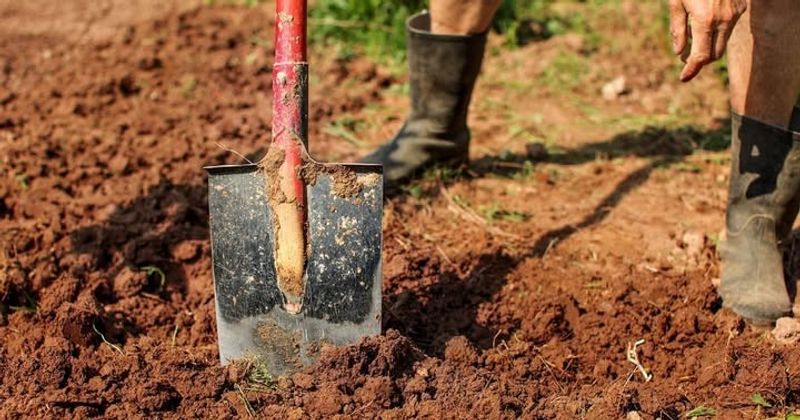
Many California gardeners struggle with heavy clay soil and hear that adding sand will magically improve drainage, but this advice backfires in most situations.
Mixing sand directly into clay without proper proportions actually creates a concrete-like substance that’s even worse for plant roots than pure clay.
Professional soil scientists explain that you’d need approximately fifty percent sand by volume to achieve proper drainage improvement, which is impractical for most gardens.
Instead of sand, incorporating organic matter like compost, aged manure, or leaf mold works far better for improving clay soil structure over time.
Organic amendments create spaces between clay particles, improving both drainage and aeration while adding beneficial nutrients that plants need to thrive in gardens.
Gypsum can help break up clay soil in some California regions, particularly where sodium content is high, but it won’t work everywhere.
Building raised beds filled with quality soil mix offers another excellent solution for gardeners dealing with extremely problematic clay that resists other improvement efforts.
Patience and consistent organic matter addition gradually transform clay into workable, productive soil that supports healthy plant growth without creating hardpan or concrete textures.
3. Succulents And Cacti Never Need Fertilizer
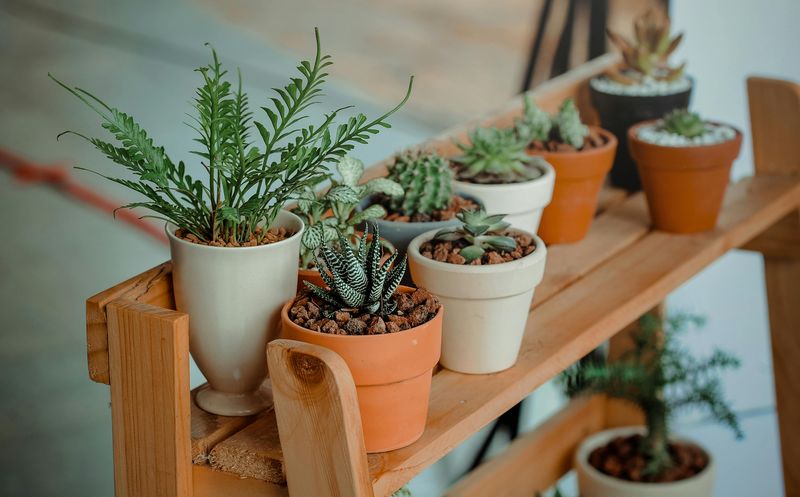
Succulents and cacti have reputations as virtually indestructible plants that survive on neglect alone, leading many to believe they never require any fertilization.
While these drought-adapted plants certainly need less feeding than roses or vegetables, they still benefit from occasional nutrients to maintain vibrant colors and growth.
Container-grown succulents especially need fertilizer because frequent watering leaches nutrients from the limited soil volume available in pots and planters over time.
In their native habitats, cacti and succulents receive nutrients from decomposing plant material, animal droppings, and minerals slowly released from surrounding rocks.
Garden succulents lack these natural nutrient sources, particularly when planted in commercial potting mixes that contain minimal organic matter or slow-release fertilizers initially.
Light feeding during the growing season with diluted, balanced fertilizer or specialized cactus food encourages better flowering, stronger growth, and more intense leaf coloration.
Overfertilizing causes problems like weak, stretched growth and reduced hardiness, so less is definitely more when feeding these adapted plants successfully.
Proper fertilization timing matters too, with spring and summer being ideal while winter dormancy requires no feeding at all for most species.
4. You Should Water Plants During The Hottest Part Of The Day
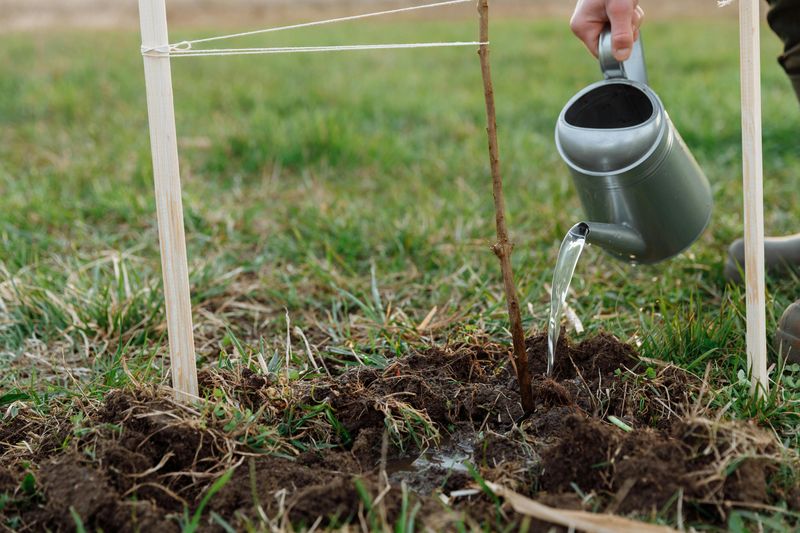
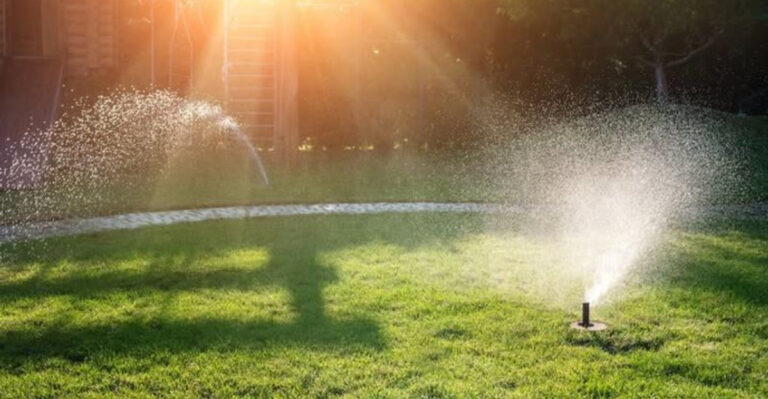
Some gardeners believe watering during peak heat helps plants cool down immediately, but this timing actually wastes water and can potentially harm your plants.
Midday watering leads to significant water loss through evaporation before moisture can penetrate deeply into the soil where roots actually access it effectively.
Water droplets sitting on leaves during intense sunshine can occasionally act like tiny magnifying glasses, potentially causing leaf scorch or burn spots.
Early morning watering is ideal because it allows foliage to dry quickly as temperatures rise, reducing fungal disease risks while maximizing soil absorption.
Plants can uptake moisture throughout the day, and morning watering ensures they’re well-hydrated before facing afternoon heat stress in California’s warm climate.
Evening watering works as a second-best option, though leaving foliage wet overnight can encourage fungal problems in humid coastal areas or during warmer months.
Drip irrigation and soaker hoses solve timing concerns by delivering water directly to soil rather than foliage, making any time workable for watering.
Smart irrigation controllers can optimize watering schedules automatically, ensuring your garden receives moisture at the most efficient times without manual effort or guesswork.
5. Organic Pesticides Are Completely Safe And Harmless
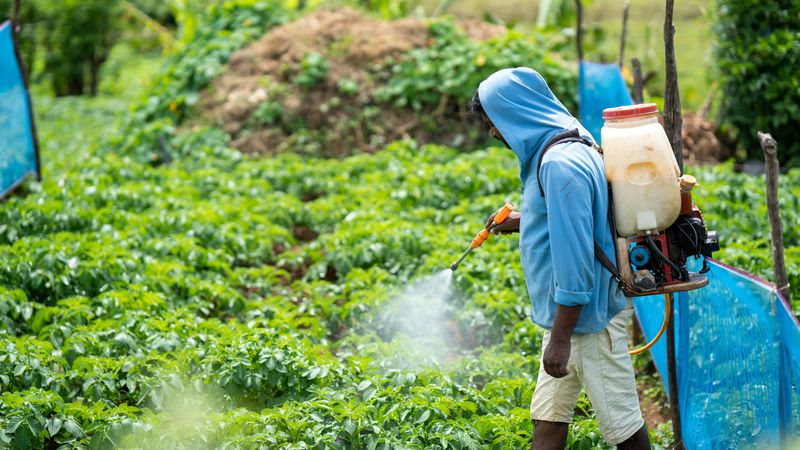
The word organic sounds inherently safe, leading many California gardeners to assume organic pesticides pose no risks to beneficial insects or human health.
However, organic certification simply means pesticides derive from natural sources rather than synthetic chemicals, not that they’re harmless to all living organisms.
Pyrethrin, derived from chrysanthemum flowers, is organic but highly toxic to bees, beneficial insects, and aquatic life when applied incorrectly or carelessly.
Neem oil, another popular organic option, can harm beneficial predator insects and pollinators if sprayed directly on them during active foraging hours.
Rotenone, once widely used as an organic pesticide, was banned in many areas after research linked it to serious health concerns for humans.
Organic pesticides often break down faster than synthetics, requiring more frequent applications that can increase overall environmental impact despite their natural origin.
Integrated pest management focuses on prevention, physical barriers, and encouraging beneficial insects before resorting to any pesticides, whether organic or conventional options.
Always read labels carefully, follow application instructions precisely, and consider timing applications to minimize harm to helpful garden insects and pollinators visiting flowers.
6. Pruning Paint Protects Tree Wounds From Disease
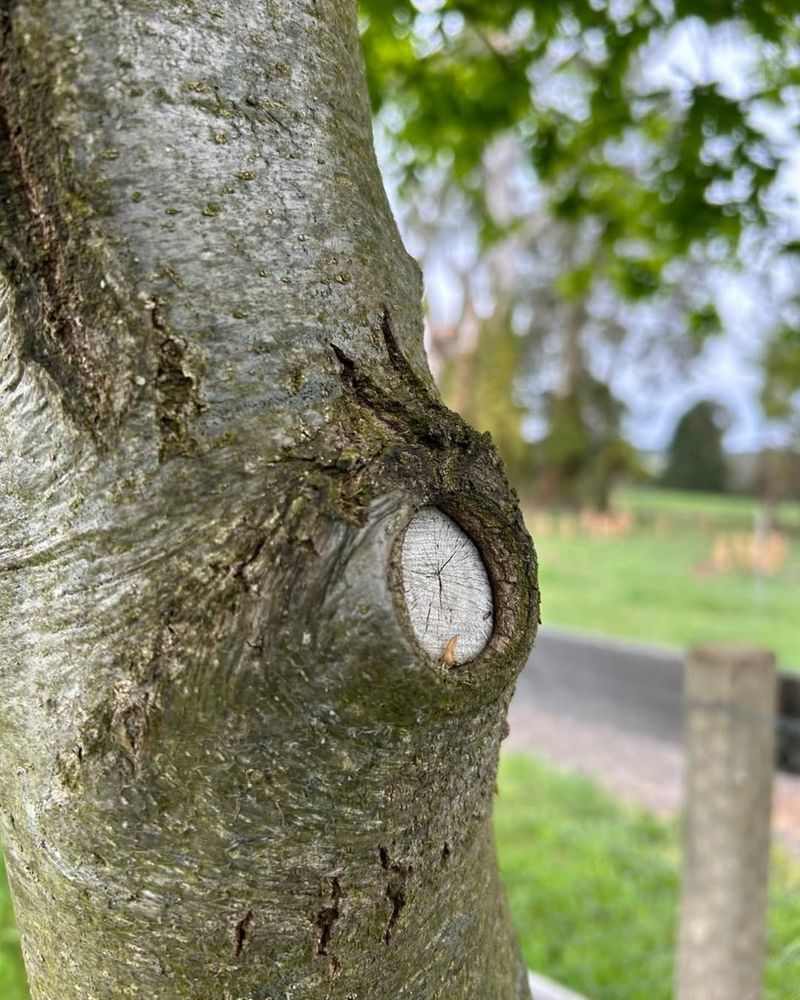
For decades, gardeners painted tree wounds with special sealants believing this practice prevented disease and insect invasion, but research proves otherwise completely.
Trees naturally compartmentalize wounds by forming protective barriers of specialized cells that seal off damaged areas from healthy tissue more effectively than paint.
Pruning paint can actually trap moisture against the wound, creating ideal conditions for fungal growth and rot that wouldn’t occur with natural healing.
Studies by arborists and university researchers consistently show that painted wounds often heal more slowly than unpainted cuts left to nature’s own processes.
Some wound dressings can interfere with the tree’s natural defense mechanisms, preventing proper callus formation that protects against pathogens and environmental stress over time.
Modern arboriculture recommends making clean cuts with sharp tools at proper angles, then allowing trees to heal naturally without any artificial coverings.
Exceptions exist for specific situations like oak wilt prevention in certain regions where wound dressing during high-risk periods may help prevent beetle transmission.
Proper pruning timing matters more than wound treatment, with dormant season pruning generally reducing disease risks compared to cuts made during active growth.
7. Gravel At The Bottom Of Pots Improves Drainage
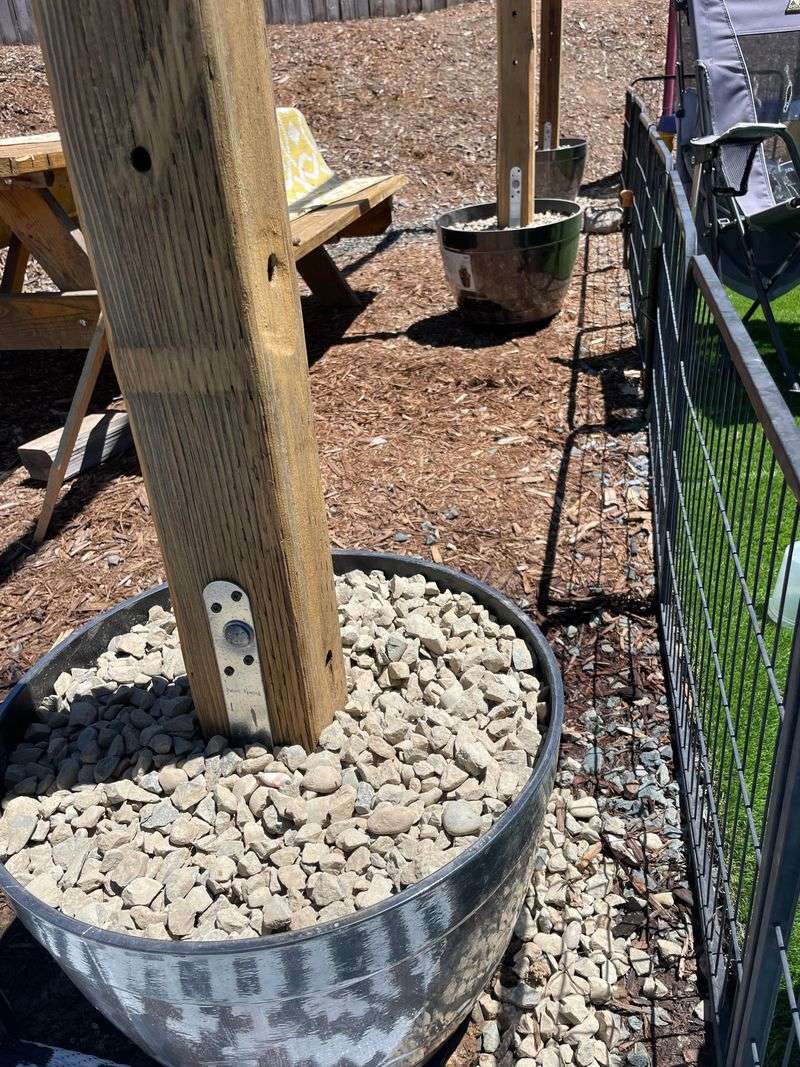
Placing rocks or gravel at the bottom of containers seems logical for improving drainage, but this common practice actually creates worse conditions for roots.
The gravel layer creates what soil scientists call a perched water table, where water accumulates in soil just above the drainage layer.
Water doesn’t freely flow from fine-textured soil into coarse gravel until the soil above becomes completely saturated, holding excess moisture near roots.
This phenomenon occurs because water moves more readily between particles of similar size, creating resistance at the interface between soil and gravel layers.
The result is a smaller volume of well-drained soil for roots, essentially creating a shallower pot than you started with originally.
Instead of gravel, fill containers completely with quality potting mix and ensure adequate drainage holes exist in the bottom for excess water escape.
Coffee filters, landscape fabric, or screen mesh over drainage holes prevents soil loss without impeding water flow the way gravel layers do problematically.
Proper potting soil contains materials like perlite or pumice throughout the mix, providing drainage and aeration evenly without creating problematic layers or interfaces.
8. Compost Tea Provides All The Nutrients Plants Need
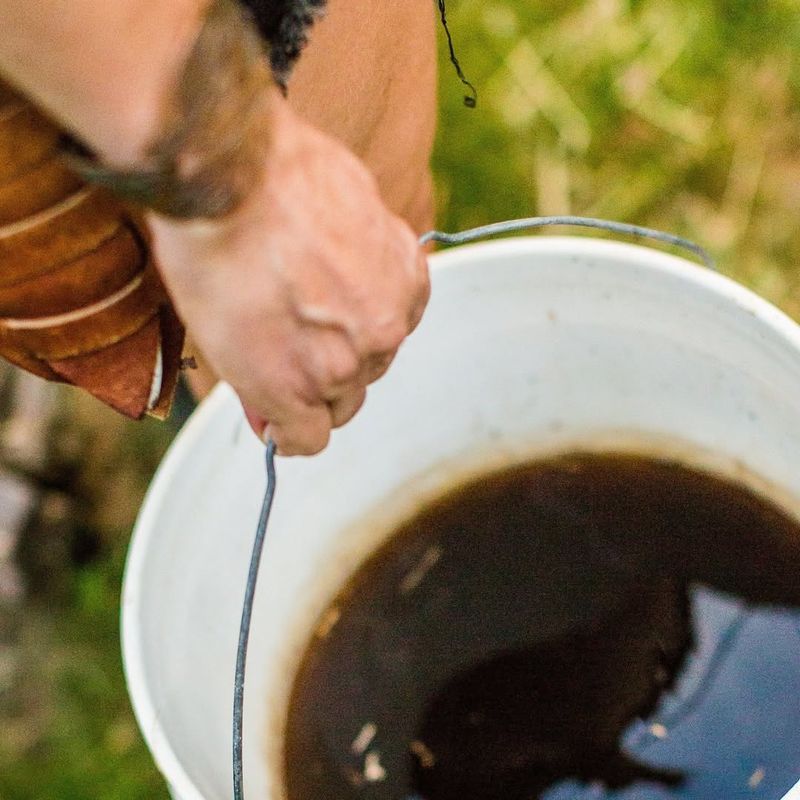
Compost tea has gained popularity as a miracle solution that supposedly provides complete nutrition while preventing diseases, but expectations often exceed scientific reality.
While compost tea does contain beneficial microorganisms and some nutrients, concentrations are typically too low to meet most plants’ complete nutritional requirements.
Heavy feeders like tomatoes, roses, and vegetables need consistent, adequate nitrogen, phosphorus, and potassium that compost tea alone cannot reliably supply throughout seasons.
Research on compost tea’s disease-suppressing properties shows mixed results, with effectiveness varying greatly depending on brewing methods, compost quality, and application timing.
Compost tea works best as a supplement to, not a replacement for, proper soil amendment with finished compost and appropriate fertilization for specific crops.
Improperly brewed compost tea can harbor harmful bacteria like E. coli or Salmonella, particularly concerning when applied to edible crops near harvest time.
Aerobic brewing methods with adequate oxygen produce safer, more beneficial tea than anaerobic methods that can create foul-smelling, potentially harmful bacterial populations instead.
Think of compost tea as a probiotic boost for your soil rather than a complete fertilizer, using it alongside other good gardening practices.
9. All Mulch Works The Same Way In Gardens
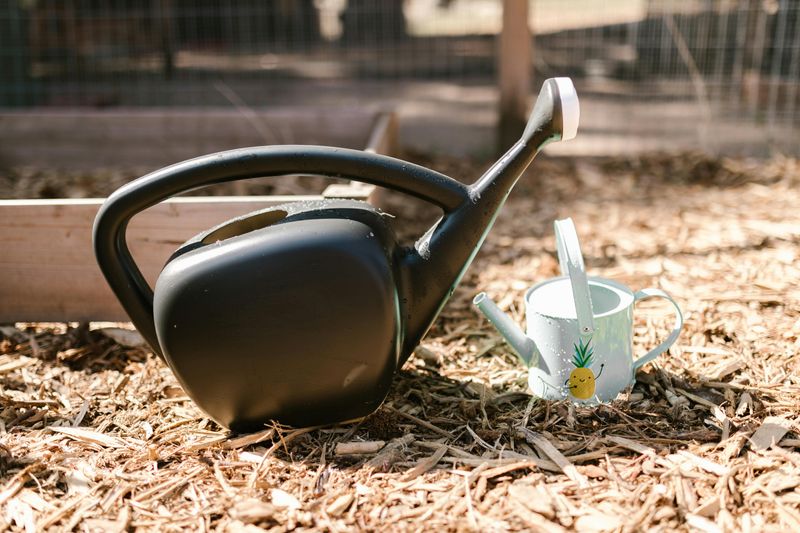
Mulch is essential for California gardens, but assuming all mulch types function identically leads to disappointing results and potential problems for certain plants.
Wood chip mulch breaks down slowly and can temporarily tie up nitrogen as it decomposes, potentially starving plants unless you compensate with additional fertilizer.
Fresh wood chips from certain trees like walnut contain compounds that inhibit growth of nearby plants, making them unsuitable for vegetable gardens initially.
Inorganic mulches like gravel or rock provide weed suppression and moisture retention but don’t improve soil quality since they never decompose or add nutrients.
Fine mulches like grass clippings can mat down and create water-repellent layers if applied too thickly, preventing moisture from reaching soil below effectively.
Different plants prefer different mulch types, with acid-loving plants thriving under pine needle mulch while vegetables often perform better with compost or straw.
Mulch depth matters significantly, with two to four inches being ideal for most situations while deeper layers can suffocate roots and encourage pest problems.
Consider your specific goals, plants, and aesthetic preferences when selecting mulch rather than simply choosing whatever’s cheapest or most readily available locally.
10. Epsom Salt Is A Cure-All For Garden Problems
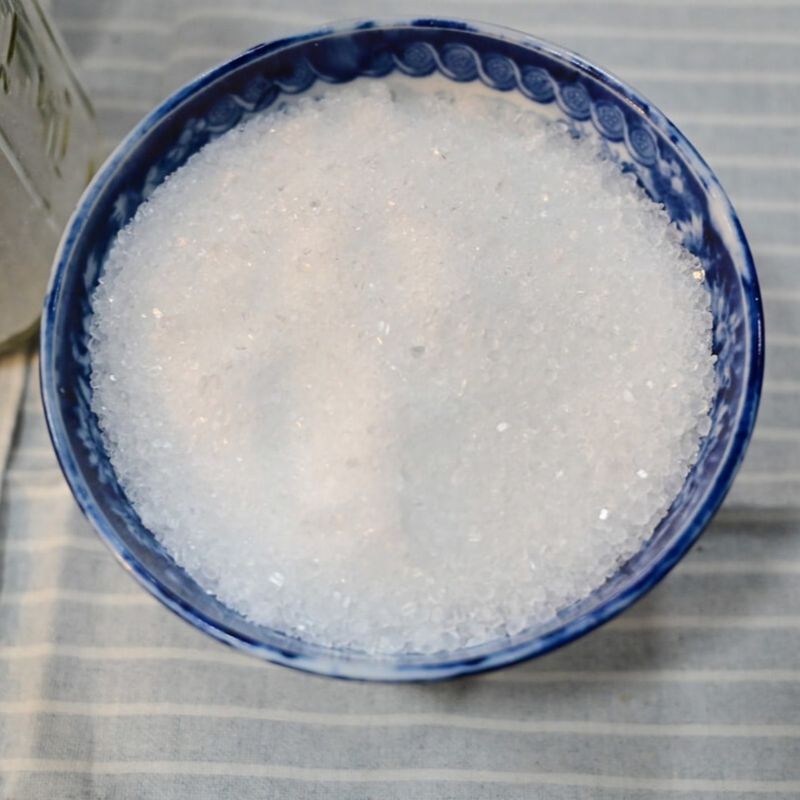
Epsom salt recommendations flood gardening forums as a magical solution for everything from yellowing leaves to poor flowering, but reality is far more nuanced.
Epsom salt provides magnesium and sulfur, nutrients that plants need, but only helps when soil actually lacks these specific elements causing deficiency symptoms.
Most California soils contain adequate magnesium, making Epsom salt applications unnecessary and potentially harmful by creating nutrient imbalances affecting calcium uptake negatively.
Tomatoes and peppers sometimes benefit from magnesium supplementation, but only when soil tests confirm deficiency rather than applying it blindly as prevention.
Yellowing leaves have many possible causes including overwatering, pests, diseases, or deficiencies of various nutrients, not just magnesium that Epsom salt addresses.
Excessive magnesium from repeated Epsom salt applications can interfere with calcium and potassium absorption, creating new problems worse than the original issue.
Soil testing before adding any amendments ensures you’re actually addressing the real problem rather than guessing and potentially making conditions worse for plants.
When magnesium deficiency is confirmed, applying Epsom salt at recommended rates can help, but it’s not the universal garden miracle cure often claimed.
11. Drought-Tolerant Gardens Don’t Need Mulch Or Maintenance
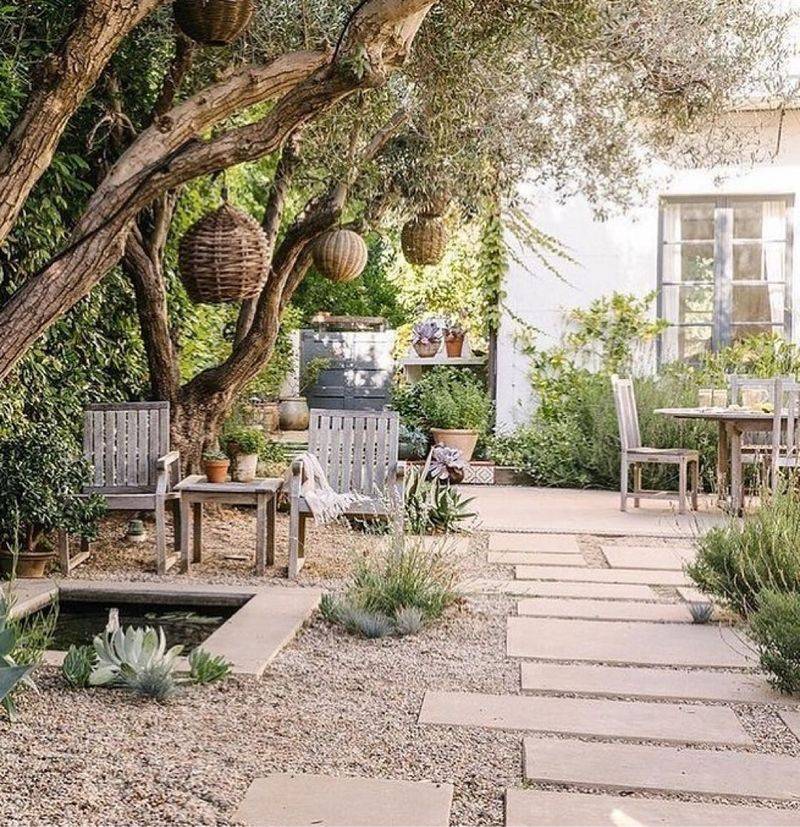
Creating a drought-tolerant garden sounds like a low-maintenance solution, but these landscapes still require proper care, mulching, and attention to thrive beautifully.
Even drought-adapted plants benefit tremendously from mulch layers that moderate soil temperatures, suppress weeds, and reduce water evaporation during hot California summers significantly.
Neglecting mulch in drought-tolerant gardens means plants face more stress, requiring more supplemental water than properly mulched specimens that retain soil moisture.
Weeds don’t respect your drought-tolerant design and will quickly invade unmaintained areas, competing with desired plants for water and nutrients throughout growing seasons.
Drought-tolerant plants still need periodic pruning to maintain attractive shapes, remove damaged growth, and encourage better flowering or foliage density over time.
Many California-friendly plants like lavender, sage, and ornamental grasses look shabby without annual trimming that removes old growth and stimulates fresh, vigorous stems.
Proper plant spacing, occasional fertilization, and monitoring for pests remain important even in low-water gardens that feature tough, adapted species throughout the landscape.
Drought-tolerant gardening reduces water use and maintenance compared to traditional lawns, but it’s not a plant-it-and-forget-it solution requiring zero ongoing care.