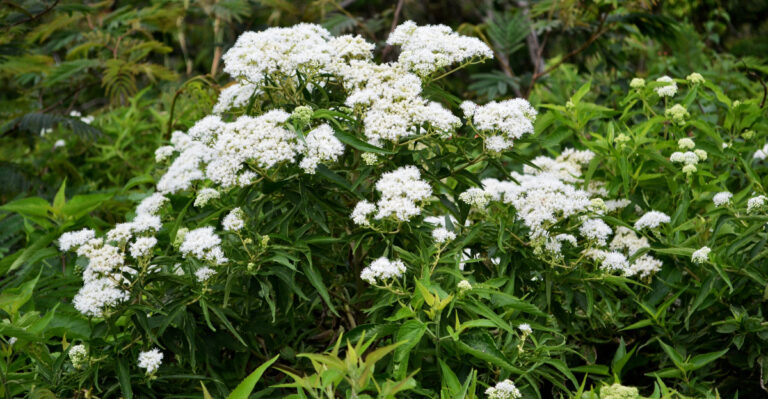
13 Common Georgia Trees You Should Never Plant Near Your House
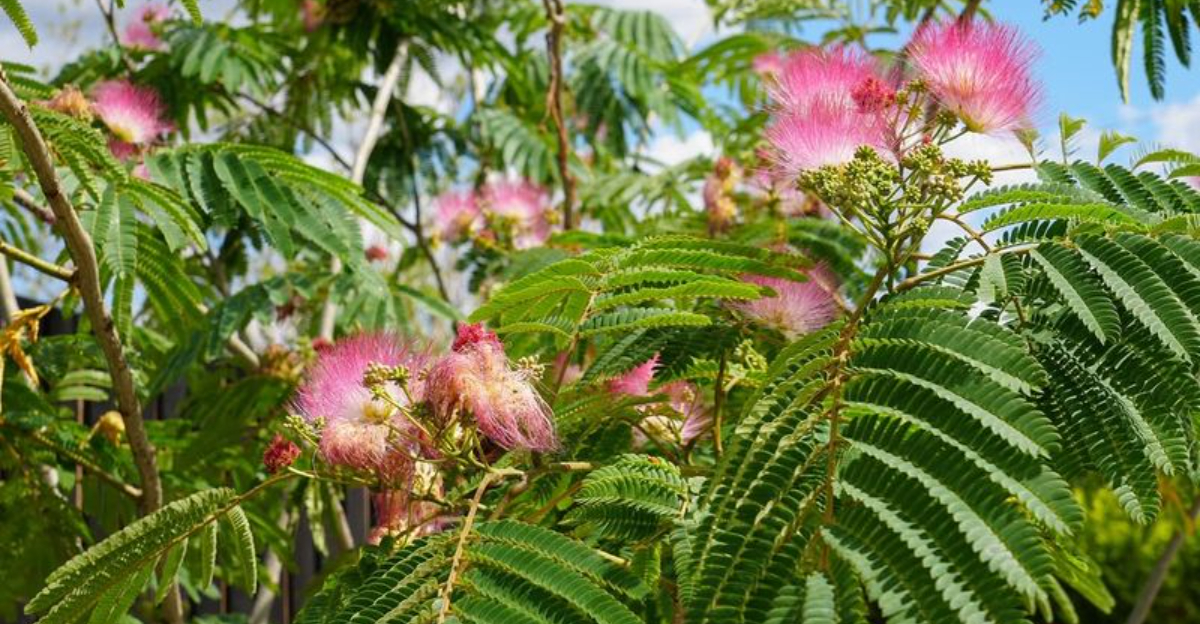
Trees add shade and beauty to Georgia yards, but some species can cause serious problems if planted too close to your home.
Roots may damage foundations and pipes, branches can threaten roofs, and certain trees drop excessive debris or attract pests. Not every tree is a safe choice near your house. These trees are common in Georgia landscapes but are risky near structures.
Homeowners should avoid planting them too close to foundations, driveways, or patios. Proper placement and careful selection prevent costly damage, reduce maintenance issues, and protect both your property and investment.
Planting wisely now saves headaches and repairs later. Georgia homeowners who follow these guidelines can enjoy shade and beauty without compromising their home’s safety.
Choose trees carefully and protect your property while enhancing your yard.
1. Willow Trees (Salix Species)
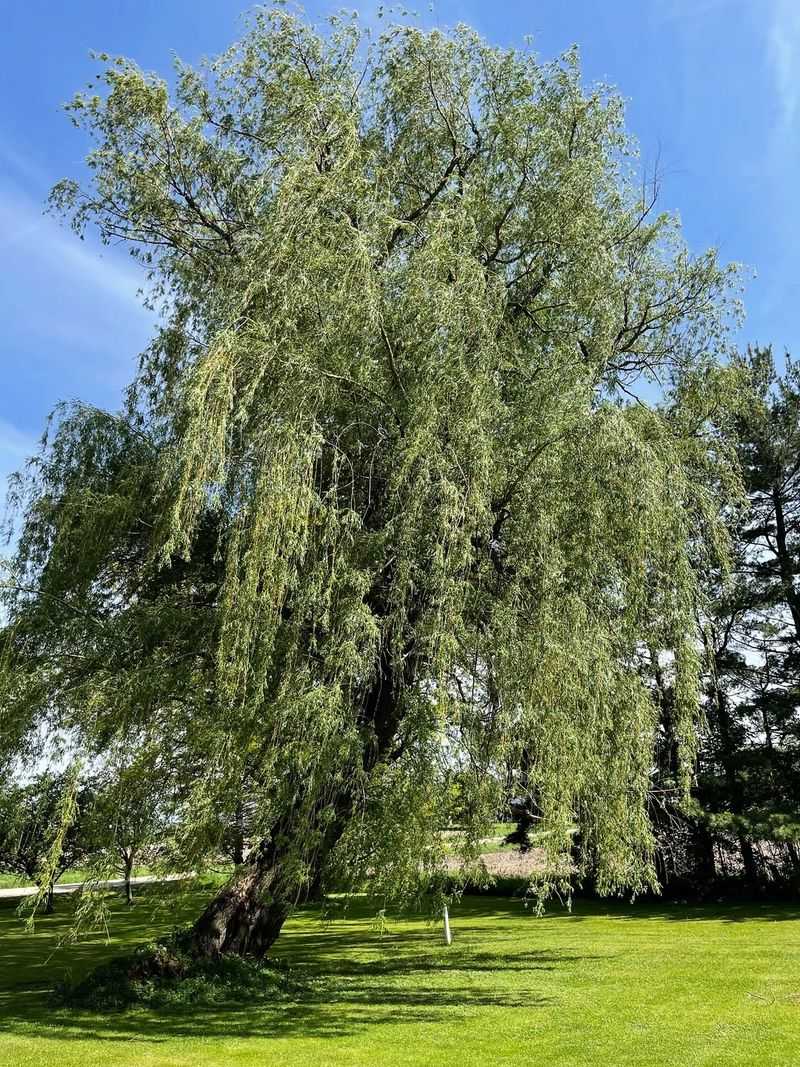
Willow trees bring graceful, flowing branches and a romantic feel to any landscape, but their beauty comes with a hidden danger lurking beneath the soil.
These moisture-loving giants send out incredibly aggressive roots that actively search for water sources, often invading sewer lines, irrigation systems, and drainage pipes with alarming efficiency.
Once inside your plumbing, willow roots create blockages that require expensive professional removal and can cause significant backup issues throughout your home.
Georgia’s humid climate and naturally moist soils create the perfect environment for willow root spread, making the problem even worse than in drier regions.
The roots can extend two to three times beyond the tree’s canopy, reaching distances of fifty feet or more from the trunk. Their rapid growth rate means problems develop quickly, sometimes within just a few years of planting.
Homeowners who plant willows near their houses often face cracked foundations, lifted sidewalks, and compromised septic systems. The cost of repairing underground infrastructure typically far exceeds the aesthetic value these trees provide.
If you love the weeping willow look, consider planting one in a far corner of your property, well away from any buildings, underground utilities, or water lines where it can grow safely without causing structural headaches.
2. Silver Maple (Acer Saccharinum)
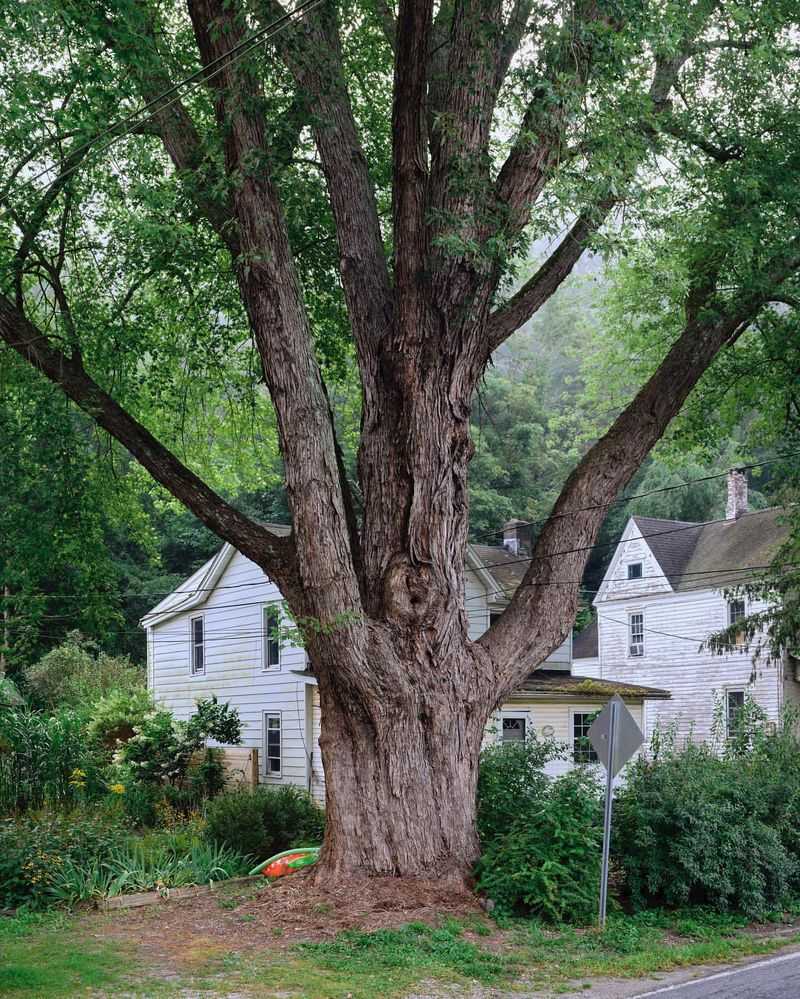
Fast growth might sound appealing when you’re eager for shade, but silver maples take that quality to a problematic extreme.
This species races upward and outward with weak, brittle wood that snaps easily during Georgia’s frequent thunderstorms and high wind events.
Branches often break without warning, potentially causing damage to roofs, vehicles, and power lines while creating dangerous falling hazards for anyone nearby.
The root system presents an equally troublesome challenge, spreading horizontally just beneath the soil surface rather than growing deep. These shallow roots buckle sidewalks, crack driveways, and push through asphalt with surprising force.
They also compete aggressively with grass and garden plants for nutrients and water, making it nearly impossible to maintain a healthy lawn beneath the canopy.
Foundation problems develop when silver maple roots grow beneath houses, applying pressure that creates cracks and compromises structural integrity over time.
The roots seek moisture and can infiltrate basement walls or crawl spaces, leading to dampness issues and expensive repairs.
While silver maples provide quick shade, their lifespan is relatively short compared to other maples, and they often develop hollow sections that increase storm risk.
Choose slower-growing, stronger-wooded alternatives like red maple or oak species that offer better long-term value without the constant maintenance headaches and safety concerns.
3. Bradford Pear / Callery Pear (Pyrus Calleryana)
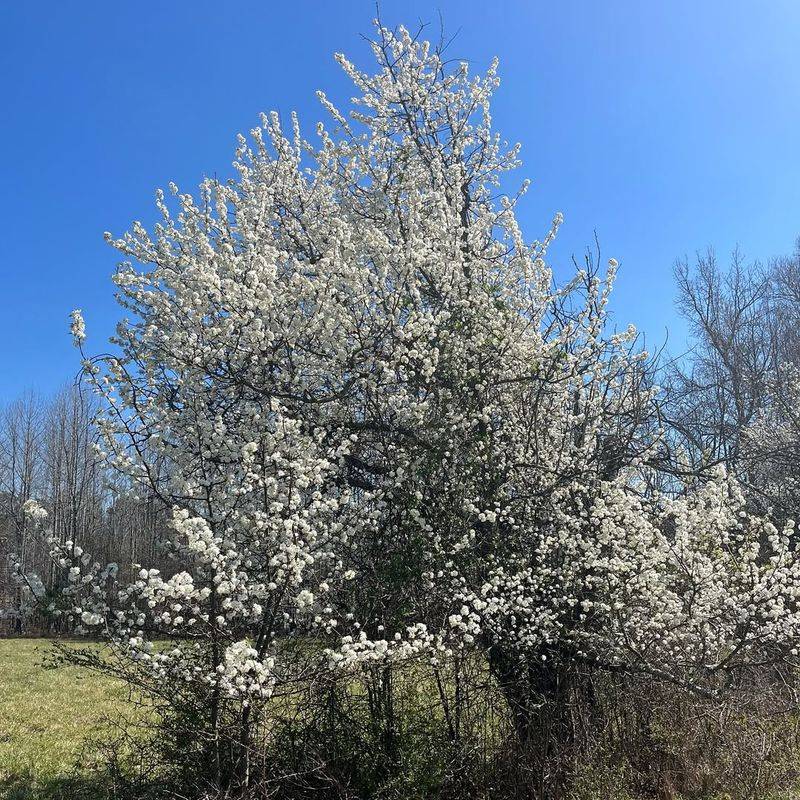
Once beloved for its showy white spring blooms and symmetrical shape, the Bradford pear has fallen dramatically from grace across Georgia and much of the Southeast.
The tree’s fundamental structural flaw lies in its narrow branch angles, which create weak connections that split apart during wind, ice, or even under the weight of the tree’s own foliage.
Georgia’s spring and summer thunderstorms regularly tear these trees apart, leaving stumps and damaged property in their wake.
Beyond the structural issues, Bradford pears have become an ecological nightmare throughout the state.
They cross-pollinate with other callery pear varieties to produce thorny, aggressive offspring that invade natural areas, crowding out native plants and disrupting local ecosystems.
Georgia has joined other states in actively discouraging their planting, with some municipalities offering removal and replacement programs.
The tree’s lifespan rarely exceeds twenty years, meaning homeowners who plant them will likely face removal costs relatively soon.
The unpleasant odor of their spring flowers, often compared to rotting fish, adds another strike against them. Branches frequently break and fall, creating ongoing cleanup work and potential hazards.
State forestry experts strongly recommend removing existing Bradford pears and replacing them with native alternatives like serviceberry, redbud, or dogwood that provide beauty without the problems and environmental harm.
4. Sweetgum (Liquidambar Styraciflua)
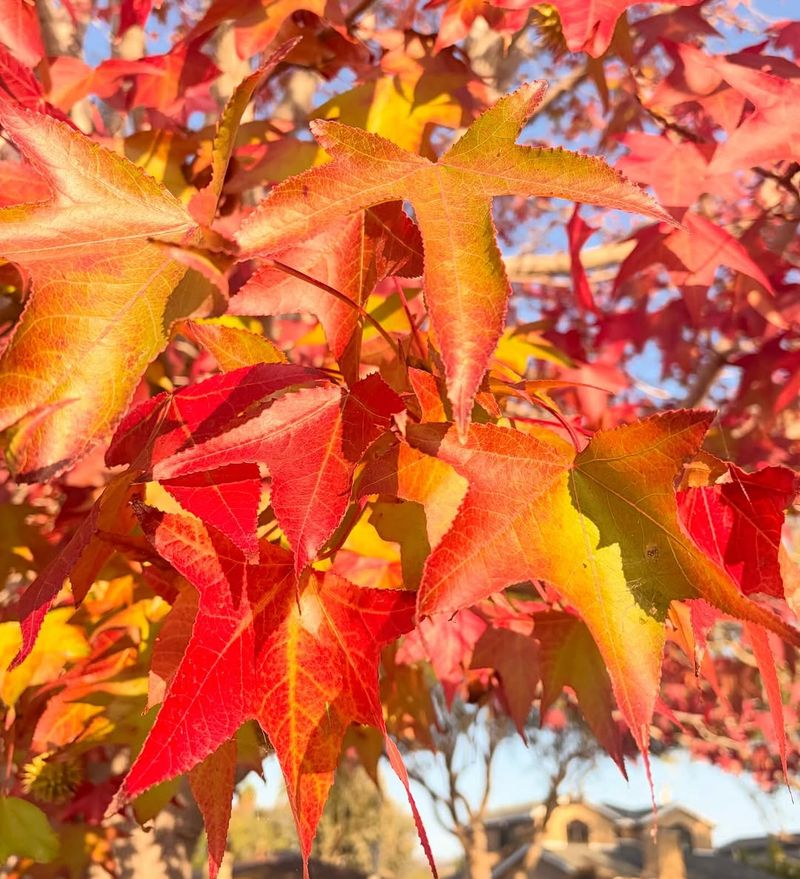
Sweetgum trees offer stunning fall color with leaves that turn brilliant shades of red, orange, and purple, but their surface roots and prolific seed production make them nightmare neighbors for houses and hardscapes.
The root system spreads aggressively just beneath the soil, creating raised bumps in lawns and applying constant pressure against driveways, patios, and walkways.
Concrete surfaces near sweetgums often crack and heave, requiring costly repairs or replacement. The tree’s most infamous feature is its spiky seed balls, which cover the ground in dense layers from fall through winter.
These hard, prickly spheres make walking barefoot impossible, clog gutters and downspouts, and create hazards on driveways where they can cause slips or puncture bicycle tires.
Raking them up becomes an endless chore that consumes hours of maintenance time throughout the cooler months.
Sweetgum roots also interfere with underground utilities and irrigation systems, growing into any available space and causing blockages or breaks.
The trees grow quite large, with mature specimens reaching heights of sixty to eighty feet and spreading equally wide.
When planted near homes, their size creates excessive shade that promotes moisture problems on roofs and siding.
While sweetgums thrive in Georgia’s native landscapes and work well in large, open spaces, they simply create too many ongoing problems when situated close to residential structures where their roots and seed litter cause constant frustration.
5. Cottonwood (Populus Species)
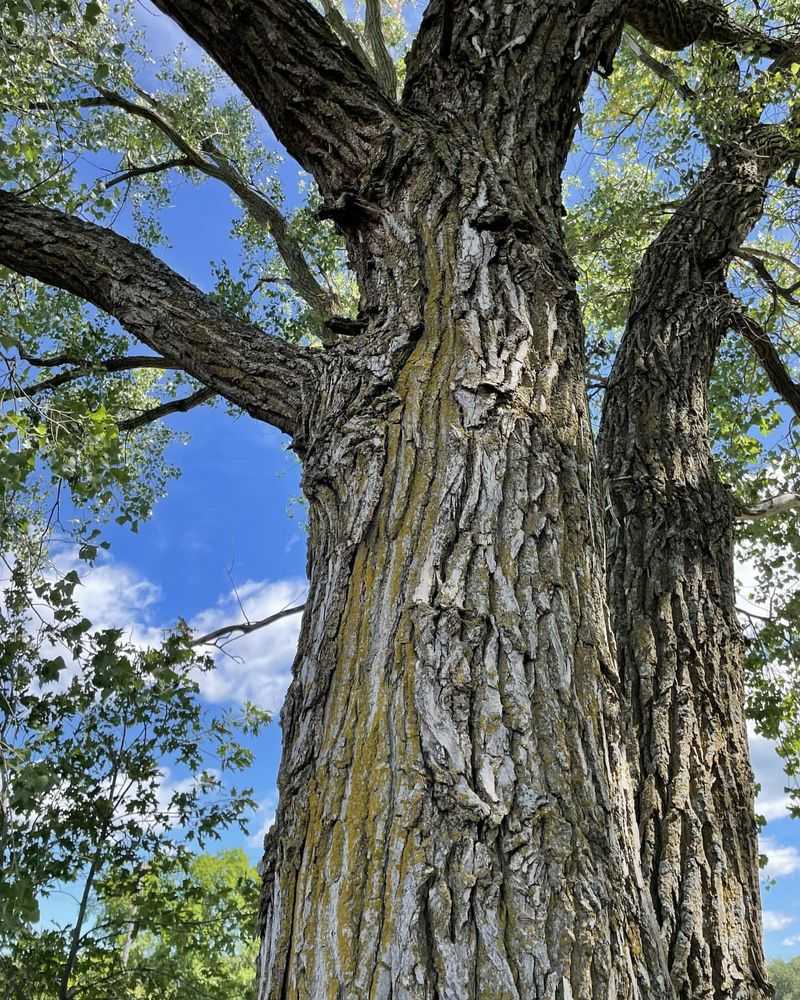
Cottonwood trees earn their name from the fluffy, cotton-like seeds that fill the air each spring, creating what looks like a summer snowstorm but quickly becomes a maintenance nightmare.
The seeds accumulate in gutters, air conditioning units, and screen doors, while also triggering allergies and respiratory issues for sensitive individuals.
Beyond the seasonal nuisance, cottonwoods present serious structural concerns that make them poor choices for residential landscapes.
These fast-growing giants develop shallow, spreading root systems that aggressively seek water and nutrients, often traveling far beyond the tree’s canopy. The roots lift sidewalks, buckle driveways, and crack foundations with remarkable force.
They also invade sewer lines and septic systems, creating expensive plumbing emergencies that require excavation and professional repair.
Cottonwood branches break easily during storms, and the trees often drop large limbs without warning even in calm weather.
Their rapid growth produces weak wood that lacks the strength to support the massive canopy, making them vulnerable to wind damage during Georgia’s frequent severe weather events.
The trees also require enormous amounts of water, which can stress residential irrigation systems and increase water bills substantially.
While cottonwoods serve important ecological roles in riparian zones and natural floodplains, they simply grow too large, too fast, and too aggressively for safe placement near homes where their roots and falling branches create ongoing risks and costly maintenance demands.
6. Leyland Cypress (× Cupressocyparis Leylandii)
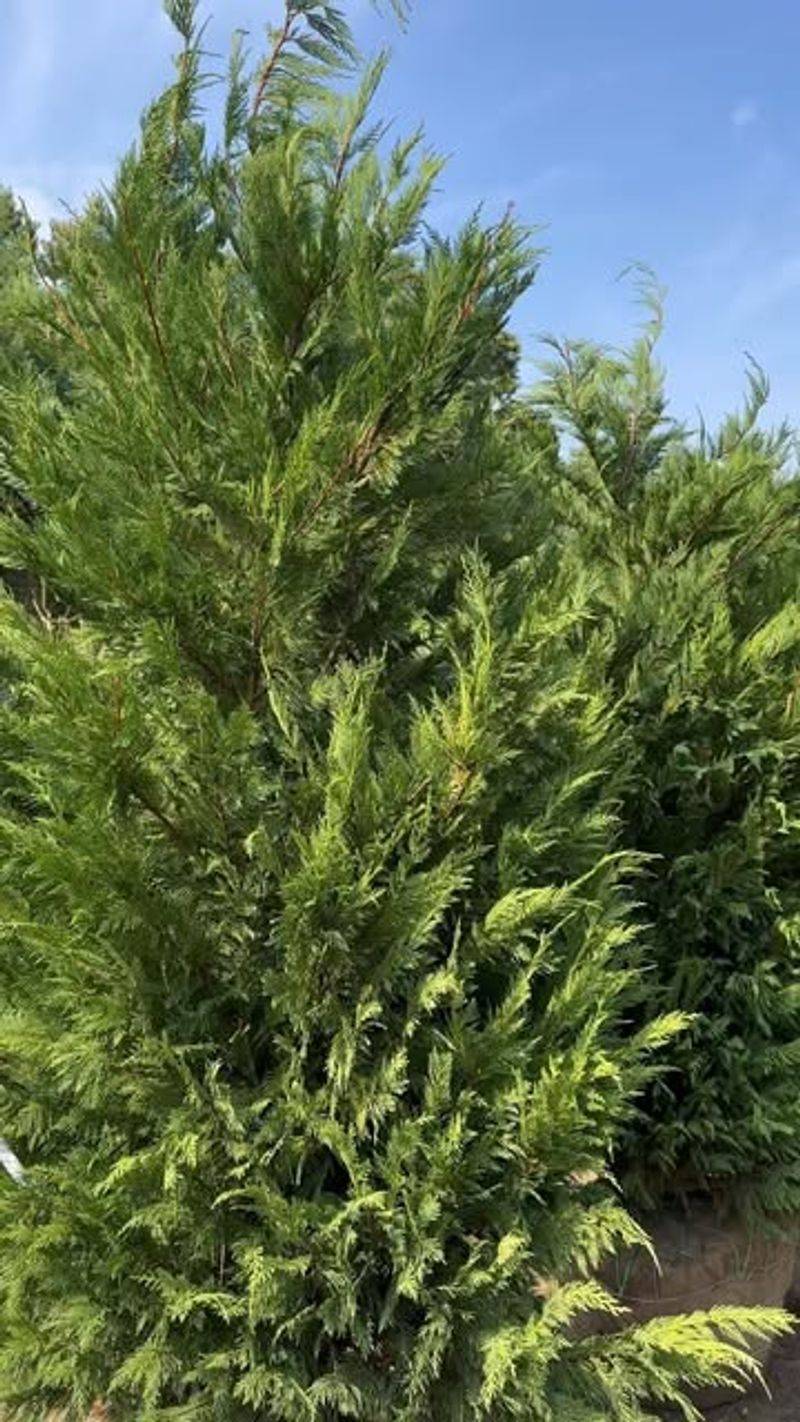
Leyland cypress became wildly popular across Georgia for its fast growth and dense evergreen screening, but this hybrid conifer comes with significant problems that become apparent within just a few years of planting.
The trees grow rapidly, often adding three to four feet annually, which sounds ideal for privacy but creates crowding issues when planted too close to structures.
Their root systems spread horizontally and can compromise foundations, while the dense foliage traps moisture against house siding, promoting rot and mold growth.
Georgia’s humid climate creates perfect conditions for several diseases that devastate Leyland cypress, particularly Seiridium canker and root rot.
Once infected, these trees decline rapidly, developing brown patches that spread throughout the foliage until entire sections perish.
The disease spreads easily between closely planted trees, often wiping out entire privacy screens within a single growing season.
Spacing becomes problematic because homeowners typically plant Leylands too close together for immediate screening effect, not accounting for their mature width of fifteen to twenty feet.
The resulting overcrowding stresses the trees, making them more susceptible to disease and pest problems.
When planted near houses, the trees block natural light, create damp conditions, and drop significant amounts of needle debris that clogs gutters. Their shallow roots also compete aggressively with foundation plantings and lawn grass.
For reliable evergreen screening, consider native alternatives like Eastern red cedar or American holly that resist disease better and require less maintenance.
7. Mimosa / Silk Tree (Albizia Julibrissin)
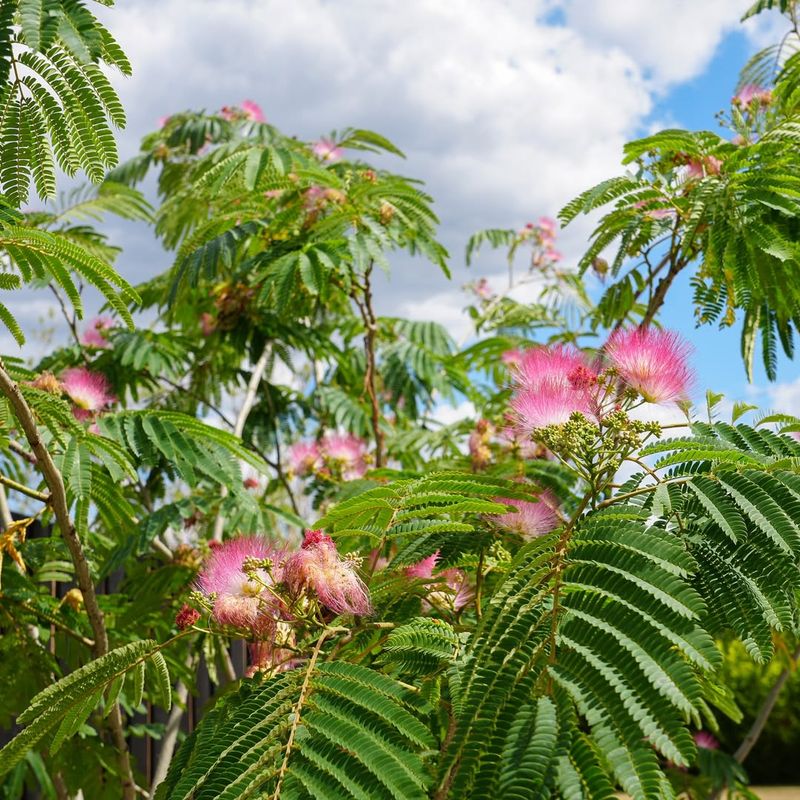
Mimosa trees charm many homeowners with their fluffy pink flowers and delicate, fern-like foliage that creates a tropical appearance unusual for Georgia landscapes.
However, this Asian import has become a significant invasive threat throughout the state, spreading aggressively along roadsides, waterways, and into natural areas where it outcompetes native vegetation.
The trees produce enormous quantities of seeds that germinate readily, creating thickets of young mimosas that pop up everywhere across your property.
The wood is extremely brittle, and branches snap easily during storms or even moderate winds. Limbs often break and fall without warning, creating hazards near walkways, driveways, and homes.
The trees also have relatively short lifespans, typically lasting only fifteen to twenty years before declining, which means you’ll face removal costs relatively soon after planting.
Mimosa roots spread widely and produce suckers that emerge throughout your lawn, creating constant mowing obstacles and maintenance headaches.
The trees drop seed pods, flowers, and leaves continuously throughout the growing season, making them exceptionally messy near houses and outdoor living spaces.
Georgia conservation groups actively work to control mimosa spread and encourage homeowners to remove existing trees and replace them with native alternatives. The shallow root system also makes mimosas prone to toppling during severe weather.
While the flowers are undeniably beautiful, the ongoing problems and environmental damage make mimosa a poor choice for responsible Georgia homeowners.
8. Chinese Tallow Tree (Triadica Sebifera)
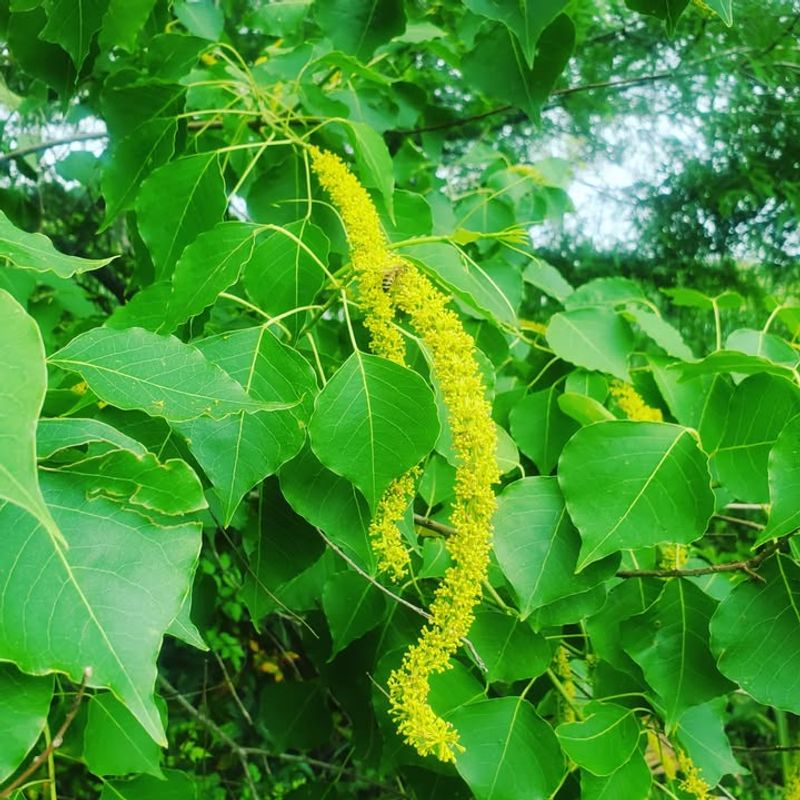
Chinese tallow tree ranks among Georgia’s most problematic invasive species, earning a spot on state watchlists and active removal programs throughout the region.
Originally introduced for its waxy seeds and attractive fall color, this aggressive spreader now dominates wetlands, forest edges, and disturbed areas across the state.
The trees produce thousands of seeds annually that birds distribute widely, leading to dense stands that choke out native plants and disrupt entire ecosystems.
The root system spreads extensively and produces allelopathic chemicals that inhibit the growth of nearby plants, creating barren zones beneath the canopy where little else can survive.
This chemical warfare extends to your garden beds and lawn areas, making it nearly impossible to maintain attractive landscaping near these trees.
The roots also invade underground utilities and can compromise foundations when planted too close to structures.
Georgia’s forestry and wildlife agencies actively discourage planting Chinese tallow and encourage removal of existing specimens. Many counties have restrictions or outright bans on planting this species.
The trees grow rapidly and produce brittle wood that breaks during storms, creating falling hazards. Their aggressive seeding habit means you’ll constantly battle seedlings emerging throughout your property and neighboring yards.
Environmental stewardship requires choosing native alternatives that support local ecosystems rather than disrupting them.
Consider native tupelo, sweetbay magnolia, or river birch for similar growing conditions without the invasive behavior and ecological damage that Chinese tallow creates.
9. Eucalyptus (Eucalyptus Species – Limited Use In South Georgia)
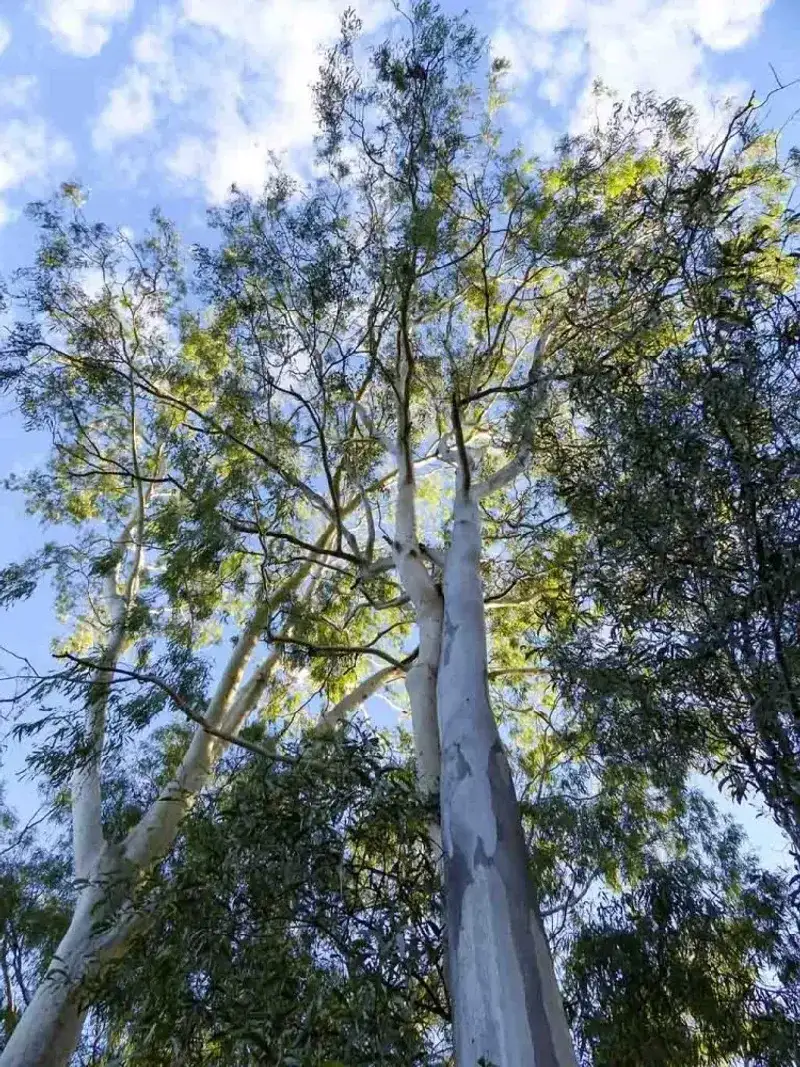
Eucalyptus trees bring an exotic appeal with their distinctive peeling bark and aromatic foliage, but these Australian natives struggle in Georgia’s climate and create significant problems near residential structures.
The trees demand enormous quantities of water, which strains irrigation systems and increases water bills substantially during Georgia’s hot summers.
Their shallow, spreading root systems aggressively seek moisture, often invading underground pipes and drainage systems while competing with other landscape plants.
The wood is extremely brittle, and branches snap easily during storms or high winds that are common throughout Georgia. Large limbs often fall without warning, creating serious hazards near homes, vehicles, and outdoor living spaces.
The trees also shed bark, leaves, and seed capsules continuously, creating substantial debris that requires constant cleanup around houses and clogs gutters regularly.
Eucalyptus roots spread horizontally near the surface rather than anchoring deeply, making mature trees prone to toppling during severe weather events.
When planted close to foundations, the roots can apply pressure that creates cracks and structural issues over time.
The trees also produce oils that make fallen debris highly flammable, increasing fire risk near structures. Most eucalyptus species aren’t fully cold-hardy in Georgia, suffering damage or perishing during occasional hard freezes.
The combination of high water demands, weak wood, aggressive roots, and climate unsuitability makes eucalyptus a poor choice for Georgia landscapes, particularly near homes where their structural problems create ongoing safety concerns and maintenance demands.
10. Tree Of Heaven (Ailanthus Altissima)
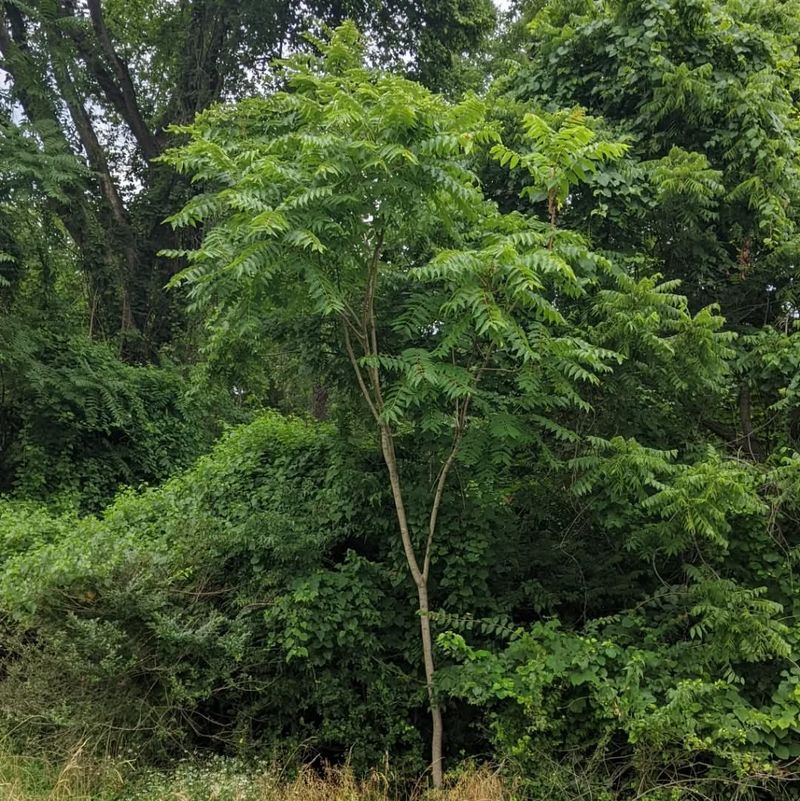
Despite its lofty name, Tree of Heaven creates hellish problems for Georgia homeowners who make the mistake of planting it or allowing volunteers to remain on their property.
This aggressive invader spreads through prolific seeding and extensive root suckering, quickly forming dense thickets that are extremely difficult to eliminate.
A single mature tree can produce hundreds of thousands of seeds annually, ensuring that new seedlings constantly emerge throughout your property and neighboring yards.
The root system sends up suckers that can appear twenty feet or more from the parent tree, breaking through pavement, sidewalks, and even basement floors with surprising force.
These roots disrupt underground utilities, crack foundations, and make it nearly impossible to maintain clean hardscapes or attractive landscaping.
Attempting to remove Tree of Heaven by cutting it down often makes the problem worse, as the root system responds by producing even more vigorous suckers.
The tree’s leaves and bark produce unpleasant odors, particularly when bruised or cut, and can cause skin irritation in sensitive individuals.
Tree of Heaven also serves as a preferred host for the invasive spotted lanternfly, which threatens Georgia’s agriculture and natural areas. The wood is weak and breaks easily during storms.
Georgia lists Tree of Heaven as an invasive species, and environmental experts strongly recommend removal using proper techniques that include treating cut stumps to prevent resprouting.
Choose native alternatives that won’t take over your property or spread into natural areas.
11. Water Oak (Quercus Nigra)
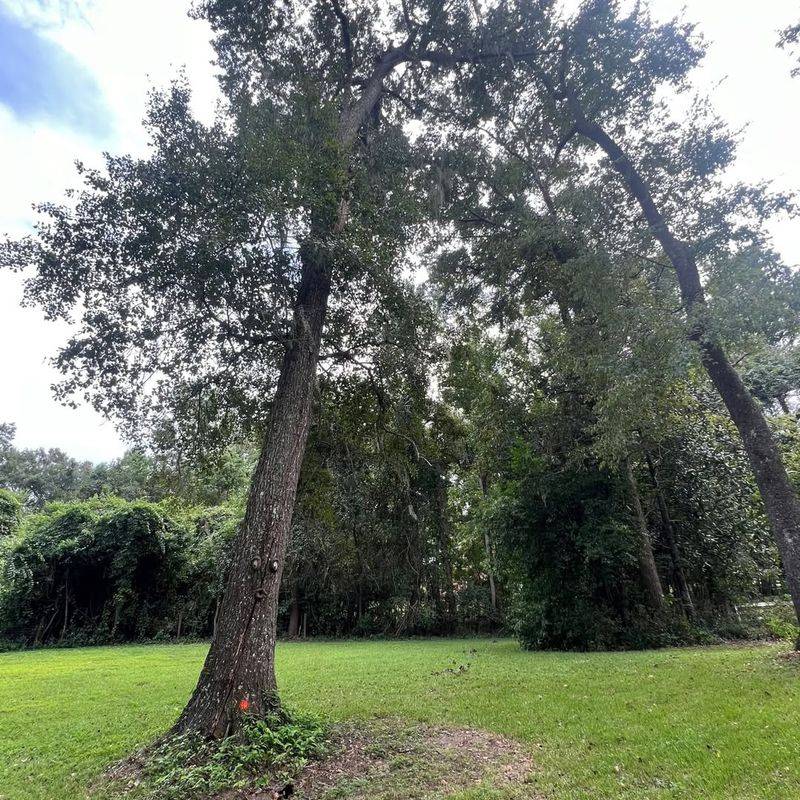
Water oaks grow abundantly throughout Georgia’s natural landscapes, but their presence in native forests doesn’t necessarily make them good choices for residential planting, particularly near homes.
Unlike their longer-lived oak cousins like white oak or red oak, water oaks have relatively short lifespans, typically lasting only thirty to fifty years compared to centuries for other species.
This shortened lifespan means homeowners face removal costs much sooner than they would with better oak selections.
The branch structure is inherently weak, with narrow attachment angles that make limbs prone to breaking during Georgia’s frequent thunderstorms and high wind events.
Large branches often snap and fall without warning, creating serious hazards near houses, vehicles, and outdoor living areas.
The trees develop massive canopies that spread widely, often extending forty to sixty feet across at maturity, which creates excessive shade and moisture problems when planted too close to structures.
Water oaks drop enormous quantities of leaves, acorns, and small branches throughout the year, creating constant cleanup work around homes and clogging gutters regularly.
The root system spreads extensively, often lifting sidewalks and driveways while competing aggressively with lawn grass and garden plants.
As water oaks age, they become increasingly prone to structural failure, with hollow sections and internal decay that aren’t always visible from the outside.
For residential landscapes, choose stronger-wooded oak species like live oak, Shumard oak, or white oak that offer better longevity and structural integrity without the elevated storm risk that water oaks present.
12. Black Walnut (Juglans Nigra)
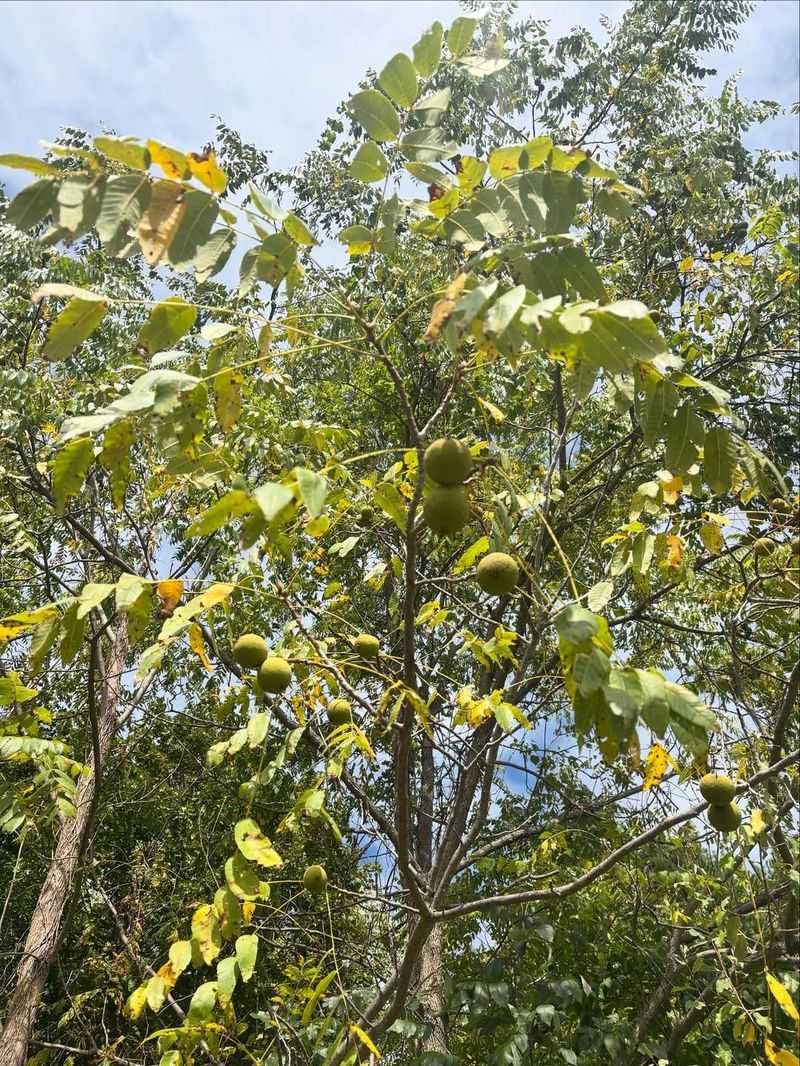
Black walnut trees produce valuable lumber and delicious nuts, but they wage chemical warfare against nearly everything growing around them, making them terrible neighbors for residential landscapes.
The roots, leaves, and nut husks contain juglone, a natural herbicide that suppresses or eliminates most common garden plants, shrubs, and even some tree species.
Tomatoes, peppers, azaleas, rhododendrons, and many other popular landscape plants simply cannot survive within the extensive root zone of a black walnut.
The root system spreads far beyond the canopy, often extending fifty to sixty feet from the trunk, meaning the zone of juglone toxicity affects a massive area around the tree.
This makes it nearly impossible to maintain attractive foundation plantings, flower beds, or vegetable gardens anywhere near your home when a black walnut is present.
The trees also drop heavy nuts that create hazards on driveways and walkways, potentially denting vehicles or causing painful impacts if they strike people.
Black walnuts grow quite large, reaching heights of seventy to eighty feet with equally impressive spreads, creating excessive shade near houses that promotes moisture problems and moss growth on roofs.
The leaf litter and nut husks are difficult to compost and take years to break down. Squirrels attracted to the nuts can become nuisances, while the staining husks leave dark marks on concrete and create slippery conditions.
While black walnuts have their place in larger, natural settings, their allelopathic effects make them incompatible with typical residential landscapes where diverse plantings are desired.
13. Southern Magnolia (Magnolia Grandiflora – Too Close Placement)
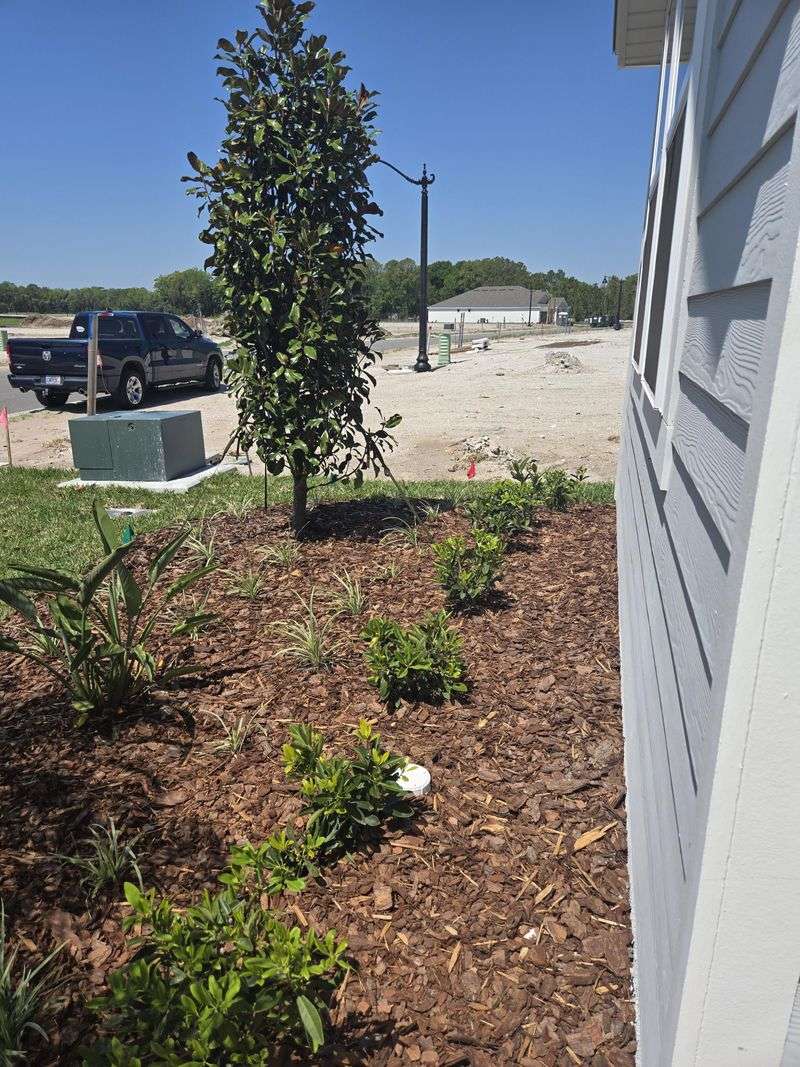
Southern magnolias represent iconic Georgia beauty with their glossy evergreen leaves and spectacular fragrant white blooms, but these magnificent trees become serious problems when planted too close to homes.
Many homeowners underestimate the mature size, planting young specimens just ten or fifteen feet from their foundations without realizing these trees can reach heights of sixty to eighty feet with canopy spreads of thirty to forty feet.
The resulting overcrowding creates multiple issues as the tree matures.
The root system spreads extensively, both horizontally and vertically, often interfering with foundations, underground utilities, and drainage systems when insufficient space is provided.
Roots can lift sidewalks and driveways while also invading sewer lines and septic systems.
The dense evergreen canopy creates heavy shade that traps moisture against house siding and roofs, promoting mold growth, wood rot, and creating ideal conditions for pest problems.
Southern magnolias drop leaves year-round, along with spent flowers, seed cones, and small branches, creating substantial debris that clogs gutters and requires constant cleanup.
The large, leathery leaves decompose slowly and can smother lawn grass beneath the canopy. When planted with proper setback distances of at least thirty feet from structures, Southern magnolias thrive and showcase their beauty without causing problems.
The key is respecting their mature size during the planning phase rather than dealing with costly removal or ongoing structural issues later.
Choose appropriate planting locations that allow these magnificent trees the space they need to flourish safely.