Common Indoor Plant Mistakes Many Colorado Homes Make And How To Avoid Them
Indoor plants can make any Colorado home feel warmer and more alive, but small care mistakes often hold them back. Dry air, changing light levels, and indoor heating can quietly stress your plants without obvious warning.
Your houseplants might be struggling for reasons you haven’t noticed yet. Overwatering, poor placement, and using the wrong soil are common problems that slowly damage roots and leaves.
Tiny mistakes can lead to big plant problems. Learning what to avoid can save time, money, and frustration.
Grow healthier, stronger plants with simple care changes. Turn your home into a space filled with thriving greenery.
Once you understand these common indoor plant mistakes and how to fix them, keeping your Colorado houseplants happy becomes easier, more rewarding, and far less stressful.
1. Ignoring Colorado’s Extremely Low Humidity Levels
Most houseplants come from tropical regions where humidity stays between 60-80%, but Colorado homes often drop below 20% humidity, especially during winter months. Your ferns, calatheas, and peace lilies suffer silently in this desert-like air.
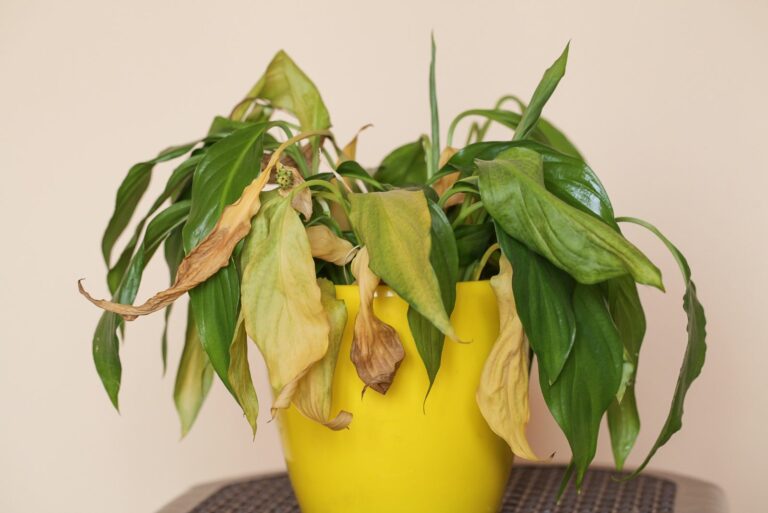
Brown leaf tips and crispy edges are your plants crying out for moisture that simply isn’t there.
The dry Colorado climate affects indoor plants more dramatically than many people realize. When you run your heater during those cold mountain winters, the humidity drops even further.
Plants lose moisture through their leaves faster than their roots can replace it, leading to stress and stunted growth.
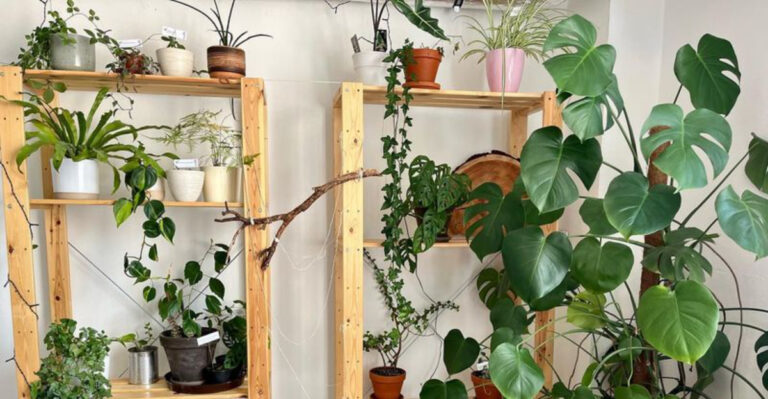
Creating humidity doesn’t require expensive equipment or complicated systems. Group your plants together so they create their own microclimate through transpiration.
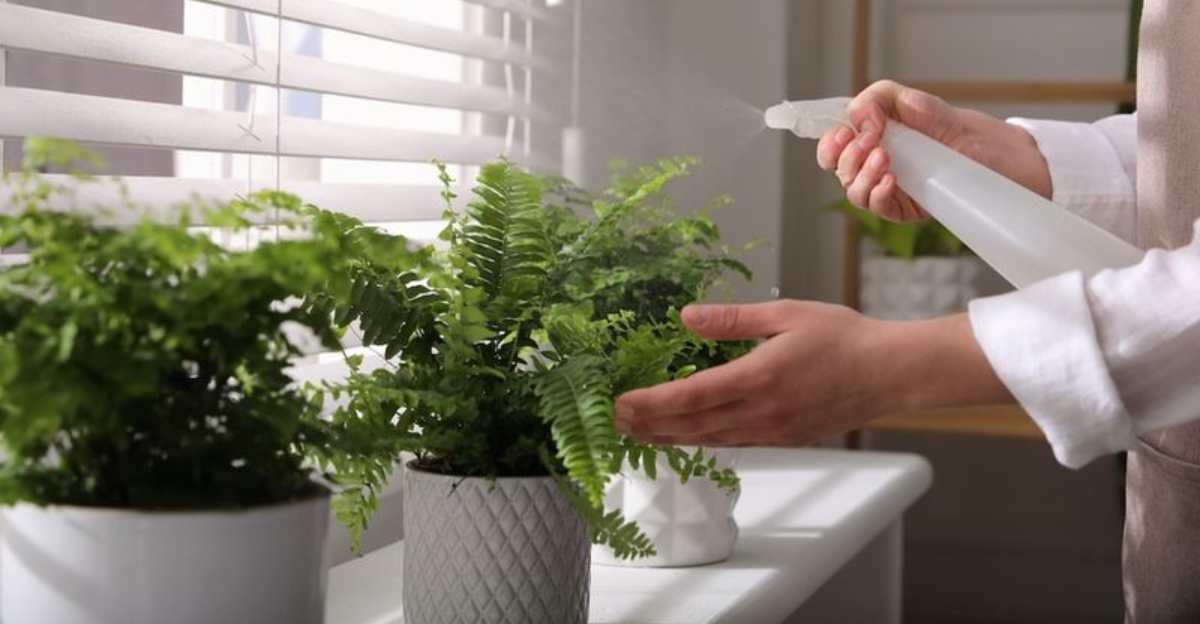
Place pebble trays filled with water beneath your pots, making sure the pot bottoms don’t sit directly in water. Misting helps temporarily but isn’t a long-term solution since the moisture evaporates quickly in dry air.
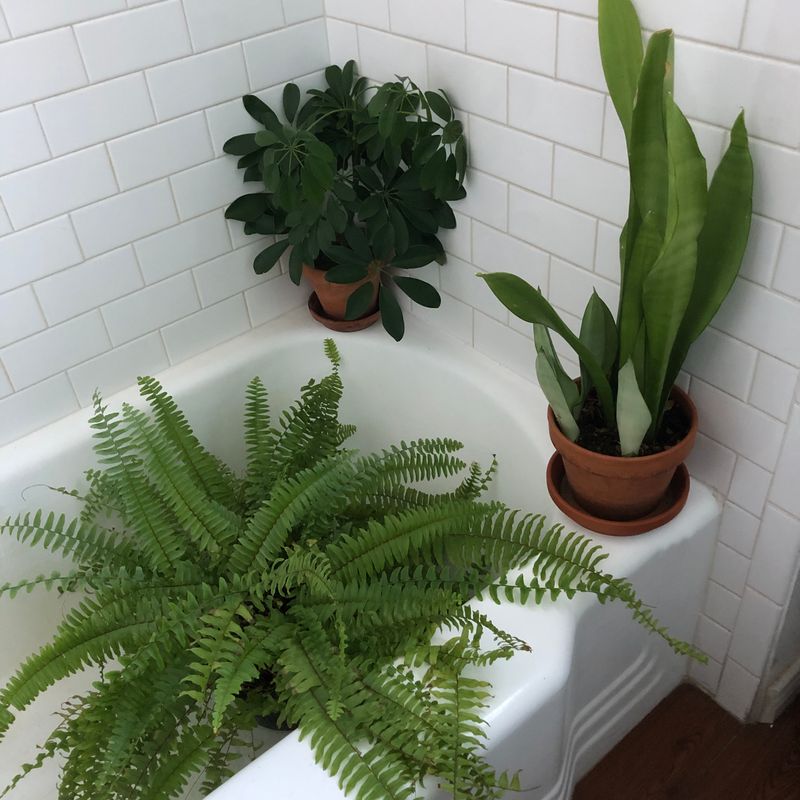
Consider investing in a small humidifier for plant-heavy rooms, especially during Colorado’s harsh winter season. Bathrooms and kitchens naturally have higher humidity, making them perfect spots for moisture-loving plants.
You can also move plants away from heating vents and radiators, which create extra-dry zones. Monitor your home’s humidity with an inexpensive hygrometer to track levels throughout the seasons.
Many Colorado plant parents find that maintaining 40-50% humidity keeps most houseplants happy without encouraging mold growth in your home.
2. Overwatering Because Of Guilt Or A Strict Schedule
Plant owners in Colorado often water on a fixed schedule, like every Sunday, regardless of what their plants actually need. This rigid approach causes more problems than it solves.
Roots sitting in soggy soil develop rot, which spreads quickly and damages the entire plant system.
Guilt plays a sneaky role in overwatering habits. You see your plant and think it looks thirsty, so you give it a drink even though you watered just two days ago.
Colorado’s dry air tricks people into thinking plants need constant watering, but the soil tells the real story. Most houseplants prefer their soil to dry out somewhat between waterings, especially during cooler months when growth slows down.
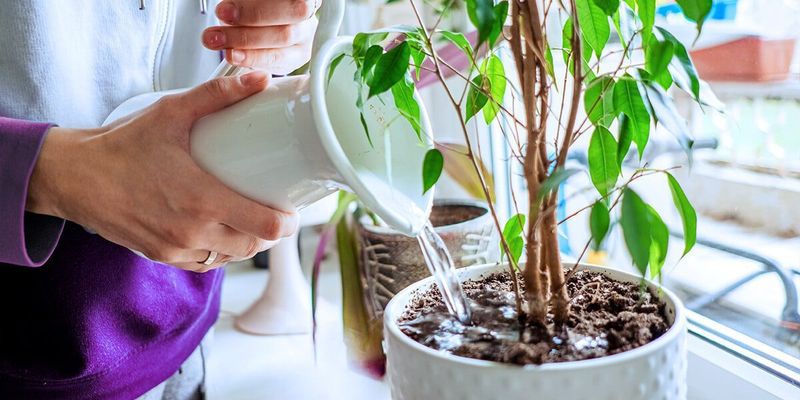
Learning to check soil moisture before watering saves countless plants from an early grave. Stick your finger two inches into the soil, and if it feels damp, wait another day or two.
Different plants have different needs, so a succulent and a fern should never follow the same watering schedule. The pot size, soil type, light levels, and season all affect how quickly soil dries out.
Colorado’s low humidity means water evaporates from soil surfaces quickly, but deeper soil stays wet much longer than you’d expect. Use pots with drainage holes so excess water can escape instead of pooling at the bottom.
Consider getting a moisture meter if you struggle to judge soil dampness by touch. During Denver’s winter months, most plants need significantly less water than during the growing season.
Pay attention to your plant’s signals like drooping leaves or lighter pots, which indicate genuine thirst rather than following arbitrary calendar dates.
3. Placing Plants In Colorado’s Intense Direct Sunlight
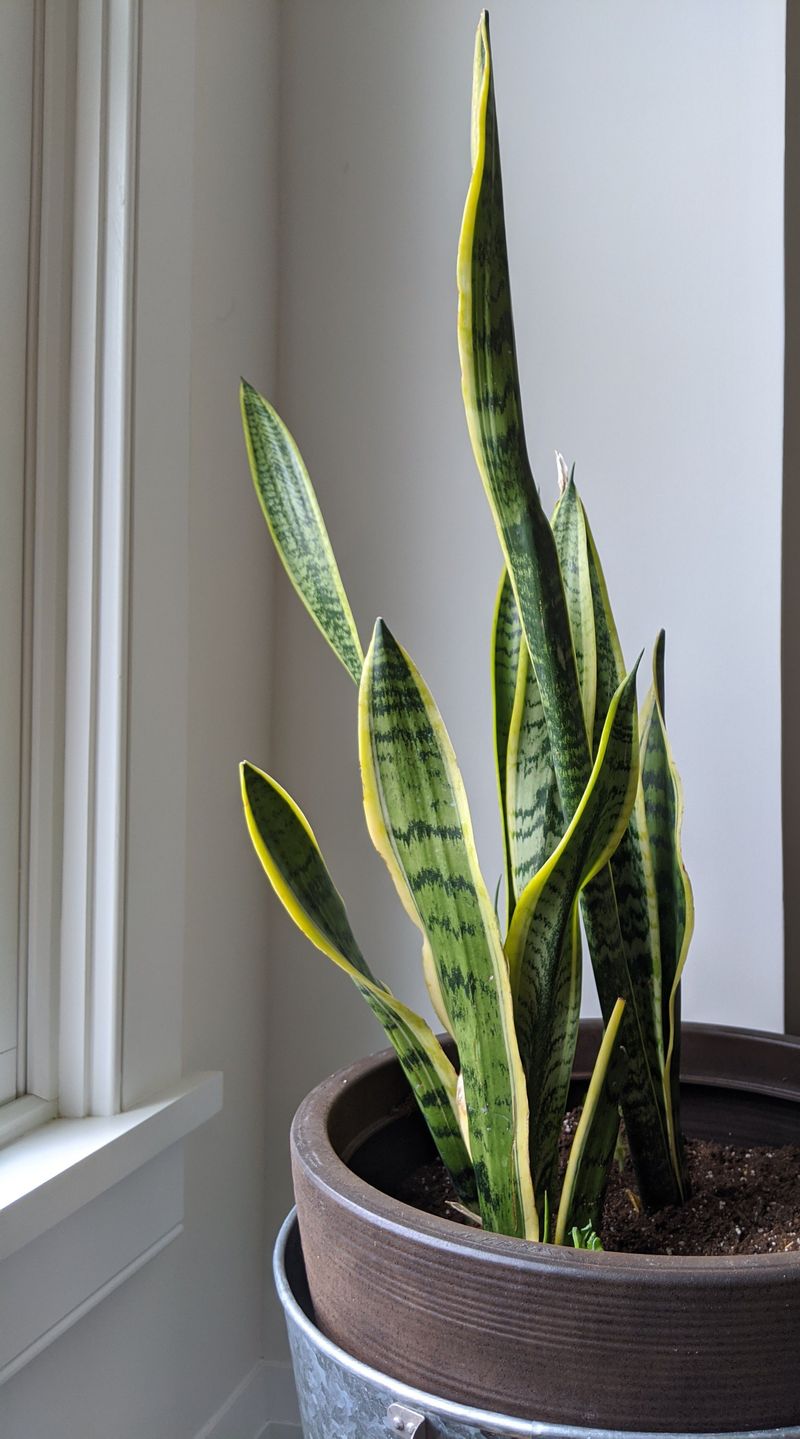
Colorado sits at high altitude where the atmosphere is thinner, meaning sunlight hits harder than at sea level. That sunny windowsill that seems perfect might actually be scorching your plants.
Many houseplants prefer bright indirect light, not the intense rays that pour through Colorado windows, especially on south and west exposures.
Sunburn on plants looks similar to human sunburn with bleached, brown, or white patches on leaves. Once a leaf gets burned, it won’t recover, though the plant can grow new healthy leaves if you fix the lighting situation.
Snake plants, pothos, and philodendrons can handle some direct sun, but delicate plants like African violets and orchids need protection from Colorado’s powerful rays.
The solution isn’t moving plants to dark corners but finding that sweet spot of bright filtered light. Sheer curtains work wonderfully to diffuse intense sunlight while still providing plenty of brightness.
You can also place plants a few feet back from windows rather than right on the sill. East-facing windows offer gentler morning sun, which most plants tolerate better than harsh afternoon light.
Colorado Springs residents and those at higher elevations should be especially careful since altitude intensifies UV exposure. Rotate your plants regularly so all sides receive equal light and grow evenly.
During summer months when the sun sits higher and stronger in the sky, you might need to move plants further from windows or add more filtering. Watch for signs like faded colors, crispy patches, or leaves curling away from the light source.
Remember that light intensity changes dramatically with seasons, so a winter spot that works perfectly might be too intense come summer in the Colorado sunshine.
4. Using Tap Water Without Letting Chemicals Evaporate
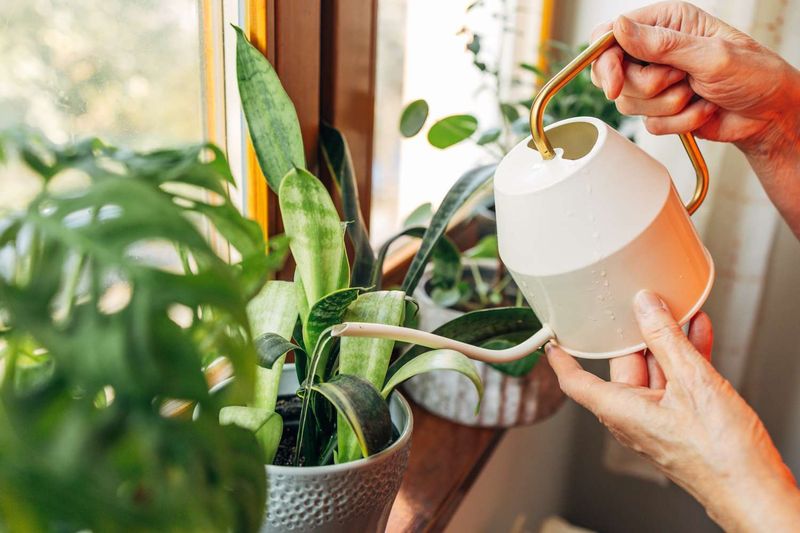
Colorado municipal water contains chlorine, chloramine, and fluoride to keep drinking water safe for humans. Plants, however, can be sensitive to these chemicals, especially tropical varieties.
You might notice brown leaf tips, stunted growth, or overall poor health even when you’re doing everything else right. The culprit could be hiding in your tap water.
Chlorine evaporates fairly quickly if you let water sit out overnight in an open container. Chloramine, which many Colorado water districts use instead of chlorine, doesn’t evaporate as easily and requires longer sitting times or filtration.
Fluoride accumulates in soil over time and can cause tip burn on sensitive plants like spider plants, dracaenas, and prayer plants.
The easiest solution is filling watering cans and letting them sit uncovered for 24-48 hours before using the water. This allows chlorine to dissipate and brings the water to room temperature, which is gentler on roots than cold tap water.
If your area uses chloramine, consider using filtered water, collected rainwater, or distilled water for your most sensitive plants.
Boulder and Fort Collins residents can check their local water reports online to see exactly what’s in their tap water. Some plant parents invest in simple carbon filters that attach to faucets, removing most chemicals effectively.
Aquarium water conditioners also neutralize chlorine and chloramine instantly if you’re in a hurry. Rainwater collection works beautifully in Colorado when it actually rains, though our dry climate means you can’t rely on it year-round.
If you notice persistent brown tips despite proper watering and humidity, your water quality might be the hidden problem.
Testing your water’s pH can also reveal whether it’s too alkaline for acid-loving plants, which is common in Colorado’s mineral-rich water supply.
5. Forgetting To Adjust Care Routines With The Seasons
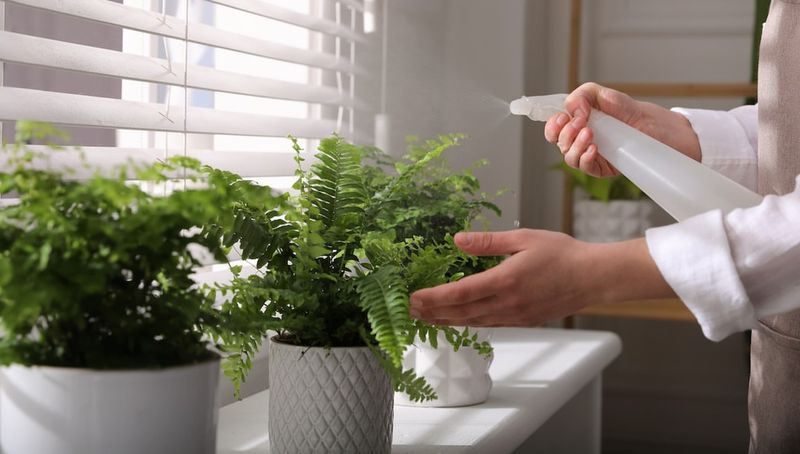
Colorado experiences dramatic seasonal changes that affect indoor plants more than people realize. Winter brings shorter days, lower light levels, and heated indoor air, while summer offers long bright days and warmer temperatures.
Your plants respond to these changes by adjusting their growth patterns, but many owners continue the same care routine year-round.
During winter months, most houseplants enter a semi-dormant state where growth slows significantly. They need less water, less fertilizer, and can tolerate lower temperatures.
Continuing your summer watering schedule during Denver’s cold months leads to soggy soil and unhappy roots. The reduced light means plants can’t photosynthesize as much, so they simply don’t use water as quickly.
Fertilizing during dormancy wastes product and can actually harm plants by causing salt buildup in soil. Most houseplants appreciate monthly feeding during spring and summer growing seasons but should receive little to no fertilizer from October through February.
Watch your plants for growth signals like new leaves, which indicate they’re actively growing and can benefit from nutrients.
Temperature fluctuations between day and night also affect plants differently across seasons. Colorado homes might drop to 60 degrees at night in winter but stay warm during summer.
Most tropical houseplants tolerate this fine, but avoid placing them near drafty windows or doors during cold snaps. Spring and fall are perfect times for repotting since plants are gearing up for or winding down from active growth.
Pay attention to how quickly soil dries between waterings as seasons change, adjusting your schedule accordingly. Colorado’s intense summer sun might require moving plants back from windows, while winter’s weak light might mean moving them closer.
Observing and adapting your care routine to match Colorado’s seasonal rhythms helps your plants thrive year-round instead of just surviving.
6. Choosing The Wrong Plants For Colorado Conditions
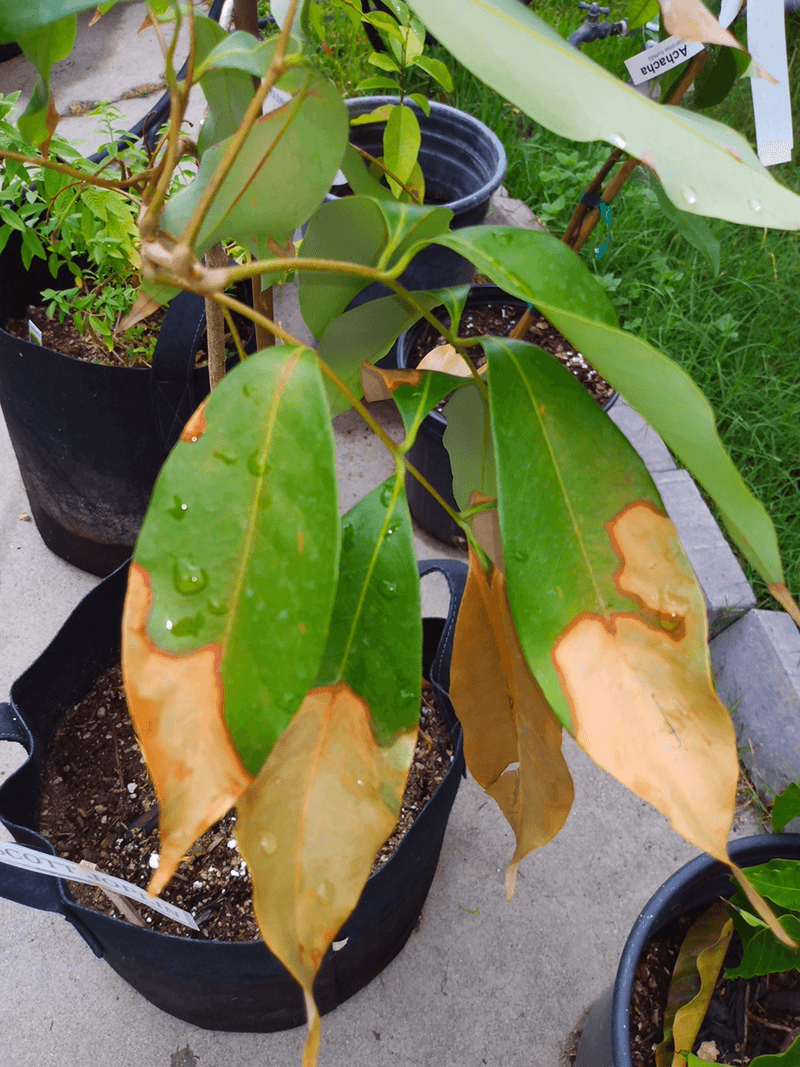
Walking into a nursery and picking the prettiest plant without researching its needs sets you up for frustration. Some plants simply struggle in Colorado’s unique environment no matter how carefully you tend them.
High-humidity lovers like ferns and calatheas require constant attention here, while desert natives and adaptable species thrive with minimal fuss.
New plant parents often start with notoriously difficult plants because they look beautiful in stores. Fiddle leaf figs, for example, need stable conditions and high humidity that Colorado homes rarely provide naturally.
Maidenhair ferns demand constant moisture and humidity that requires daily attention. Meanwhile, hardy plants like pothos, snake plants, and ZZ plants tolerate Colorado’s dry air and variable conditions beautifully.
Matching plants to your specific home environment increases success dramatically. If you have low light, choose plants adapted to shade rather than fighting to keep sun-lovers alive.
If you travel frequently, select drought-tolerant varieties that forgive missed waterings. If you’re a beginner, start with forgiving plants that build your confidence before attempting finicky varieties.
Research before purchasing saves money and disappointment in the long run. Ask nursery staff in Colorado about which plants do well locally rather than assuming care guides written for humid climates apply here.
Consider starting with succulents, cacti, and other plants that actually prefer dry conditions. Snake plants, spider plants, and pothos top the list for Colorado-friendly houseplants that tolerate our challenging conditions.
As you gain experience and learn to manipulate humidity and light, you can gradually add more demanding plants to your collection. Many Colorado plant enthusiasts find that working with their environment instead of against it creates the most satisfying indoor garden.
Choose plants suited to the conditions you can realistically provide rather than the ones you wish you had.
7. Neglecting To Clean Dust Off Plant Leaves
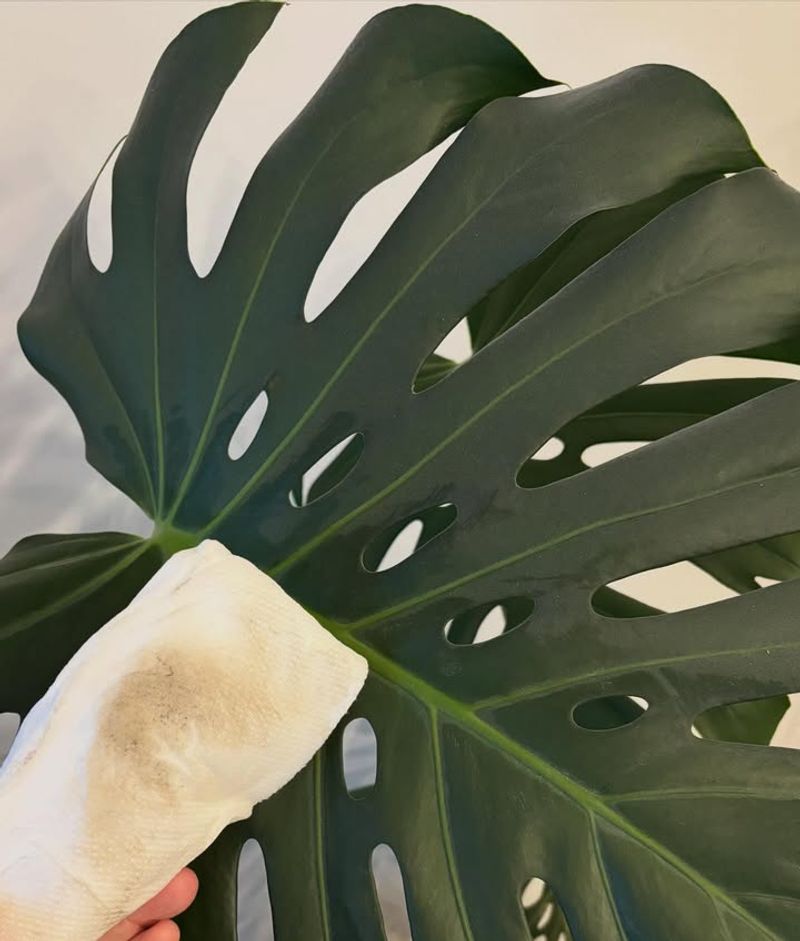
Colorado’s dry climate and frequent winds mean dust settles on everything, including your houseplants. That gray film covering your plant’s leaves isn’t just unsightly; it actually blocks light and clogs the tiny pores plants use to breathe.
Plants covered in dust can’t photosynthesize efficiently, leading to slower growth and weakened health over time.
Many plant owners never think about cleaning leaves, assuming rain would do the job outdoors so indoor plants don’t need it. Unlike outdoor plants that get natural rain showers, indoor plants rely on you to remove accumulated dust and debris.
The layer of dust also attracts pests and can hide early signs of problems like spider mites or scale insects.
Cleaning plants takes just a few minutes and makes a noticeable difference in their appearance and health. For plants with large smooth leaves like monsteras, rubber plants, and philodendrons, simply wipe each leaf with a damp cloth.
Support the leaf from underneath while gently wiping the top surface to avoid tearing. For plants with many small leaves, a lukewarm shower works wonderfully.
Take your plants to the bathtub or sink every month or two and give them a gentle rinse. Let them drain thoroughly before returning them to their spots.
Avoid using leaf shine products, which can clog pores and create more problems than they solve. The natural clean shine from water alone looks beautiful.
Colorado’s dusty conditions mean plants near entryways or windows might need cleaning more frequently than those in less trafficked areas. This simple maintenance task helps your plants look their best while ensuring they can absorb maximum light for healthy growth.
Clean leaves also let you spot pest problems early before they become serious infestations. Regular cleaning becomes a chance to inspect your plants closely and catch issues before they escalate.