Common Indoor Plant Mistakes New York Homeowners Keep Making
Indoor plants often struggle in New York homes not because people lack effort, but because small, repeated missteps quietly work against even the healthiest plants.
Apartments bring limited light, dry winter air, and constant temperature shifts, all of which change how plants behave indoors.
Many homeowners follow general plant advice without realizing city living creates very different conditions.
Watering habits tend to drift off balance, either from fear of overwatering or from routines copied from brighter, warmer spaces.
Light exposure is often misread, especially in rooms where buildings, window direction, or seasonal changes reduce intensity more than expected.
Pot size, drainage, and soil choice also get overlooked, even though roots respond immediately to poor setups.
Plants often show stress slowly, making it easy to miss early warning signs until problems feel permanent.
Over time, these mistakes stack up and turn plant care into frustration instead of enjoyment. Fixing them usually requires fewer changes than people expect.
Once those patterns are corrected, indoor plants in New York homes start growing with far more consistency and confidence.
1. Choosing Plants That Don’t Match Apartment Light Levels
Most New York apartments come with less-than-ideal lighting conditions that can surprise even experienced plant owners. Buildings packed closely together create shadows that block natural sunlight for much of the day.
Narrow air shafts and small windows make matters worse, leaving rooms dim even during peak afternoon hours.
Many homeowners fall in love with tropical plants at the nursery without checking their light requirements first. A fiddle leaf fig might look stunning in a bright store, but it will struggle in a north-facing studio.
Sun-loving succulents and cacti need several hours of direct light daily, something many city apartments simply cannot provide.
Understanding your actual light conditions takes more than a quick glance at your windows. Light meters can help, but even observing how shadows move through your space throughout the day gives valuable information.
South-facing windows offer the brightest light in New York, while north-facing ones provide gentle, indirect illumination perfect for shade-tolerant species.
Matching plants to your available light prevents frustration and disappointment down the road. Snake plants, pothos, and ZZ plants thrive in lower light situations common in city apartments.
Researching light needs before purchasing saves money and ensures your green friends actually stand a chance.
Consider rotating plants between rooms if you have varying light levels throughout your home. Flexibility helps maximize the growing conditions you do have available.
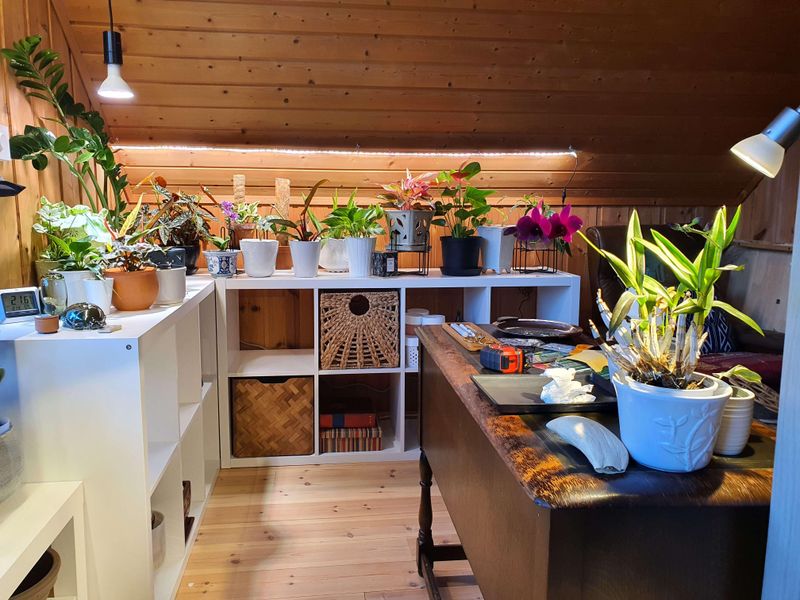
Supplemental grow lights offer another solution for particularly dim spaces where you want to expand your plant collection beyond shade-tolerant varieties.
2. Overwatering Plants During Low-Light Months
Winter in New York brings shorter days and weaker sunlight that dramatically changes how plants use water. Photosynthesis slows down when light becomes scarce, meaning roots absorb moisture at a much reduced rate.
Homeowners who stick to their summer watering schedule often drown their plants without realizing what went wrong.
Soggy soil creates the perfect environment for root rot, a condition that damages plants beyond repair if caught too late. When roots sit in waterlogged soil, they cannot access the oxygen they need to function properly.
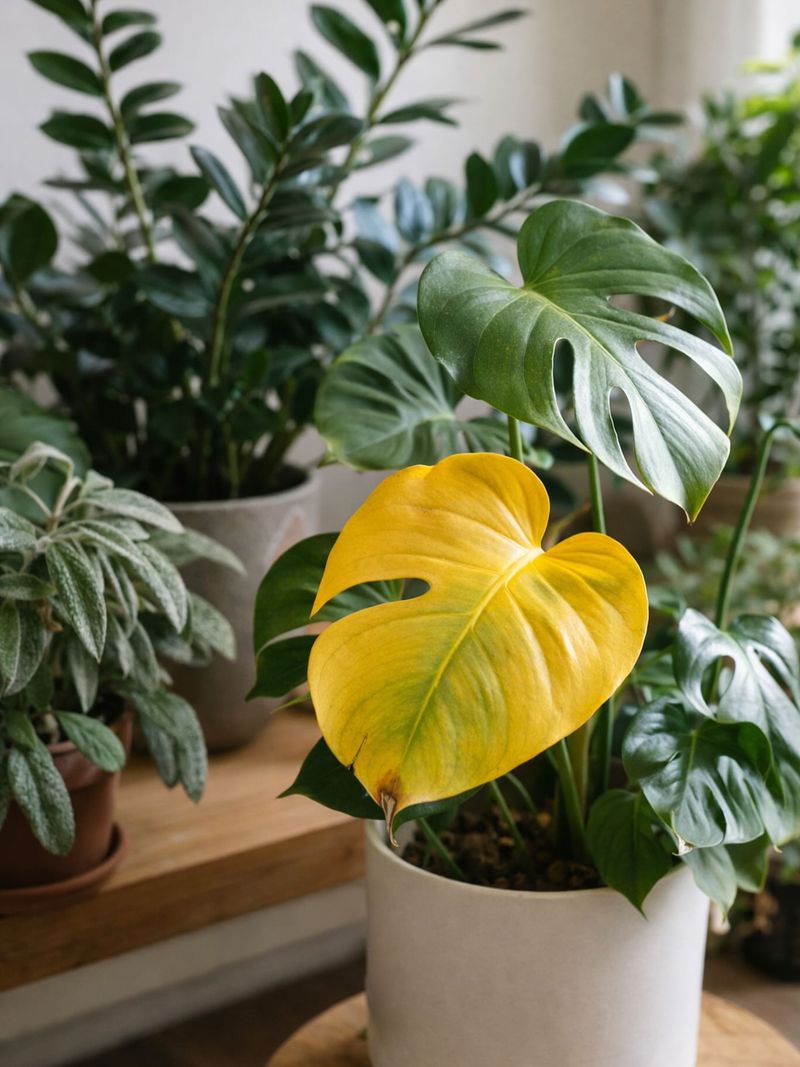
Yellow leaves, mushy stems, and a foul smell from the potting mix all signal overwatering problems.
Checking soil moisture before watering prevents this common mistake that plagues New York plant owners every winter. Stick your finger about two inches into the soil to feel whether it has dried out sufficiently.
Different plants have different moisture needs, so learning each species’ preferences makes a huge difference.
Pots without drainage holes make overwatering even more likely since excess water has nowhere to escape. Always choose containers with drainage and use saucers to catch runoff rather than letting roots sit in standing water.
During the darkest months from November through February, most houseplants need water far less frequently than during bright summer days.
Adjusting your care routine with the seasons keeps plants healthy year-round in New York’s challenging climate. Patience becomes essential during winter when growth slows or stops completely for many species.
3. Ignoring Dry Winter Air From Heating Systems
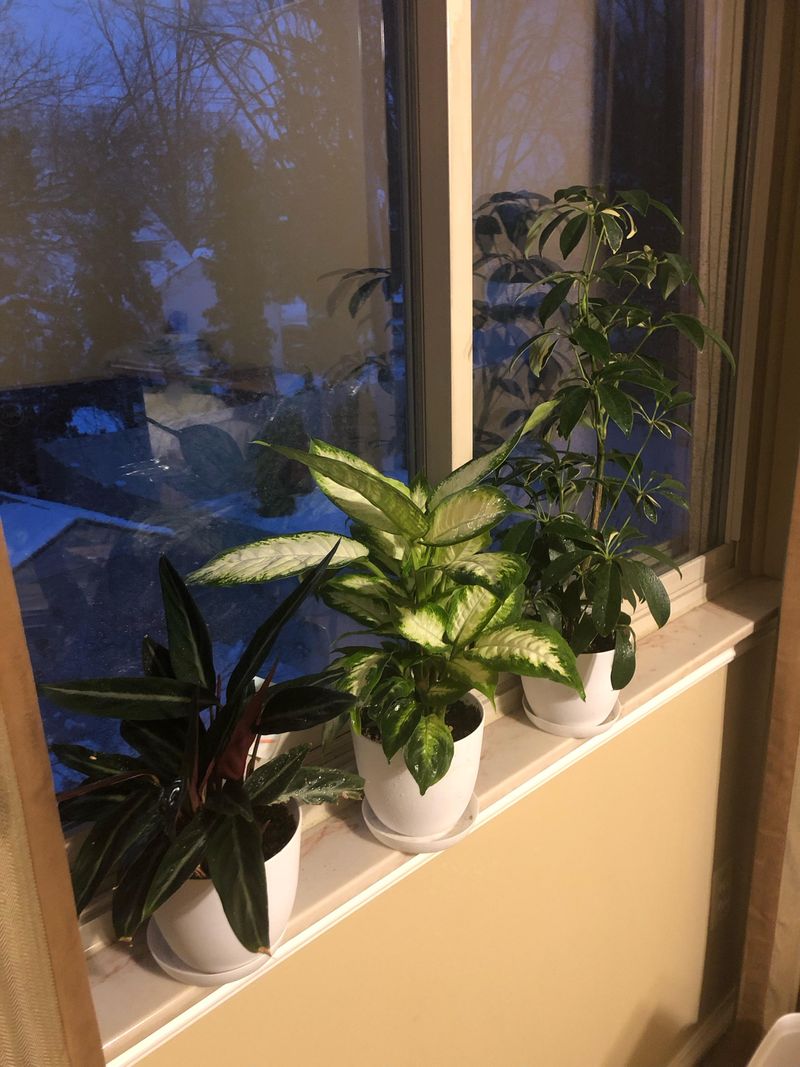
Radiators and forced-air heating systems turn New York apartments into deserts during the coldest months of the year. Humidity levels can drop below twenty percent, far drier than most tropical houseplants can tolerate comfortably.
Brown leaf tips, crispy edges, and shriveling foliage all indicate that your plants are struggling with the parched air.
Plants native to humid environments suffer the most when heating systems blast away moisture. Ferns, calatheas, and prayer plants evolved in rainforest conditions where humidity stays high year-round.
Expecting these moisture-loving species to thrive in bone-dry apartments sets them up for failure without intervention.
Grouping plants together creates a microclimate where transpiration from leaves raises humidity levels slightly for the whole cluster. This simple trick costs nothing and provides some relief from the harsh, dry conditions.
Placing plants on trays filled with pebbles and water adds moisture to the air as the water evaporates upward.
Humidifiers offer the most effective solution for seriously dry apartments where multiple plants struggle simultaneously. Running a humidifier near your plant collection maintains healthier moisture levels that benefit both your greenery and your own skin.
Even a small, inexpensive model makes a noticeable difference during New York’s brutal heating season.
Misting provides temporary relief but does not significantly raise overall humidity for more than a few minutes. Regular misting can actually encourage fungal problems if water sits on leaves overnight in cool rooms.
Focusing on long-term humidity solutions rather than quick fixes protects your plants throughout the entire winter.
4. Placing Plants Too Far From Natural Light
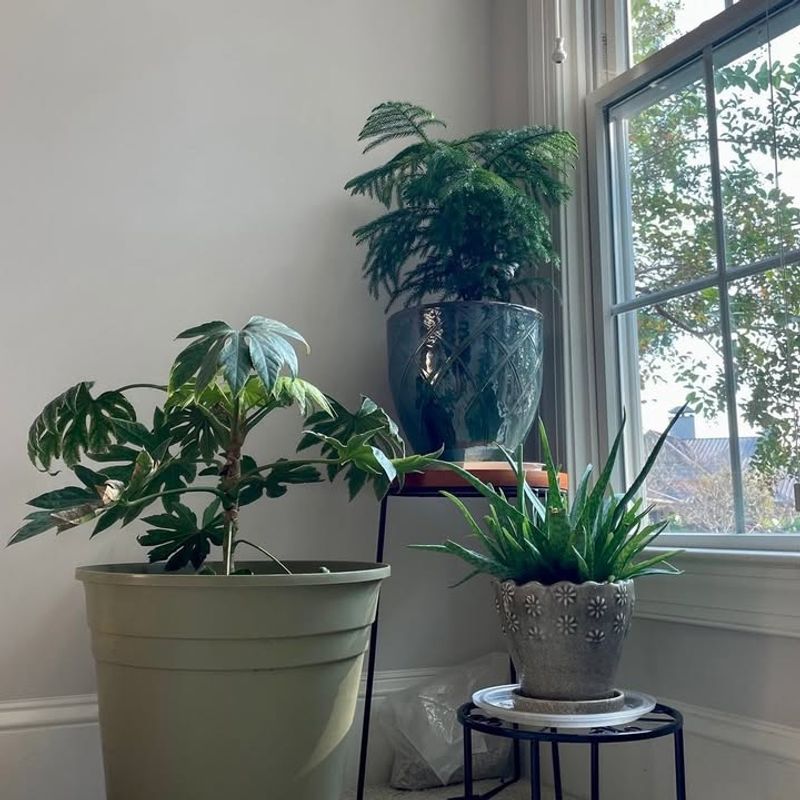
Even a few feet can make an enormous difference when it comes to how much light your plants actually receive. Light intensity drops off rapidly as distance from windows increases, leaving corners and back walls much darker than you might expect.
What looks bright to human eyes often registers as deep shade for photosynthesizing leaves.
Decorating instincts sometimes conflict with plant needs when homeowners place greenery based on aesthetics rather than light availability. That empty corner across from the window might seem like the perfect spot for a tall plant, but the low light there will slowly weaken even tolerant species.
New York apartments rarely have light to spare, so every foot away from windows matters significantly.
Sheer curtains filter out more light than most people realize, further reducing what reaches plants positioned behind them. Heavy drapes block nearly all useful light, making those spots essentially useless for growing anything.
Opening curtains during the day and choosing the lightest window treatments possible maximizes available natural light.
Observing where direct sunbeams hit during different times of day helps identify the brightest zones in your space. Plants that need more light should occupy these prime real estate spots closest to windows.
Shade-tolerant species can handle positions slightly further back where light becomes more diffused and gentle.
Rotating plants occasionally ensures all sides receive equal light exposure and grow evenly. Without rotation, plants lean dramatically toward windows, creating lopsided growth that looks awkward.
Paying attention to light placement prevents the slow decline that puzzles many New York plant owners who wonder why their greenery never seems to thrive.
5. Using The Wrong Pot Size Or Poor Drainage
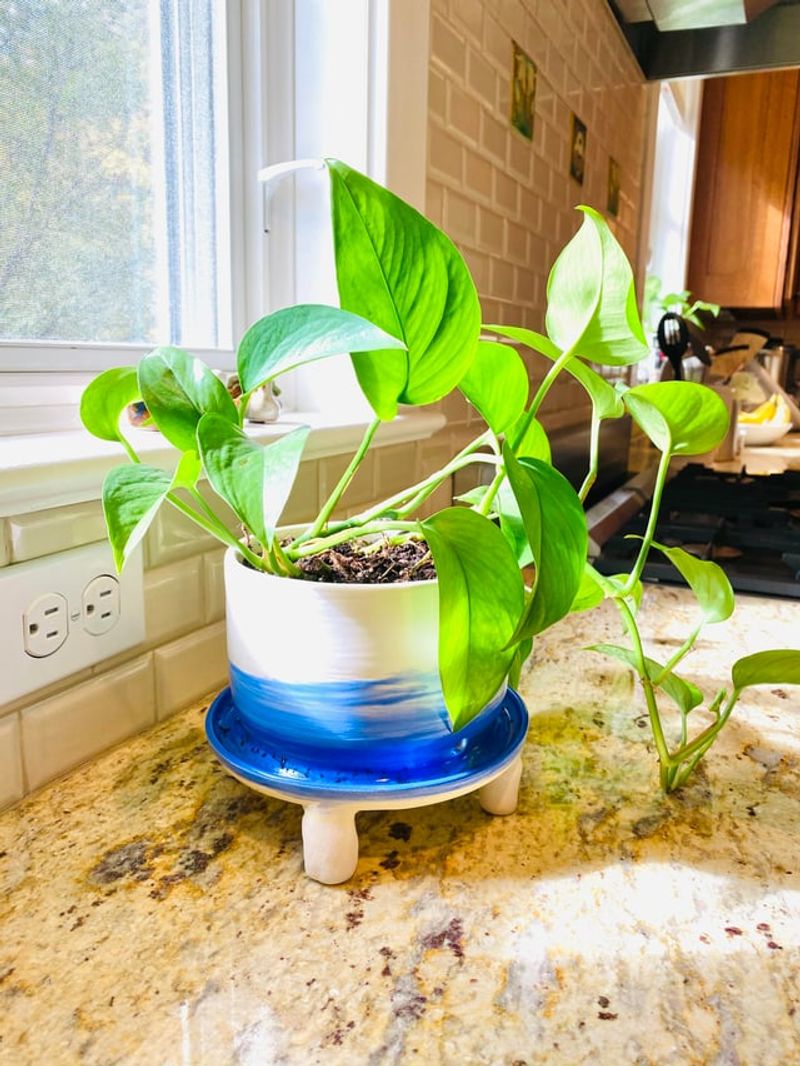
Container choice affects plant health far more than most New York homeowners realize when they first start collecting greenery. Pots that are too large hold excess soil that stays wet for extended periods, creating conditions where roots suffocate and rot.
Conversely, containers that are too small restrict root growth and require constant watering that becomes tedious and stressful for both plant and owner.
Drainage holes rank as absolutely essential for healthy container plants, yet decorative pots often lack this critical feature. Water must be able to escape freely rather than accumulating at the bottom where roots drown slowly.
Using decorative cachepots as outer sleeves for functional nursery pots with drainage offers the best of both worlds.
Terracotta pots breathe and allow excess moisture to evaporate through their porous walls, making them forgiving for beginners prone to overwatering. Plastic containers retain moisture longer, which can be helpful for thirsty plants but dangerous for species that prefer to dry out between waterings.
Choosing pot material based on plant needs and your watering habits prevents many common problems.
Repotting into containers only slightly larger than the current pot prevents the soil-stays-wet-too-long problem that plagues overpotted plants. Generally, moving up just one or two inches in diameter provides adequate room for growth without creating a swamp.
New York apartment dwellers should also consider weight, since large pots filled with wet soil become surprisingly heavy and difficult to move.
Adding drainage material like pebbles at the bottom actually creates a perched water table and does not improve drainage as commonly believed. Instead, focus on using well-draining potting mix and ensuring holes allow water to exit freely.
6. Keeping Plants In Drafty Or Temperature-Unstable Spots
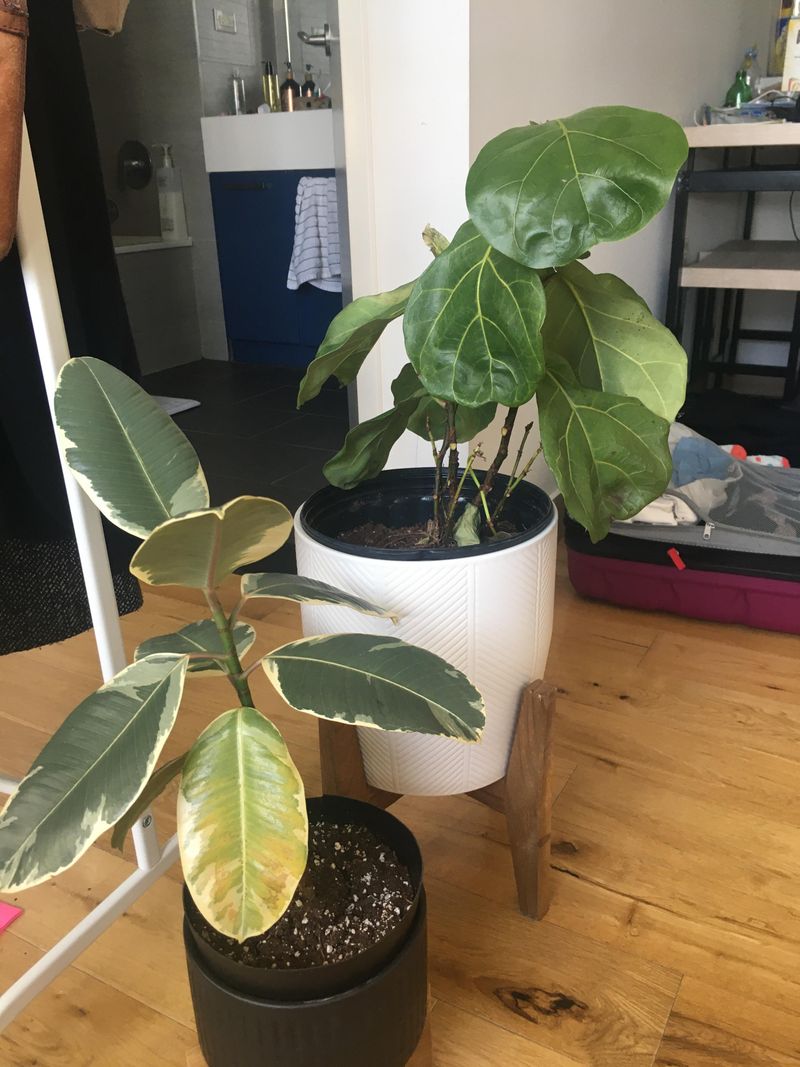
Temperature swings stress plants just as much as they stress people, yet many New York apartments subject greenery to wild fluctuations. Spots near doors, windows, and air conditioning vents experience dramatic temperature changes that confuse plants adapted to stable conditions.
Leaves may drop suddenly when plants cannot adjust quickly enough to the shifting environment.
Old windows leak cold air during winter, creating chilly microclimates right where many homeowners position their sun-loving plants. The combination of bright light and freezing drafts sends mixed signals that weaken plants over time.
Frost damage can occur on leaves pressed against icy window glass during particularly brutal cold snaps.
Air conditioning blasts in summer create similar problems when cold air flows directly onto tropical plants that prefer warmth. The constant stream of chilled air dries out foliage and shocks root systems accustomed to consistent temperatures.
Moving plants away from direct airflow paths protects them from these harsh conditions.
Hallways and entryways in New York buildings experience temperature drops every time exterior doors open during winter. Plants positioned in these high-traffic areas endure repeated cold blasts that gradually weaken their health.
Finding more stable locations away from doors preserves plant vitality throughout the challenging heating season.
Most common houseplants prefer temperatures between sixty-five and seventy-five degrees Fahrenheit with minimal fluctuation. Dramatic swings outside this range cause stress that manifests as dropped leaves, stunted growth, and increased susceptibility to pests.
Monitoring temperatures in different areas of your apartment helps identify problem spots to avoid when positioning plants for long-term success.
7. Fertilizing When Plants Aren’t Actively Growing
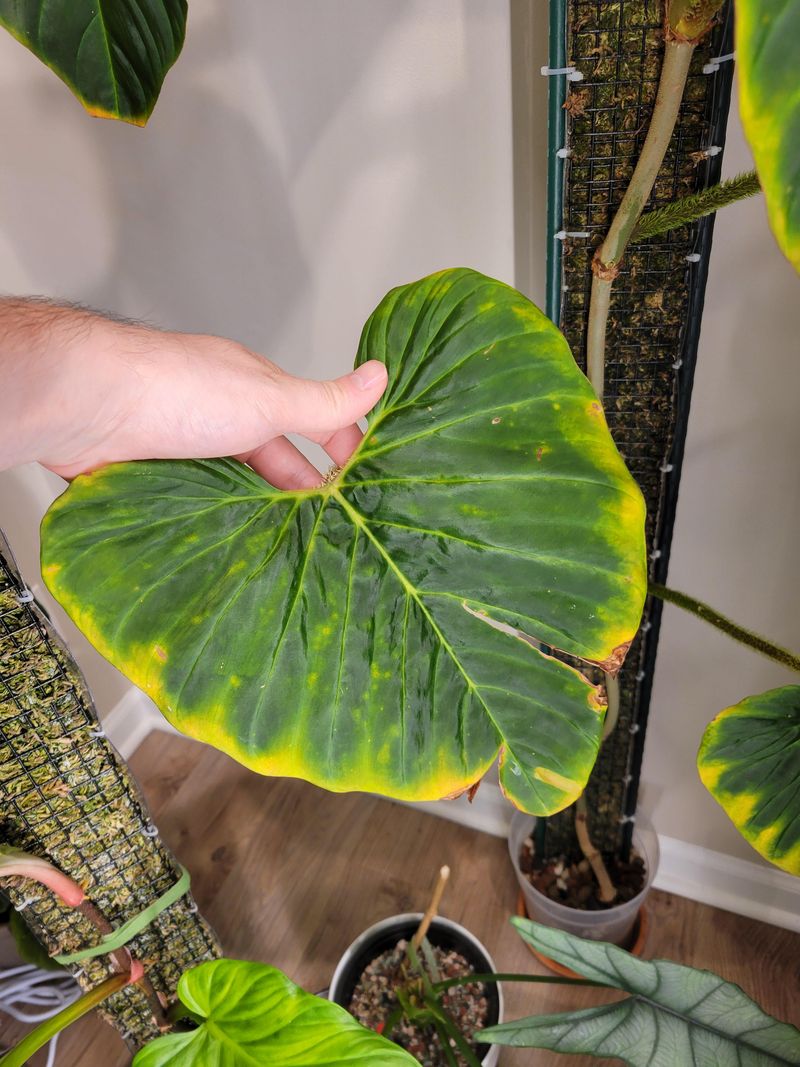
Growth cycles govern when plants can actually use the nutrients you provide through fertilizer applications. During winter dormancy or slow-growth periods, roots cannot absorb and process fertilizer effectively.
Excess nutrients accumulate in the soil, creating salt buildup that damages roots and causes brown, crispy leaf edges.
New York plant owners often follow fertilizer schedules designed for year-round growing conditions rather than adjusting for seasonal changes. Spring and summer bring longer days and stronger light that fuel active growth requiring regular feeding.
Fall and winter mean rest periods when most houseplants need little to no supplemental nutrition.
Signs of active growth include new leaves unfurling, stems elongating, and roots emerging from drainage holes seeking more space. When you observe these indicators, plants can benefit from diluted fertilizer applied according to species-specific recommendations.
Without active growth, fertilizing does more harm than good despite good intentions.
Salt buildup from over-fertilizing appears as white crusty deposits on soil surfaces and pot rims. Flushing pots with plain water helps remove accumulated salts, but prevention through appropriate feeding schedules works better.
Using fertilizer at half the recommended strength reduces the risk of burning sensitive roots.
Different plant types have varying nutritional needs that affect fertilizing frequency and formulation. Flowering plants need more phosphorus to support bloom production, while foliage plants benefit from nitrogen-rich formulas.
Reading labels and matching fertilizer types to plant needs prevents deficiencies and toxicities. Many New York houseplants thrive with feeding only during the active growing season from April through September, with nothing added during darker months.
8. Letting Dust Block Light On Leaves
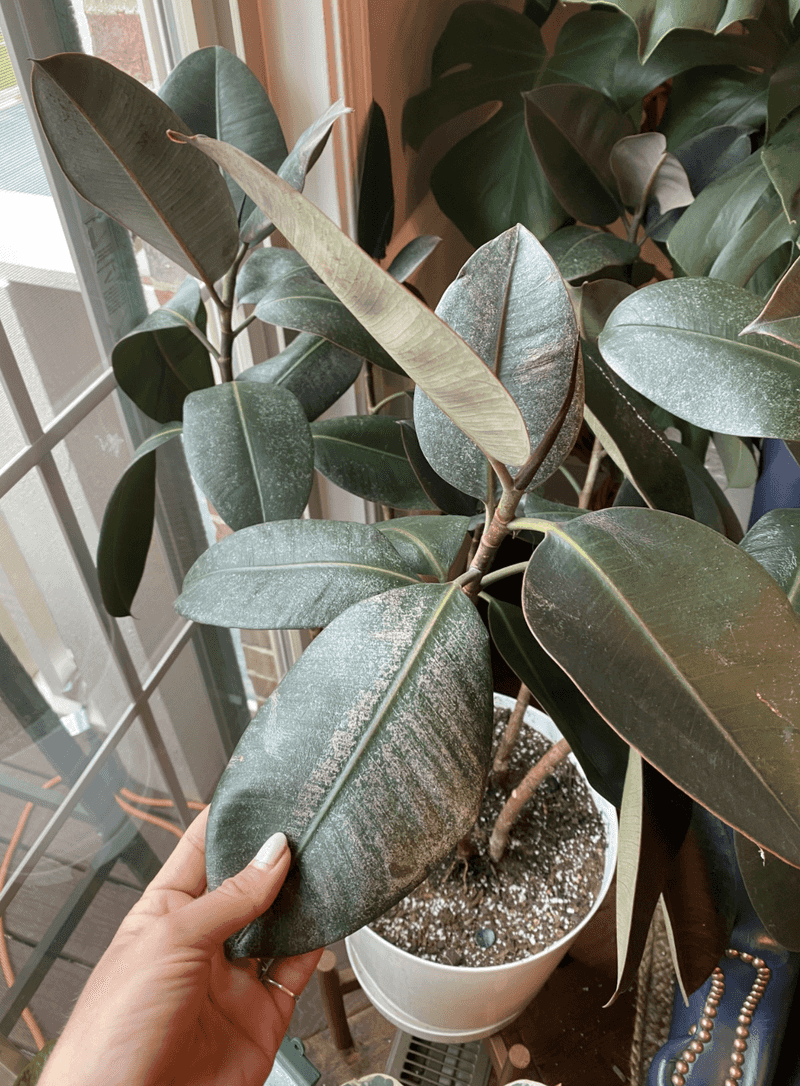
City living means dealing with dust that accumulates surprisingly quickly on every surface, including plant foliage. New York apartments collect dust from street traffic, construction, and the constant movement of millions of people.
Leaves coated in this grime cannot photosynthesize efficiently since the dust layer blocks light from reaching chlorophyll.
Large-leafed plants like monstera and rubber trees show dust buildup most obviously, with leaves turning dull and gray. Smaller-leafed species hide dust better but suffer the same reduced ability to capture light and produce energy.
Regular cleaning keeps leaves functioning at their best and also allows you to spot pest problems early.
Wiping leaves gently with a damp cloth removes dust without damaging delicate surfaces or protective waxy coatings. Supporting each leaf from underneath while cleaning prevents tearing or bending that stresses the plant.
Making this part of your regular plant care routine prevents heavy buildup that becomes harder to remove over time.
Showering plants in the bathtub or sink provides thorough cleaning for species that tolerate getting wet. Lukewarm water works best, avoiding temperature extremes that shock leaves.
Allowing plants to drain completely before returning them to their spots prevents water from pooling in saucers.
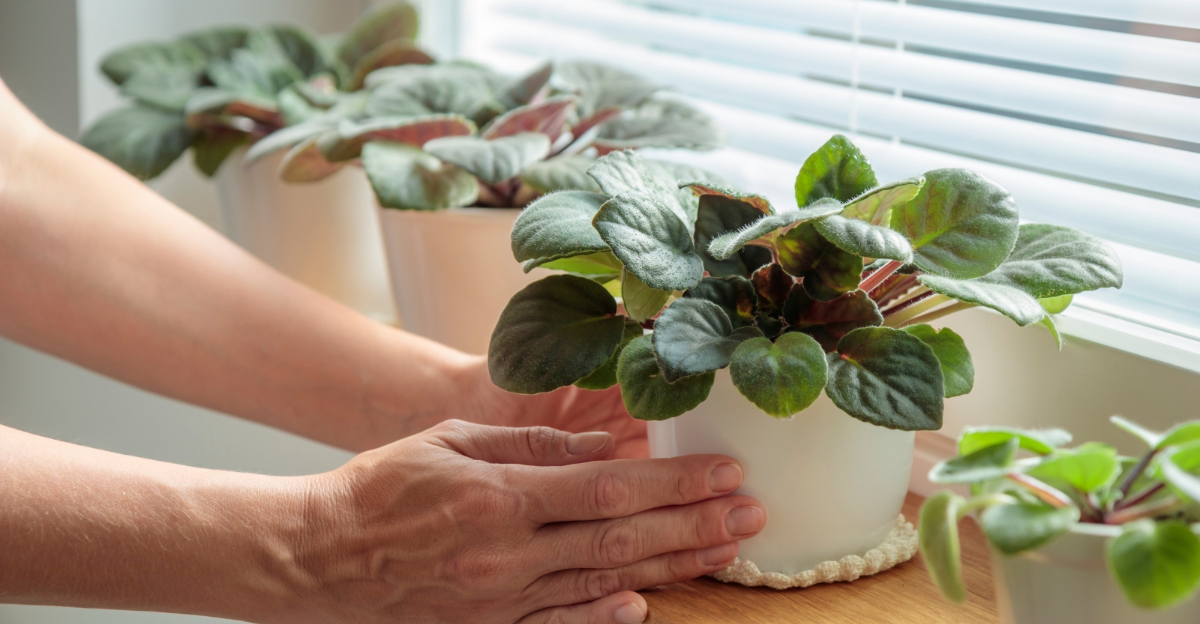
Fuzzy-leafed plants like African violets cannot be wiped or showered since moisture damages their special leaf texture. Using a soft brush to gently sweep away dust works better for these sensitive species.
Keeping windows closed during high-pollen days and using air purifiers reduces the amount of airborne particles that settle on your plant collection throughout your New York home.
9. Assuming Struggling Plants Just Need More Water
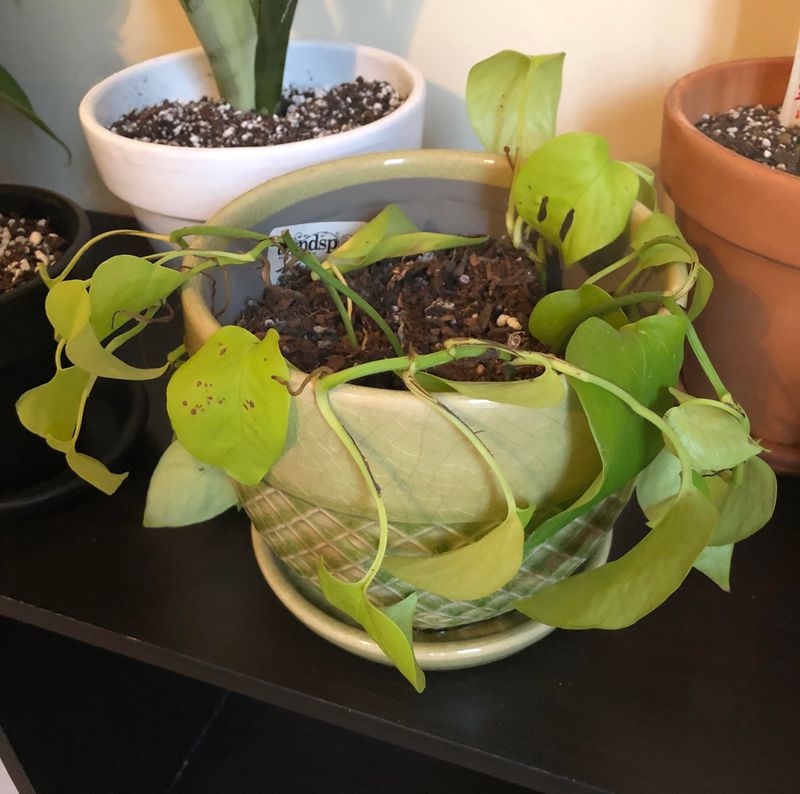
Water becomes the automatic solution many New York homeowners reach for when plants look unhappy, but moisture rarely fixes the actual underlying problem. Yellowing leaves, drooping stems, and slow growth can result from dozens of different issues ranging from pest infestations to root diseases.
Adding water to a plant already suffering from overwatering or root rot accelerates its decline rather than helping recovery.
Learning to diagnose problems accurately requires looking beyond the obvious symptoms to identify root causes. Checking soil moisture, examining leaves for pests, assessing light levels, and reviewing recent care all provide clues.
Jumping straight to watering without investigation often worsens the situation and makes recovery more difficult.
Root-bound plants struggle even with adequate water since tangled roots cannot absorb moisture efficiently. Compacted soil that has broken down over time also prevents water from penetrating evenly throughout the pot.
These mechanical problems require repotting rather than more frequent watering to resolve successfully.
Pest infestations from spider mites, aphids, or mealybugs cause damage that looks like water stress but does not respond to increased watering. Inspecting leaves carefully, especially undersides where pests hide, reveals these problems early when treatment is still straightforward.
Ignoring pests while adding more water allows populations to explode and damage to spread.
Nutrient deficiencies create specific symptoms like yellowing between leaf veins or stunted growth that watering cannot address. Appropriate fertilization during active growing seasons provides the minerals plants need to thrive.
Taking time to properly identify what your plant actually needs prevents the knee-jerk watering response that causes more problems than it solves in cramped New York apartments where drainage and airflow are already challenging.