7 Common Mistakes Arizona Gardeners Make With Grapevines
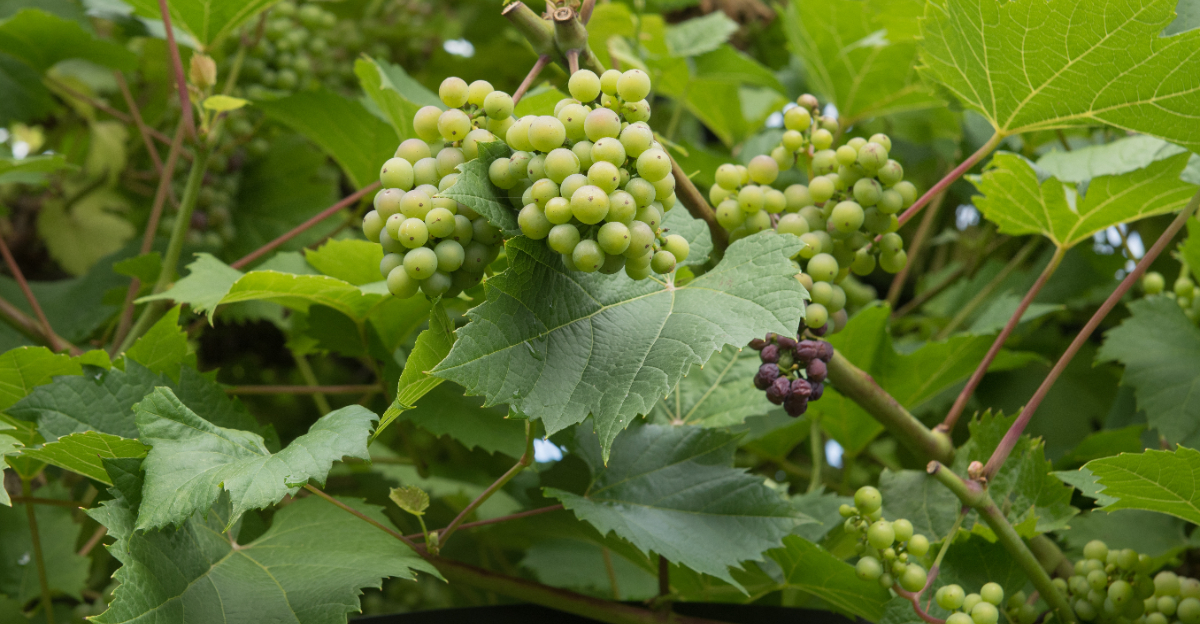
Grapevines have a way of looking fine on the surface while something slowly goes off behind the scenes. In Arizona, that usually shows up as uneven growth, weak fruit, or vines that never quite reach their potential no matter how much effort goes in.
It’s frustrating because nothing feels obviously wrong at first. The sun is strong, the plant is growing, and everything seems on track.
Then the results fall short, and it’s not always clear why.
A lot of the time, it comes down to a few common habits that don’t quite match what grapevines actually need in this climate. Small decisions made early on can shape how the plant performs later in the season.
Once those patterns are recognized, everything starts to make more sense, and the vine responds in ways that are much easier to manage.
1. Pruning At The Wrong Time In Arizona’s Growing Season
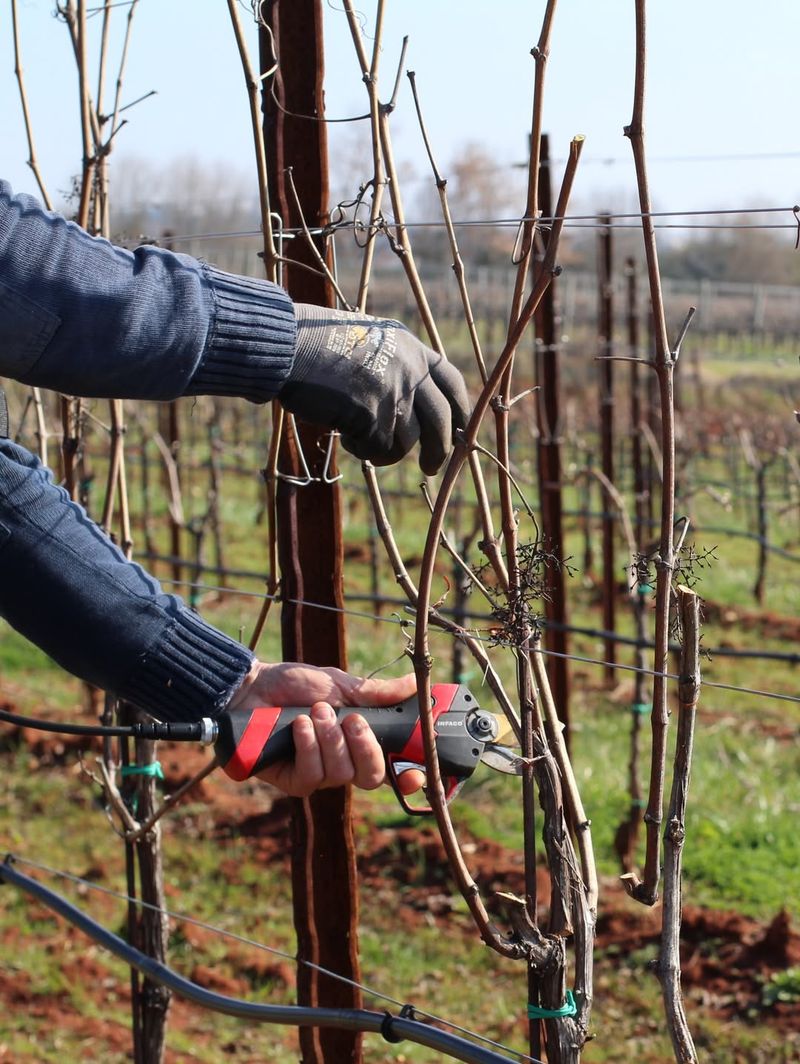
Grab your pruning shears at the wrong time in Arizona, and you could set your vines back by an entire season. Pruning too early, before the vine has fully gone dormant, stresses the plant and wastes the energy it stored all summer.
Pruning too late, after new buds have already pushed out, means you risk snapping off the very growth that carries this year’s fruit.
In Arizona, the window for dormant pruning usually falls between late January and mid-February, depending on your elevation and location. Down in the Phoenix valley, winters are short and mild, so vines wake up earlier than you might expect.
Waiting too long into February in low-elevation areas can mean cutting off fresh green shoots that are already stretching toward the sun.
A lot of gardeners transplant pruning habits from cooler climates and apply them here, which rarely works out. What makes sense in California wine country or the Pacific Northwest doesn’t always translate to the Sonoran Desert.
Arizona’s growing season runs on a completely different schedule.
Before cutting anything, check your canes carefully. Wood that feels firm and looks brown is dormant and ready.
If you spot swelling buds or any green color breaking through, slow down and reassess. Cutting away active buds removes fruit-bearing wood you cannot get back until next year.
Keep your cuts clean, angle them away from buds, and remove no more than 70 to 80 percent of last year’s growth. Sharp, well-timed cuts give your Arizona vines the strongest possible start each spring.
2. Overwatering Grapevines In Dry Desert Soil
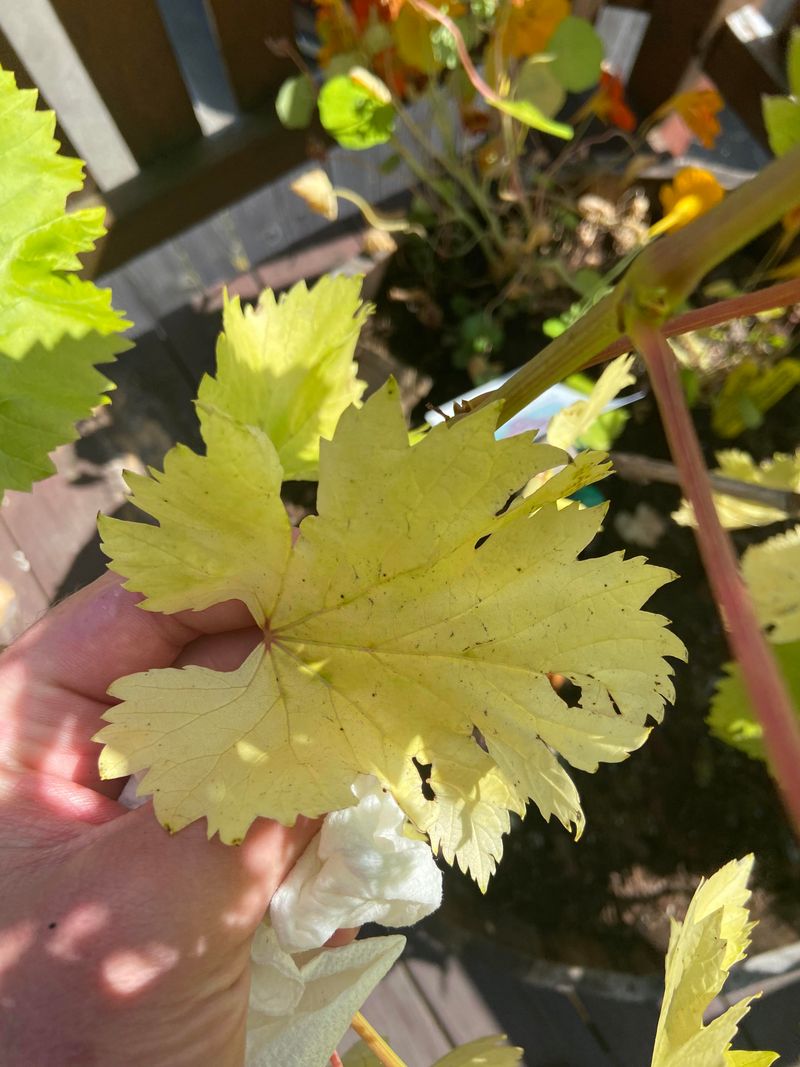
Watering grapevines every day in Arizona feels like the responsible thing to do, but it’s one of the fastest ways to wreck a vine’s root system. Grapevines are naturally deep-rooted plants that prefer to search for moisture rather than sit in wet soil.
When roots stay constantly wet, oxygen can’t reach them, and root rot becomes a real problem.
Desert soil in Arizona drains quickly in some spots and barely at all in others, depending on whether you’re dealing with sandy loam or caliche-heavy ground.
Caliche, that hard pale layer found across much of Arizona, blocks drainage and traps water right around the root zone.
A vine sitting above a caliche layer in wet soil is in serious trouble, even if the surface looks dry.
Deep, infrequent watering works far better than shallow, frequent sessions. Pushing water down 18 to 24 inches encourages roots to follow it deeper into cooler soil, which also helps vines handle Arizona’s brutal summer temperatures.
Drip irrigation set to run once or twice a week during the growing season is usually plenty for established vines.
Signs of overwatering include yellowing leaves, soft mushy canes near the base, and a generally droopy appearance even when temperatures are moderate. People often mistake these symptoms for heat stress and add more water, making things worse.
Cut back your watering schedule before assuming the vine needs more. Arizona’s desert soil holds more moisture than it looks like it does, especially after a monsoon storm rolls through the region.
3. Planting In Poorly Draining Or Compacted Ground
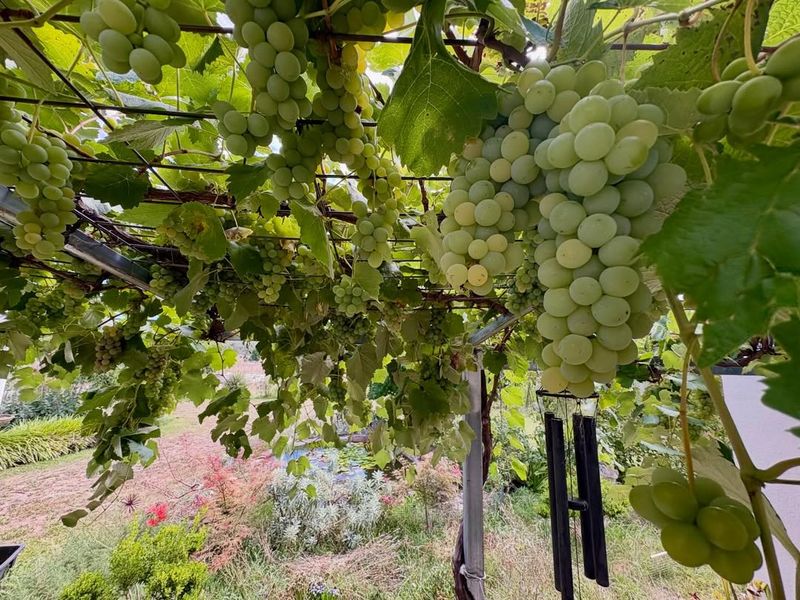
Stick a shovel into the ground before planting grapevines anywhere in Arizona, and what you find matters more than most people realize. Compacted soil or a hidden caliche layer just 12 to 18 inches down can stop root growth cold.
Roots hit that barrier, spread sideways, and never develop the deep anchor a grapevine needs to survive Arizona’s intense summer heat.
Poorly draining ground is a sneaky problem because it can look perfectly fine on the surface. After a heavy monsoon rain or a long irrigation session, water that can’t move down just sits there.
Vine roots sitting in stagnant water lose access to oxygen, and the whole plant starts to decline from the bottom up, long before you notice anything wrong above ground.
Breaking through caliche before planting is hard work but absolutely worth it. Use a breaker bar or rent a jackhammer if needed.
Dig your planting hole at least two feet deep and two feet wide, then backfill with a mix of native soil and coarse organic material to improve structure. Raised planting mounds are another solid option in spots where drainage is consistently poor.
Sandy, well-draining soil gives Arizona grapevines the best possible environment. Roots can spread freely, oxygen moves through the soil, and excess water drains away after rain or irrigation.
Across much of central and southern Arizona, you may need to amend aggressively before your soil is truly vine-ready.
Spending extra time on soil preparation before planting saves months of frustration trying to nurse a struggling vine back to health later on.
4. Skipping Strong Support And Trellis Training Early On
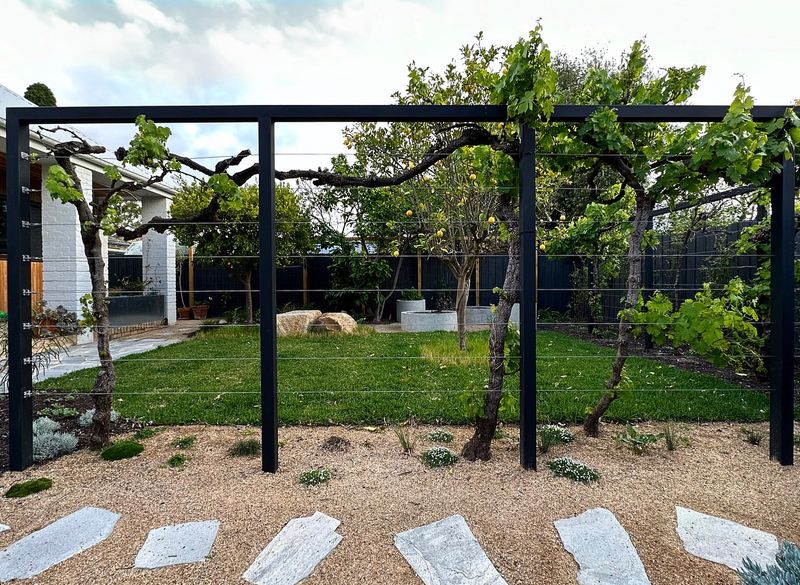
Young grapevines grow faster than most people expect, especially during Arizona’s warm spring months when temperatures climb quickly and daylight hours stretch long.
Without a solid trellis in place from the very beginning, those fast-growing canes sprawl across the ground, tangle around each other, and become nearly impossible to manage by midsummer.
A lot of gardeners plan to install support structures after the vine gets going, figuring there’s plenty of time. That window closes quicker than expected.
Trying to thread canes through a trellis after they’ve hardened up risks snapping the wood, and dragging vines off the ground once they’ve rooted into the soil is a real headache.
Arizona’s wind is another factor that makes early support non-negotiable. Afternoon gusts, especially during the pre-monsoon season, can whip young canes around violently.
Without something to tie onto, a vine that looked healthy in the morning can show mechanical damage by evening, with canes cracked or stripped from the main trunk.
A simple two-wire trellis system works well for most home gardeners in Arizona. Set sturdy posts at least three feet into the ground to handle wind load, and run galvanized wire at roughly 36 and 60 inches high.
Start training the main shoot upward along a stake immediately after planting, tying loosely with soft garden tape so you don’t constrict the cane.
Getting the structure right in year one means the vine develops a clean framework that’s much easier to prune, manage, and harvest from for many years ahead.
5. Letting Too Many Shoots Grow Without Thinning
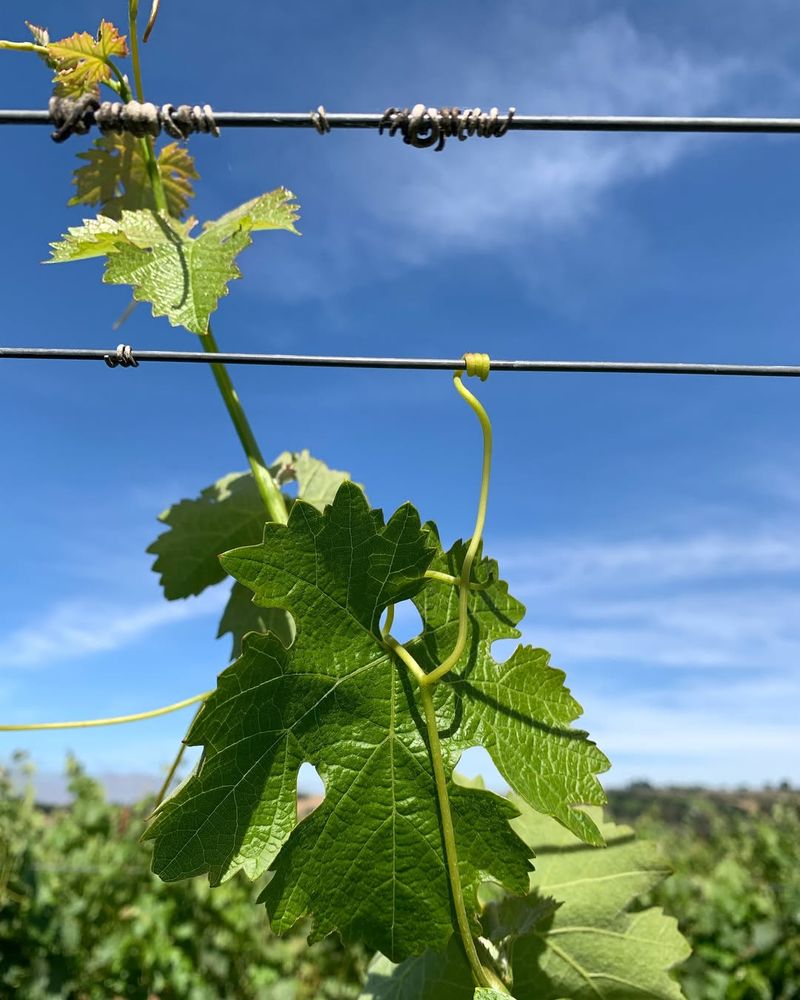
Walk past an unthinned grapevine in July and the sheer volume of green growth looks impressive, like the vine is thriving.
But push past those outer leaves and you’ll likely find poor air circulation, shaded fruit clusters, and canes competing so hard for resources that none of them develop properly.
More shoots does not mean more grapes in Arizona’s climate.
Grapevines naturally push out far more shoots than they can support. Left unchecked, that energy gets divided across dozens of growing tips instead of being directed into a smaller number of strong, fruit-bearing canes.
Fruit clusters buried deep in a thick canopy also fail to ripen evenly under Arizona’s intense sun because direct light never reaches them.
Shoot thinning should start in spring when new growth is still soft and easy to rub off with your fingers. Removing unwanted shoots early costs the vine almost nothing.
Waiting until summer when those shoots have turned woody means the vine has already burned energy on growth you’re about to remove.
Aim to keep shoots spaced roughly six to eight inches apart along each cordon arm. That spacing allows enough airflow to reduce fungal issues during Arizona’s humid monsoon months and gives each remaining shoot room to develop fully.
Removing suckers from the base of the trunk is equally important, since they pull energy away from productive wood higher up.
Thinning feels counterintuitive when you’re trying to grow more fruit, but restraint during the growing season consistently produces better harvests across Arizona vineyards and home gardens alike.
6. Ignoring Intense Sun Exposure On Young Vines
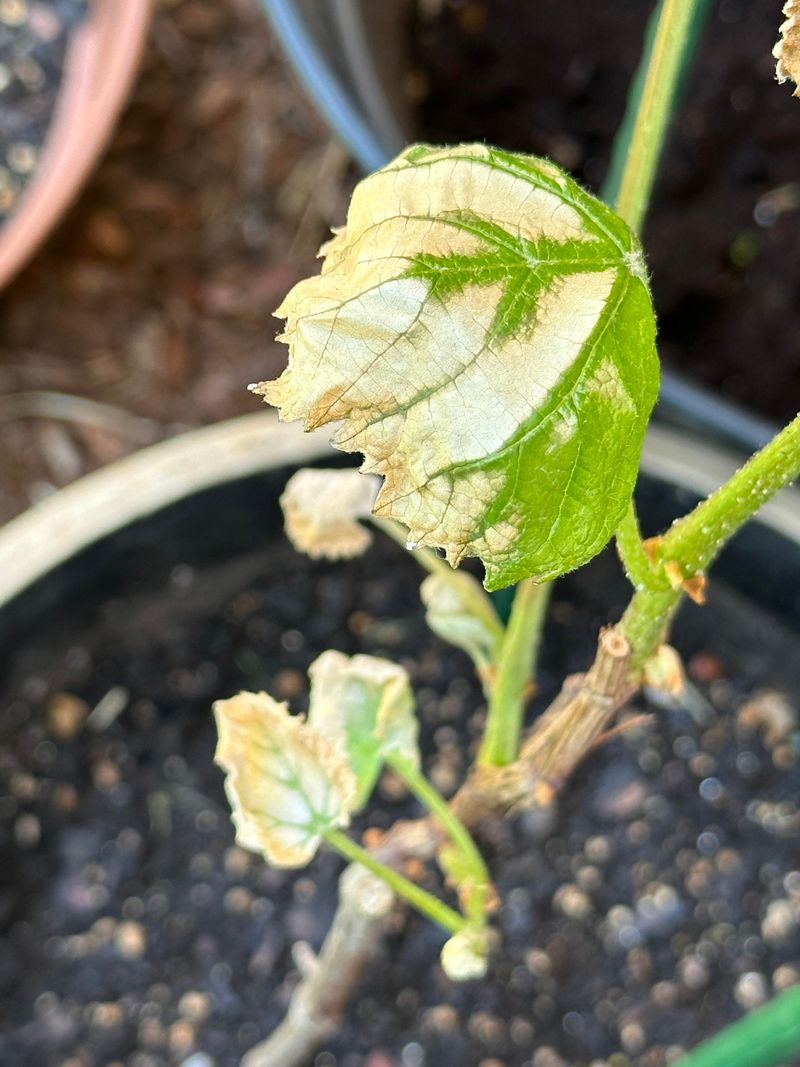
Arizona sun is not the same as sun anywhere else. In Tucson, Phoenix, or anywhere across the low desert, summer UV intensity can scorch young grapevine tissue faster than most gardeners anticipate.
New vines planted in spring look fine through April, then hit a wall in June when temperatures push past 110 degrees and the sun turns relentless.
Sunburn on grapevines shows up as bleached, papery patches on leaves and a brown, dried-out texture on developing fruit clusters.
Young bark on first and second-year trunks can crack and split under intense direct exposure, creating entry points for pests and disease.
Most people don’t recognize sunburn damage on vines because it doesn’t look the way sunburn does on people.
Shade cloth rated at 30 to 40 percent light reduction can protect young vines during their first two Arizona summers without blocking enough light to slow growth significantly. Drape it over the trellis structure on the south and west-facing sides, where afternoon sun hits hardest.
Remove it in fall once temperatures drop below 100 degrees consistently.
Painting the trunk of young vines with diluted white latex paint is a trick experienced Arizona growers use to reflect heat and prevent bark damage. It sounds unusual but it genuinely works, especially for vines where the lower trunk gets full afternoon exposure.
Older, established vines develop thicker bark and a fuller canopy that provides some self-shading, but young vines in their first few years in Arizona need deliberate protection to make it through summer in strong shape.
7. Feeding Too Much Fertilizer And Encouraging Excess Leaf Growth
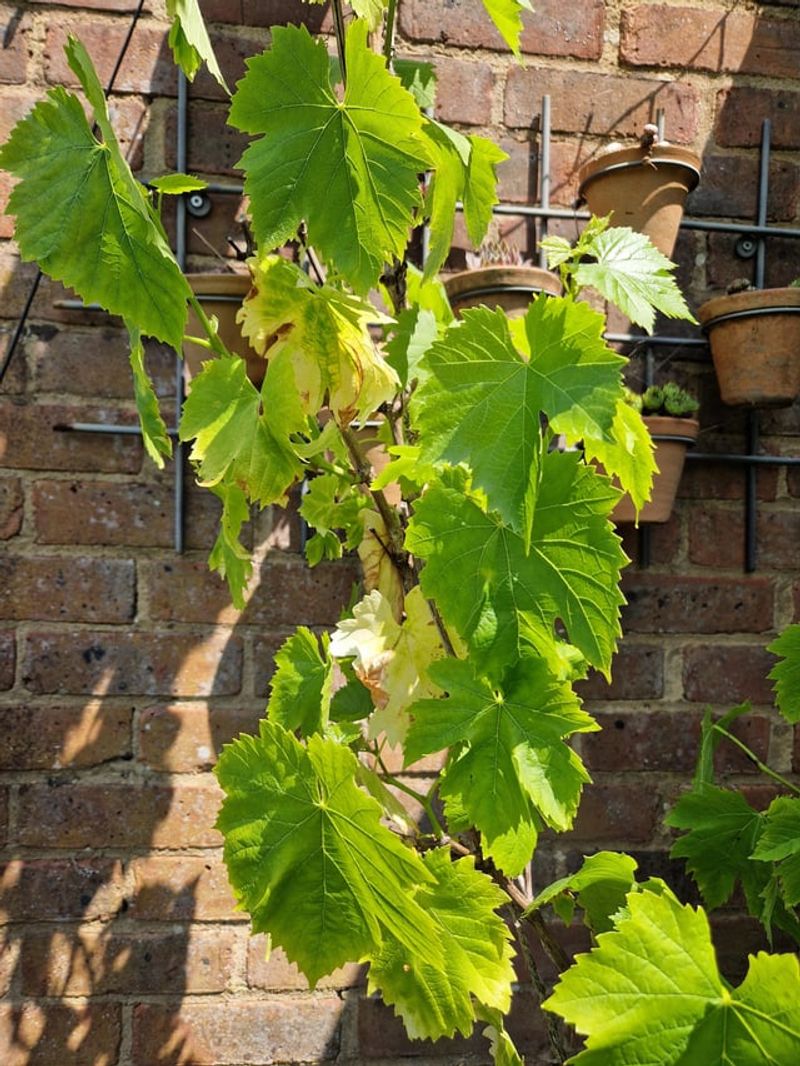
Fertilizer feels like a gift you give your plants, so it’s easy to assume more is better. With grapevines in Arizona, that logic backfires quickly.
Dump too much nitrogen into the soil and the vine responds by pushing out enormous, dark green leaves while quietly neglecting the fruit clusters you actually want. All that leafy growth looks healthy but it signals an imbalance.
Nitrogen is the main culprit. Grapevines need some nitrogen, especially in early spring when they’re waking up and building new growth, but high nitrogen levels through summer push the vine into a vegetative mode that works against fruit production.
Arizona’s native soils are often already alkaline and can contain naturally elevated mineral levels, so adding heavy fertilizer on top of that creates problems fast.
A soil test before fertilizing is genuinely useful and inexpensive. Knowing what’s already in your Arizona soil prevents you from adding nutrients the vine doesn’t need.
Most healthy grapevines in the region do fine with a light balanced fertilizer application in late winter and nothing more until the following year.
Compost worked into the soil around the vine’s drip line is a gentler, slower option that feeds without the risk of a nitrogen spike.
It also improves soil structure over time, which matters a lot in Arizona’s often dense or sandy ground depending on your specific location.
Watch the vine’s behavior before reaching for fertilizer. Pale, slow-growing leaves might signal a real deficiency, but vigorous dark green growth usually means the vine is already well-fed and needs nothing added.