12 Common Mistakes California Homeowners Make With Holiday Poinsettias
Poinsettias may be everywhere during the holidays, but that does not make them easy houseguests.
Many California homeowners bring them home full of cheer, only to watch them wilt, drop leaves, or fade long before the season ends.
The truth is, most poinsettia problems come down to small mistakes that pile up quickly.
Too much water, too little light, or the wrong spot in the house can turn a festive plant into a disappointment almost overnight.
California’s varied climates only add to the confusion, especially when indoor heat and outdoor sunshine clash.
People often mean well, but good intentions are not always good care.
By understanding what poinsettias actually need, you can keep them looking bright well beyond the holidays.
With a little know how and fewer missteps, these plants can stay vibrant instead of becoming another seasonal casualty tossed out before winter is over.
1. Placing Them In Direct Cold Drafts
California winters might seem mild, but poinsettias are extremely sensitive to temperature changes and cold air currents.
When you place your plant near an open window, door, or air conditioning vent, it experiences stress from the cold drafts.
The leaves start to droop and may eventually fall off because the plant cannot handle sudden temperature drops.
Many homeowners don’t realize that even brief exposure to cold air can cause lasting damage to these tropical plants.
Your poinsettia thrives best in stable temperatures between 65 and 75 degrees Fahrenheit.
Moving it away from entryways and windows that frequently open will protect it from harmful drafts.
Consider the airflow patterns in your home before choosing a display spot.
Hallways and foyers near exterior doors are particularly risky locations during the holiday season when guests come and go.
Instead, find a cozy interior location where temperatures remain consistent throughout the day and night.
Your poinsettia will reward you with lasting beauty when given a stable, draft-free environment.
2. Overwatering The Soil Frequently
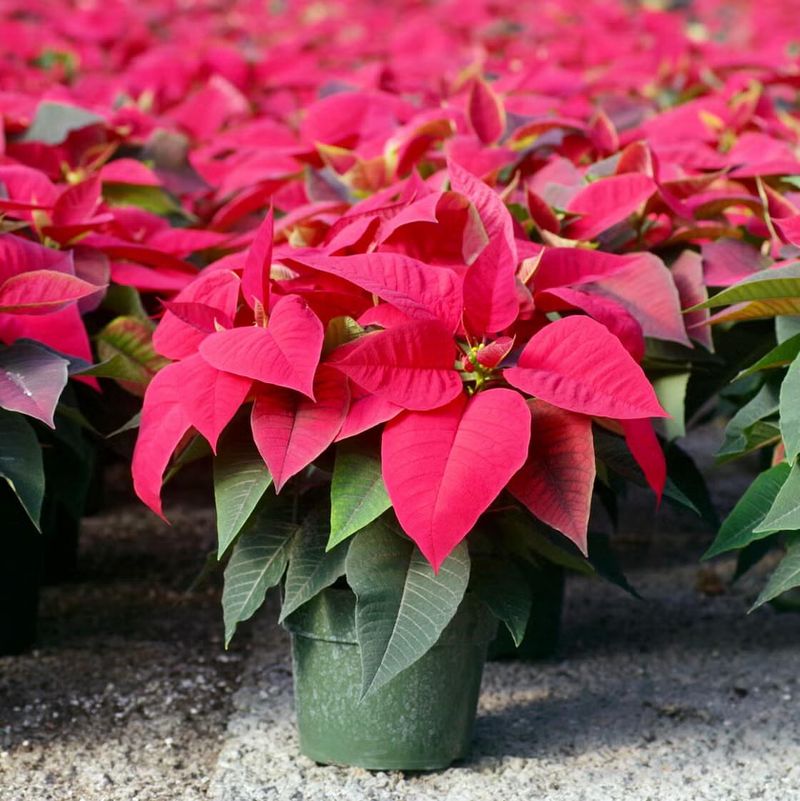
Too much water is one of the fastest ways to harm your holiday poinsettia.
Many California homeowners believe that frequent watering shows good care, but poinsettias actually prefer their soil to dry out slightly between waterings.
When roots sit in constantly wet soil, they cannot breathe properly and begin to rot.
The plant shows distress through yellowing leaves and a wilted appearance that confuses owners into watering even more.
Check the soil moisture by sticking your finger about an inch deep into the potting mix.
Only water when the top layer feels dry to the touch, not just because a certain number of days have passed.
California’s varying humidity levels mean watering schedules change depending on your specific location and home conditions.
Coastal areas with higher humidity require less frequent watering than inland desert regions.
Always ensure your pot has proper drainage holes so excess water can escape.
Remove any decorative foil or plastic wrapping that traps water around the base, creating a swampy environment that poinsettias absolutely cannot tolerate.
3. Ignoring Proper Light Requirements
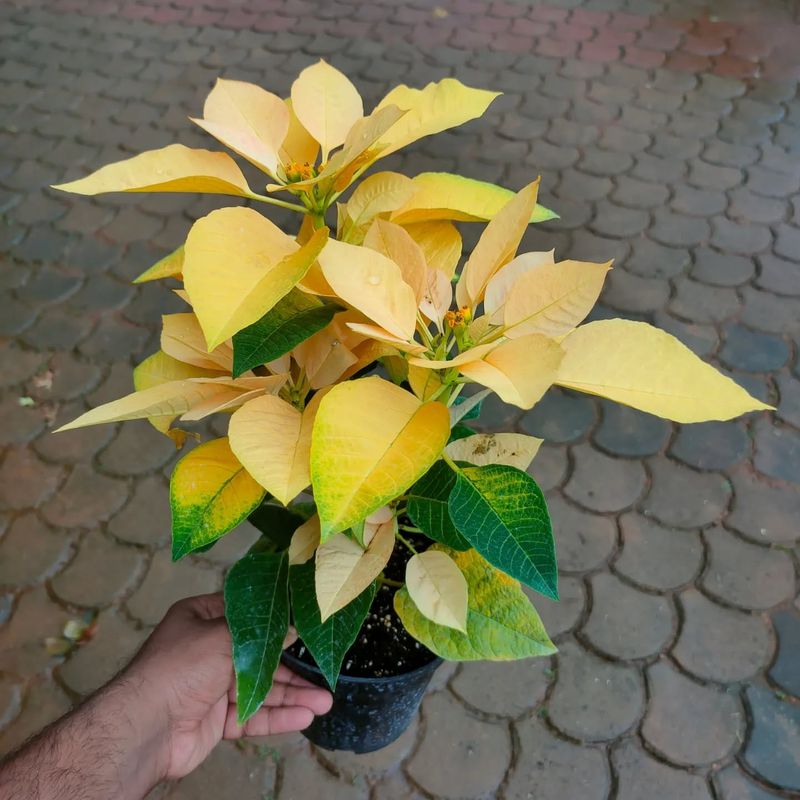
Poinsettias need bright, indirect sunlight for at least six hours daily to maintain their colorful appearance.
Placing your plant in a dark corner or room with limited natural light causes the vibrant bracts to fade quickly.
California homes often have excellent natural light, but not all rooms receive equal sun exposure.
North-facing windows provide insufficient light for poinsettias, while south and west-facing windows offer better conditions.
Without adequate light, your plant becomes leggy and stretched as it reaches desperately toward any available light source.
The colorful bracts that make poinsettias so festive start losing their intensity within just a few days of inadequate lighting.
However, avoid placing them in direct afternoon sun, especially through glass windows.
California’s intense sunshine can scorch the delicate leaves, creating brown patches and causing stress.
A sheer curtain filters harsh rays while still providing the bright indirect light poinsettias crave.
Rotate your plant every few days to ensure all sides receive equal light exposure and grow evenly.
This simple habit prevents lopsided growth and keeps your poinsettia looking full and balanced.
4. Buying Plants Too Early
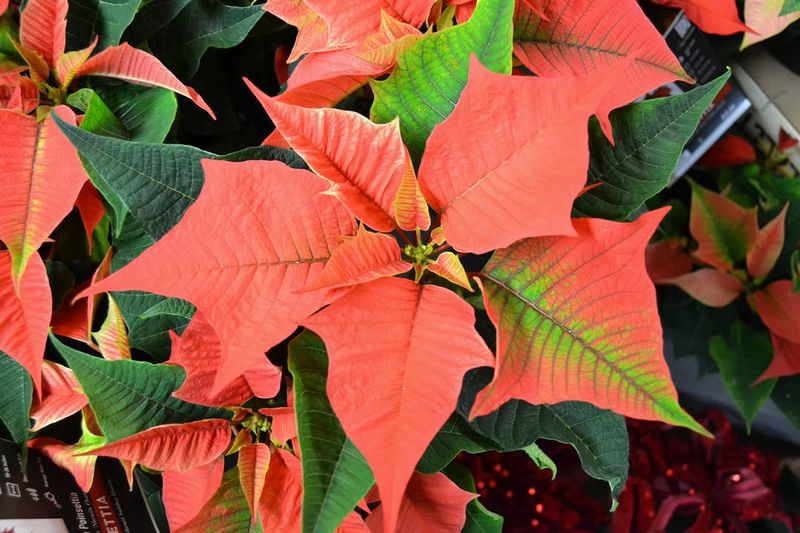
Rushing to purchase your poinsettia in early November seems like good planning, but it often backfires.
These plants typically look their best for about six to eight weeks after reaching peak color.
When you buy too early, your poinsettia may start declining before Christmas even arrives, leaving you with a less-than-festive display during the actual holidays.
California garden centers stock poinsettias early to capitalize on eager shoppers, but patience pays off.
Waiting until mid to late November ensures your plant will stay gorgeous through New Year’s and potentially into January.
Check the actual condition of the plant rather than just the calendar date.
Look for poinsettias with tightly clustered buds in the center of the colorful bracts, indicating they haven’t fully matured yet.
Plants with open or shedding pollen are already past their prime, regardless of when they arrived at the store.
Timing your purchase correctly means enjoying maximum beauty during the actual holiday season when guests visit and celebrations happen.
Your poinsettia becomes a stunning centerpiece at exactly the right moment rather than fading into the background when you need it most.
5. Forgetting About Humidity Needs
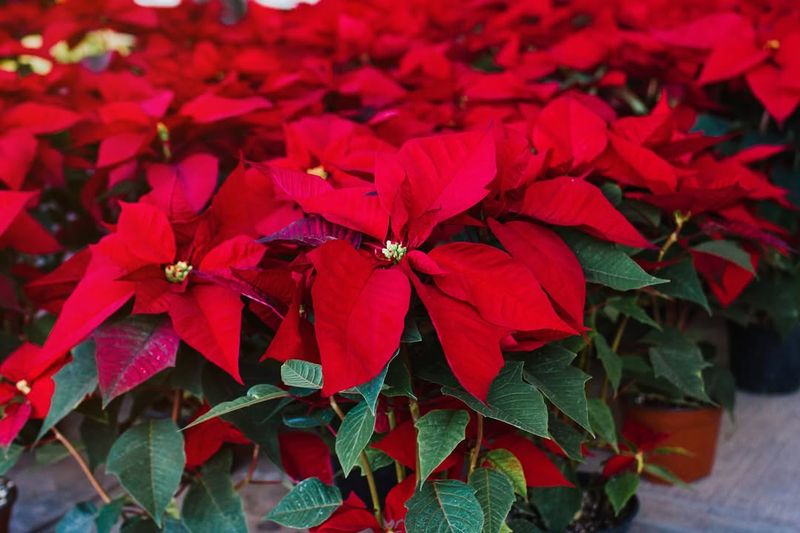
California’s diverse climate zones create varying humidity challenges that affect poinsettia health.
Inland and desert areas have particularly dry air during winter months, which stresses these moisture-loving tropical plants.
Low humidity causes leaf edges to turn brown and crispy, making your once-beautiful plant look shabby and neglected.
Central heating systems common in California homes further reduce indoor humidity levels, creating desert-like conditions.
Your poinsettia naturally comes from regions with much higher humidity and struggles to adapt to bone-dry air.
Misting the leaves lightly every few days helps, but avoid overdoing it since wet foliage can encourage fungal problems.
Grouping several plants together creates a microclimate with slightly higher humidity as they release moisture through their leaves.
Placing a shallow tray filled with pebbles and water beneath your poinsettia pot also increases local humidity.
Just make sure the pot sits on the pebbles above the water line, not directly in it.
Coastal California residents typically don’t face this issue as severely, but inland homeowners should prioritize humidity management.
A small humidifier in the room works wonderfully for both your plants and your own comfort during dry winter months.
6. Selecting Unhealthy Plants Initially
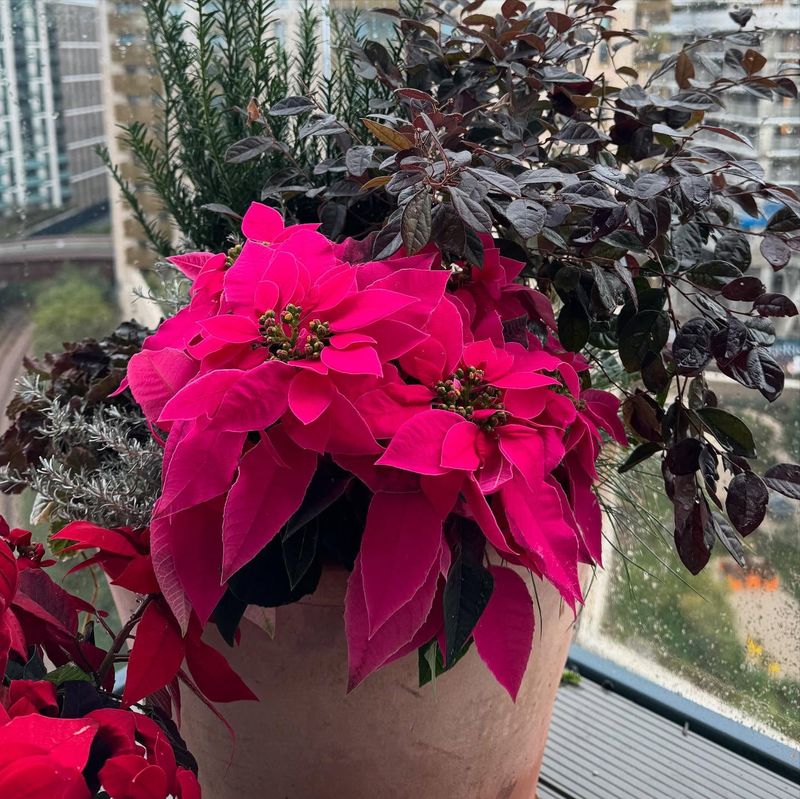
Your poinsettia’s success starts the moment you select it at the store or nursery.
Many California shoppers grab the first pretty plant they see without inspecting it carefully for signs of trouble.
Yellowing lower leaves indicate watering problems or stress that occurred before you even brought it home.
Check underneath the leaves for tiny insects or sticky residue that signals pest infestations.
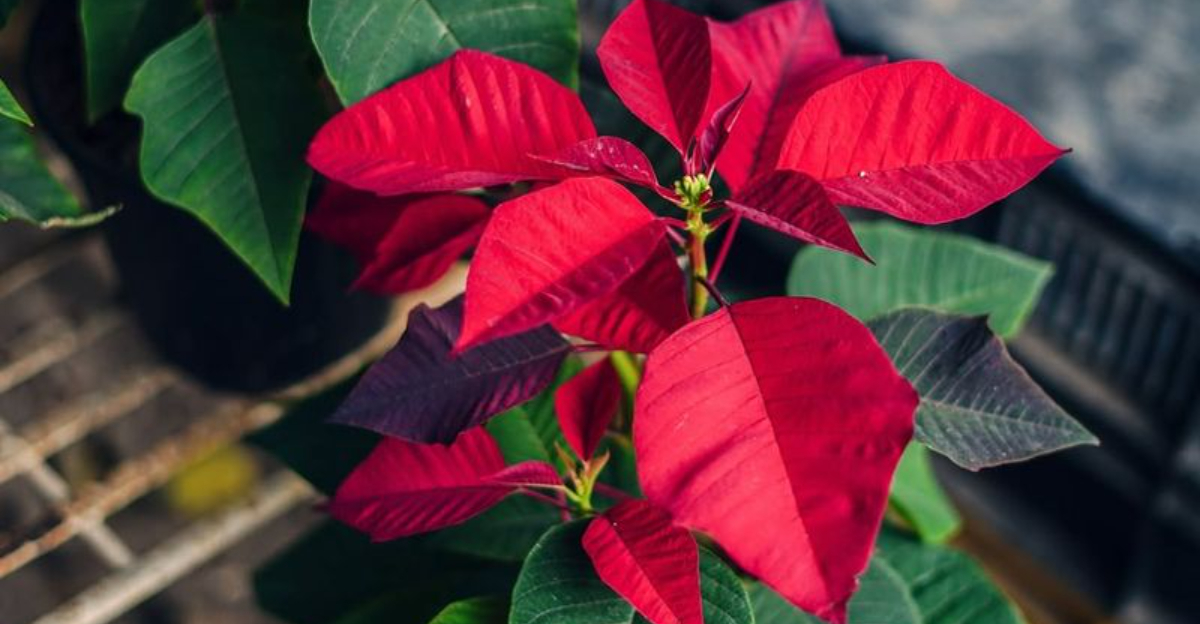
The colorful parts of poinsettias are actually modified leaves called bracts, not flowers.
Look for bright, unblemished bracts without brown edges or spots.
The true flowers are the tiny yellow or green buds clustered in the center of the bracts.
Choose plants where these buds are still tight and closed, not shedding pollen.
Examine the soil condition by gently feeling the weight of the pot.
Extremely light pots indicate the plant has been severely under-watered, while heavy, soggy pots suggest overwatering problems.
The foliage should be dense and full all the way down to the soil line, not sparse or leggy.
Starting with a healthy, well-cared-for plant dramatically increases your chances of enjoying it throughout the entire holiday season.
7. Exposing Them To Temperature Extremes
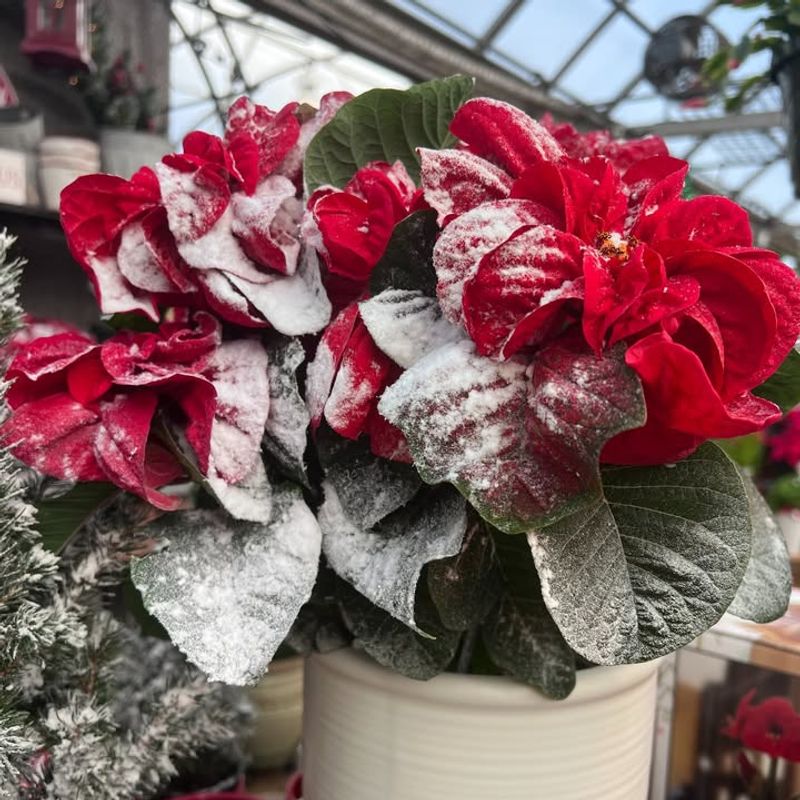
Temperature shock happens more often than California homeowners realize, especially during the shopping trip home.
Carrying your poinsettia from a warm nursery to a cold car, even for just a few minutes, can cause significant stress.
The plant may look fine initially, but within days, leaves start dropping as a delayed reaction to that brief temperature trauma.
Always ask for a protective sleeve or bag to shield your plant during transport.
Even California’s mild winters can have chilly mornings and evenings that harm these temperature-sensitive tropical plants.
Never leave your poinsettia in a parked car while running other errands.
Cars become ovens in California sunshine, even during winter months, and the enclosed space heats up quickly.
Conversely, evening temperatures can drop dramatically, especially in inland and mountain areas.
Inside your home, avoid placing poinsettias near fireplaces, heating vents, or radiators.
The dry heat from these sources creates stress just as harmful as cold drafts.
Maintain that sweet spot of 65 to 75 degrees consistently.
Poinsettias tolerate California’s natural temperature variations outdoors poorly, so always keep them as protected indoor plants during the holiday season.
8. Using Decorative Foil Improperly
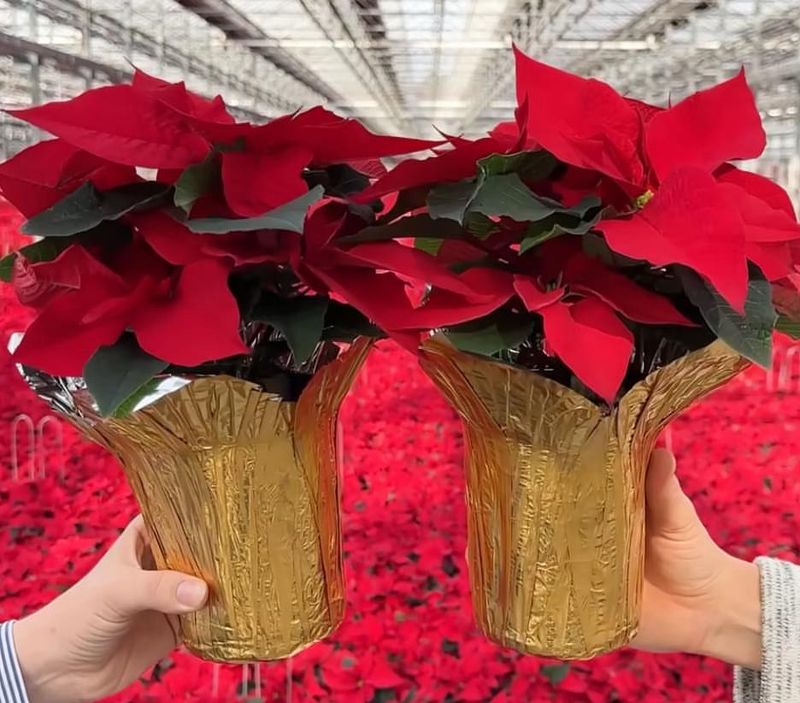
That festive foil wrapping makes your poinsettia look gift-ready and beautiful for holiday displays.
However, leaving it on creates a hidden danger that many California homeowners never consider.
The foil traps water at the bottom of the pot, turning the area into a stagnant pool where roots suffocate.
You water your plant thinking the moisture drains away, but it actually accumulates in this hidden reservoir.
Roots sitting in trapped water begin rotting within days, though you won’t notice until the plant shows obvious distress.
Either remove the decorative foil completely or poke several drainage holes in the bottom before placing your poinsettia inside.
Better yet, use the foil as a temporary outer covering that you remove after each watering session.
Water your plant in the sink, allow it to drain thoroughly for 15 minutes, then return it to its decorative wrapper.
This simple routine prevents water accumulation while maintaining the festive appearance you want.
California’s varying humidity levels mean drainage becomes even more critical in coastal areas where moisture lingers longer.
A pretty presentation shouldn’t come at the cost of your plant’s health and longevity throughout the holiday season.
9. Fertilizing During The Display Period
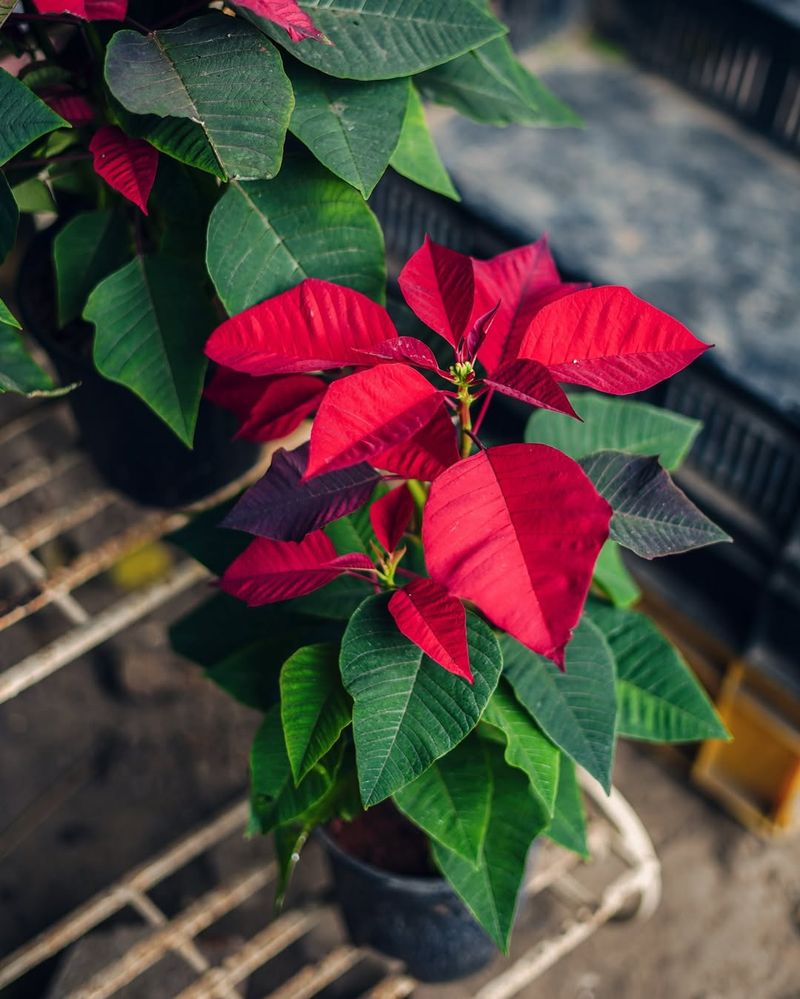
Well-meaning California homeowners often believe fertilizing helps their poinsettia stay colorful and healthy during the holidays.
Actually, poinsettias in full color are in a display phase, not an active growth phase.
Feeding them during this time provides nutrients they cannot use and may actually cause more harm than benefit.
The colorful bracts have already formed, and fertilizer won’t make them brighter or last longer.
Excess fertilizer salts can build up in the soil, burning the roots and causing leaf damage.
Your poinsettia came from the grower with enough nutrients already in the soil to sustain it through the typical display period.
Save your fertilizer for later if you plan to keep the plant after the holidays and encourage new growth.
From January through March, when new leaves begin emerging, you can start a light feeding schedule.
Use a balanced, water-soluble fertilizer diluted to half the recommended strength every two to three weeks during active growth.
During the holiday season itself, focus on proper watering, lighting, and temperature instead of feeding.
These basic care elements matter far more than fertilizer for keeping your poinsettia looking spectacular through Christmas and New Year celebrations.
10. Placing Them Near Ripening Fruit
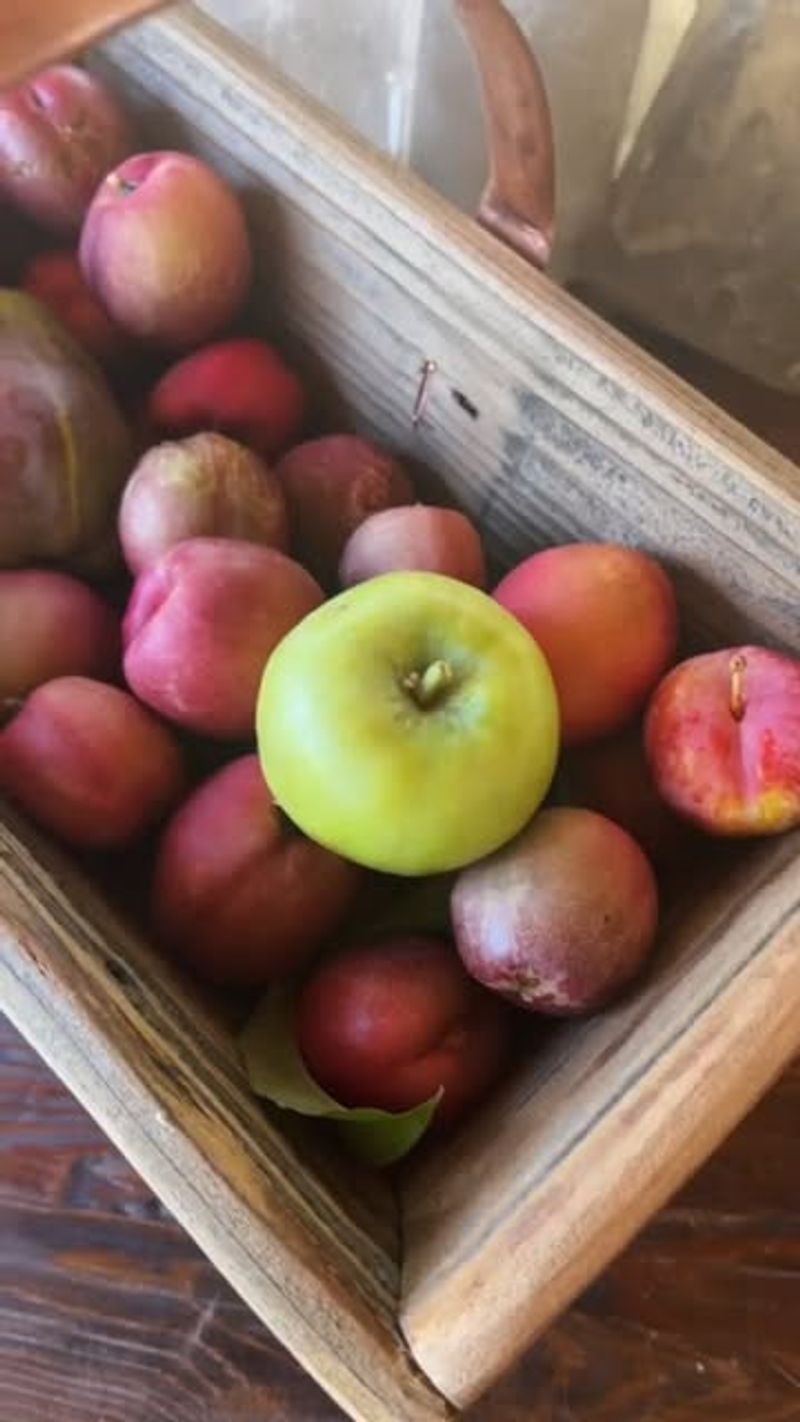
California kitchens often display beautiful fruit bowls alongside festive holiday decorations, including poinsettias.
This seemingly innocent arrangement creates a hidden problem that causes premature leaf drop.
Ripening fruits release ethylene gas, a natural plant hormone that triggers aging and senescence in nearby plants.
Your poinsettia interprets this ethylene as a signal to shed its leaves, even though it’s otherwise perfectly healthy.
Apples, bananas, pears, and tomatoes are particularly prolific ethylene producers as they ripen.
Even small amounts of this invisible gas can affect sensitive plants like poinsettias within just a few days of exposure.
Keep your holiday plant in a separate room from your fruit storage area.
This also applies to vegetables like avocados that ripen on the counter.
Many California homeowners love displaying fresh produce from farmers markets alongside their holiday décor, but separation prevents problems.
If you notice sudden, rapid leaf drop despite proper watering and temperature, check for nearby ripening fruit.
Moving your poinsettia away from the ethylene source may slow the leaf loss, though damage already done cannot be reversed.
Prevention through smart placement saves your plant from this avoidable holiday disappointment.
11. Neglecting To Check For Pests
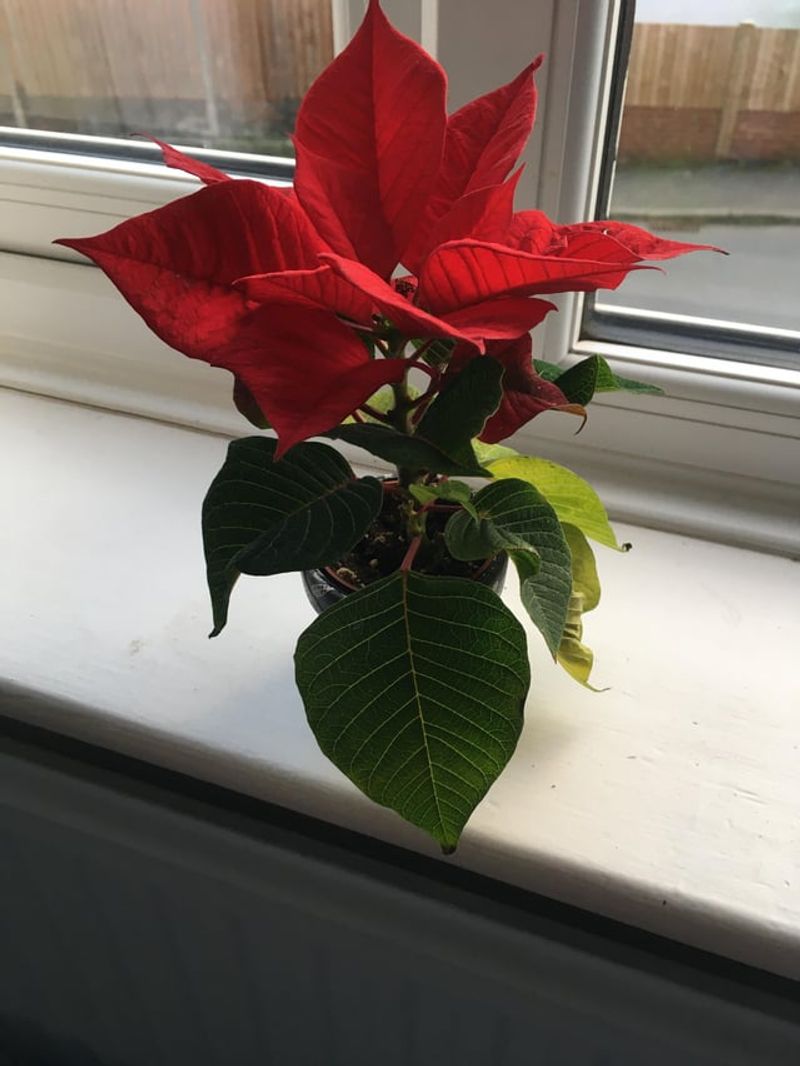
Poinsettias can harbor unwelcome guests that hitchhike from the nursery into your California home.
Whiteflies, spider mites, and scale insects are common pests that affect these holiday plants.
Many homeowners never inspect their plants closely and only notice problems when infestations become severe.
Whiteflies look like tiny white moths that flutter up when you disturb the leaves.
They cluster on leaf undersides, sucking plant juices and weakening your poinsettia.
Spider mites create fine webbing between leaves and cause stippled, yellowing foliage.
Scale insects appear as small brown bumps on stems and leaves, often mistaken for part of the plant itself.
Check your poinsettia regularly by gently turning leaves over and examining stems closely.
Catching pest problems early makes treatment much easier and more effective.
Isolate any infested plant immediately to prevent pests from spreading to other houseplants in your California home.
Insecticidal soap or horticultural oil works well for most poinsettia pests when applied according to label directions.
California’s mild climate means some pests remain active year-round, making vigilance especially important.
Regular inspection becomes a quick habit that protects your entire indoor plant collection.
12. Giving Up On Them Too Soon
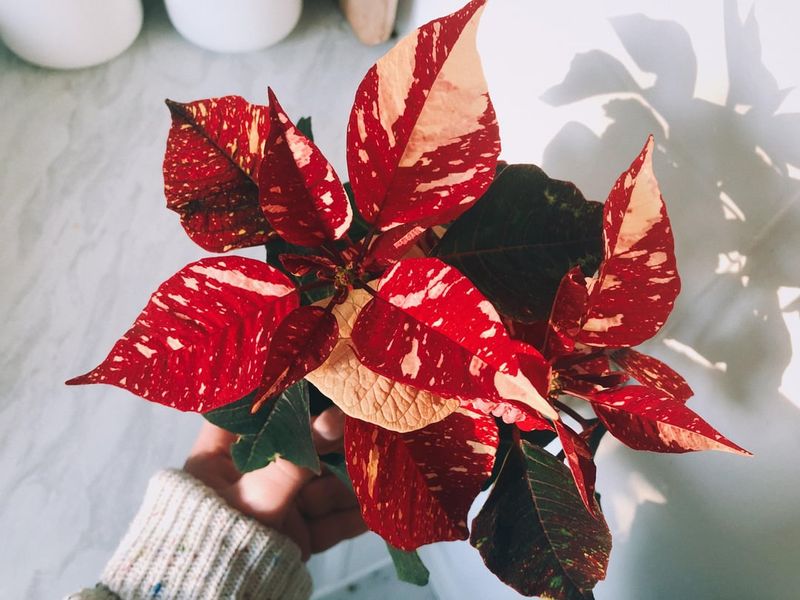
Most California homeowners toss their poinsettias after the holidays, assuming they’re finished.
Actually, these plants are perennials that can live for years with proper care and even rebloom next season.
When the colorful bracts start fading in January or February, your poinsettia is simply transitioning to its next growth phase.
This natural cycle doesn’t mean the plant is done or unhealthy.
Continue regular watering and care as new green growth emerges.
In spring, prune the plant back to about six inches tall to encourage bushy, full growth.
California’s mild climate makes it possible to move poinsettias outdoors during warm months, though they need protection from intense direct sun.
Getting them to rebloom requires specific light manipulation starting in October, giving them 14 hours of complete darkness each night.
This process takes commitment, but many California gardeners enjoy the challenge.
Even if you don’t attempt reblooming, poinsettias make attractive green houseplants with interesting foliage year-round.
They grow vigorously in California’s climate when given proper care.
Viewing your holiday poinsettia as a long-term plant rather than temporary decoration changes your entire approach and opens up new possibilities for enjoyment.