8 Common Mistakes Georgia Gardeners Make When Growing Peppers In Spring
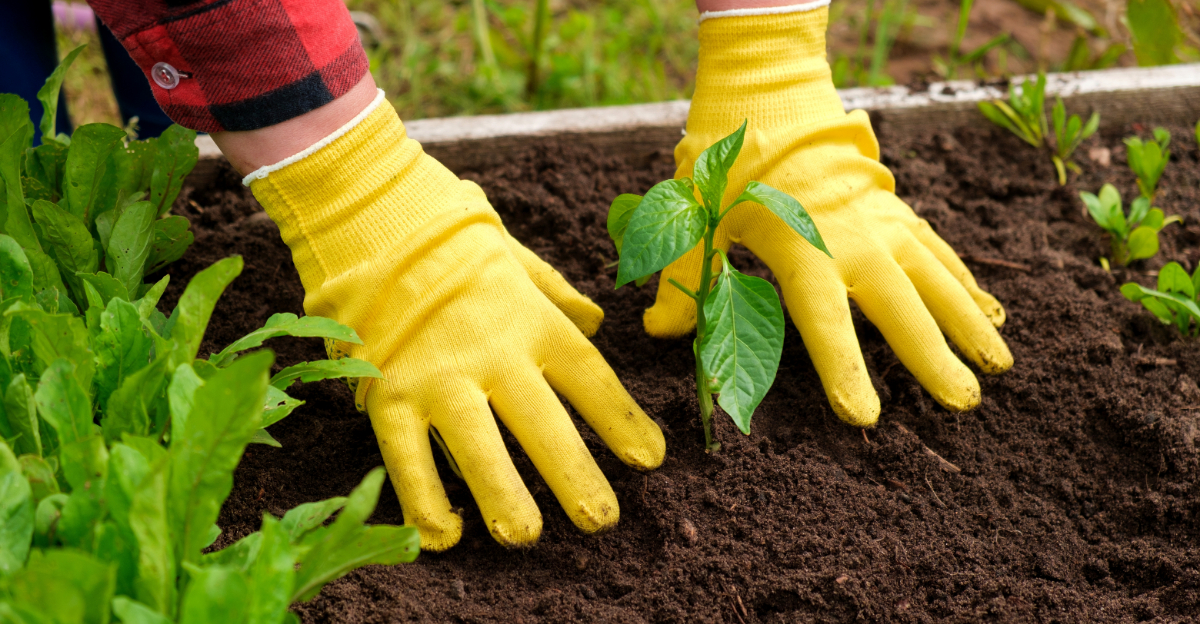
Spring planting in Georgia often starts with a lot of excitement, especially when it comes to peppers. The temperatures begin to warm, garden centers fill up, and it feels like the perfect time to get everything in the ground.
But peppers can be a little less forgiving than they seem at first. Early decisions, from planting timing to soil preparation, can shape how the entire season unfolds.
Many gardeners follow routines that seem right on the surface, only to notice slow growth or disappointing yields later on. These patterns show up year after year, even among experienced growers.
Taking a closer look at what tends to go wrong reveals a few key habits that quietly hold pepper plants back, especially during the early weeks when strong roots and steady growth really matter.
1. Planting Too Early Before Soil Warms
Excitement is one of the biggest reasons Georgia gardeners end up planting their peppers way too soon. After a long winter, the moment the sun starts shining a little warmer, it feels like the perfect time to get seeds in the ground.
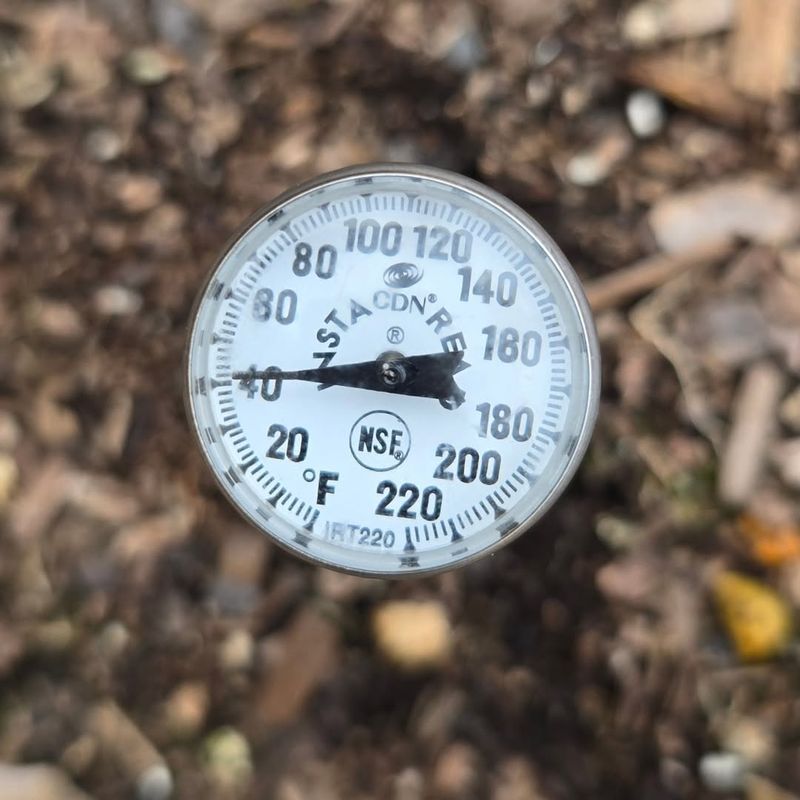
The problem is, peppers are very sensitive to cold soil and will not grow well if the temperature is below 60 degrees Fahrenheit.
Soil that is too cool slows down root development and can shock young transplants, leaving them stunted for weeks. Even if the air feels warm during the day, Georgia soil in early March can still be quite cold underneath the surface.
A simple soil thermometer, available at most garden centers, takes the guesswork completely out of this decision.
In Georgia, most experienced pepper growers wait until early to mid-April before transplanting seedlings outdoors. That timing lines up well with consistently warm soil temperatures across most of the state.
Rushing the process by even two or three weeks can set your plants back significantly and reduce your overall yield.
Starting seeds indoors six to eight weeks before your planned outdoor planting date is a smart strategy. That way, your seedlings are ready and strong when the soil is finally warm enough to welcome them.
Patience at this stage truly pays off with healthier, faster-growing plants that produce more peppers throughout the season.
2. Skipping Soil Preparation
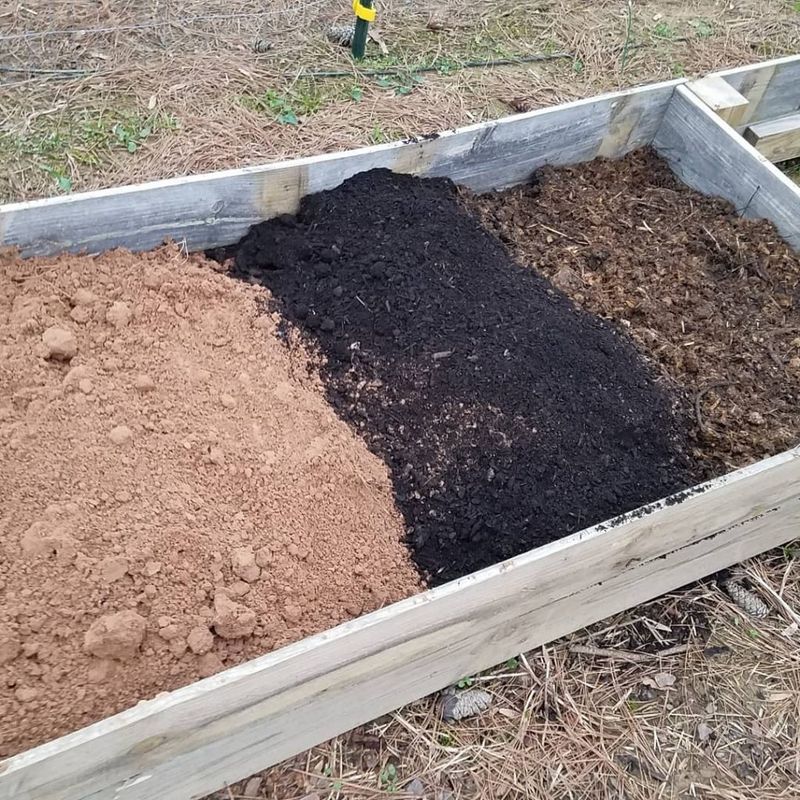
Peppers are not the type of plant that thrives in just any old patch of ground. They need well-draining, nutrient-rich soil to develop strong roots and produce a good harvest.
Skipping soil preparation is one of the most common shortcuts Georgia gardeners take, and it almost always leads to disappointing results.
Georgia soil varies a lot depending on where you live in the state. Red clay soil, which is common in many parts of Georgia, tends to compact easily and drain poorly.
When pepper roots sit in waterlogged or compacted soil, they struggle to absorb the oxygen and nutrients they need to grow strong.
Adding compost is one of the best things you can do before planting. A few inches of quality compost worked into the top eight to twelve inches of soil can dramatically improve both drainage and fertility.
Organic matter also encourages beneficial microbes that help break down nutrients into forms your plants can easily absorb.
Getting a soil test through the University of Georgia Cooperative Extension is a smart move before the season begins. The test results will tell you exactly what nutrients your soil is missing and what amendments you need.
Many Georgia gardeners skip this step and end up guessing, which often means their plants are working harder than they should to find what they need. A little prep work before planting goes a long way toward a healthy, productive pepper crop.
3. Overwatering Young Plants
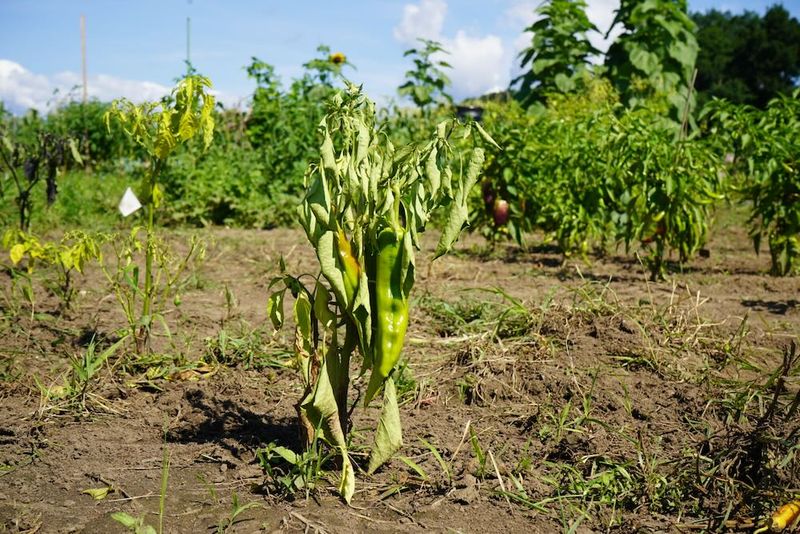
More water does not always mean better growth, and nowhere is that truer than with young pepper plants. Overwatering is a common reason Georgia gardeners lose their pepper plants in spring, even though it comes from a place of good intentions.
Too much moisture around the roots cuts off oxygen supply and creates conditions where root rot can develop quickly.
Young transplants are especially vulnerable because their root systems are still small and not yet well-established. When the soil stays soggy for too long, the roots begin to struggle and the plant starts showing signs of stress.
Yellowing leaves, wilting despite wet soil, and slow growth are all classic warning signs that a plant is getting too much water.
A good rule of thumb is to let the top inch of soil dry out before watering again. Stick your finger about an inch into the soil near the base of the plant.
If it still feels moist, hold off and check again the next day.
Georgia springs can bring plenty of rain on their own, so always factor in what nature is already providing before you reach for the hose. Raised beds and containers with good drainage holes make it easier to control moisture levels.
Mulching around the base of your plants also helps regulate soil moisture by slowing evaporation, which means you water less often while still keeping roots comfortable and healthy throughout the growing season.
4. Letting Soil Dry Out Completely
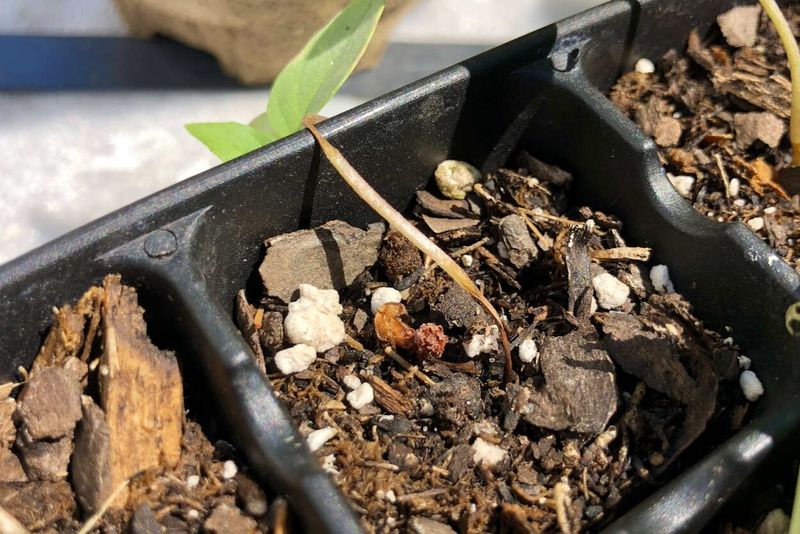
While overwatering is a real problem, the opposite extreme causes just as much trouble for Georgia pepper growers. Letting the soil dry out completely between waterings puts enormous stress on pepper plants and can lead to a frustrating condition called blossom drop, where flowers fall off before they even get a chance to become peppers.
Georgia springs can be unpredictable. Some weeks bring plenty of rain, and others are surprisingly dry and warm.
During dry spells, the soil in garden beds and containers can dry out faster than you might expect, especially when temperatures start climbing in late April and May. Checking your soil moisture regularly during these stretches is really important.
Consistent soil moisture is the goal for healthy pepper plants. Think of it like keeping a sponge damp but not soaking wet.
Irregular watering, where the soil goes from bone dry to soaking wet and back again, causes uneven fruit development and can lead to problems like blossom end rot.
Setting up a simple drip irrigation system or soaker hose is a great investment for Georgia gardeners who want to take the guesswork out of watering. These systems deliver water slowly and directly to the root zone, keeping moisture levels steady without wetting the leaves.
Wet foliage can invite fungal issues, which are already a concern in Georgia’s humid spring climate. Consistent watering truly is one of the simplest ways to see a noticeable improvement in your pepper harvest.
5. Using Too Much Nitrogen Fertilizer
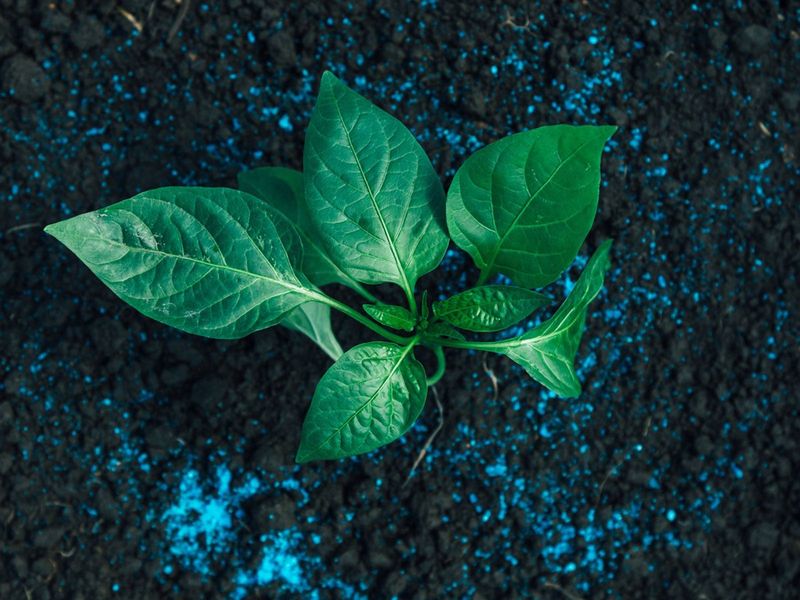
Walk into any garden center in Georgia and you will find shelves full of fertilizers promising lush, fast growth. It is tempting to give your pepper plants a big boost of nitrogen, especially when you want to see quick results.
But loading up on nitrogen is one of the most common fertilizer mistakes Georgia gardeners make, and it backfires in a very specific way.
Nitrogen encourages leafy, green vegetative growth. A little is necessary and helpful, but too much sends the plant a very clear signal to keep making leaves instead of shifting energy toward flowering and fruiting.
The result is a big, beautiful, bushy plant with almost no peppers on it, which is deeply frustrating after months of care and effort.
A balanced fertilizer applied at planting time gives young plants the broad nutritional support they need to get established. Once plants start flowering, switching to a fertilizer lower in nitrogen and higher in phosphorus and potassium encourages the plant to put its energy into producing fruit instead of foliage.
Slow-release granular fertilizers are popular among Georgia gardeners because they feed plants steadily over several weeks without the risk of overdoing it all at once. Organic options like fish emulsion or worm castings are also excellent choices that are harder to overapply.
Reading the label carefully and following the recommended amounts will always give you better results than guessing or assuming more is better with pepper plants.
6. Crowding Plants Too Close Together
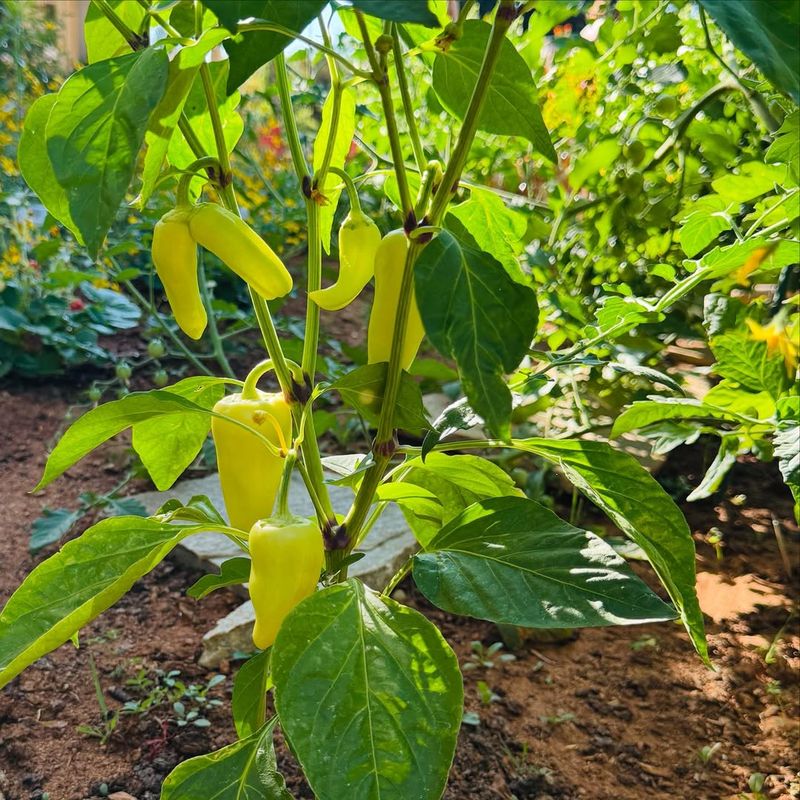
Space might feel like something you can sacrifice when you have a lot of plants and not a lot of room, but crowding pepper plants is a mistake that costs Georgia gardeners dearly every spring. When plants are packed too tightly together, airflow between them drops significantly.
Poor airflow creates the warm, humid pockets that fungal diseases love, and Georgia’s already humid spring weather makes this an even bigger concern.
Pepper plants need room to spread their branches and leaves so they can soak up sunlight from multiple angles. When they are crowded, plants end up shading each other out, which reduces photosynthesis and leads to weaker growth.
Less sunlight reaching the lower parts of the plant also means fewer flowers and ultimately fewer peppers at harvest time.
The general recommendation for pepper spacing in Georgia gardens is twelve to twenty-four inches between plants, with rows set about three feet apart. Larger varieties like bell peppers need the wider end of that range, while smaller hot pepper varieties can get by with a bit less space.
Giving each plant its own defined zone makes a real difference.
Proper spacing also makes it easier to spot problems early. When plants are not crammed together, you can actually see the stems, leaves, and developing fruits clearly.
Spotting pests or early signs of disease is much simpler when you are not pushing leaves aside just to see what is going on underneath. Good spacing is one of those simple habits that pays off in multiple ways all season long.
7. Ignoring Early Pest Problems
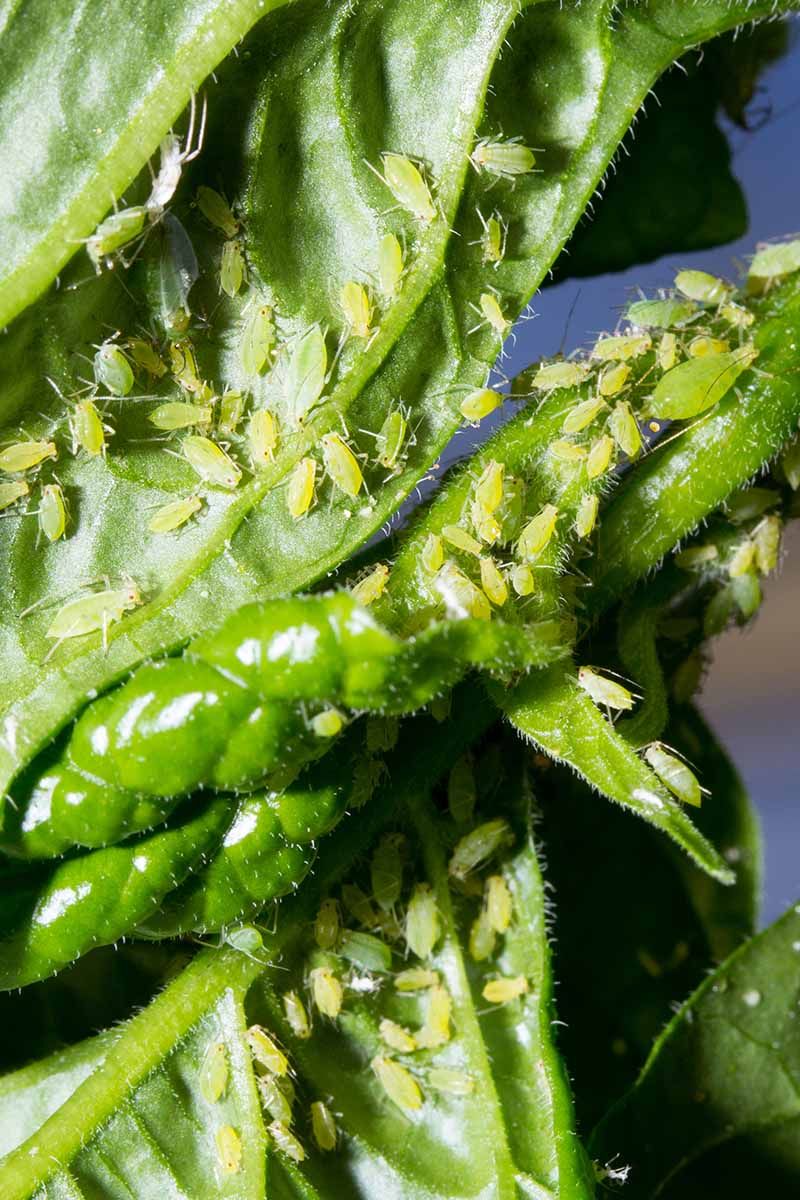
Georgia’s warm spring climate is wonderful for growing peppers, but it is also very welcoming to the insects and pests that love to feed on them. Aphids, spider mites, flea beetles, and pepper weevils are among the most common troublemakers Georgia gardeners deal with each spring.
The mistake most people make is not acting until the infestation is already out of control.
Early pest problems often start small and easy to miss. A few aphids clustered on the underside of a leaf or some tiny holes chewed into new growth might not seem like a big deal at first.
But pest populations can explode surprisingly fast in warm weather, and by the time damage becomes obvious, the plant has already been under stress for a while.
Making a habit of checking your plants two or three times a week during the growing season is one of the most effective things you can do. Flip leaves over, look at the stems, and check around the base of the plant.
Catching a problem when there are just a handful of insects gives you many more options for dealing with it without resorting to harsh treatments.
Insecticidal soap, neem oil, and row covers are all effective and relatively gentle tools that Georgia gardeners use to manage pests early in the season. Encouraging beneficial insects like ladybugs and lacewings by planting companion flowers nearby also helps keep pest populations naturally in check.
Staying observant and acting quickly is the best pest management strategy of all.
8. Not Providing Enough Sun
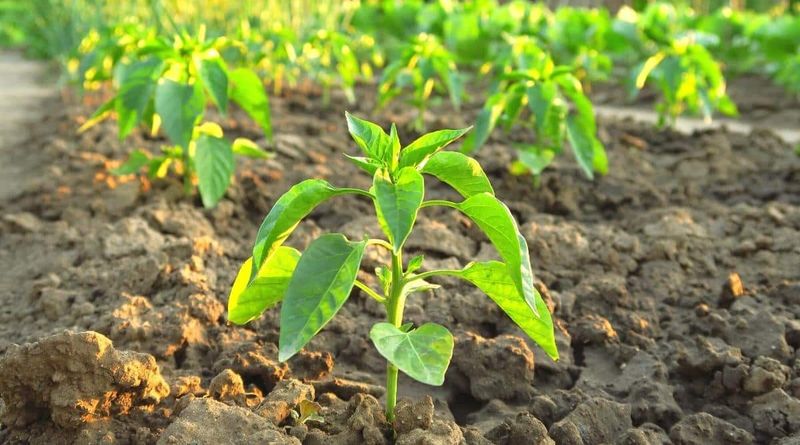
Peppers are sun lovers through and through, and placing them somewhere that does not get enough direct light is one of the most common setup mistakes Georgia gardeners make. A pepper plant generally needs at least six to eight hours of direct sunlight every single day to grow well and produce a satisfying harvest.
Less than that and the plant will struggle from the very beginning.
Georgia’s spring sun is actually quite generous, which makes it all the more frustrating when gardeners accidentally plant in a spot that gets blocked by a fence, a large tree, or even the shadow cast by a nearby building. The garden might look bright and sunny in the morning but be shaded for most of the afternoon, which is when the sun is most intense and beneficial.
Before you plant, spend a full day observing how sunlight moves across your garden space. Note which areas stay sunny longest and which fall into shade as the day progresses.
Raised beds placed in open areas away from structures and large trees are often the best choice for peppers in Georgia yards.
If your only available space is partially shaded, choosing smaller hot pepper varieties tends to work a little better than large bell peppers, since they are somewhat more tolerant of reduced light. Container gardening is another excellent option because you can move pots around to chase the sunniest spots as the season changes.
Giving peppers the sunlight they crave is one of the easiest ways to dramatically improve your results in the Georgia garden.