8 Common Mistakes North Carolina Gardeners Make With Azaleas
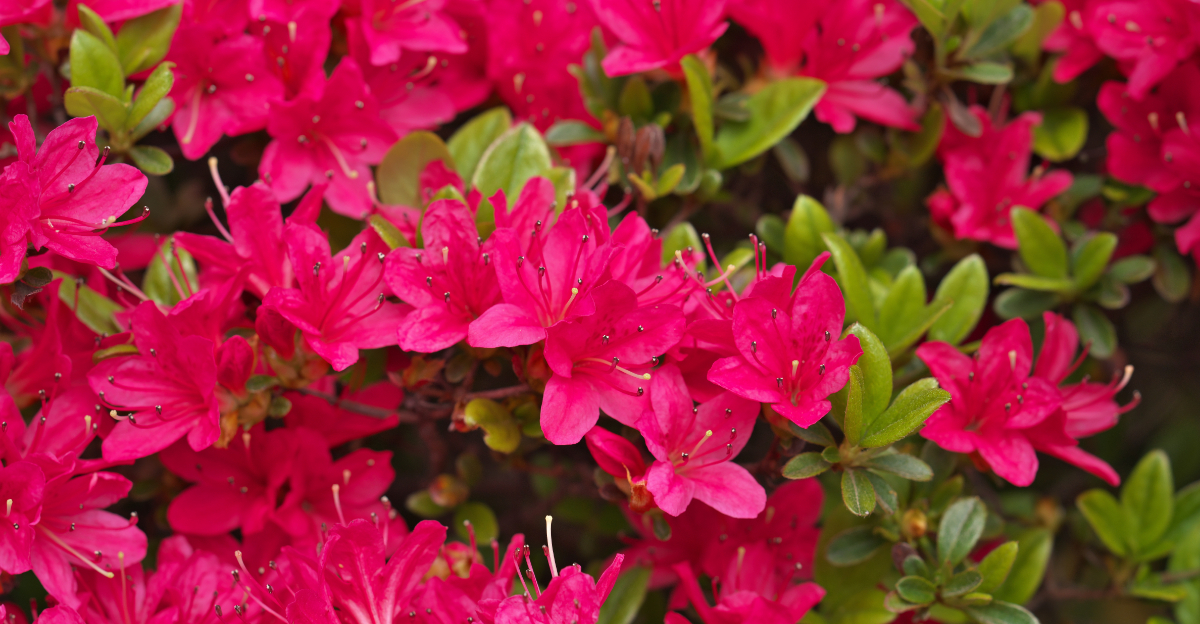
If you’ve spent years tending a garden in North Carolina, you know that azaleas are a point of pride. Their bright spring blooms can light up a yard like nothing else – but they also seem to have a mind of their own sometimes.
Many gardeners love azaleas, yet certain missteps can quietly sabotage a season. From soil acidity to watering habits, small oversights can lead to lackluster flowers or even plant stress.
Understanding what typically goes wrong can be a game-changer for your beds. Discovering these hidden pitfalls might be just what your azaleas have been waiting for this year.
1. Azaleas Struggling From Too Much Direct Sun
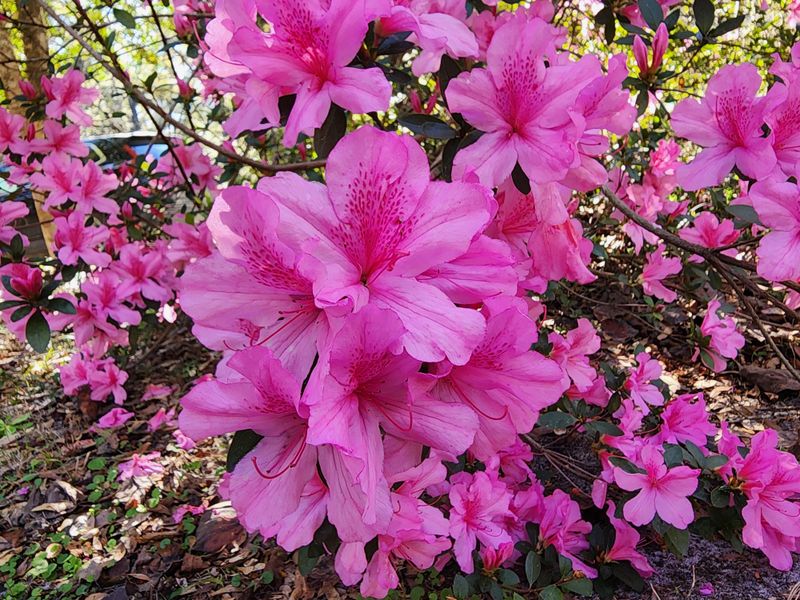
Picture this: you carefully plant a gorgeous azalea in a sunny spot, excited to watch it bloom, and instead of thriving, the leaves start turning brown and crispy at the edges. Sound familiar?
Full afternoon sun is one of the biggest challenges azaleas face in North Carolina, where summer temperatures can be brutal and relentless.
Azaleas are naturally woodland plants. In the wild, they grow beneath taller trees that filter the harshest light of the day.
When they are suddenly exposed to several hours of intense direct sunlight, especially during the hot afternoon hours, the leaves cannot handle the heat. This leads to scorching, reduced blooms, and an overall weakened shrub that struggles to recover.
The sweet spot for azaleas in North Carolina is a location that gets bright morning sun and shade during the afternoon. Morning light helps the plant photosynthesize and build energy without the damaging intensity of midday or afternoon rays.
A spot under a tall pine or near a building that blocks the western sun can work beautifully.
If your azaleas are already planted in a too-sunny location, consider adding a shade cloth during peak summer months or transplanting them in early fall when temperatures cool down. Choosing native or heat-tolerant varieties like the Encore series can also help your shrubs handle North Carolina summers with much more ease and resilience.
2. Overwatering Turning Roots Into A Risky Situation

Watering your plants feels like one of the most caring things you can do, but with azaleas, too much of a good thing can quickly become a real problem. Azaleas have shallow, fibrous roots that sit close to the surface of the soil, making them especially vulnerable to sitting in soggy conditions for too long.
Root rot is a serious concern for azalea growers across North Carolina, particularly in areas with heavy clay soil that holds water. When roots stay wet for extended periods, they begin to break down, and the plant loses its ability to absorb water and nutrients properly.
Ironically, an overwatered azalea often looks like it needs more water because the damaged roots cannot do their job.
A smarter approach is to water deeply but less frequently. Allow the top inch or two of soil to dry out slightly between watering sessions.
Push your finger into the soil near the base of the plant. If it still feels moist, hold off on watering for another day or two.
Good drainage is very important for azaleas, especially in North Carolina gardens with heavy or clay soils. If your North Carolina garden has clay-heavy soil, mix in generous amounts of compost, pine bark, or coarse sand before planting.
Raised beds are another excellent option for improving drainage in problem areas. Keeping a consistent but measured watering schedule, especially during rainy seasons, will give your azaleas the steady moisture they need without overwhelming their sensitive root systems.
3. Neglecting Soil Acidity For Strong Blooms
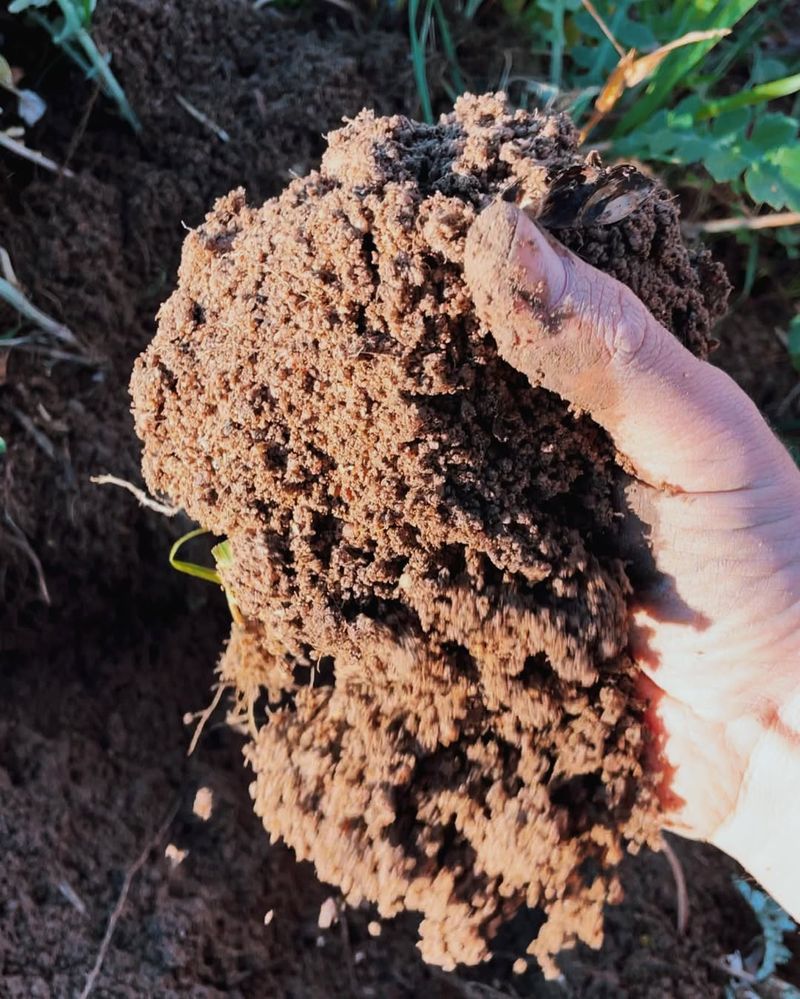
Soil chemistry might sound like a science class topic, but for azalea growers in North Carolina, it is one of the most practical things to pay attention to. Azaleas are acid-loving plants that thrive in soil with a pH between 4.5 and 6.0.
When the soil is too alkaline, the plant simply cannot absorb the nutrients it needs, no matter how much fertilizer you add.
One of the most common signs of a soil pH problem is yellowing leaves, a condition called chlorosis. The leaves turn pale yellow while the veins stay green, which signals that the plant is struggling to take up iron and other essential minerals.
Many North Carolina gardeners mistake this for a nutrient deficiency and add more fertilizer, which does not solve the underlying problem at all.
Getting a soil test is the smartest first step. North Carolina State University Cooperative Extension offers affordable soil testing services that give you a clear picture of your soil’s pH and nutrient levels.
If your soil tests too high, you can lower the pH by adding elemental sulfur or mixing in peat moss and pine bark, both of which are naturally acidic.
Mulching with pine needles, which are common throughout North Carolina, is another easy way to gradually acidify the soil over time. Regular testing every two to three years keeps you ahead of any shifts in soil chemistry before they affect your azalea’s blooming performance and overall plant strength.
4. Pruning At The Wrong Time And Missing Flowers

Few gardening disappointments compare to waiting all year for your azaleas to bloom, only to find a bush full of green leaves and not a single flower. If this has happened to you, pruning at the wrong time is likely the reason.
Timing is everything when it comes to shaping azaleas.
Azaleas set their flower buds for the following year shortly after they finish blooming in spring. In most parts of North Carolina, that blooming window falls between late March and early May depending on the variety and location.
If you wait until summer or fall to prune, you risk removing buds that could have produced next spring’s flowers.
The correct window for pruning is right after the blooms fade, typically within a few weeks of the last flower dropping. This gives the plant plenty of time to grow new wood and set fresh buds before the growing season winds down.
Light shaping is usually all that is needed to keep the shrub tidy and encourage healthy branching.
Avoid aggressive pruning that removes more than one-third of the plant at once, as this can stress the shrub and reduce blooming for a season or two. If you have an overgrown azalea in your North Carolina yard, consider a gradual rejuvenation approach spread over two or three years.
Patience and good timing can help encourage a fuller display of blooms in spring.
5. Ignoring Mulch And Exposing Roots To Stress
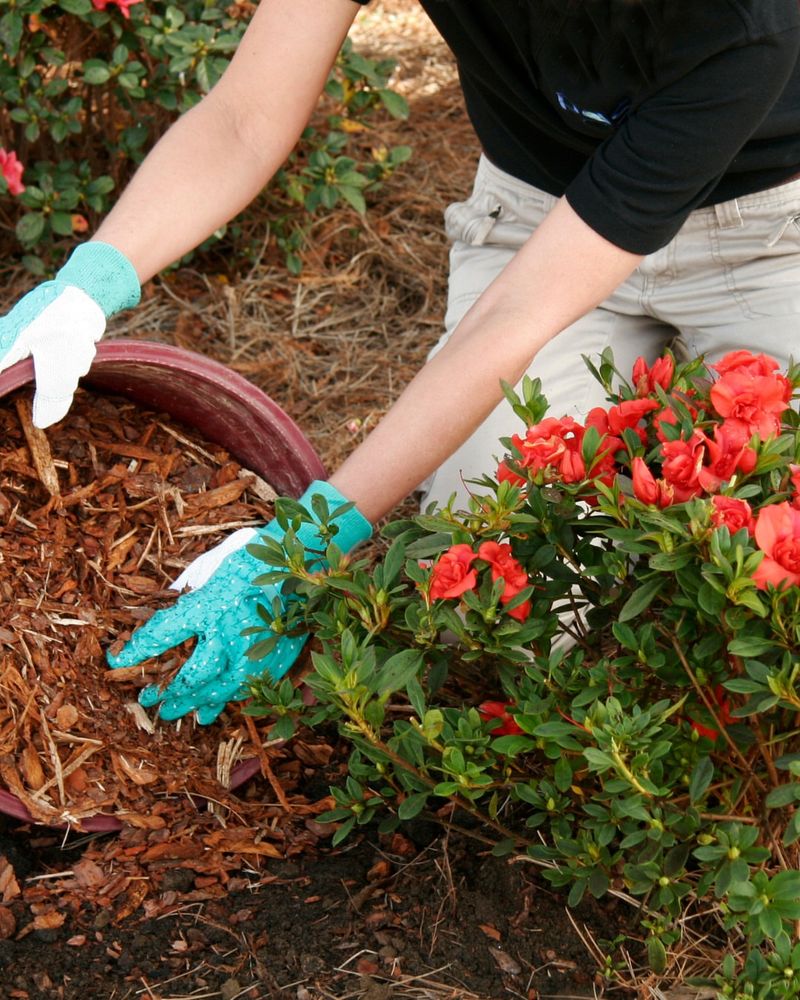
Mulch might seem like a small detail, but skipping it around your azaleas is a mistake that shows up quickly, especially during North Carolina’s hot, dry summers and unpredictable winters. Azaleas have some of the shallowest root systems of any common landscape shrub, which means those roots are highly sensitive to temperature swings and moisture loss.
Without a proper layer of mulch, the soil around your azaleas heats up fast in summer, drying out quickly and stressing the roots. In winter, sudden cold snaps common in the Piedmont and mountain regions of North Carolina can freeze shallow roots that have no insulation protecting them from the ground surface.
A two-to-four-inch layer of organic mulch such as pine bark, shredded leaves, or pine straw works wonderfully for azaleas. Pine straw is popular across North Carolina because it is readily available, breaks down slowly, and gradually acidifies the soil, which is beneficial for azaleas.
One important detail many gardeners overlook is keeping the mulch a few inches away from the main stem of the shrub. Piling mulch directly against the stem traps moisture and can lead to rot at the base of the plant.
Spread the mulch out to the drip line of the branches for the best coverage and protection. Refreshing your mulch layer once a year keeps the benefits consistent and the roots of your azaleas well protected throughout every season.
6. Planting Too Close Together And Crowding Growth
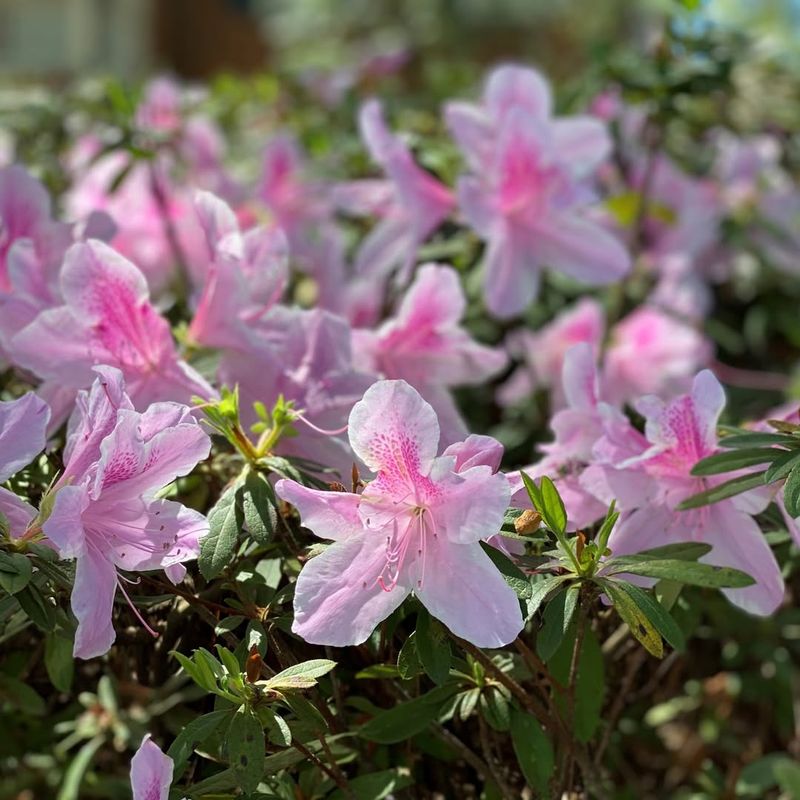
When azaleas are small at the garden center, it is easy to underestimate just how big they will eventually grow. Many North Carolina gardeners plant them too close together, excited about creating a lush hedge effect quickly.
A few years later, the shrubs are competing for light, water, and nutrients, and none of them are performing at their best.
Crowding azaleas creates another serious problem beyond competition for resources. Poor airflow between tightly packed shrubs creates a humid environment that encourages fungal diseases like powdery mildew and petal blight, both of which are common issues in the warm, humid climate of central and eastern North Carolina.
Once these diseases take hold, they can spread quickly through a crowded planting.
Most azalea varieties need at least three to six feet of space between plants, depending on the mature size of the specific cultivar. Dwarf varieties might be fine with slightly less spacing, while larger types like the native Rhododendron canescens can spread quite wide.
Always check the mature size listed on the plant tag before deciding on spacing.
If you already have crowded azaleas, selective pruning and thinning can open up the canopy and improve airflow significantly. In some cases, transplanting a few shrubs to a new location might be the best solution.
Planning your spacing carefully from the start saves a lot of corrective work later and gives every azalea in your North Carolina garden the room it needs to grow strong and bloom abundantly.
7. Fertilizing With The Wrong Formula For Healthy Shrubs
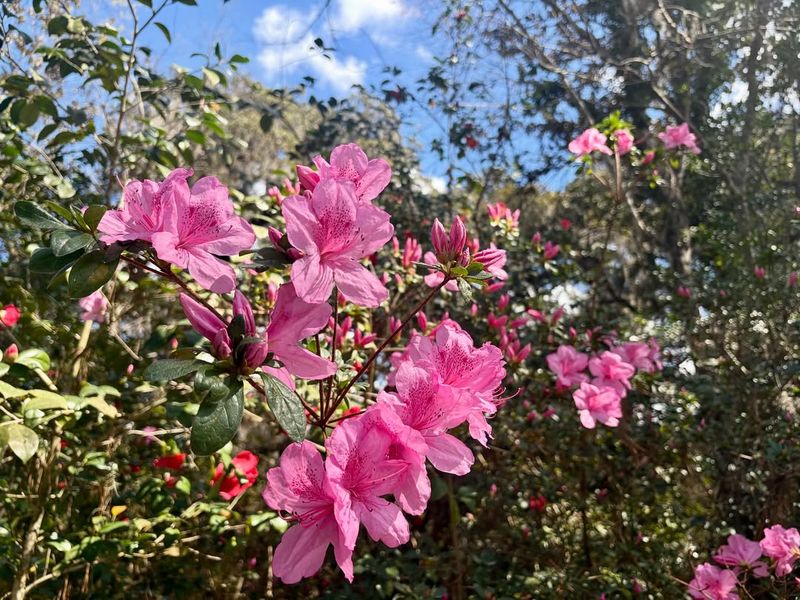
Grabbing whatever fertilizer bag is on sale at the hardware store and tossing it around your azaleas is a common shortcut that can actually do more harm than good. Azaleas are sensitive to fertilizer, and using the wrong formula, especially one that is high in nitrogen, can push the plant to produce lots of leafy growth at the expense of flowers.
High-nitrogen fertilizers are great for lawns and leafy vegetables, but azaleas do not need that kind of push. Too much nitrogen late in the growing season can also stimulate tender new growth that gets damaged when cold weather arrives in North Carolina, weakening the overall structure of the shrub heading into winter.
The best approach is to use a slow-release fertilizer specifically formulated for acid-loving plants, often labeled for azaleas, camellias, and rhododendrons. These blends are balanced to support healthy blooming, strong root development, and vibrant foliage without overstimulating leafy growth.
Look for products with a moderate, balanced ratio of nitrogen, phosphorus, and potassium.
Timing matters just as much as formula. Apply fertilizer in early spring just as new growth begins to emerge, and again lightly after blooming if needed.
Avoid fertilizing after mid-summer in North Carolina, as late feeding can interfere with the plant’s natural preparation for cooler temperatures. Always water thoroughly after applying fertilizer to help it absorb evenly and prevent any potential root burn from concentrated granules sitting against the soil surface.
8. Ignoring Pest Checks And Letting Trouble Sneak In
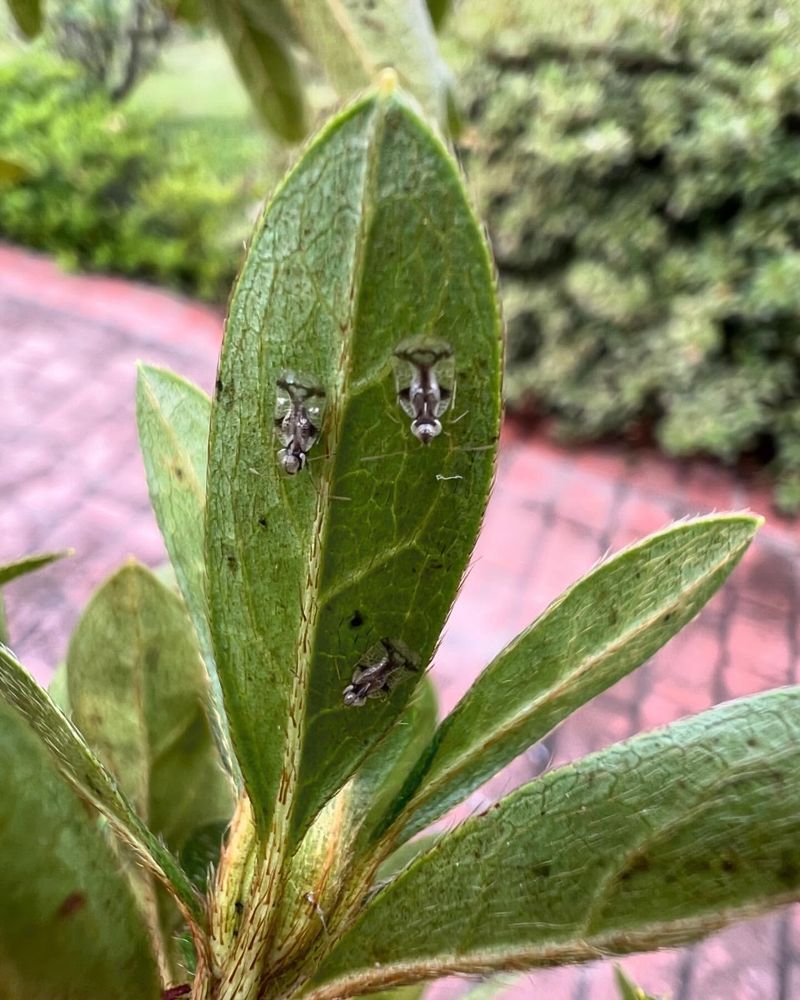
Even when sunlight, soil, and watering are spot-on, azaleas in North Carolina can still fall victim to pests if left unchecked. One of the most common offenders is the azalea lace bug.
These tiny insects feed on the undersides of leaves, leaving a pale, speckled pattern on top. Over time, heavy infestations can cause leaves to yellow, curl, or drop prematurely, reducing the plant’s overall vigor.
Spider mites are another frequent culprit, especially during hot, dry spells, creating fine webbing and leaf stippling. Occasionally, caterpillars may nibble on tender new growth, leaving ragged edges, while scale insects can sometimes appear, attaching to stems and causing slow stress over time.
The key is early detection. Flip leaves over weekly to inspect for small insects or damage before populations grow out of control.
Encouraging natural predators, such as ladybugs and predatory mites, can help keep lace bugs and spider mites in check without chemicals. For more stubborn infestations, a light application of insecticidal soap or horticultural oil early in the morning is effective and safe for pollinators.
Preventing pest problems isn’t just about chemicals – it’s about routine observation. Healthy, well-spaced azaleas with proper sunlight, water, and mulch are naturally more resistant to insects.
By keeping a close eye and acting promptly, you can protect your shrubs and ensure your North Carolina azaleas produce lush, vibrant blooms year after year.