8 Common Mistakes North Carolina Gardeners Make With Citrus Trees
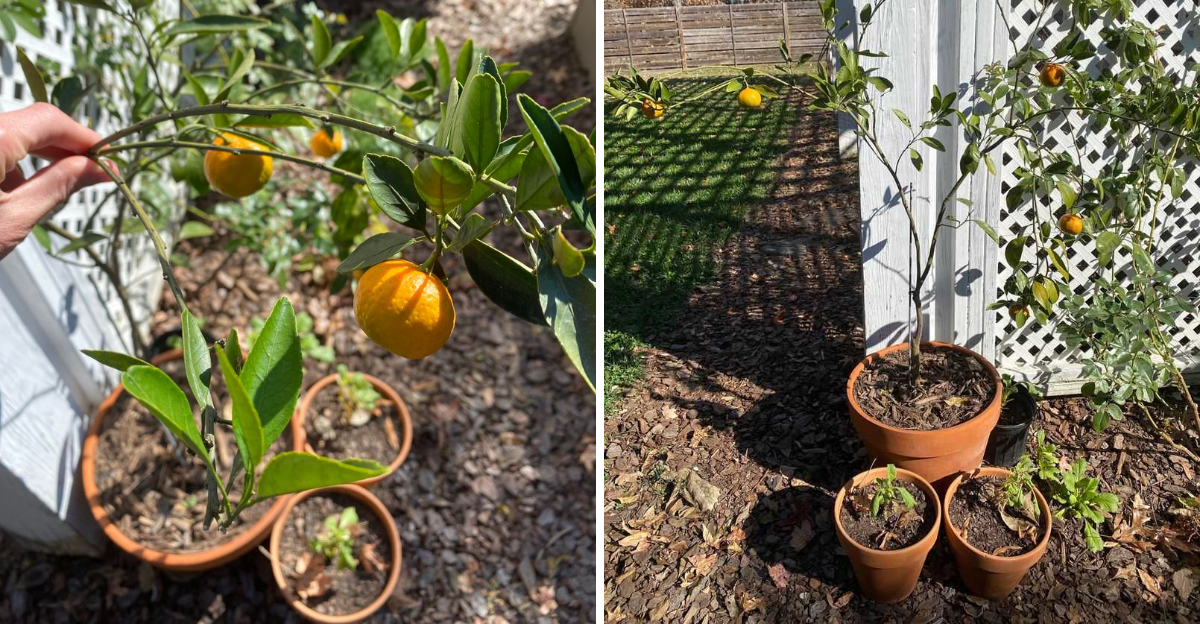
Growing a sun-ripened lemon in North Carolina feels like a horticultural dare.
Our state’s climate is a wild spectrum, from icy mountain peaks to humid coastal plains, making citrus a high-stakes challenge that keeps gardeners on their toes.
While the coast offers a small safety net, most of us in the Piedmont rely on the “pot-and-pivot” strategy of container gardening to survive the winter.
Citrus trees are sensitive divas when it comes to watering, feeding, and finding the perfect sunny spot.
Even dedicated growers get tripped up by common mistakes that lead to dropped leaves or lackluster fruit.
Understanding these pitfalls is the first step toward turning your North Carolina patio into a productive grove.
1. Planting Citrus Trees Outdoors Without Winter Protection
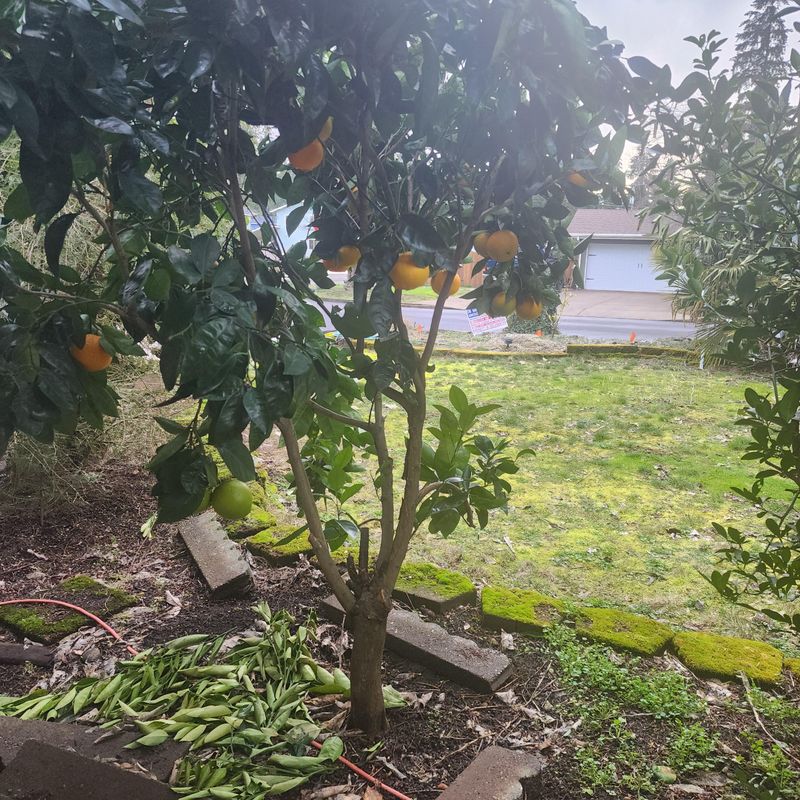
Many North Carolina gardeners get excited about citrus and plant trees straight into the ground without thinking about what winter will bring.
In most of the state, that decision leads to serious cold damage before the first full growing season ends.
Citrus trees are subtropical plants, and their cold tolerance varies by variety – satsuma mandarins and kumquats handle brief dips into the upper teens, while lemons and limes struggle when temperatures fall below the mid-20s.
In North Carolina, outdoor planting without protection is only a reasonable option in Zones 8a and 8b, which cover parts of the coastal plain near Wilmington and the Brunswick County coast.
Even there, an unexpected cold snap can cause bark splitting, leaf drop, and root damage.
Gardeners in Zone 7 – covering much of the Piedmont – and Zone 6 in the mountains should plan on container growing from the start.
When outdoor planting is attempted in Zone 8, positioning trees against a south-facing wall or fence adds meaningful warmth through reflected heat.
Mulching the root zone with several inches of pine straw before the first freeze helps insulate roots.
Frost cloth draped loosely over the canopy during cold nights can prevent leaf burn. Preparing for winter before it arrives, rather than scrambling during a cold snap, makes all the difference for North Carolina citrus growers.
2. Ignoring Microclimate Needs For Cold-Sensitive Trees
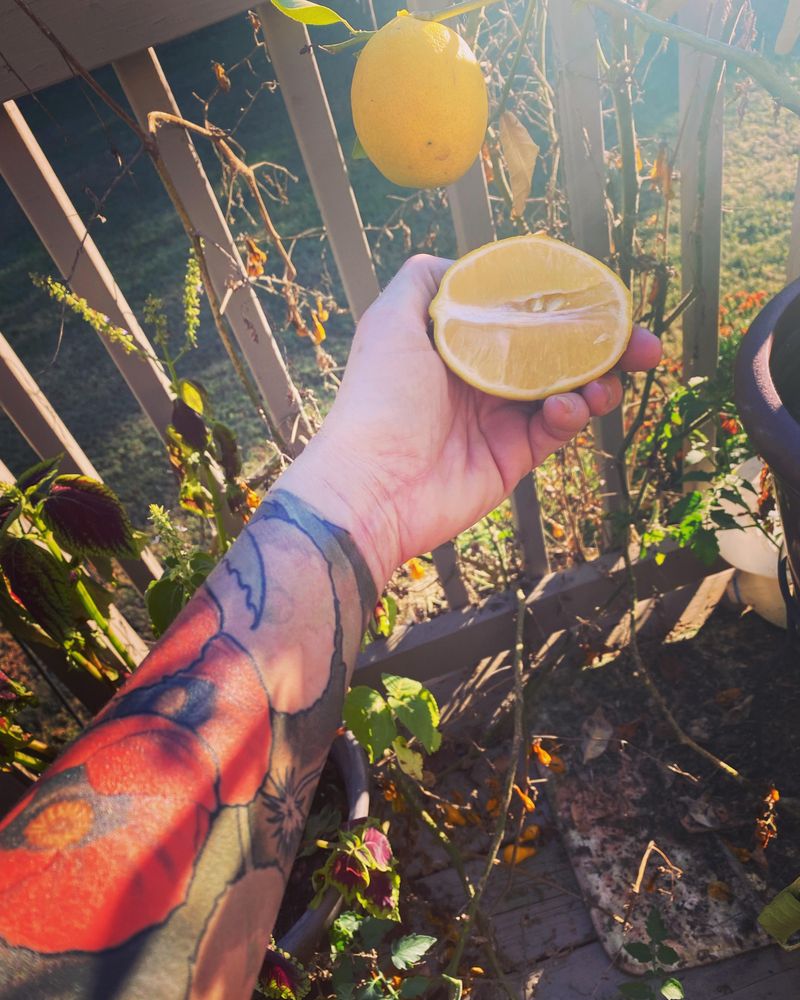
Not every corner of a North Carolina yard experiences the same temperatures, and citrus trees respond dramatically to those differences.
A spot near a south-facing brick wall might stay several degrees warmer than an open garden bed just 20 feet away, and that margin can mean the difference between a thriving tree and a frost-damaged one.
Ignoring microclimates is one of the most overlooked errors citrus growers make in this state.
Urban areas like Charlotte, Raleigh, and Wilmington often have slightly warmer microclimates than surrounding rural zones due to the heat island effect from pavement and buildings.
Gardeners in these cities can sometimes push the boundaries of what is normally possible for their zone – but only if they choose planting sites strategically.
Low-lying spots collect cold air and should be avoided, while elevated areas near structures stay warmer on frosty nights.
Reflected heat from concrete patios, block walls, and light-colored fencing extends the warmth that citrus roots and foliage need during shoulder seasons. Trees placed under roof overhangs also benefit from reduced frost exposure.
Before choosing a planting or container placement spot, observe how sunlight moves across your yard and note which areas stay frost-free the longest.
That kind of thoughtful site selection is the foundation of successful citrus growing across North Carolina’s varied landscape.
3. Overwatering During Dormancy
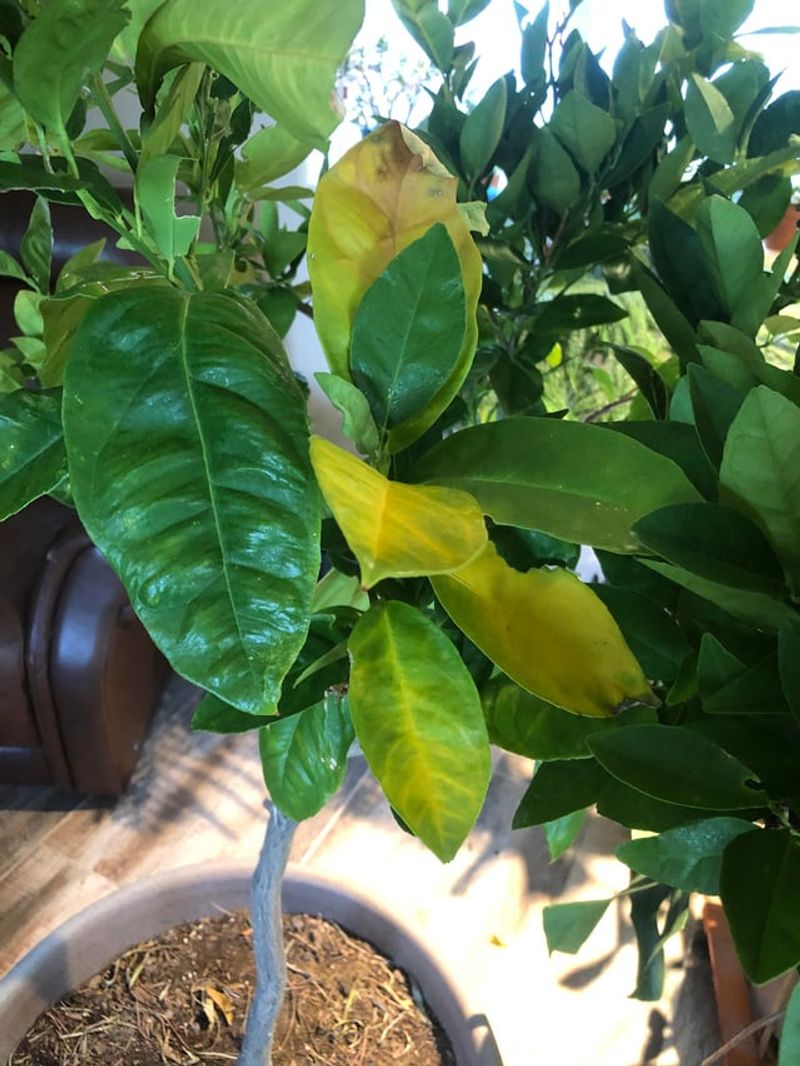
Citrus trees slow down considerably during the cooler months, and their water needs drop along with the temperature.
When North Carolina gardeners keep watering on the same schedule they used in July, the roots sit in wet soil for extended periods, which encourages root rot and fungal problems.
Yellowing leaves and a soggy growing medium are the most visible signs that a tree has been overwatered during its rest period.
Container-grown trees are especially vulnerable because pots hold moisture longer than in-ground soil, and cool indoor or garage temperatures slow evaporation even further.
A good rule of thumb is to push a finger two inches into the soil – if it still feels damp, hold off on watering.
During the winter months, most container citrus in North Carolina only needs watering every ten to fourteen days, depending on the pot size and indoor conditions.
Drainage is equally important. Containers must have holes at the bottom, and saucers should be emptied after watering so roots are never sitting in pooled water.
Using a well-draining potting mix formulated for citrus or cactus helps water move through quickly rather than clinging to roots.
Adjusting your watering habits with the seasons is one of the simplest and most impactful changes a North Carolina citrus grower can make to improve long-term tree health.
4. Using The Wrong Container Size
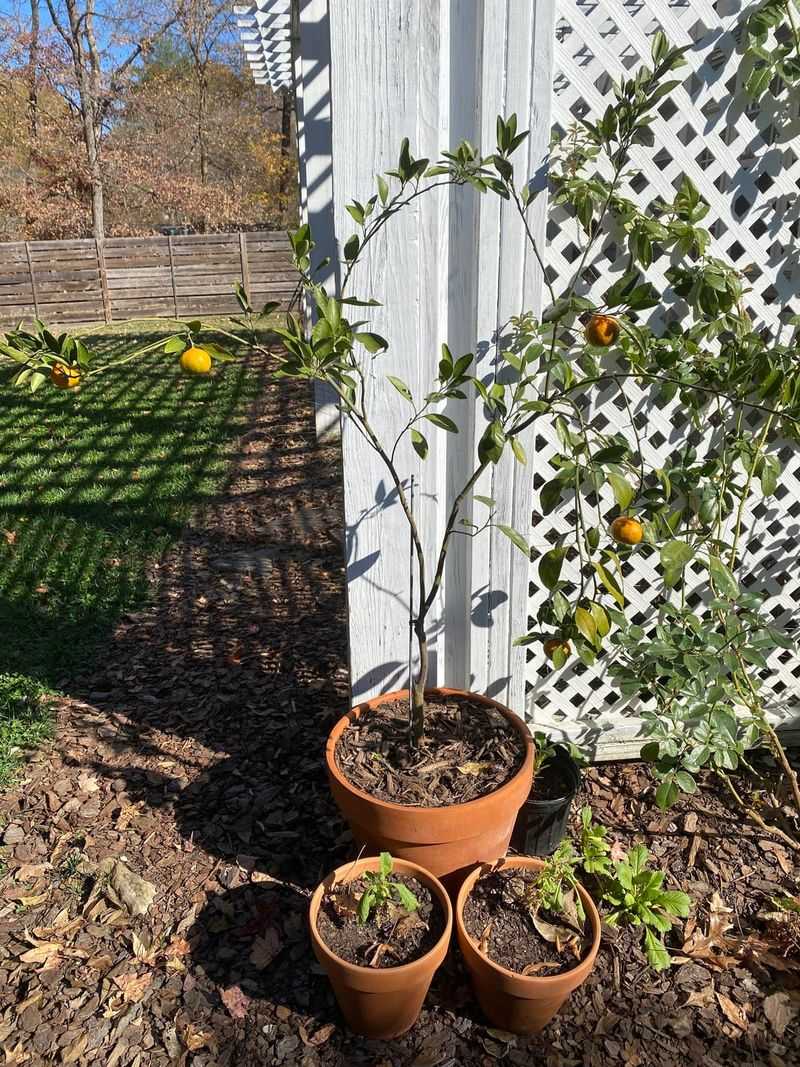
Container size plays a bigger role in citrus health than most beginners expect. A pot that is too small restricts root growth, dries out too quickly in summer, and can cause stress that shows up as dropped leaves and poor fruit set.
On the other hand, an oversized container holds too much moisture around young roots and can actually slow growth by keeping the soil wet for too long between waterings.
For most citrus varieties grown in North Carolina, a 15- to 25-gallon container is the sweet spot for a mature tree. Young trees can start in a 5-gallon pot and be stepped up gradually as the root system develops.
Fabric grow bags have become popular because they air-prune roots naturally, preventing the circling root problems that develop in smooth plastic pots over time.
Container material also matters when North Carolina summers push temperatures into the 90s.
Dark plastic pots absorb heat and can overheat roots during the hottest months, while light-colored, thick-walled containers or glazed ceramic pots moderate soil temperature more effectively.
Weight is another practical consideration — heavy ceramic pots are beautiful but hard to move indoors for winter, while lightweight fabric or resin containers make seasonal transitions much easier.
Choosing the right container from the beginning saves a lot of repotting trouble down the road.
5. Skipping Winter Insulation For Potted Trees
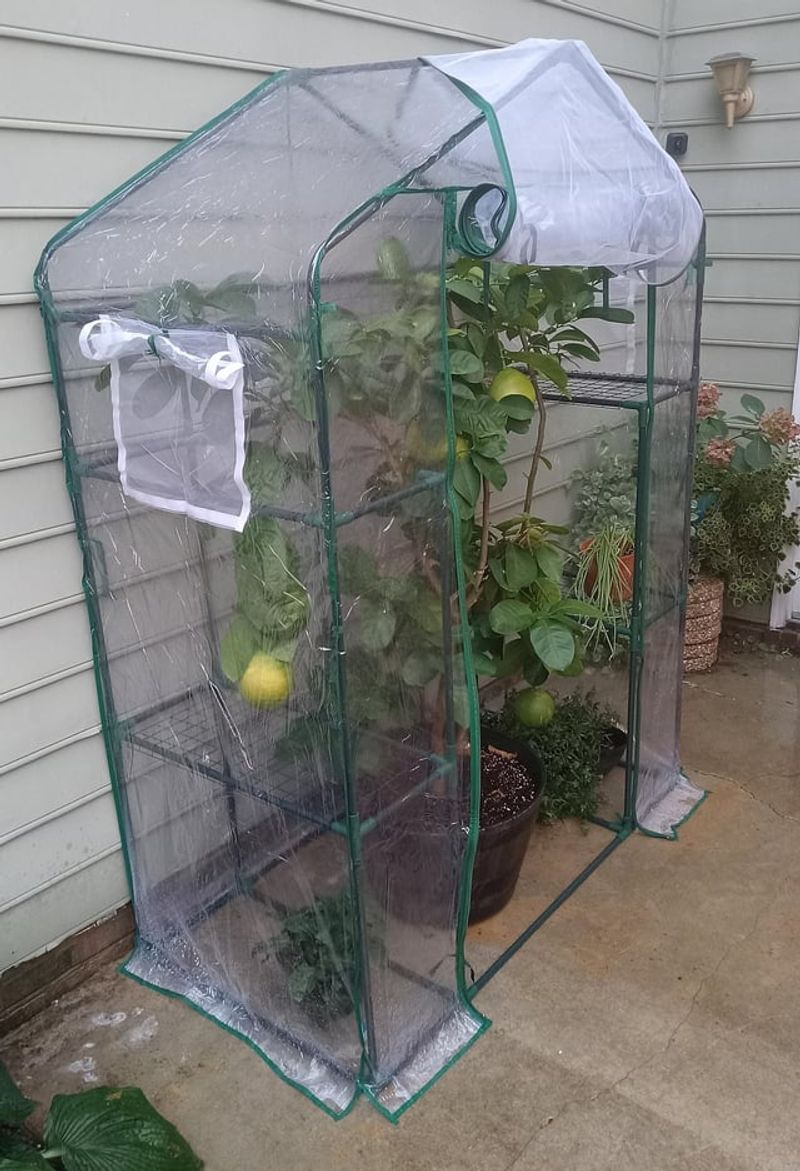
Bringing a potted citrus tree into a garage or shed for winter is a smart move for North Carolina gardeners in Zones 6 and 7, but the job is not finished the moment the pot crosses the threshold.
Roots in containers are far more exposed to cold than roots in the ground, and an uninsulated pot sitting on a cold concrete floor can experience root zone temperatures well below what the air thermometer reads.
Wrapping the container with burlap, bubble wrap, or foam pipe insulation adds a layer of protection that keeps root temperatures more stable during the coldest nights.
Placing the pot on a wooden pallet or a piece of rigid foam insulation lifts it off cold concrete and reduces heat loss from the bottom.
These steps take only a few minutes but make a meaningful difference when temperatures outside drop into the teens.
Trees overwintering indoors also need some light to stay healthy. A south-facing window provides the best natural light, but a simple grow light on a timer can supplement on cloudy days.
Keeping the tree away from heating vents prevents the low humidity around forced-air heat from drying out the foliage.
North Carolina winters can stretch from November through March, so setting up a comfortable, well-insulated indoor space for citrus trees is worth the investment in time and materials.
6. Fertilizing At The Wrong Time Of Year
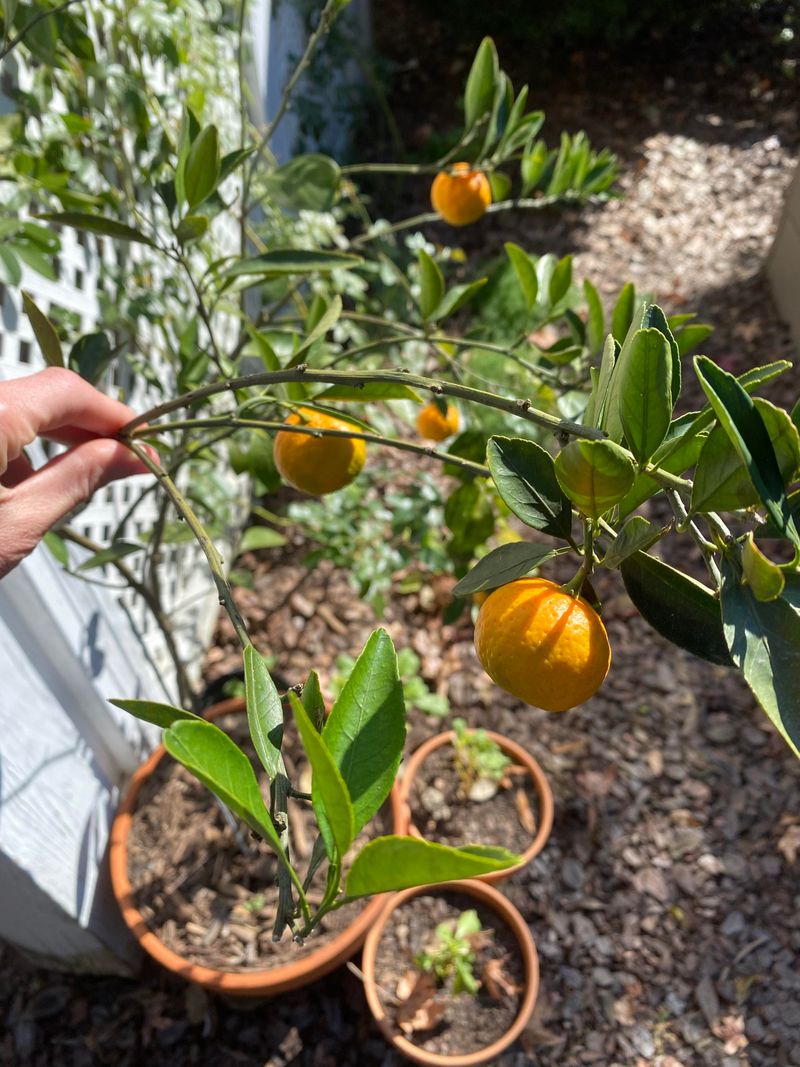
Citrus trees are hungry feeders, but timing fertilizer applications incorrectly can cause more harm than skipping them altogether.
Feeding trees in late summer or fall encourages a flush of tender new growth that has no time to harden off before North Carolina’s first frost arrives.
That soft growth is the first to suffer cold damage, and it can set a tree back significantly heading into winter.
The most effective fertilization window for North Carolina citrus runs from late winter through midsummer.
A slow-release granular fertilizer formulated specifically for citrus, applied in late February or early March as trees begin waking from dormancy, gives them the nutrients needed for spring flowering and fruit development.
A second, lighter application in late May or early June supports continued growth through the peak growing season.
Micronutrients matter just as much as the major ones. Citrus trees frequently show deficiencies in magnesium, iron, and zinc, which appear as yellowing between leaf veins or pale, washed-out foliage.
A fertilizer that includes chelated micronutrients, or occasional foliar sprays of micronutrient blends, keeps foliage dark green and healthy.
Container-grown trees in North Carolina leach nutrients faster than in-ground trees because of frequent watering, so they generally need fertilizing more often than the bag directions suggest for ground planting.
7. Neglecting Pruning And Structural Maintenance
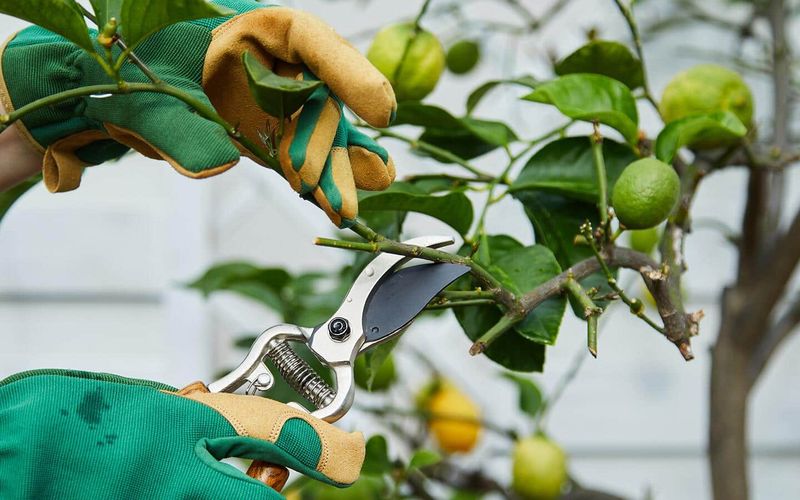
Citrus trees left to grow without regular pruning tend to develop crowded, tangled canopies that limit airflow and sunlight penetration.
In North Carolina’s humid summers, poor air circulation inside a dense canopy encourages fungal diseases and pest activity.
Light pruning in late winter or very early spring, just before new growth begins, helps maintain healthy structure.
The goal is not to dramatically reshape the tree but to remove crossing branches, weakened or damaged wood, and any shoots growing from below the graft union, as those rootstock suckers grow vigorously and should be removed as soon as they appear.
Thinning a few interior branches to allow light and air into the canopy improves fruit quality and reduces moisture buildup after rain. Container-grown trees also benefit from occasional root pruning when repotted.
Loosening or trimming circling roots encourages outward growth, keeping the tree balanced and manageable for seasonal moves.
Using clean, sharp pruning tools further reduces the risk of disease and supports strong, healthy growth throughout the season.
8. Overlooking Pests And Diseases Indoors And Outdoors
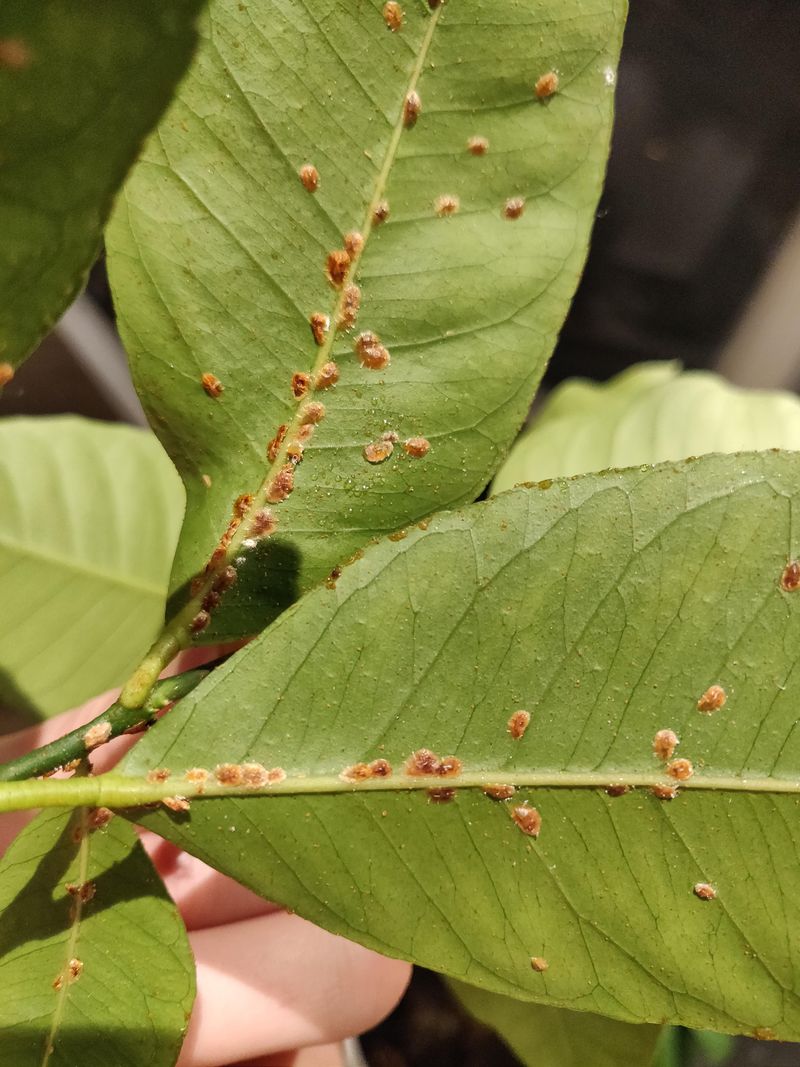
Spider mites, scale insects, aphids, and citrus leafminers are familiar problems for North Carolina gardeners, and they show up both outside during the growing season and indoors when trees are overwintered in low-humidity environments.
The tricky part is that infestations often start small and go unnoticed until the population is large enough to cause visible leaf damage or sooty mold from insect honeydew.
Checking trees every week or two – turning leaves over to look at the undersides – catches problems early when they are easiest to manage. Horticultural oil sprays and insecticidal soap are effective, low-risk options for most soft-bodied pests.
Scale insects, which look like small bumps on stems and leaf midribs, may need a few repeated treatments to fully clear.
Bringing a pest-infested tree indoors for winter is a fast way to spread problems to houseplants nearby, so inspecting trees thoroughly before the move is a smart precaution.
On the disease side, root rot from overwatering and sooty mold from insect activity are the most common issues North Carolina growers encounter.
Improving drainage, reducing overhead watering, and managing insects promptly keeps both problems in check.
Citrus canker and citrus greening are serious bacterial and bacterial-like diseases, but their presence in North Carolina remains limited – staying informed about regional alerts from agricultural extension services helps gardeners stay ahead of any emerging threats.