7 Common Mistakes Pennsylvania Gardeners Make When Growing Blueberries
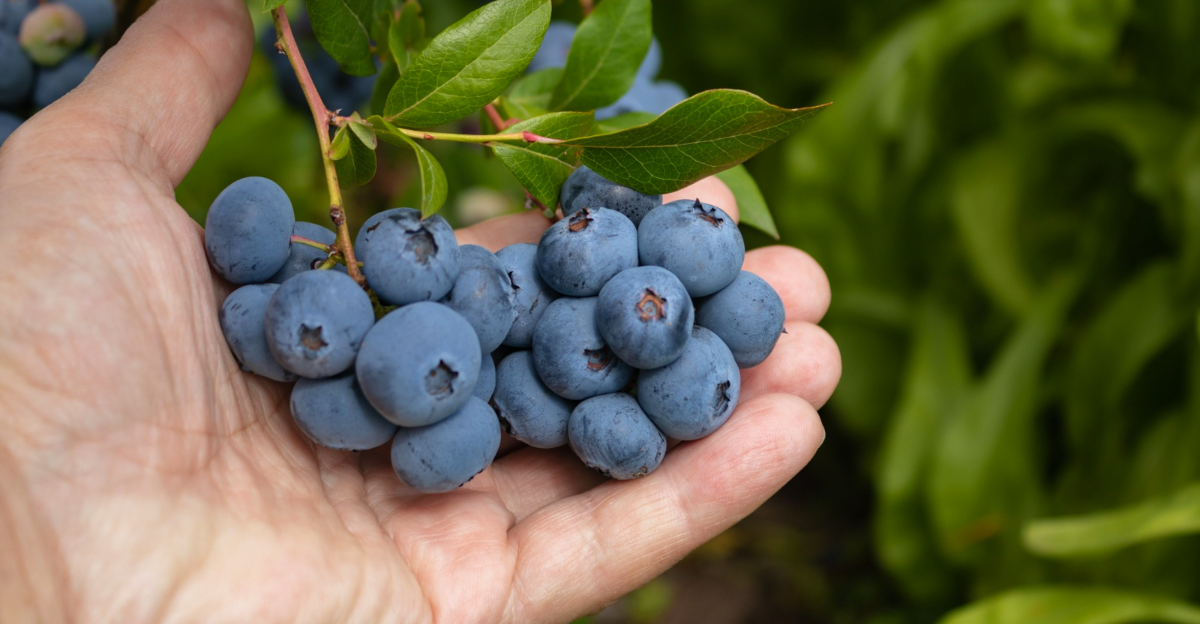
Across Pennsylvania, more gardeners are carving out space for blueberries, and the appeal goes beyond their flavor.
The state’s mix of cold winters, shifting spring weather, and areas with naturally acidic soil can line up well with what these plants need.
From compact raised beds to larger backyard rows, blueberries can settle in and reward growers with generous harvests over time.
Even so, success is not just about planting and waiting.
Many Pennsylvania gardeners run into avoidable setbacks along the way, often tied to soil prep, variety choice, or care habits that seem small at first but can make a noticeable difference as the plants mature.
1. Planting In Soil That Isn’t Acidic Enough
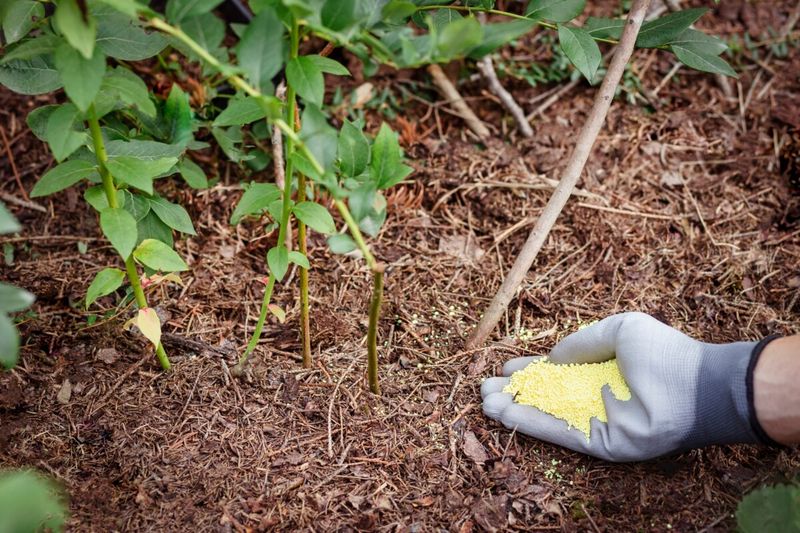
Getting the soil chemistry right is one of the most critical steps any Pennsylvania gardener can take before putting a blueberry plant in the ground. Blueberries are famously picky about soil pH, thriving in a range between 4.5 and 5.5.
Many Pennsylvania soils naturally fall outside this range, especially in regions with limestone bedrock that pushes pH levels closer to neutral or even alkaline.
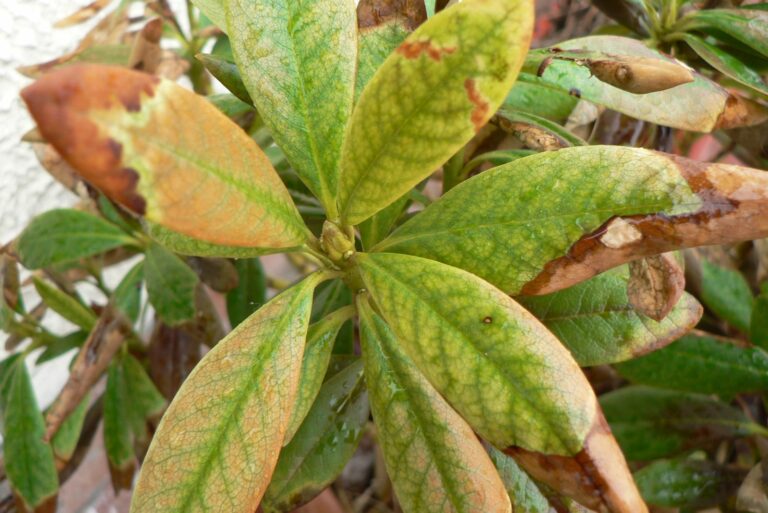
When soil pH climbs above 5.5, blueberry plants struggle to absorb iron and other essential nutrients, even when those nutrients are physically present in the soil.
Leaves may turn yellow, growth slows noticeably, and fruit production drops off significantly.
A lot of gardeners misread these symptoms as a watering or fertilizer problem, when the real culprit is soil acidity.
Testing your soil before planting is a smart and affordable step. County cooperative extension offices across Pennsylvania offer soil testing services that give you a clear picture of where your pH stands.
If your soil needs adjustment, elemental sulfur worked into the planting area several months before planting is a reliable option.
Sphagnum peat moss mixed into the planting hole also helps lower pH while improving soil structure.
Retest your soil every year or two and make small corrections as needed, since Pennsylvania rainfall can gradually raise soil pH over time.
2. Skipping Soil Preparation Before Planting
Rushing to plant without properly preparing the soil is a shortcut that tends to create long-term headaches.
Blueberry roots are fine and shallow, and they depend heavily on loose, well-aerated, organically rich soil to establish and spread.
Many Pennsylvania gardens contain heavy clay soils, particularly in central and eastern parts of the state, which can suffocate those delicate roots if left unamended.
Working organic matter into the planting area makes a real difference.
Sphagnum peat moss is a go-to amendment for blueberry beds because it loosens compacted soil, improves drainage, and naturally lowers pH at the same time.
Aged wood chips or pine bark can also be worked into the top several inches of soil to boost organic content. Ideally, soil preparation should begin weeks or even months before planting day.
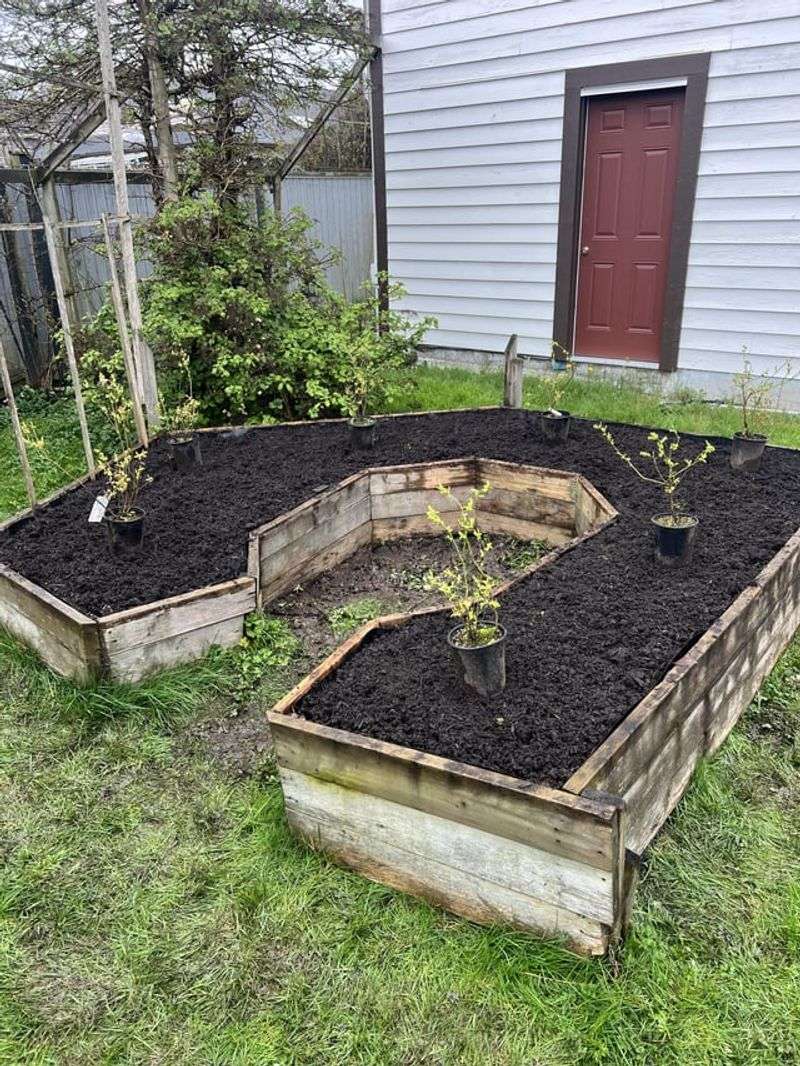
Raised beds are an excellent option for Pennsylvania gardeners dealing with poor native soil.
Filling a raised bed with a custom mix of peat moss, aged pine bark, and a small amount of compost gives roots an ideal environment from the very start.
Avoid using heavy compost or manure in large amounts, as these materials can raise pH rather than lower it.
Taking time to build the right soil foundation pays off in stronger root systems, healthier growth, and more consistent harvests over the years.
3. Choosing The Wrong Variety For Pennsylvania Conditions
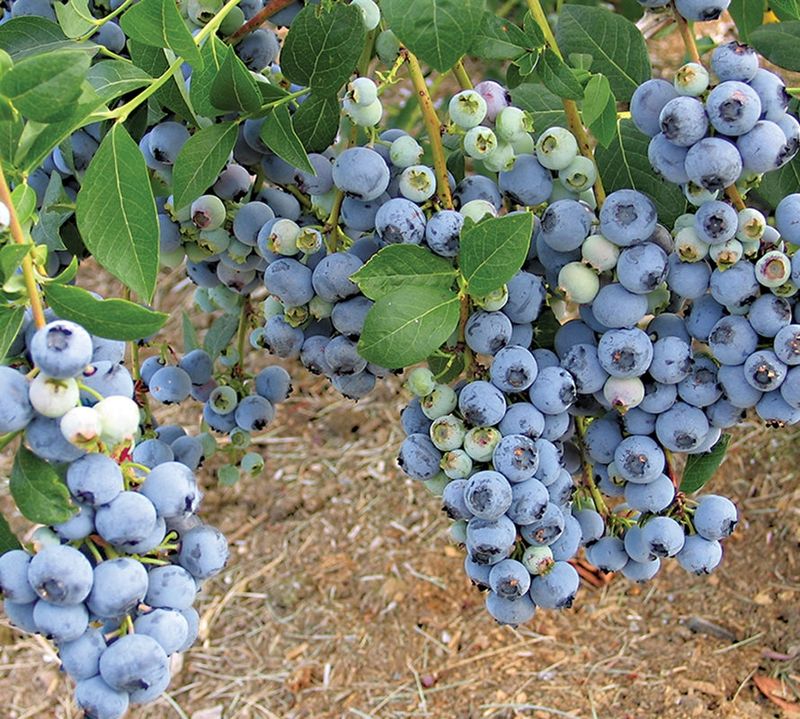
Pennsylvania gardeners sometimes pick a blueberry variety based on looks or price at the nursery without checking whether it actually suits the local climate.
That decision can lead to plants that struggle through harsh winters, produce little fruit, or fail to establish well in the region’s variable spring weather.
Choosing the right variety from the beginning sets the entire growing experience on a better path.
Highbush blueberries, particularly northern highbush types, are well suited to most of Pennsylvania.
Varieties such as Bluecrop, Duke, and Jersey have proven reliable performers across much of the state, offering solid cold hardiness and good fruit quality.
In the warmer, more southern counties of Pennsylvania, half-high varieties bred for moderate climates may also do well.
Southern highbush types, by contrast, often lack the winter chill tolerance needed to thrive through a typical Pennsylvania season.
Beyond cold hardiness, ripening time is worth considering. Planting varieties that ripen at different points in the season, from early-ripening types in late June through later varieties in August, can spread your harvest window out over several weeks.
Local nurseries and extension resources specific to Pennsylvania can point gardeners toward varieties with a proven track record in their county or region.
Matching the plant to the place is one of the most straightforward ways to set yourself up for a productive, long-lasting blueberry patch.
4. Not Planting More Than One Variety
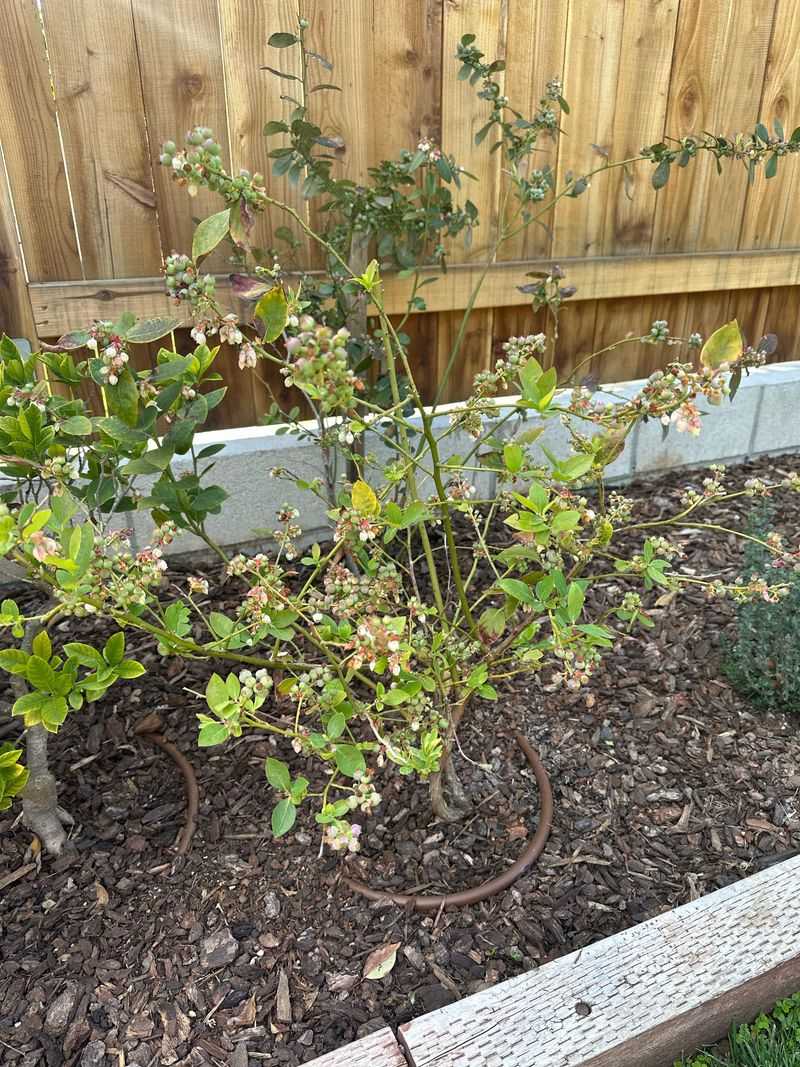
Many home gardeners in Pennsylvania plant a single blueberry bush and then wonder why their harvests feel underwhelming.
While blueberries can technically produce fruit on their own, cross-pollination between two or more different varieties tends to result in noticeably larger berries and more abundant yields.
Bees and other native pollinators carry pollen between plants, and having multiple varieties in close proximity gives those pollinators more opportunities to do their work effectively.
Planting at least two different varieties is a widely recommended practice among experienced fruit growers. The varieties should overlap in bloom time so that flowers on both plants are open simultaneously when pollinators are active.
For example, pairing an early-blooming variety like Duke with a mid-season variety like Bluecrop ensures a good window of overlapping bloom.
Spacing plants within roughly six to eight feet of each other supports efficient pollination.
There is another practical benefit to growing more than one variety: a staggered ripening schedule.
When early, mid-season, and late varieties are planted together, the harvest stretches across several weeks rather than arriving all at once.
That means less pressure to process or preserve large quantities of fruit at the same time.
For Pennsylvania gardeners with limited space, dwarf or compact highbush varieties can be tucked into smaller beds or even large containers, making it possible to grow multiple varieties without needing a large dedicated plot.
5. Overwatering Or Poor Drainage
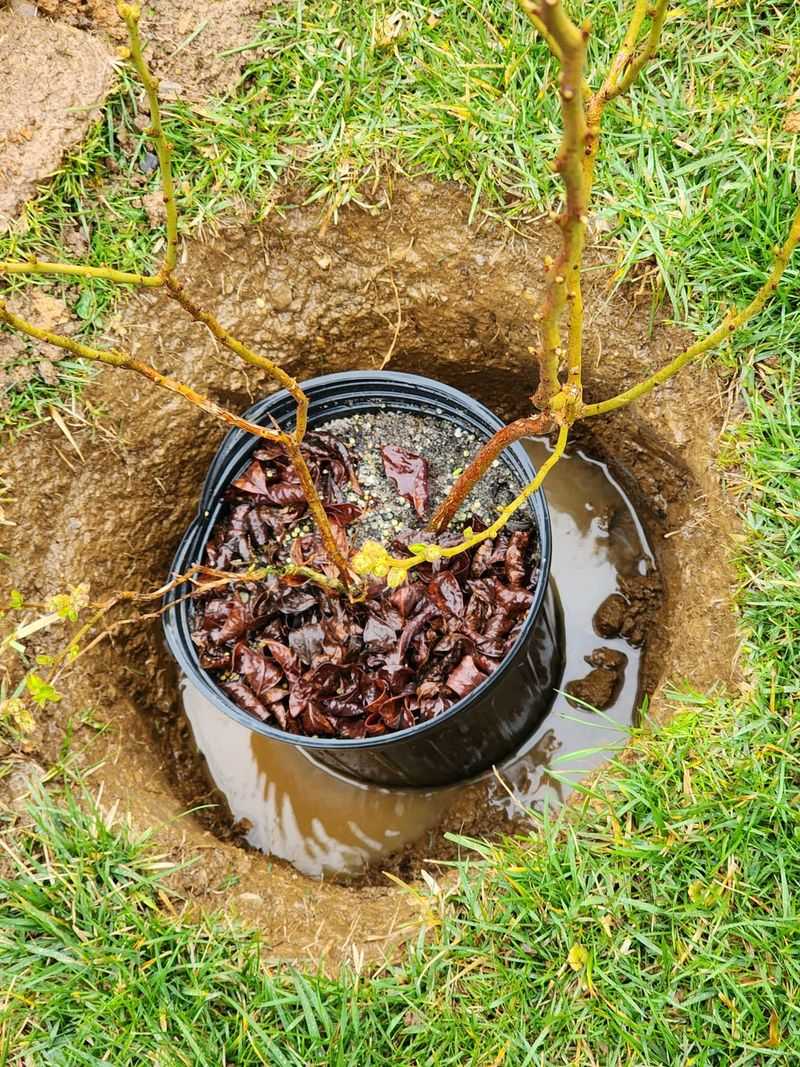
Pennsylvania receives a fair amount of rainfall throughout the growing season, which is generally good news for fruit crops. But for blueberries, too much water sitting around shallow roots can cause serious problems.
Blueberry roots are fine and fibrous, and they need soil that stays consistently moist without becoming waterlogged.
Saturated soil cuts off the oxygen supply roots need to function, and root health declines quickly in those conditions.
Overwatering is a surprisingly common mistake, especially among newer gardeners who assume more water means faster growth.
Signs of waterlogged roots can include yellowing leaves, wilting even when soil feels wet, and stunted new growth.
Poor drainage is often the underlying cause, particularly in Pennsylvania gardens with heavy clay soils that do not drain freely after rain events.
Raised beds or mounded planting rows are practical solutions that keep roots above the water table.
On the other hand, blueberries should not be left to dry out completely either. During dry spells, which do occur in Pennsylvania summers, consistent watering once or twice a week keeps the root zone adequately moist.
Drip irrigation or soaker hoses work well because they deliver water directly to the root zone without wetting foliage.
Mulching around plants also helps retain soil moisture between watering sessions, reducing how often supplemental irrigation is needed during hot, dry stretches.
6. Using The Wrong Fertilizer
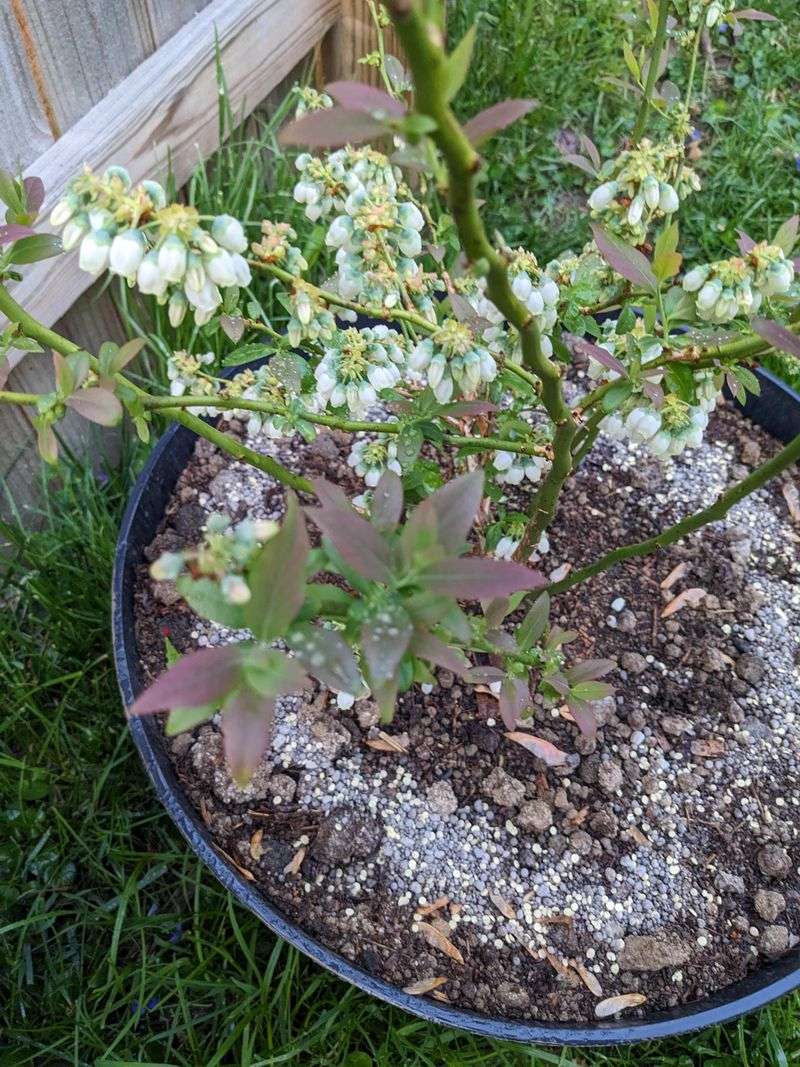
Fertilizing blueberries seems straightforward until you realize that the type of fertilizer matters as much as the amount.
A common mistake Pennsylvania gardeners make is reaching for a general-purpose garden fertilizer without checking the nitrogen source.
Blueberries are sensitive to nitrate-based nitrogen, which is found in many standard lawn and garden fertilizers. Applying the wrong product can actually set plants back rather than help them grow.
Ammonium sulfate is the nitrogen source most recommended for blueberries because it is acidifying, meaning it helps maintain the low soil pH these plants depend on.
Fertilizers formulated specifically for acid-loving plants, such as those marketed for azaleas or rhododendrons, are also suitable options.
These products are designed to feed plants without pushing soil pH in the wrong direction. Organic options like cottonseed meal can work as well, releasing nutrients slowly through the growing season.
Timing and quantity matter too. Applying fertilizer too early in spring, before plants break dormancy, or too late in the season can encourage tender new growth that gets caught by Pennsylvania’s late spring frosts or early fall cold snaps.
A conservative approach, using small amounts of the right fertilizer in early spring and again in late spring, tends to produce steady, healthy growth without the risk of nutrient burn or frost damage to forced-out new shoots.
Soil testing helps dial in exactly what nutrients your specific site actually needs.
7. Skipping Mulch Around The Plants
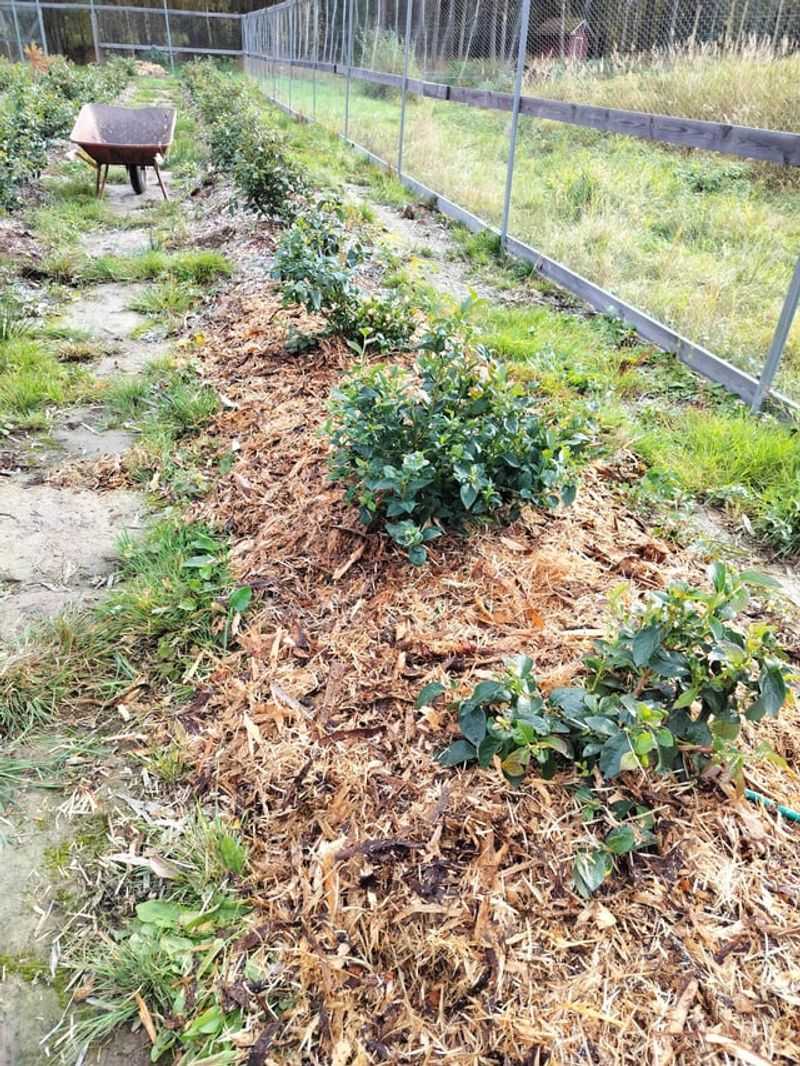
Skipping mulch is one of those oversights that seems minor at first but compounds into real problems over a full growing season.
Blueberry roots grow close to the soil surface and are especially vulnerable to temperature swings, moisture loss, and weed competition.
In Pennsylvania, where summers can turn hot and dry and winters bring deep freezes, a proper mulch layer acts as a buffer that protects roots from both extremes.
Wood chips, pine bark, and pine needle mulch are among the top choices for blueberry beds.
These materials break down slowly and contribute organic matter to the soil as they decompose, which supports the acidic, humus-rich conditions blueberries prefer.
Applying a layer three to four inches deep around each plant, while keeping mulch pulled back slightly from the main stem, provides meaningful insulation and moisture retention through the growing season.
Weed suppression is another major benefit. Weeds compete with blueberry roots for water and nutrients, and hand-weeding around shallow-rooted plants carries the risk of accidentally disturbing the root zone.
A consistent mulch layer dramatically reduces the number of weeds that establish near the plants.
Refreshing the mulch each spring before the growing season picks up is a low-effort habit that pays off in healthier soil, steadier moisture levels, and stronger plants heading into the heat of a Pennsylvania summer.