7 Common Mistakes Pennsylvania Gardeners Make With Fig Trees
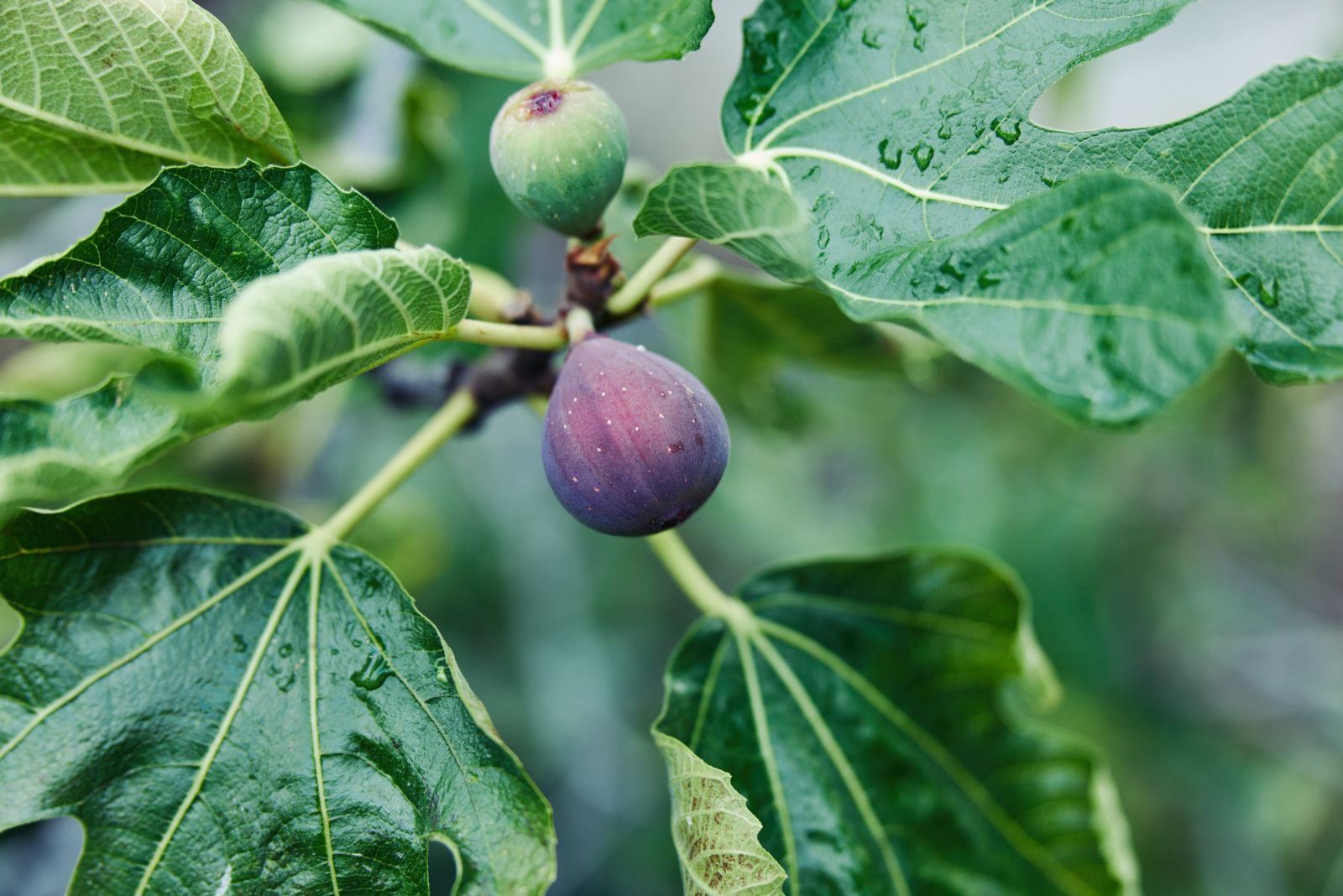
Fig trees can be a rewarding addition to Pennsylvania gardens, but they also come with a few quirks that catch gardeners off guard.
From planting in the wrong spot to improper pruning, common mistakes can slow growth, reduce fruit, or even stress the tree. Understanding these pitfalls can save time, effort, and disappointment.
One frequent error is underestimating the tree’s sunlight needs. Fig trees thrive in full sun and can struggle if shaded too much.
Overwatering or planting in poorly drained soil is another common issue, leading to root problems. Pruning mistakes, such as removing too much or at the wrong time, can also reduce fruit production.
By learning what to avoid, Pennsylvania gardeners can help fig trees flourish. Paying attention to location, watering, and trimming practices ensures healthier plants and better yields.
With the right care, your fig tree can become a vibrant, productive centerpiece in your yard.
1. Planting Fig Trees Too Early In Spring
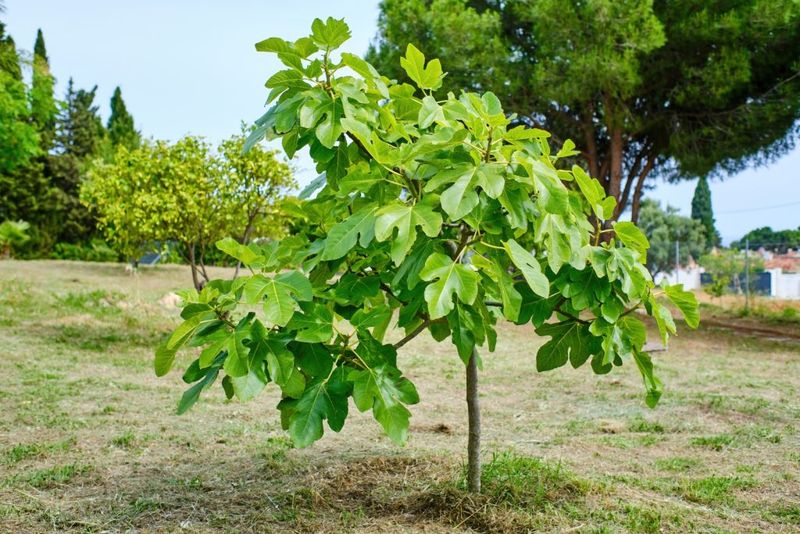
Patience is one of the most underrated skills in gardening, and fig trees will test yours every spring. Many Pennsylvania gardeners get excited when the calendar says spring, but the soil tells a different story.
Planting too early, before the ground has warmed up properly, can seriously slow down root development and leave your young tree struggling right from the start.
Fig tree roots need warm soil to grow well. In Pennsylvania, the ground can stay cold well into April and sometimes even early May.
When roots sit in cold, damp soil, they cannot absorb nutrients efficiently, and the whole tree suffers as a result. Young plants are especially vulnerable to this kind of stress.
Late frosts are another big concern for Pennsylvania gardeners. A surprise frost after you have already planted can damage tender new growth and set your tree back by weeks.
Always check the average last frost date for your specific part of Pennsylvania before putting anything in the ground.
A simple soil thermometer can be a game changer. Aim for a consistent soil temperature of at least 60 degrees Fahrenheit before planting your fig tree.
This small step can make a huge difference in how well your tree establishes itself during that first critical growing season.
Waiting a couple of extra weeks feels hard when you are eager to get started. But giving the soil enough time to warm up properly sets your fig tree up for a much stronger, healthier growing season ahead.
2. Choosing The Wrong Variety
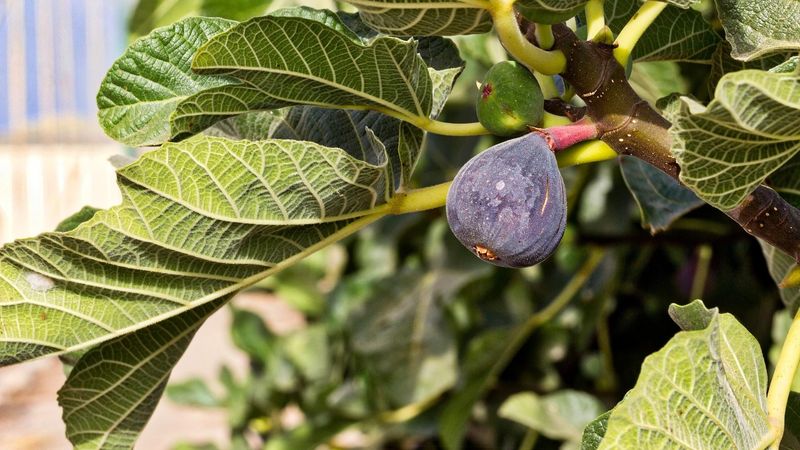
Not all fig trees are created equal, and picking the wrong one for Pennsylvania can lead to a lot of disappointment.
Figs originally come from warm Mediterranean climates, which means many standard varieties simply are not built to handle the cold winters that Pennsylvania regularly delivers.
Choosing the right variety from the very beginning is one of the smartest moves you can make.
Cold-hardy varieties are your best friends here. Figs like Chicago Hardy and Brown Turkey have earned strong reputations among Pennsylvania gardeners because they can survive temperatures that would seriously damage less hardy types.
Chicago Hardy, in particular, has been known to bounce back even after a rough winter, making it a popular choice across the state.
If you love the idea of growing more tropical or exotic fig varieties, container gardening is a great solution.
You can grow those varieties in large pots and simply move them indoors once the cold weather arrives in Pennsylvania. It takes a little more effort, but it opens up a whole world of interesting options.
Buying from a local Pennsylvania nursery is always a smart idea. Local growers typically stock varieties that are proven to perform well in your area.
They can also give you personalized advice about what works best in your specific region of the state, whether you are in the warmer southeastern corner or the colder northern areas.
Doing a little research before you buy can save you years of frustration and help you grow a fig tree that truly thrives.
3. Failing To Protect Trees During Winter
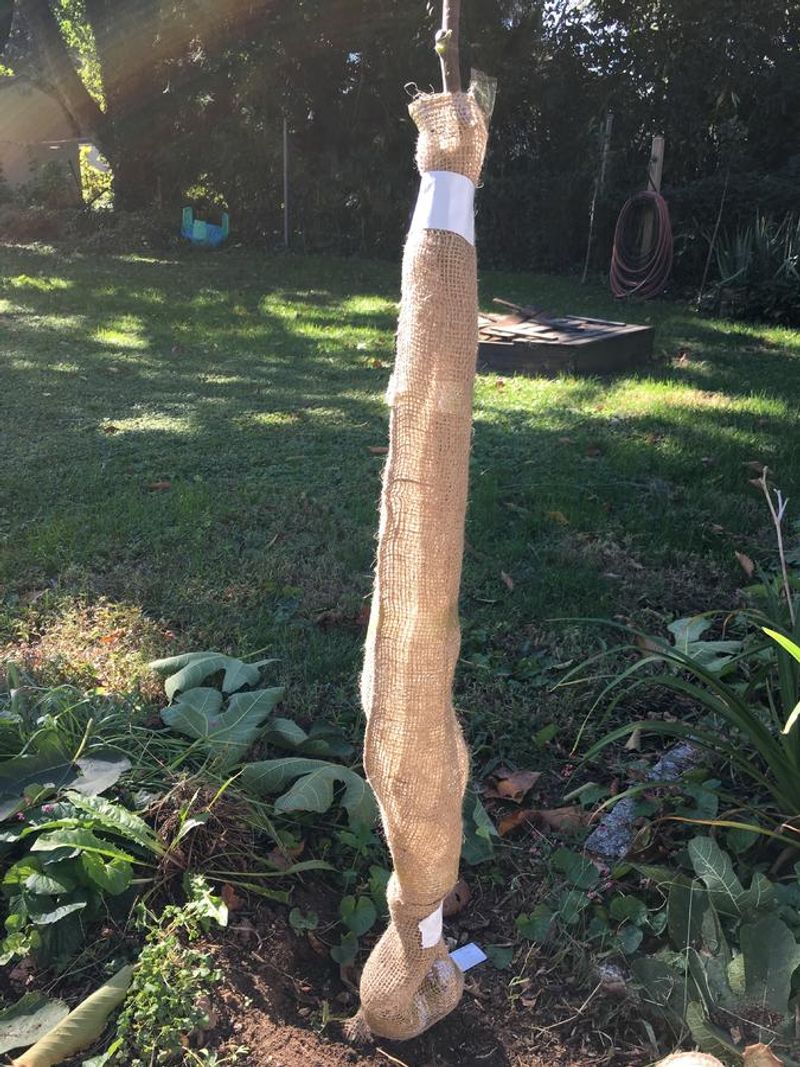
Winter in Pennsylvania is no joke, and fig trees feel every bit of it. Unlike many other fruit trees, figs are not naturally adapted to cold climates, which means they need extra help surviving the state’s freezing temperatures.
Skipping winter protection is one of the most common and costly mistakes Pennsylvania gardeners make.
One of the easiest protective steps you can take is heavy mulching. Piling several inches of straw, wood chips, or shredded leaves around the base of your fig tree helps insulate the roots from extreme cold.
This simple step can make a real difference, especially during those brutal Pennsylvania cold snaps that seem to arrive out of nowhere.
Wrapping young trees with burlap or a similar breathable material adds another layer of protection. Some gardeners even build a cage out of chicken wire around the tree and fill it with leaves or hay for extra insulation.
It might look a little funny in your backyard, but your tree will thank you come spring. Container-grown fig trees have it a little easier in this department.
You can simply roll them into an unheated garage, basement, or shed before the first hard freeze hits Pennsylvania. They do not need light during dormancy, just protection from the harshest cold.
Getting your protection plan in place before late October gives you the best chance of keeping your fig tree safe through the winter months and ready to grow strong again when warmer weather returns.
4. Poor Site Selection
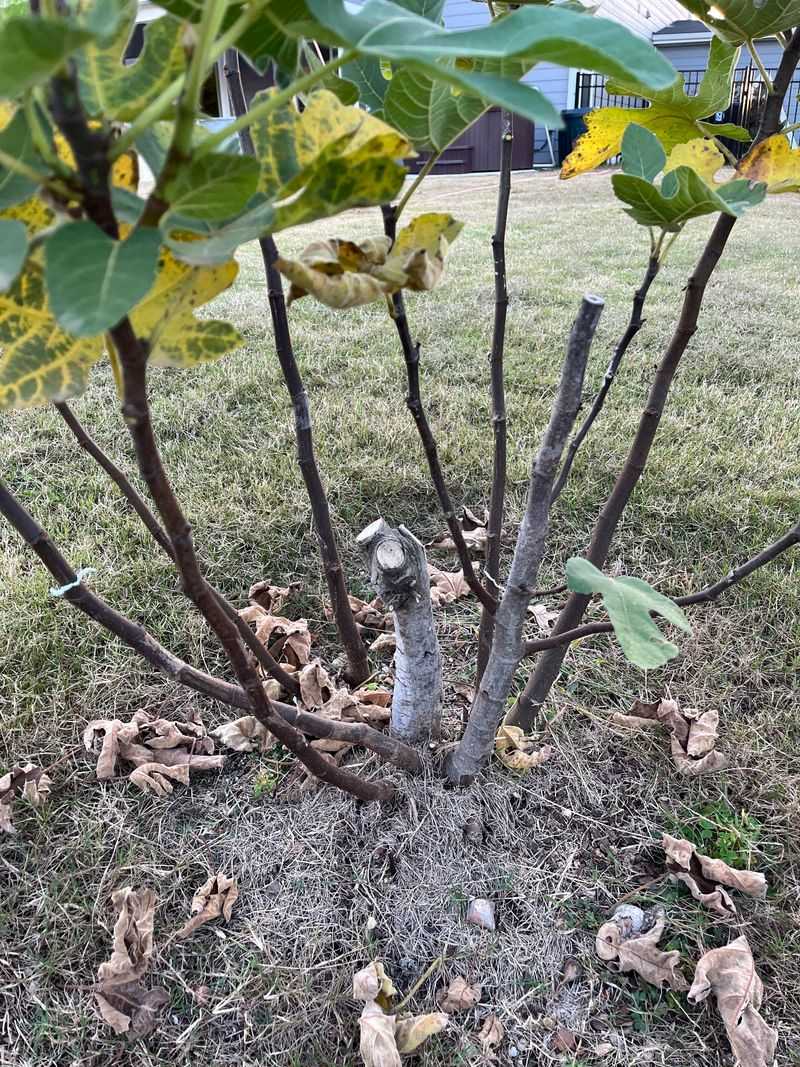
Where you plant your fig tree matters just as much as how you plant it. A bad location can hold back even the healthiest, most well-cared-for tree.
Pennsylvania gardeners sometimes underestimate how much the right spot influences a fig tree’s ability to grow, fruit, and stay healthy through the seasons.
Sunlight is non-negotiable for fig trees. They need at least six to eight hours of direct sunlight every single day to produce fruit well.
Planting under large shade trees or along the north side of a building where sunlight barely reaches is a recipe for a weak, unproductive tree.
South-facing spots tend to work best across most of Pennsylvania. Drainage is equally important. Fig tree roots do not like sitting in water for long periods.
Poorly drained soil creates soggy conditions that can lead to root rot and other problems. If your yard has areas that collect standing water after rain, those spots should be avoided entirely when choosing where to plant.
Raised beds and sloped areas naturally drain better, making them excellent choices for fig trees in Pennsylvania.
If your only available space has drainage issues, you can improve it by amending the soil with compost and coarse sand, or by building a raised planting mound to keep roots above the waterline.
Spending a little extra time scouting the best location before you plant can pay off for years to come. A well-placed fig tree in a sunny, well-drained spot will reward you with far better growth and a much heavier harvest.
5. Overwatering Or Underwatering
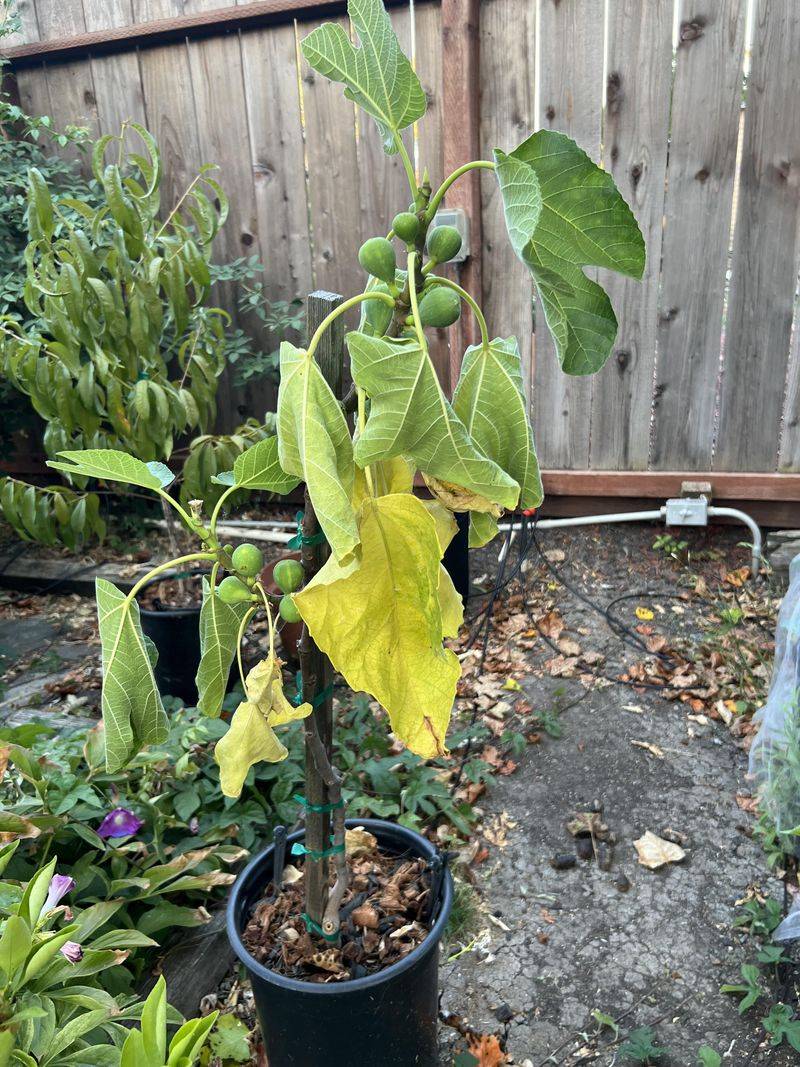
Water is life for any plant, but too much or too little can cause serious problems for fig trees.
Getting the balance right is something many Pennsylvania gardeners struggle with, especially during the unpredictable wet and dry spells that are common throughout the growing season in the state.
Overwatering is probably the more common mistake. Fig trees do not like sitting in waterlogged soil for extended periods.
Soggy conditions can lead to root rot, which weakens the tree from the ground up. Yellow leaves that drop early are often one of the first signs that a fig tree is getting too much water.
On the flip side, underwatering during hot, dry Pennsylvania summers can cause figs to drop off the tree before they fully ripen.
Newly planted trees are especially sensitive to drought stress because their root systems have not yet spread far enough to find water on their own. Consistent watering during the first year or two is really important.
A good rule of thumb is to water deeply but infrequently. Let the top two to three inches of soil dry out between waterings.
This encourages roots to grow deeper into the soil in search of moisture, which makes the tree more self-sufficient over time.
Mulching around the base of your fig tree helps retain soil moisture and keeps the roots at a more stable temperature. It is one of the easiest and most effective ways to manage water levels and support healthy growth throughout the Pennsylvania growing season.
6. Neglecting Pruning
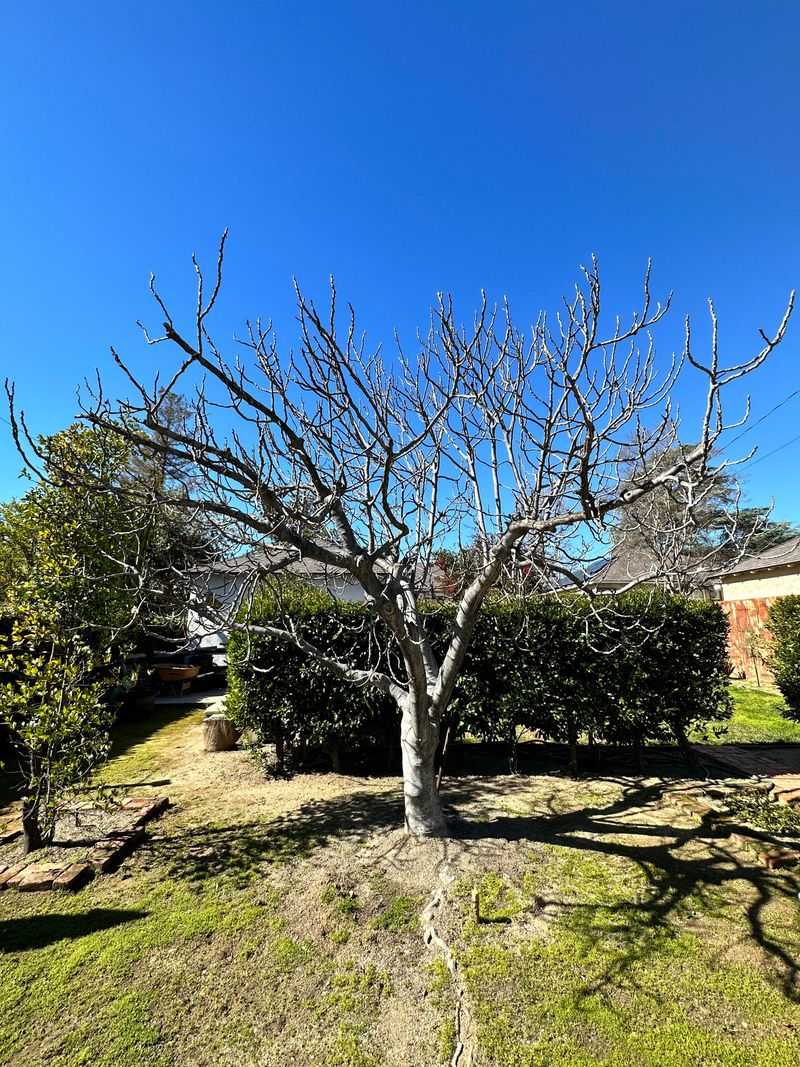
Pruning might seem like an optional chore, but for fig trees in Pennsylvania, it is actually a key part of keeping the tree healthy and productive. Many gardeners skip it because they are afraid of cutting too much or simply do not know where to start.
Leaving a fig tree unpruned year after year leads to a dense, tangled canopy that blocks airflow and reduces fruit production.
Poor airflow inside a crowded canopy creates the perfect conditions for fungal diseases to take hold. Leaf spot and other common fig diseases thrive in humid, shaded environments.
Pennsylvania summers can get quite muggy, which makes this an even bigger concern for local gardeners. Opening up the canopy through regular pruning helps keep the tree healthier overall.
The best time to prune fig trees in Pennsylvania is during late winter or very early spring, while the tree is still dormant. At this point, you can clearly see the structure of the branches without all the leaves in the way.
Focus on removing dry, damaged, or crossing branches first, then thin out the interior to improve light and airflow.
Avoid heavy pruning in the fall. Cutting back too aggressively before winter can stimulate new growth that is then vulnerable to frost damage during Pennsylvania’s cold months. Light cleanup is fine, but save the major shaping work for the dormant season.
Getting into a regular pruning routine every year keeps your fig tree manageable, reduces disease pressure, and helps you enjoy a bigger, better harvest season after season.
7. Ignoring Pests And Diseases
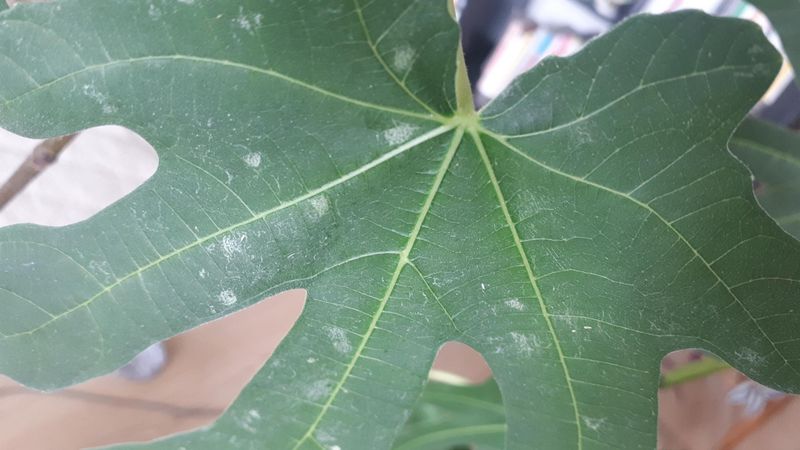
Fig trees have a reputation for being tough and low-maintenance, and in many ways they are.
But that does not mean they are immune to pests and diseases, especially in a place like Pennsylvania where weather conditions can change quickly and create all kinds of opportunities for problems to develop. Ignoring regular monitoring is a mistake that can sneak up on you fast.
Aphids are among the most common insect pests that show up on fig trees. These tiny bugs cluster on new growth and suck the sap right out of tender shoots, causing leaves to curl and distort.
A strong blast of water from a garden hose can knock them off, and insecticidal soap is an effective treatment for more stubborn infestations.
Fig beetles and scale insects are also worth watching for in Pennsylvania gardens. Scale insects look like small bumps on branches and can be easy to miss if you are not looking closely.
Left unchecked, they weaken the tree over time and make it less productive. Regular inspection of branches and leaves is your best early warning system.
On the disease side, leaf spot and root rot are the two most common issues Pennsylvania fig growers encounter.
Leaf spot shows up as dark or yellowish spots on the foliage and spreads quickly in wet conditions. Root rot, as mentioned earlier, is often linked to poor drainage and overwatering.
Catching problems early makes treatment much easier. Walking through your garden regularly and taking a close look at your fig tree takes only a few minutes but can save the whole season.