7 Common Mistakes Pennsylvania Gardeners Make With Hydrangeas
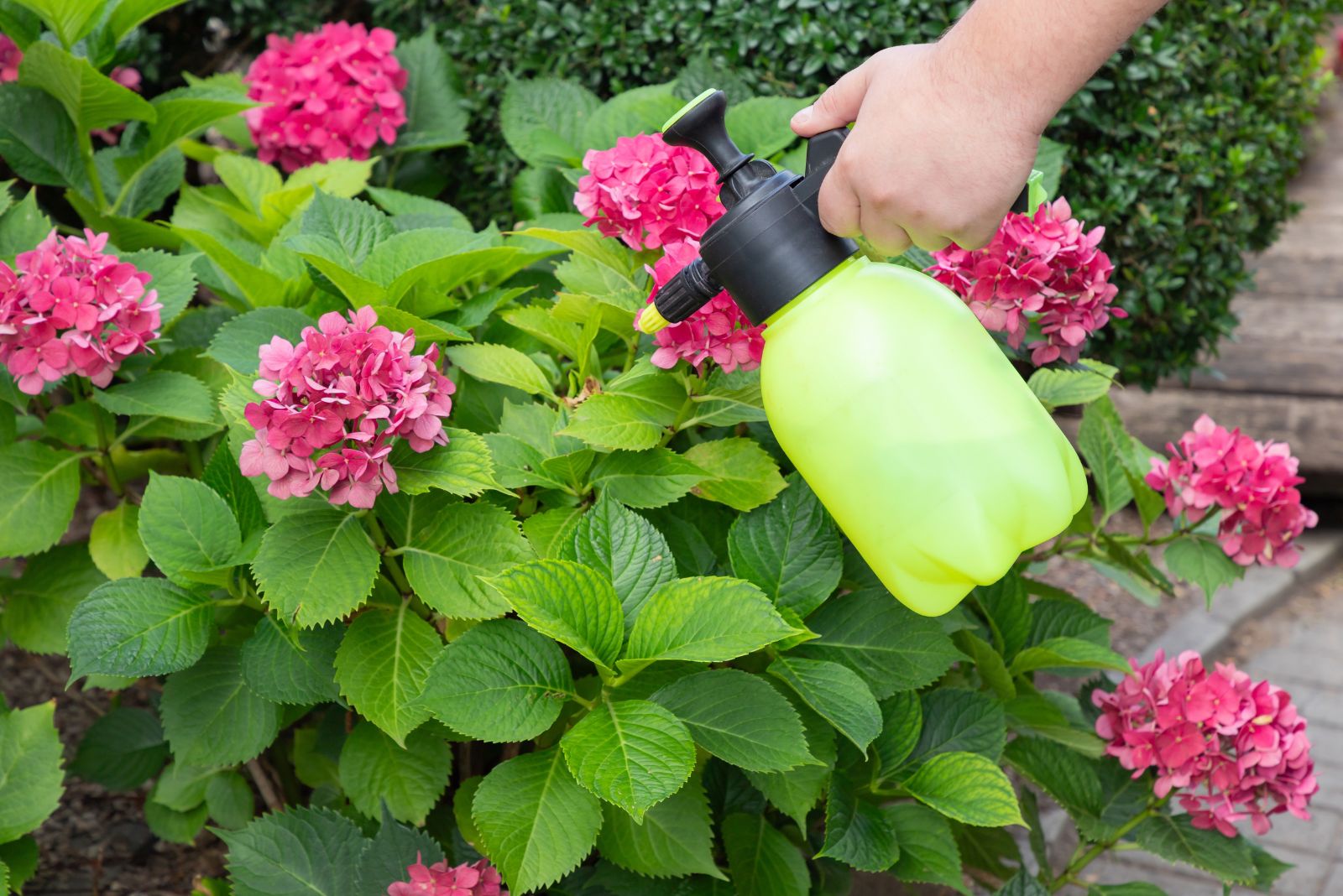
Hydrangeas are one of the most beloved plants in Pennsylvania gardens. Their large blooms and soft colors can brighten shady corners, line walkways, and turn simple flower beds into something that feels lush and inviting.
When they are happy, these shrubs put on an impressive display that lasts through much of the growing season.
Even so, hydrangeas can be a little confusing to care for. Many gardeners plant them with excitement, only to notice fewer blooms or weak growth later on.
Often the problem is not the plant itself but a few small mistakes in how it is planted, watered, or pruned.
Pennsylvania’s changing seasons can also play a role. Cold winters, spring frosts, and summer heat all affect how hydrangeas grow and bloom.
Understanding the most common mistakes helps gardeners avoid frustration and get the best results from these beautiful shrubs. With the right care, hydrangeas can thrive and produce the full, colorful blooms they are known for.
1. Planting Hydrangeas In Too Much Sun
Picture this: you plant a gorgeous hydrangea in your Pennsylvania yard, give it plenty of water, and wait for those big blooms to appear. But instead, the leaves turn brown and crispy at the edges, and the plant looks stressed. Chances are, it is getting too much sun.
Most hydrangeas, especially Bigleaf varieties, prefer a spot with morning sun and afternoon shade.
Pennsylvania summers can get surprisingly hot and intense, and that strong afternoon sun can scorch leaves and cause serious stress to the plant. Even on days that do not feel extreme, hours of direct sunlight add up quickly.
The good news is that fixing this problem starts at planting time. Look for a location in your yard that gets about four to six hours of gentle morning sun, then stays shaded during the hottest part of the day.
Areas near the east side of your home or under the light canopy of a tall tree often work perfectly.
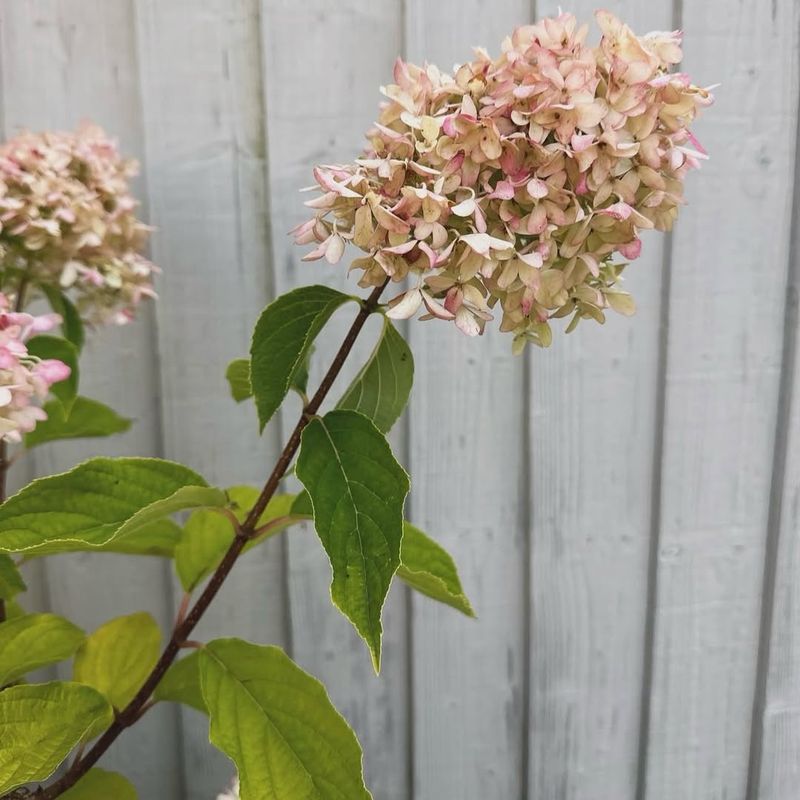
Panicle hydrangeas are the exception. They handle more sun than other types and can even tolerate full sun in many Pennsylvania gardens.
But for most other varieties, protecting them from harsh afternoon rays is key to keeping leaves healthy and blooms plentiful.
If your hydrangea is already planted in a too-sunny spot and struggling, consider transplanting it in early fall when temperatures cool down. Moving it to a shadier location can turn things around quickly.
Always water transplanted shrubs well to help them settle into their new home without too much added stress.
2. Pruning At The Wrong Time
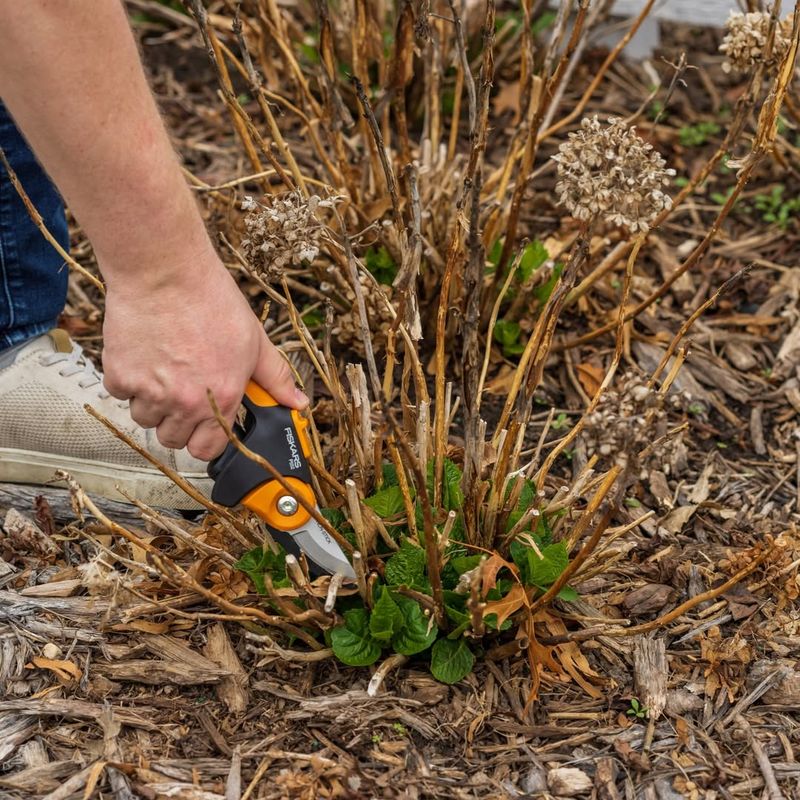
Grab your pruning shears at the wrong time of year, and you might accidentally remove every single flower bud your hydrangea spent all season developing.
It is one of the most common and heartbreaking mistakes Pennsylvania gardeners make, and it happens more often than you would think.
The key to pruning hydrangeas correctly is knowing whether your plant blooms on old wood or new wood. Old-wood bloomers, like Bigleaf and Oakleaf hydrangeas, set their flower buds in late summer and fall on stems that grew the previous year.
If you cut those stems back in early spring, you are removing next season’s flowers before they ever get a chance to open.
New-wood bloomers, like Panicle and Smooth hydrangeas, grow their buds on fresh stems each spring. These types are much more forgiving and can be pruned in late winter or early spring without any trouble at all.
A simple rule to follow: if you are not sure what type of hydrangea you have, wait until after it blooms to prune it. That way, you can see exactly where the flowers came from and plan accordingly for next year.
For old-wood bloomers in Pennsylvania, the best window for pruning is right after the flowers fade in late summer. Light shaping and removing old spent blooms is usually all that is needed.
Avoid heavy cutting, and your plant will reward you with a full flush of beautiful blooms come next summer.
3. Ignoring Soil Conditions
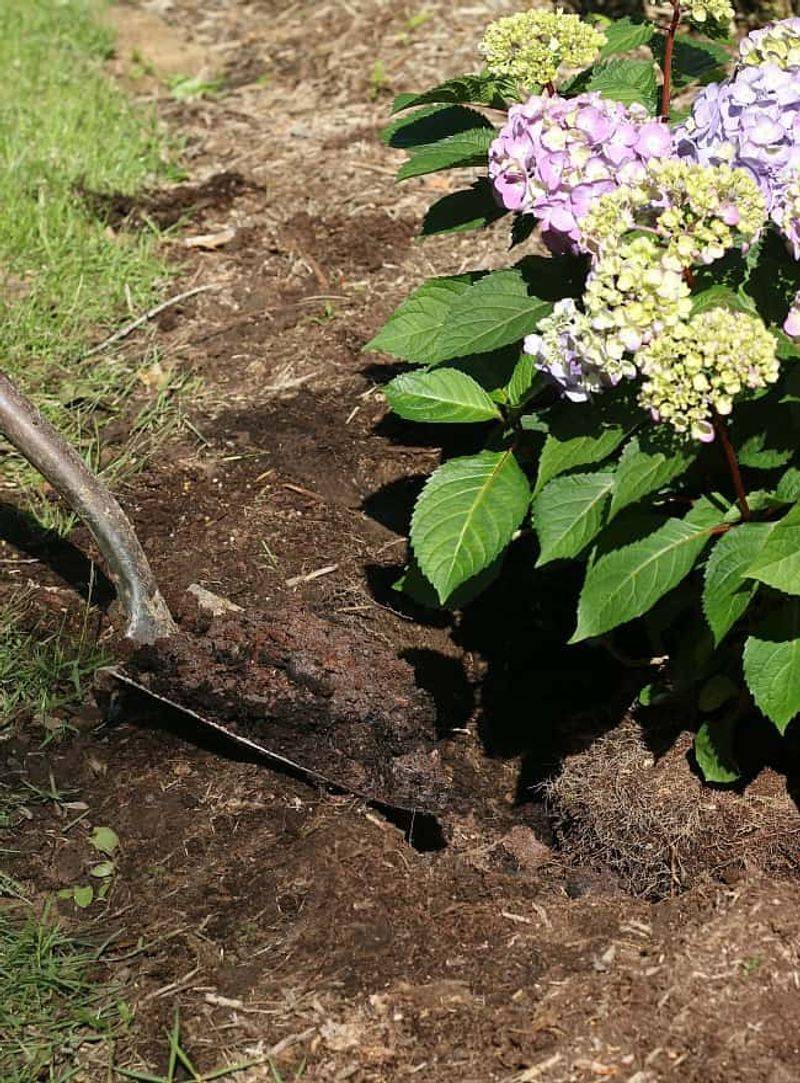
Soil might not be the most exciting part of gardening, but it is one of the most important. Hydrangeas are surprisingly picky about where they put down roots, and planting them in poor soil is a fast track to weak growth and disappointing blooms.
Hydrangeas thrive in moist, well-drained soil that is rich in organic matter. Pennsylvania gardens often have heavy clay soils, especially in areas like the Piedmont region.
Clay holds water for too long, which can lead to root rot and yellowing leaves. Sandy soils, on the other hand, drain too fast and leave roots thirsty even after a good rain.
Before planting, it is worth taking a few minutes to test your soil. Simple soil test kits are available at most garden centers and give you a clear picture of what you are working with.
Testing pH is especially useful because soil acidity actually affects bloom color in Bigleaf hydrangeas. Acidic soil below pH 6 tends to produce blue flowers, while more alkaline soil pushes blooms toward pink.
Improving your soil before planting is not complicated. Work in a generous amount of compost or aged organic matter to loosen clay and add nutrients.
Raised beds are another great option for Pennsylvania gardeners dealing with particularly stubborn soil.
Mulching around the base of your hydrangeas also helps regulate soil moisture and temperature throughout the season. A two to three inch layer of shredded bark or wood chips works well and gives your garden a tidy, finished look at the same time.
4. Watering Too Little During Summer
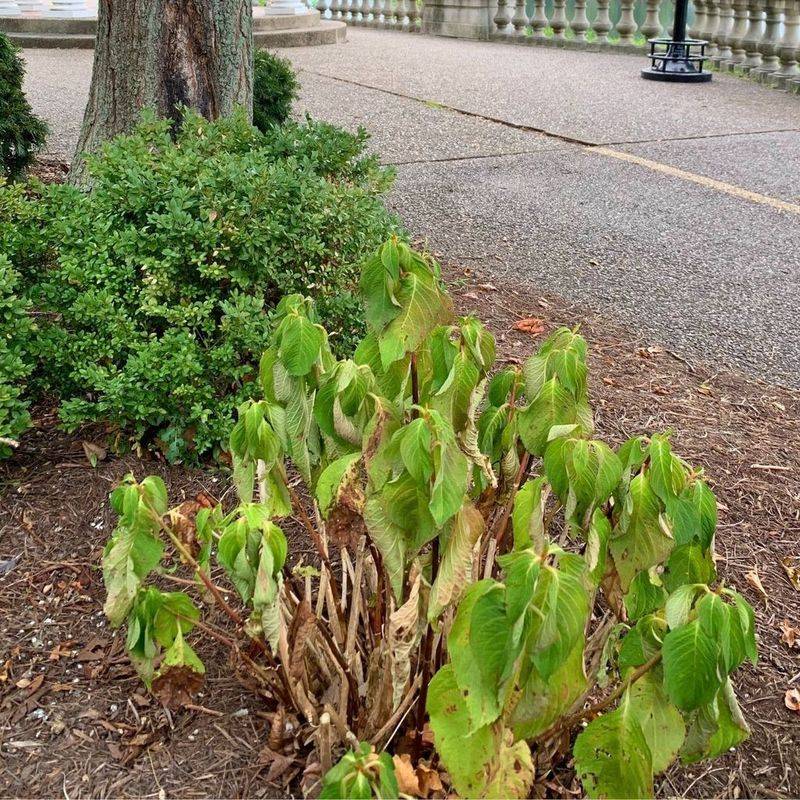
Walk past a thirsty hydrangea on a hot Pennsylvania afternoon, and the message is hard to miss. The big leaves droop dramatically, the stems go limp, and the whole plant looks like it is begging for a drink.
Underwatering during summer is one of the quickest ways to stress out these moisture-loving shrubs.
Hydrangeas earned their name from the Greek word for water, and that tells you a lot about what they need. During Pennsylvania’s hot and sometimes dry summer months, consistent moisture is not just helpful but essential.
Without it, plants struggle to push out blooms and can drop flowers early before they even fully open.
Aim to water your hydrangeas deeply at least two to three times per week during dry stretches, rather than giving them a quick shallow spray every day.
Deep watering encourages roots to grow further down into the soil where moisture stays more stable, even during heat waves.
Always water at the base of the plant, not overhead, to help prevent fungal issues on the leaves.
A thick layer of mulch around the base of each plant is one of the easiest ways to slow down moisture loss between waterings. It acts like a blanket for the soil, keeping things cooler and more evenly moist throughout the day.
Early morning is the best time to water. It gives leaves a chance to dry out during the day, which reduces the risk of disease.
Setting up a drip irrigation system can also take the guesswork out of watering and keep your Pennsylvania hydrangeas consistently happy all summer long.
5. Overfertilizing The Plants
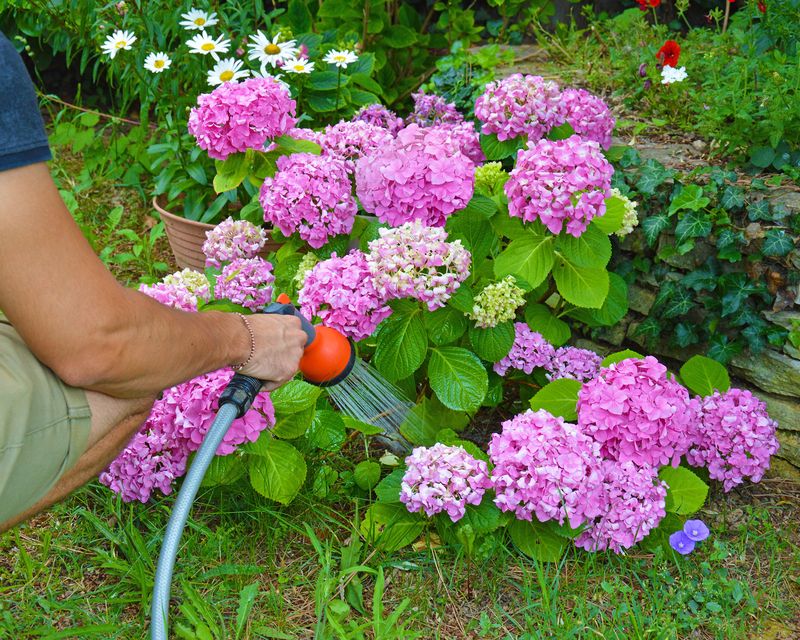
More fertilizer does not always mean more flowers. In fact, when it comes to hydrangeas, going overboard with plant food is one of the most common reasons gardeners in Pennsylvania end up with big, leafy shrubs and almost no blooms at all.
Fertilizers that are high in nitrogen encourage plants to put their energy into producing lots of green leaves and stems. For a lawn, that is great.
For a flowering shrub like a hydrangea, it can be a real problem. The plant spends all its resources on leafy growth and has little left over for producing the big, beautiful blooms you were counting on.
A balanced, slow-release fertilizer applied once in early spring and again in early summer is usually all hydrangeas need. Look for a formula with roughly equal amounts of nitrogen, phosphorus, and potassium, something like a 10-10-10 blend.
Phosphorus in particular supports strong root development and flower production, so it is a helpful nutrient to have in the mix.
One important timing tip: stop fertilizing by mid-summer. Feeding plants too late in the season encourages soft new growth that does not have time to harden before Pennsylvania’s cold winters arrive. That tender growth is much more vulnerable to frost damage.
If you are not sure whether your soil already has plenty of nutrients, a simple soil test can guide you.
Sometimes Pennsylvania garden soil is already quite fertile, and your hydrangeas may not need much additional feeding at all. Less really can be more when it comes to fertilizing these plants.
6. Planting The Wrong Hydrangea Variety
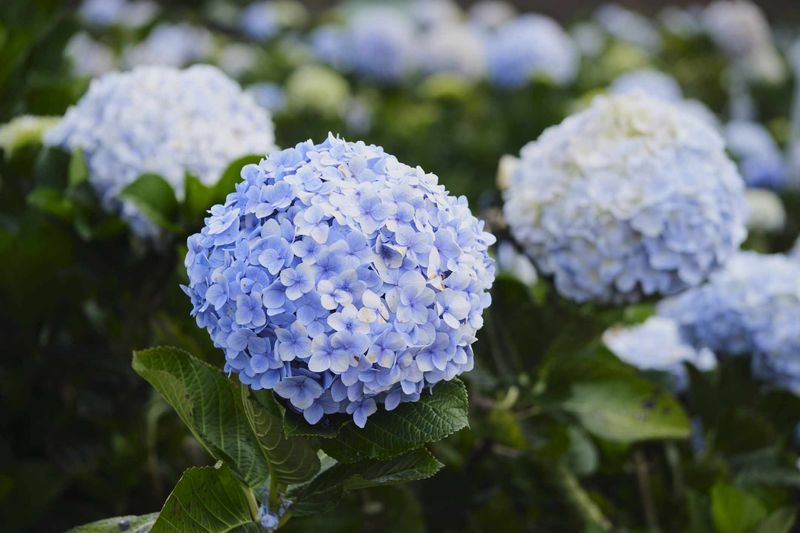
Not every hydrangea is built for Pennsylvania weather, and planting the wrong variety is a mistake that can leave you scratching your head for years.
You water it, feed it, give it the right amount of sun, and still the plant barely blooms. The culprit could be the variety itself.
Pennsylvania experiences cold winters, hot summers, and everything in between. Some hydrangea varieties handle that range of conditions really well, while others struggle.
Bigleaf hydrangeas, for example, are gorgeous but notoriously sensitive to late spring frosts, which are common in many parts of Pennsylvania.
A surprise frost can wipe out the flower buds that formed on old wood over the winter, leaving you with a perfectly healthy plant that just refuses to bloom.
Panicle hydrangeas are often considered the most reliable choice for Pennsylvania gardens. They bloom on new wood each year, so late frosts are not a problem.
Varieties like Limelight and Quick Fire are especially popular and consistently deliver stunning blooms from summer into fall. Smooth hydrangeas, like the classic Annabelle, are another excellent option for Pennsylvania gardeners looking for dependable performance.
Oakleaf hydrangeas are also worth considering. They offer beautiful white blooms, outstanding fall foliage, and interesting peeling bark for winter interest.
They handle Pennsylvania’s climate reasonably well, especially when planted in a sheltered spot.
Before buying any hydrangea, check the plant tag carefully for cold hardiness information. Most of Pennsylvania falls in USDA hardiness zones 5b through 7a, so choosing varieties rated for those zones gives your garden the best chance of consistent, reliable blooming year after year.
7. Crowding Hydrangeas Too Closely Together
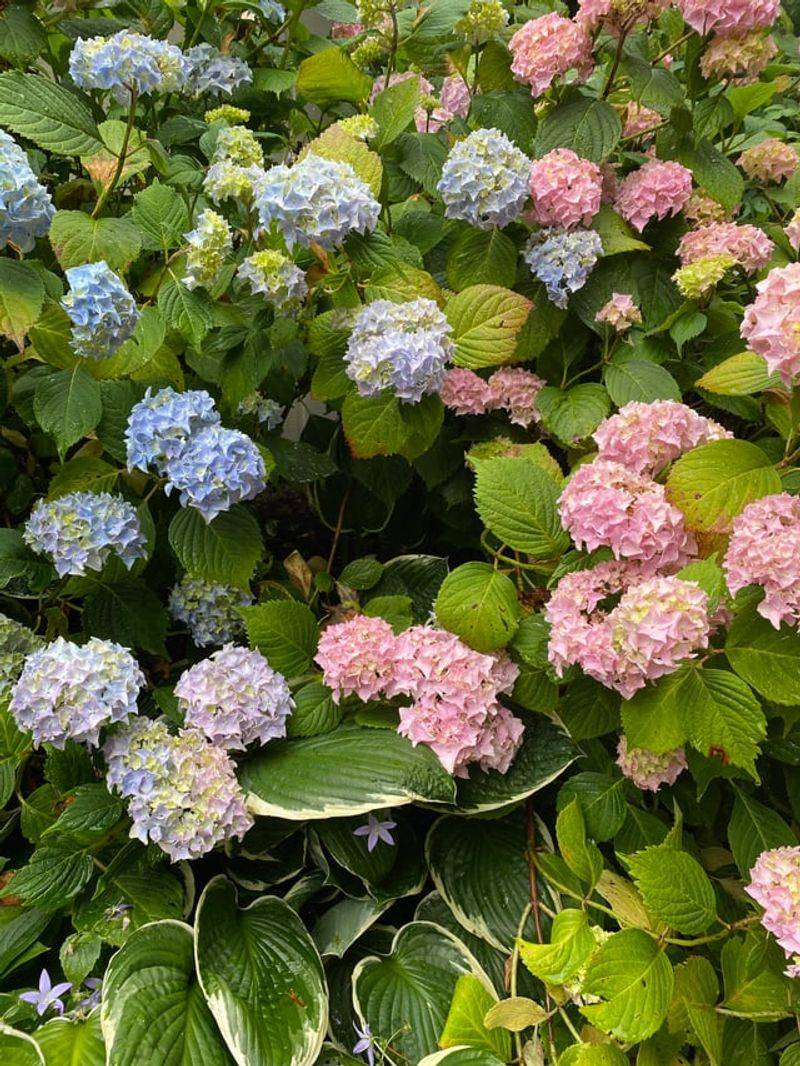
It can be tempting to pack as many hydrangeas into your garden as possible. When the plants are young and small at the garden center, spacing them several feet apart feels almost wasteful.
But crowding hydrangeas too closely together is a mistake that causes real problems as the plants mature.
Hydrangeas grow surprisingly large. Depending on the variety, a single shrub can spread four to six feet wide or even more.
When plants are packed too tightly, their branches overlap and tangle, blocking sunlight from reaching inner leaves and stems.
Poor airflow through the plant creates the perfect environment for fungal diseases like powdery mildew and leaf spot, both of which are common in Pennsylvania’s humid summer conditions.
Overcrowded plants also compete heavily for water and nutrients in the soil. The result is often weaker growth, fewer blooms, and plants that look tired and scraggly rather than full and lush.
Untangling and thinning out overcrowded shrubs later is much harder work than simply spacing them correctly from the start.
As a general rule, give most hydrangeas at least four to six feet of space between plants. Larger varieties like Limelight Panicle hydrangeas may need even more room to spread out comfortably. Check the mature size listed on the plant tag before you dig your hole.
Good spacing is one of the simplest gifts you can give your Pennsylvania garden. Plants with room to breathe stay healthier, look better, and reward you with far more impressive blooms season after season. A little patience with spacing pays off in a big way over time.