7 Common Mistakes That Hold Back Spring Gardens In Arizona
Spring in Arizona feels like a fresh start, and it is easy to jump in thinking everything will fall into place on its own. The days warm up, new growth starts showing, and the garden begins to look full of promise again.
But this is also the time when small choices can quietly shape how the rest of the season turns out.
Some habits seem harmless at first. A little extra water, planting too quickly, or skipping a simple check in the soil can all feel like minor things in the moment.
In Arizona, though, those early decisions tend to stick, and the effects show up long after spring settles in.
What makes it tricky is that these mistakes do not always look like problems right away. The garden can still appear healthy on the surface while something underneath is already off balance, setting the stage for slower growth and more work later on.
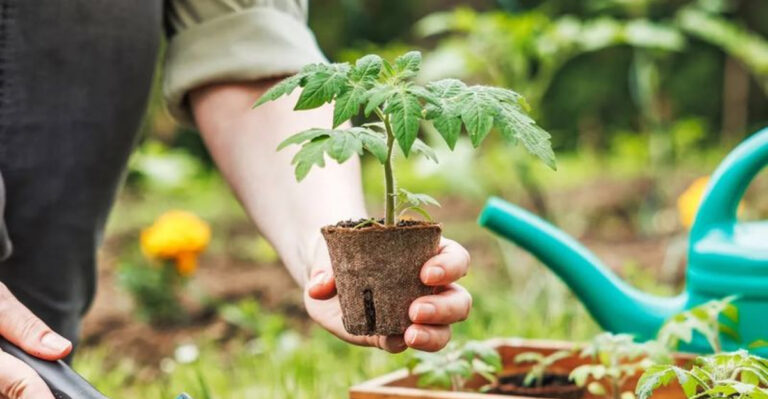
1. Planting Too Early Before Soil Warms Up
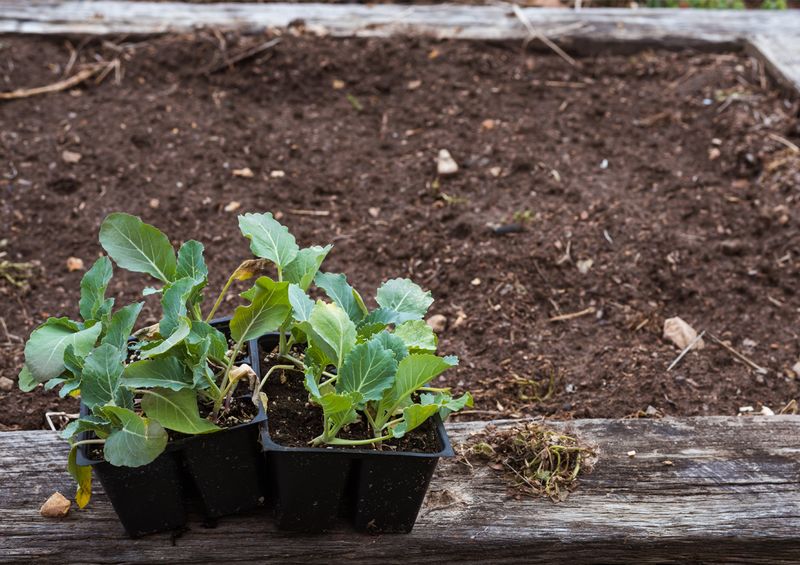
Cold soil is a trap that catches Arizona gardeners off guard every spring. Temperatures in the air might feel pleasant by February or March, but the ground in many parts of Arizona stays too cold for roots to do anything useful.
Seeds just sit there. Seedlings stall out.
Nothing really gets going until that soil hits the right temperature.
A lot of people see a sunny 70-degree day and assume it’s planting time. That logic works fine in some climates, but Arizona soil, especially in higher elevation areas like Flagstaff or Prescott, holds onto winter cold longer than you’d expect.
Even in the Phoenix metro area, late cold snaps can catch tender transplants completely off guard through early April.
Grabbing a cheap soil thermometer is one of the smartest moves you can make. Most warm-season vegetables need soil temps between 60 and 65 degrees Fahrenheit before they’ll actually thrive.
Push a thermometer about three inches into the ground in the morning, before the sun has a chance to warm the surface.
Raised beds warm up faster than ground-level plots, so if you’re working with in-ground beds, add a week or two to your timeline. You can also lay black plastic sheeting over the soil for several days before planting to speed up warming.
Patience in early spring pays off big when plants take off strong instead of sitting in cold ground, struggling to establish roots before the Arizona heat arrives.
2. Watering Too Often In Mild Weather
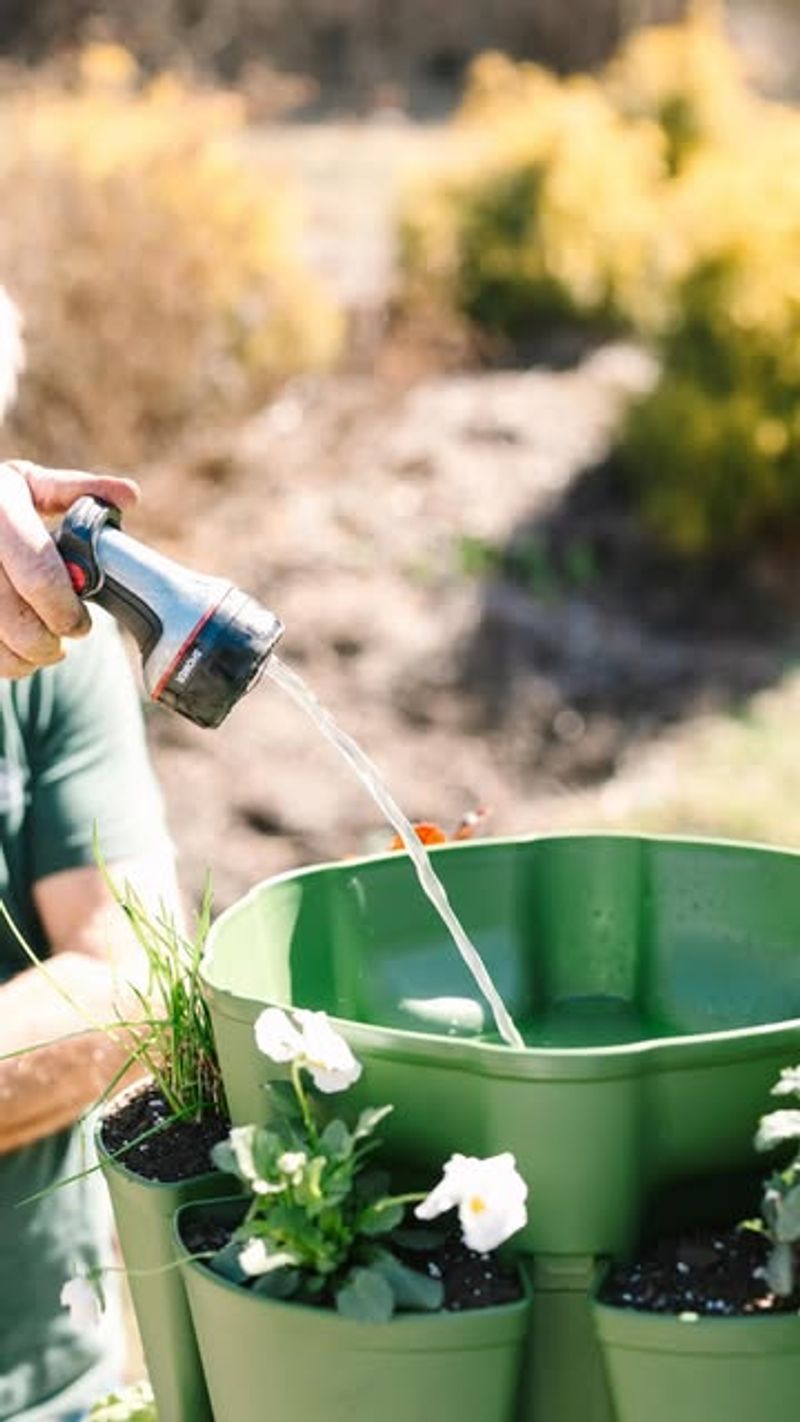
Overwatering in spring is one of the most common ways Arizona gardeners accidentally set their plants back. Spring weather here can be surprisingly mild, and the soil doesn’t dry out nearly as fast as it does in summer.
Running irrigation on a summer schedule during March or April is a recipe for root problems.
Roots need oxygen just as much as they need water. When soil stays saturated for too long, air pockets disappear and roots start to struggle.
You’ll often see yellowing leaves, wilting despite wet soil, or stunted growth — all signs that water is sitting around too long at the root level.
Check the soil before turning on the hose. Stick a finger two inches into the ground.
If it still feels damp, hold off. Adjust your drip system or irrigation timer based on current conditions, not a set-it-and-forget-it schedule from last summer.
Arizona spring weather shifts fast, and what felt dry last week might be plenty moist after a mild stretch.
Deep, infrequent watering encourages roots to grow downward, which builds stronger plants heading into the hot months. Shallow, frequent watering keeps roots near the surface where they’re vulnerable to the intense Arizona heat that arrives later in the season.
Getting the watering rhythm right in spring sets up a foundation that carries plants through summer far better than anything else you can do early on.
3. Ignoring Soil Drainage Before Planting
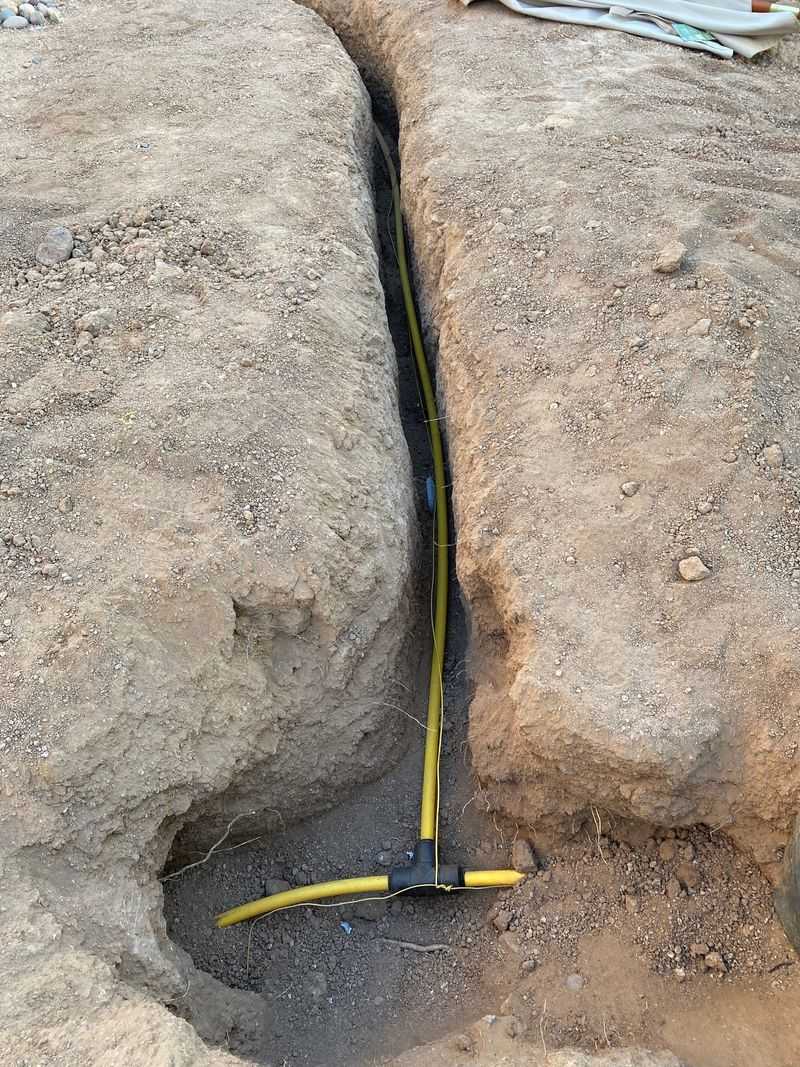
Arizona soil has a reputation, and it’s earned. Caliche layers, heavy clay patches, and compacted ground are common across the state, and they all have one thing in common — water doesn’t move through them the way it should.
Planting into poorly draining soil without addressing it first is one of the fastest ways to lose a spring garden.
Caliche is a hardened calcium carbonate layer that forms naturally in desert soils. It acts almost like concrete buried a foot or two underground.
Water hits it and pools, roots can’t push through it, and plants end up sitting in waterlogged ground even when the surface looks dry. Breaking through it with a pick or chisel before planting makes a real difference.
A quick drainage test takes about five minutes. Dig a hole about a foot deep, fill it with water, and watch how fast it drains.
If the water is still sitting there after 30 minutes, drainage is a problem that needs fixing before anything goes in the ground. Mixing in compost, coarse sand, or pumice helps break up compacted soil and improve water movement considerably.
Raised beds are popular in Arizona for exactly this reason. Filling them with a custom soil blend bypasses native soil problems entirely and gives you full control over drainage and texture from day one.
Across the Valley and in Tucson gardens, raised beds have become a go-to solution for anyone who has fought poor drainage season after season.
4. Using The Wrong Plants For Heat Conditions
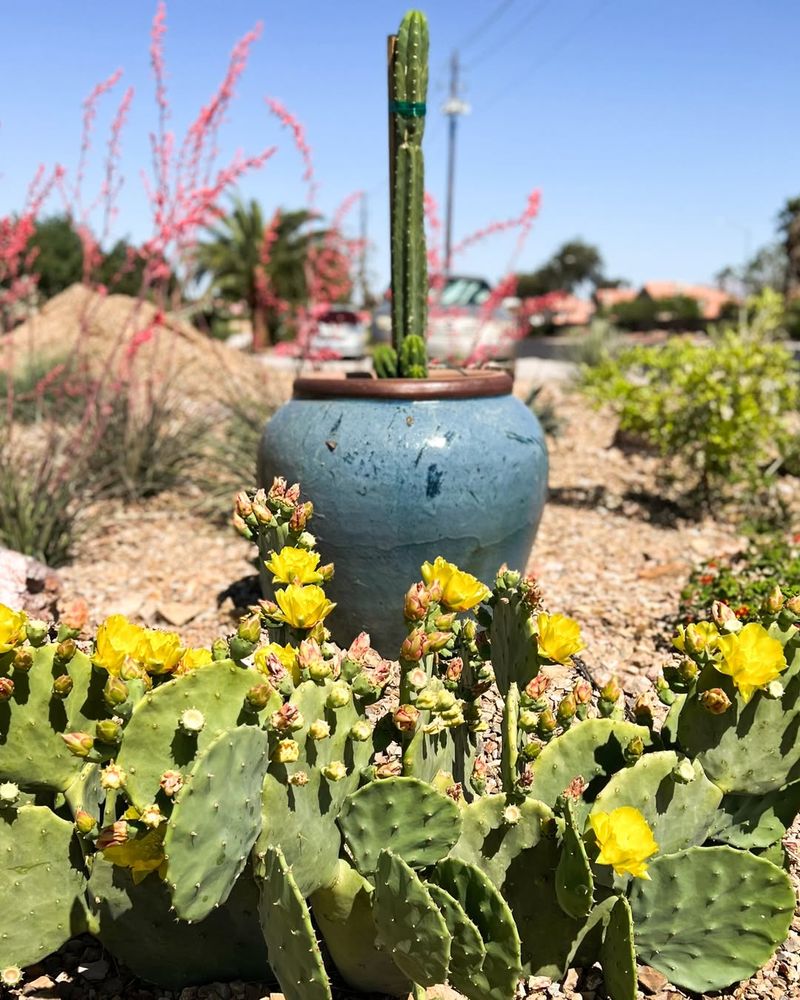
Walk into any Arizona nursery in late February and you’ll find beautiful plants that have absolutely no business being in an Arizona summer. Some of them look incredible in spring, but they’re built for Pacific Northwest weather, not a climate that routinely hits 110 degrees by June.
Choosing the wrong plants is a mistake that doesn’t show up right away — it shows up when summer arrives and everything crashes.
Cool-season crops like lettuce, spinach, and broccoli are perfect for Arizona’s spring window, but that window closes fast. Knowing when to plant them and when to switch over to heat-tolerant varieties is something a lot of newer gardeners learn the hard way.
Timing in Arizona matters more than almost anywhere else.
For ornamentals and perennials, leaning toward plants that are adapted to desert Southwest conditions is always a smart move. Plants like desert marigold, globe mallow, and various salvias handle Arizona heat without constant babying.
They’ve been thriving in this climate long before anyone started planting them in backyard gardens.
Checking plant tags for heat zone ratings gives you a quick filter when shopping. If a plant is rated for zones that top out at 90 degrees, it’s not going to hold up in Phoenix or Tucson in July.
Ask nursery staff specifically about Arizona summer performance, not just spring appearance. A plant that looks gorgeous in April but struggles by July isn’t really a win for your garden.
5. Fertilizing Too Heavily In Early Growth
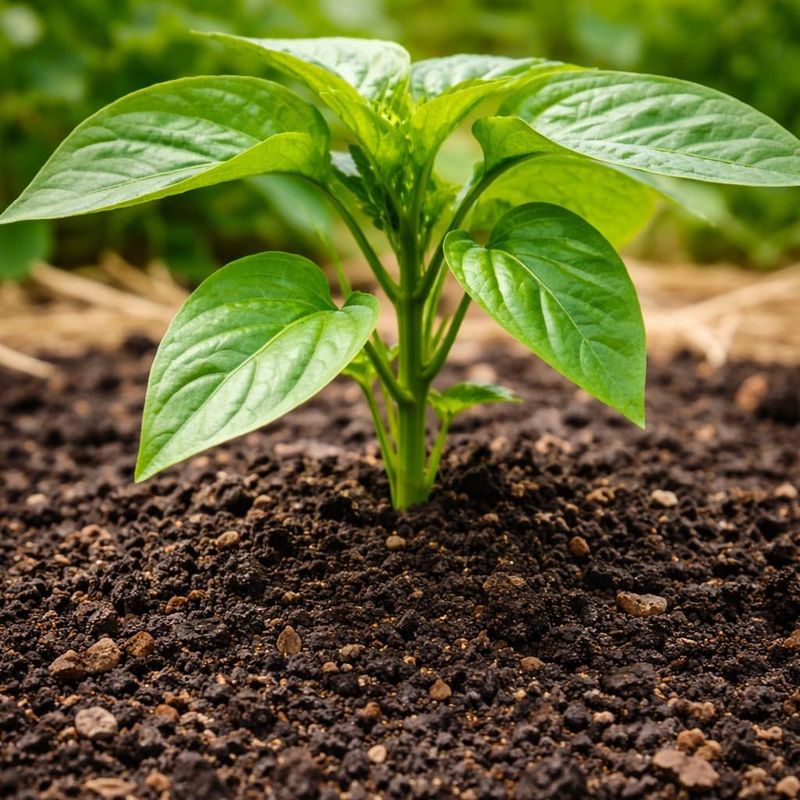
More fertilizer does not mean faster growth — especially in early spring when plants are still getting their footing. Dumping a heavy dose of nitrogen on young seedlings before their root systems are developed enough to handle it often causes more harm than good.
Fertilizer burn shows up as brown leaf tips, yellowing, and stunted plants that look worse than before you fed them.
Arizona soil is often alkaline, which already affects how plants absorb certain nutrients. Adding a heavy fertilizer load on top of alkaline conditions can lock out minerals and create nutrient imbalances that are genuinely hard to correct mid-season.
Starting with a soil test in spring gives you actual data instead of guesswork about what your garden really needs.
Young plants in their first few weeks after transplanting are focused on root development, not top growth. Pushing them with fertilizer during that window can actually redirect energy away from root establishment and toward leafy growth that the root system isn’t ready to support.
A light, balanced fertilizer applied a few weeks after transplanting works far better than a heavy application at planting time.
Compost is probably the most forgiving soil amendment you can use in Arizona gardens. It feeds slowly, improves soil structure, and doesn’t spike nutrient levels the way synthetic fertilizers can.
Working a few inches of compost into beds before planting gives plants a steady, gentle nutrient base that supports healthy spring growth without the risk of overdoing it at a critical stage.
6. Skipping Mulch Before Temperatures Rise
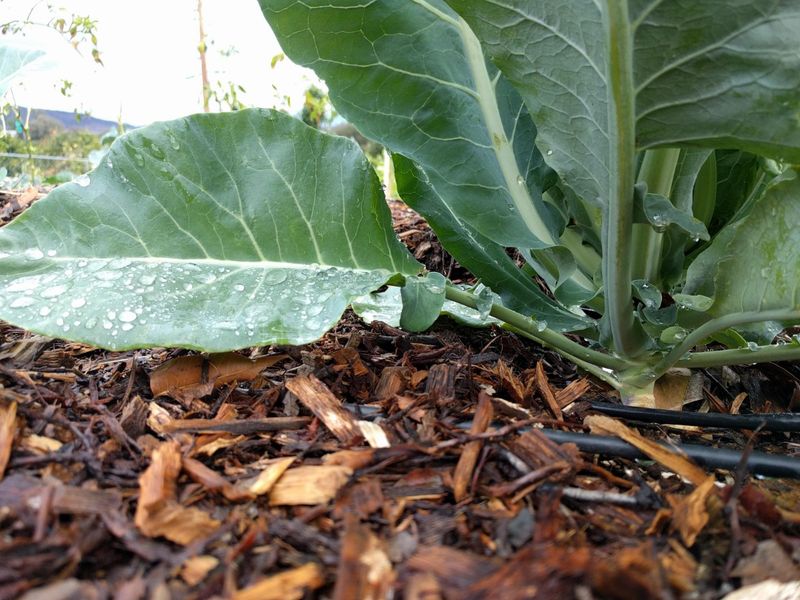
Bare soil in an Arizona spring garden is a problem waiting to happen. Without mulch, moisture evaporates fast, soil temperatures spike quickly on warm days, and weeds get a clear runway to sprout.
Waiting until summer to add mulch is a common mistake — by then, the soil has already lost significant moisture and the heat has already started stressing roots.
Applying mulch in early spring, before temperatures really climb, locks in the cool-season moisture that plants need to establish strong roots.
A two to three inch layer around plants can cut down on watering frequency noticeably, which matters a lot in a state where water conservation is always a real concern.
It also keeps soil temperatures from swinging as dramatically between morning and afternoon.
Wood chips, straw, and shredded bark all work well in Arizona gardens. Gravel mulch is popular for ornamental desert landscapes, but in vegetable gardens, organic mulch is better because it breaks down over time and adds organic matter back into the soil.
Arizona soil tends to be low in organic matter, so anything that adds it back gradually is a bonus.
Keep mulch a few inches away from plant stems to avoid creating a damp environment right at the base of the plant. Piling it directly against stems can encourage rot and attract insects looking for shelter.
Spread it evenly across the bed and refresh it as needed throughout the season, especially after heavy winds, which are common in Arizona spring weather.
7. Delaying Pest Checks As Growth Starts
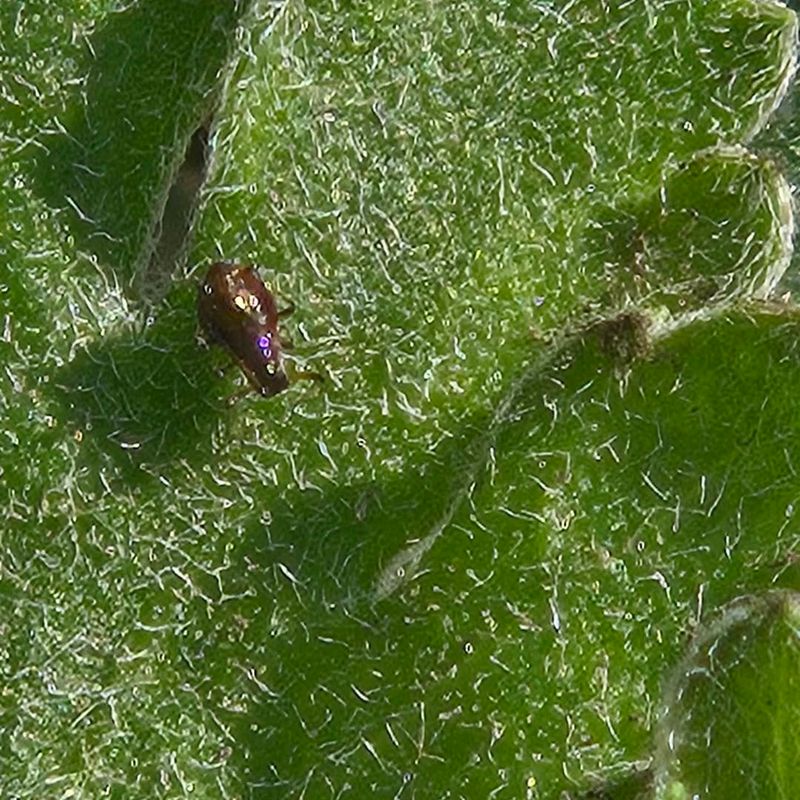
Pests in an Arizona spring garden move fast. Aphids, whiteflies, spider mites, and thrips all take advantage of tender new growth, and a small problem can spread across an entire bed in just a week or two if nobody’s paying attention.
Waiting until you see obvious damage to start checking is usually waiting too long.
Starting weekly pest checks as soon as plants go in the ground is a habit that pays off all season. Flip leaves over and look at the undersides — that’s where most soft-bodied insects prefer to hide and feed.
Catching a cluster of aphids when it’s small means a quick spray of water or neem oil handles it. Catching it after it’s colonized half your plants means a much bigger headache.
Arizona’s warm springs also bring out caterpillars and other chewing insects earlier than gardeners sometimes expect. Cabbage loopers, hornworms, and leaf miners all show up before summer officially arrives.
Row covers over young brassicas and other vulnerable plants give a physical barrier that reduces pest pressure without any spraying at all.
Encouraging beneficial insects is another layer of defense worth building early. Planting flowering herbs like dill, fennel, or cilantro near vegetable beds attracts ladybugs and lacewings that feed on common garden pests.
Arizona has a solid population of native beneficial insects, and giving them reasons to hang around your garden is one of the most effective long-term pest management strategies available to home gardeners.