Common Poinsettia Care Mistakes Nevada Homeowners Make During The Holidays
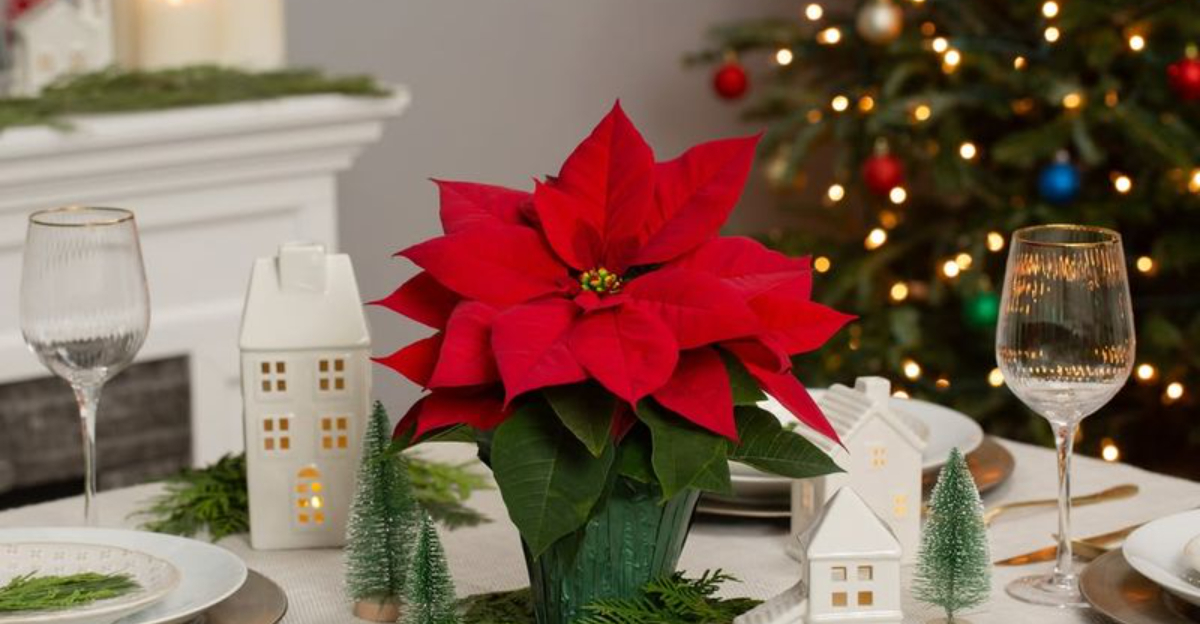
Poinsettias sit at the heart of holiday decor in Nevada homes, glowing with bold color as the season kicks into full swing.
They brighten entryways, dress up tabletops, and turn living rooms into festive showpieces.
Still, these classic holiday plants can be surprisingly touchy.
A bit too much heat from a nearby vent, a chilly draft sneaking through the door, or a watering habit that swings from feast to famine can send them downhill faster than holiday lights come down in January.
Many homeowners mean well, yet small slip ups add up and leave poinsettias looking tired long before the celebrations end.
These plants speak through their leaves, showing stress with droops, drops, or fading color.
A simple oversight can snowball into a plant that loses its sparkle just when the holidays reach their peak.
Nevada’s dry indoor air and sudden temperature swings make poinsettias work harder than many people realize.
A little awareness smooths out the bumps.
When poinsettias get the right spot, steady care, and a gentle touch, they hold their beauty through the entire season.
With a few smart moves, every Nevada home can enjoy long lasting blooms that keep holiday cheer shining bright.
1. Placing Poinsettias Near Heat Vents And Fireplaces
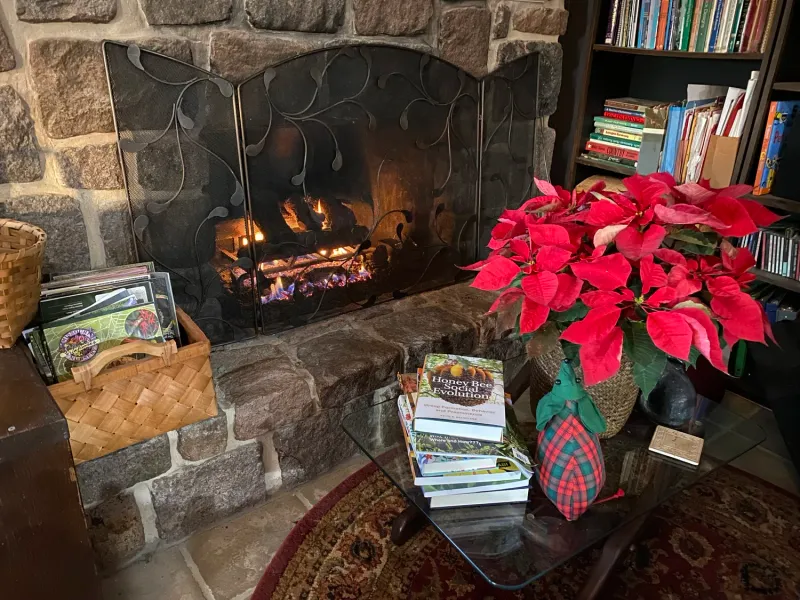
Nevada winters might not be as harsh as other states, but indoor heating systems run constantly in homes from Henderson to Sparks.
Poinsettias are tropical plants that prefer stable temperatures between 65 and 70 degrees Fahrenheit.
When you place them directly near heat vents, radiators, or fireplaces, the hot, dry air blasts them constantly.
This creates an environment that stresses the plant tremendously.
The leaves start to wilt and drop within days because the moisture evaporates too quickly from both the soil and the leaves themselves.
You might notice the colorful bracts turning brown at the edges or becoming crispy to the touch.
Heat sources also create dramatic temperature fluctuations that confuse the plant.
During the day when heating runs, temperatures spike, then drop at night when systems cycle off.
Poinsettias need consistency to thrive and maintain their festive appearance throughout December.
Instead, choose a spot away from direct heat sources where temperatures remain steady.
A location at least three feet from vents or fireplaces works much better for these sensitive plants.
Your poinsettia will reward you with lasting color and healthy foliage when given a comfortable, stable environment away from Nevada’s indoor heating systems.
2. Overwatering Or Underwatering The Plant
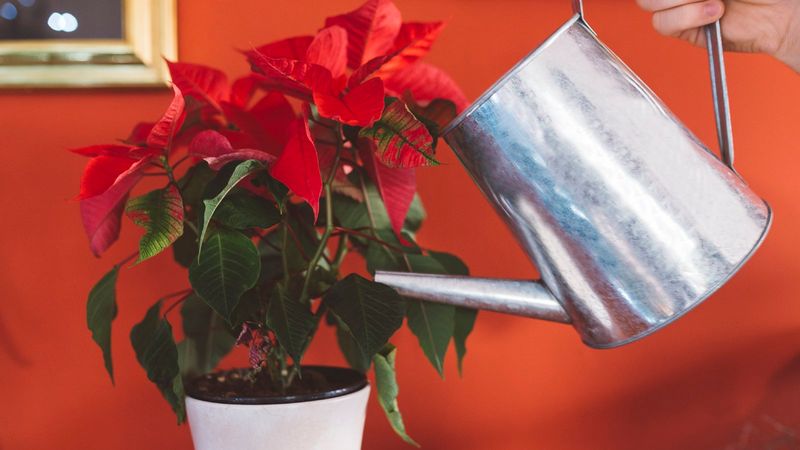
Finding the right watering balance challenges many Nevada homeowners because our desert climate makes us think plants always need more water.
With poinsettias, both extremes cause serious problems that show up quickly in the plant’s appearance.
Too much water suffocates the roots and causes them to rot, while too little water makes the plant wilt and lose leaves.
Poinsettias prefer their soil to dry out slightly between waterings.
Stick your finger about an inch deep into the soil to check moisture levels before adding water.
If it feels damp, wait another day or two before watering again.
Many people in Las Vegas and Reno make the mistake of following a rigid watering schedule instead of checking the actual soil condition.
Your home’s humidity level, temperature, and pot size all affect how quickly soil dries out.
A poinsettia near a window might need water more often than one in a cooler hallway.
When you do water, add enough so it drains through the bottom holes, then empty any standing water from the saucer beneath.
Never let your poinsettia sit in water for hours.
The decorative foil wrapping that comes with holiday plants often traps water at the bottom, so poke holes in it or remove it completely to prevent root problems.
3. Exposing Plants To Cold Drafts And Temperature Swings
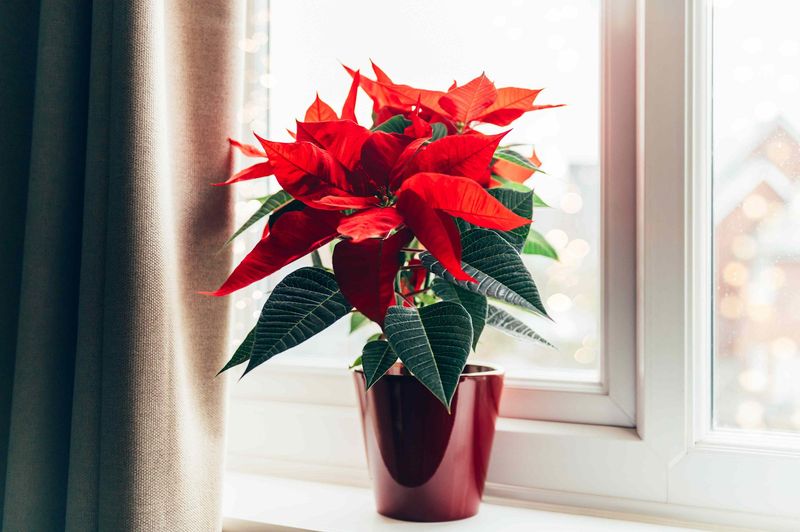
Temperature sensitivity ranks among the biggest challenges for poinsettia owners throughout Nevada.
These tropical natives cannot handle sudden cold exposure, which happens more often than you might think in our homes.
Opening the front door to greet holiday guests, positioning plants near drafty windows, or placing them in entryways creates problems fast.
Even brief exposure to temperatures below 50 degrees Fahrenheit can damage poinsettias permanently.
The leaves may look fine immediately after cold exposure, but within 24 hours you’ll notice drooping, yellowing, or leaf drop.
Nevada’s chilly desert nights mean windows and doors become cold zones that affect nearby plants.
Homeowners in Reno face particularly tricky conditions because nighttime temperatures drop significantly more than in southern Nevada.
A poinsettia sitting on a windowsill might experience a 20-degree temperature difference between day and night.
This stress prevents the plant from maintaining its vibrant holiday appearance.
Choose a location away from exterior doors, windows, and air conditioning vents that blow cold air.
The center of a room or an interior wall provides better protection from temperature fluctuations.
If you must place your poinsettia near a window, make sure it’s a double-paned window and move the plant away from the glass at night when temperatures drop outside.
4. Forgetting About Nevada’s Extremely Dry Indoor Air
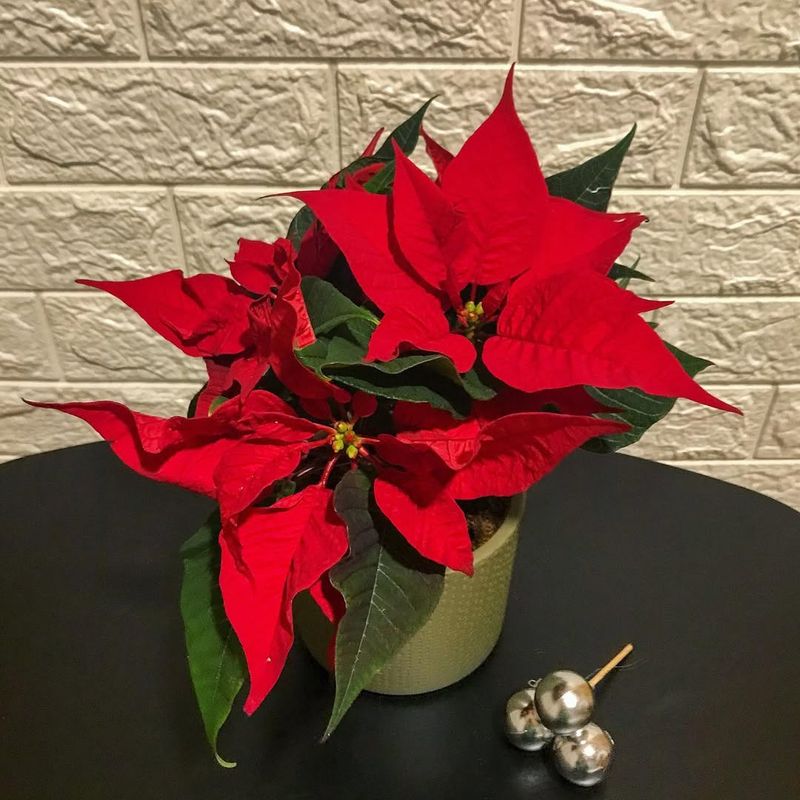
Living in Nevada means dealing with some of the driest air in the country, and indoor heating during winter makes humidity levels drop even lower.
Most homes in Las Vegas and surrounding areas have indoor humidity below 20 percent during winter months.
Poinsettias prefer humidity levels around 50 percent, which creates a significant challenge for local plant owners.
Low humidity causes moisture to evaporate rapidly from poinsettia leaves, leading to brown, crispy edges and overall decline.
You might water properly and provide good light, but the plant still looks unhappy because the air itself is too dry.
The colorful bracts lose their vibrant appearance and may curl at the edges.
Many Nevada homeowners don’t realize that dry air affects plants differently than dry soil.
While you can water the roots, the leaves also need moisture in the surrounding air to stay healthy and attractive.
Without adequate humidity, poinsettias struggle to maintain their festive look through the entire holiday season.
Combat this problem by grouping plants together to create a more humid microclimate.
You can also place your poinsettia on a tray filled with pebbles and water, making sure the pot sits on the pebbles above the water line.
As water evaporates, it increases humidity around the plant without waterlogging the roots.
5. Not Providing Enough Bright Indirect Light
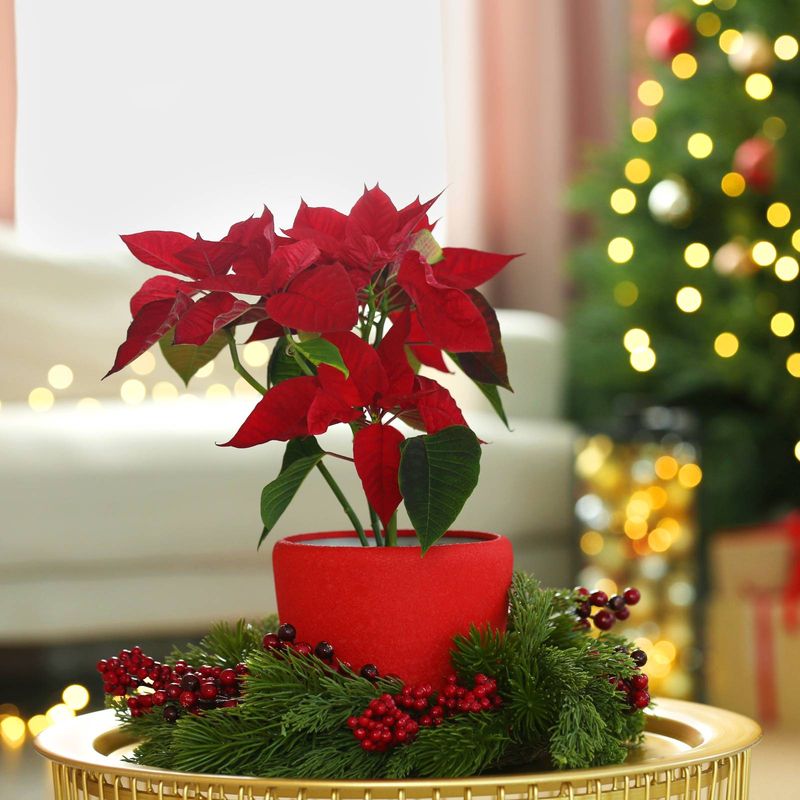
Light requirements often get overlooked by busy homeowners who focus mainly on watering and temperature.
Poinsettias need plenty of bright, indirect light to maintain their stunning red, pink, or white bracts throughout the holiday season.
Without adequate light, the colorful parts fade to pale versions of their original brightness, and the plant becomes leggy and weak.
Nevada’s abundant sunshine makes it tempting to place poinsettias in direct sunlight, but this actually causes different problems like leaf burn and overheating.
The ideal spot provides bright light without direct sun rays hitting the leaves.
A location near an east-facing window works wonderfully because it gets gentle morning light without intense afternoon heat.
Homeowners in northern Nevada cities like Reno experience shorter winter days, which means less natural light overall.
Your poinsettia might need a brighter location than you initially think, especially if you place it in a room with limited windows.
Dark corners, hallways, and bathrooms rarely provide enough light for these plants to thrive.
Aim for at least six hours of indirect bright light daily.
If natural light is limited in your home, consider moving the plant to different locations throughout the day or supplementing with artificial grow lights.
Proper lighting keeps the bracts vibrant and helps the plant maintain its compact, attractive shape through New Year’s and beyond.
6. Leaving Plants In Decorative Foil Wrapping
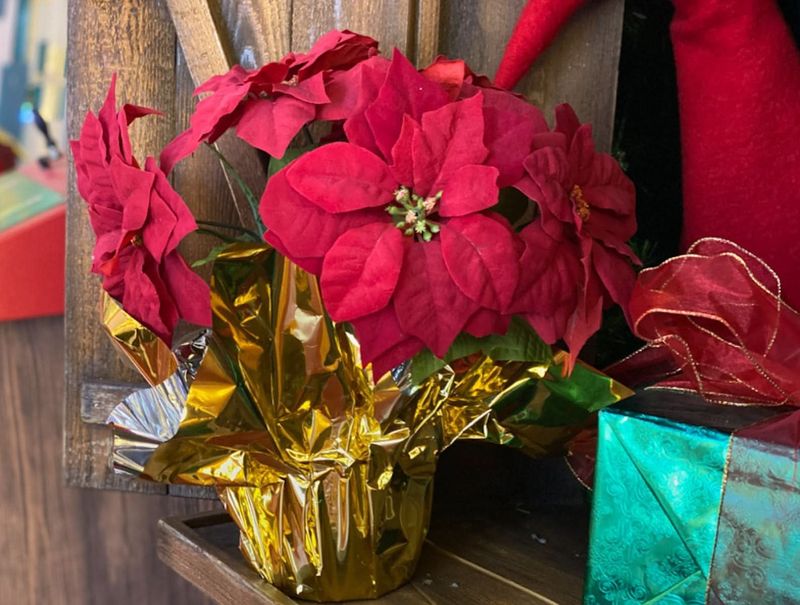
Those pretty foil wrappers that come with holiday poinsettias look festive and seasonal, but they create serious drainage problems if left in place.
Most Nevada homeowners don’t realize these decorative coverings trap water at the bottom of the pot, essentially drowning the roots over time.
Water that should drain away after watering instead pools beneath the pot, creating soggy conditions that harm the plant.
Poinsettias need good drainage to prevent root rot and other moisture-related issues.
When you water a plant in foil wrapping, the excess water has nowhere to go except sit at the bottom.
The roots stay wet constantly instead of experiencing the slight drying period they need between waterings.
This mistake becomes especially problematic in Nevada homes where people tend to water more frequently because of our dry climate.
You might think you’re watering correctly, but the hidden water trapped under the foil creates a swampy environment.
Within a week or two, you’ll notice yellowing leaves, a musty smell, or leaves dropping rapidly.
Remove the decorative foil completely or poke several large drainage holes in the bottom.
Place the pot on a proper saucer that allows you to see and empty any standing water after watering.
You can always wrap the plain pot in a decorative basket or cache pot that doesn’t restrict drainage while still looking festive for your holiday decorating.
7. Placing Poinsettias In High-Traffic Areas With Constant Touching
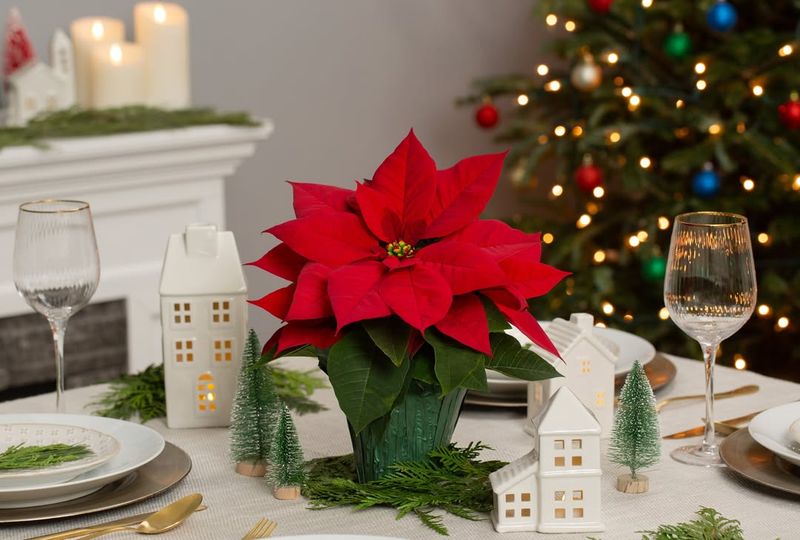
Homeowners throughout Nevada love displaying poinsettias in entryways, hallways, and dining tables where guests can admire them during holiday gatherings.
However, these high-traffic locations expose plants to constant bumping, brushing, and touching that causes cumulative damage.
Every time someone walks past and bumps the plant or children touch the colorful leaves, it stresses the poinsettia.
The leaves and bracts of poinsettias are more delicate than they appear.
Frequent physical contact causes bruising, tearing, and premature leaf drop that ruins the plant’s appearance.
You might not notice damage from a single touch, but repeated contact over days and weeks adds up significantly.
Holiday parties and family gatherings in Las Vegas and other Nevada cities mean more people moving through homes than usual.
A poinsettia in the foyer might get jostled dozens of times during a single evening.
Children are naturally curious about the bright colors and may want to touch or pick at the leaves.
Choose a display location where your poinsettia can be seen but not constantly bumped or handled.
A side table away from main walkways, a mantel that’s out of reach, or a coffee table in a sitting area works better than narrow hallways or busy entryways.
Educate family members and guests that poinsettias are for looking, not touching, to help preserve their beauty throughout the season.
8. Ignoring Early Warning Signs Of Plant Stress
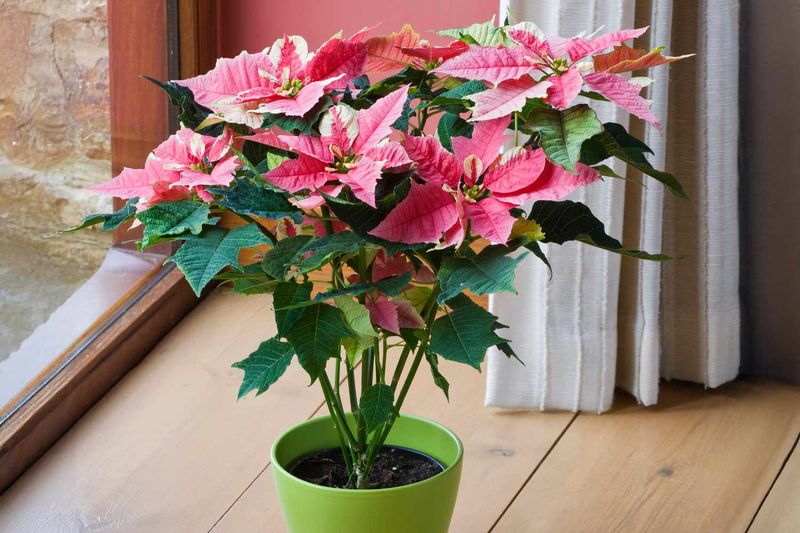
Plant problems rarely appear overnight, but many Nevada homeowners miss the subtle early warnings that their poinsettia is struggling.
By the time issues become obvious, the plant has suffered significant stress that takes weeks to reverse if recovery is even possible.
Learning to spot trouble early makes the difference between a minor adjustment and a completely declined plant.
Early warning signs include slight yellowing of lower leaves, edges that look a bit dry or brown, or bracts that seem less vibrant than when you first brought the plant home.
You might notice one or two leaves dropping when you walk past, or the soil staying wet much longer than usual.
These subtle changes tell you something needs adjustment in your care routine.
Most people wait until half the leaves have dropped or the plant looks completely wilted before taking action.
At that point, the damage is severe and the plant may not recover its holiday appearance.
Poinsettias give you clues about their needs if you pay attention to small changes in their condition.
Check your poinsettia daily during the first week or two after bringing it home to your Nevada residence.
Look for changes in leaf color, bract appearance, and overall plant posture.
If you notice early warning signs, review your watering schedule, lighting conditions, and placement to identify what might be causing stress.