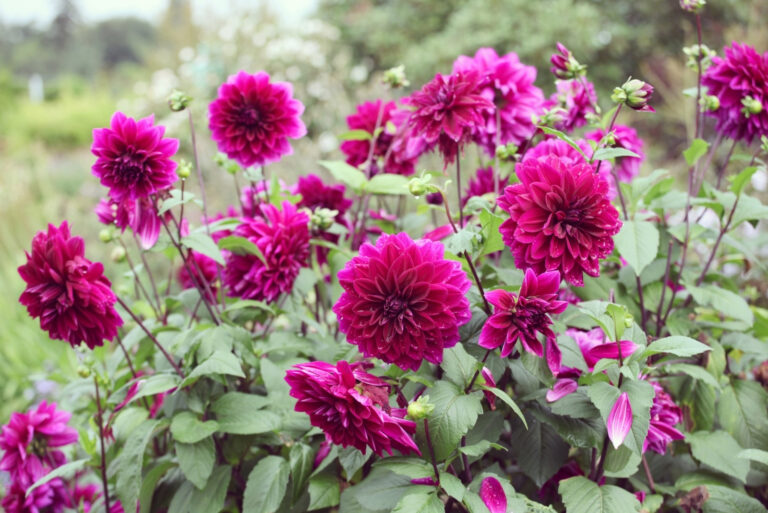
Common Reasons Petunias Stop Blooming By Midsummer
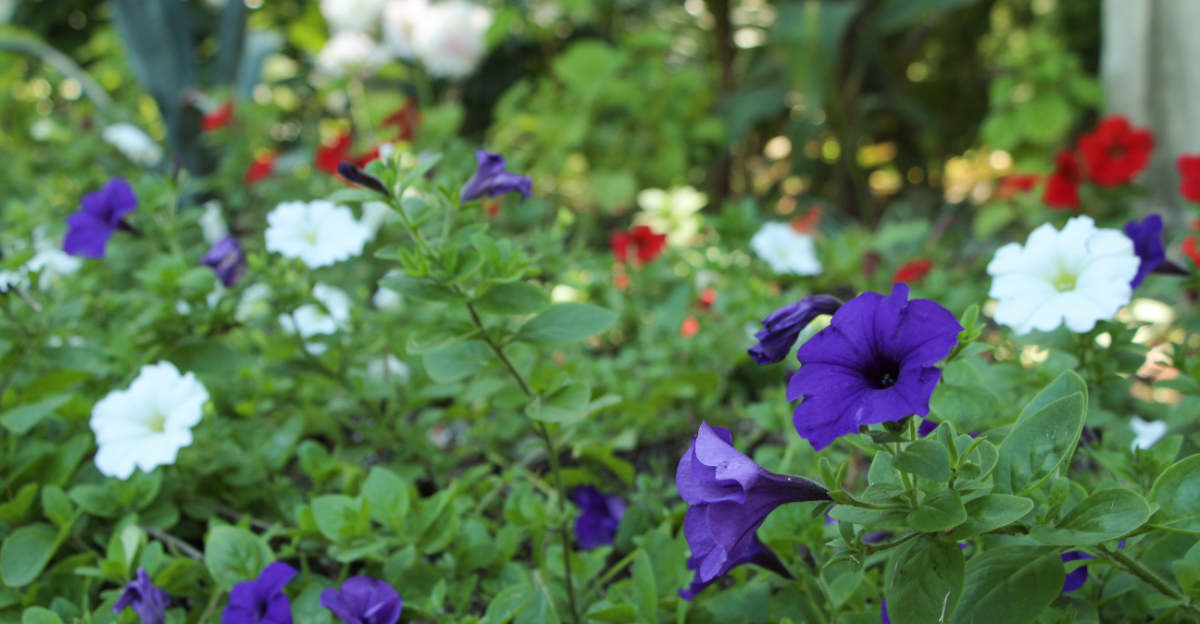
Picture this: your petunia bed was the reason people slowed their cars down in June. Now it’s just green. Full plants, barely any color.
Something shifted between those two moments, and it wasn’t bad luck. Petunias are dramatic communicators, they just don’t use words.
Most gardeners blame the weather and move on. But the plants are actually pointing straight at the real problem, if you know what to look for.
This one’s worth five minutes of your time. What’s stalling your blooms is probably something you’re doing without realizing it, and reversing it is easier than replanting.
1. Leggy Growth From Heat Stress Halts Petunia Blooming
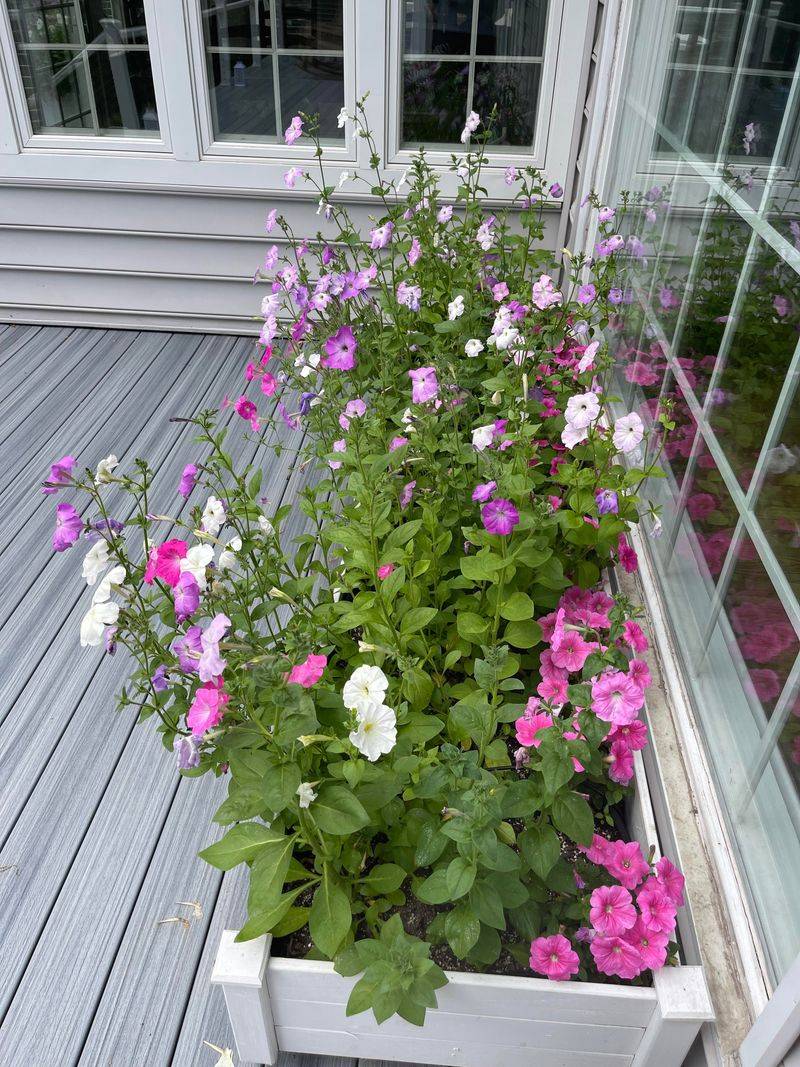
Long, bare stems and zero flowers, that is the look of a heat-stressed petunia. When summer temperatures climb past 90 degrees, petunias shift their energy away from blooming.
They focus on survival instead of putting out new flowers. Leggy growth happens fast in hot weather.
The plant stretches its stems searching for cooler air and better conditions. Those long, leafy stems rarely produce buds without intervention.
Heat stress is one of the most common reasons petunias stop blooming by midsummer. Gardeners often mistake this leggy look for disease or pest damage.
Knowing the real cause helps you respond with the right solution. Cutting the plant back by about one-third is the fastest fix.
Use clean scissors and trim just above a leaf node. New, compact growth will follow within a week or two.
Afternoon shade can also protect petunias from the worst heat of the day. A simple shade cloth or nearby taller plants can make a big difference.
Even one to two hours of relief from direct sun helps the plant reset. Mulching around the base of the plant keeps soil temperatures lower.
Cooler roots mean a healthier, more productive plant overall. A two-inch layer of mulch is enough to make a noticeable change.
Watering in the early morning also reduces heat stress significantly. Cool water at the roots before the sun peaks gives petunias a fighting chance. Your blooms will return once the plant feels safe again.
2. Skipped Grooming Signals The Plant To Stop Flowering
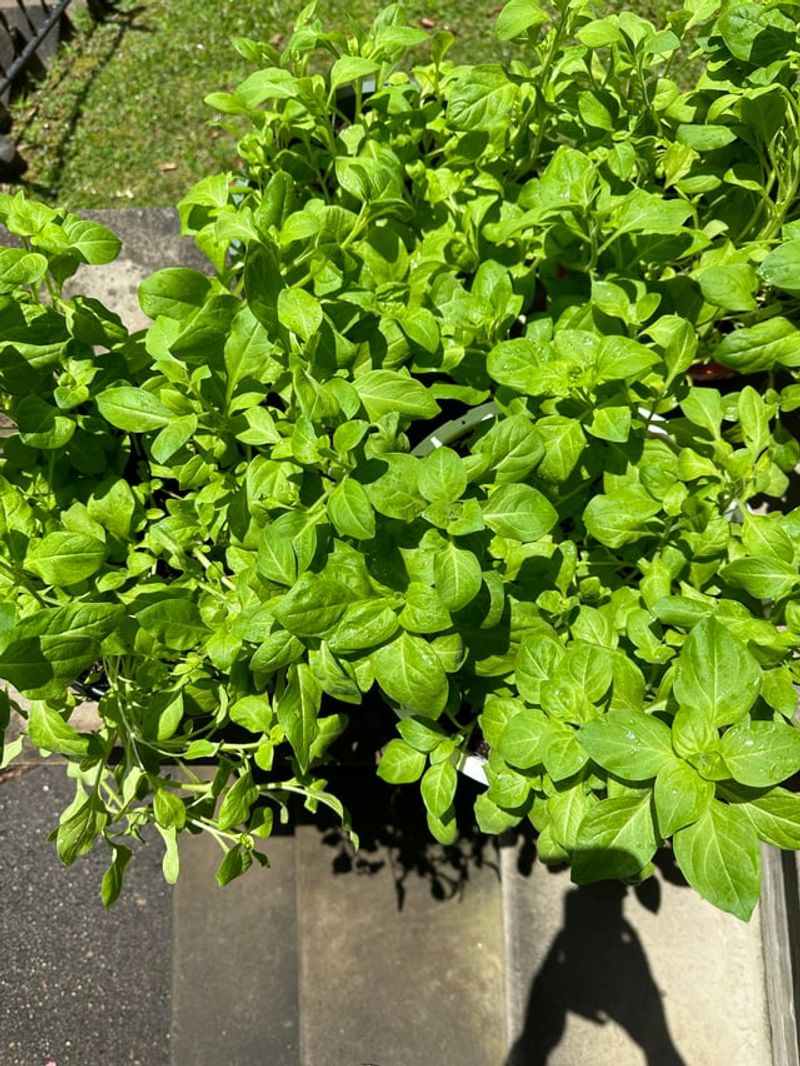
Skipping the removal of spent blooms is like telling your petunia its job is done. Once a bloom fades and sets seed, the plant thinks it has accomplished its mission. Flowering slows down or stops after that signal is sent.
Petunias are programmed to reproduce. When seeds form inside old blooms, the plant redirects energy to those seeds. New flower buds become a low priority almost immediately.
Grooming is one of the simplest ways to keep petunias blooming all season. Pinching off spent flowers before they go to seed keeps the plant in production mode. It takes just a few minutes every couple of days.
Use your thumb and index finger to snap off faded blooms at the base. You can also use small garden shears for a cleaner cut. Either method works well as long as you are consistent.
Many gardeners groom their petunias while watering in the morning. Combining both tasks saves time and keeps the routine manageable. Consistency matters far more than perfection here.
Sticky residue on your fingers is normal during grooming. Petunias have slightly gluey stems that can cling to skin and clothing. Wearing light gloves makes the task more comfortable.
Plants that get regular grooming produce noticeably more blooms than neglected ones. Gardeners who groom regularly often see noticeably longer bloom cycles. Your effort now pays off with a fuller, more colorful display later.
3. Nutrient Depletion In Soil Slows Down Bloom Production
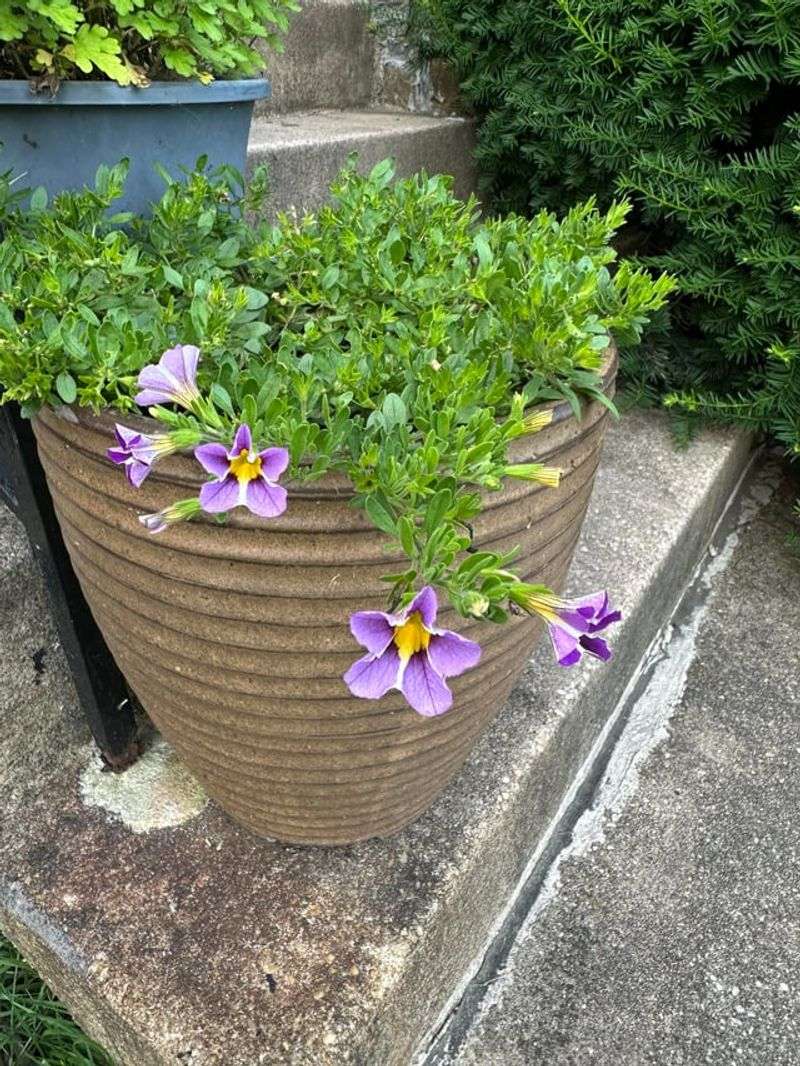
Hungry plants do not bloom well, and petunias are big eaters. By midsummer, the soil in most containers and garden beds has been largely stripped of nutrients. That depletion shows up as fewer flowers and yellowing leaves.
Petunias need phosphorus to produce blooms consistently. Nitrogen feeds leafy green growth, but phosphorus is the nutrient that drives flowering. Without enough of it, the plant looks alive but blooms poorly.
Container-grown petunias run out of nutrients faster than in-ground plants. Every time you water, nutrients leach out through the drainage holes. A pot that looked rich in May can be nearly empty by July.
Feeding petunias every one to two weeks keeps them well-nourished. A balanced liquid fertilizer with a higher middle number, like 10-30-10, supports blooming. Follow the label directions to avoid over-feeding, which causes its own problems.
Slow-release granular fertilizers are a great option for gardeners who prefer lower maintenance. One application can last up to three months in most conditions. Mixing it into the top inch of soil works best for absorption.
Yellowing leaves between the veins often signal a magnesium shortage. A diluted Epsom salt solution applied every few weeks can correct this quickly. One tablespoon per gallon of water is a common and effective ratio.
Soil health is a long game, and feeding petunias consistently pays off. Bloom production typically picks back up within one to two weeks of starting a feeding routine. Nutrition is a simple fix with a dramatic visual reward.
4. Inconsistent Watering Causes Petunias To Drop Their Buds
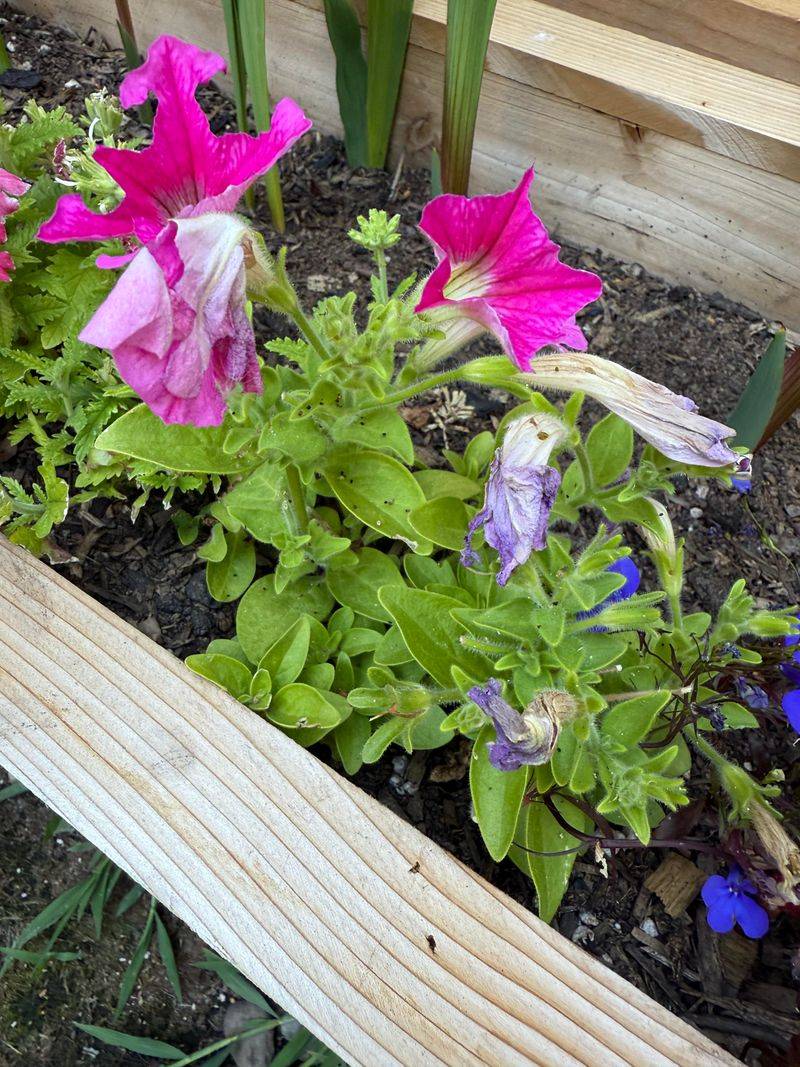
Bud drop is a heartbreaking sight, and inconsistent watering is often the culprit. Petunias that swing between soaking wet and bone dry cannot maintain stable bud development.
The stress of that cycle causes buds to fall off before they ever open. Overwatering is just as damaging as underwatering for petunia blooms.
Soggy soil suffocates roots and prevents nutrient uptake. When roots struggle, the plant cannot support new flower production.
Petunias prefer evenly moist soil that doesn’t stay waterlogged. Checking the soil about an inch deep before watering helps you avoid guesswork. If it feels dry at that depth, it is time to water.
During peak summer heat, petunias in containers may need daily watering. In-ground plants typically need water every two to three days. Adjust based on your local conditions and recent rainfall.
Watering at the base of the plant, not the leaves, reduces disease risk. Wet foliage overnight is an invitation for fungal problems. A soaker hose or drip system makes consistent base watering easy.
Self-watering containers are a practical solution for busy gardeners. They maintain a steady moisture level without daily attention. Petunias in these containers often bloom longer and more consistently.
A simple moisture meter takes the guesswork out of the whole process. These inexpensive tools tell you exactly when to water. Stable moisture leads to stable blooming, and that is the goal every midsummer gardener needs.
5. Root Bound Containers Limit Continued Summer Flowering
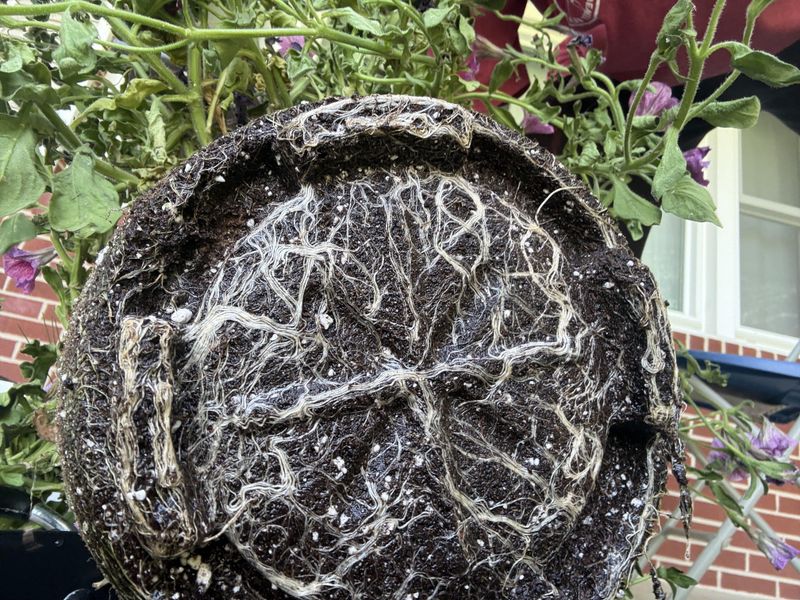
Packed roots have nowhere to go, and that means fewer flowers for you. A root-bound petunia is essentially cutting off its own water and nutrient supply. The plant spends all its energy managing cramped roots instead of producing blooms.
Root binding happens when a plant outgrows its container. Roots circle the inside of the pot and eventually compress into a tight ball. Water and nutrients can barely move through that compacted mass.
Signs of a root-bound plant include roots poking out of drainage holes. You might also notice the soil drying out faster than usual. The plant may look stunted even when you are watering and feeding it regularly.
Gently removing the plant and checking the root ball confirms the issue quickly. If the roots form a solid circle matching the pot shape, it is time to repot. This is a fast and satisfying fix.
Choose a new container that is two to four inches wider than the current one. Fresh potting mix gives the roots immediate room to spread. Petunias typically respond to repotting with new growth within one to two weeks.
Loosening the root ball gently before placing it in the new pot helps. Breaking up the tight edges encourages roots to grow outward into fresh soil. Avoid tearing large roots during this process.
Repotting mid-season feels risky, but petunias are resilient. A little transplant shock fades quickly with proper watering and shade for a few days. Room to grow is the secret to continued summer flowering.
6. Intense Midday Heat Stresses Plants Into Bloom Pause
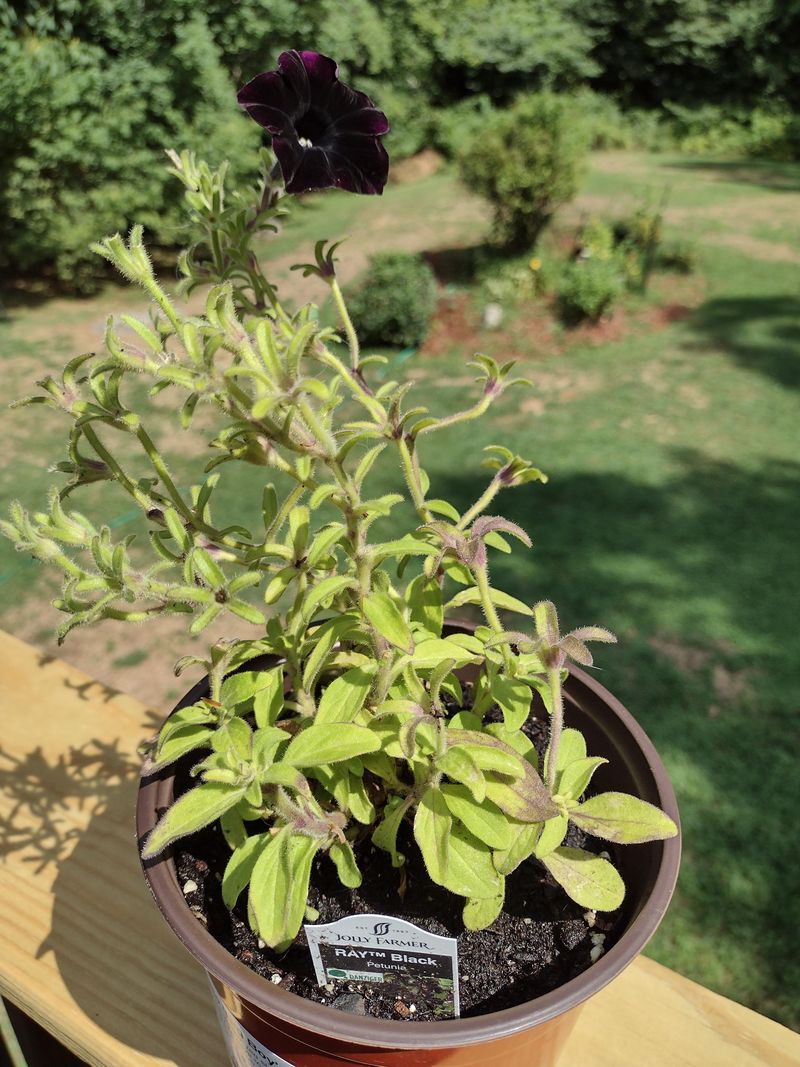
Midday sun in July can feel like standing next to a furnace. Petunias feel that heat just as intensely as you do. When temperatures spike above 95 degrees, the plant hits a biological pause button on blooming.
Heat stress triggers a survival response in petunias. The plant closes its pores to conserve water, which also slows all growth processes. Flowering is the first thing to get cut from the plant’s energy budget.
This is different from leggy growth caused by gradual heat buildup. Intense midday heat creates a sudden shutdown rather than a slow stretch. Blooms that were forming may shrivel before they fully open.
Providing afternoon shade between noon and three o’clock makes a real difference. A lightweight shade cloth rated at 30 to 40 percent shade is ideal. Even a nearby umbrella or trellis can offer enough relief.
Misting the plant lightly during cooler morning hours helps reduce leaf temperature. Avoid misting during peak heat, as water droplets can magnify sunlight.
Morning moisture gives the plant a buffer heading into the hottest part of the day. Choosing heat-tolerant petunia varieties helps prevent this problem in future seasons.
Wave and Supertunias are bred to handle higher temperatures better than standard types. Variety selection is an underrated tool in the summer garden toolkit.
One of the common reasons petunias stop blooming by midsummer is simply intense heat. Managing that heat with shade and smart watering brings blooms back reliably. Your plant is not giving up, it is just waiting for relief.
7. Poor Air Circulation Invites Fungal Issues That Stall Blooms
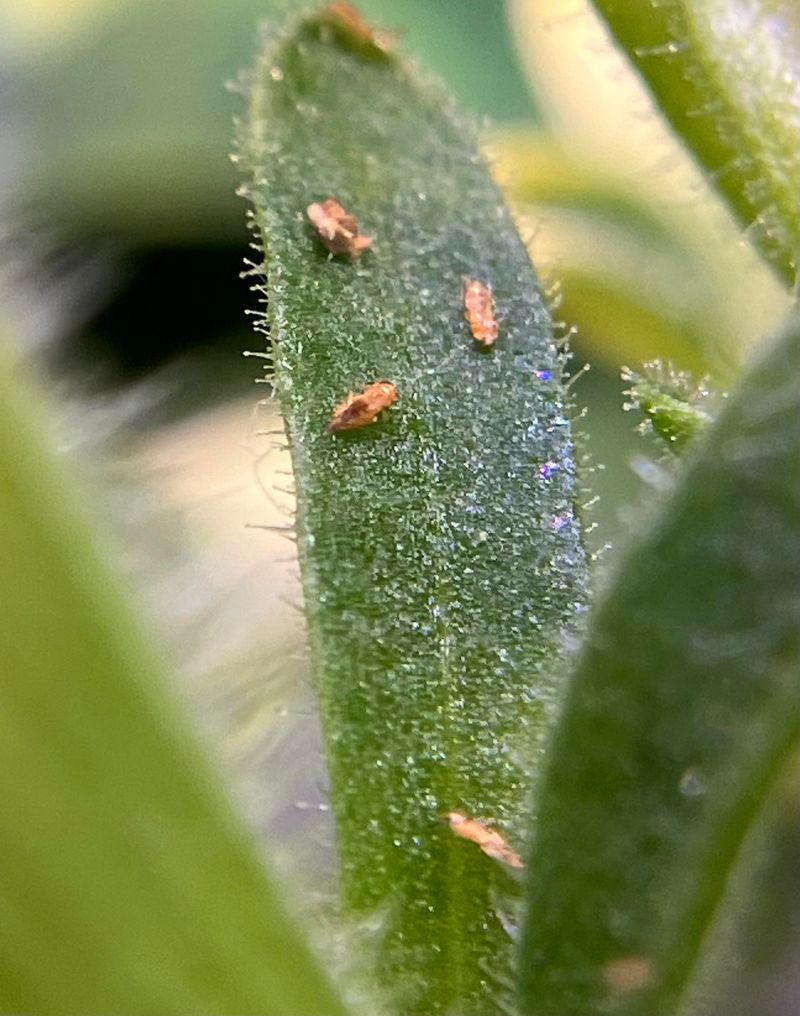
Crowded plants and still air create the perfect recipe for fungal trouble. Petunias packed too tightly together trap humidity between their stems and leaves. That moisture becomes a breeding ground for mold and mildew almost overnight.
Botrytis, also called gray mold, is one of the most common fungal threats for petunias. It spreads quickly in humid, low-airflow conditions and attacks blooms directly. Infected flowers turn brown and mushy before they can fully open.
Powdery mildew is another airflow-related problem that gardeners often overlook. It appears as a white, chalky coating on leaves and stems. Mildew weakens the plant and diverts energy away from producing new flowers.
Spacing plants properly at planting time prevents most airflow problems. Petunias generally need about 12 inches between them for adequate circulation. Crowding them together for a fuller look often backfires by midsummer.
Pruning dense interior growth opens up the plant to better air movement. Removing a few crowded stems in the center lets air flow through freely. This simple step reduces humidity buildup significantly.
Fungal issues that stall blooms respond well to neem oil spray. Apply it in the early morning so leaves dry before midday heat arrives. Repeat every seven to ten days until the problem clears up.
Choosing a planting location with natural breezes also helps year after year. Avoid spots surrounded by walls or dense hedges that block airflow. Good circulation is quiet protection that keeps petunias blooming strong all season.
8. Reviving Leggy Petunias For A Second Bloom Cycle
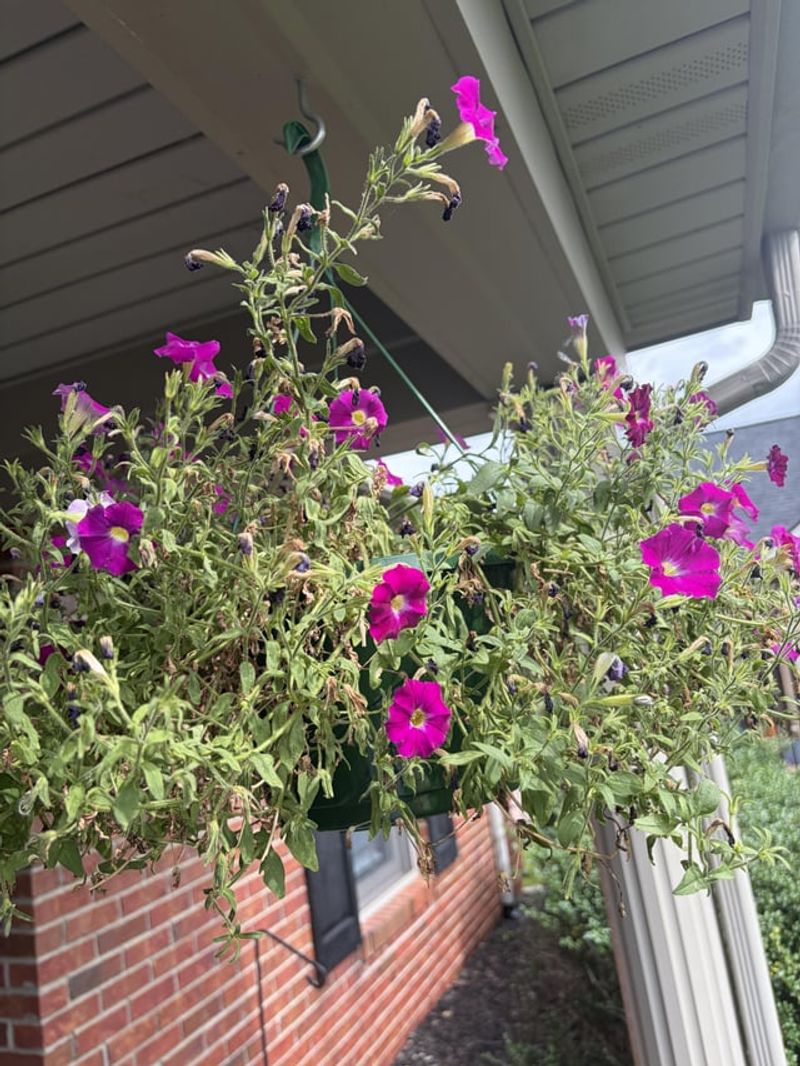
A hard cutback sounds scary, but it is actually the most loving thing you can do. Trimming leggy petunias back by one-half signals the plant to start fresh. New growth emerges quickly, and with it comes a whole new round of flowers.
Mid-July is the ideal time for a dramatic cutback in most climates. The plant still has six to eight weeks of warm growing weather ahead. That is plenty of time for a full second bloom cycle.
Cut stems back to about four to six inches from the soil line. Leave at least two or three leaf nodes on each stem you keep. Those nodes are where new shoots and eventually buds will emerge.
Feed the plant immediately after cutting it back. A phosphorus-rich fertilizer gives the recovering plant exactly what it needs to bloom again. Liquid fertilizers work fastest because roots absorb them quickly.
Water consistently in the days following a cutback. The plant is working hard to push new growth and needs reliable moisture. Avoid letting the soil dry out during this recovery window.
New shoots typically appear within five to seven days after a proper trim. Buds follow within two to three weeks in most conditions. The second bloom cycle often looks fuller and brighter than the first.
Reviving leggy petunias for a second bloom cycle is one of the most rewarding garden moves you can make. Common reasons petunias stop blooming by midsummer all have solutions, and this is the most dramatic one.
Your garden gets a second act, and it is worth every snip.