6 Common Spring Flowers In Pennsylvania That Are Toxic For Cats
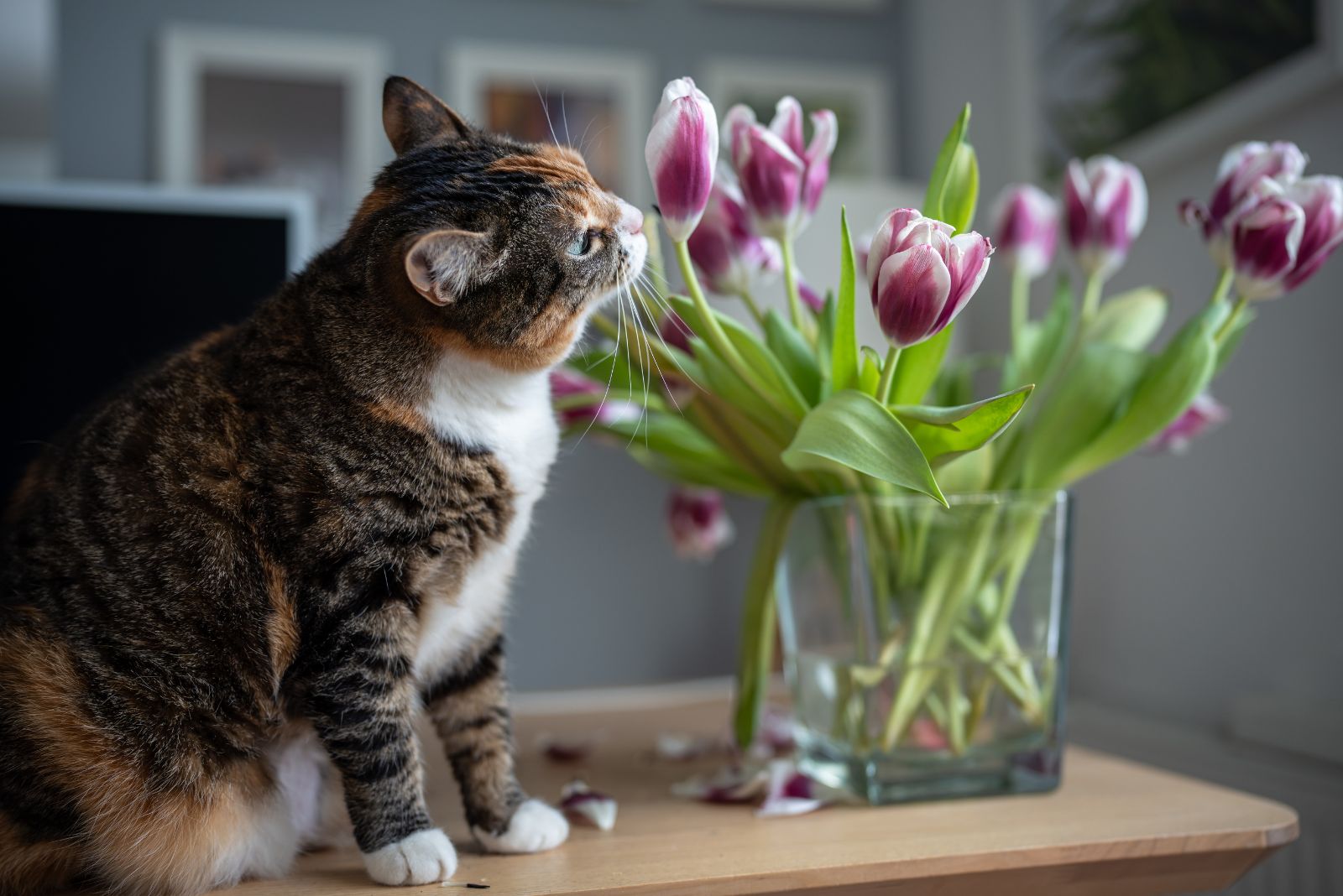
Spring in Pennsylvania brings colorful flowers, warmer days, and plenty of reasons to freshen up your home and garden. But if you share your space with a curious cat, some of those pretty blooms can pose real risks.
Many common spring favorites contain natural compounds that are harmless to people yet dangerous for pets, even in small amounts. Cats love to nibble, brush against plants, or explore bouquets on tables, which makes accidental exposure surprisingly easy.
Symptoms can range from mild stomach upset to serious health issues, depending on the plant and how much your cat encounters.
The good news? You don’t have to give up spring flowers entirely, you just need to know which ones to enjoy with caution.
By recognizing the plants that pose a threat, you can create a safer environment indoors and outdoors while still embracing the beauty of the season.
1. Lilies

Cat owners throughout Pennsylvania should treat lilies as extremely dangerous plants. Every part of a lily plant causes serious harm to cats, including petals, leaves, stems, and even the pollen.
Just a tiny nibble or licking pollen off their fur can lead to severe kidney damage within hours.
Easter lilies show up everywhere during spring celebrations in Pittsburgh, Harrisburg, and smaller towns across the state. Tiger lilies and Asiatic lilies also bloom in many Pennsylvania gardens during late spring and early summer.
These stunning flowers might look harmless, but they rank as one of the most hazardous plants for cats.
Symptoms appear quickly after a cat encounters any lily part. Your cat might start vomiting within a few hours and seem tired or confused.
Loss of appetite and increased thirst are warning signs that something is wrong. Without fast veterinary care, permanent kidney damage can occur.
Many Pennsylvania florists now label lily bouquets with pet warnings. Smart cat owners skip lilies entirely and choose safer flower options instead. If you receive lilies as a gift, keep them completely away from areas your cat can access.
Remove any lily plants from your Pennsylvania yard if cats roam outdoors. Check bouquets carefully before bringing them inside your home. Even dried lilies in arrangements pose risks to curious cats.
Veterinarians across Pennsylvania see lily poisoning cases every spring. Quick action makes a huge difference in outcomes.
Call your vet immediately if you suspect your cat touched or ate any part of a lily plant. Time matters enormously with lily exposure.
2. Tulips
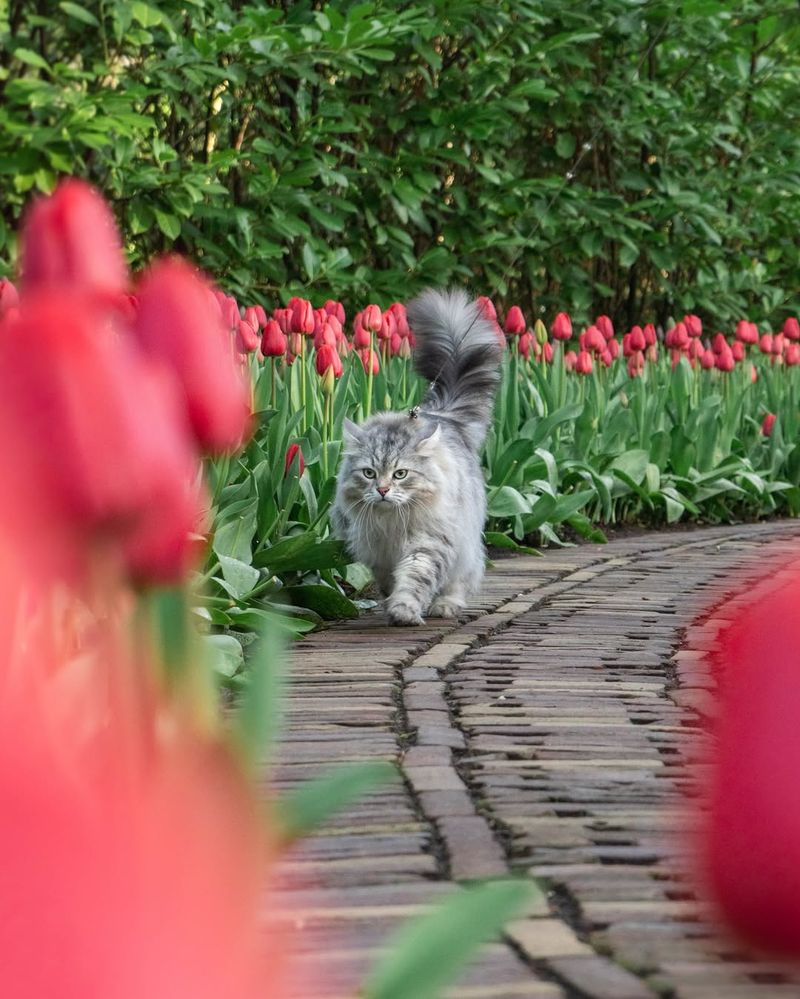
Tulip festivals draw crowds across Pennsylvania each spring, from Longwood Gardens to smaller community parks.
These cheerful flowers brighten landscapes throughout the state, but the bulbs contain compounds that upset cat stomachs. The highest concentration of harmful substances sits in the underground bulb portion.
Cats digging in Pennsylvania gardens might unearth tulip bulbs and take a bite. The bulbs taste bitter, which usually stops cats from eating much.
However, even small amounts cause drooling, upset stomach, and vomiting. Some cats experience diarrhea and seem uncomfortable for several hours.
The colorful flowers and leaves above ground contain lower levels of irritating compounds. Your cat would need to eat a larger amount of tulip petals or leaves to feel sick. Most cats avoid eating the plant parts because of the unpleasant taste.
Pennsylvania gardeners who love tulips can still grow them safely around cats. Plant bulbs deeper than cats typically dig, around eight inches down.
Cover planting areas with chicken wire until growth starts. These simple steps protect both your tulips and your curious cat.
Indoor cats rarely encounter tulip bulbs unless you bring them inside for forcing. Store bulbs in secure containers or rooms cats cannot access. Cut tulip bouquets pose less risk than bulbs but still warrant caution.
Symptoms from tulip exposure usually resolve on their own within a day. Watch your cat for signs of dehydration if vomiting continues.
Contact your Pennsylvania veterinarian if symptoms last more than 24 hours or seem severe. Most cats recover completely with supportive care and plenty of fresh water.
3. Hyacinths
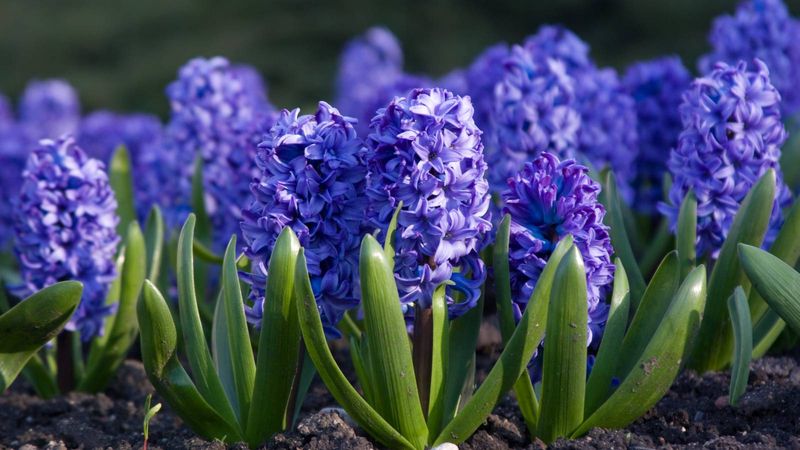
Walk through any Pennsylvania neighborhood in April and you’ll smell hyacinths before you see them. Their powerful fragrance fills the air around homes and gardens statewide.
These densely packed flower spikes come in purple, pink, white, and blue shades that catch every eye.
The same compounds found in tulips and daffodils also appear in hyacinth bulbs and plants. Cats who chew hyacinth leaves or flowers typically drool and feel nauseated. The bulbs cause stronger reactions, including intense vomiting and stomach cramping.
Many Pennsylvania gardeners force hyacinth bulbs indoors during winter for early spring blooms. This practice brings the bulbs within easy reach of house cats.
Store forcing containers on high shelves or in closed rooms. The strong scent might attract curious cats who want to investigate.
Outdoor hyacinth beds in Pennsylvania yards need protection from digging cats. The bulbs sit fairly close to the soil surface, making them accessible to determined diggers. Mulch heavily over bulb areas or use decorative fencing to discourage exploration.
Symptoms from hyacinth exposure mirror those from other spring bulbs. Your cat might paw at their mouth due to irritation.
Vomiting usually starts within a few hours of contact. Most cats feel better within 24 hours if they only nibbled small amounts.
Hyacinth sap can irritate human skin too, causing itching and redness. Wear gloves when handling these plants and keep them away from pets.
Pennsylvania garden centers sell hyacinths extensively each spring. Ask staff about pet-safe alternatives if you have concerns.
Beautiful options exist that won’t put your cat at risk.
4. Daffodils
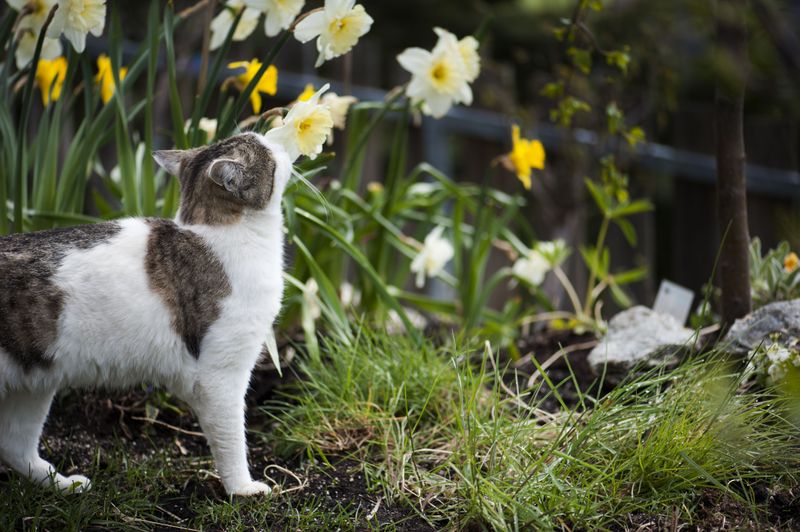
Daffodils signal spring’s arrival throughout Pennsylvania, popping up in yards from Erie to the Delaware Valley.
These sunshine-yellow flowers contain crystals and alkaloids that irritate cats from nose to tail. The bulbs pack the strongest punch, similar to their tulip cousins.
Pennsylvania’s official state flower might be the mountain laurel, but daffodils certainly compete for popularity each spring.
Homeowners plant thousands of daffodil bulbs each fall, creating stunning displays come March and April. Cat owners need to recognize that these cheerful blooms come with risks.
A cat chewing daffodil leaves or flowers will likely drool excessively right away. The plant’s crystals cause immediate mouth and throat irritation.
Vomiting usually follows within an hour or two. Some cats develop stomach pain and refuse to eat.
Bulb exposure creates more serious problems than flower nibbling. Cats who dig up and bite daffodil bulbs may experience severe stomach upset.
Heart rate changes and breathing difficulties can occur in cases involving large amounts. These situations require immediate veterinary attention.
Planting daffodils away from areas where cats spend time reduces risks. Pennsylvania gardeners often place daffodils along property borders or in front yard beds.
Keeping cats indoors during peak bloom time offers extra protection. Outdoor cats in rural Pennsylvania counties encounter wild daffodils in fields and woodland edges.
Cut daffodils in vases produce sap that irritates skin and mouths. Change water carefully and wash hands after handling arrangements.
Keep vases on high shelves or in rooms your cat cannot enter. The bright yellow blooms look beautiful but deserve respect from cat-loving households across Pennsylvania.
5. Crocuses

Crocuses brave Pennsylvania’s unpredictable late winter weather, sometimes pushing through snow in February and March. These tiny flowers bring hope that warmer days are coming.
Their small size means cats can easily step on or investigate them during outdoor adventures.
Two types of crocuses grow in Pennsylvania, and both contain compounds that bother cats. Spring crocuses bloom early and cause mild stomach upset if eaten.
Autumn crocuses, which actually flower in fall, contain much more dangerous substances. Make sure you know which type grows in your yard.
Spring crocuses produce symptoms similar to other bulb flowers. Cats who munch the leaves or flowers might drool and vomit.
The small bulbs rarely cause serious problems because cats don’t usually eat enough to get very sick. Most symptoms clear up quickly without treatment.
Autumn crocuses are a completely different story and much more dangerous. These contain colchicine, which affects organs throughout the body.
Thankfully, autumn crocuses are less common in Pennsylvania gardens than spring varieties. Always identify which type you have planted.
The small size of spring crocus plants means cats often ignore them. Larger, more interesting plants attract more attention from curious cats.
Pennsylvania yards with extensive crocus plantings might see cats walking right past them without interest.
Crocus bulbs sit shallow in the soil, making them easy targets for digging cats. Plant them under shrubs or in areas protected by groundcover.
The flowers naturalize well in Pennsylvania lawns, spreading slowly over years. Lawn areas where cats don’t typically dig offer safer spots for crocus colonies.
Monitor your cat’s outdoor time during peak crocus bloom if you have concerns about exposure.
6. Azaleas
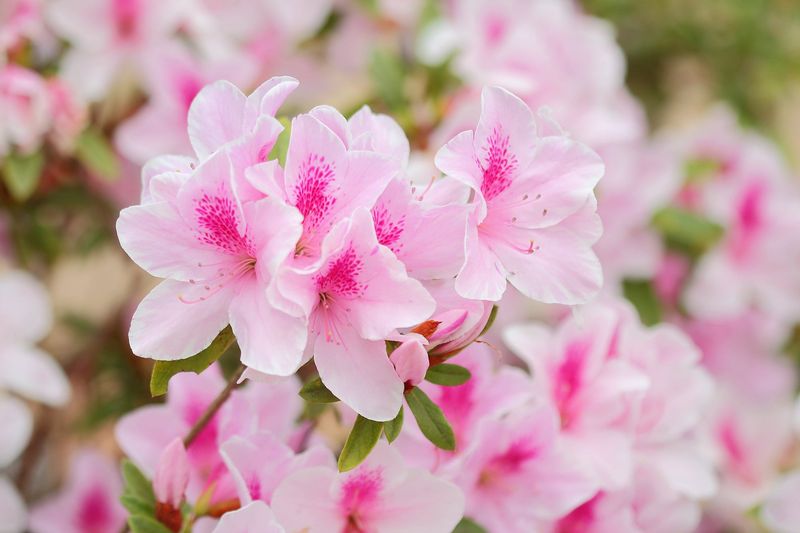
Azaleas transform Pennsylvania landscapes each May with explosions of pink, white, red, and purple blooms.
These popular shrubs grow throughout the state, from Philadelphia suburbs to Allegheny County hillsides. Every part of an azalea plant contains grayanotoxins that make cats very sick.
Unlike bulb flowers that cause mainly stomach problems, azaleas affect the whole body. Cats who eat azalea leaves or flowers may experience drooling and vomiting at first.
Then more serious symptoms develop, including weakness, low blood pressure, and heart rhythm changes. Small amounts can cause big problems.
Pennsylvania garden centers sell azaleas extensively because they thrive in the state’s climate.
These shrubs prefer acidic soil, which Pennsylvania naturally provides in many areas. Their popularity means cats encounter them frequently in neighborhoods statewide.
Outdoor cats in Pennsylvania might brush against azalea bushes or rest underneath them without issues. Problems start when cats chew or eat the plant parts.
Even licking nectar from fallen flowers can cause mild symptoms. Keep watch during peak bloom when flowers litter the ground.
Azalea poisoning requires veterinary care more often than exposure to spring bulb flowers. The effects on the heart and blood pressure need monitoring.
Pennsylvania veterinarians treat azalea cases regularly during spring months. Quick treatment leads to better outcomes.
Consider planting azaleas in fenced areas away from cat access. Choose other flowering shrubs for spaces where cats roam freely.
Pennsylvania offers many beautiful alternatives that won’t endanger your pet. Rhododendrons, close relatives of azaleas, contain the same dangerous compounds and should also be avoided.
Creating a cat-safe garden takes planning but protects your furry family members while maintaining beautiful Pennsylvania landscaping.