9 Common Spring Flowers That Are Toxic For Cats In Georgia

Spring in Georgia makes it almost impossible to walk past bright flowers without bringing at least one home. Garden centers are packed, yards are bursting with color, and everything feels fresh and full of life.
You might set a new plant by the door or place a cheerful bouquet on the table, never thinking twice about it.
Most cat owners do not realize that some of the most common spring flowers in Georgia can seriously harm a cat. A single bite can turn a calm afternoon into an emergency vet visit.
What looks soft and harmless can lead to vomiting, drooling, or even life threatening damage within hours.
Before filling your home or yard with spring color, it helps to know which blooms are not safe for cats.
1. Easter Lily Is One Of The Most Dangerous Spring Plants For Cats
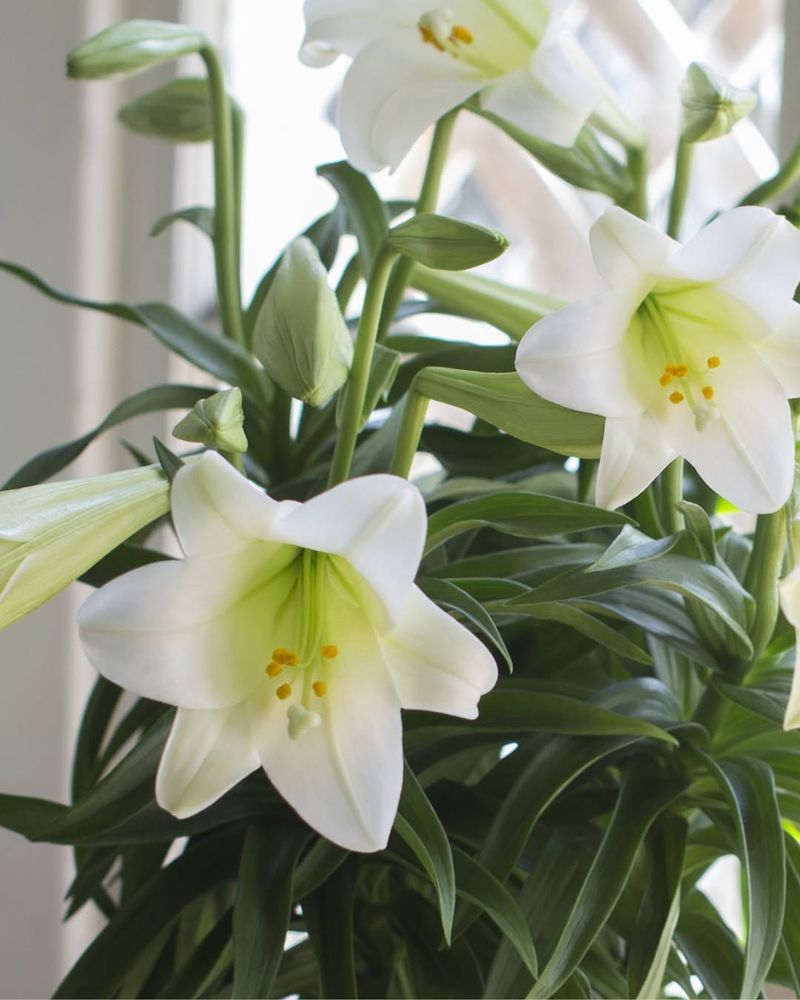
Easter lilies appear in stores and churches throughout Georgia every spring, their pure white trumpets symbolizing renewal and hope. Cat owners often bring these elegant flowers home without realizing they rank among the most hazardous plants for felines.
Every part of the Easter lily contains compounds that target kidney function, from the petals and leaves to the pollen and even the water in the vase.
Exposure happens faster than most people expect. A cat might brush against the flower and get pollen on its fur, then ingest the toxin during normal grooming.
Some curious cats nibble the leaves or petals directly. Within hours, affected cats show signs of poisoning including excessive drooling, loss of appetite, and lethargy.
The kidney damage progresses quickly without veterinary intervention. Cats may stop producing urine or show signs of severe dehydration.
Georgia veterinarians see cases every Easter season where pet owners waited too long to seek help. Early treatment makes a significant difference in outcomes.
Keep Easter lilies completely out of homes with cats. Choose safer alternatives like orchids or African violets for spring decorating.
If you receive an Easter lily as a gift, place it outside where your cat cannot access it or give it to a friend without cats.
2. Daylilies May Look Gentle But Carry Serious Health Risks
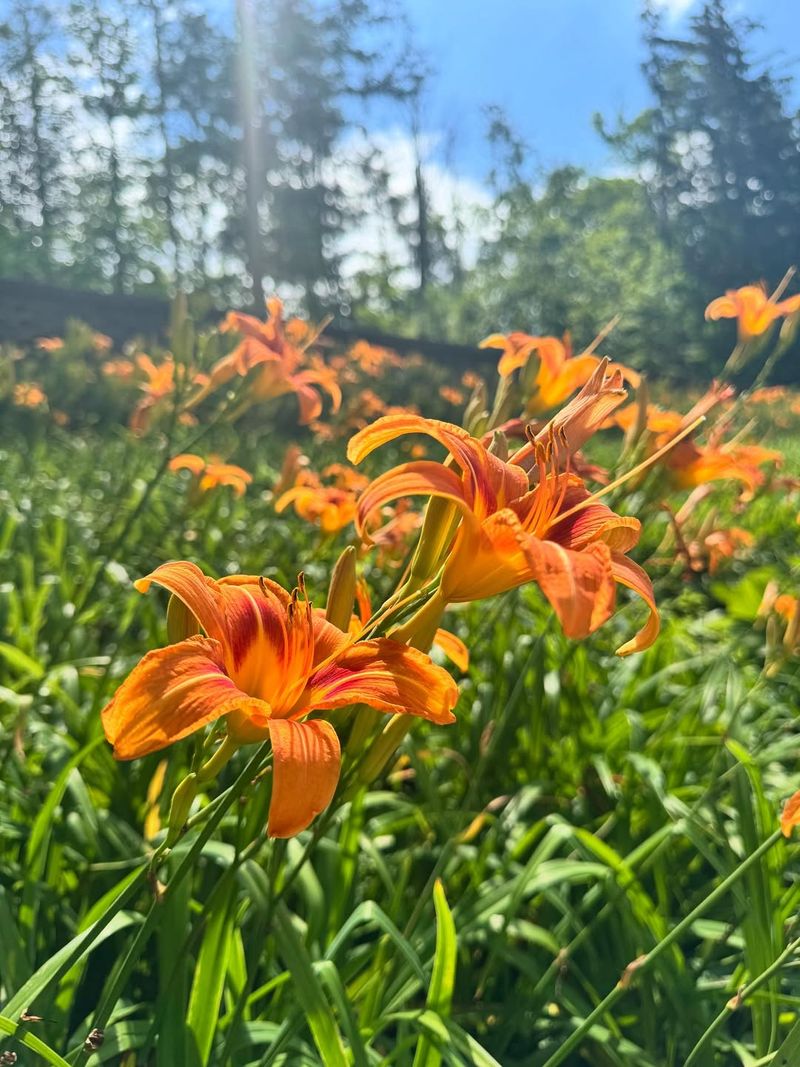
Daylilies grow wild along Georgia roadsides and thrive in countless home gardens from Atlanta to Augusta. These cheerful flowers bloom reliably each spring and summer, making them a landscaping favorite throughout the state.
Many varieties flourish in Georgia’s climate, producing vibrant orange, yellow, and red blossoms that last just one day before new buds open.
Despite their innocent appearance, daylilies contain the same kidney toxins found in Easter lilies. Outdoor cats who roam gardens face particular danger since daylilies grow so abundantly in Georgia neighborhoods.
Even a small taste of any plant part triggers the poisoning process. Indoor cats might encounter daylilies when owners bring cut flowers inside for arrangements.
Symptoms develop within twelve hours of exposure. Affected cats become unusually quiet and refuse their favorite foods.
Vomiting often starts early in the poisoning timeline. Pet owners sometimes mistake these signs for a simple stomach upset, delaying the critical veterinary care their cat needs.
Georgia gardeners with cats should replace daylilies with non-toxic alternatives like snapdragons or petunias. Check your property for volunteer daylilies that might have spread from previous plantings.
Neighborhood cats often visit multiple yards, so removing daylilies protects not just your own pets but visiting felines too.
3. Tulip Bulbs Hide The Real Trouble Underground
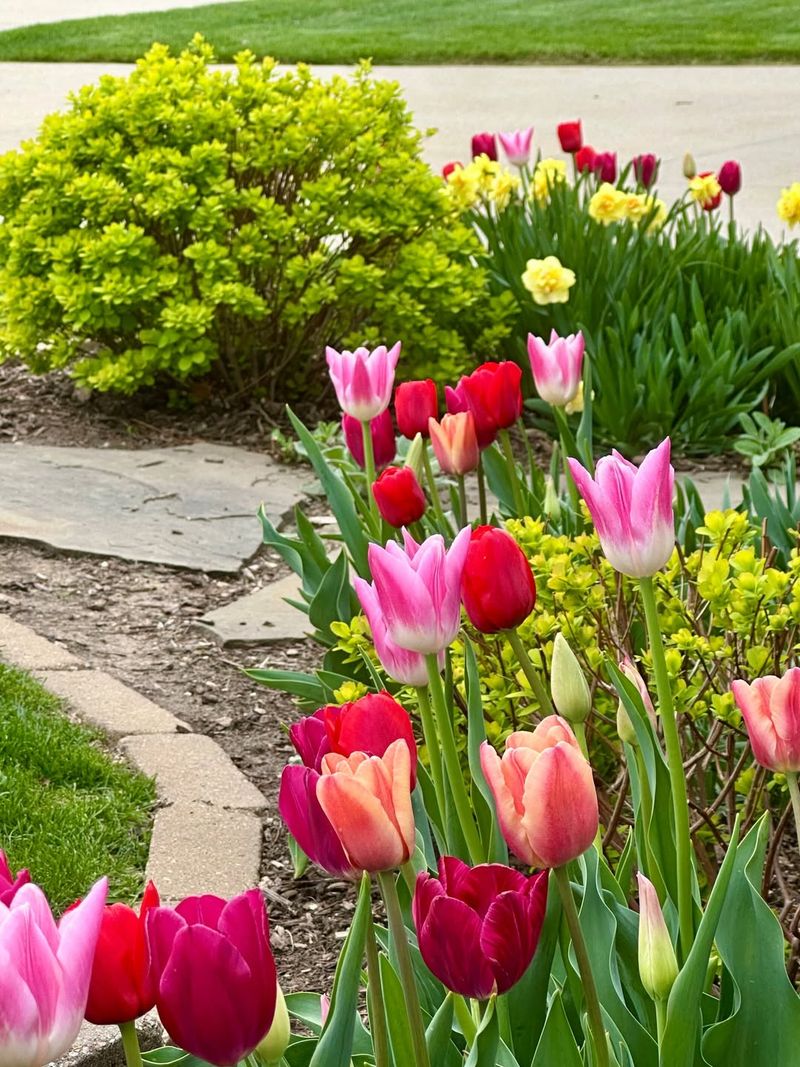
Tulips bring spring color to Georgia gardens despite the state’s warmer climate making them trickier to grow than in northern regions. Gardeners plant bulbs in late fall, hoping for bright blooms when March and April arrive.
The flowers themselves contain mild toxins, but the bulbs underground hold concentrated amounts of harmful compounds called tulipalin A and tulipalin B.
Cats rarely eat tulip flowers, but curious felines sometimes dig up freshly planted bulbs. Dogs dig more often than cats, yet cats who explore loosened soil might encounter exposed bulbs after storms or yard work.
The bulbs look somewhat like onions, another toxic plant, and contain similar irritating substances that affect the mouth and digestive system.
Poisoning from tulip bulbs causes immediate mouth pain and excessive drooling. Cats paw at their faces and refuse to eat due to oral irritation.
Stomach upset follows quickly, with vomiting and diarrhea developing within a few hours. The heart rate may increase in severe cases, though this happens less commonly than digestive symptoms.
Plant tulip bulbs deep enough that digging cats cannot reach them easily. Cover new plantings with chicken wire until the ground settles.
Georgia’s red clay soil can be hard for cats to dig through, offering some natural protection, but sandy areas near the coast require extra precautions.
4. Daffodils Bring Bright Blooms And Major Stomach Upset
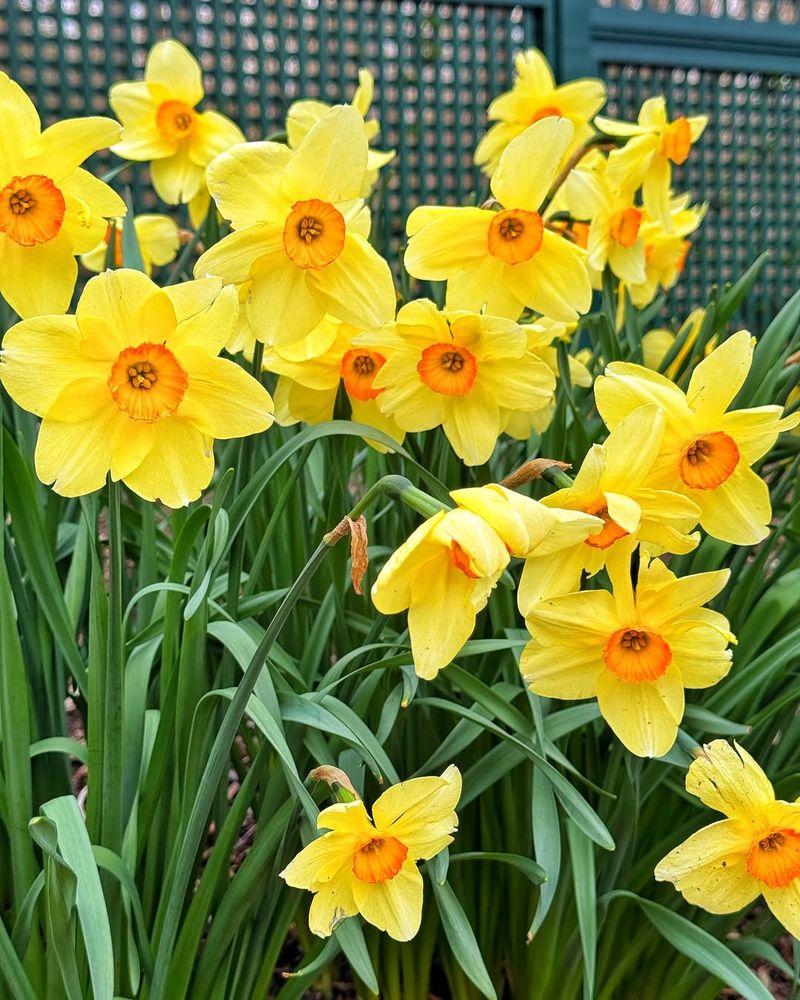
Daffodils naturalize beautifully across Georgia, returning year after year with minimal care. These cheerful yellow flowers often bloom as early as February in southern parts of the state, signaling winter’s end.
Gardeners love how deer avoid daffodils, not realizing the same compounds that repel wildlife also poison cats. The bulbs, stems, leaves, and flowers all contain toxic alkaloids, with the highest concentrations found in the bulbs.
Cats who chew daffodil leaves or flowers experience rapid onset of symptoms. Drooling starts first as the mouth and throat become irritated.
Nausea follows quickly, leading to repeated vomiting that can cause dehydration. Some cats develop diarrhea as the toxins move through their digestive system.
Breathing may become labored if a cat ingests a large amount.
Georgia’s mild winters mean daffodils stay green longer than in colder states, extending the period when cats might encounter them. Cut daffodils brought indoors for spring arrangements pose risks too.
The water in a vase containing daffodils becomes contaminated with toxins, and cats who drink from flower vases can get poisoned even without touching the plants directly.
Position daffodil plantings away from areas where cats spend time outdoors. Keep cut daffodils in rooms cats cannot access.
Never mix daffodils with other flowers in arrangements since the toxic sap can harm even non-toxic blooms sharing the same water.
5. Hyacinths Can Quickly Trigger Drooling And Vomiting
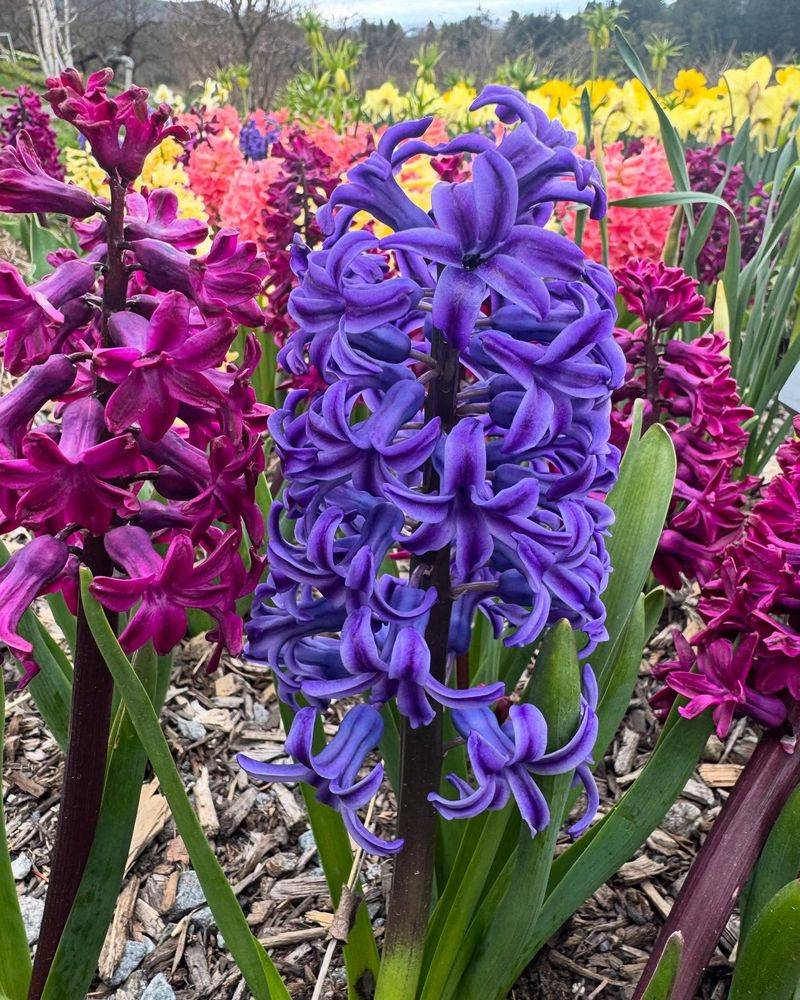
Hyacinths fill Georgia gardens with intense fragrance each spring, their dense flower clusters appearing in shades of purple, pink, white, and blue.
Garden centers across the state sell potted hyacinths starting in late winter, tempting shoppers with their sweet scent and vibrant colors.
Like tulips and daffodils, hyacinths store the highest toxin levels in their bulbs, though all plant parts contain harmful compounds.
The same substances that create hyacinths’ powerful fragrance can irritate a cat’s sensitive system. Cats who bite into any part of a hyacinth plant experience immediate mouth discomfort.
Excessive saliva production starts within minutes as the body tries to flush out the irritating chemicals. Most cats stop eating the plant quickly due to the unpleasant taste, but even small amounts cause problems.
Vomiting typically begins within an hour or two of exposure. Cats may vomit multiple times, bringing up food, water, and plant material.
Diarrhea sometimes accompanies the vomiting, leading to fluid loss. Young cats and kittens face higher risks because their smaller body size means toxins have more concentrated effects.
Georgia gardeners should plant hyacinths in areas cats cannot reach or choose safer spring bulbs like grape hyacinths, which cause less severe reactions. Indoor hyacinth pots need placement on high shelves or in rooms where cats never go.
The strong scent often attracts curious cats, making careful positioning essential for household safety.
6. Azaleas Are A Georgia Staple With A Toxic Side
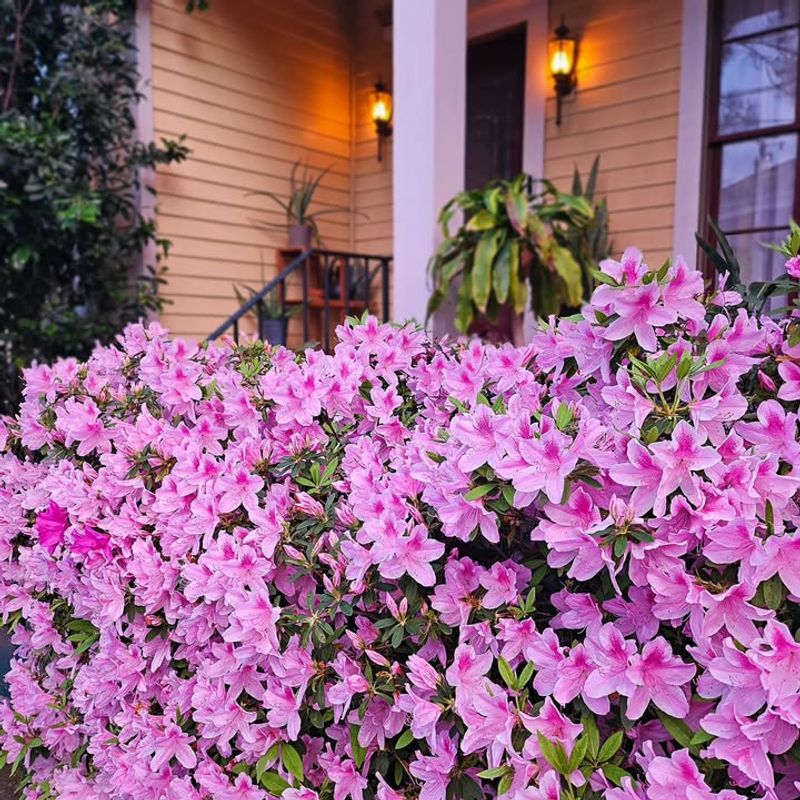
Azaleas define spring in Georgia, with massive bushes blooming in nearly every color imaginable throughout neighborhoods statewide.
These iconic Southern shrubs grow so abundantly that many people forget they belong to the rhododendron family, a group known for containing grayanotoxins.
From the mountains around Dahlonega to the historic gardens of Savannah, azaleas create stunning displays that also present risks to curious cats.
Grayanotoxins affect the cardiovascular and nervous systems when ingested. Cats who nibble azalea leaves or flowers may first show digestive upset with vomiting and diarrhea.
As the toxins enter the bloodstream, more serious symptoms develop including weakness, low blood pressure, and abnormal heart rhythms. Cats may appear confused or uncoordinated, stumbling when they try to walk.
Georgia’s long growing season means azaleas stay green year-round in most of the state, not just during spring bloom time. This extended exposure period increases the chances that indoor-outdoor cats might sample the plants.
Even dried leaves that fall from azalea bushes retain their toxic properties, so cats can get poisoned during any season.
Creating cat-safe zones in Georgia yards requires either removing azaleas or fencing them away from areas where cats roam. Consider replacing azaleas with non-toxic shrubs like camellias, which offer similar evergreen foliage and beautiful blooms without the danger.
Talk to neighbors about the risks if your cat visits other yards where azaleas grow.
7. Spring Crocus Often Causes Unexpected Digestive Distress
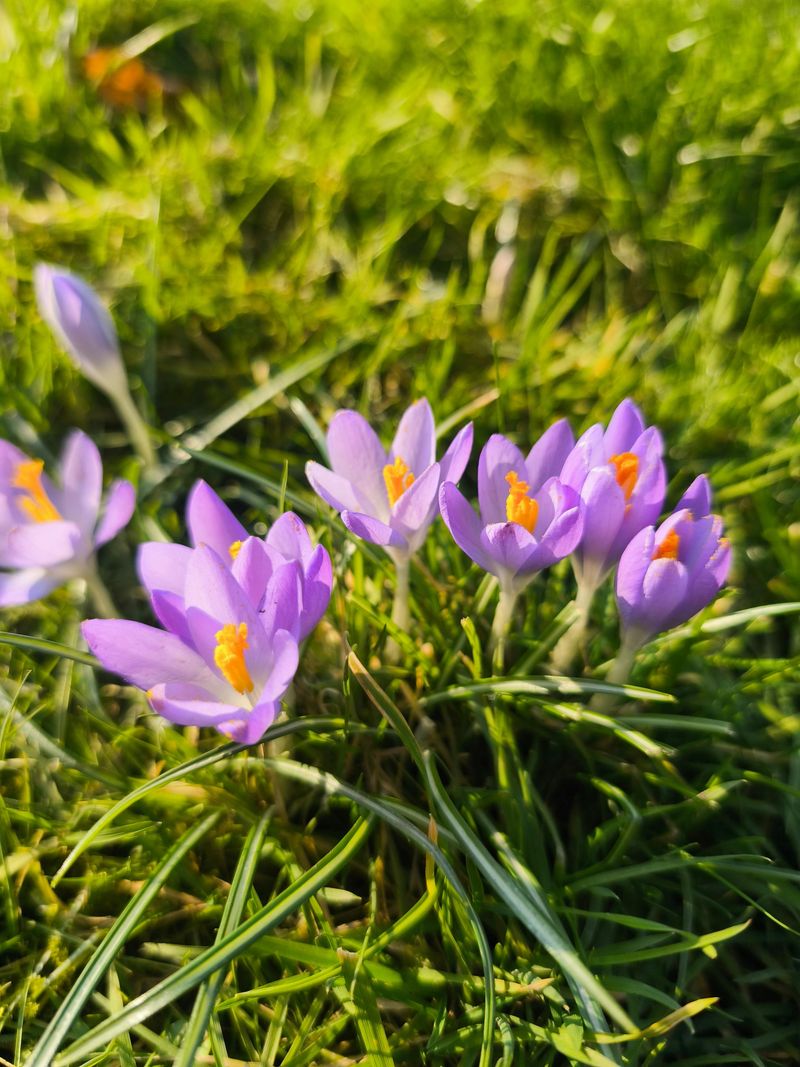
Spring crocus blooms appear in Georgia lawns and gardens as early as late February, their cheerful purple, white, and yellow cups pushing through winter-weary grass. These small flowers naturalize easily, spreading into larger clumps each year.
Gardeners appreciate how spring crocus tolerates Georgia’s variable spring weather, blooming even after late cold snaps.
The bulbs contain compounds that irritate the digestive tract, though spring crocus causes milder reactions than its more dangerous cousin, autumn crocus.
Cats who eat spring crocus typically develop stomach upset within a few hours. Vomiting comes first, often followed by diarrhea as the toxins move through the intestinal system.
Affected cats may drool excessively and show decreased appetite for a day or two. Most cats recover with supportive care, but the experience causes uncomfortable hours for both pet and owner.
The small size of spring crocus makes them easy for cats to encounter accidentally while exploring yards. Cats walking through crocus patches might get pollen on their paws and ingest it during grooming.
Indoor cats rarely encounter spring crocus unless owners bring cut flowers inside or force bulbs in pots for early indoor blooms.
Plant spring crocus in areas of your Georgia yard where cats do not typically walk or rest. The flowers grow close to the ground, making them particularly accessible to curious felines.
Monitor cats who go outdoors during late winter and early spring when crocus first emerge.
8. Autumn Crocus Is Far More Harmful Than It Appears
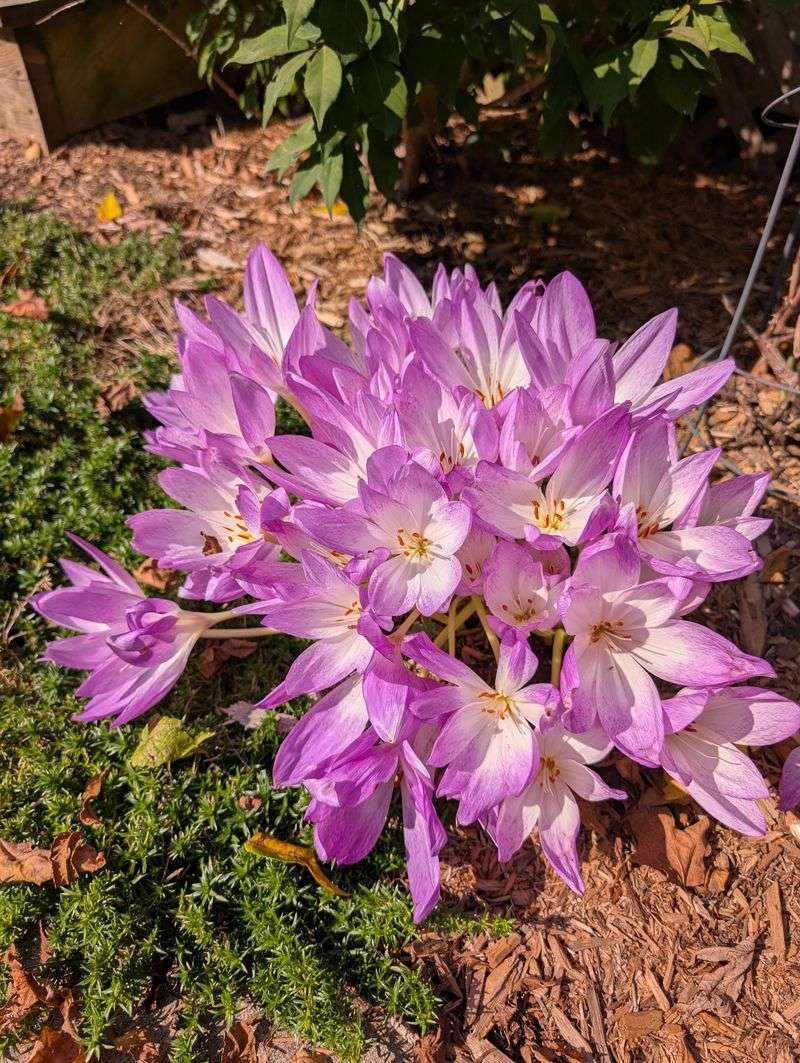
Autumn crocus blooms later than spring crocus despite its similar name, but some Georgia gardeners plant it for spring color too. This plant contains colchicine, an extremely potent compound used in human medicine that becomes dangerous in even tiny amounts.
Unlike spring crocus, autumn crocus poses life-threatening risks to cats who ingest any part of the plant. The toxin affects rapidly dividing cells throughout the body, targeting the digestive system, bone marrow, and other organs.
Symptoms from autumn crocus poisoning may not appear for several hours or even a full day after exposure. This delay makes diagnosis challenging since owners might not connect their cat’s illness to a plant encounter that happened much earlier.
Initial signs include severe vomiting, bloody diarrhea, and abdominal pain. Cats become weak and dehydrated quickly as fluid loss continues.
As hours pass, more serious complications develop including breathing difficulties, organ damage, and blood cell problems. The delayed onset of symptoms means cats often need intensive veterinary care by the time owners realize something is wrong.
Georgia veterinarians emphasize that autumn crocus exposure requires immediate treatment even before symptoms appear.
Never plant autumn crocus in yards where cats live or visit. The risk far outweighs any ornamental value these flowers provide.
If autumn crocus already grows on your property, remove it completely including all bulbs. Wear gloves during removal since the toxins can absorb through human skin too.
Choose truly safe alternatives for fall and spring color in Georgia gardens.
9. Amaryllis Is A Popular Spring Plant That Can Make Cats Very Sick
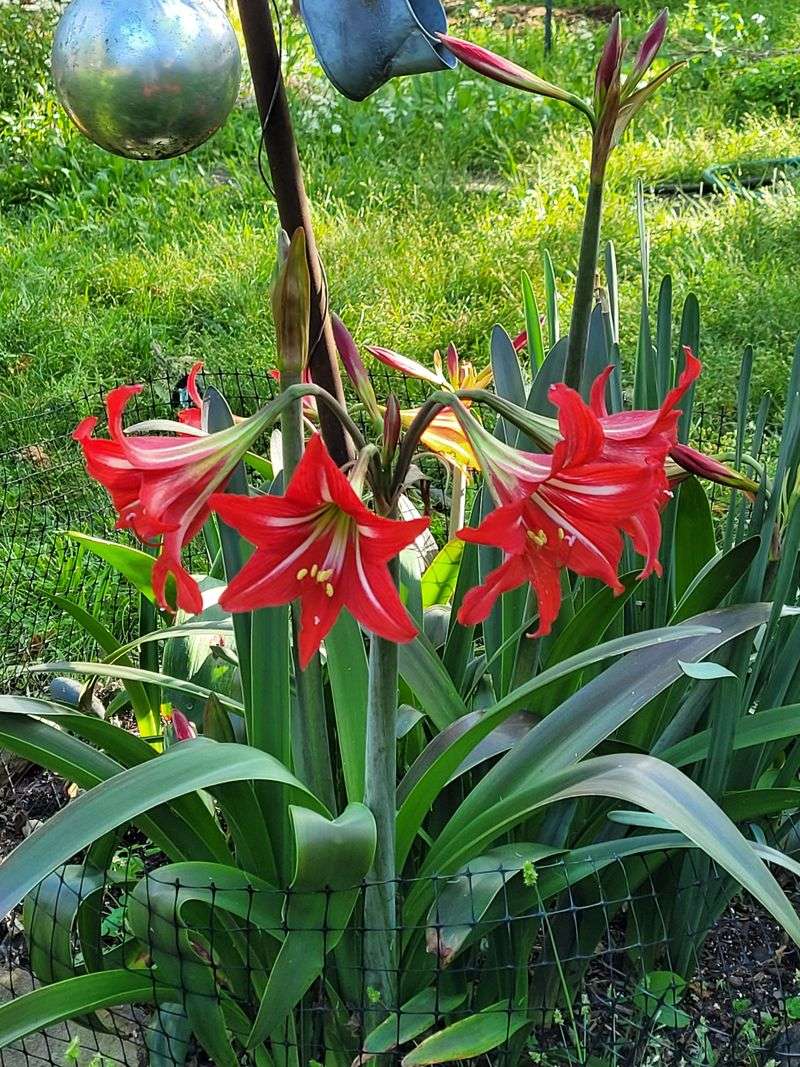
Amaryllis plants appear in Georgia stores during winter and early spring, sold as potted bulbs or already blooming in festive containers. These dramatic flowers produce huge trumpet-shaped blooms in red, white, pink, and striped varieties that last for weeks.
Many people receive amaryllis as gifts during spring holidays, displaying them as centerpieces or on window sills where cats can easily reach them. The bulbs contain the highest toxin concentrations, but stems, leaves, and flowers all pose risks.
Cats who chew amaryllis plants experience rapid onset of symptoms starting with excessive drooling and mouth pain. Vomiting usually begins within a few hours as the stomach rejects the toxic material.
Some cats develop diarrhea, while others show signs of abdominal discomfort including restlessness and sensitivity when touched around the belly. Breathing may become faster as the body responds to the toxins.
The large, dramatic flowers and tall stems make amaryllis particularly attractive to playful cats who enjoy batting at moving objects. Cats may knock over amaryllis pots during play, exposing the bulb and increasing poisoning risks.
Georgia’s warm indoor temperatures during spring help amaryllis thrive but also mean cats spend more time indoors near these plants.
Keep amaryllis completely away from homes with cats or place them in rooms that remain off-limits to pets. If you receive an amaryllis gift, consider regifting it to a cat-free household.
Choose pet-safe spring bloomers like African violets or orchids instead for indoor color that poses no risk to curious felines.