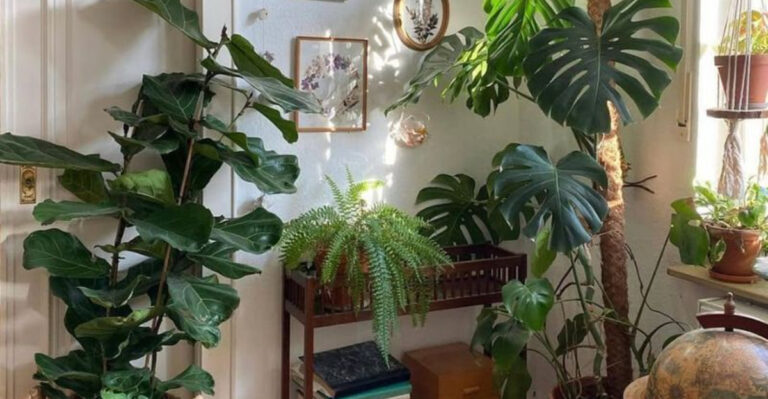
14 Common Things You May Be Fined For Leaving In A California Garden
California homeowners take pride in their outdoor spaces, but keeping a garden beautiful goes beyond planting flowers and trimming hedges.
The state — along with individual cities, counties, and homeowner associations — has rules about what can and cannot be left outdoors.
Violating these rules can lead to fines, cleanup charges, or code enforcement visits.
Although specific regulations vary widely by location, many everyday items can still cause issues.
Understanding the basics helps you avoid unnecessary fines while keeping your property looking its best.
1. Standing Water Containers That Breed Mosquitoes
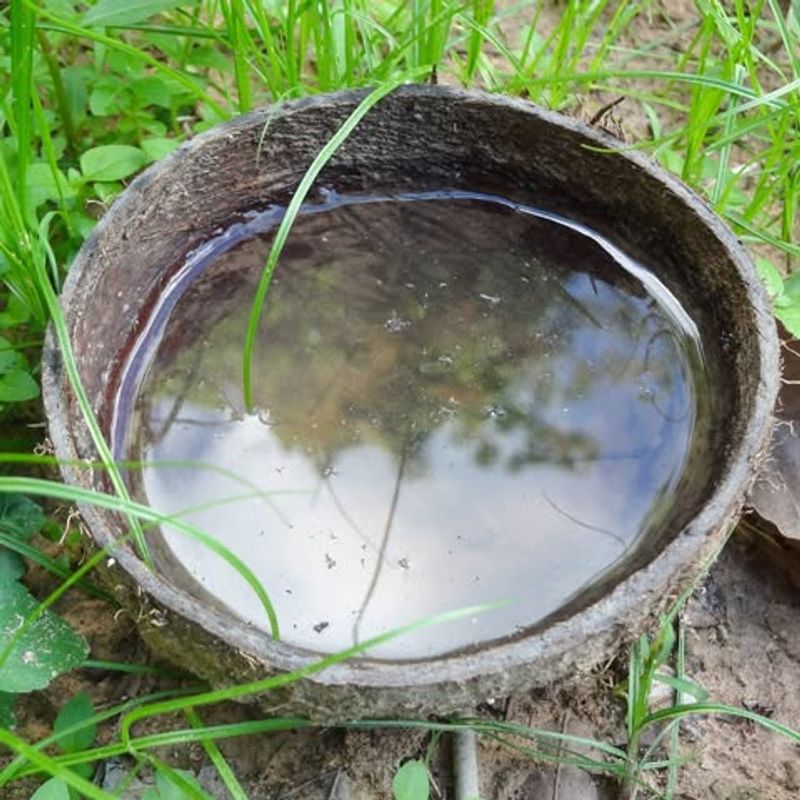
Mosquitoes reproduce incredibly fast in still water, making any container holding stagnant liquid a potential breeding ground.
California takes mosquito control seriously because these insects can spread diseases like West Nile virus.
Local vector control districts are authorized to issue notices and, if ignored, fines or service fees when standing water is found.
Old buckets, plant saucers, birdbaths, and discarded tires often collect rainwater and become mosquito nurseries within days.
The California Health and Safety Code empowers officials to inspect properties and address mosquito breeding conditions.
Many cities increase inspections during warmer months when mosquito populations rise.
Empty all containers weekly and drill drainage holes in plant saucers to prevent water buildup.
Change birdbath water frequently and store unused pots and buckets upside down so they cannot collect rainwater.
If you must keep water features, add mosquito dunks containing bacteria that target larvae without harming other wildlife.
Regular maintenance prevents mosquito problems and helps you comply with California public health expectations.
2. Construction Debris And Building Materials
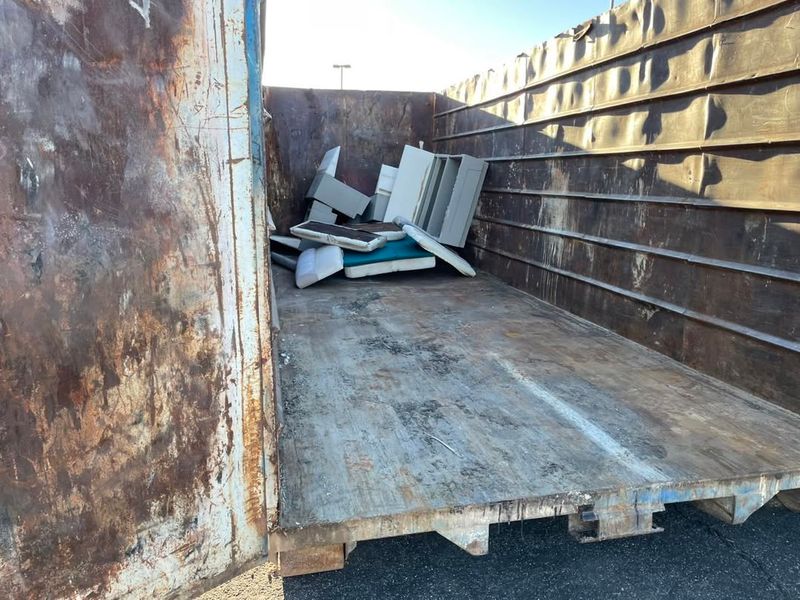
Leaving lumber, drywall, concrete chunks, or other building materials scattered across your California yard violates many municipal codes.
These items create eyesores that can lower neighborhood property values and attract rodents seeking shelter.
Most California cities require construction debris to be removed within a reasonable timeframe after work ends, though the exact limits vary.
Homeowners who ignore these requirements may face fines determined by their local code enforcement agency.
Code enforcement officers regularly patrol neighborhoods and respond to complaints about unsightly debris piles.
Even materials you intend to reuse often must be stored neatly or kept out of public view.
Renting a dumpster during renovation projects allows you to dispose of debris promptly instead of letting it accumulate.
If you need to keep materials temporarily, store them inside a garage or behind solid fencing where they are not visible.
Check your local municipal code for specific storage requirements and timelines because they differ from city to city.
Proper cleanup prevents fines while maintaining positive relationships with neighbors who value tidy surroundings.
3. Broken Or Inoperable Appliances
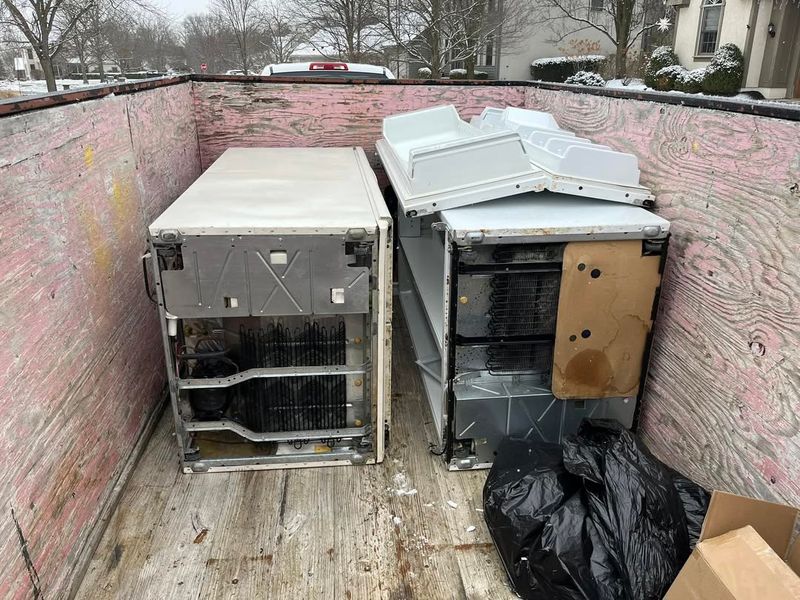
That old refrigerator, washing machine, or water heater sitting in your California backyard might seem temporary, but it can violate local ordinances.
Municipal codes throughout the state commonly prohibit storing non-functioning appliances in visible outdoor areas because they attract pests and create safety hazards.
Children can become trapped inside old refrigerators, and appliances may contain substances that can leak into the soil.
California cities take these violations seriously, though fine amounts differ depending on the jurisdiction.
Many communities allow only short-term outdoor placement of appliances when awaiting disposal or scheduled pickup.
Even appliances waiting for repair or removal often must be stored out of sight or inside structures.
Schedule immediate pickup with your waste management company, which usually offers large-item collection services.
Retailers frequently haul away old appliances when delivering new ones, making disposal convenient.
If you absolutely must keep an appliance temporarily, remove doors to prevent entrapment hazards and keep it fully covered.
Quick action prevents citations while keeping your garden safe and attractive.
4. Abandoned Vehicles And Auto Parts
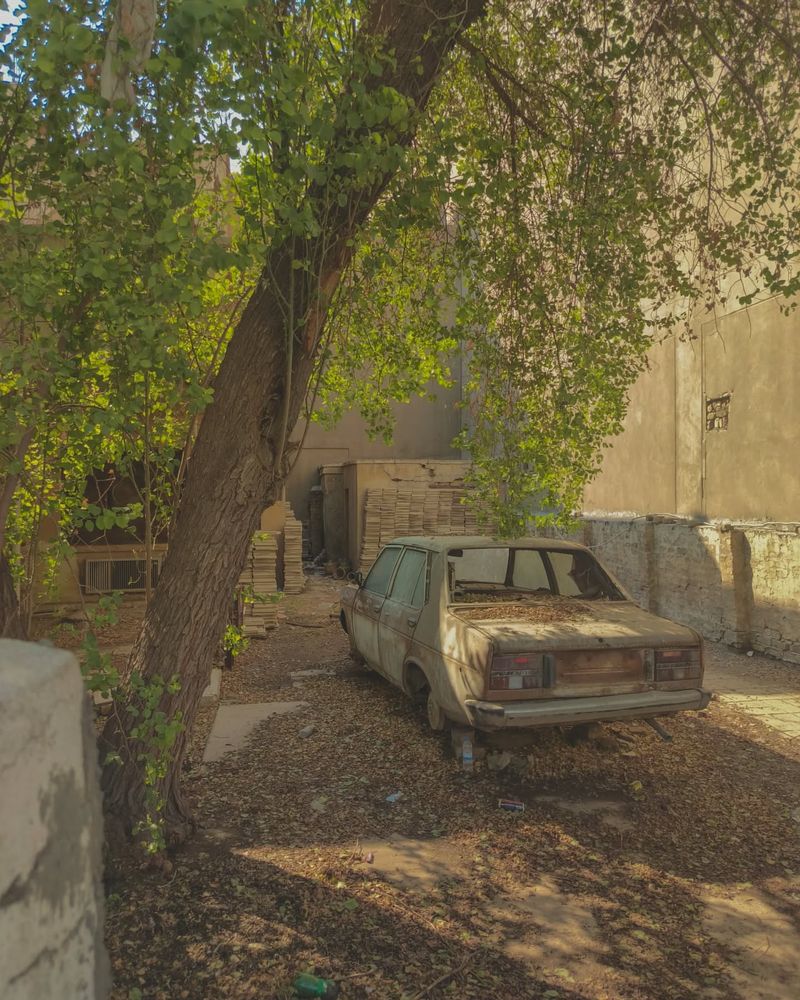
California vehicle codes and local ordinances regulate where you can store cars, especially those that are not operational or registered.
Leaving an inoperable vehicle in your yard or driveway for extended periods may violate local laws.
The same rules often apply to car parts like engines, transmissions, tires, and body panels scattered outdoors.
These items attract vermin, may leak fluids that contaminate soil, and decrease neighborhood property values.
Fines vary widely by city, and some jurisdictions add daily penalties for ongoing violations.
Some cities may tow abandoned vehicles at the owner’s expense, adding significant costs.
Even classic cars undergoing restoration generally must be stored inside garages or behind fencing in many California communities.
Check with your city about permits if you need extended time for legitimate vehicle work.
Donate non-running vehicles to charities that offer free towing or sell them to licensed dismantlers.
Keeping automotive clutter off your property helps maintain neighborhood standards.
5. Overgrown Weeds And Dry Vegetation
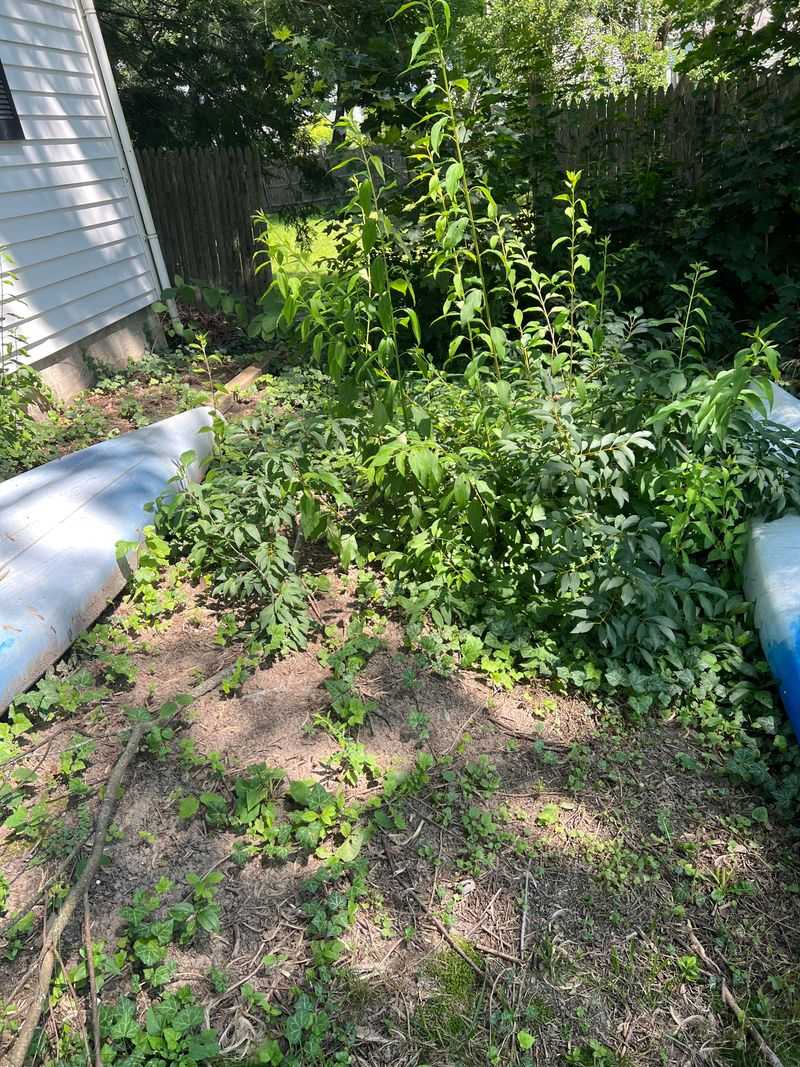
Fire safety regulations make weed control essential for California homeowners, especially during the long dry season.
Allowing weeds and dry vegetation to grow beyond acceptable heights can violate local fire prevention rules, though specific measurements vary.
California’s wildfire history has prompted many cities and fire departments to enforce vegetation standards strictly.
Fines can be substantial in high-risk areas, and some jurisdictions may charge for abatement work if the homeowner fails to act.
Some agencies send crews to clear overgrown properties and bill homeowners for the service.
State law requires property owners to maintain defensible space in designated fire zones by removing combustible vegetation near structures.
Regular mowing and trimming throughout spring helps prevent summer violations when vegetation dries out completely.
Pay extra attention to areas near fences, walls, and buildings where dry grass accumulates.
Many homeowners replace high-maintenance lawns with drought-tolerant plants to reduce fire risk and maintenance needs.
Staying ahead of weed growth protects your home and helps you remain compliant with local fire regulations.
6. Furniture Meant For Indoor Use
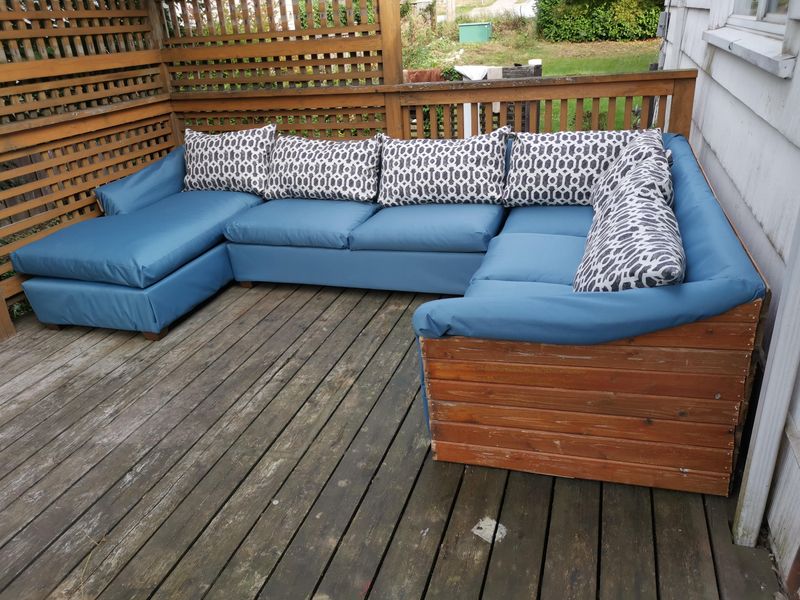
Using your garden as temporary storage for a worn-out couch or mattress waiting for trash pickup might seem harmless, but it violates many local codes.
Indoor furniture deteriorates quickly outdoors, creating mold, mildew, and pest problems that can spread to nearby properties.
Upholstered items absorb water during rainy periods and become heavy, smelly eyesores that neighbors often report.
Most cities restrict leaving indoor furniture outside except briefly before scheduled collection.
Code enforcement officers frequently respond to complaints about furniture violations in residential neighborhoods.
Even outdoor furniture becomes problematic when it falls into disrepair and may require proper disposal.
Scheduling bulky item pickup through your waste management service ensures prompt removal.
Donating usable furniture to charities that offer pickup services can help avoid violations.
If temporary storage is unavoidable, keep furniture inside a garage or fully concealed behind fencing.
Quick removal prevents fines while helping maintain neighborhood appearance standards.
7. Unpermitted Structures And Sheds

Building a garden shed or storage structure without proper permits can lead to costly consequences in California.
Permit requirements vary, but many cities use size thresholds or features such as electrical wiring to determine whether a structure needs approval.
Even smaller structures may require inspections or zoning compliance checks depending on local rules.
Code enforcement may discover unpermitted structures through complaints, aerial imagery, or routine inspections.
Fines for unpermitted construction differ by jurisdiction and can be significant if the structure must be modified or removed.
Homeowners may face complications during property sales because unpermitted structures generally must be disclosed.
Checking with your local building department before constructing anything helps prevent compliance issues.
Permits ensure structures meet safety standards and required setbacks from property lines.
Some cities offer programs allowing homeowners to permit existing structures retroactively at reduced cost.
Following proper procedures keeps your additions safe, legal, and valuable.
8. Trash Bins Left At Curb Too Long
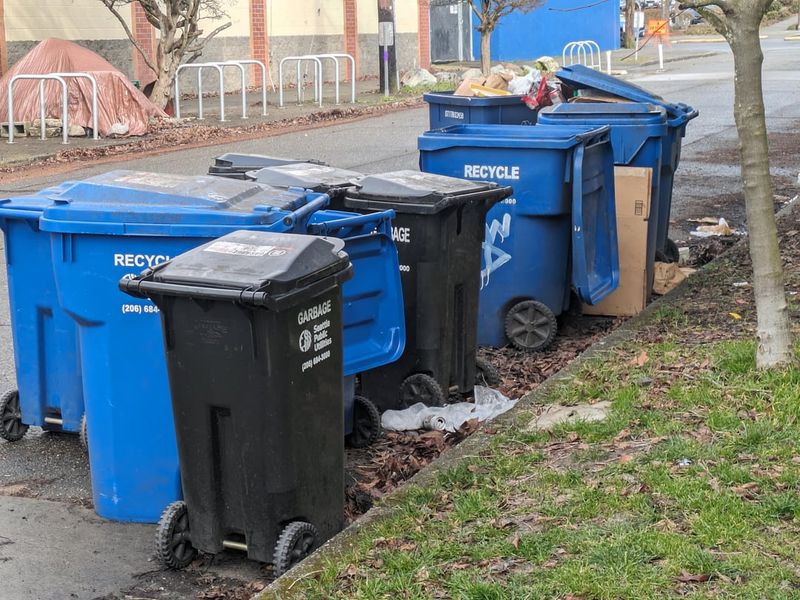
California cities have specific rules about when trash bins may be placed at the curb and when they must be removed.
Most municipalities allow bins out only close to collection time and require retrieval within a set number of hours afterward.
Leaving bins at the curb too long creates obstacles for pedestrians and can cause litter if wind knocks them over.
Fines vary by city and may increase for repeat violations.
Code enforcement officers often check for bins that remain out past allowed times, especially in densely populated areas.
Neighbors frequently report violations because bins can block views or create odor problems.
Setting reminders to retrieve bins helps build a consistent routine.
Storing bins in a garage, side yard, or behind fencing keeps them hidden from view.
Homeowner associations may impose additional rules with separate penalties.
Prompt bin management prevents citations and keeps your neighborhood looking tidy.
9. Swimming Pools Without Proper Fencing
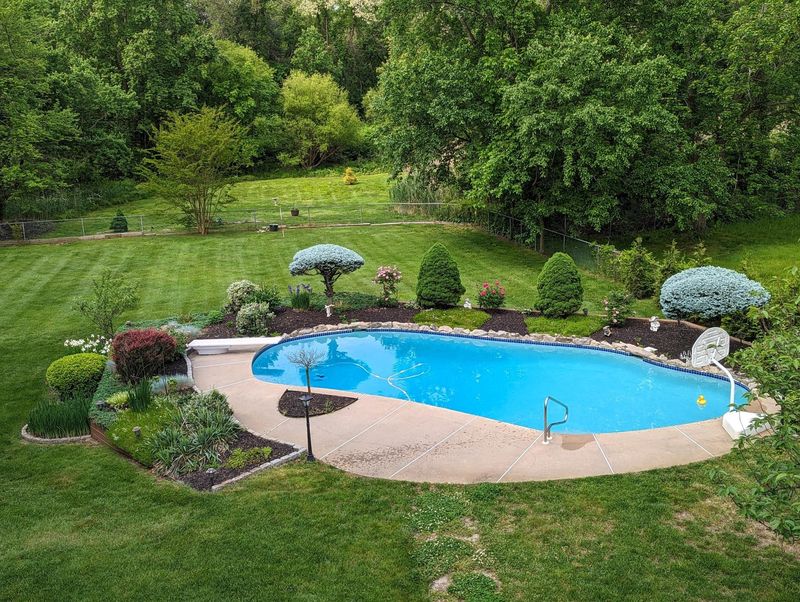
California law requires residential pools to have safety barriers, though the specific approved barrier types vary by jurisdiction.
Most cities require fencing at least five feet tall with self-closing and self-latching gates to prevent accidental drownings.
Some municipalities allow alternative safety features as permitted by the California Health and Safety Code, but fencing remains the most common requirement.
Homeowners who fail to maintain compliant barriers may face citations from code enforcement or building inspectors.
Fines and penalties differ by city, and violations can become more serious if an injury occurs on the property.
Even temporary above-ground pools may require proper barriers if they hold more than a certain depth of water.
Municipalities often inspect pool barriers during construction, resale inspections, or after complaints from neighbors.
Homeowners should regularly check gate latches, fence stability, and any potential gaps where children could enter.
Promptly repairing damaged sections helps ensure continued compliance with safety regulations.
Proper pool barriers help prevent tragedies while keeping you aligned with local California standards.
10. Outdoor Storage Of Hazardous Materials
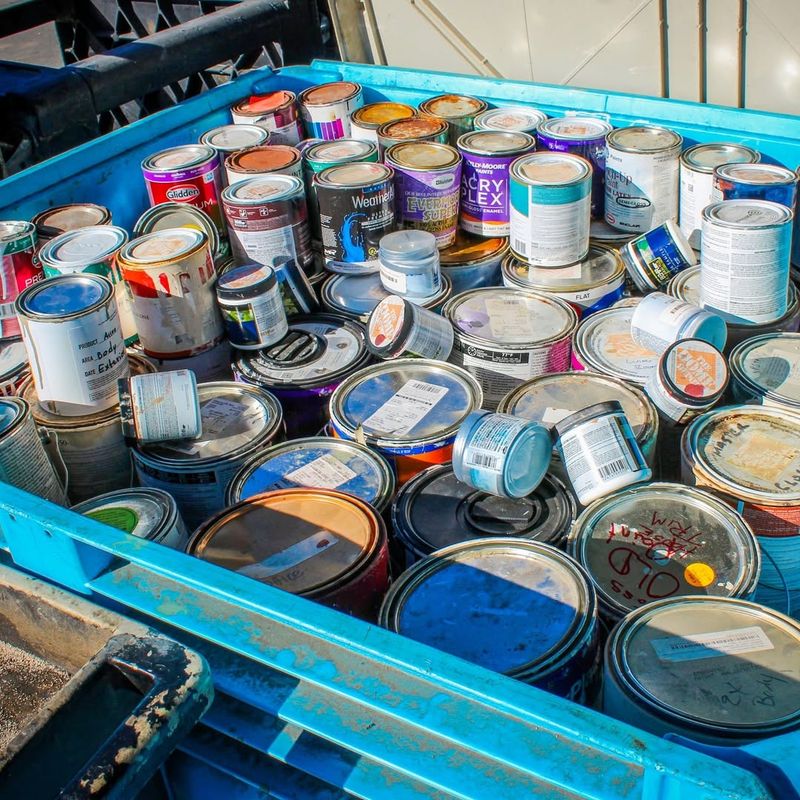
Storing gasoline, paint, pesticides, or other hazardous materials outdoors violates environmental and fire safety rules in many California jurisdictions.
These substances can leak into soil or groundwater and pose serious risks when exposed to heat.
California’s environmental regulations generally require hazardous materials to be kept in approved containers and stored indoors or in designated structures.
Fines for improper storage vary widely but can become substantial if the violation presents a safety threat.
Fire departments and environmental officials respond to complaints involving flammable or toxic substances kept outdoors.
Even small amounts of hazardous materials may become dangerous when stored improperly in hot or unshaded areas.
Keeping chemicals in locked garages or approved storage cabinets ensures compliance with safety standards.
Maintaining original labels on containers helps emergency responders identify hazards during emergencies.
Counties frequently offer household hazardous waste collection events to encourage proper disposal.
Responsible storage prevents environmental contamination and avoids potential legal consequences.
11. Unpermitted Signs And Advertising Displays
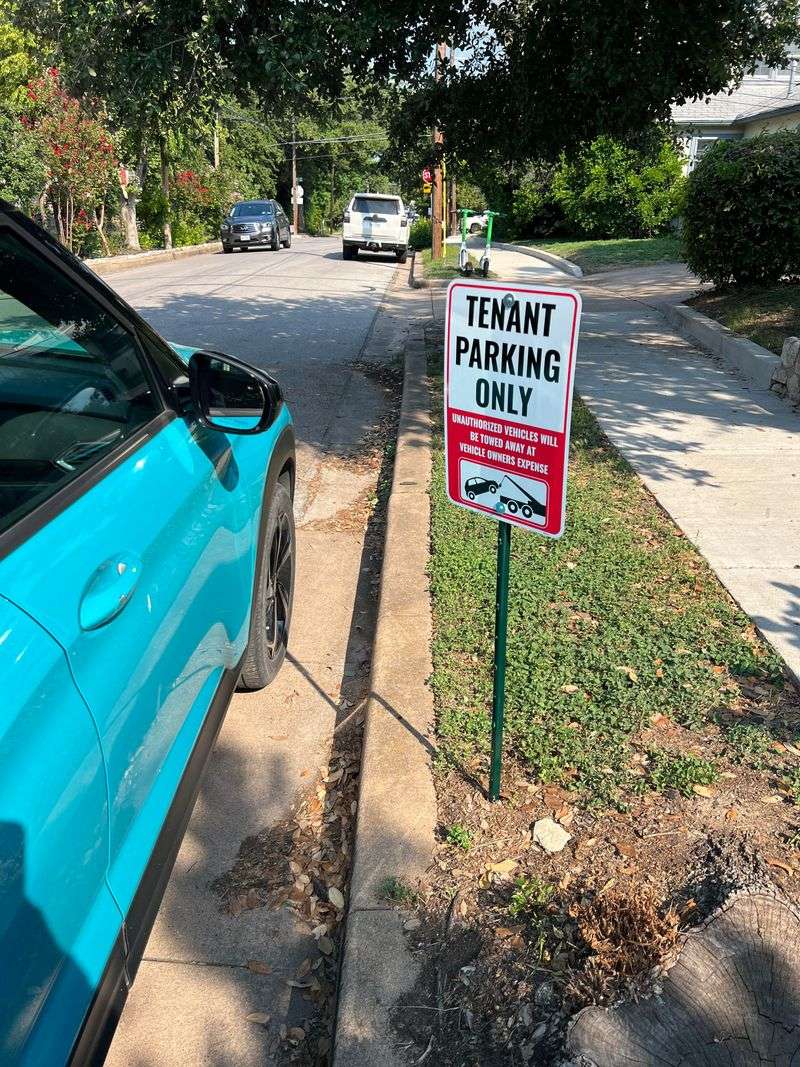
California municipalities regulate signs in residential areas, establishing limits for size, type, and placement.
Many cities allow small political signs during election seasons and real estate signs during active sales.
Commercial advertising is often prohibited in residential zones unless the homeowner receives specific approval.
Homeowners who post oversized or unapproved signs may receive notices or fines from local code enforcement.
Even temporary banners for events may be subject to size limits or duration rules depending on the city.
Homeowner associations often impose additional restrictions with separate enforcement procedures.
Political and ideological signs receive certain First Amendment protections, but cities may still regulate placement and dimensions.
Checking local municipal codes helps clarify which signs are allowed on residential property.
Removing garage sale or event signs promptly after use prevents potential violations.
Following signage rules maintains neighborhood appearance standards and reduces conflicts with neighbors.
12. Portable Toilets And Temporary Sanitation
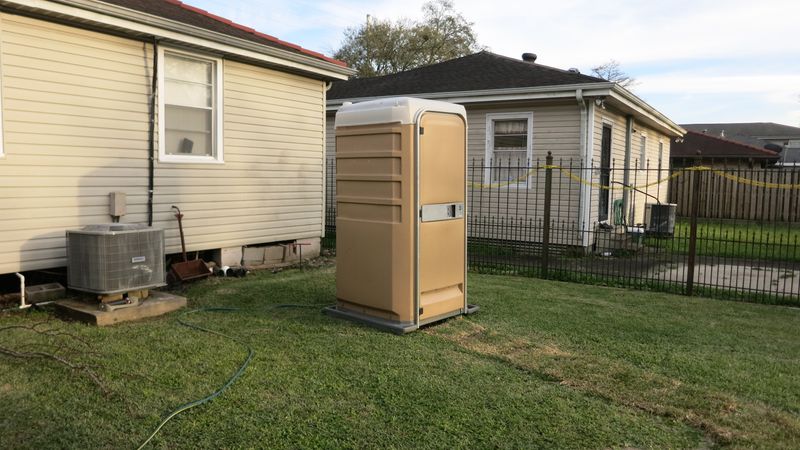
Portable toilets placed on properties during construction must typically be associated with an active permit.
Many California cities limit how long temporary sanitation facilities may remain on-site once work concludes.
Leaving a portable toilet in your yard without proper permits or beyond the approved timeframe can violate local health and zoning codes.
These units may create odor issues and attract pests when left too long in residential areas.
Fines depend on the city and may increase if violations continue after warnings are issued.
Code enforcement responds quickly to complaints because sanitation issues affect public health and neighborhood quality.
Permitted units usually must meet specific setback requirements from property lines and nearby homes.
Scheduling removal immediately after project completion prevents accidental violations.
If a project experiences delays, homeowners may need to renew permits to keep the unit legally.
Proper management of temporary sanitation facilities demonstrates respect for neighbors and local regulations.
13. Abandoned Recreational Equipment And Toys
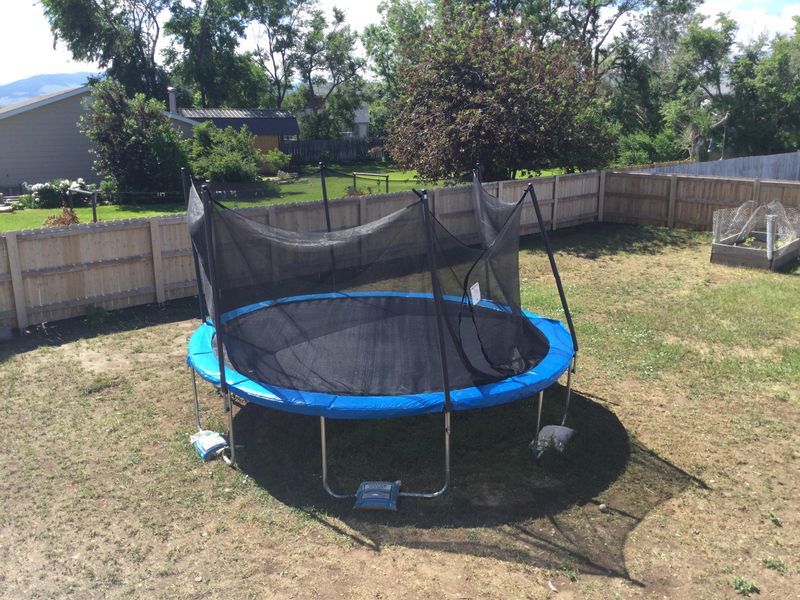
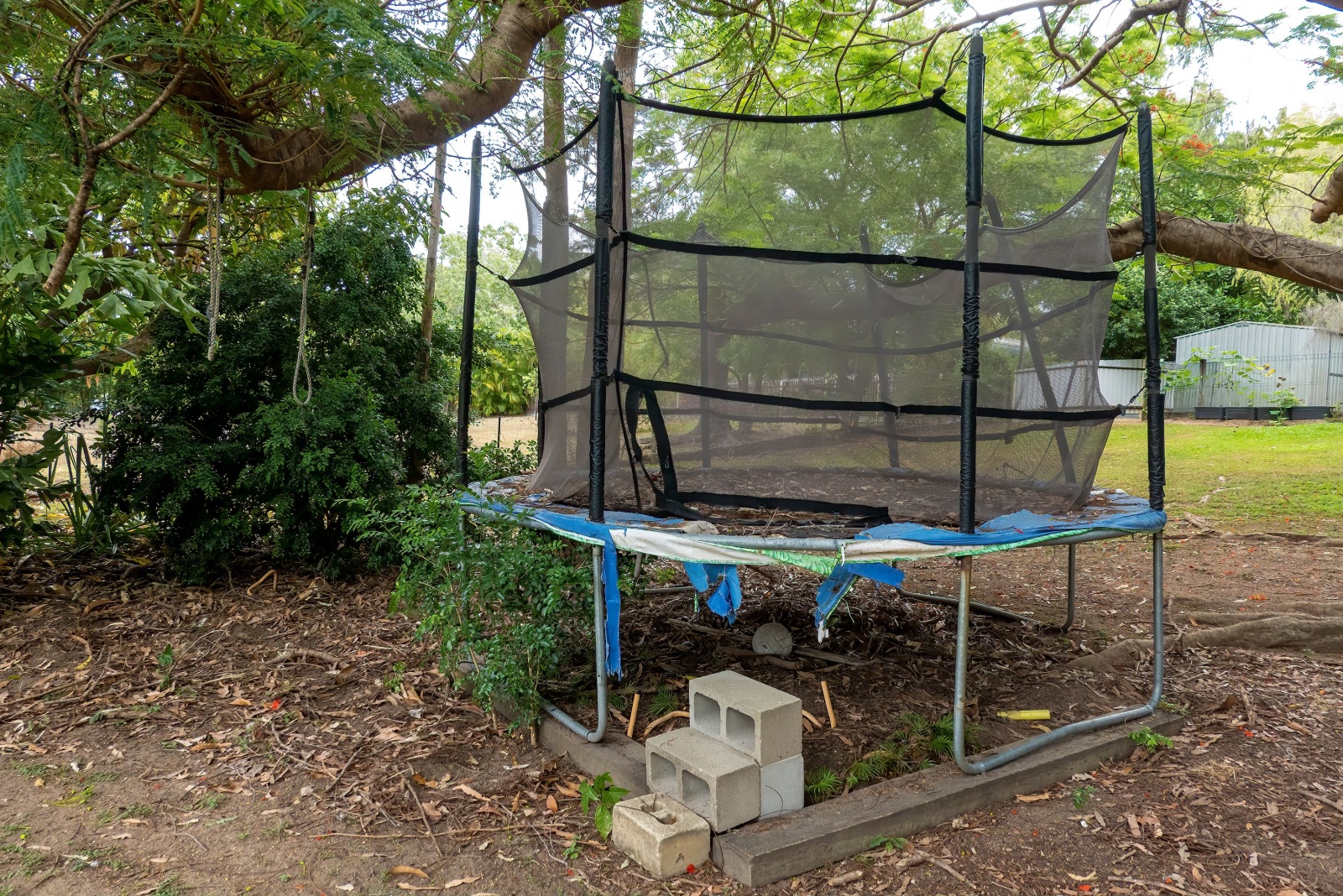
Broken trampolines, rusted swing sets, or deflated pools left in your garden can violate local nuisance or safety ordinances.
Damaged recreational equipment creates hazards that increase the likelihood of injuries on your property.
Many cities classify abandoned or deteriorated recreational items as debris requiring removal within a reasonable timeframe.
Code enforcement may consider equipment abandoned when it shows clear neglect such as torn materials or collapsed frames.
Fines vary across municipalities but may increase if the homeowner ignores initial notices.
Even functional equipment can become a violation when stored improperly or kept in front yards where it remains in public view.
Repairing or removing broken items quickly prevents deteriorating conditions from worsening.
Donating functional equipment extends its useful life and keeps it out of landfills.
Disassembling and disposing of items beyond repair helps maintain neighborhood appearance standards.
Storing seasonal equipment indoors during off-seasons reduces weather damage and extends longevity.
14. Illegally Dumped Waste And Refuse
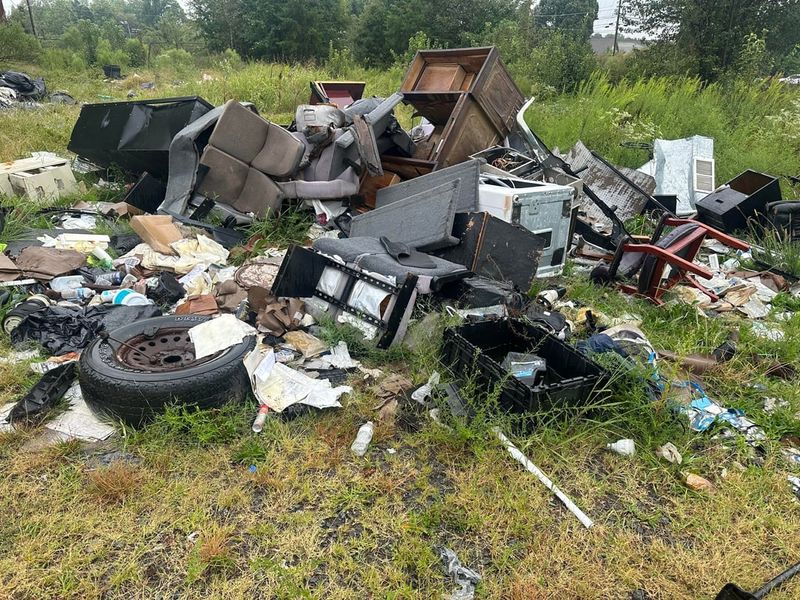
California takes illegal dumping seriously, and homeowners are expected to remove any dumped waste found on their property promptly.
Even when someone else dumps material without permission, the property owner may still be responsible for cleanup.
Piles of trash, construction waste, or household refuse attract pests and pose health risks.
Fines for illegal dumping violations vary by city and may increase for large or hazardous accumulations.
Some jurisdictions will clean the property and bill the homeowner if the waste is not removed after notice.
Repeat offenders may face escalating penalties or legal action.
Installing lighting or cameras can discourage people from discarding waste on your property.
Reporting illegal dumping to local authorities helps track repeat offenders and prevent future incidents.
Removing waste quickly prevents further problems and avoids potential code violations.
Maintaining a clean and orderly garden helps deter trespassers and preserves neighborhood standards.