Common Winter Exterior Mistakes In Michigan That Can Lead To Expensive Repairs And How To Avoid Them
A Michigan winter often feels like both a challenge and a companion.
Snow settles across the yard in quiet waves, the air grows sharp enough to sting, and the entire neighborhood slips into a slower rhythm.
During those months, a home becomes more than simple shelter.
It stands as a buffer against cold fronts that sweep in without warning and storms that press against every surface.
Homeowners across the state rely on their roofs, siding, gutters, and walkways to hold strong, yet small mistakes in this season often create trouble that remains hidden until spring.
A loose gutter bracket, a clogged downspout, or a thin draft near a window frame may seem harmless during the first snowfall, but each flaw gains strength as winter deepens.
Many Michigan residents share stories of costly repairs that trace back to a single overlooked detail in January.
A mindful approach during winter protects more than a structure; it preserves peace of mind when temperatures drop and daylight shortens.
1. Neglecting Gutter Cleaning Before Winter Hits
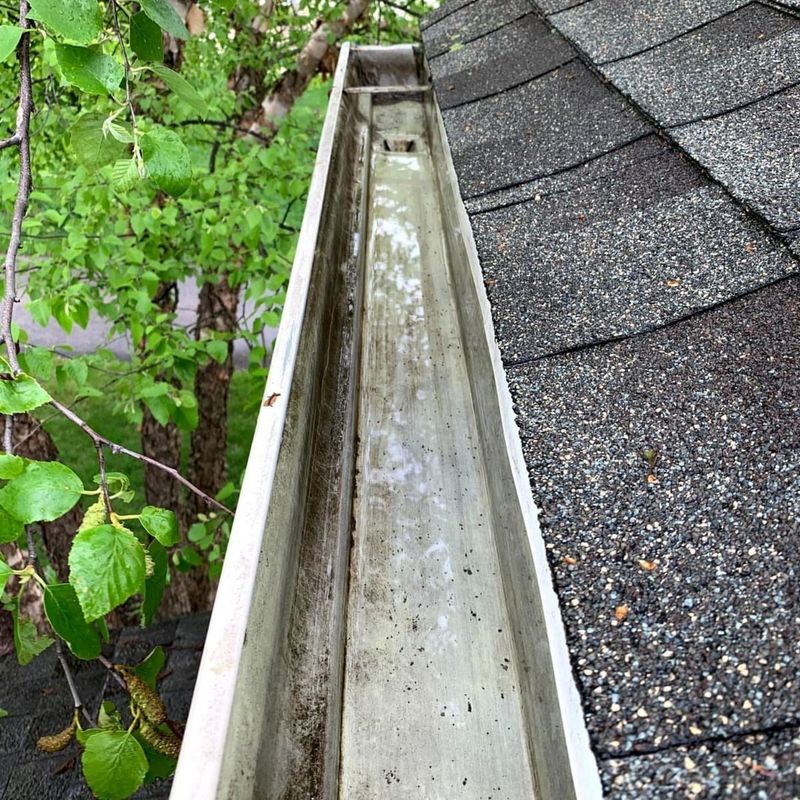
Leaves, twigs, and debris pile up in gutters throughout fall, creating blockages that spell trouble when winter arrives.
When snow melts or rain falls, water has nowhere to go except over the sides or back toward your roof.
This overflow can seep under shingles, causing rot in the roof deck and fascia boards.
Ice dams form more easily when gutters are clogged, trapping water on your roof that eventually leaks inside.
Michigan homeowners often discover water stains on ceilings or walls after ignoring this simple maintenance task.
Cleaning gutters before the first snowfall takes just a few hours but prevents thousands of dollars in water damage repairs.
Use a sturdy ladder and gloves to remove debris, then flush the downspouts with a hose to ensure proper drainage.
Consider installing gutter guards if you have many trees nearby, reducing future cleaning needs.
Schedule this task every October to stay ahead of Michigan’s unpredictable winter weather.
Your roof, walls, and foundation will thank you when spring arrives without any nasty surprises.
2. Ignoring Roof Inspections And Missing Shingle Repairs
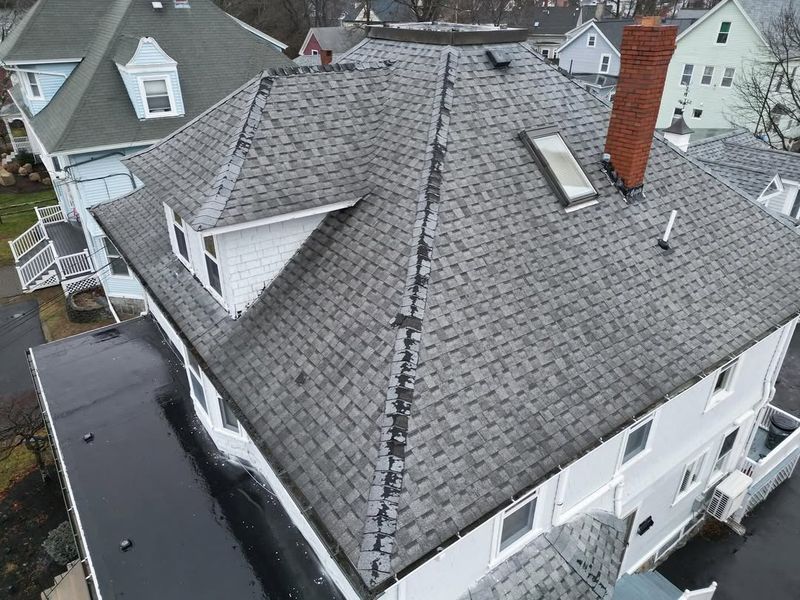
A single missing shingle might seem harmless, but it creates an entry point for moisture during Michigan’s harsh winters.
Snow accumulation and ice buildup exploit these weak spots, allowing water to penetrate the underlayment.
Once moisture gets beneath your roofing materials, it soaks into the wooden decking and insulation below.
Mold growth and structural damage follow quickly, especially during freeze-thaw cycles common in Michigan.
Homeowners who skip fall roof inspections often face emergency repairs mid-winter when problems become impossible to ignore.
Walking around your property with binoculars lets you spot curled, cracked, or missing shingles without climbing up.
Professional roofers can replace damaged shingles affordably before winter, preventing expensive interior damage later.
Pay special attention to valleys, edges, and areas around chimneys where problems typically start.
Michigan’s heavy snow loads put extra stress on compromised roofing, making pre-winter repairs essential.
Spending a few hundred dollars now beats paying thousands for water damage restoration and mold remediation come spring.
3. Failing To Seal Cracks And Gaps In Exterior Walls
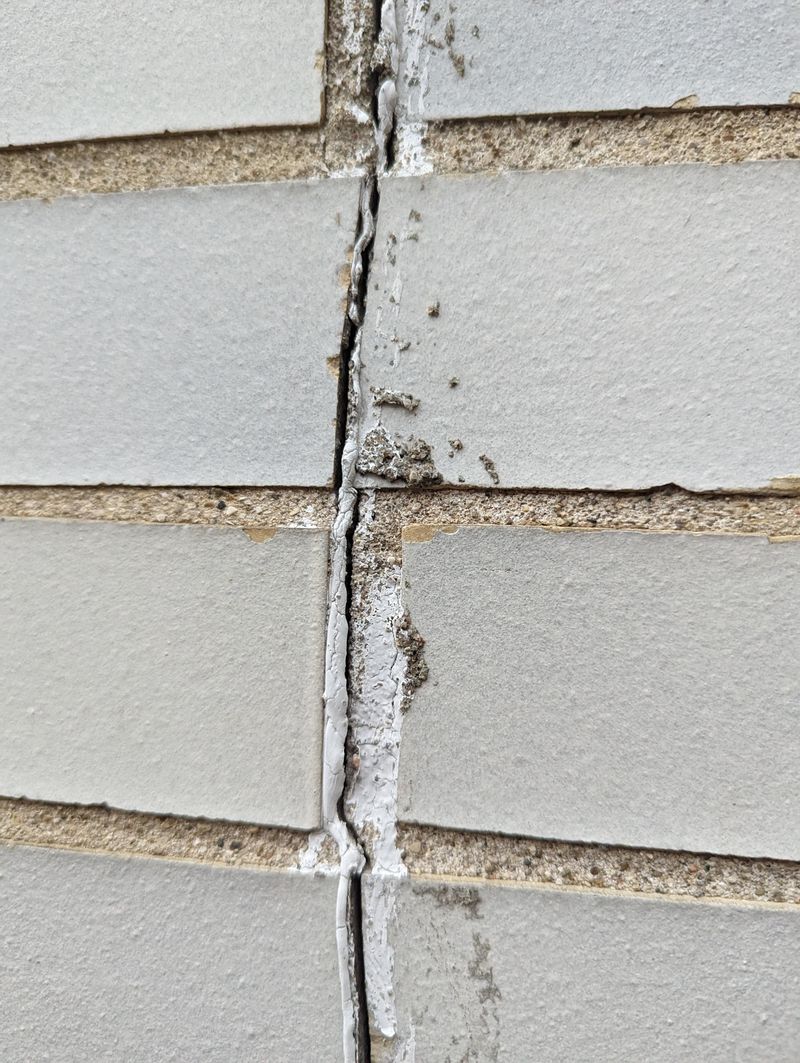
Tiny cracks in siding, around windows, and near door frames expand during Michigan’s freeze-thaw cycles.
Water seeps into these openings, freezes overnight, and expands, making the cracks even larger.
Over time, moisture penetrates deep into wall cavities, rotting wooden studs and destroying insulation.
Energy bills skyrocket as heated air escapes through these gaps while cold drafts invade your living spaces.
Many Michigan homeowners notice ice forming on interior walls near poorly sealed areas during severe cold snaps.
Walk around your home’s exterior on a sunny fall day, looking carefully for any separation or cracking.
Use high-quality exterior caulk rated for cold temperatures to seal gaps smaller than one-quarter inch.
Larger openings require foam backer rod before caulking to ensure a proper seal that withstands winter conditions.
Pay extra attention to areas where different materials meet, such as brick against siding or concrete against wood.
This simple preventive step protects your home’s structure while keeping heating costs manageable throughout Michigan’s long winter season.
4. Skipping Foundation Drainage Improvements

Water pooling around your foundation freezes and thaws repeatedly during Michigan winters, creating serious structural risks.
When soil saturated with water freezes, it expands and pushes against foundation walls with tremendous force.
This pressure causes cracks that allow water to seep into basements, leading to flooding and mold problems.
Homeowners often discover foundation issues only after noticing interior wall cracks or basement moisture in spring.
Proper grading directs water away from your house, preventing it from pooling near the foundation during snowmelt.
Your yard should slope at least six inches over the first ten feet away from the house.
Install or extend downspout extensions so water discharges at least five feet from your foundation.
Consider adding a French drain system if your Michigan property has persistent drainage issues.
Check that window wells have proper drainage and aren’t filling with water during rain or snowmelt.
Addressing drainage problems before winter protects your home’s structural integrity and prevents costly foundation repairs that can reach tens of thousands of dollars.
5. Leaving Garden Hoses Connected To Outdoor Faucets
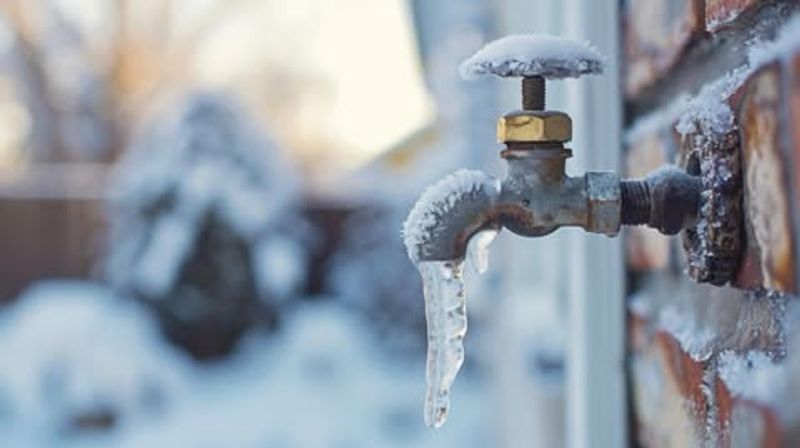
Garden hoses trap water in outdoor faucets, creating a perfect recipe for frozen and burst pipes.
When temperatures plummet below freezing in Michigan, that trapped water expands and cracks the pipe or faucet.
Homeowners often don’t discover the damage until spring when they turn the water back on and find gushing leaks.
Repairing burst pipes inside walls requires cutting into drywall, fixing plumbing, and repairing interior finishes.
This avoidable mistake can cost hundreds or thousands of dollars depending on where the pipe breaks.
Disconnect all garden hoses before the first hard freeze, typically by late October in Michigan.
Drain any remaining water from the hose and store it in your garage or shed for winter.
Turn off interior shut-off valves leading to outdoor faucets if your home has them.
Open the outdoor faucet to let any remaining water drain out completely.
Consider installing frost-free hose bibs that prevent freezing even if you forget to disconnect the hose.
This five-minute task each fall protects your plumbing system throughout Michigan’s coldest months.
6. Allowing Ice Dams To Form On Roof Edges
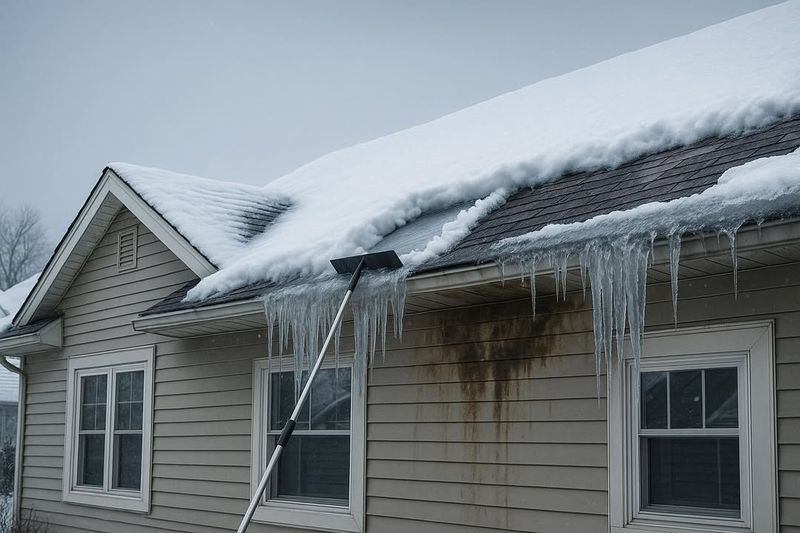
Ice dams develop when heat escaping from your attic melts snow on the upper roof sections.
That melted water runs down toward the colder eaves, where it refreezes and creates a ridge of ice.
As more water backs up behind this ice barrier, it pools on your roof and seeps under shingles.
Michigan homeowners frequently discover ceiling stains, peeling paint, and damaged insulation caused by ice dam leaks.
Preventing ice dams requires proper attic insulation and ventilation to keep roof temperatures consistent.
Add insulation to your attic floor if you can see the tops of your floor joists, aiming for R-49 in Michigan.
Ensure soffit vents remain clear of insulation and that ridge vents allow warm air to escape properly.
Seal any air leaks around pipes, ducts, and light fixtures that let warm air into the attic.
Installing heated cables along roof edges provides temporary protection but doesn’t address the root cause.
Proper insulation and ventilation prevent ice dams naturally while reducing heating bills throughout Michigan’s winter season.
7. Neglecting To Trim Overhanging Tree Branches
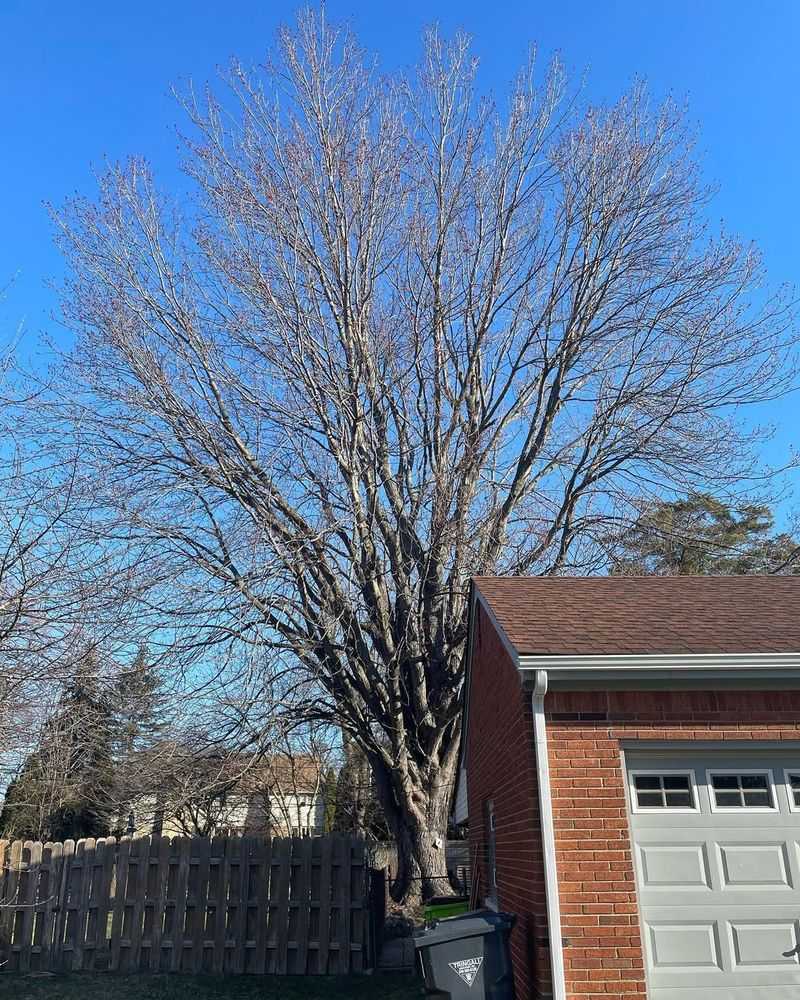
Heavy snow and ice accumulation on tree branches creates significant weight that causes limbs to snap without warning.
When these branches crash down onto your roof, siding, or vehicles, the damage can be extensive and expensive.
Michigan’s winter storms bring combinations of ice and snow that transform ordinary branches into hazardous projectiles.
Even branches that don’t break can scrape against siding and roofing during windy conditions, wearing away protective surfaces.
Homeowners who delay tree trimming often face insurance claims and emergency repairs during the worst weather.
Hire a professional arborist in late fall to trim any branches hanging within ten feet of your house.
Remove branches that overhang your roof, as these pose the greatest risk during winter storms.
Look for branches with visible cracks, splits, or signs of disease that make them more likely to fail.
Don’t attempt to trim large branches yourself, as improper cutting techniques can cause unexpected falls.
Professional tree trimming costs far less than repairing a damaged roof or replacing broken windows after a Michigan ice storm.
8. Forgetting To Check And Maintain Exterior Caulking
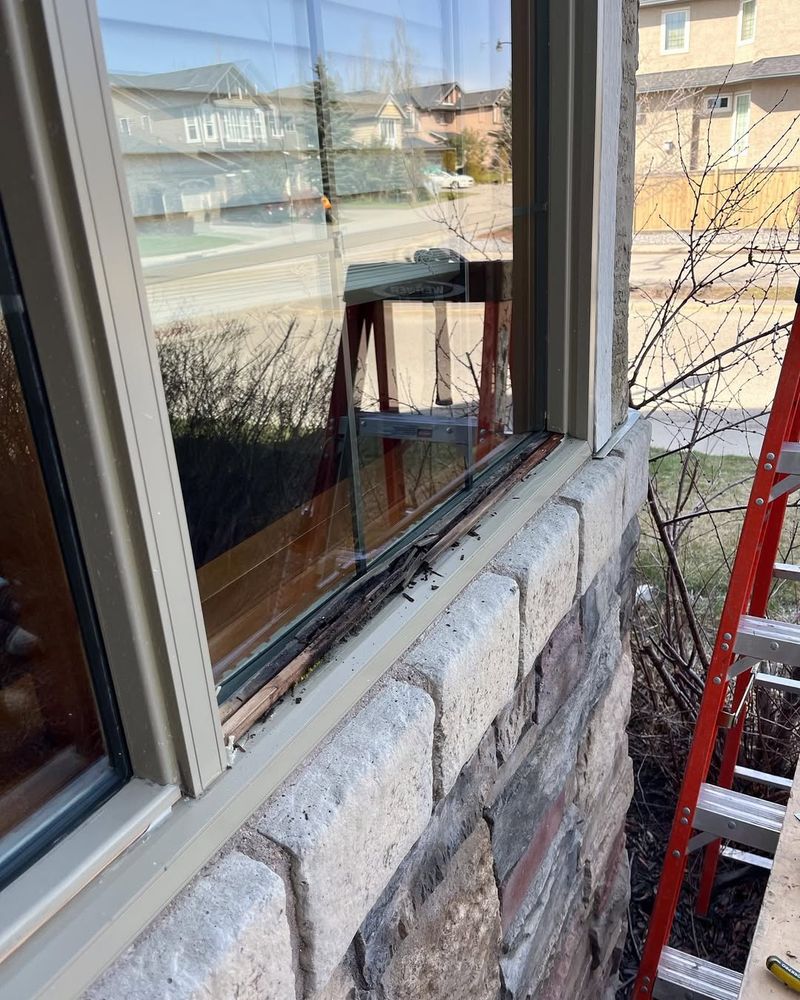
Caulking around windows, doors, and trim deteriorates over time from sun exposure and temperature fluctuations.
Cracked or missing caulk allows moisture to penetrate behind siding and into wall cavities during Michigan winters.
This hidden moisture causes wood rot, mold growth, and insulation damage that remains invisible until major problems develop.
Energy efficiency plummets as cold air infiltrates through gaps that proper caulking would seal effectively.
Homeowners often blame their heating systems for high bills when deteriorated caulking is actually the culprit.
Inspect all exterior caulking annually in early fall, looking for cracks, gaps, or areas where caulk has pulled away.
Remove old, failing caulk with a putty knife or caulk removal tool before applying fresh material.
Choose high-quality exterior caulk rated for Michigan’s temperature extremes, typically from minus twenty to one hundred twenty degrees.
Apply caulk on a dry day when temperatures are above fifty degrees for proper adhesion.
Focus on areas around windows, doors, utility penetrations, and anywhere two different materials meet on your home’s exterior.
9. Improper Snow Removal From Roof Surfaces

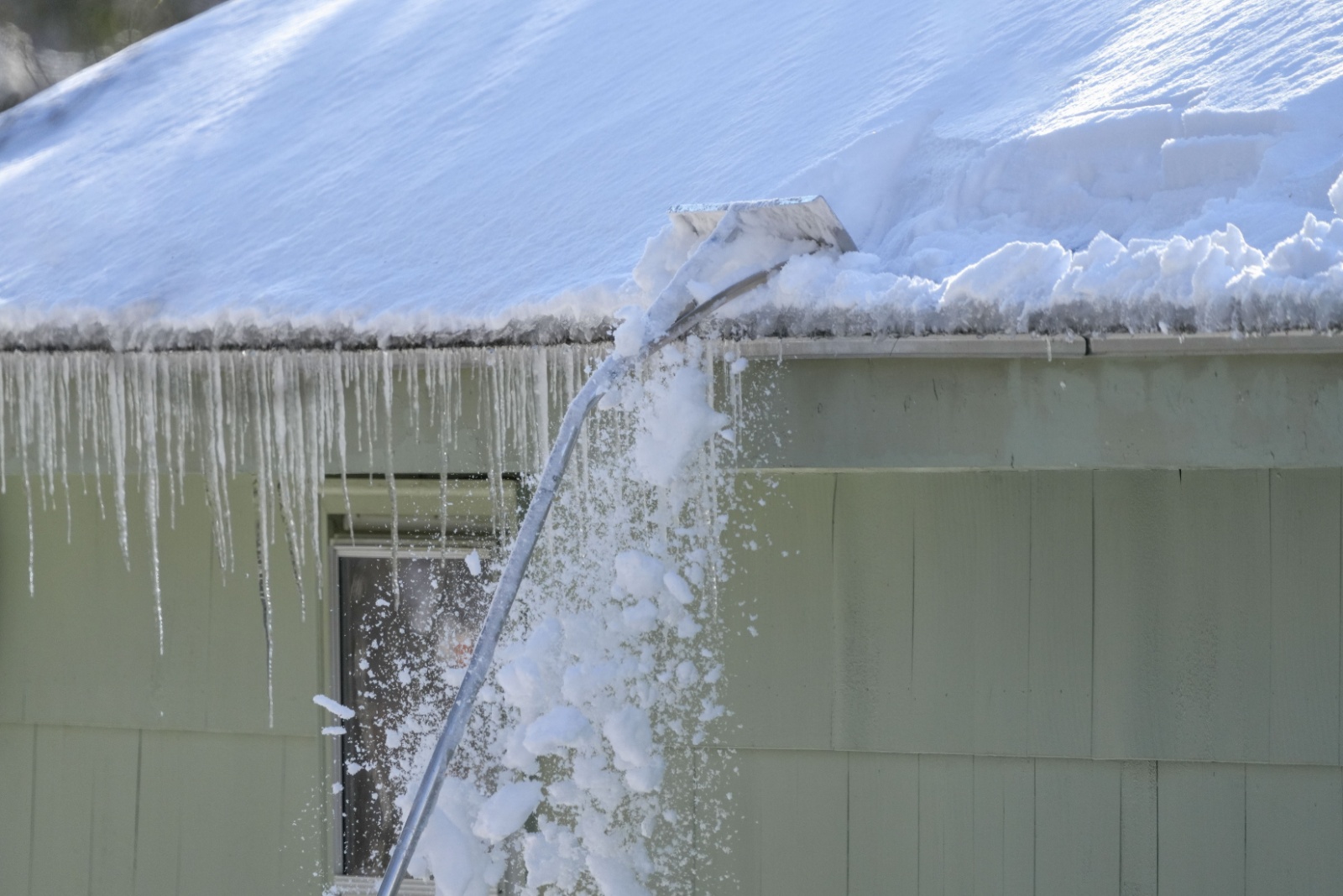
Panic sets in when heavy snow accumulates on Michigan roofs, leading homeowners to grab shovels and climb up hastily.
Metal shovels and aggressive scraping tear shingles, dislodge flashing, and create leaks that won’t appear until spring thaw.
Walking on snow-covered roofs is extremely dangerous, with ice beneath the snow creating slippery conditions.
Many Michigan residents injure themselves or cause thousands in roofing damage through improper snow removal techniques.
Most residential roofs can handle typical Michigan snow loads without requiring removal at all.
Only remove snow if accumulation exceeds two feet or if you notice concerning sagging or creaking sounds.
Use a roof rake from the ground to pull snow off the lower sections, working carefully to avoid damaging shingles.
Never use salt, ice melt, or hot water on your roof, as these create more problems than they solve.
Hire professional snow removal services if your roof truly needs clearing, as they have proper equipment and insurance.
Understanding when snow removal is necessary versus when it causes more harm protects both your safety and your Michigan home.
10. Overlooking Proper Attic Ventilation Maintenance
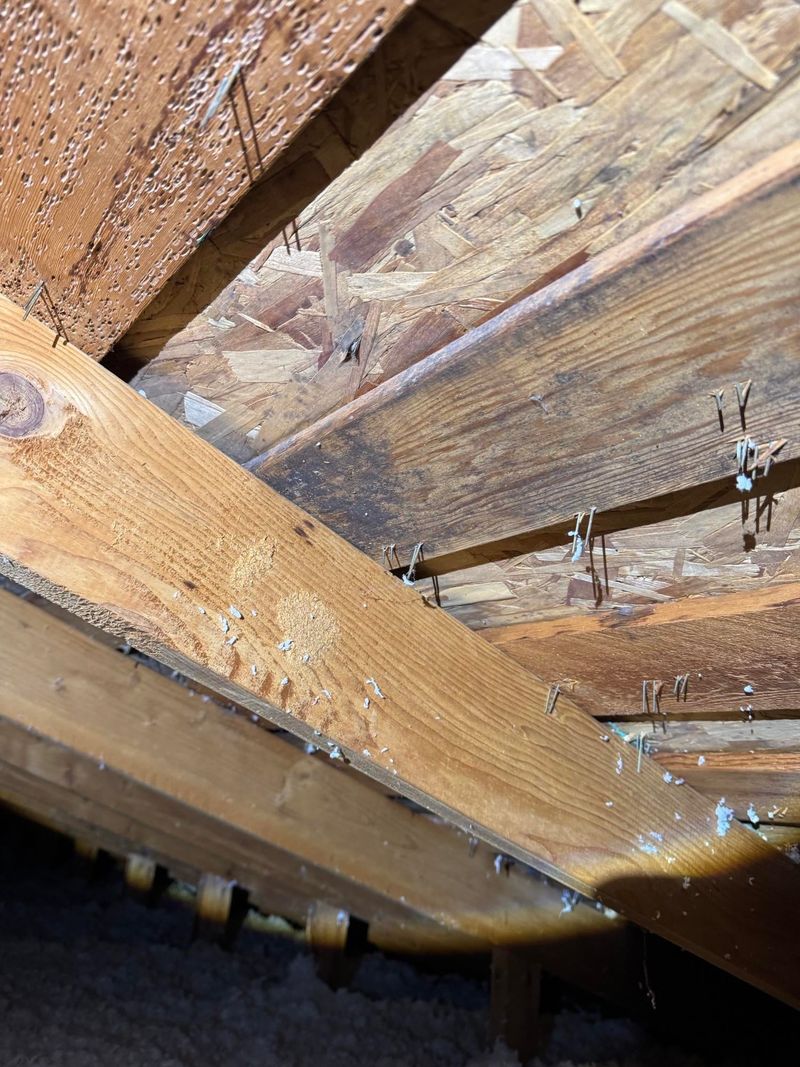
Adequate attic ventilation prevents moisture buildup and maintains consistent temperatures that protect your roof during Michigan winters.
Blocked soffit vents or inadequate ridge vents trap warm, moist air in the attic space.
This trapped moisture condenses on cold surfaces, leading to mold growth, wood rot, and compromised insulation.
Poor ventilation also contributes to ice dam formation by allowing heat to escape unevenly through the roof.
Many Michigan homeowners never check their attic ventilation until they notice moisture stains or musty odors.
Visit your attic on a cold day and look for frost on nails poking through the roof deck, indicating ventilation problems.
Clear any insulation blocking soffit vents, ensuring air can flow freely from the eaves upward.
Calculate whether your attic has adequate ventilation using the standard of one square foot per one hundred fifty square feet of attic space.
Install additional vents if necessary, balancing intake vents at the soffits with exhaust vents at the ridge or gables.
Proper attic ventilation protects your Michigan home’s structure while improving energy efficiency throughout the winter season.
11. Storing Firewood Against House Exterior Walls

Stacking firewood against your home’s exterior seems convenient but invites multiple problems throughout Michigan winters.
Moisture from snow and rain trapped between wood and siding creates perfect conditions for rot and mold.
Insects living in firewood, including carpenter ants and termites, easily migrate into your home’s structure.
Mice and other rodents nest in firewood piles and use them as bridges to access your house.
The constant moisture against siding deteriorates paint, stain, and the underlying wood or materials.
Michigan homeowners who store firewood improperly often discover pest infestations and siding damage requiring expensive repairs.
Keep firewood stacked at least twenty feet away from your house, preferably farther if space allows.
Elevate the woodpile on pallets or firewood racks to promote air circulation and prevent ground moisture absorption.
Cover only the top of the stack, leaving sides exposed so air can circulate and wood can dry properly.
Bring in only enough firewood for immediate use, inspecting each piece for insects before carrying it indoors.
Proper firewood storage protects your Michigan home while keeping your wood supply dry and ready for cozy winter fires.
12. Disregarding Regular Siding Inspection And Maintenance
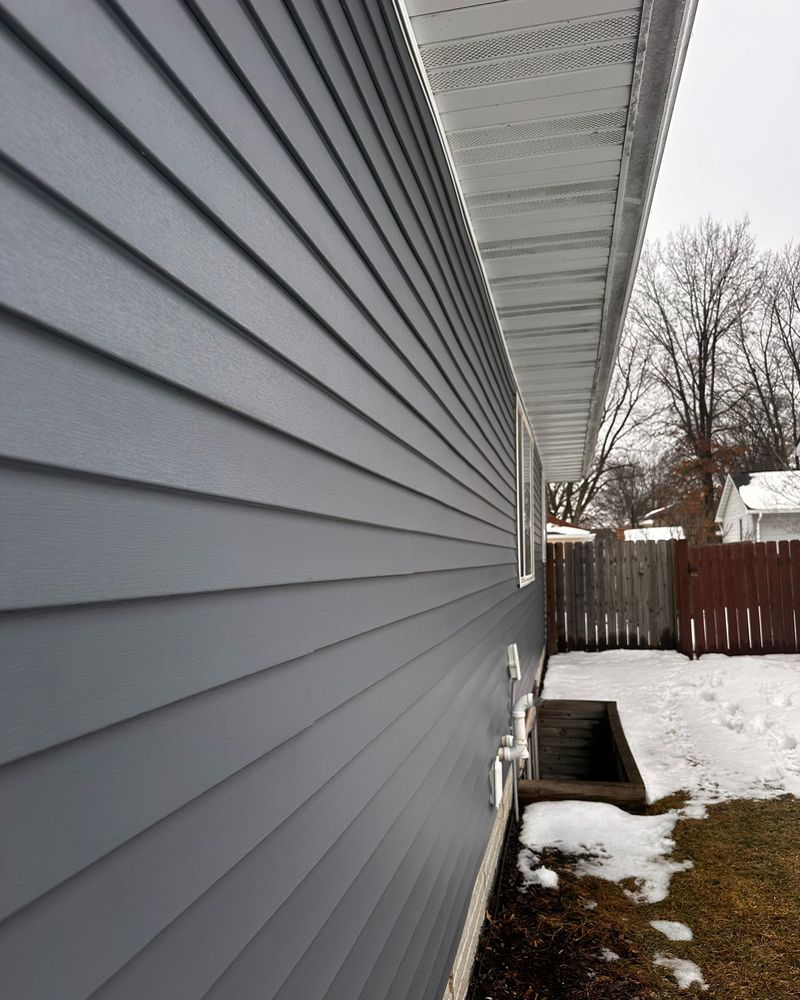
Siding protects your home’s structural components from Michigan’s harsh weather, but only when it remains in good condition.
Loose, cracked, or missing siding pieces allow wind-driven rain and snow to penetrate behind the protective barrier.
Moisture trapped in wall cavities rots the sheathing and framing while destroying insulation effectiveness.
Small siding problems ignored before winter become major structural issues by spring thaw in Michigan.
Walk around your home’s perimeter each fall, looking carefully at every section of siding from ground to roofline.
Check for loose pieces, cracks, holes, warping, or any separation at seams and corners.
Tap siding gently with your knuckles, listening for hollow sounds that indicate moisture damage or separation from the wall.
Repair or replace damaged sections before winter arrives, ensuring proper installation with appropriate fasteners and flashing.
Pay special attention to areas around windows, doors, and utility penetrations where problems commonly develop.
Regular siding maintenance preserves your Michigan home’s appearance and structural integrity while preventing costly wall repairs down the road.