7 Common Winter Gardening Mistakes Brooklyn Residents Make
Winter in Brooklyn has a way of keeping gardeners on their toes.
One minute the ground looks calm and quiet, the next a cold snap rolls in and throws a wrench in the works.
Many local gardeners hang up their gloves too soon, while others jump the gun and end up fighting an uphill battle.
When it comes to winter gardening, good intentions can sometimes pave the road to disappointment.
Some mistakes fly under the radar, like watering at the wrong time or leaving plants exposed when temperatures drop overnight.
Others happen because old advice gets passed around like gospel, even when it no longer holds water.
In a place like Brooklyn, where winters can swing from mild to brutal in a heartbeat, small missteps can snowball fast.
The truth is, winter gardening is not about doing more. It is about doing things smarter.
A little know-how can go a long way toward protecting plants, saving time, and keeping gardens on track until spring shows its face again.
By spotting the most common winter gardening mistakes, Brooklyn residents can avoid costly slipups and keep their gardens from going out in the cold.
1. Using The Wrong Mulch Or Too Much Of It
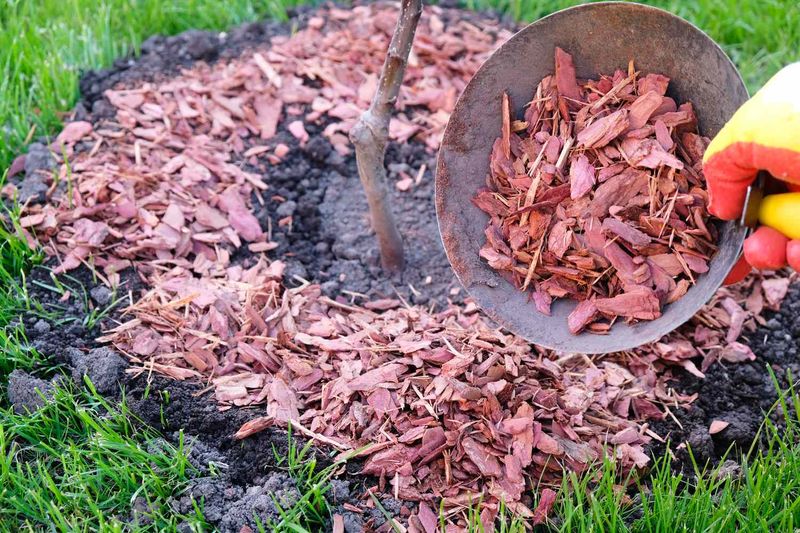
Piling mulch like a volcano around plant stems ranks among the most common errors Brooklyn gardeners make each winter.
The thinking goes that more mulch equals more protection, but excessive mulch actually creates problems instead of solving them.
When mulch touches plant stems or tree trunks directly, it traps moisture against the bark and creates a perfect environment for rot and disease.
Brooklyn’s winter weather cycles between freezing and thawing, which means that thick mulch layers can stay soggy for extended periods.
Two to three inches of mulch provides plenty of insulation without causing harm.
Always pull mulch a few inches away from stems and trunks to allow air circulation.
Choosing the wrong type of mulch causes additional headaches for Brooklyn gardeners.
Fresh wood chips that have not composted yet actually steal nitrogen from soil as they break down, leaving plants hungry come spring.
Grass clippings mat down and block water and air from reaching roots.
Shredded leaves work wonderfully for Brooklyn gardens since they are free, break down at a reasonable pace, and add nutrients to soil.
Aged compost or shredded bark also make excellent winter mulch choices.
Many Brooklyn community gardens offer free mulch during fall cleanup days, giving residents access to quality materials without spending money.
Proper mulching protects roots from temperature swings, holds moisture when needed, and prevents soil erosion during winter storms.
Getting the amount and type right makes all the difference between plants that struggle and those that sail through Brooklyn’s cold season with ease.
2. Forgetting To Water During Dry Spells
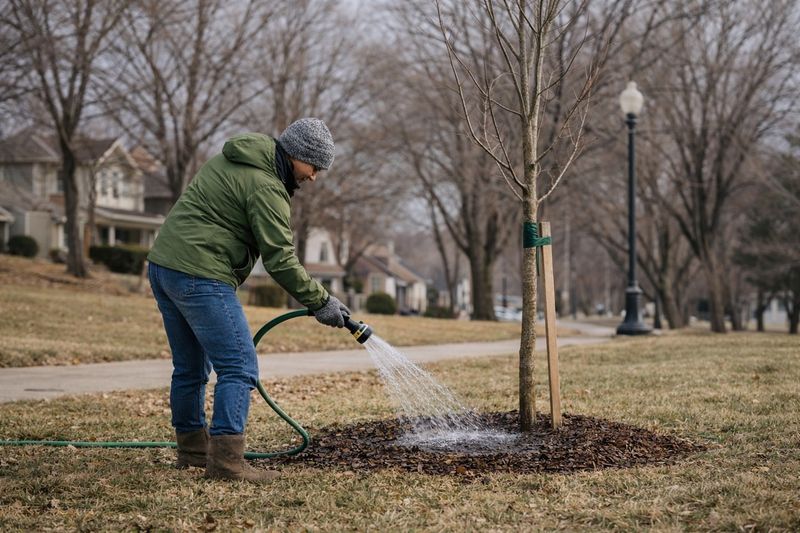
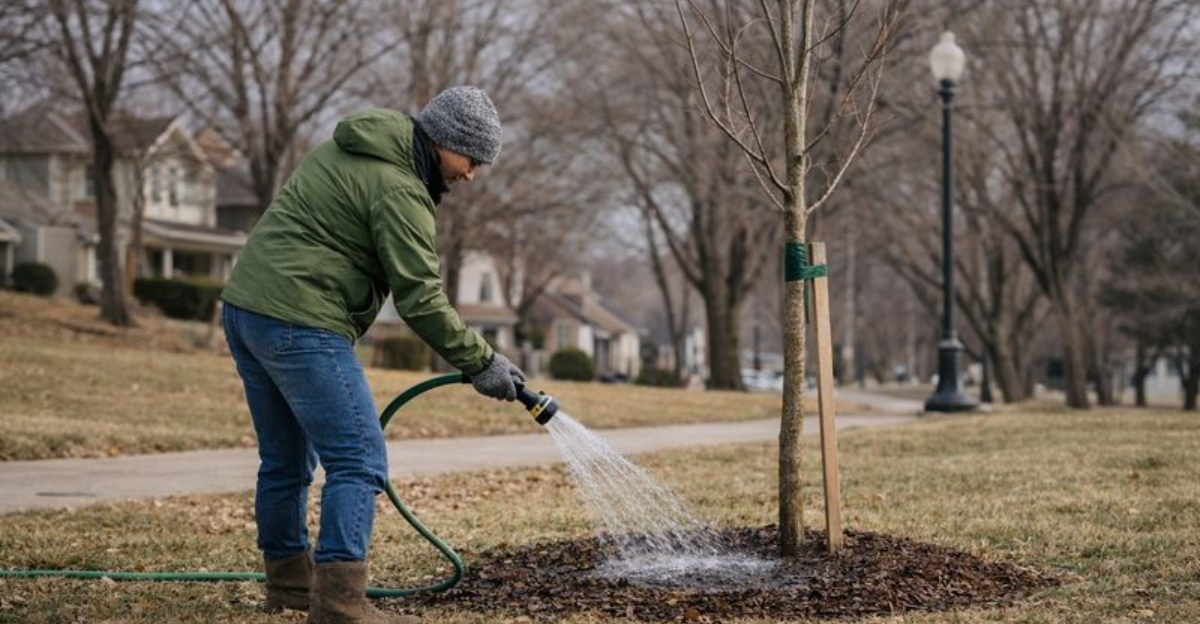
Many Brooklyn gardeners think winter means they can put away the watering can until spring arrives.
Plants still need moisture during cold months, especially during those stretches when snow and rain stay away for weeks.
Evergreen shrubs, newly planted trees, and perennials with shallow roots are particularly vulnerable to winter drought.
Brooklyn’s winter weather can be unpredictable, with some weeks bringing freezing temperatures and others offering mild, dry days that actually pull moisture from the soil.
When the ground is not frozen, checking soil moisture becomes an essential task.
Stick your finger a few inches into the soil near your plants, and if it feels completely dry, your garden needs water.
Container plants on balconies and rooftops dry out even faster since they are exposed to wind and have limited soil volume.
Water during the warmest part of the day when temperatures rise above freezing so the moisture has time to soak in before nighttime cold arrives.
Brooklyn gardeners should pay special attention to plants growing under building overhangs or large trees where natural precipitation never reaches the roots.
Winter watering might seem strange, but it helps plants maintain healthy cell structure and prevents stress that makes them weaker when spring growth begins.
A well-hydrated plant enters spring ready to grow, while a dehydrated one struggles to recover.
Remember that proper winter watering in Brooklyn means less work and healthier plants when warmer weather finally returns to your neighborhood.
3. Pruning At The Wrong Time
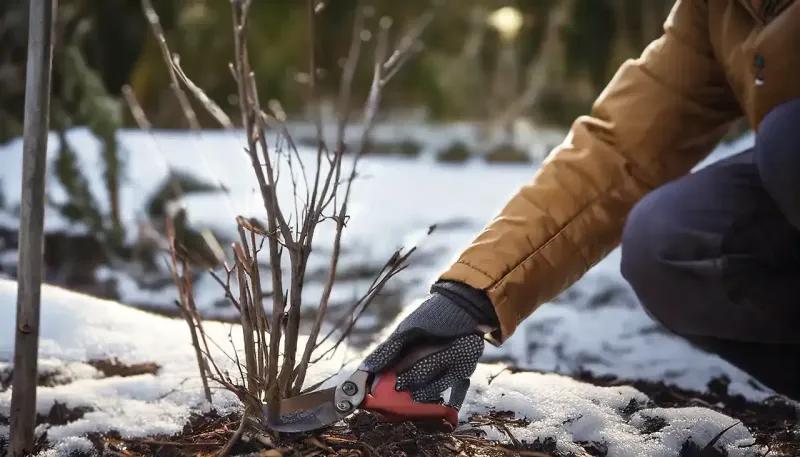
Grabbing pruning shears on a mild January afternoon might seem productive, but timing matters enormously when it comes to cutting back plants.
Brooklyn gardeners often prune spring-blooming shrubs during winter, accidentally removing all the flower buds that formed the previous summer.
Lilacs, forsythias, azaleas, and rhododendrons set their blooms months in advance, so winter pruning means no flowers in spring.
These shrubs should wait until right after they finish blooming to get trimmed.
Roses present another timing challenge for Brooklyn residents.
Pruning roses too early in winter encourages new growth during warm spells, and that tender growth gets damaged when freezing temperatures return.
Wait until forsythias start blooming around Brooklyn, which signals that the last hard freeze has likely passed.
Some plants actually benefit from winter pruning, including fruit trees, shade trees, and summer-blooming shrubs that flower on new growth.
Late winter, when plants remain dormant but spring approaches, works perfectly for these pruning tasks.
You can easily see the branch structure without leaves in the way, making it simpler to remove damaged or crossing branches.
Brooklyn’s unpredictable winter weather makes timing even trickier since a warm February can fool both gardeners and plants.
Resist the urge to prune just because you have a nice day for outdoor work.
Research each plant’s specific pruning needs or check with your local Brooklyn garden center for guidance.
Proper timing ensures you get flowers, healthy growth, and attractive plants instead of bare branches and disappointment when spring arrives in your neighborhood.
4. Leaving Diseased Plant Material In Garden Beds
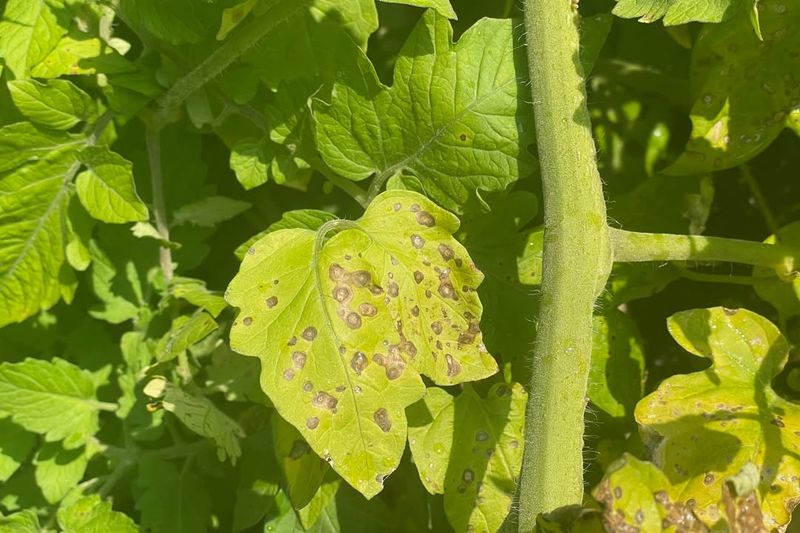
Old tomato plants covered in blight spots, rose leaves with black spot, and mildewed squash vines should never spend winter in your Brooklyn garden.
Many gardeners figure that freezing temperatures will take care of disease problems, but most fungal spores and bacterial pathogens survive cold weather just fine.
They sit in that dry plant material all winter, waiting for spring warmth to start infecting new growth.
Brooklyn’s community gardens often see the same disease problems year after year because infected debris stays in the soil.
Removing and disposing of diseased material breaks the cycle and gives you a fresh start.
Do not add diseased plants to your compost pile unless you maintain a hot compost system that reaches temperatures high enough to destroy pathogens.
Most backyard compost bins never get hot enough, so diseased material just spreads problems around your garden.
Bag up infected plants and put them in the trash instead.
Some Brooklyn gardeners burn diseased material if they have space and permission, which effectively destroys all pathogens.
Pay special attention to plants that showed problems during the growing season.
Powdery mildew, rust, leaf spots, and wilts all leave behind spores that cause trouble next year.
Clean up fallen fruit too, since rotting apples and pears harbor diseases and pests.
Taking time for thorough fall cleanup before winter sets in saves hours of frustration and lost plants during the next growing season.
Brooklyn gardeners who remove diseased material consistently notice fewer problems each year as disease pressure in their soil decreases.
This simple step costs nothing but time and delivers results that last for years.
5. Wrapping Plants Too Early Or Using Wrong Materials
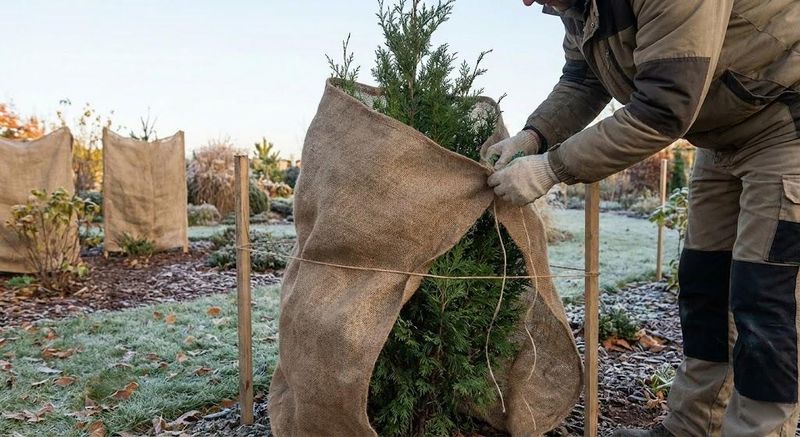
Burlap, plastic, tarps, and blankets all show up in Brooklyn gardens each winter as residents try to protect tender plants from cold.
Wrapping plants makes sense in theory, but doing it too early or using the wrong materials creates more problems than it solves.
Plastic wrapping acts like a greenhouse, trapping heat on sunny days and cooking plants even when outdoor temperatures stay cold.
Moisture gets trapped inside plastic too, leading to fungal problems and rot.
Burlap works much better since it provides wind protection and some insulation while still allowing air circulation.
Many Brooklyn gardeners wrap their plants in October or early November, which is far too early.
Plants need exposure to gradually cooling temperatures to properly harden off for winter.
Wrapping them while weather remains mild prevents this hardening process and actually makes plants more vulnerable to cold damage.
Wait until after several hard frosts have occurred and temperatures consistently stay below freezing before wrapping plants.
Even then, only wrap plants that truly need protection, like marginally hardy shrubs, young evergreens in exposed locations, or tender roses.
Most established plants in Brooklyn gardens handle winter just fine without any wrapping at all.
When you do wrap plants, create a frame using stakes so the material does not rest directly on branches.
This allows air circulation and prevents branches from breaking under the weight of snow-covered wrapping.
Remove wrapping on warm days to prevent overheating, then replace it when cold returns.
Brooklyn’s fluctuating winter temperatures make this monitoring important for plant health and survival through the cold months ahead.
6. Ignoring Container Plants And Perennials
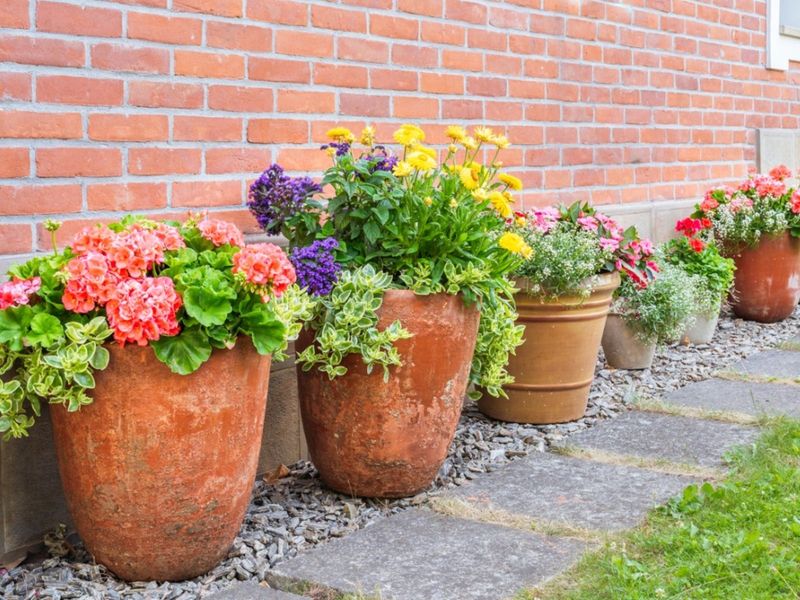
Container gardens bring life to Brooklyn balconies, stoops, and rooftops during warm months, but they need special attention when winter arrives.
Many residents simply leave pots outside and hope for the best, only to find cracked containers and damaged plants come spring.
Soil in containers freezes solid much faster than ground soil since it is exposed to cold air on all sides.
This repeated freezing and thawing causes terra cotta and ceramic pots to crack and break.
Plant roots suffer too, since they experience much colder temperatures than they would in the ground.
Moving containers to protected locations helps tremendously.
Placing pots against your building’s wall, especially on the south side, provides shelter from wind and some radiant heat from the structure.
Grouping containers together creates a microclimate where they protect each other.
Brooklyn gardeners with basement access can move tender perennials indoors for winter dormancy.
For containers that must stay outside, wrapping pots in bubble wrap, burlap, or even old blankets provides insulation.
Elevating containers on pot feet or bricks allows drainage and prevents pots from freezing to the ground.
Many Brooklyn residents forget that perennials in containers need winter care too.
Just because a plant survives winter in the ground does not mean it will survive in a pot.
Container perennials typically need protection rated for two zones colder than your area.
Adding extra mulch on top of container soil helps insulate roots.
Taking these simple steps means your container plants and pots both survive winter, ready to grow again when Brooklyn’s spring weather finally arrives.
7. Applying Fertilizer During Dormancy
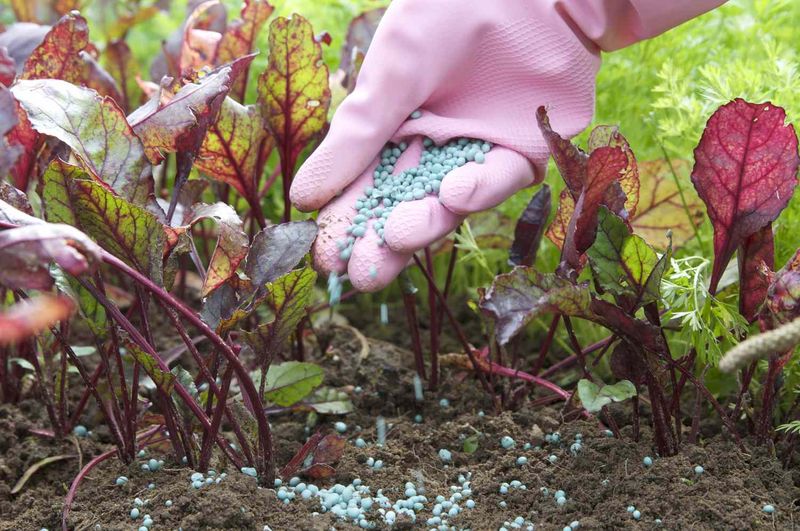
Fertilizer bags sit in garden sheds and garages throughout Brooklyn, tempting residents to feed their plants during winter months.
The reasoning seems logical since plants need nutrients to stay healthy, but winter feeding actually harms dormant plants rather than helping them.
Plants enter dormancy during cold months as a survival strategy, shutting down growth processes to conserve energy and protect themselves from freezing damage.
Adding fertilizer during this dormant period pushes plants to produce tender new growth at exactly the wrong time.
That soft growth has no chance of hardening off before the next freeze, resulting in damaged or weakened plants.
Excess fertilizer that plants cannot use washes away with snow melt and rain, ending up in Brooklyn’s waterways where it causes pollution problems.
Save your fertilizer applications for early spring when plants break dormancy and actively start growing again.
Most Brooklyn plants benefit from feeding just as buds begin to swell and new growth emerges, typically in late March or April depending on the plant and the weather.
Some plants, like lawns, benefit from one final feeding in late fall before they go dormant, but this should happen before winter truly sets in.
This fall feeding helps roots continue developing even after top growth stops and gives plants stored nutrients to use when spring arrives.
Timing makes all the difference between fertilizer that helps and fertilizer that harms.
Brooklyn gardeners who resist the urge to fertilize during winter see stronger, healthier plants that grow vigorously when warm weather returns.
Patience with feeding schedules pays off with better results and less wasted money on fertilizer that plants cannot use anyway during their winter rest period.