9 Common Winter Gardening Mistakes California Homeowners Should Avoid For Spring Growth
California homeowners often feel confident as winter arrives, yet small missteps during the colder months set the stage for major headaches once warm weather returns.
A yard enters a quiet phase, but that pause hides crucial moments that determine the strength of future growth.
Soil needs steady support, roots crave protection, and plants demand the right cues long before buds appear.
One wrong move turns a thriving landscape into a patchwork of weak shoots and tired blooms.
A sharper eye, a smarter plan, and a deeper grasp of winter’s subtle demands place any homeowner far ahead of the curve when spring finally calls every plant back to life.
1. Overwatering During Rainy Seasons
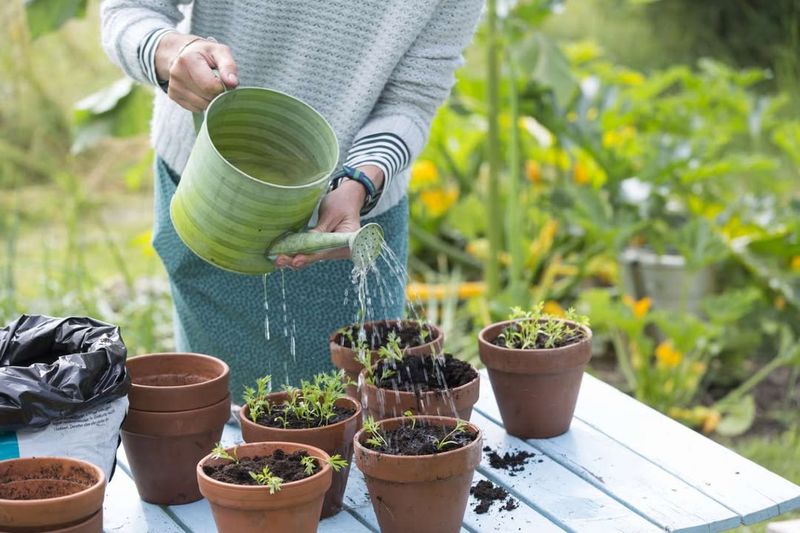
California winters bring unpredictable rainfall patterns that can trick even experienced gardeners into watering too much.
Plants need significantly less water during cooler months because their growth slows down and soil retains moisture longer.
When you continue your summer watering schedule into winter, roots can become waterlogged and suffocate.
Soggy soil creates the perfect environment for fungal diseases and root rot to develop quickly.
Most California native and drought-tolerant plants especially dislike sitting in wet soil during their dormant period.
Check your soil moisture by sticking your finger two inches deep before reaching for the hose.
If the soil feels damp, skip watering that day and check again in a few days.
Adjust your automatic sprinkler systems to account for winter rains, or better yet, turn them off completely.
Pay attention to weather forecasts and hold off on watering if rain is expected within the next few days.
Container plants dry out faster than in-ground plants, but they still need less frequent watering in winter.
Your plants will reward your restraint with healthier root systems ready to explode with growth come spring.
2. Pruning At The Wrong Time
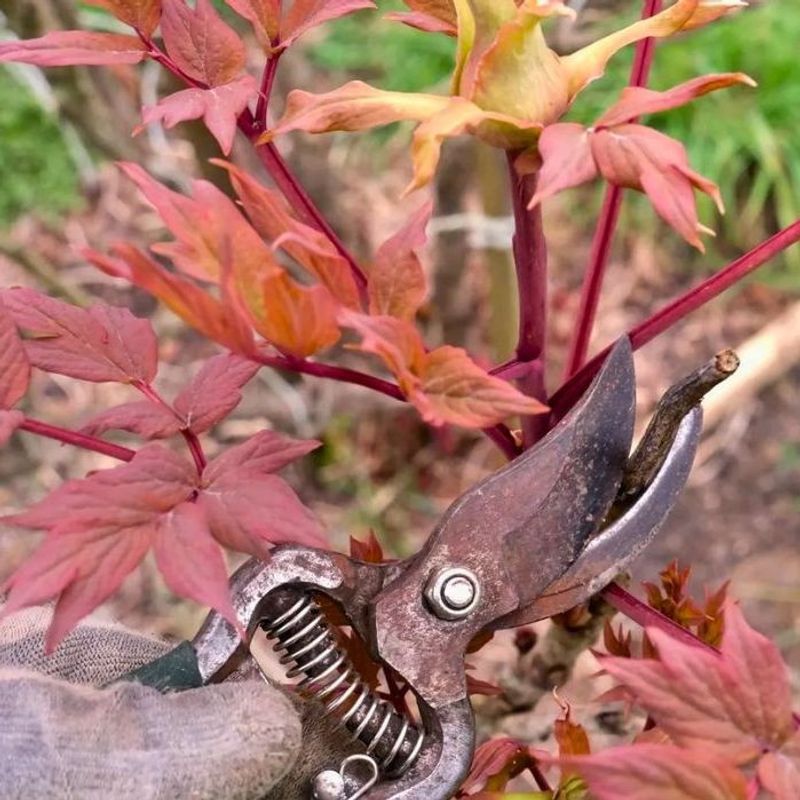
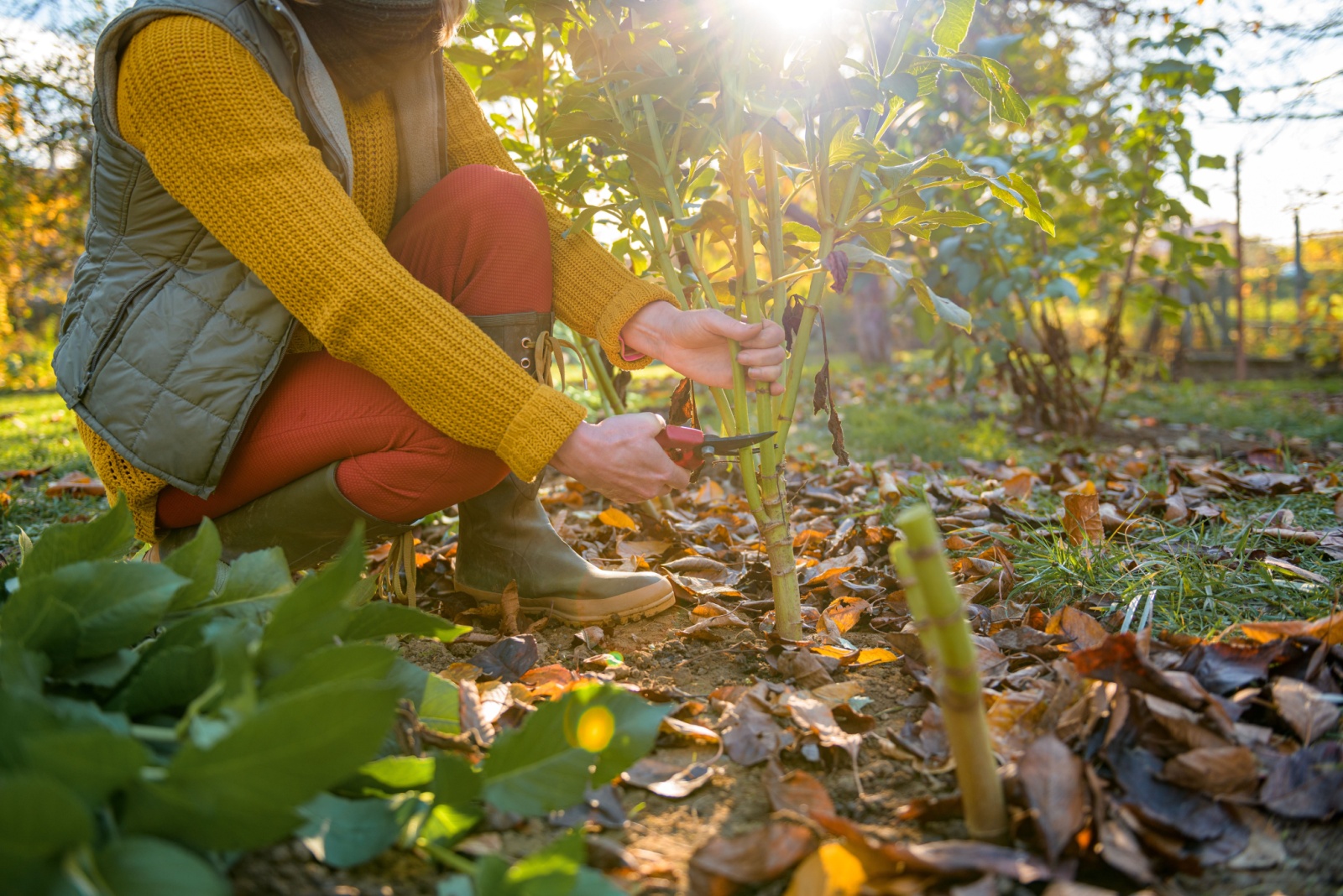
Timing makes all the difference when it comes to trimming back your plants and trees.
Many California homeowners grab their shears in winter thinking they are helping their garden prepare for spring.
However, pruning certain plants during their dormant season can remove the very buds that would have produced spring flowers.
Spring-blooming shrubs like lilacs, azaleas, and camellias set their flower buds in late summer and fall.
Cutting these back in winter means sacrificing your entire spring flower show.
Instead, wait until right after they finish blooming to shape them for next year.
Fruit trees are an exception and actually benefit from winter pruning while they are dormant.
Roses also respond well to winter pruning in California’s mild climate, usually around January or February.
Research each plant species in your garden to learn its specific pruning schedule.
A quick internet search or visit to your local nursery can save you months of disappointment.
Proper timing ensures your plants channel their energy into producing abundant blooms and healthy new growth when spring arrives.
3. Neglecting Frost Protection

Even in sunny California, unexpected cold snaps can sweep through and catch gardeners off guard.
Tender plants like citrus trees, succulents, and tropical species can suffer serious damage when temperatures suddenly drop.
One freezing night can undo months of careful nurturing and set back your garden significantly.
Coastal areas usually stay warmer, but inland valleys and foothill regions regularly experience frost during winter months.
Keep frost cloth, old sheets, or burlap on hand to quickly cover vulnerable plants when frost warnings appear.
Avoid using plastic directly on plant foliage as it can cause more harm than good.
Watering your garden thoroughly before a predicted freeze actually helps protect roots because moist soil retains heat better than dry soil.
Moving potted plants closer to your house or under eaves provides extra warmth from radiated heat.
String outdoor lights through tree branches to generate small amounts of protective heat during especially cold nights.
Pay attention to local weather forecasts and set up alerts on your phone for freeze warnings.
Taking these simple precautions ensures your plants survive winter intact and ready to flourish in spring.
4. Forgetting To Feed Winter Vegetables

Winter vegetables like lettuce, kale, broccoli, and carrots actively grow during California’s cool season and need proper nutrition.
Many gardeners mistakenly think plants do not need fertilizer in winter because growth appears slower.
Your winter crops are actually working hard to produce the leafy greens and root vegetables you want to harvest.
Without adequate nutrients, plants become weak, pale, and produce disappointing yields.
Cool-season vegetables benefit from regular feeding with a balanced organic fertilizer every three to four weeks.
Compost tea provides gentle nutrition that supports steady growth without overwhelming plants during cooler weather.
Side-dressing with compost around established plants gives them a slow-release nutrient boost throughout the season.
Leafy greens especially appreciate extra nitrogen to produce those deep green leaves packed with flavor.
Root vegetables need phosphorus and potassium to develop strong, tasty roots underground.
Avoid heavy applications of fast-release synthetic fertilizers that can burn tender winter crops.
Well-fed winter vegetables mature faster, taste better, and resist pests and diseases more effectively.
Your spring garden will transition more smoothly when winter crops finish strong and healthy.
5. Ignoring Weed Control
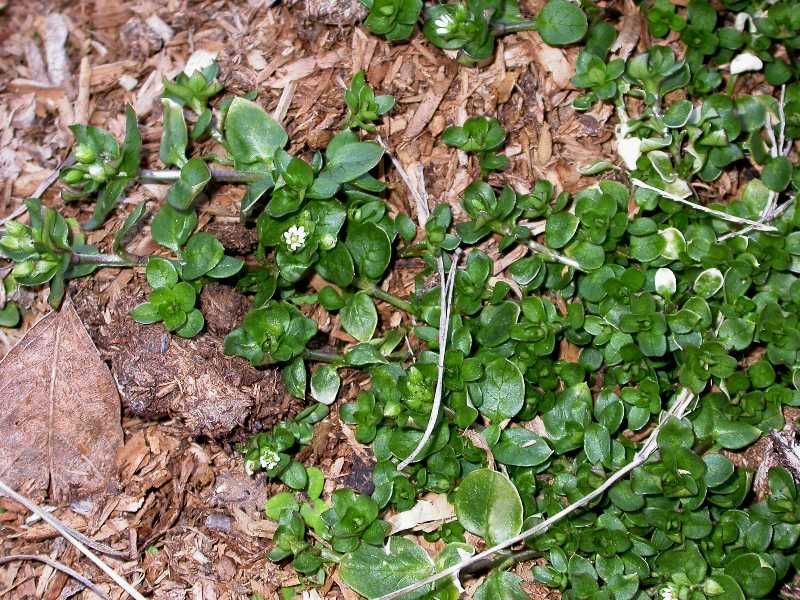
Weeds absolutely love California winters and will quickly take over your garden if you let your guard down.
Cool-season weeds like chickweed, annual bluegrass, and oxalis germinate in fall and establish strong root systems during winter.
Ignoring these invaders now means facing a massive problem when spring arrives and they go to seed.
A single weed plant can produce thousands of seeds that will haunt your garden for years to come.
Winter weeds compete with your desirable plants for water, nutrients, and growing space.
They also harbor pests and diseases that can spread to your vegetables and ornamentals.
Pull weeds when the soil is moist after rain, making it easier to remove entire root systems.
Mulching bare soil with two to three inches of organic material prevents weed seeds from germinating.
Hand-pulling takes only a few minutes each week if you stay on top of it consistently.
For larger areas, use a hoe to slice weeds off at soil level before they develop extensive roots.
Avoid using harsh chemical herbicides that can damage soil health and beneficial organisms.
Staying vigilant with winter weed control makes spring gardening infinitely more enjoyable and productive.
6. Planting At Incorrect Depths
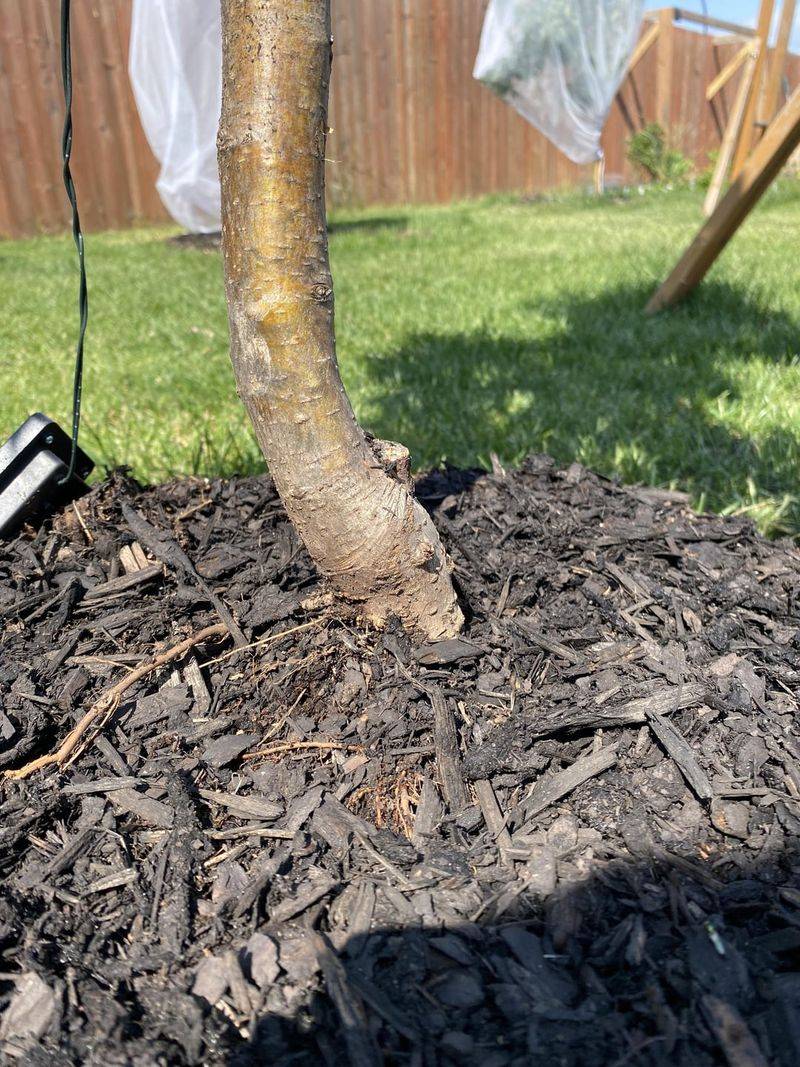
Getting planting depth right seems simple, but this mistake causes countless problems for California gardeners every winter.
Burying plants too deep suffocates roots and can cause stems to rot at the soil line.
Planting too shallow exposes roots to temperature fluctuations and drying winds.
Each type of plant has specific depth requirements that ensure healthy establishment and growth.
Most trees and shrubs should be planted so the root flare sits slightly above the surrounding soil level.
Perennials and vegetables typically need their crowns right at soil level, not buried beneath it.
Bulbs have specific depth requirements usually measured as two to three times their height.
Seeds also need precise planting depths listed on their packets for proper germination.
Too-deep planting prevents spring bulbs from emerging and flowering when they should.
Roses planted too deep often struggle with poor growth and increased disease susceptibility.
Take time to research proper planting depths before putting anything in the ground this winter.
Use a ruler or measuring tape to ensure accuracy rather than guessing.
Proper planting depth gives your plants the best possible start and sets them up for vigorous spring growth.
7. Skipping Mulch Application

Bare soil in your winter garden is an invitation for problems that mulch could easily prevent.
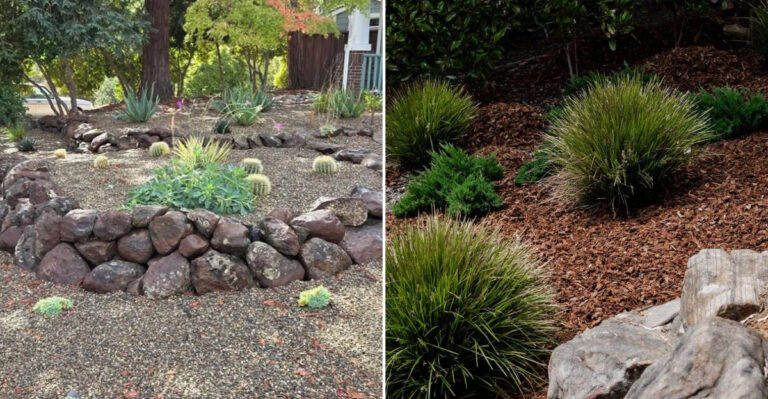
Applying a layer of organic mulch protects soil from erosion during heavy winter rains common in California.
Mulch regulates soil temperature, keeping roots warmer during cold nights and cooler during sunny winter days.
Without this protective blanket, soil temperatures fluctuate wildly and stress plant roots unnecessarily.
Organic mulches like wood chips, shredded bark, or compost break down slowly and improve soil structure over time.
A two to three inch layer suppresses weeds, retains moisture, and prevents soil from splashing onto plant leaves during rain.
Muddy splashes spread soil-borne diseases to foliage, creating health problems you will deal with for months.
Keep mulch pulled back a few inches from plant stems and tree trunks to prevent rot.
Refresh mulch layers in early winter before the rainy season begins in earnest.
Well-mulched gardens require less watering, less weeding, and less overall maintenance throughout winter.
Your soil biology thrives under mulch, creating rich, healthy earth that supports vigorous spring growth.
This simple step makes an enormous difference in your garden’s health and appearance year-round.
8. Using Damaged Or Contaminated Soil
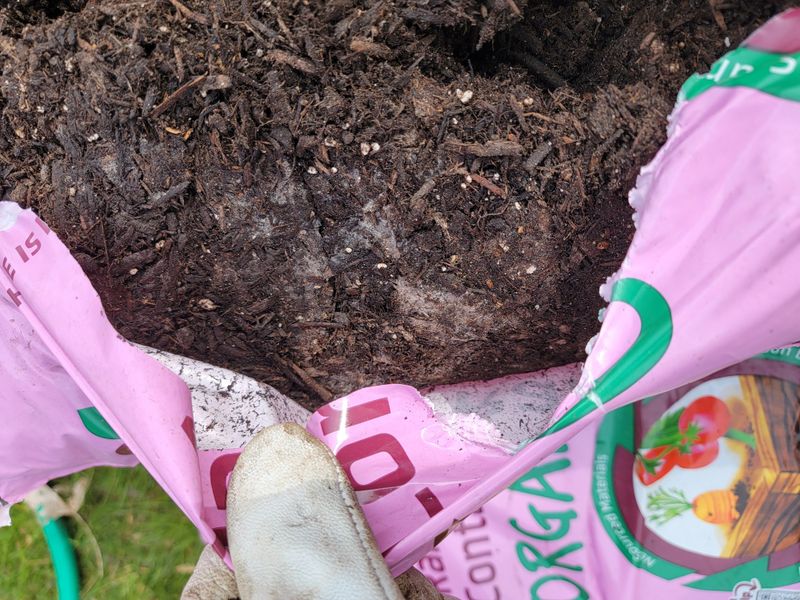
Healthy soil forms the foundation of every successful garden, yet many homeowners overlook soil quality during winter preparations.
Compacted, depleted, or contaminated soil cannot support robust plant growth no matter how much you water or fertilize.
California’s clay-heavy soils become especially problematic when compacted by foot traffic or equipment during wet winter months.
Walking on wet soil crushes air pockets that roots need for oxygen and healthy development.
Adding fresh compost and organic matter during winter improves soil structure before spring planting season arrives.
Test your soil pH and nutrient levels to identify deficiencies that might limit plant growth.
Many California soils are alkaline and benefit from sulfur or acidic amendments for plants like blueberries and azaleas.
Avoid using soil from unknown sources that might contain weed seeds, diseases, or chemical residues.
Create permanent pathways to prevent soil compaction in planting areas throughout the year.
Raised beds filled with quality soil mixes bypass many native soil problems entirely.
Winter is the perfect time to build soil health through cover cropping or adding aged manure and compost.
Investing in soil improvement now pays dividends with healthier, more productive plants throughout the coming growing season.
9. Leaving Diseased Plant Material
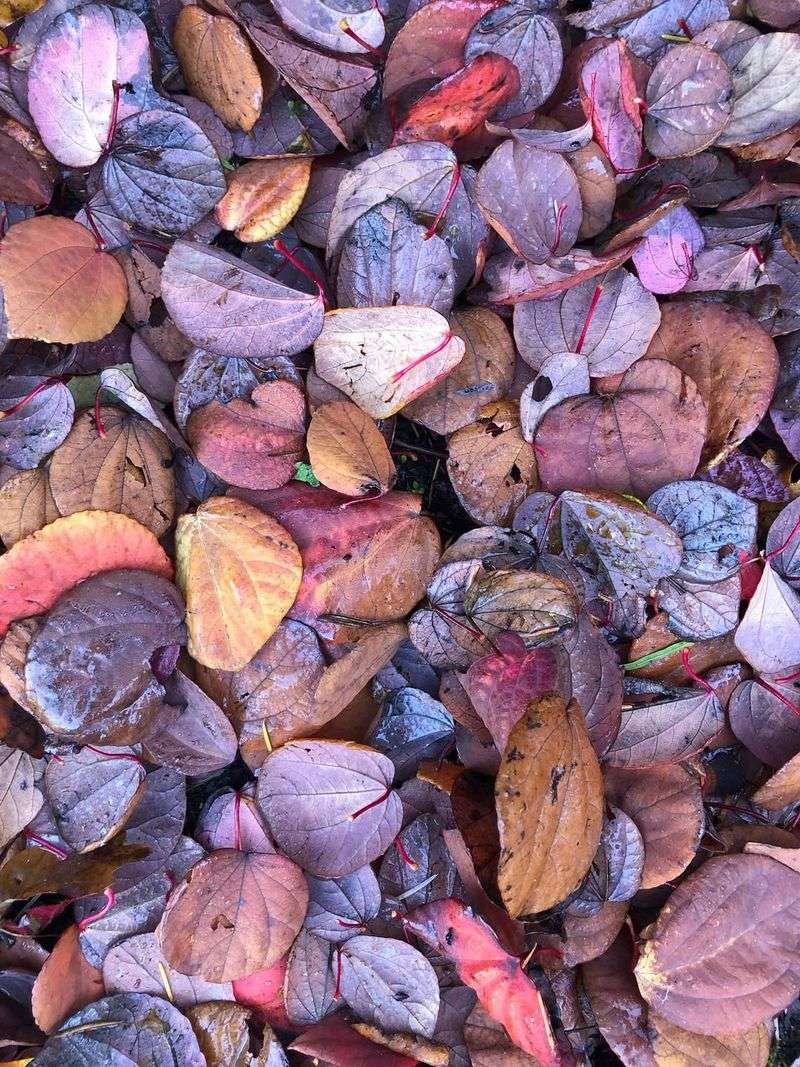
Old leaves, infected branches, and diseased plant debris harbor problems that will explode when spring warmth arrives.
Fungal spores, bacterial diseases, and pest eggs overwinter on plant material left scattered around your garden.
California’s mild winters do not provide the hard freezes that would naturally reduce pest and disease populations.
Cleaning up thoroughly in winter breaks disease cycles and gives you a fresh start for spring.
Remove and dispose of any foliage showing spots, mildew, or other disease symptoms.
Do not compost diseased material unless your compost pile reaches temperatures high enough to eliminate pathogens.
Rake up fallen fruit from under trees as it rots and attracts pests while harboring disease organisms.
Prune out branches showing cankers, galls, or other signs of infection.
Disinfect your pruning tools between cuts when working with diseased plants to prevent spreading problems.
Clear away spent annual vegetables and flowers that can host overwintering pests.
A tidy winter garden is not just about aesthetics but about protecting plant health for the upcoming season.
Taking time for thorough cleanup now means fewer pest and disease battles throughout spring and summer.