10 Common Yard Features Facing Bans In Missouri Neighborhoods
Walk through almost any Missouri neighborhood on a warm weekend and you will see yards filled with personality.
Bright flower beds, custom walkways, bird baths, pergolas, and decorative fencing all add charm and character. But lately some of these once‑beloved features are catching the eye of local planners and community associations.
What was once widely accepted could soon be restricted under new guidelines and updated neighborhood standards.
From lawn ornaments that affect sightlines to structures that influence drainage or exceed size limits, a range of common outdoor elements may be reconsidered.
Many homeowners have no idea these changes are on the horizon until they face a notice or request to change something they thought was fine.
Knowing what features might be in question helps you plan smarter, adapt designs sooner, and avoid unexpected fines or required modifications. Staying ahead of proposed yard bans now could protect both your outdoor space and your peace of mind.
Clotheslines
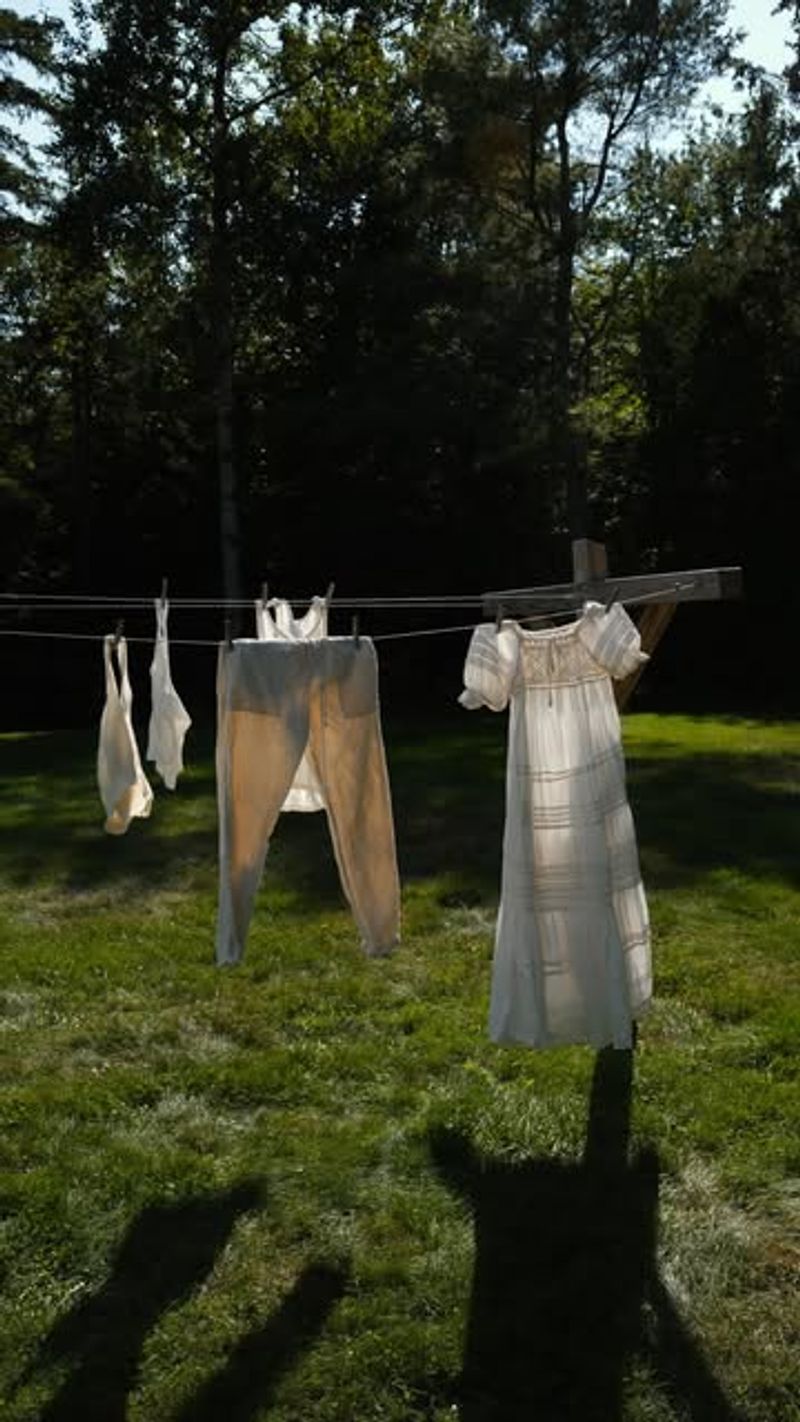
Once a common sight in Missouri backyards, clotheslines are disappearing under neighborhood regulations.
Many homeowners associations consider them unattractive, arguing that visible laundry detracts from the uniform appearance of communities and may lower property values.
Despite this, clotheslines are a highly eco-friendly alternative to electric dryers, reducing energy consumption and utility bills while extending the life of clothing by avoiding heat damage.
Missouri residents who favor natural drying methods are pushing back against restrictive rules, advocating for their right to sustainable practices.
Some municipalities have considered “right to dry” legislation, which would protect homeowners’ ability to hang laundry outdoors.
Alternatives like retractable or removable clotheslines can help balance aesthetics with sustainability. Residents may also use screened or side-yard locations to comply with HOA guidelines while still benefiting from natural drying.
Educating neighbors about the environmental advantages of air-drying clothing and the subtle, low-profile design of modern clotheslines can help communities embrace this practice.
By creatively incorporating clotheslines into backyard layouts, Missouri homeowners can continue using these traditional, energy-saving tools without running afoul of local regulations, supporting greener living in suburban areas.
Vegetable Gardens
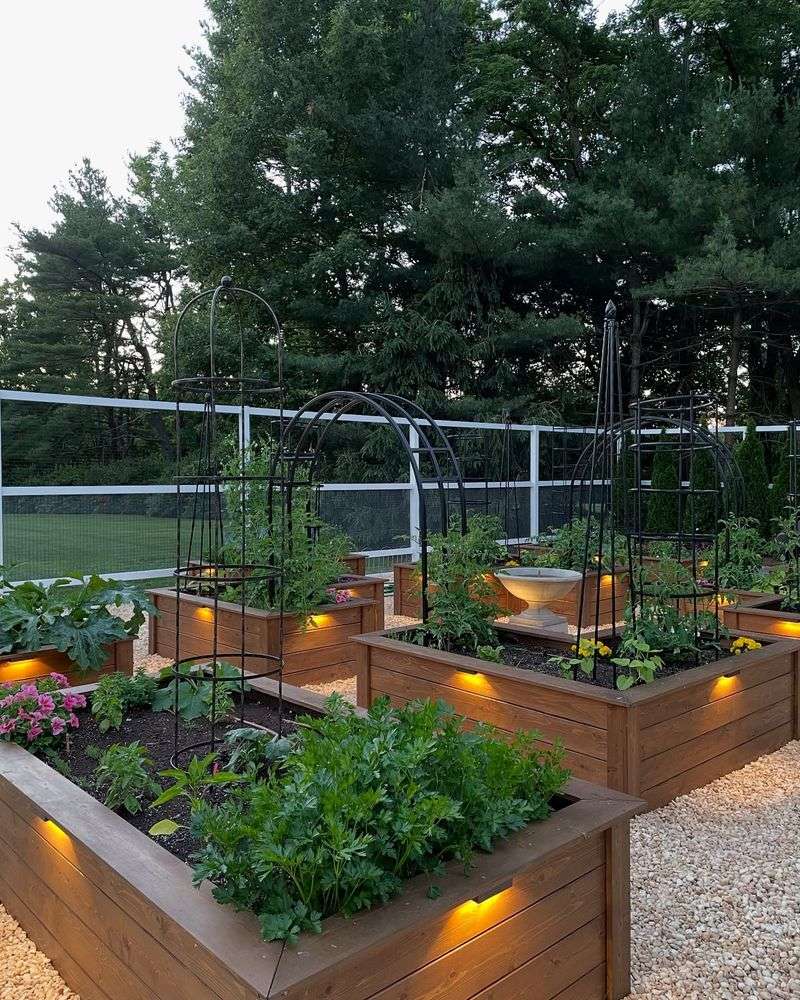
Front yard vegetable gardens in Missouri are increasingly under scrutiny.
While growing food at home is a practical and sustainable choice, many homeowners associations and municipal codes restrict gardening to backyard areas, arguing that front-facing gardens disrupt neighborhood aesthetics.
Gardeners planting tomatoes, cucumbers, peppers, and other crops in sunlit front yards often face warnings, fines, or mandates to relocate their gardens.
Some municipalities, recognizing both the value of urban agriculture and community concerns, have established shared community garden spaces as a compromise, allowing residents to grow fresh produce while maintaining neighborhood appearance standards.
Container gardening can also offer an alternative for front-facing plots, keeping plants visually contained and mobile.
Educating communities about the benefits of homegrown food, including reduced grocery costs, fresher produce, and pollinator support, may encourage acceptance of front-yard cultivation.
Carefully designed vegetable plots with clean edges, low-profile plant supports, and ornamental elements can reduce perceived disorder while supporting ecological and nutritional goals.
With thoughtful planning, Missouri residents can maintain productive gardens, contribute to local food security, and comply with regulations, ensuring both community harmony and sustainable backyard agriculture.
Chicken Coops
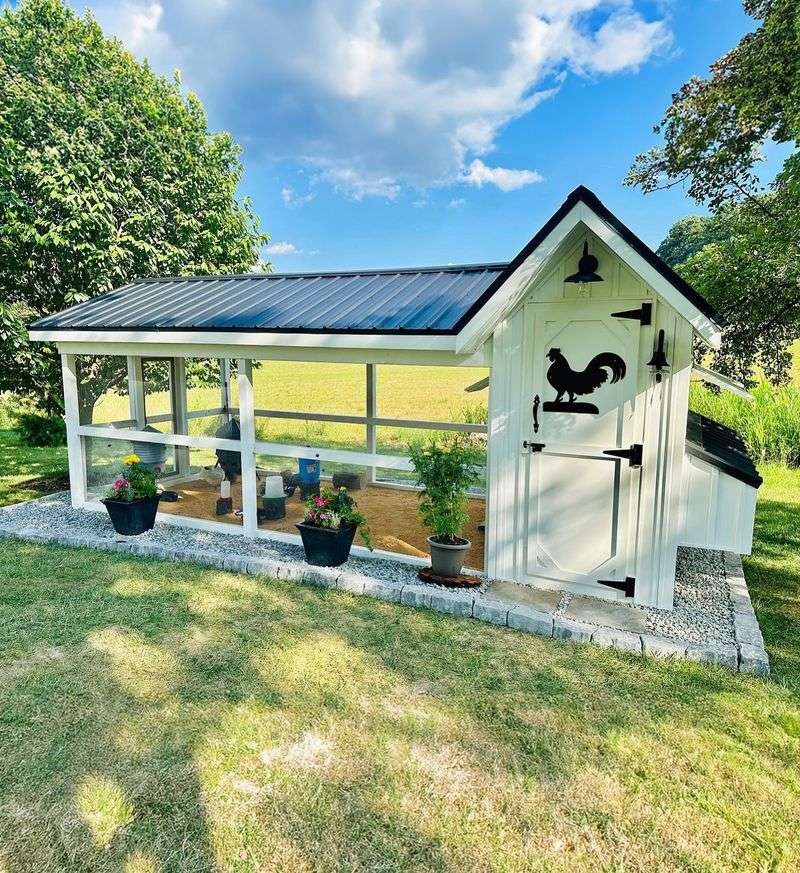
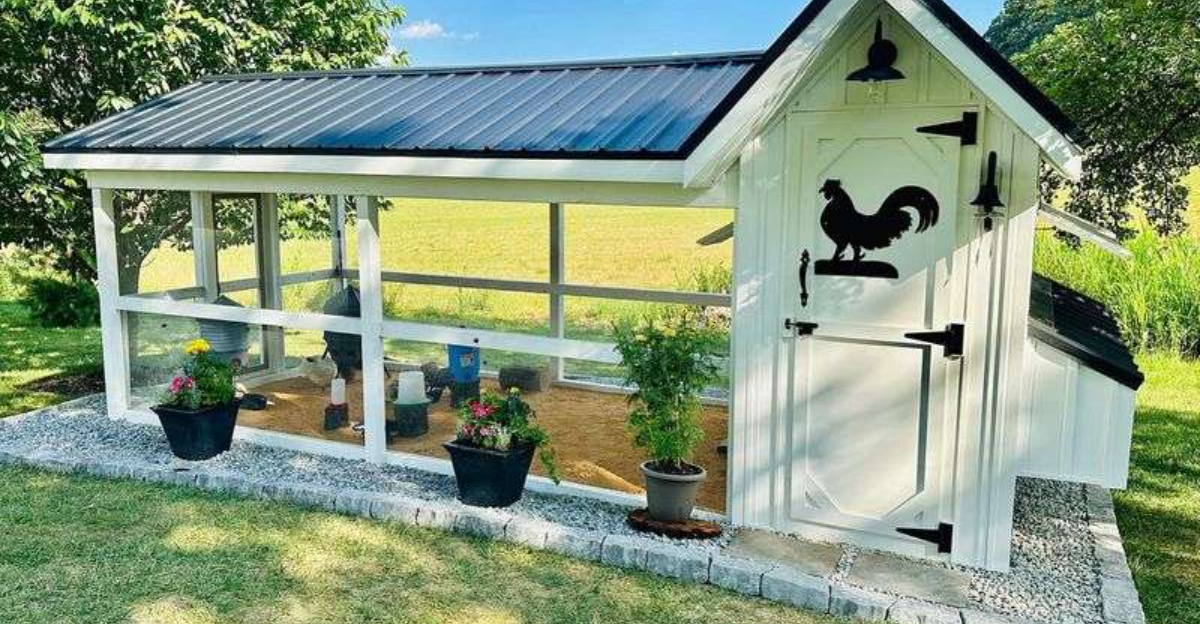
Raising backyard chickens has become increasingly popular in Missouri, but regulatory hurdles limit their presence.
Even small flocks of hens, valued for fresh eggs and natural insect control, face restrictions in many communities.
Homeowners associations and municipal codes cite concerns about noise, odors, and potential disease spread, leading to limits on the number of birds or outright prohibitions on poultry keeping.
Some towns, including parts of St. Louis County, allow only a few hens, prohibit roosters entirely, or require specific coop placements with setbacks from property lines.
Compliance may also involve permits, inspections, or design standards to minimize impact on neighbors. Residents often need to invest in secure, well-ventilated coops that prevent contact with wildlife and reduce nuisance factors.
Despite these challenges, backyard poultry offers ecological and educational benefits, teaching children about food sources and supporting sustainable practices.
Missouri residents advocating for backyard chickens can engage with local governments, demonstrate responsible husbandry, and explore cooperative solutions such as community gardens with shared poultry programs.
Proper planning ensures that keeping hens contributes to home sustainability while staying within legal frameworks, enhancing neighborhoods without creating conflicts.
Rain Barrels
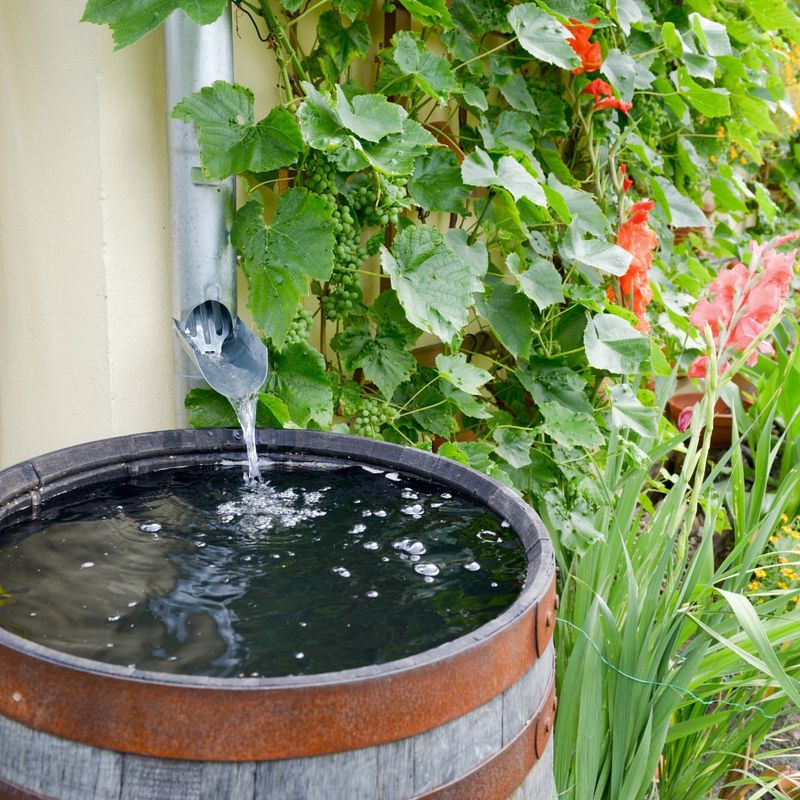
Rain barrels and water collection systems are an environmentally conscious choice in Missouri, yet they face restrictions in many neighborhoods.
Homeowners associations and municipal ordinances sometimes prohibit or limit these devices, citing concerns over aesthetics or potential mosquito breeding.
Regulations may dictate barrel size, placement, and screening, requiring homeowners to integrate the systems discreetly into yard designs.
Despite these restrictions, rain barrels help conserve water, lower utility bills, and provide a sustainable water source for gardens, lawns, and outdoor plants.
Advocacy groups in Missouri are pushing for legislation to protect the right to collect rainwater, emphasizing the environmental and financial benefits of responsible rainwater use.
Residents can comply with local codes by using enclosed, decorative barrels, situating them near downspouts, and employing mesh screens to prevent pests.
Proper maintenance, including periodic cleaning and secure placement, ensures safe and efficient operation.
Educating neighbors about the advantages of water conservation, from supporting pollinators to reducing stormwater runoff, can also increase acceptance of rain barrels in regulated communities.
Thoughtful planning allows Missouri homeowners to save water while staying in compliance with community guidelines.
Native Plant Gardens
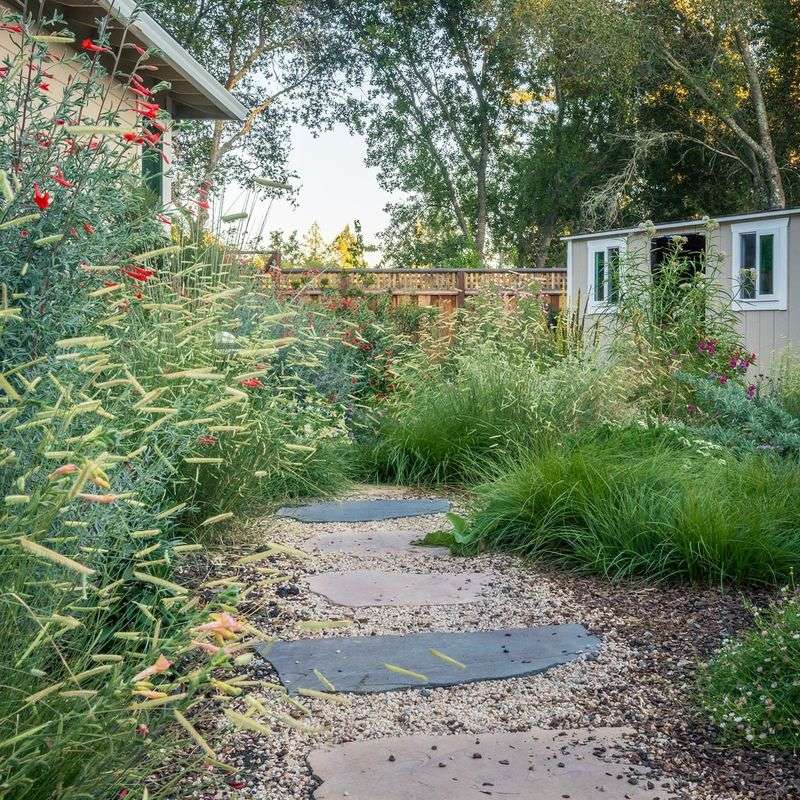
Native plant gardens provide essential habitat for pollinators, birds, and other wildlife in Missouri, but they face increasing restrictions in residential areas.
Many communities enforce strict lawn codes, favoring short, manicured turf over natural-looking landscapes. Tall grasses, wildflowers, and prairie plants that once dominated Missouri’s ecosystem may require special permission to plant in front yards.
Homeowners attempting to restore native habitats often encounter fines, warnings, or pressure from HOAs to maintain conventional lawns.
Despite these restrictions, native plantings offer ecological benefits, including reduced water use, improved soil health, and support for insects and birds.
Strategies to comply with regulations include creating defined borders, installing signage indicating “native plant area,” and keeping pathways clear for visual appeal.
Seasonal maintenance, such as selective trimming or controlling invasive plants, helps ensure that native gardens remain tidy and accessible. Education about the environmental value of native landscapes can encourage communities to accept these plantings.
By balancing aesthetics with ecological benefits, Missouri residents can support biodiversity, provide natural habitat, and maintain beautiful yards that reflect the state’s natural heritage while staying compliant with local regulations.
Basketball Hoops
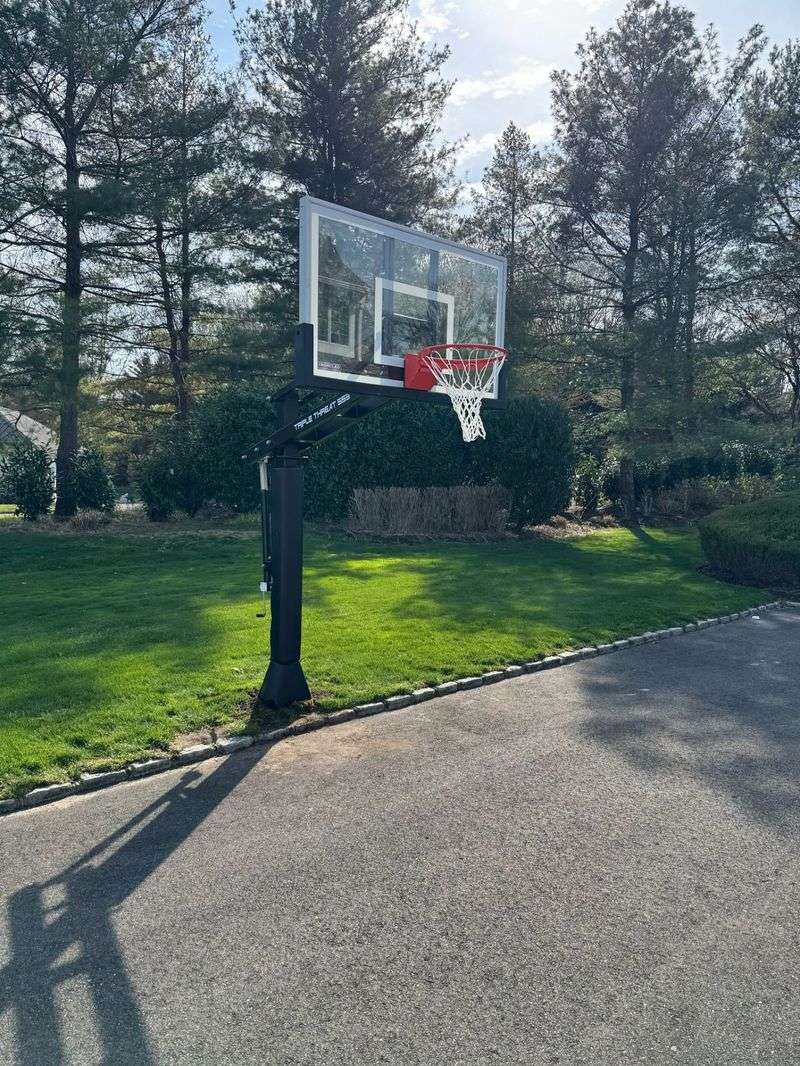
Permanent basketball hoops and outdoor sports equipment are increasingly subject to regulation in Missouri neighborhoods.
Homeowners associations and municipal codes often cite safety, street visibility, and neighborhood aesthetics as reasons for limiting or restricting these installations.
Portable hoops may be allowed, but many communities require that they be stored out of sight when not in use.
Setback requirements and height restrictions are also common, particularly in suburban areas like Kansas City and St. Louis.
These rules aim to minimize visual clutter and prevent potential conflicts between neighbors while still allowing families space to enjoy recreational activities.
Homeowners can comply by selecting collapsible or movable equipment that can be relocated after play, or by designing designated sports areas in side or back yards.
Community input and neighborhood approval processes may also apply. Despite restrictions, creative placement and planning can ensure children and adults still have opportunities for physical activity and play.
Choosing aesthetically compatible equipment, like neutral-colored poles or unobtrusive backboards, can help integrate recreational areas while maintaining compliance with HOA or municipal guidelines.
Thoughtful planning allows residents to balance active lifestyles with neighborhood expectations.
Tall Fences
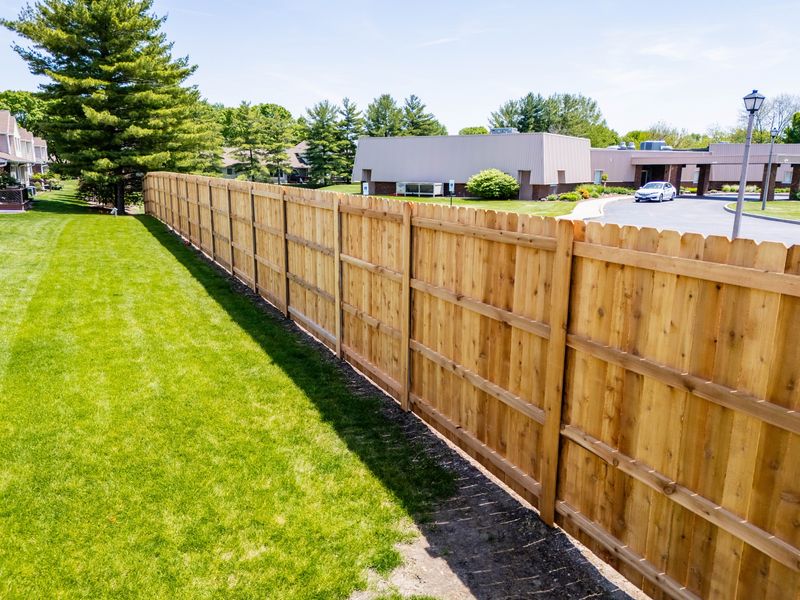
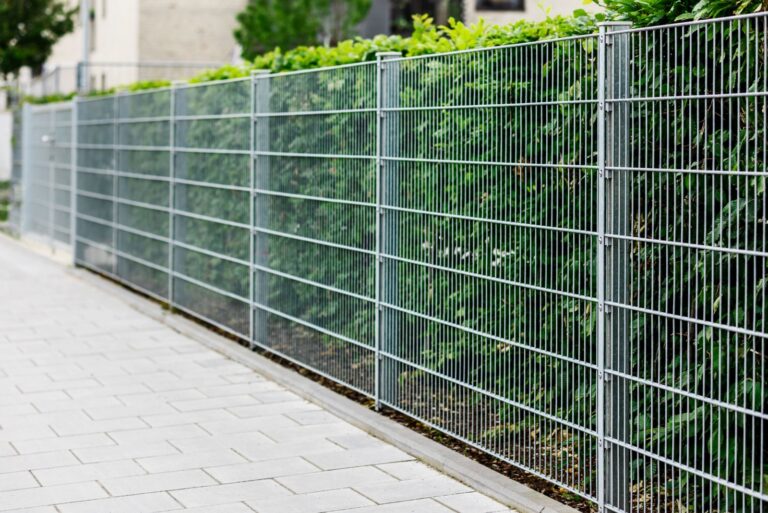
Many Missouri homeowners install tall fences for privacy, but local ordinances often impose height restrictions.
Typical limits are 4 feet for front yards and 6 feet for backyards, though some communities have even stricter regulations based on materials, design, or visibility. Violating these rules can result in mandatory modifications or fines.
Fencing can affect not only neighbors’ sightlines but also airflow, sunlight, and overall neighborhood aesthetics, which explains why local authorities regulate heights and placement.
Some Missouri neighborhoods also impose requirements for wildlife-friendly designs, particularly in areas where deer and other animals traverse residential properties.
Homeowners seeking extra privacy may explore alternatives such as staggered plantings, lattice tops, or pergolas that provide screening while remaining within height limits.
Before installing any fencing, residents should consult municipal codes and HOA rules, ensuring permits are obtained if necessary. Proper planning prevents conflicts with neighbors, maintains the visual harmony of the community, and avoids costly rework.
With thoughtful design choices, Missouri residents can create private, secure spaces while complying with regulations and preserving neighborhood appeal.
Recreational Vehicles
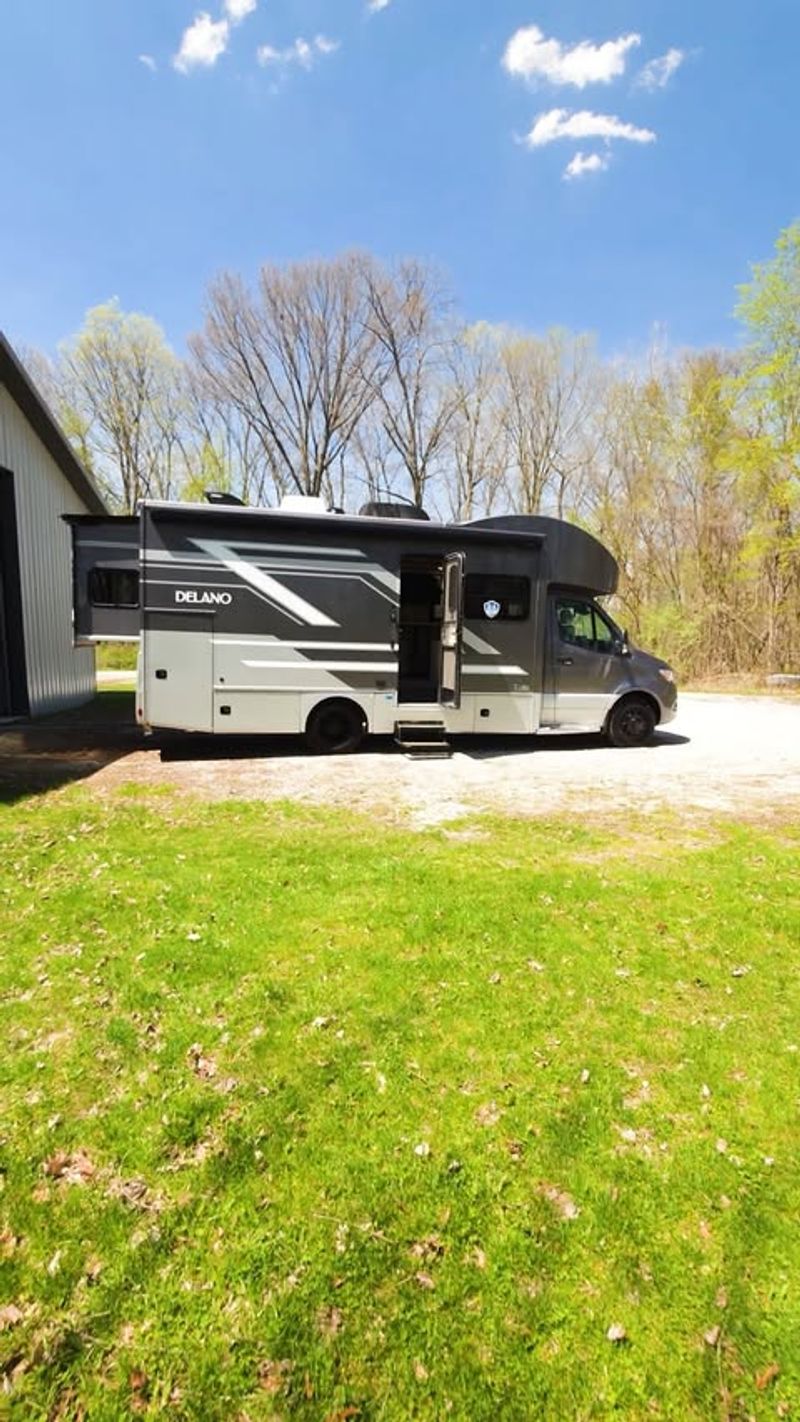
Storing recreational vehicles (RVs), campers, or boats in Missouri neighborhoods is increasingly restricted.
Municipal codes and homeowners associations often limit visible storage of large vehicles due to aesthetic concerns, street visibility, and potential property value impacts.
In many communities, RVs must be stored off-site or behind screening fences, and some municipalities enforce time limits for temporary parking for loading or unloading. Setback requirements, side-yard placement rules, and height and length restrictions are common.
These regulations aim to maintain orderly streetscapes while still allowing residents access to their recreational assets. Homeowners with large lots, particularly near lakes or recreational areas, often face the challenge of balancing convenience with compliance.
Solutions include installing concealed storage areas, coordinating with local zoning boards, or using neighborhood-approved screening to hide vehicles from public view.
While these measures may require additional planning or expense, they help prevent disputes with neighbors and ensure adherence to community standards.
Understanding and anticipating these regulations allows Missouri residents to enjoy recreational vehicles and boats responsibly while preserving neighborhood harmony and maintaining compliance with local ordinances.
Solar Panels
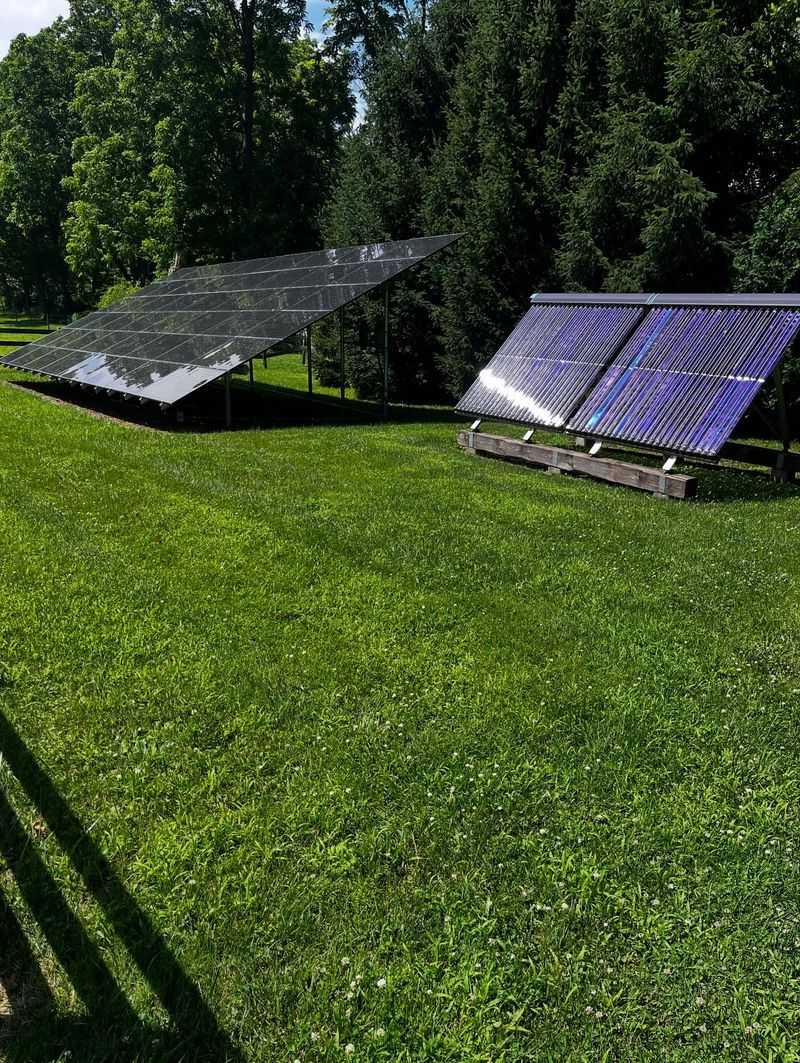
Solar panels are an environmentally friendly energy solution, but many Missouri homeowners encounter limitations imposed by homeowners associations or local ordinances.
Rules may restrict placement, orientation, and visibility of solar installations, often prioritizing neighborhood aesthetics over energy efficiency.
Some communities require that panels be installed on rear-facing roofs, hidden from street view, or integrated with specific design guidelines. These restrictions can affect the optimal angle and efficiency of solar systems.
Despite these challenges, solar panels remain a practical way to reduce electricity bills and carbon footprints. Homeowners can work with designers to select low-profile panels, use color-matched frames, or install panels in areas less visible from the street.
Applying for permits and HOA approvals in advance ensures compliance and prevents potential disputes.
Education on the benefits of renewable energy, including reduced energy costs and long-term sustainability, may encourage more flexible community guidelines over time.
Thoughtful installation allows Missouri residents to harness solar energy effectively while maintaining neighborhood harmony and meeting regulatory requirements.
Proper planning ensures that solar adoption remains both functional and community-friendly.
Yard Art And Decorations
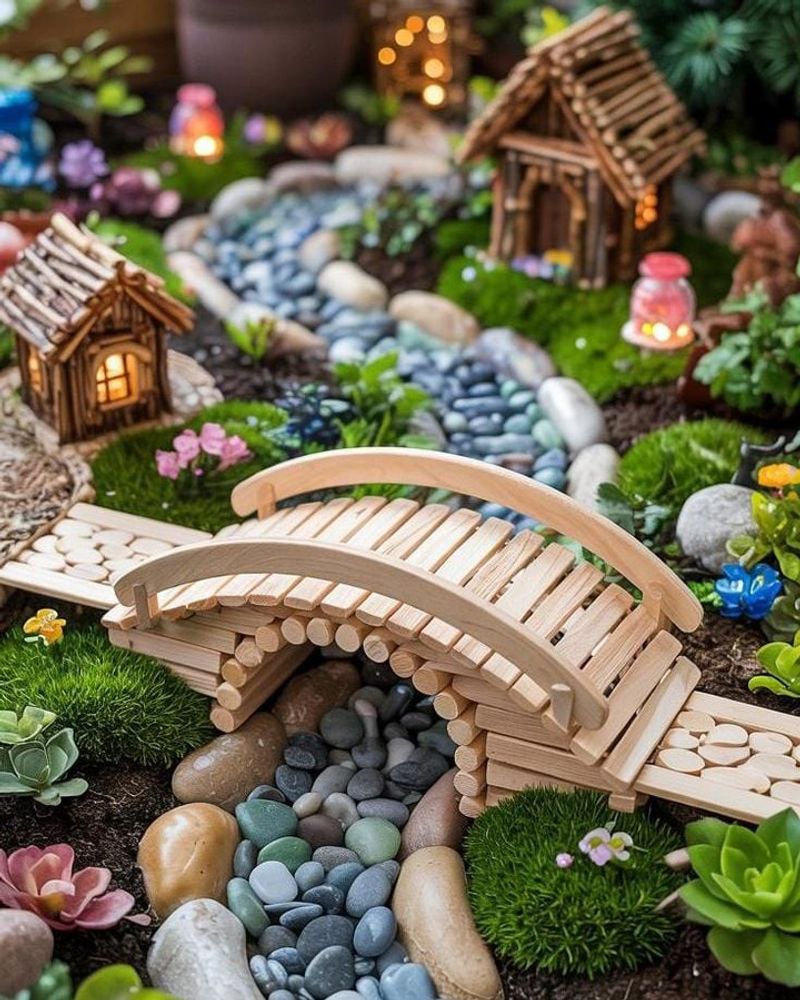
Creative yard art, including garden gnomes, flamingos, sculptures, and decorative objects, is increasingly regulated in Missouri neighborhoods.
Homeowners associations and municipal codes often impose limits on size, quantity, placement, and sometimes even the theme of visible decorations.
While seasonal displays or religious ornaments may receive exemptions, whimsical or oversized items can be prohibited. These regulations aim to maintain visual consistency and preserve neighborhood property values.
Homeowners can still enjoy outdoor decoration by following HOA guidelines, using removable or temporary displays, or placing art in less-visible locations like side yards or patios.
Selecting smaller-scale items, using neutral colors, or grouping decorations neatly can help avoid conflicts. Educating neighbors about the cultural, personal, or artistic value of yard displays may also foster acceptance.
Some communities encourage pre-approval for certain decorative elements to ensure compliance. With careful planning, Missouri residents can express individuality and creativity while respecting community standards.
Thoughtful placement and adherence to local regulations allow homeowners to maintain charming, visually appealing yards that reflect personal taste without creating disputes or legal issues.