10 Common Yard Items That Actually Need A Permit In Virginia
In Virginia, your yard might look like your castle—but even castles answer to the rulebook.
One innocent weekend project can turn into a bureaucratic boomerang if you don’t know where the lines are drawn.
That shiny new fence, cozy fire pit, or oversized shed may seem like small potatoes, yet local codes can say otherwise.
Permits often hide in plain sight, quietly tied to items homeowners install every day without a second thought.
Miss one, and you could be in hot water faster than you can say “inspection notice.”
Before you break ground, pour concrete, or start stacking materials, it pays to read the fine print.
This guide shines a light on everyday yard features that can trigger permit requirements—and saves you from learning the hard way.
1. Oversized Storage Sheds

Building a shed seems straightforward, but Virginia regulations specify size limits before requiring permits for these popular backyard storage solutions today.
Most localities allow sheds under 120 square feet without permits, though anything larger typically needs official approval from your local building department.
The exact threshold varies by county and city, so checking with your specific jurisdiction prevents problems before you purchase materials or start.
Setback requirements also matter significantly because sheds must sit certain distances from property lines, often five to ten feet minimum spacing required.
Height restrictions apply too, with many areas limiting accessory structures to single stories or specific maximum heights to maintain neighborhood aesthetics overall.
Permanent foundations trigger additional scrutiny because officials want to ensure proper drainage and structural integrity for anything anchored to the ground permanently.
Electrical wiring inside sheds always requires permits and inspections, regardless of the structure size, to prevent fire hazards and code violations entirely.
Homeowner associations may impose stricter rules than county codes, adding another layer of approval needed before installing your new storage space today.
2. Privacy Fences Over Allowed Height
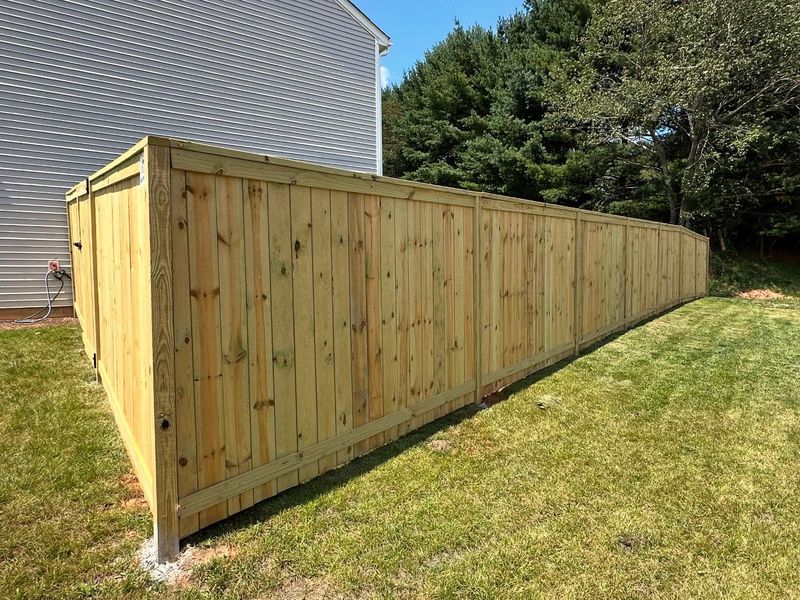
Fences provide security and privacy, but Virginia communities regulate maximum heights to balance homeowner needs with neighborhood visibility and safety concerns always.
Front yard fences typically face the strictest limits, often capped at three or four feet tall to maintain open sightlines for traffic.
Backyard and side yard fences enjoy more flexibility, commonly allowing six feet without permits, though exceeding this triggers mandatory approval processes statewide.
Corner lots face special restrictions because fences near intersections cannot obstruct driver visibility, creating potential hazards for vehicles and pedestrians alike daily.
Material choice sometimes influences permit requirements, with solid privacy fences receiving more scrutiny than open picket or split rail designs that allow airflow.
Pool fences follow separate regulations entirely, requiring specific heights and self closing gates to prevent accidental drownings, especially involving young children or pets.
Historic districts impose additional aesthetic standards, ensuring new fences match the architectural character of surrounding properties and preserve community heritage and charm.
Violations can result in mandatory fence removal or expensive modifications, making upfront permit applications far more cost effective than risking enforcement later.
3. Unpermitted Decks
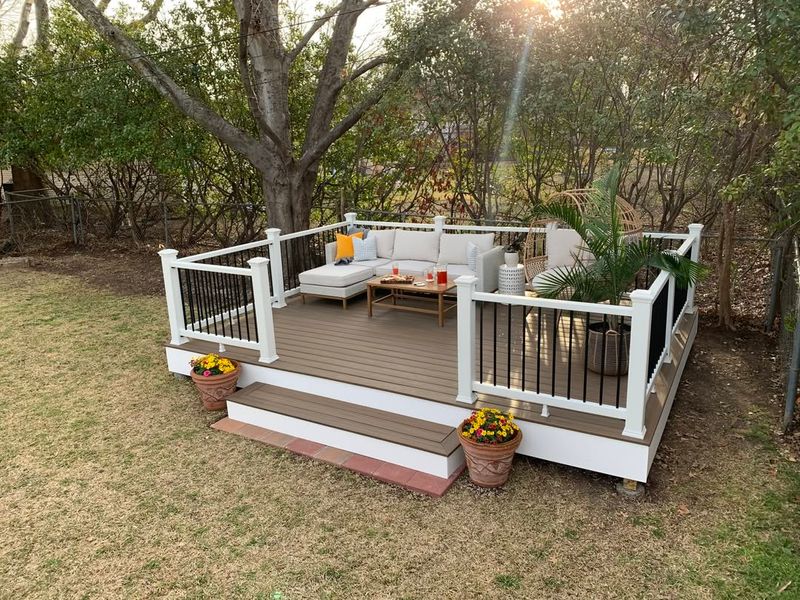
Decks rank among the most popular home additions, yet Virginia mandates permits for most deck projects to ensure structural safety and compliance.
Ground level decks under a certain size sometimes qualify for exemptions, though attached or elevated decks almost always require official building department approval.
Structural concerns drive these requirements because improperly built decks can collapse, causing serious injuries to family members and guests gathered for outdoor activities.
Footing depth matters tremendously since Virginia experiences freeze thaw cycles that shift unstable foundations, potentially compromising deck stability over time without proper installation.
Railing heights and spacing follow specific codes to prevent falls, especially important for elevated decks where injuries could prove severe or catastrophic entirely.
Ledger board attachment receives particular attention during inspections because improper connections to houses cause most deck failures, separating structures from buildings dangerously.
Electrical outlets or lighting integrated into deck designs require separate electrical permits and inspections beyond the basic structural approval needed for construction.
Waterproofing and flashing around ledger boards protect your home from moisture damage, and inspectors verify these critical details during the permitting process thoroughly.
4. Above Ground Swimming Pools
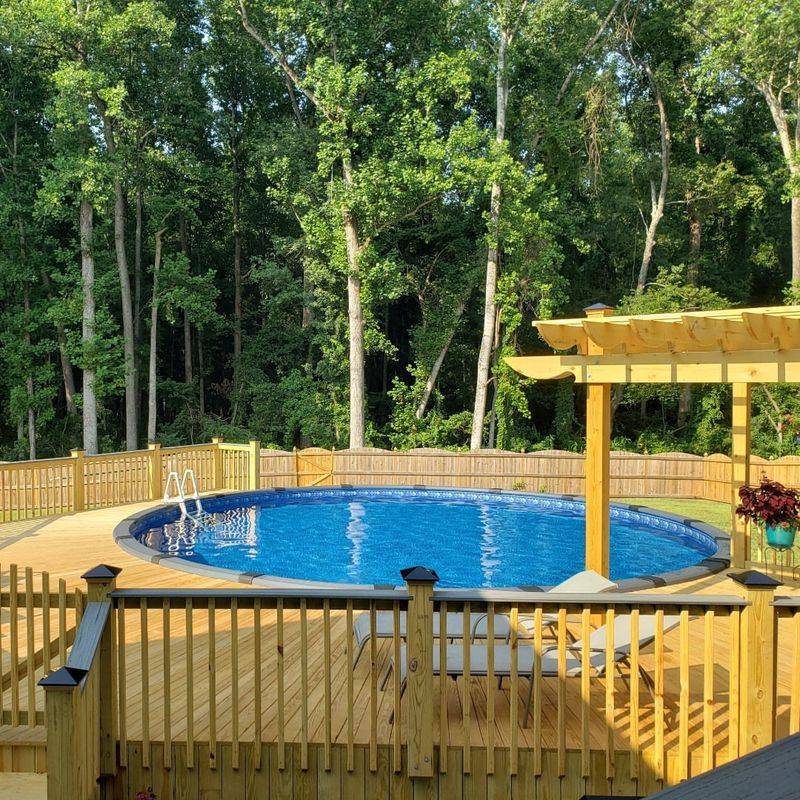
Above ground pools seem temporary, but Virginia treats them as permanent structures requiring permits to address safety concerns and zoning compliance issues.
Capacity thresholds determine permit requirements, with pools holding more than a specific gallon amount, often around 5,000 gallons, triggering mandatory approval processes.
Fencing requirements prove especially important because Virginia law mandates barriers around pools to prevent unsupervised access by young children in neighborhoods everywhere.
Gates must include self closing and self latching mechanisms that operate reliably, keeping pools secured when not actively supervised by responsible adults present.
Setback distances from property lines apply to pools just like other structures, ensuring adequate space between your pool and neighbors’ properties always.
Electrical work for pumps and filters always requires separate permits and professional installation to prevent electrocution hazards near water features in residential settings.
Drainage plans matter because emptying thousands of gallons of pool water improperly can flood neighboring properties or overwhelm local stormwater systems significantly.
Insurance companies often request proof of permits and proper fencing before covering pools, making compliance essential for protecting your investment and liability.
5. Permanent Fire Pits Or Outdoor Fireplaces
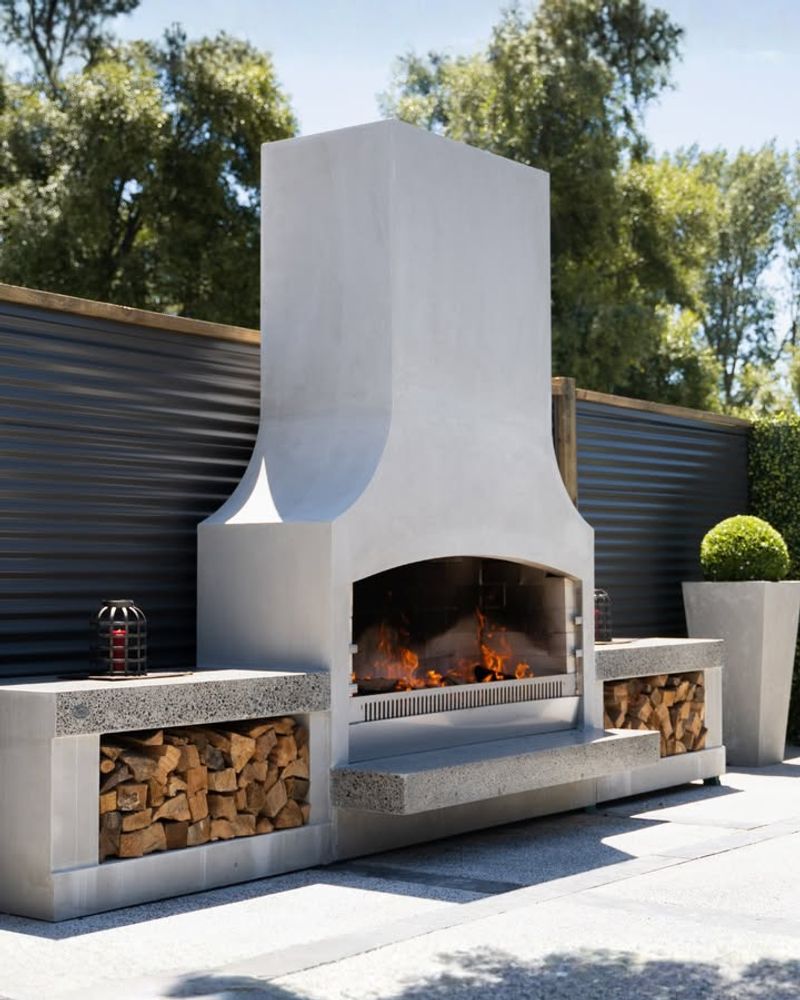
Outdoor fire features create wonderful gathering spaces, but Virginia requires permits for permanent installations to address fire safety and air quality concerns.
Portable fire pits typically avoid permit requirements, though permanent structures built with brick, stone, or concrete need official approval before construction begins.
Distance from structures matters critically because fire features must sit far enough from homes, garages, and fences to prevent accidental fires.
Smoke management becomes an issue in densely populated areas where neighbors might complain about air quality impacts from regular fire feature use.
Fuel type influences regulations, with wood burning features facing stricter scrutiny than gas fired alternatives that produce less smoke and particulate pollution overall.
Chimney height requirements for outdoor fireplaces ensure smoke rises above roof lines, preventing backdrafts into homes or neighboring properties during use.
Foundation specifications protect against heat damage to surrounding surfaces and prevent fire from spreading underground through roots or buried combustible materials nearby.
Local fire marshals often inspect permitted fire features to verify compliance with safety codes before homeowners can legally use their new installations.
6. Retaining Walls Over Code Limits
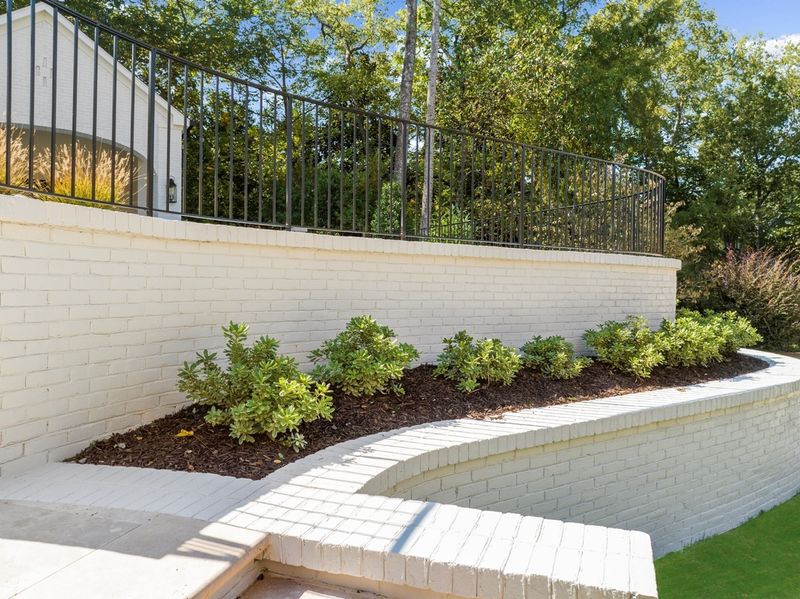
Retaining walls control erosion and create usable yard space, but Virginia mandates permits for walls exceeding specific heights due to collapse risks.
The typical threshold sits around three to four feet tall, with anything higher requiring engineering stamps and official permits before construction.
Soil pressure behind retaining walls increases exponentially with height, making proper design and drainage absolutely critical for preventing catastrophic structural failures later.
Drainage systems must channel water away from behind walls to prevent hydrostatic pressure buildup that can push walls over during heavy rains.
Foundation depth requirements ensure walls sit on stable soil below frost lines, preventing heaving during winter freeze thaw cycles common throughout Virginia.
Terraced walls offer an alternative approach, using multiple shorter walls instead of one tall structure to avoid permit requirements while achieving elevation changes.
Engineering calculations verify that wall designs can withstand soil loads, especially important for walls supporting driveways, patios, or other heavy features above.
Failure to obtain permits for tall retaining walls can result in mandatory removal and rebuilding at your expense if discovered during inspections.
7. Backyard Chicken Coops Or Livestock Enclosures
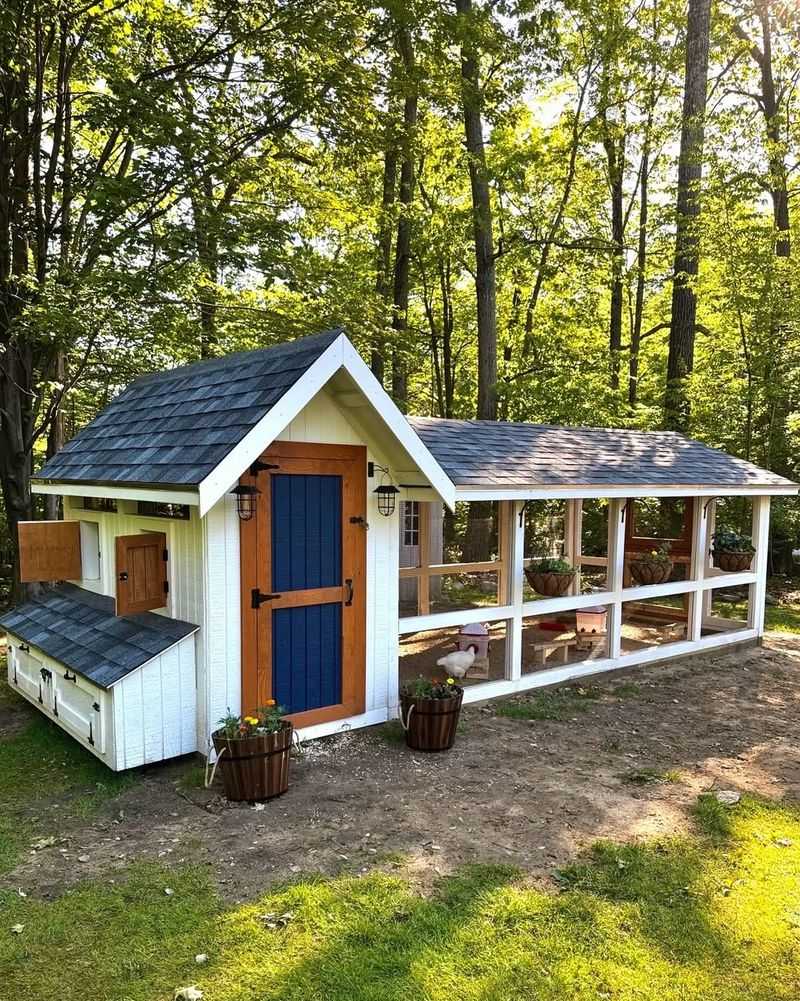
Urban farming grows increasingly popular, but Virginia localities regulate chicken coops and livestock enclosures through zoning and permitting requirements carefully everywhere.
Many jurisdictions now allow backyard chickens with restrictions on flock size, often limiting residents to four to six hens without roosters allowed.
Coop placement requires specific setbacks from neighboring properties to minimize noise, odor, and pest complaints that could arise from keeping poultry nearby.
Structure size determines permit needs, with larger coops requiring building permits similar to sheds, ensuring proper construction and safety compliance throughout.
Sanitation standards apply to prevent health hazards, requiring proper waste management and regular cleaning to control flies, rodents, and disease transmission risks.
Some areas prohibit livestock entirely in residential zones, while others allow chickens but ban ducks, rabbits, or goats under local ordinances.
Homeowner associations frequently maintain stricter rules than county codes, sometimes prohibiting chickens altogether regardless of what local governments officially allow residents.
Registration requirements may exist, requiring owners to obtain licenses or register their flocks with animal control departments for tracking and health purposes.
8. RV Or Boat Storage In Residential Yards
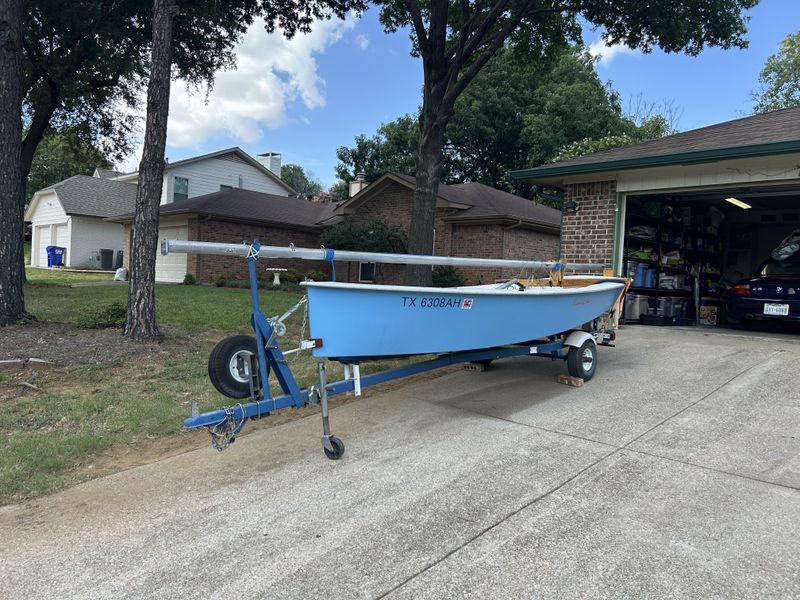
Storing recreational vehicles and boats at home seems convenient, but Virginia communities regulate visible storage through zoning codes and permit requirements strictly.
Many localities prohibit front yard RV or boat storage entirely, requiring these items to sit behind the front plane of homes.
Side yard storage often requires screening from street view using fences or landscaping to maintain neighborhood aesthetics and property values consistently.
Time limits sometimes apply, allowing temporary parking for loading and unloading but prohibiting permanent storage in driveways or visible yard areas long term.
Size restrictions may exist because oversized vehicles can obstruct sightlines at intersections or dominate small lots, creating visual clutter neighbors find objectionable.
Surface requirements matter since parking heavy RVs or boats on grass can create muddy ruts and drainage problems during wet weather conditions.
Commercial vehicle restrictions often extend to large RVs, especially those used for business purposes rather than purely recreational family activities and vacations.
Homeowner associations typically impose the strictest limitations, sometimes banning recreational vehicle storage entirely or requiring off site storage facilities instead always.
9. Driveway Extensions Or Extra Parking Pads
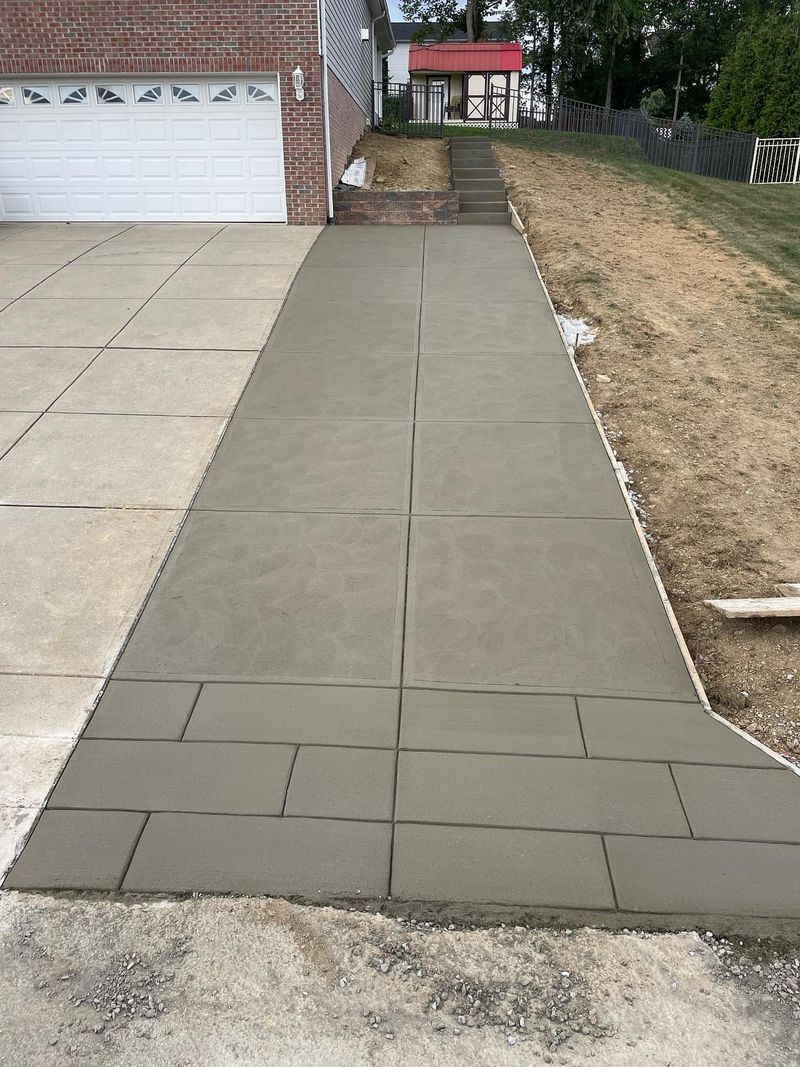
Expanding driveways provides extra parking, but Virginia requires permits for most paving projects to manage stormwater runoff and property line compliance issues.
Impervious surface limits restrict how much of your lot you can cover with concrete or asphalt to prevent flooding from excessive runoff.
Stormwater management plans may become necessary for larger paving projects, requiring retention areas or permeable pavers to control water flow appropriately.
Curb cuts connecting driveways to public streets always require permits from transportation departments to ensure proper drainage and safe vehicle access.
Easements can complicate driveway expansions because utility companies maintain rights to access underground lines, prohibiting permanent structures in certain yard areas.
Grading and drainage must direct water away from neighboring properties, preventing your driveway expansion from creating flooding problems for people living nearby.
Material choices affect permitting, with permeable pavers sometimes receiving more favorable treatment than solid concrete because they allow water infiltration into soil.
Setback requirements ensure driveways maintain proper distances from property lines and do not encroach onto neighbors’ land or public rights of way.
10. Junk Vehicles Or Inoperable Cars

Keeping inoperable vehicles in residential yards violates Virginia codes in most localities, requiring proper storage or removal to maintain community standards everywhere.
Definitions of junk vehicles typically include cars lacking valid registration, missing essential parts, or sitting unmoved for extended periods without use.
Time limits apply in many jurisdictions, allowing temporary repairs but prohibiting long term storage of non functioning vehicles in visible yard areas.
Enclosed storage provides a solution because vehicles kept inside garages or completely screened from view often avoid code enforcement actions entirely.
Commercial repair activities in residential areas face additional restrictions, preventing neighbors from operating unlicensed auto shops from their homes without permits.
Property value concerns drive these regulations because junk vehicles create eyesores that negatively impact surrounding home values and neighborhood appeal significantly overall.
Health and safety issues arise from leaking fluids that can contaminate soil and groundwater, plus abandoned vehicles attract pests and create hazards.
Enforcement typically begins with warnings and citations, but continued violations can result in vehicle removal at owner expense and daily fines accumulating.