11 Common Yard Spots Working Against Your Hummingbird Feeder
Hummingbirds disappear fast when their feeder sits in a wrong spot. Somewhere between excitement and disappointment, your feeders quietly stop working within days.
Backyards everywhere hide problems that quietly startle tiny visitors away instantly. Cats wait behind bushes, turning careless placement into real danger. Heat turns nectar into thick syrup before noon in many yards.
Wind pushes feeders against walls, damaging glass and spilling sugar water. Windows reflect open sky, luring confused hummingbirds into sudden collisions. Predators aren’t the only danger; poor sunlight ferments nectar within hours.
Placement mistakes multiply quietly, each bad decision triggering another. Summer heat affects exposed feeders faster than homeowners expect. Shade sounds safe until it hides threats you never considered.
Nothing about feeder placement is random, though it looks that way. Every choice you make either invites birds closer or drives them away. Ignore these details, and your hummingbirds will disappear before you notice why.
1. Windows Where Reflections Cause Collisions
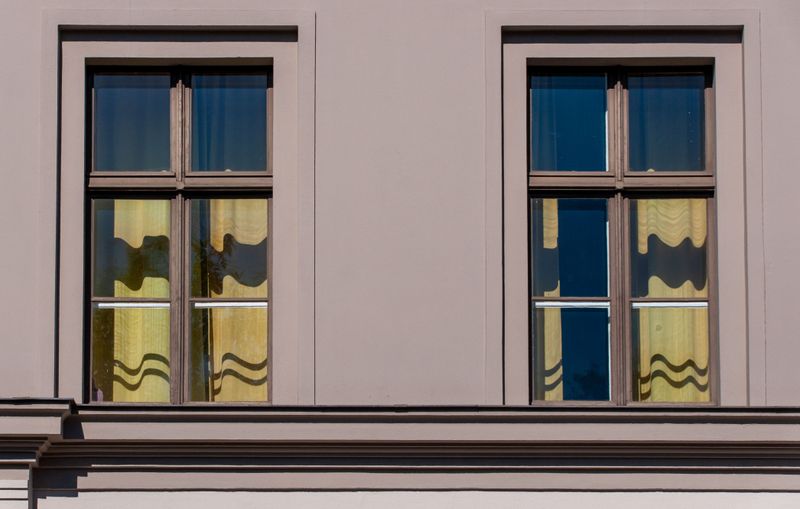
Glass lies to birds. A hummingbird sees the reflection of sky and trees in your window and thinks it is open air. That split-second mistake leads to a painful collision that can injure or stun the bird.
The feeder attracts the bird, and the nearby glass becomes a trap. Even small windows on garage doors or garden sheds can be risky.
Experts suggest keeping feeders either within three feet of a window or more than ten feet away, since the middle distance gives birds just enough speed to be injured on impact.
If you must hang near a window, apply frosted decals or UV-reflective stickers to break up the mirror effect.
Hang sheer curtains just inside the glass to reduce the reflection from outside. Moving the feeder even two feet to the left or right can make a huge difference.
Check your setup on a sunny afternoon when reflections are strongest. Your hummingbirds are counting on you to see what they cannot.
2. Busy Walkways With Heavy Foot Traffic

Picture a tiny bird hovering mid-air while a person walks directly underneath. That scene plays out in yards everywhere, and it almost never ends well for the hummingbird.
These birds are bold but skittish. Constant movement near their feeding spot makes them feel unsafe and stressed.
Your hummingbird feeder should feel like a quiet cafe, not a crowded sidewalk. High-traffic zones near front doors, side gates, or garden paths push hummingbirds away fast.
Over time, the birds stop trying altogether and find a calmer yard nearby. You lose the visits, and they lose a reliable food source.
Move your feeder to a quieter corner of the yard, at least ten feet from any regular walking path. Add a garden bench nearby so you can watch from a distance without disturbing them.
A buffer of shrubs or a trellis can also help create a natural barrier. Give hummingbirds the peace they need, and they will reward you with daily visits.
3. Areas Near Bushes Hiding Outdoor Cats
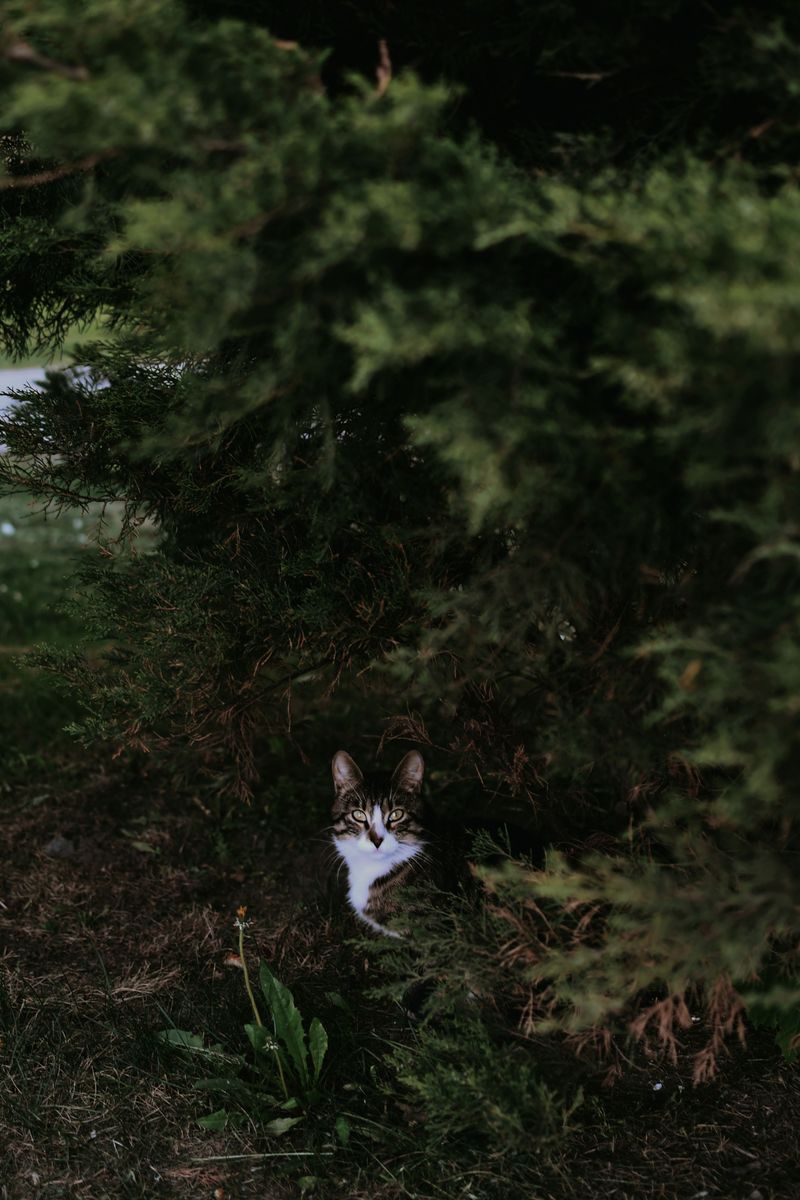
Cats are patient, silent, and a serious threat to small birds. Even a well-fed house cat that goes outdoors can become a serious threat near your feeder.
Dense bushes and low shrubs give cats the perfect cover to crouch and wait. A hummingbird hovering at a low feeder near thick ground cover is an easy target.
Your hummingbird feeder placement needs to account for every predator in the yard, not just the obvious ones. Many bird experts recommend positioning feeders several feet off the ground and away from any shrubs or ground cover cats use.
A shepherd’s hook in an open area is far safer than a hook screwed into a fence post next to a hedge. If neighbors have outdoor cats, talk to them kindly about keeping pets inside during peak feeding hours.
You can also try a motion-activated sprinkler nearby to discourage wandering felines. Protecting your hummingbirds from cats is one of the most powerful things you can do for your garden wildlife.
4. Direct Afternoon Sun That Spoils Nectar Fast
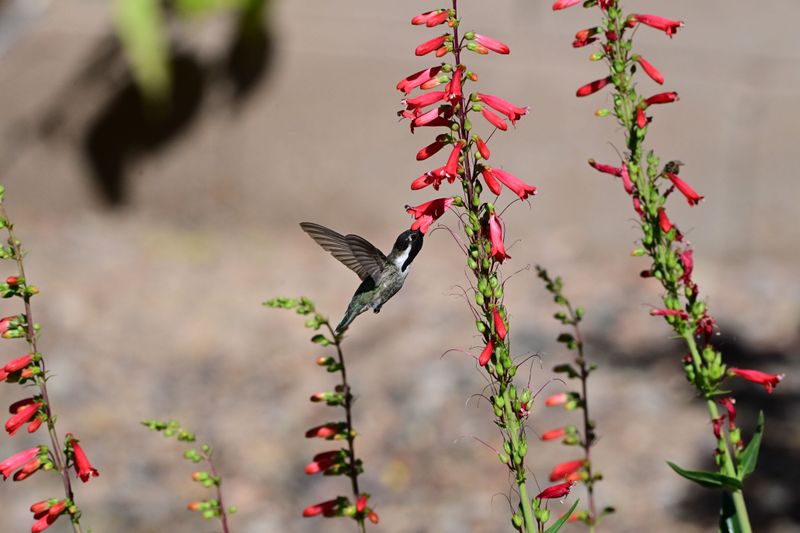
Nectar goes bad fast in the heat. A feeder sitting in direct afternoon sun can spoil within a day or two during hot summer weather, depending on temperature.
Fermented or cloudy nectar smells off to hummingbirds and can actually make them sick. Your hummingbird feeder should be a healthy pit stop, not a hazard.
West-facing walls and open patios get hammered by afternoon rays from about 1 p.m. onward. That intense heat can cause the nectar to ferment quickly.
Aim for a spot that gets morning sun and afternoon shade. East-facing locations or spots shaded by a large tree after noon work beautifully.
You will notice the nectar stays clear longer and hummingbirds visit more consistently. In peak summer, even a shaded spot may need a nectar change every two days.
Some owners prefer a red feeder over a clear one, though the difference in heat absorption is minor. Fresh nectar is the single biggest thing you can offer your hummingbirds all season long.
5. Spots Close To Bee Or Wasp Nests
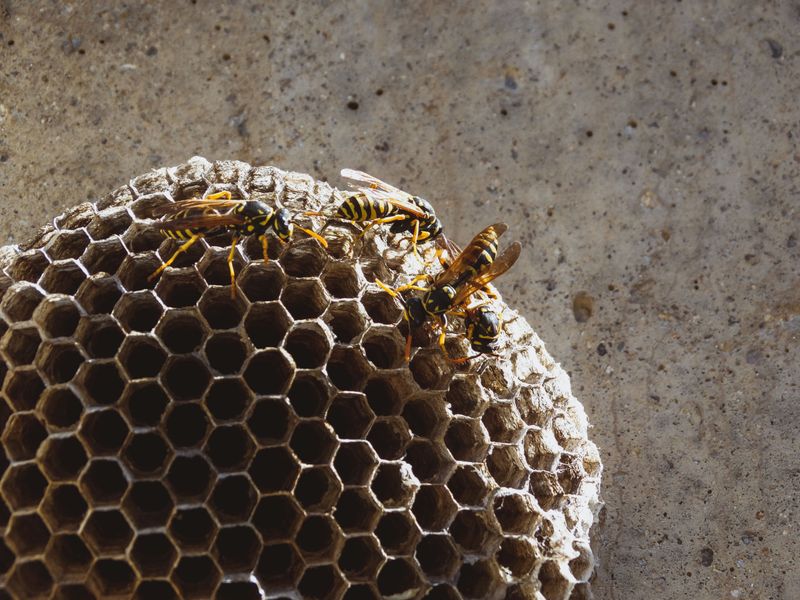
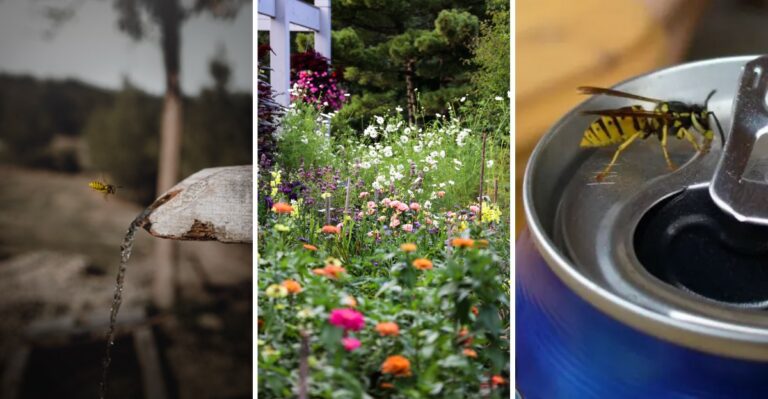
Wasps are highly territorial around food sources. Place a feeder near an active nest and you have basically handed the whole thing over to insects.
Bees and wasps are drawn to sugar water just like hummingbirds are. Once they claim a feeder, the birds back off entirely.
Your hummingbird feeder becomes useless if insects are swarming the ports. Scout your yard carefully before picking a hanging spot, especially in late summer when wasp activity peaks.
Check eaves, fence boards, and low tree branches for papery gray nests. Even a small nest nearby can attract enough insects to overwhelm a feeder within days.
If insects are already a problem, switch to a feeder with bee guards over the ports. You can also try hanging a decoy wasp nest nearby, since wasps are territorial and avoid areas claimed by rivals.
Moving the feeder just a few yards away from a nest often solves the problem overnight. A clean, insect-free feeder brings the hummingbirds rushing back with enthusiasm.
6. Open Lawns With No Nearby Cover

Hummingbirds are brave, but they are not reckless. Open lawns with no trees, shrubs, or structures nearby feel exposed and unsafe to them.
Birds need a place to perch, rest, and scan for danger between feeding visits. A feeder floating alone in the middle of a lawn offers none of that security.
Hawks and other aerial predators have a clear line of sight over open spaces. A hummingbird feeding in the open is a visible target with nowhere to dash.
Good placement means having natural cover within ten to fifteen feet of the feeder. A flowering shrub, a small tree, or even a tall garden trellis gives birds the refuge they need.
Plant native shrubs like salvia or trumpet vine nearby to create both shelter and a natural food source. The feeder becomes part of a habitat instead of an isolated object on a pole.
Hummingbirds will visit more often when they feel safe enough to linger. A little greenery around your feeder changes everything about how the birds respond to it.
7. Locations Under Dripping Gutters Or Sprinklers
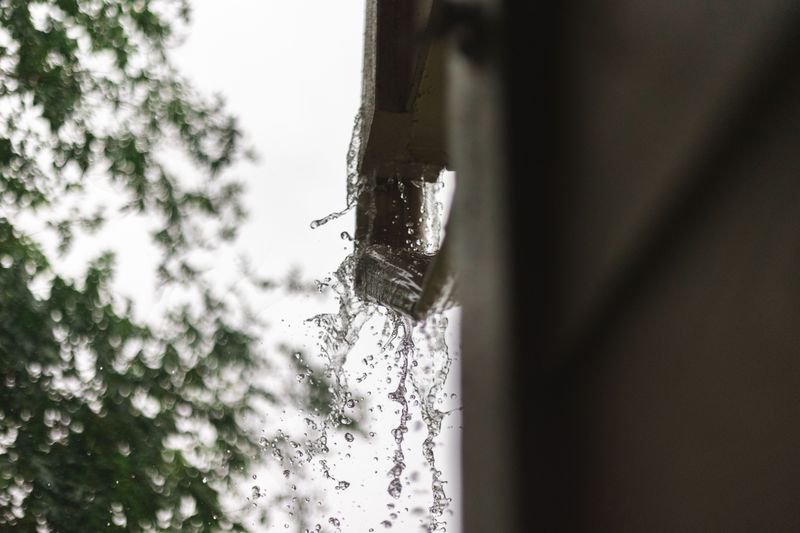
Water and feeders are not friends. A feeder positioned under a leaky gutter or within range of a sprinkler head gets soaked regularly.
That constant moisture dilutes the nectar and encourages mold growth inside the feeder ports. Mold is dangerous to hummingbirds and can cause serious health problems.
Your hummingbird feeder also becomes harder to keep clean when it is perpetually wet. The dripping water washes away the nectar concentration, leaving behind a weak solution birds quickly lose interest in.
Walk your yard during and after a rainstorm to spot problem drip zones before you hang anything. Check sprinkler patterns too, especially if you use timed irrigation systems.
Even occasional splashing is enough to introduce bacteria into an otherwise clean feeder. Move your setup to a dry, sheltered location under a porch overhang or between two trees.
Clean your feeder every two to four days, more often in hot weather, to stay ahead of mold. A dry feeder with fresh nectar is a simple habit that keeps hummingbirds coming back.
8. Wind-Exposed Corners That Swing Feeders Wildly
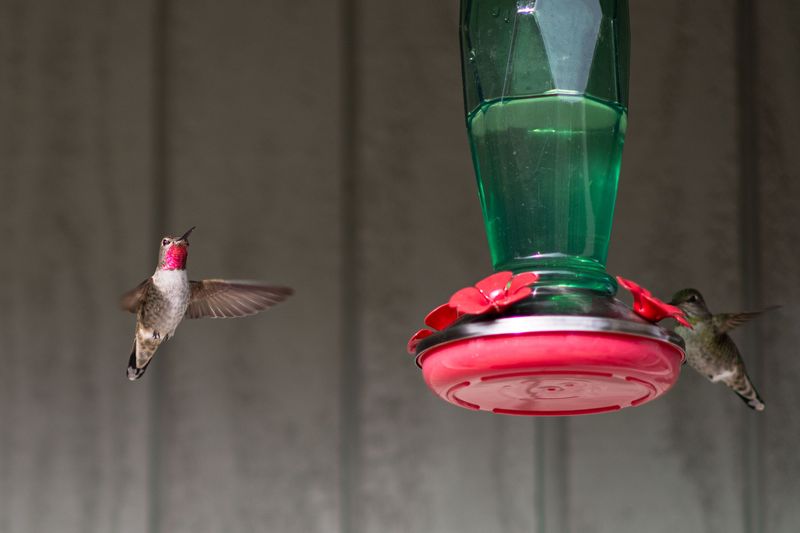
A swinging feeder is a spilling feeder. Corner spots where two walls meet often create a wind tunnel effect that sends feeders spinning on breezy days.
When nectar spills, it attracts ants, wasps, and other insects in large numbers. It also means your hummingbirds are visiting an increasingly empty feeder without knowing why.
Your hummingbird feeder needs a stable, calm location to function properly. Constant swinging also stresses the birds, since they struggle to hover at a moving target.
Look for spots that are naturally sheltered from prevailing winds, like a nook near a large hedge or along a solid fence. Avoid roofline corners, especially on the south and west sides of your home where wind tends to be strongest.
Use a sturdy shepherd’s hook with a wide base or anchor it to a solid post. Adding a second hook or a hook with a built-in stabilizer helps prevent swinging on gusty days.
A calm feeder means more nectar stays where it belongs. Stable placement is one of the easiest upgrades you can make for better hummingbird visits.
9. Driveways Where Car Exhaust Lingers

Car exhaust smells awful to sensitive birds. Hummingbirds have sharp senses, and chemical odors near a feeder can discourage them from approaching at all.
Driveways are also high-movement zones with cars pulling in and out regularly. That constant noise and motion keeps hummingbirds on edge and away from the feeder.
Your hummingbird feeder deserves a spot far from any vehicle traffic area. Even a feeder hung on the side of a garage near the driveway entrance can be affected by fumes and vibration.
Gasoline and exhaust particles can also settle on the feeder surface over time. That residue is not something you want near food that birds consume multiple times per day.
Move the feeder to the opposite side of your yard, away from any parking area. A spot near a flower garden or natural hedge puts distance between the birds and the noise and fumes.
Hummingbirds are creatures of peace and quiet, and they vote with their wings. Relocate your feeder just once and you may be shocked by how quickly they return.
10. Rooflines Where Hawks Like To Perch
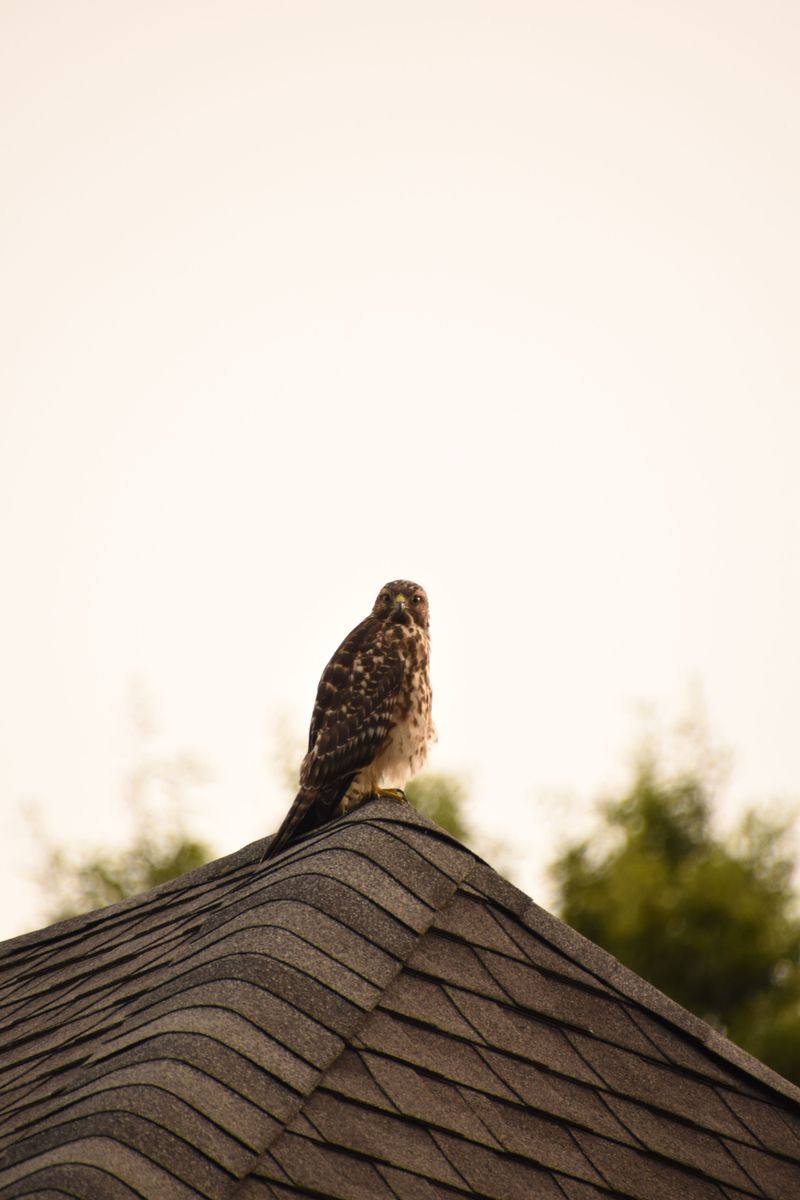
Hawks are opportunists with excellent eyesight. A roofline gives them a high, clear view of everything happening in your yard below.
Hanging your hummingbird feeder directly beneath a favorite hawk perch is like setting a trap for the birds you are trying to help. Hummingbirds are fast, but they know when a predator is watching.
Your hummingbird feeder placement should never put birds in a predator’s direct line of sight. Watch your roofline on early mornings and late afternoons to spot where hawks like to sit.
Even if a hawk never strikes, its presence alone will keep hummingbirds away from the area for hours. Birds communicate danger through alarm calls, and nearby songbirds will alert hummingbirds quickly.
Relocate your feeder to a spot with overhead cover from tree branches or a pergola roof. Natural canopy makes it harder for aerial predators to swoop in cleanly.
Shrubs nearby also give hummingbirds a quick escape route if they sense danger. A well-placed hummingbird feeder in a protected spot gives birds a safer place to return to all season long.
11. Under Eaves Where Spiders Spin Webs
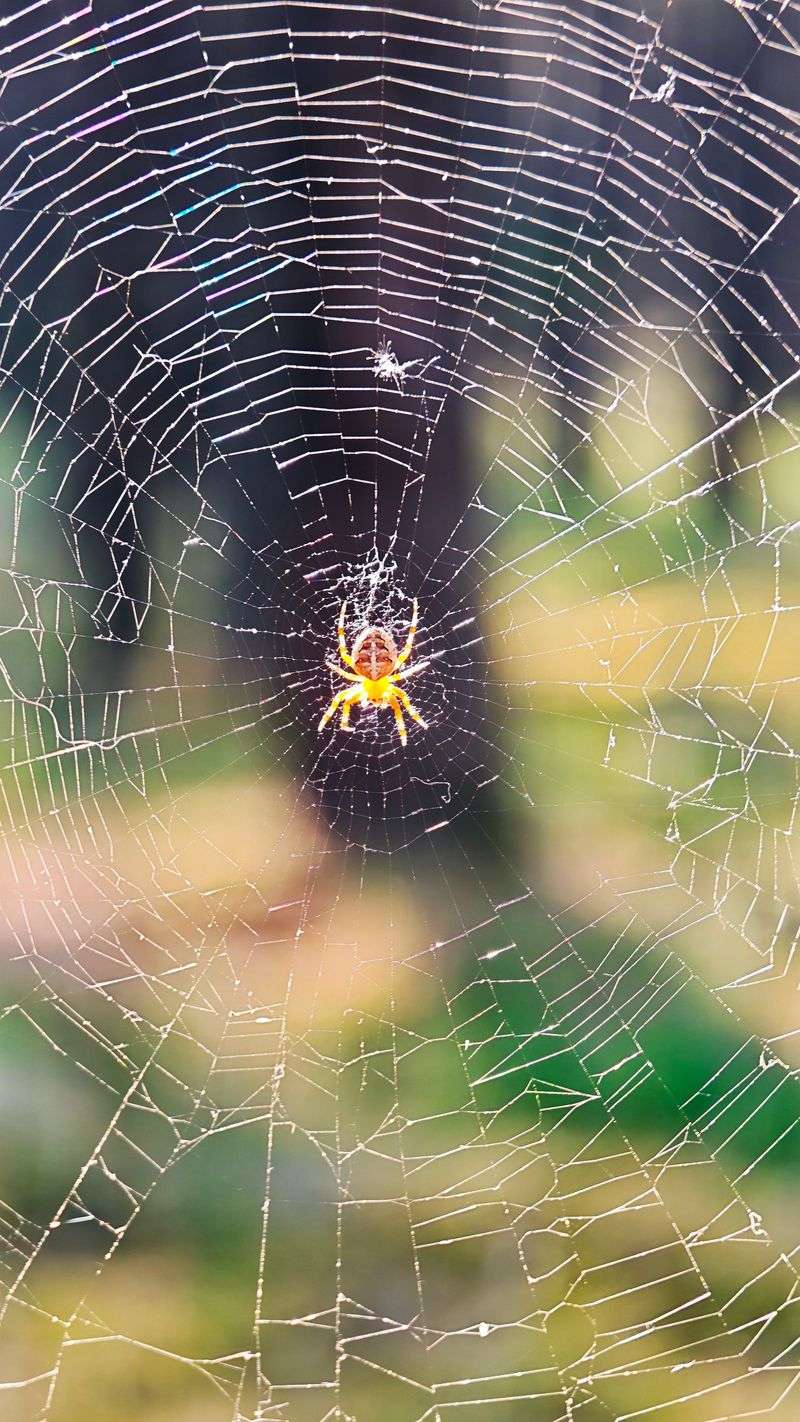
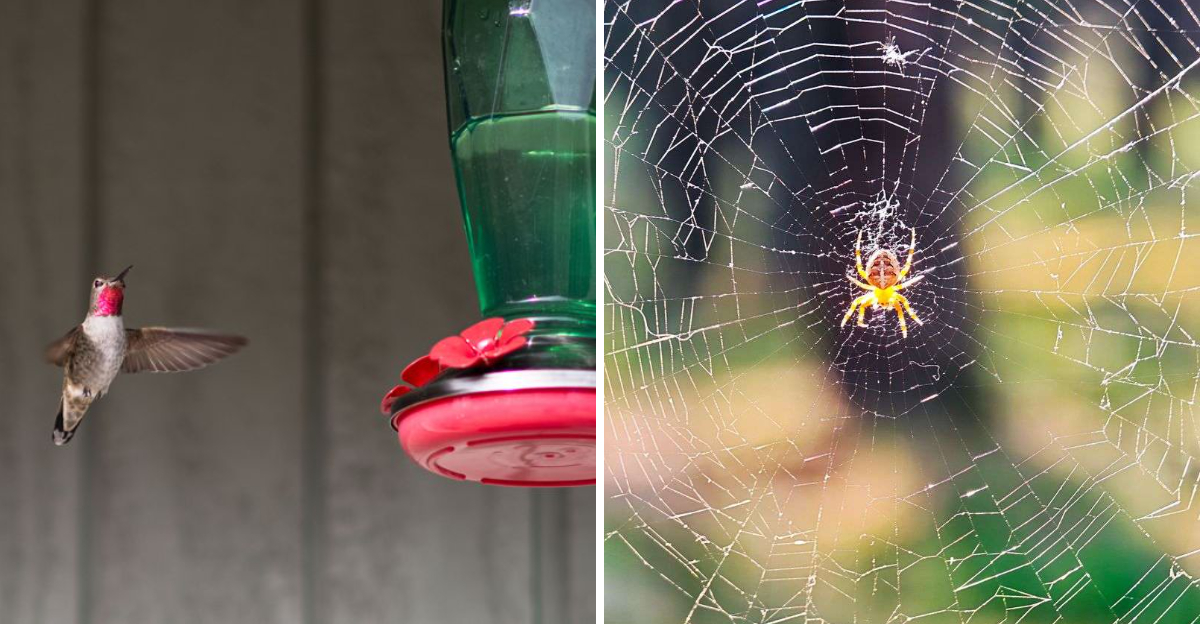
Spiders are small, but they are far from harmless to hummingbirds. Sticky webs built under eaves and roof overhangs can trap a hovering bird by its wings or feet.
Hummingbirds actually use spider silk to build their nests, which draws them dangerously close to webs in the first place. A feeder hung near a web-heavy eave increases the chance of this happening.
Your hummingbird feeder should never sit directly beneath a corner known for web activity. Check your eaves, porch beams, and shed overhangs every few weeks for new construction.
Large orb-weaver webs are the biggest concern, since they are strong enough to hold a struggling bird in place. A trapped hummingbird can weaken from exhaustion or become easy prey for other predators.
Clear webs regularly with a broom or hose, and relocate your feeder away from eave corners entirely. An open pole stand away from the house removes this hazard completely.
A web-free zone around your feeder keeps hummingbirds visiting without hidden danger overhead.