10 Compact Fruit Trees With High Yields For California Gardens

California gardeners love fruit trees, but space often decides which ones actually make sense at home.
Compact fruit trees solve that problem by staying manageable while still producing impressive harvests year after year.
They fit neatly into smaller yards, patios, and even larger containers without sacrificing flavor or productivity.
For anyone balancing limited space with big expectations, these compact fruit trees deliver high yields where it counts most.
1. Dwarf Meyer Lemon
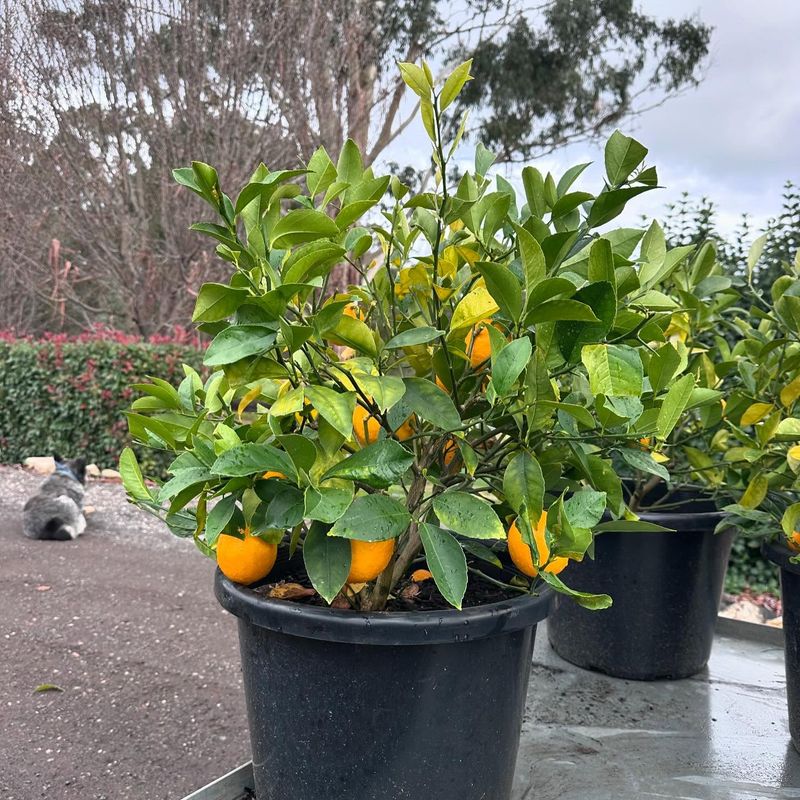
Meyer lemons bring sunshine and flavor to any California garden with their sweet, juicy fruits that taste less tart than regular lemons.
This compact variety grows beautifully in containers or small garden beds, reaching only six to eight feet tall when fully mature.
California gardeners love this tree because it produces fruit almost year-round, with peak harvests happening during winter and early spring months.
The fragrant white blossoms fill your outdoor space with delightful perfume before transforming into golden, thin-skinned fruits perfect for cooking.
Meyer lemons tolerate California’s coastal and inland climates equally well, adapting to various temperature ranges throughout the state’s diverse regions.
Expect your tree to yield anywhere from fifty to one hundred lemons annually once it reaches maturity after three years.
These trees require minimal pruning and maintenance, making them excellent choices for beginning gardeners who want reliable fruit production quickly.
Plant your Meyer lemon in well-draining soil with plenty of sunlight, and watch it transform your California garden into paradise.
2. Compact Anna Apple
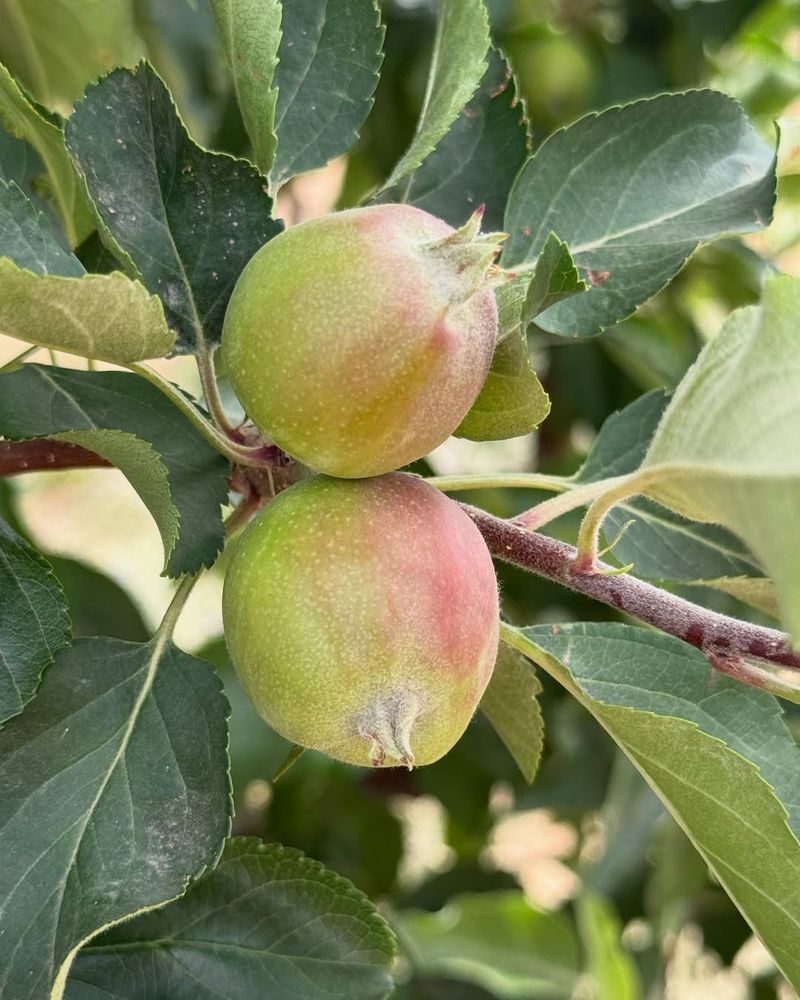
Anna apples revolutionize California fruit growing by requiring minimal winter chill hours, making them perfect for the state’s mild climate zones.
Most apple varieties struggle in California’s warm winters, but Anna thrives beautifully, producing crisp, sweet apples with attractive red blush.
Your tree will stay manageable at eight to twelve feet tall, fitting comfortably in smaller yards while still delivering impressive harvests.
California gardeners appreciate how Anna apples ripen early in summer, usually by late June or July, ahead of most varieties.
The crunchy, mildly sweet fruits taste delicious fresh off the tree or baked into pies, cobblers, and other homemade treats.
Planting a Dorsett Golden apple nearby improves pollination significantly, resulting in heavier fruit sets and larger yields for both trees.
Anna apple trees adapt well to California’s Mediterranean climate, tolerating heat while producing abundantly even in warmer inland valleys.
Expect fifty to one hundred apples per season once your tree matures, providing plenty for fresh eating and preserving.
3. Dwarf Fuji Apple
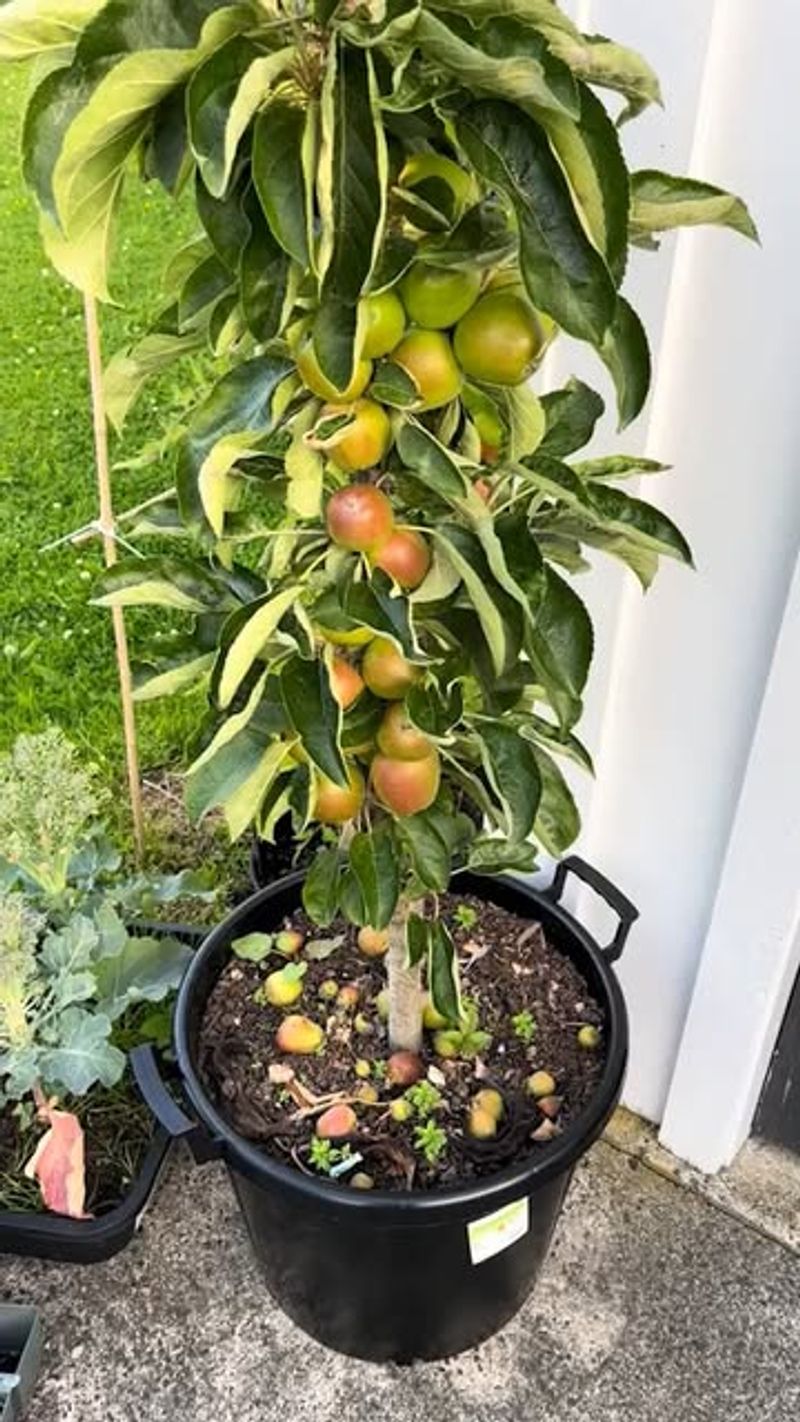
Fuji apples deliver exceptional sweetness and satisfying crunch that makes them favorites at farmers markets and grocery stores across California.
Growing your own dwarf Fuji means enjoying these premium apples fresh from your backyard without paying high prices at stores.
The compact version reaches only eight to ten feet tall, allowing easy harvesting without ladders while maximizing your garden space.
California’s climate suits Fuji apples wonderfully, particularly in areas with moderate winters that provide enough chill hours for proper fruiting.
These trees produce medium to large apples with beautiful red skin over yellow-green backgrounds, creating stunning visual appeal in gardens.
Harvest time arrives in late fall, typically October through November, when California’s weather remains pleasant for outdoor picking activities.
Fuji apples store exceptionally well in cool conditions, lasting months in your refrigerator so you enjoy homegrown fruit long past harvest.
Your dwarf Fuji will yield seventy-five to one hundred fifty apples annually at maturity, providing abundant fruit for families.
4. Compact Santa Rosa Plum
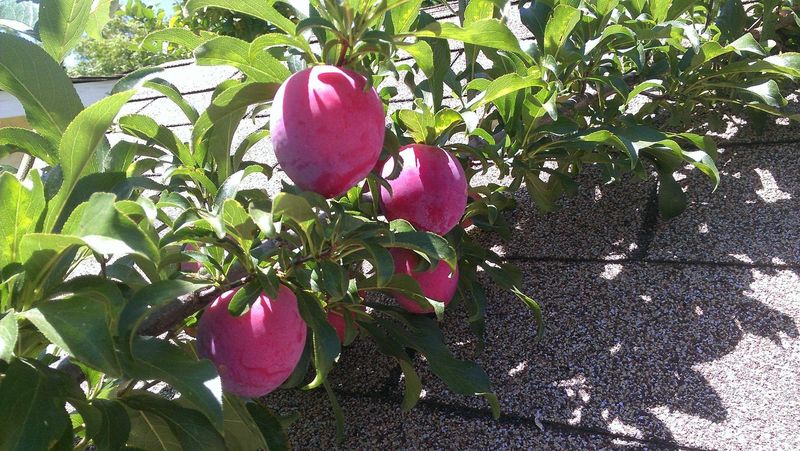
Santa Rosa plums represent California’s rich agricultural heritage, originally developed right here in the Golden State by famous horticulturist Luther Burbank.
This variety produces gorgeous purple-skinned fruits with amber flesh that tastes incredibly sweet and juicy when fully ripened on the tree.
Compact versions grow to ten feet tall, making them manageable for small California gardens while still producing impressive harvests each season.
California’s warm summers and mild winters create perfect conditions for Santa Rosa plums, which thrive throughout most of the state.
The trees bloom early with beautiful white flowers that attract beneficial pollinators like bees and butterflies to your garden space.
Harvest arrives in June and July, providing fresh plums during California’s warmest months when sweet, juicy fruit tastes especially refreshing.
Santa Rosa plums work wonderfully for eating fresh, making jams, baking into desserts, or drying into delicious homemade prunes.
Expect your mature tree to produce seventy-five to one hundred fifty plums annually, offering plenty for sharing with neighbors.
5. Dwarf Bing Cherry
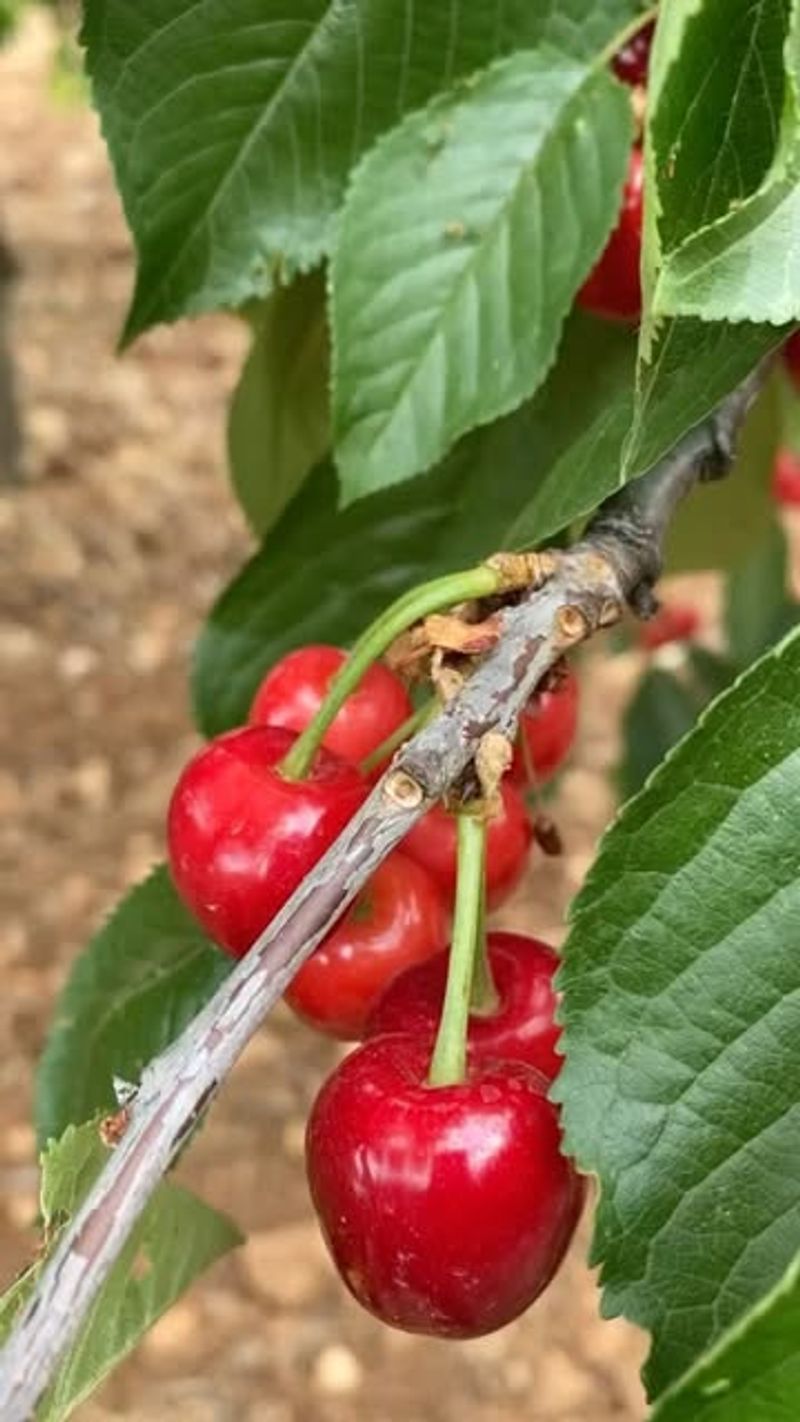
Bing cherries bring luxury and elegance to California gardens with their deep mahogany color and incredibly sweet, firm flesh.
Growing these premium cherries at home saves money while ensuring you get perfectly ripe fruit at peak flavor and freshness.
Dwarf Bing cherry trees reach just eight to twelve feet tall, fitting nicely into smaller California yards and urban garden spaces.
California’s Central Valley and foothill regions provide ideal growing conditions, offering the necessary winter chill hours for proper fruit development.
The stunning white spring blossoms create breathtaking displays before developing into clusters of gorgeous, glossy cherries that ripen in summer.
Harvest typically occurs in late May through June in California, depending on your specific location and local microclimate conditions.
Bing cherries require a pollinator variety like Lapins or Rainier planted nearby to ensure good fruit set and maximize yields.
Your mature dwarf Bing will produce fifty to one hundred pounds of cherries annually, providing abundant fruit for eating fresh.
6. Compact Blenheim Apricot
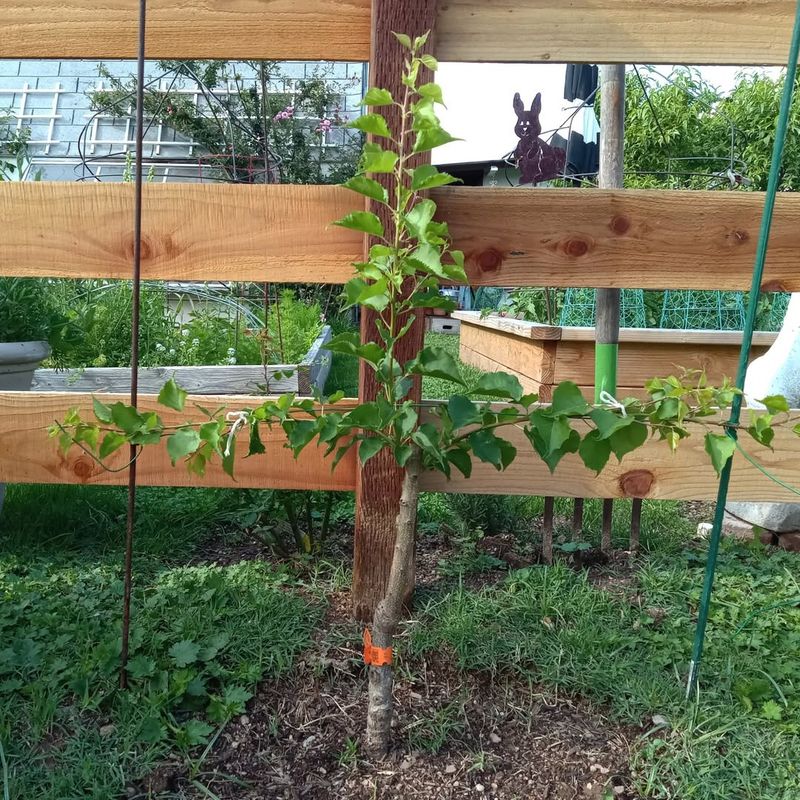
Blenheim apricots hold legendary status among California fruit lovers, prized for their intense flavor and perfect balance of sweetness and tartness.
Many California gardeners consider Blenheims the finest apricots available, surpassing all other varieties in taste and aromatic qualities when fully ripened.
Compact versions stay around ten to twelve feet tall, making them accessible for harvesting while producing generous crops in limited space.
California’s warm, dry climate suits Blenheim apricots perfectly, particularly in the Central Valley where these fruits have been grown commercially.
The trees bloom early with delicate pink-white flowers that signal spring’s arrival and promise delicious fruit in coming months.
Harvest happens in June and July across California, when the golden-orange fruits reach peak ripeness and develop their characteristic rich flavor.
Fresh Blenheim apricots taste incredible, but they also excel for drying, canning, and making preserves that capture summer’s essence year-round.
Expect your mature tree to yield seventy-five to one hundred fifty apricots annually, providing plenty for all your culinary needs.
7. Dwarf Bartlett Pear
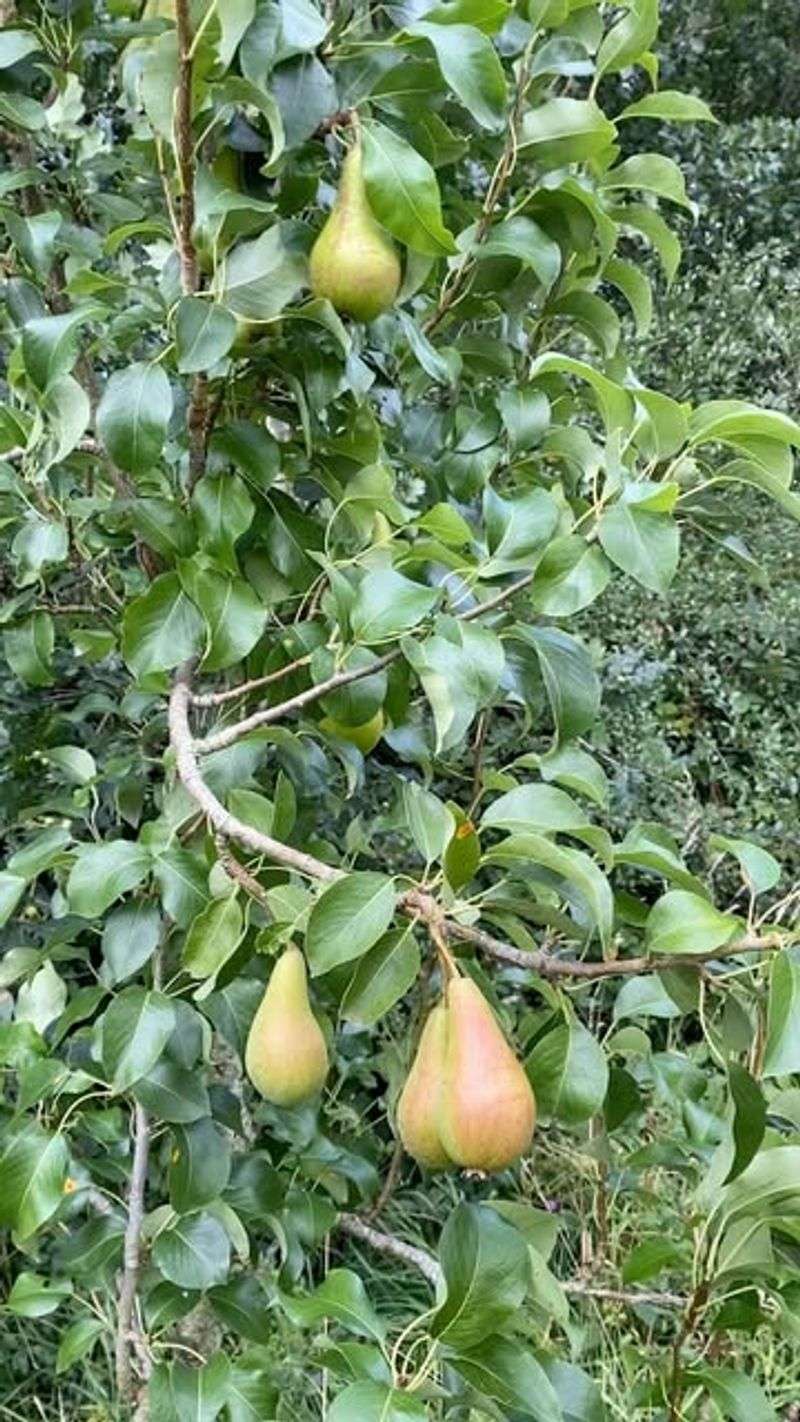
Bartlett pears offer classic pear flavor that everyone recognizes and loves, with buttery texture and sweet juice that drips down chins.
California’s moderate climate allows Bartlett pears to flourish beautifully, producing reliable crops year after year with proper care and attention.
Dwarf versions reach only ten to twelve feet tall, allowing you to grow productive pear trees even in compact California yards.
The trees produce lovely white blossoms in spring that brighten gardens before developing into the familiar bell-shaped green fruits.
Bartlett pears ripen in late summer across California, typically August through September, when the fruits turn golden yellow and become aromatic.
These pears taste wonderful fresh but also excel for canning, preserving, and baking into tarts, crisps, and other delicious desserts.
Planting another pear variety nearby improves pollination and increases yields significantly, making both trees more productive and reliable producers.
Your mature dwarf Bartlett will yield seventy-five to one hundred fifty pears annually, providing abundant fruit for California families.
8. Compact Brown Turkey Fig
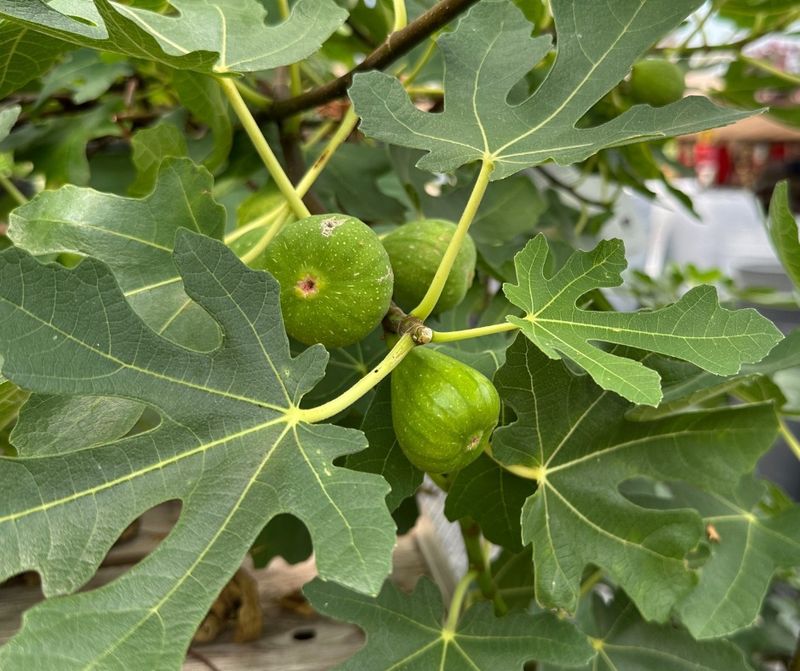
Brown Turkey figs bring Mediterranean charm to California gardens with their sweet, jammy fruits that require no cooking to taste amazing.
Figs thrive spectacularly throughout California, adapting easily to various climates from coastal regions to hot inland valleys across the state.
Compact Brown Turkey varieties stay around eight to ten feet tall, fitting perfectly into smaller gardens while producing two crops annually.
California gardeners appreciate how forgiving fig trees are, tolerating heat, drought, and neglect better than most other fruit tree varieties.
The main crop ripens in late summer, while a smaller early crop appears in June, providing fresh figs throughout California’s growing season.
Brown Turkey figs feature purple-brown skin with sweet pink flesh inside that tastes like nature’s candy straight from the tree.
These fruits work beautifully fresh, dried, or cooked into jams, preserves, and baked goods that showcase their unique honeyed flavor.
Expect one hundred to two hundred figs annually from your mature tree, offering incredible yields from such a compact California plant.
9. Dwarf Elberta Peach
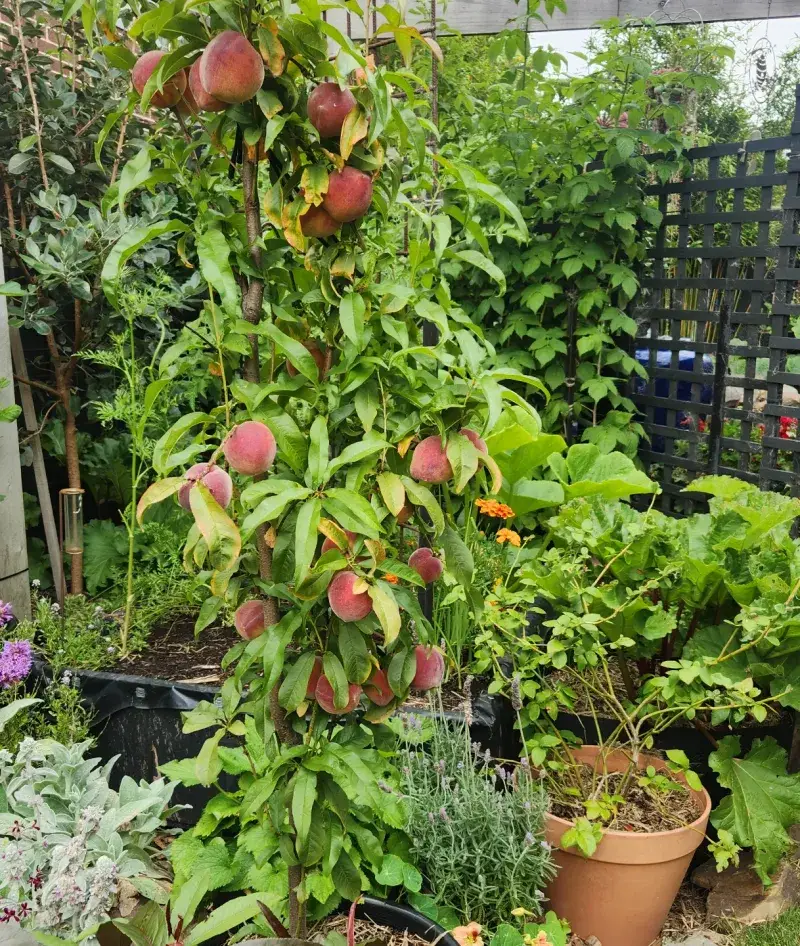
Elberta peaches represent summer’s essence with their fuzzy golden skin blushed with red and incredibly sweet, juicy yellow flesh inside.
California’s warm climate creates perfect conditions for growing spectacular peaches that rival anything found at farmers markets or grocery stores.
Dwarf Elberta trees reach only six to eight feet tall, making them ideal for small California gardens and even large containers.
The gorgeous pink spring blossoms create stunning displays that announce warmer weather while promising delicious fruit harvest in coming months.
Harvest arrives in July and August across California, when the fruits reach peak ripeness and develop their characteristic rich, sweet flavor.
Elberta peaches taste amazing fresh, but they also excel for canning, freezing, and baking into cobblers, pies, and other treats.
California’s low humidity helps prevent many common peach diseases, making these trees easier to grow here than in other regions.
Your mature dwarf Elberta will produce seventy-five to one hundred fifty peaches annually, providing abundant fruit for California families to enjoy.
10. Compact Improved Meyer Lemon
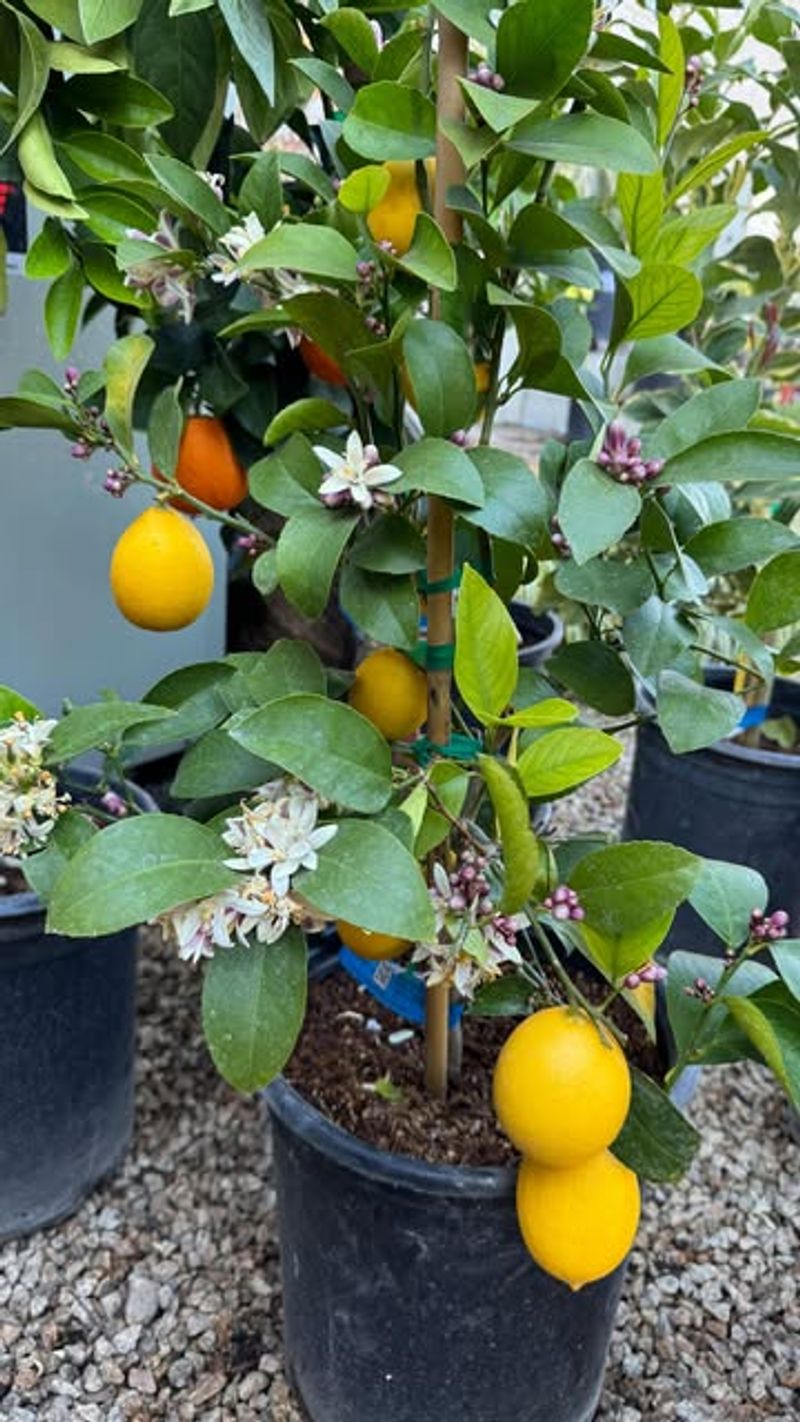
Improved Meyer lemons build upon the original variety’s success, offering disease resistance and even more reliable fruit production for California gardeners.
This variety earned its name by being certified virus-free, ensuring healthier trees that live longer and produce more consistently year after year.
California container gardeners especially love Improved Meyer lemons because they thrive beautifully in pots on patios, balconies, and small spaces.
The trees stay compact at four to six feet tall, making them perfect for urban California gardeners with limited outdoor space.
Fragrant blossoms appear throughout the year in California’s mild climate, filling your outdoor areas with sweet perfume and beauty.
The thin-skinned, golden fruits taste sweeter and less acidic than regular lemons, making them perfect for everything from cooking to cocktails.
California’s year-round growing season allows these trees to produce fruit continuously, with heaviest crops arriving during winter and spring months.
Expect fifty to eighty lemons annually from your mature tree, providing plenty for cooking, baking, and sharing with California neighbors and friends.