8 Companion Plants Ohio Gardeners Use Under Fruit Trees For Natural Pest Control
Ohio gardeners are learning that what grows beneath fruit trees matters just as much as the trees themselves.
Companion plants help create a balanced ecosystem that keeps pests in check naturally.
These low-growing allies attract beneficial insects, improve soil health, and reduce the need for sprays.
They also make orchard spaces more productive and visually appealing.
By choosing the right companions, Ohio gardeners let nature handle the heavy lifting.
It’s smarter gardening with fewer chemicals—and better results.
1. Chives (Allium Schoenoprasum)
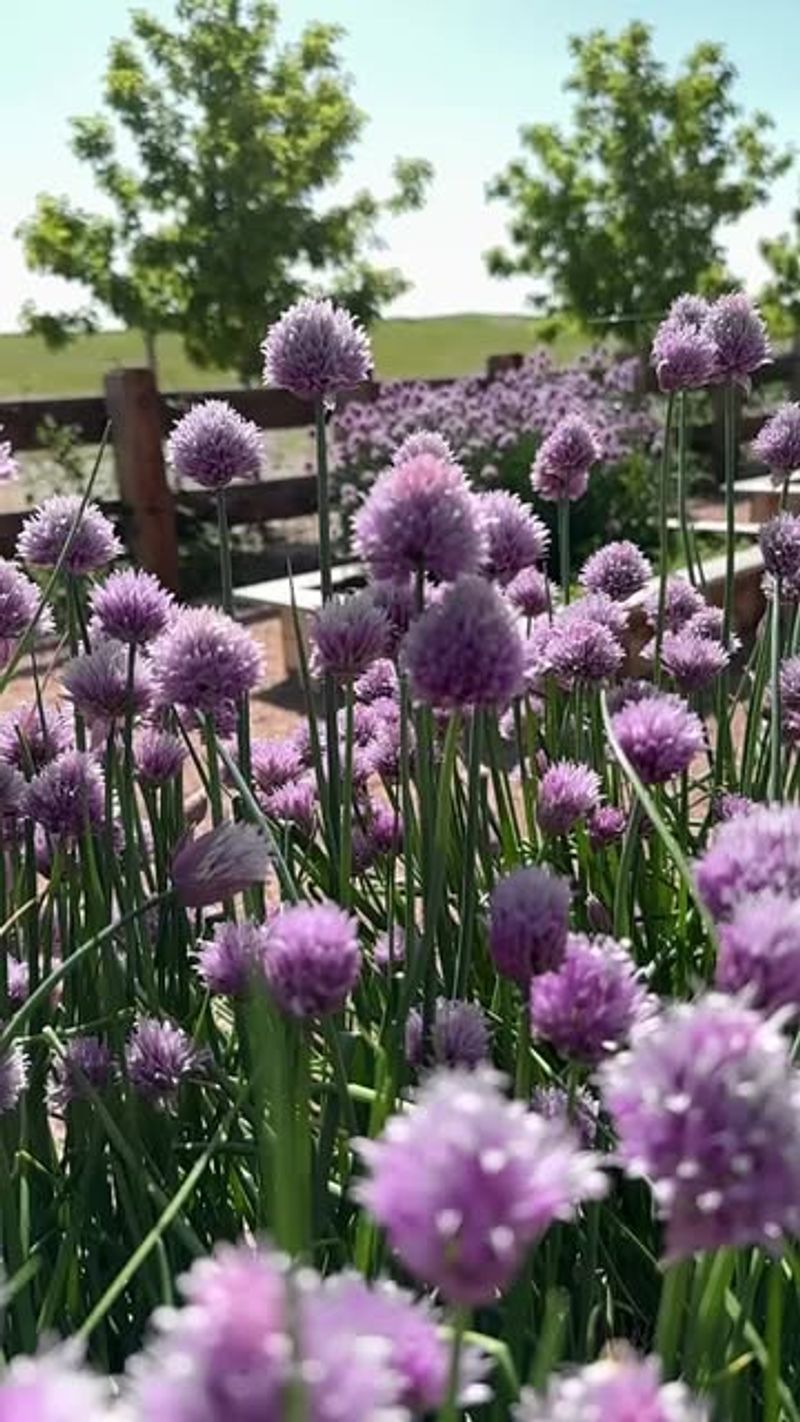
Chives bring a powerful punch of protection to your fruit tree garden through their natural sulfur compounds.
When you plant these slender, grass-like herbs around the base of your apple or pear trees, they release substances into the air and soil that aphids simply cannot stand.
Aphids are tiny sap-sucking insects that can weaken fruit trees and spread diseases, but chives create an invisible barrier that keeps these pests at bay.
Beyond deterring aphids, chives also help prevent fungal problems that can plague Ohio fruit trees during humid summers.
The sulfur compounds they produce have antifungal properties that protect both the chives themselves and the nearby trees from diseases like powdery mildew and leaf spot.
Ohio gardeners appreciate this double-duty protection, especially during the wet spring months when fungal issues tend to appear.
When chives bloom in late spring with their pretty purple pom-pom flowers, they transform into pollinator magnets.
Bees and beneficial insects flock to these blossoms, increasing pollination rates for your fruit trees while also bringing in predatory insects that hunt down remaining pests.
The flowers are edible too, adding a mild onion flavor to salads while your garden works its protective magic.
Chives return year after year in Ohio gardens, making them a low-maintenance, reliable companion for long-term orchard health.
2. Garlic (Allium Sativum)
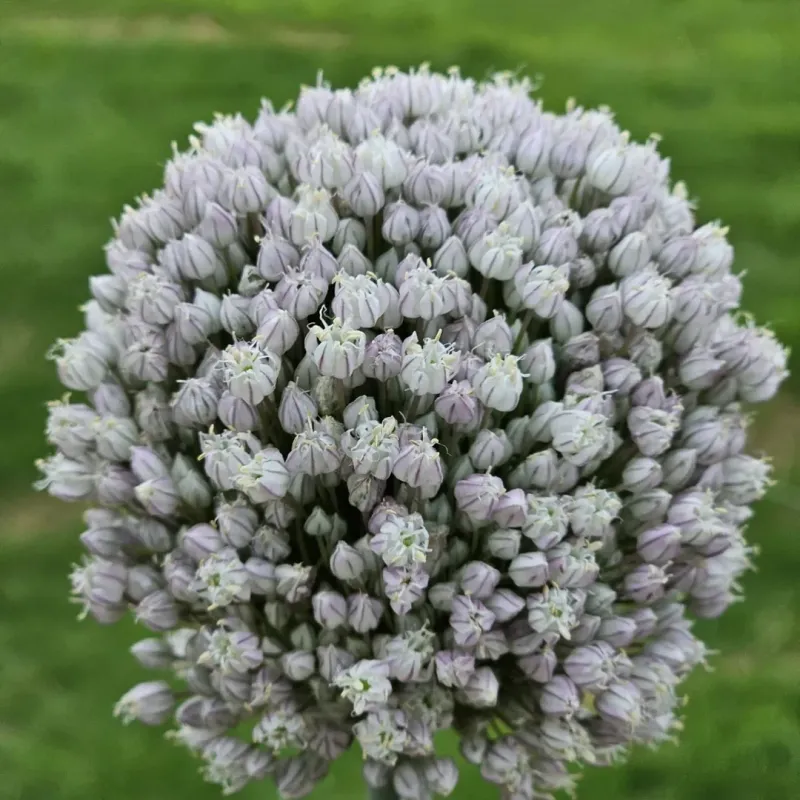
Garlic cloves tucked into the soil beneath your fruit trees create an underground defense network that works silently through the seasons.
Ohio gardeners plant garlic in fall, just as they would in their vegetable gardens, positioning the cloves around the drip line where rain naturally falls from the tree canopy.
This placement ensures the garlic receives adequate moisture while staying close enough to the trunk to provide maximum protection.
The pungent oils that make garlic a kitchen favorite also make it a pest deterrent in the orchard.
Borers, those troublesome insects that tunnel into tree bark and cause serious damage, tend to avoid areas where garlic grows.
The strong aroma confuses and repels these pests, giving your fruit trees a much better chance of staying healthy and productive.
Certain other insect pests that might otherwise munch on bark or roots also steer clear when they detect garlic nearby.
Timing works perfectly for Ohio gardeners who want to harvest both garlic and fruit.
You plant garlic bulbs in October, they grow through winter and spring, and you harvest the mature bulbs in July, right before many fruit trees reach peak harvest time.
This seasonal rhythm means you get two crops from the same space while maintaining pest protection throughout the critical growing months.
The garlic leaves also add organic matter to the soil when you harvest, enriching the area around your trees naturally.
3. Yarrow (Achillea Millefolium)
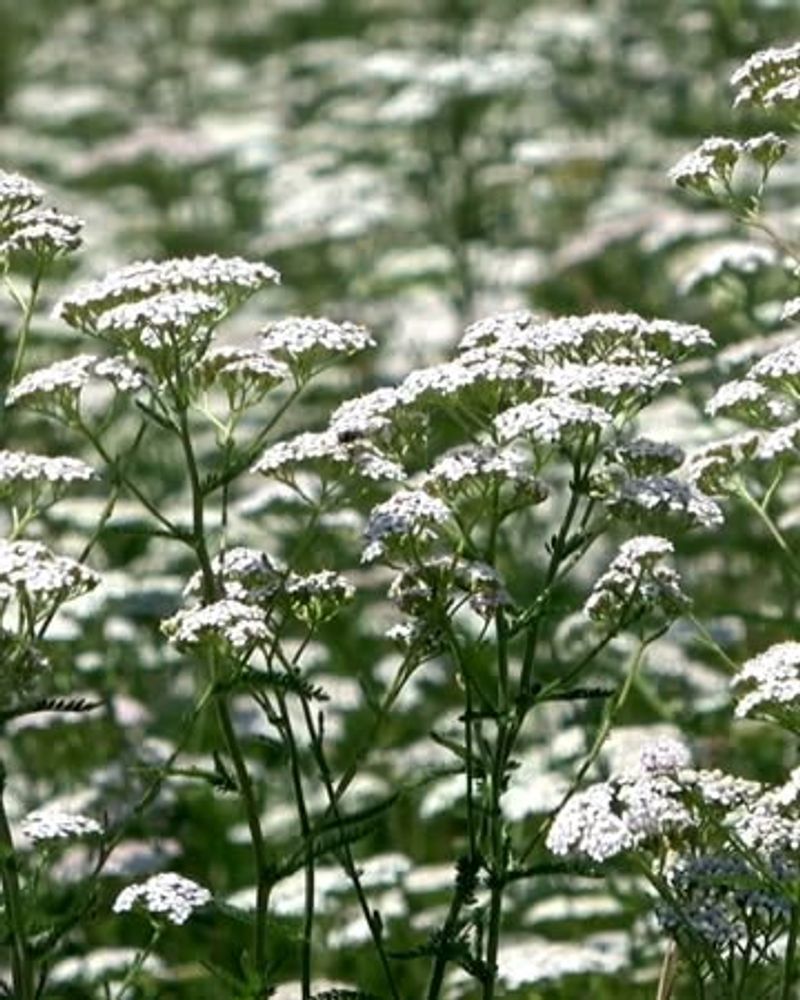
With its flat-topped clusters of tiny white or yellow flowers, yarrow stands out as a powerhouse for attracting the good guys to your orchard.
Lady beetles, those spotted red helpers that gardeners love, find yarrow irresistible when it blooms from June through September in Ohio.
These beneficial beetles feast on aphids, mites, and other soft-bodied pests that threaten fruit trees, and yarrow provides them with nectar and pollen to keep them energized for their pest-hunting missions.
Lacewings, another valuable predatory insect, also gather around yarrow flowers in impressive numbers.
The delicate green or brown lacewings lay their eggs near pest populations, and their larvae are voracious predators that consume hundreds of aphids, mealybugs, and small caterpillars.
By planting yarrow beneath your fruit trees, you create a habitat that supports these beneficial insects through their entire life cycle, ensuring a constant patrol force against orchard pests.
Yarrow thrives in Ohio’s climate and tolerates both dry spells and occasional flooding, making it a reliable companion plant that requires minimal fuss.
Its ferny foliage stays attractive even when not blooming, and the deep roots help break up compacted soil while drawing up nutrients from deeper layers.
Ohio gardeners often let yarrow spread into a naturalized patch under fruit trees, creating a living carpet that suppresses weeds while continuously attracting beneficial insects season after season.
4. Comfrey (Symphytum Officinale)
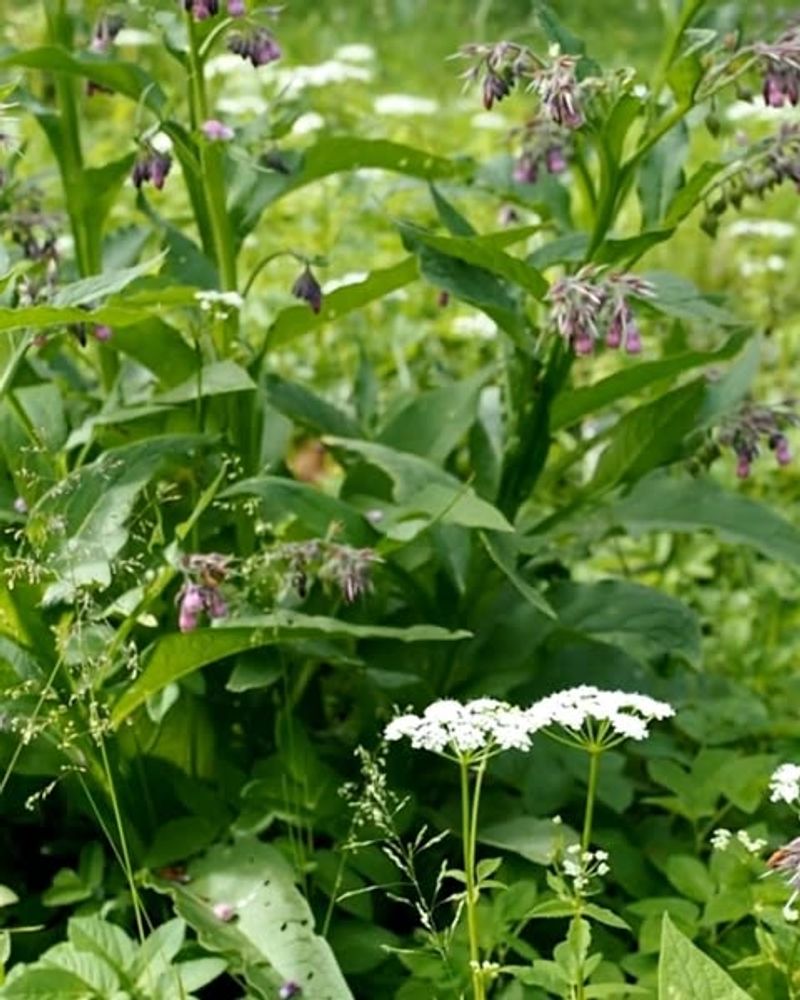
Comfrey works behind the scenes as a soil-building superstar that indirectly keeps pests away from your fruit trees.
This robust perennial sends roots deep into the earth, sometimes reaching down six feet or more, mining minerals and nutrients that shallow-rooted fruit trees cannot access on their own.
When you cut back the large, fuzzy leaves several times during the growing season, they break down rapidly into nutrient-rich mulch that feeds both the soil and your trees.
The leaves contain high levels of potassium, calcium, and other minerals essential for fruit production and tree health.
Healthy trees naturally resist pest infestations better than stressed ones, so comfrey’s soil-enriching properties create stronger, more resilient fruit trees that can fend off attacks.
Ohio gardeners often chop comfrey leaves and lay them directly around the tree trunk, where they decompose into a protective layer that suppresses weeds and retains moisture.
Comfrey also blooms with purple, pink, or white bell-shaped flowers that attract bumblebees, honeybees, and other beneficial insects to the orchard area.
These visitors not only pollinate your fruit trees but also include predatory species that hunt down pests while they forage for nectar.
The plant grows vigorously in Ohio’s climate, tolerating partial shade under tree canopies and returning reliably each spring.
Once established, comfrey requires almost no maintenance beyond occasional cutting, making it a perfect low-effort companion for busy gardeners who want maximum benefits.
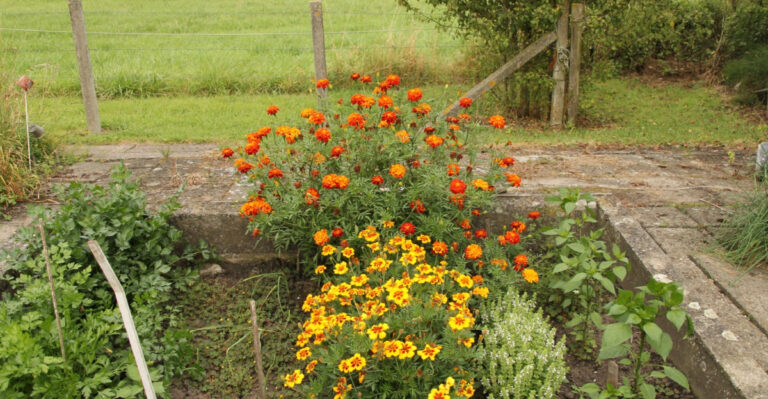
5. Calendula (Calendula Officinalis)
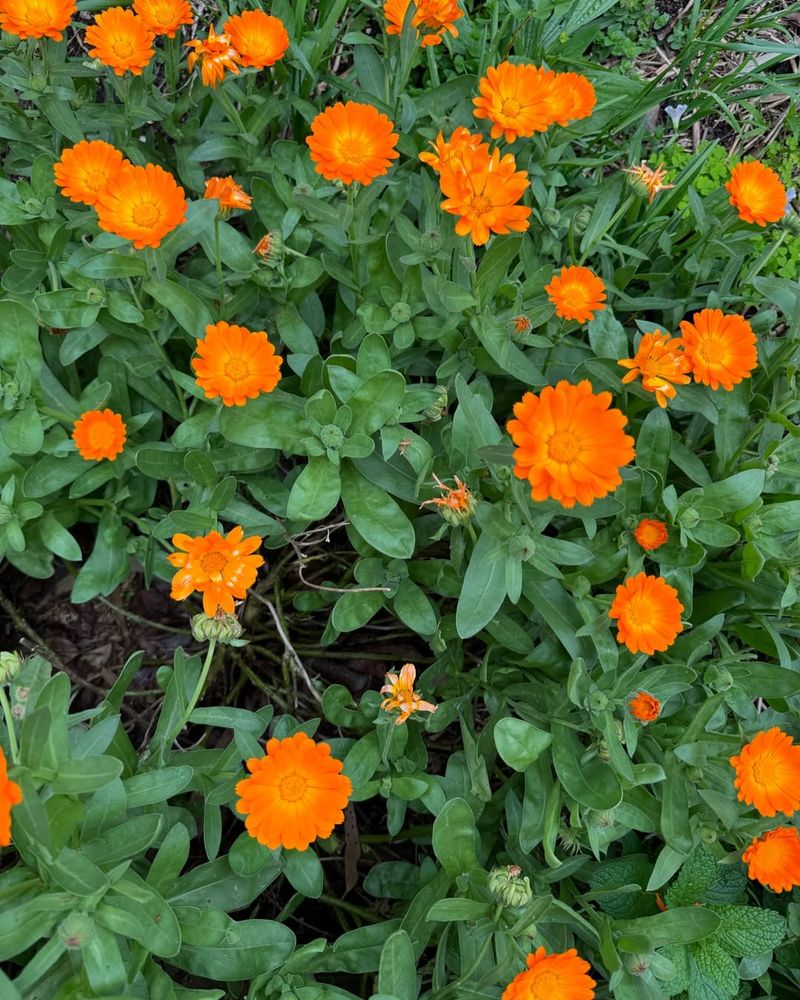
Bright orange and yellow calendula flowers light up the space beneath fruit trees while serving as a magnet for beneficial insects that patrol for pests.
These cheerful blooms, sometimes called pot marigolds, open their petals to welcome hoverflies, parasitic wasps, and other helpful predators that keep aphid and caterpillar populations under control.
Ohio gardeners love calendula because it blooms continuously from late spring through the first frost, providing a long season of pest management support.
The sticky resin on calendula leaves and stems may also trap small flying insects, reducing the number of pests that reach your fruit trees.
While calendula itself occasionally attracts aphids, these pests prefer the calendula to your valuable fruit trees, effectively acting as a trap crop that draws problems away from your harvest.
Beneficial insects quickly discover any aphids on the calendula and take care of them, creating a balanced ecosystem right under your trees.
Calendula grows easily from seed sown directly in the garden after the last frost, and it tolerates the partial shade found beneath fruit tree canopies.
The flowers are edible and make beautiful additions to salads, giving you another reason to grow them beyond pest control.
Ohio gardeners often let calendula self-seed, allowing it to pop up naturally each spring in slightly different spots.
This self-sowing habit means you plant once and enjoy years of colorful pest protection with minimal effort, while the flowers add visual appeal to your productive orchard space.
6. Dill (Anethum Graveolens)
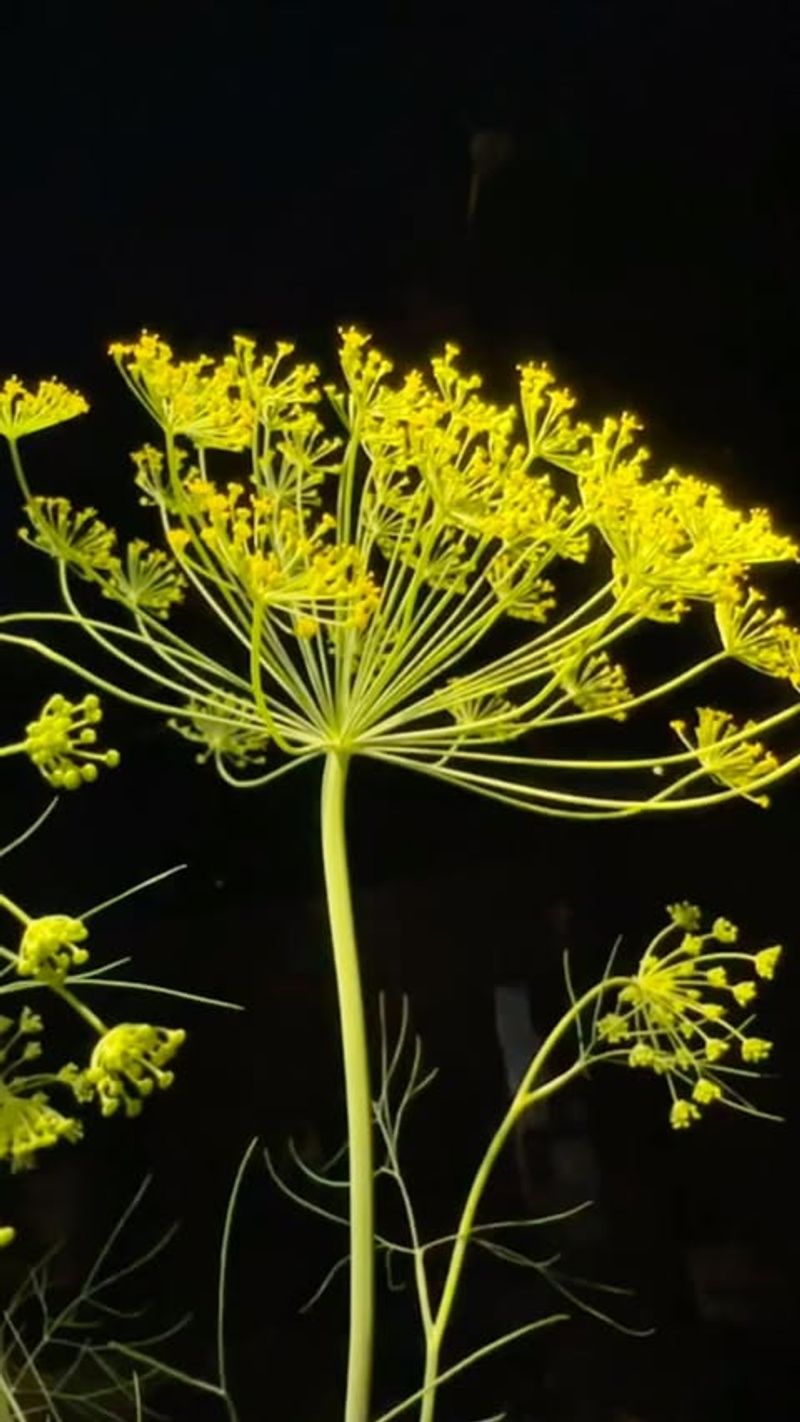
Dill’s feathery foliage and umbrella-shaped flower clusters transform the area beneath fruit trees into a haven for beneficial wasps and predatory insects.
When dill blooms in midsummer, its tiny yellow flowers arranged in flat-topped umbels attract parasitic wasps that lay their eggs inside aphids, caterpillars, and other fruit tree pests.
These wasps are harmless to people but devastating to pest populations, providing natural control that lasts throughout the growing season.
Hoverflies, which resemble small bees but are actually flies, also gather at dill flowers in large numbers.
Adult hoverflies feed on nectar and pollen, but their larvae are fierce predators that consume hundreds of aphids during their development.
By planting dill beneath your apple, cherry, or peach trees, you create a nursery for these beneficial insects, ensuring multiple generations of pest controllers throughout Ohio’s growing season.
Dill grows quickly from seed and tolerates the dappled shade under fruit trees, though it blooms more profusely with some direct sunlight.
Ohio gardeners often succession plant dill every few weeks to maintain continuous blooms and a steady supply of beneficial insects.
The aromatic foliage may also confuse pests with its strong scent, making it harder for them to locate your fruit trees.
As an annual, dill readily self-seeds if you allow some flowers to mature, creating a self-sustaining population that returns each year to protect your orchard naturally.
7. White Clover (Trifolium Repens)
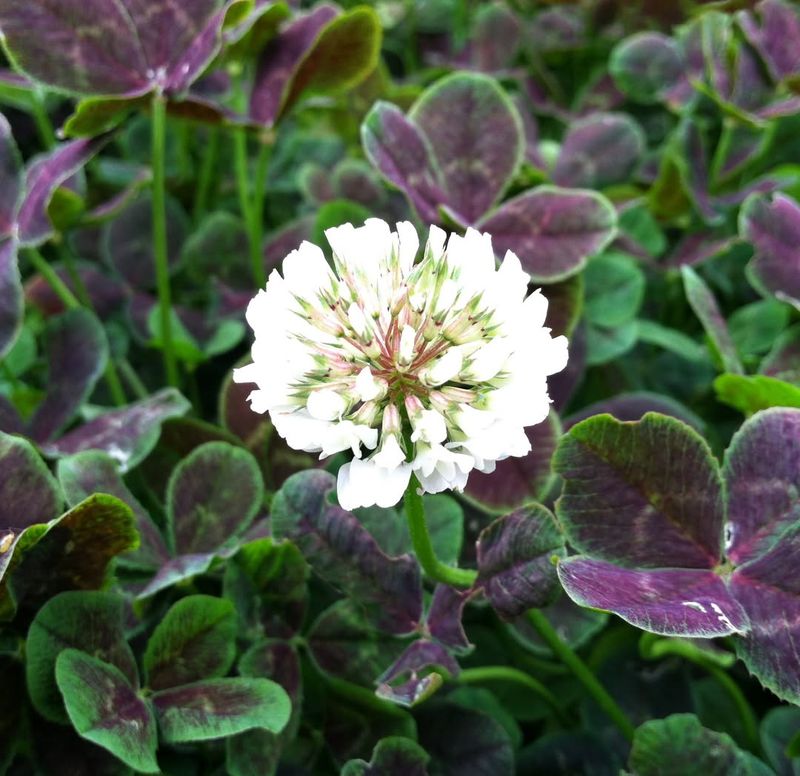
White clover spreads into a lush, green carpet beneath fruit trees, creating a living mulch that benefits your orchard in multiple ways.
As a legume, clover forms a partnership with special bacteria in its root nodules that capture nitrogen from the air and convert it into a form that plants can use.
This natural fertilization process feeds your fruit trees without synthetic chemicals, promoting healthy growth that helps trees resist pest damage.
The dense mat of clover leaves shades the soil, preventing weed seeds from sprouting and competing with your fruit trees for water and nutrients.
Fewer weeds mean less habitat for pests that might otherwise use tall grass or broadleaf weeds as stepping stones to reach your trees.
The clover also keeps soil temperatures more stable and retains moisture during dry Ohio summers, reducing stress on fruit trees and keeping them vigorous enough to fend off insect attacks.
White clover produces small white flowers throughout the growing season, attracting bees and other pollinators that improve fruit set on your trees.
These flowers also bring in beneficial predatory insects like ground beetles and spiders that hunt caterpillars, aphids, and other pests at soil level.
The clover tolerates foot traffic and mowing, so you can walk through your orchard without damaging this protective groundcover.
Once established, white clover returns year after year, spreading slowly to fill bare spots and creating a permanent, low-maintenance pest management system that works around the clock.
8. Borage (Borago Officinalis)
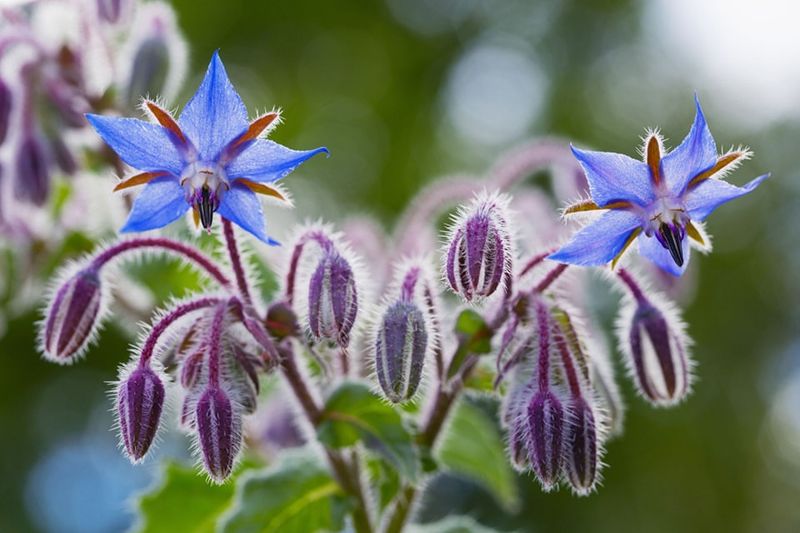
Star-shaped blue flowers dangling from borage plants create an irresistible attraction for bees and beneficial insects throughout the summer months.
Bumblebees especially love borage, visiting the flowers repeatedly and then moving on to pollinate nearby fruit tree blossoms, increasing your harvest potential.
The continuous bloom period from June through September ensures a steady stream of pollinators in your orchard, while also bringing in predatory insects that hunt down pests.
Borage grows vigorously in Ohio gardens, reaching two to three feet tall with fuzzy leaves and stems that some pests find unpleasant to crawl across.
The plant accumulates minerals from the soil, and when you cut it back or when leaves naturally drop, this organic matter breaks down to enrich the soil around your fruit trees.
Some gardeners use borage as a nutrient accumulator, chopping the leaves to create a mineral-rich mulch that feeds trees while suppressing weeds.
The flowers are edible with a mild cucumber flavor, and both flowers and leaves can be added to compost piles to speed decomposition.
Borage self-seeds readily, so you may find volunteer plants popping up in new locations each spring, naturally expanding your pest control coverage.
The plant tolerates poor soil and drought once established, making it a reliable companion even in challenging growing conditions.
Ohio gardeners appreciate that borage requires no special care beyond occasional cutting back, yet it delivers consistent benefits for pollination, pest management, and soil health throughout the growing season.