8 Companion Plants That Help Fruit Trees Thrive In Georgia
Georgia orchards thrive when neighbors pull their weight.
Fruit trees reward good company with stronger growth, better bloom, and heavier harvests.
The right plants at their feet draw pollinators, block pests, and feed soil without chemicals.
Heat, humidity, and sudden storms test roots and leaves, yet smart partners tip the scales.
Clover builds nitrogen, herbs confuse insects, flowers call bees like a dinner bell.
Shade stays cooler, moisture lasts longer, and disease pressure eases.
The result feels like teamwork at its best.
Each choice suits red clay, long summers, and mild winters, and add beauty along the way.
Learn how placement matters, why the clock counts, and which pairings pay off fast.
Plant allies, not extras, and watch trees hit their stride. Harvest time brings baskets and confidence that lasts through Georgia summers.
1. Comfrey Builds Nutrient-Rich Soil
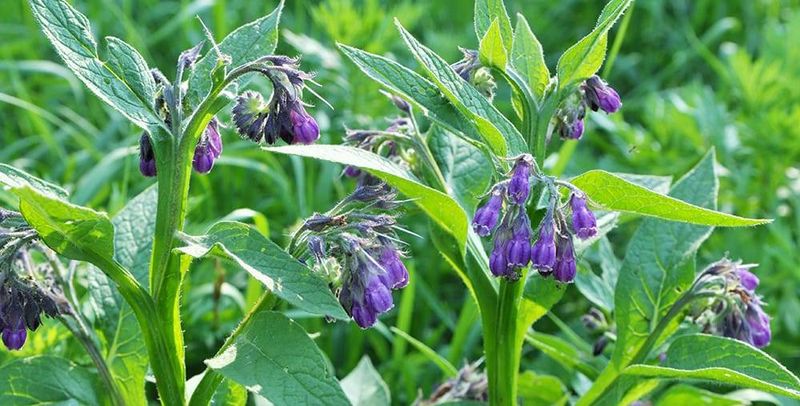
Deep roots make comfrey an exceptional addition to any Georgia fruit tree planting.
This hardy perennial mines minerals from far below the surface, bringing up potassium, calcium, and other nutrients that fruit trees desperately need.
When you cut back the leaves and let them decompose around your trees, they create a natural fertilizer that feeds the soil slowly over time.
Comfrey grows vigorously in Georgia’s climate, tolerating both heat and occasional drought once established.
You can harvest the leaves multiple times throughout the growing season without harming the plant.
Many orchardists in Georgia use comfrey as a living mulch, planting it in rings around their fruit trees.
The broad leaves also shade the soil, keeping roots cooler during scorching summer months.
Bees and other pollinators love the purple or white bell-shaped flowers that appear in spring and early summer.
Just be mindful about placement—comfrey spreads easily and can be difficult to remove once established.
Plant it where you want a permanent, low-maintenance companion that works tirelessly to improve your orchard’s health.
2. Clover Fixes Nitrogen Naturally
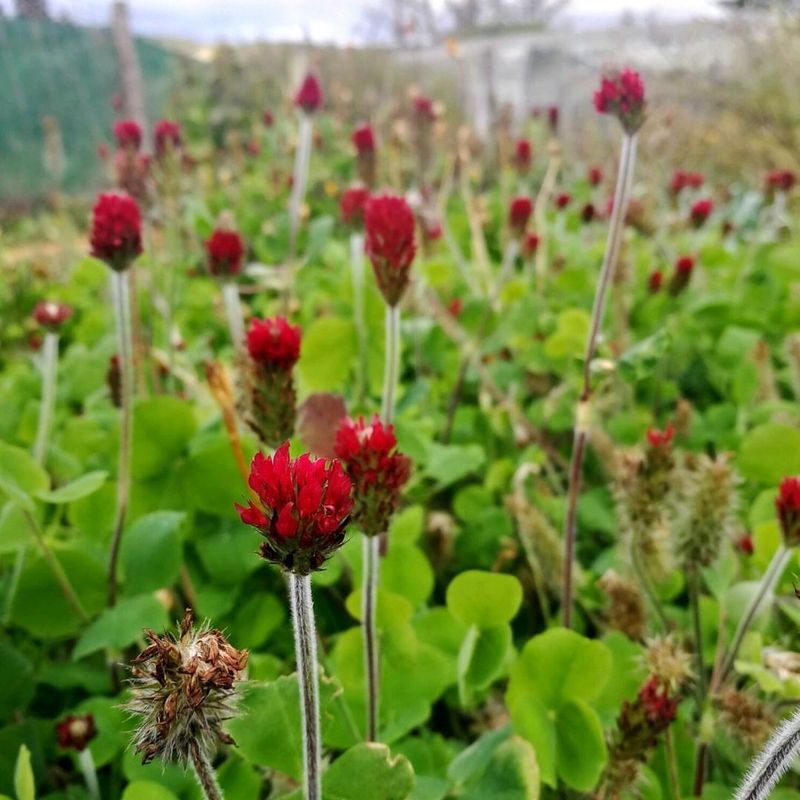
A living carpet of clover transforms your orchard floor into a nitrogen factory.
White clover and crimson clover both thrive in Georgia’s climate, fixing atmospheric nitrogen through their root nodules and making it available to your fruit trees.
This natural process reduces or eliminates the need for synthetic fertilizers, saving you money while building healthier soil.
Clover stays low to the ground, so it won’t compete with your trees for sunlight.
Its dense growth suppresses weeds that might otherwise steal water and nutrients from your fruit trees.
During Georgia’s hot summers, clover keeps the soil cooler and prevents moisture from evaporating too quickly.
Pollinators visit clover blossoms constantly, ensuring excellent fruit set when your trees bloom.
You can mow clover periodically, and the clippings will decompose quickly, releasing their stored nitrogen into the soil.
This plant also tolerates foot traffic reasonably well, making it practical for orchards where you need to walk regularly.
Establishing clover is simple—just broadcast seed in early spring or fall, and it will fill in beautifully within a few weeks.
3. Nasturtiums Trap Troublesome Aphids
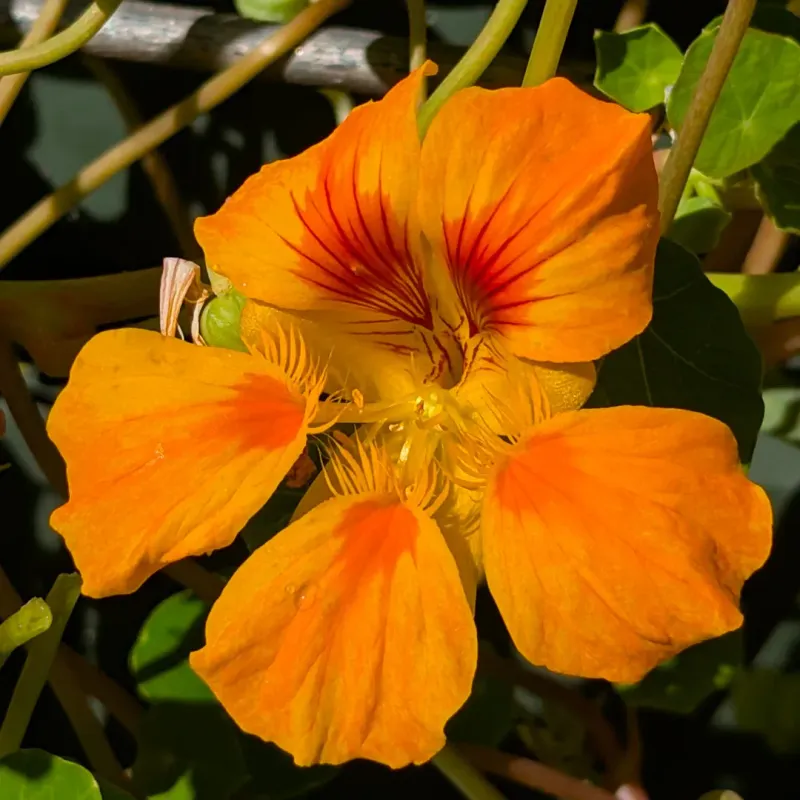
Bright, cheerful nasturtiums serve double duty as both pest traps and pollinator magnets in Georgia orchards.
Aphids find nasturtiums absolutely irresistible, often abandoning fruit trees entirely to feast on these sacrificial plants instead.
This trap-cropping strategy protects your valuable fruit without requiring chemical sprays.
Nasturtiums grow quickly from seed and bloom prolifically throughout Georgia’s long growing season.
Their vibrant orange, yellow, and red flowers attract hoverflies and ladybugs—beneficial insects that devour aphids by the hundreds.
Both the leaves and flowers are edible, adding a peppery kick to salads and making this companion plant useful in the kitchen too.
These plants prefer the cooler months in Georgia, performing best when planted in early spring or late summer.
They tolerate partial shade, making them perfect for planting beneath fruit tree canopies.
Nasturtiums also help suppress weeds with their sprawling growth habit.
You can direct-sow seeds around your fruit trees, and they’ll germinate within a week or two, quickly establishing a protective barrier against pests.
4. Dill Attracts Beneficial Predators
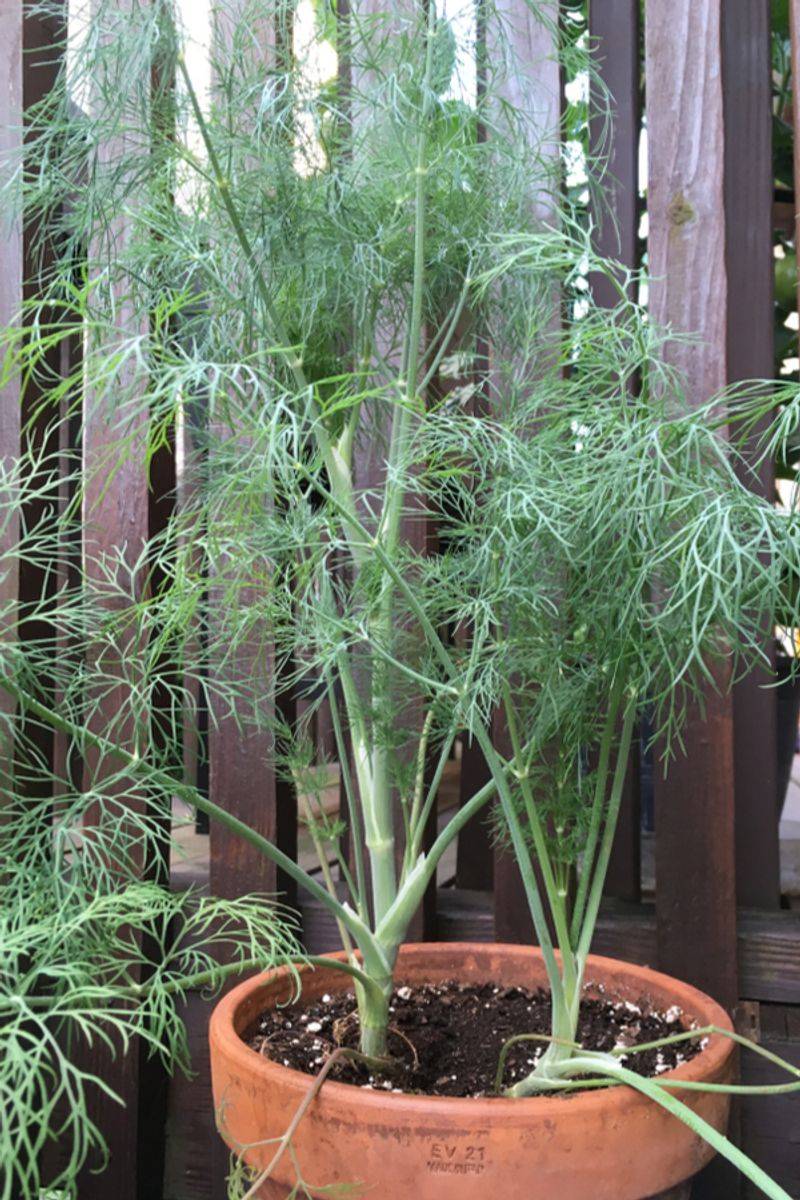
Feathery dill plants create an ideal habitat for insects that protect your fruit trees from harmful pests.
Lacewings, parasitic wasps, and hoverflies all flock to dill’s delicate yellow flowers, and these beneficial insects prey on aphids, caterpillars, and other orchard pests.
Growing dill near your Georgia fruit trees establishes a natural pest control system that works around the clock.
Dill tolerates Georgia’s heat reasonably well, especially if you provide some afternoon shade during the hottest months.
Plant it in succession every few weeks to maintain continuous blooms and keep beneficial insects present throughout the season.
This annual herb self-seeds readily, so once you establish it in your orchard, it often returns year after year.
Beyond its pest-fighting abilities, dill adds visual interest with its airy texture and bright green foliage.
You can harvest the leaves for cooking while still enjoying its companion planting benefits.
Swallowtail butterfly caterpillars sometimes munch on dill, but they rarely cause significant damage and transform into beautiful pollinators.
Space dill plants around your orchard perimeter or intersperse them between trees for maximum beneficial insect attraction.
5. Marigolds Repel Harmful Nematodes
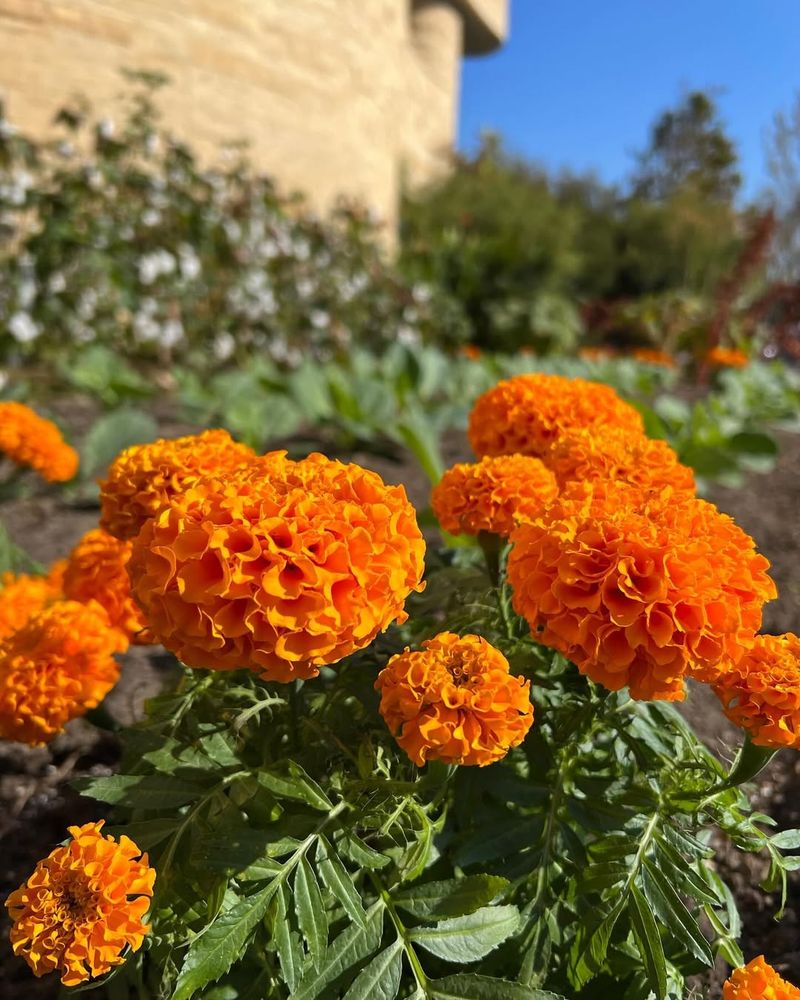
Underground, marigolds wage a silent war against root-knot nematodes that can severely damage Georgia fruit trees.
These microscopic pests attack tree roots, stunting growth and reducing fruit production.
French marigolds release compounds from their roots that are toxic to many nematode species, protecting nearby fruit trees naturally.
Above ground, marigolds produce cheerful blooms in shades of gold, orange, and red throughout Georgia’s long growing season.
Their pungent scent deters various insect pests, including whiteflies and some beetles.
Marigolds thrive in Georgia’s heat and require minimal maintenance once established.
Plant them generously around the drip line of your fruit trees for maximum nematode control.
These annuals grow quickly from seed or transplants, making them an affordable companion plant option.
Deadheading spent flowers encourages continuous blooming and keeps plants looking tidy.
Marigolds also attract pollinators and beneficial predatory insects to your orchard.
For best results, turn marigold plants into the soil at season’s end, releasing their nematode-fighting compounds directly into the root zone of your fruit trees.
6. Borage Boosts Pollination Rates
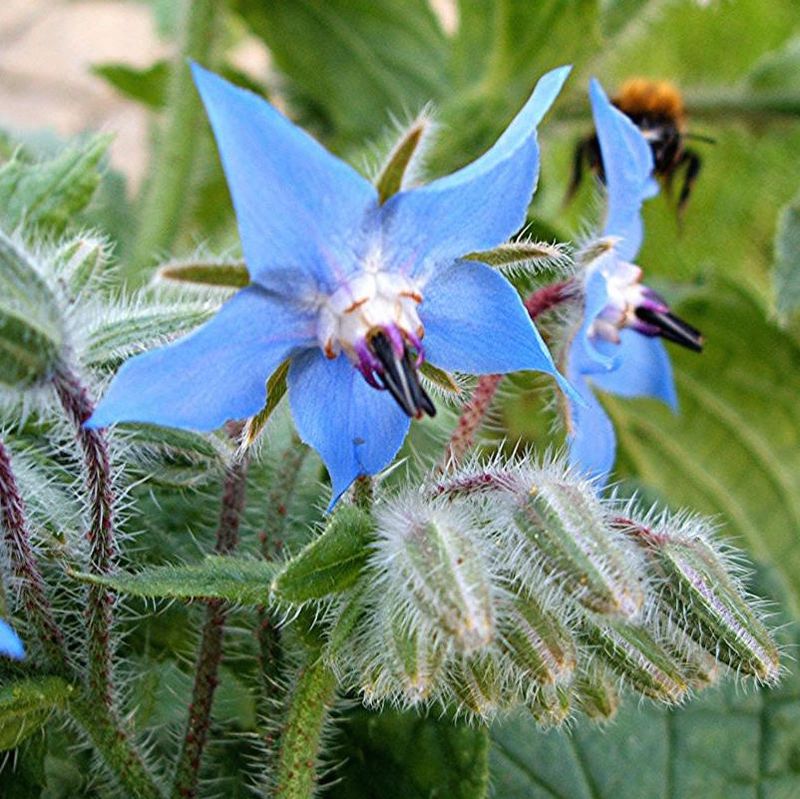
Star-shaped blue flowers make borage one of the most attractive companion plants for Georgia fruit trees.
Bees absolutely adore borage, visiting the flowers constantly throughout the day.
This intense pollinator activity spills over to nearby fruit tree blossoms, significantly improving pollination rates and fruit set.
Borage grows vigorously in Georgia, tolerating heat and drought once established.
The plant self-seeds freely, returning each year without replanting effort on your part.
Its fuzzy leaves may look delicate, but they’re surprisingly tough and rarely bothered by pests.
Borage accumulates minerals from deep in the soil, and when the leaves decompose, they enrich the surrounding area.
Many Georgia orchardists chop and drop borage foliage as a nutrient-rich mulch around fruit trees.
The plant’s upright growth habit means it won’t sprawl over large areas or compete aggressively with your trees.
Young borage leaves are edible and taste like cucumber, adding versatility to this companion plant.
Plant borage in spring after the last frost, spacing plants about two feet apart near your fruit trees for optimal pollinator attraction.
7. Yarrow Improves Overall Tree Health
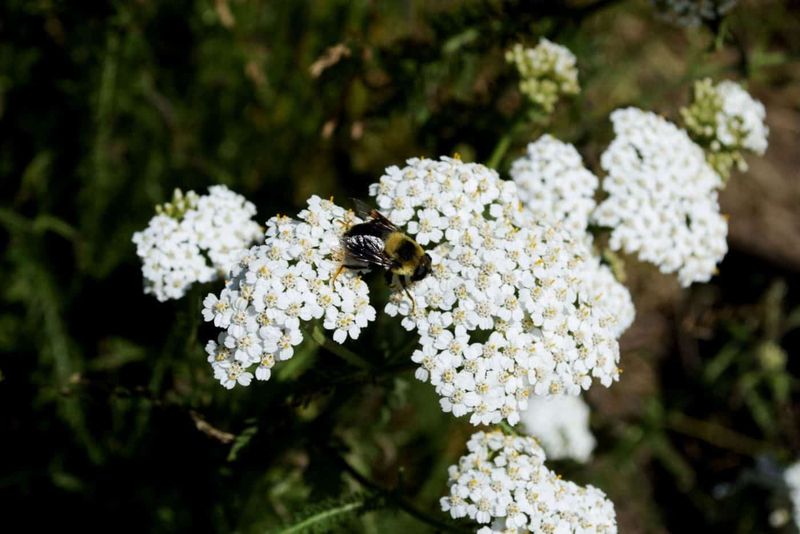
Ancient herbalists called yarrow a healing plant, and modern orchardists in Georgia are rediscovering its benefits.
Yarrow’s deep taproot breaks up compacted soil and brings up trace minerals that fruit trees need for optimal health.
When yarrow leaves decompose, they release these nutrients, making them available to shallow-rooted plants nearby.
This perennial thrives in Georgia’s climate, tolerating both drought and poor soil conditions that might stress other plants.
Flat-topped clusters of white or yellow flowers bloom for months, attracting ladybugs, parasitic wasps, and other beneficial insects.
These predatory insects help control aphids, mites, and caterpillars that might otherwise damage your fruit trees.
Yarrow also produces compounds that may enhance the disease resistance of neighboring plants through a process scientists are still studying.
Once established, yarrow requires virtually no maintenance and returns reliably each spring.
You can cut the foliage back periodically and use it as mulch around fruit trees.
Plant yarrow divisions or seeds around your orchard perimeter or in scattered clumps between trees for a low-maintenance companion that works year-round.
8. Chives Discourage Fungal Diseases
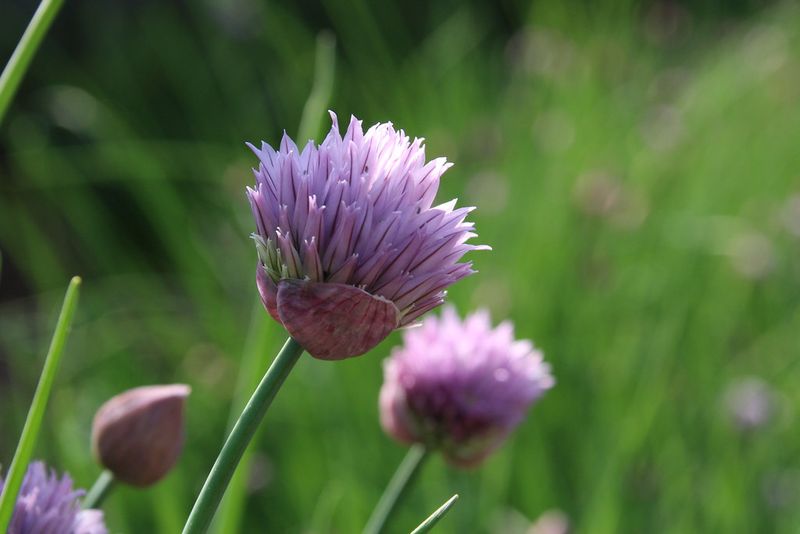
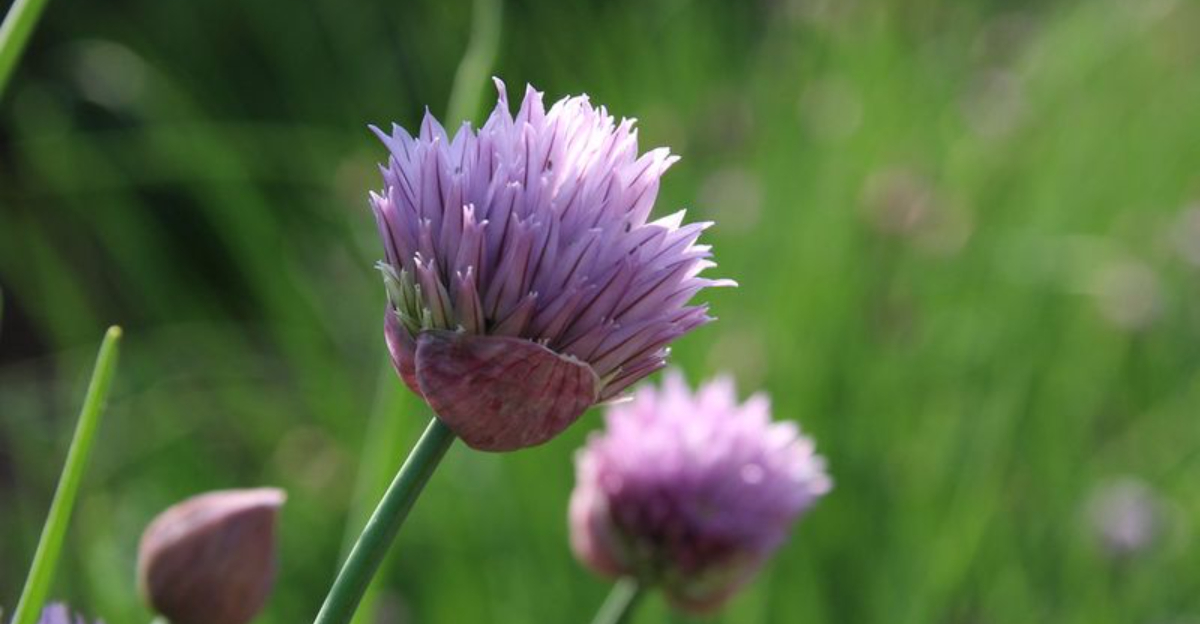
Slender chive leaves release sulfur compounds that help suppress fungal diseases affecting Georgia fruit trees.
Apple scab, peach leaf curl, and other fungal problems can devastate orchards, but chives create a protective barrier through their natural antifungal properties.
Plant chives in rings around tree trunks or scatter clumps throughout your orchard for disease prevention.
These hardy perennials thrive in Georgia, returning year after year with minimal care.
Purple pom-pom flowers appear in spring, attracting bees and other pollinators right when fruit trees need them most.
Chives tolerate both full sun and partial shade, making them adaptable to various orchard conditions.
You can harvest the leaves regularly for cooking without diminishing their companion planting benefits.
Cutting chives back actually encourages fresh, vigorous growth.
Their compact size means they won’t compete with fruit trees for space or resources.
Chives also repel aphids and Japanese beetles with their pungent aroma.
Divide established clumps every few years to spread them throughout your orchard, creating multiple zones of fungal disease protection for your valuable fruit trees.