9 Companion Plants That Help Fruit Trees Thrive in North Carolina
North Carolina fruit trees do so much better when they have the right neighbors, and these 9 companion plants make growing fruit feel easier and more rewarding.
Each one supports tree health by attracting helpful insects, improving soil, or just giving a bit of shade and protection where it counts.
I love how adding companions turns a simple orchard into a lively little ecosystem that feels alive all season long.
With these picks, your fruit trees can thrive in a way that feels natural and balanced right here in North Carolina.
1. Comfrey
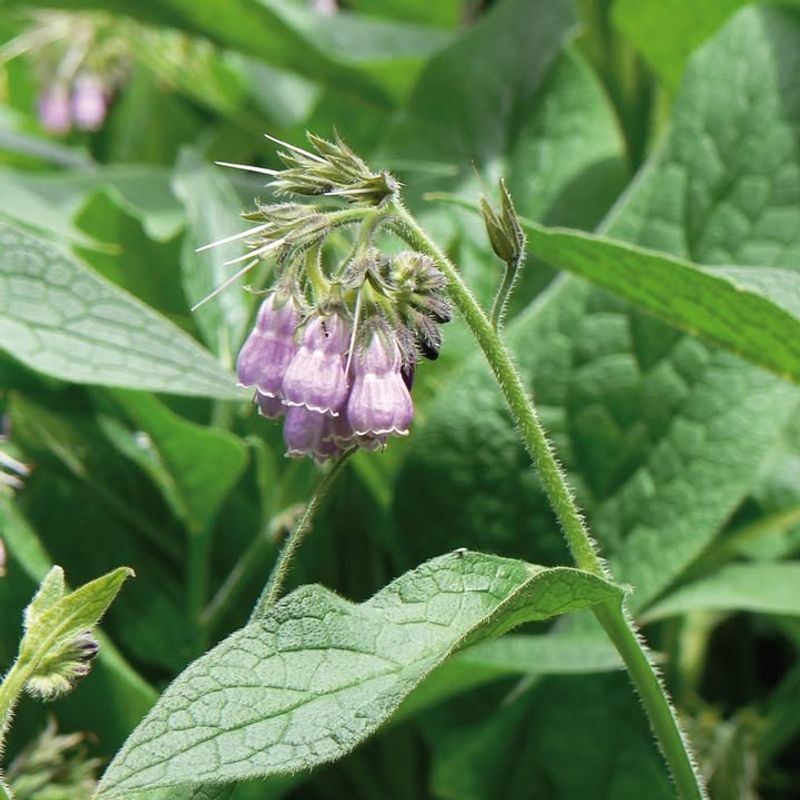
Comfrey brings incredible benefits to fruit trees throughout North Carolina because its deep roots pull nutrients from far below the surface where other plants cannot reach.
These powerful roots act like natural miners, bringing up potassium, phosphorus, and other essential minerals that fruit trees need to produce abundant, sweet fruit every season.
Gardeners across the state often chop comfrey leaves and spread them around tree bases as mulch that breaks down quickly and feeds the soil with rich nutrients.
This plant also attracts beneficial insects like bees and predatory wasps that help pollinate fruit tree blossoms and control harmful pests that might damage your harvest.
Comfrey grows happily in partial shade under fruit tree canopies, making it an ideal companion that does not compete for sunlight with your trees in Carolina gardens.
Once established, this hardy perennial returns year after year without needing replanting, saving you time and effort while continuously improving your orchard soil quality naturally.
Many North Carolina orchardists consider comfrey an essential companion plant because it works quietly in the background, making fruit trees healthier and more productive without any fuss.
2. White Clover
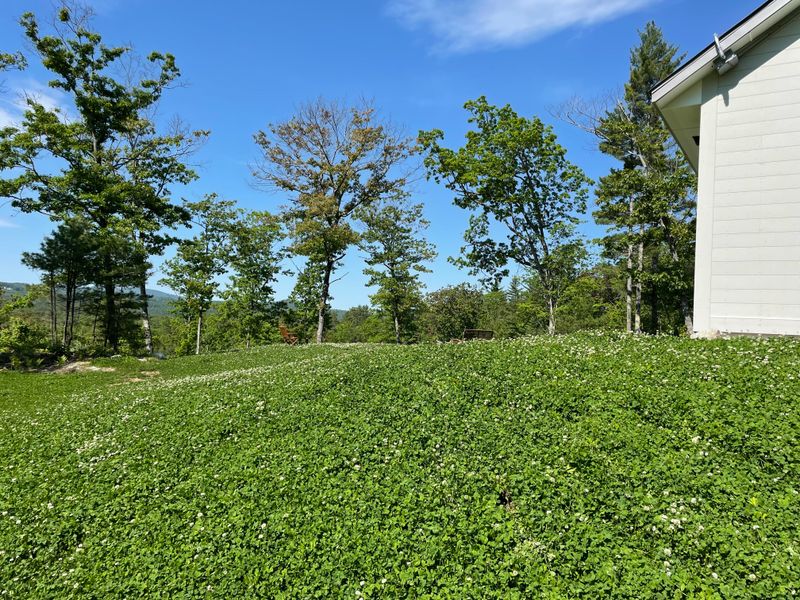
White clover creates a living carpet beneath fruit trees in North Carolina, fixing nitrogen from the air and depositing it directly into the soil where tree roots can absorb it.
Nitrogen is crucial for healthy leaf growth and strong fruit development, and clover provides this nutrient naturally without requiring expensive fertilizers or chemical treatments from garden stores.
This low-growing groundcover also prevents soil erosion during heavy Carolina rainstorms, keeping precious topsoil in place and protecting tree roots from becoming exposed or damaged by water.
Bees absolutely love white clover blossoms, and their constant visits to these flowers ensure excellent pollination for nearby fruit tree blooms, which means bigger harvests for you.
Unlike grass, clover does not compete aggressively with fruit trees for water and nutrients, making it a peaceful neighbor that helps rather than hinders tree growth.
Mowing clover occasionally releases nitrogen into the soil as clippings decompose, creating a natural fertilizer cycle that keeps your North Carolina orchard fed throughout the growing season.
This tough little plant tolerates foot traffic well, so you can walk through your orchard to harvest fruit without worrying about damaging your groundcover or creating bare patches.
3. Nasturtium
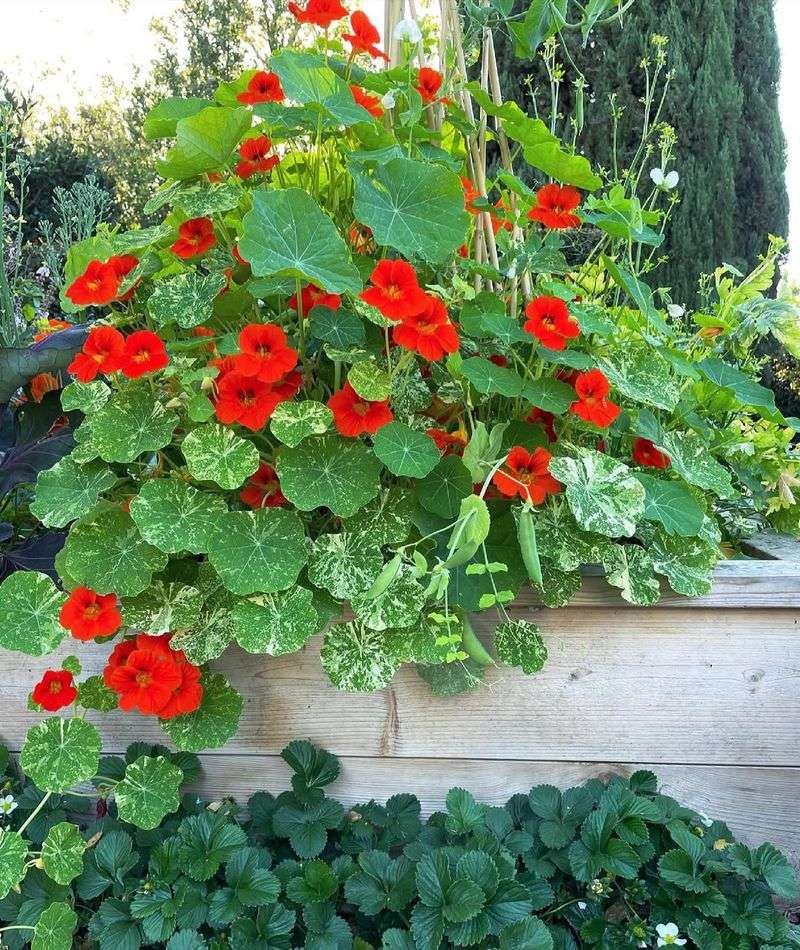
Nasturtiums bring vibrant color to North Carolina orchards while acting as trap crops that lure aphids away from valuable fruit trees, protecting your harvest from these destructive pests.
Aphids prefer nasturtium leaves over fruit tree foliage, so planting these cheerful flowers creates a sacrificial barrier that keeps your trees healthy and pest-free throughout the season.
These easy-to-grow annuals thrive in Carolina gardens without requiring special care, and their peppery leaves and flowers are completely edible, adding spicy flavor to summer salads.
Nasturtiums sprawl across the ground beneath fruit trees, shading soil and keeping it cool during hot North Carolina summers, which helps tree roots stay comfortable and productive.
Their bright blooms attract hoverflies and other beneficial insects that prey on harmful pests, creating a natural pest control system that works without chemicals or expensive sprays.
Gardeners appreciate how quickly nasturtiums germinate and grow, filling bare spaces around young fruit trees and preventing weeds from taking over valuable garden real estate in springtime.
Planting nasturtiums around your North Carolina fruit trees adds beauty and function to your orchard, making it both productive and visually stunning from spring through fall.
4. Chives
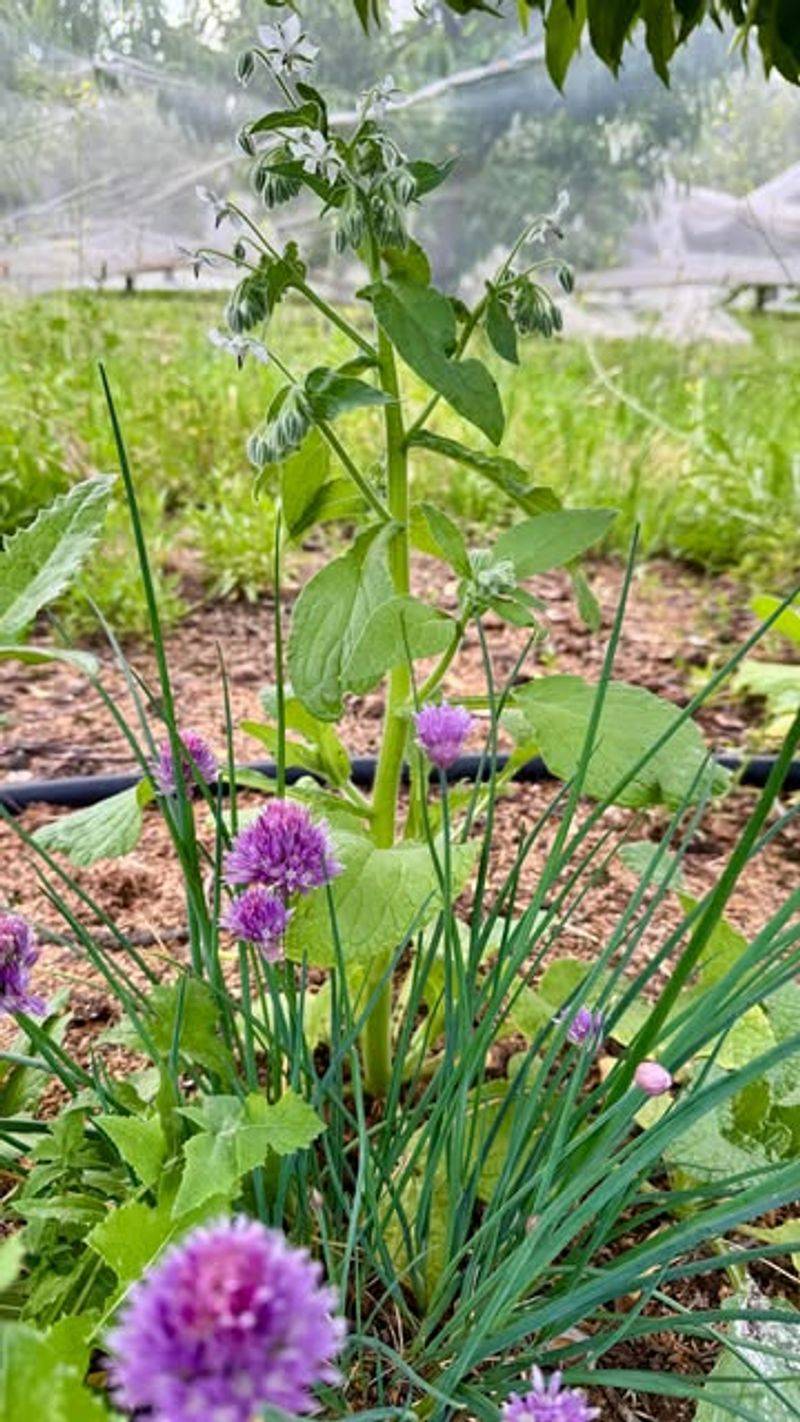
Chives produce a natural scent that confuses and repels many common fruit tree pests, including aphids and Japanese beetles that often plague North Carolina orchards during warm months.
Their purple globe-shaped flowers attract pollinators like bees and butterflies, ensuring your fruit tree blossoms get visited frequently, which leads to better fruit set and larger harvests.
This perennial herb returns reliably every spring in Carolina gardens, forming attractive clumps that require almost no maintenance once established in your orchard understory or along pathways.
Chives tolerate partial shade well, making them perfect companions for fruit trees where sunlight filters through branches rather than blazing down constantly from overhead in summer heat.
Snipping fresh chive leaves for cooking encourages new growth and keeps plants looking tidy, giving you a dual-purpose companion that feeds both your trees and your family.
Their fibrous root systems help improve soil structure beneath fruit trees, creating better drainage and aeration that keeps roots healthy and prevents waterlogging during North Carolina rainy seasons.
Planting chives around your orchard creates layers of pest protection while adding delicious flavor to your kitchen, making them one of the most practical companions available.
5. Marigolds
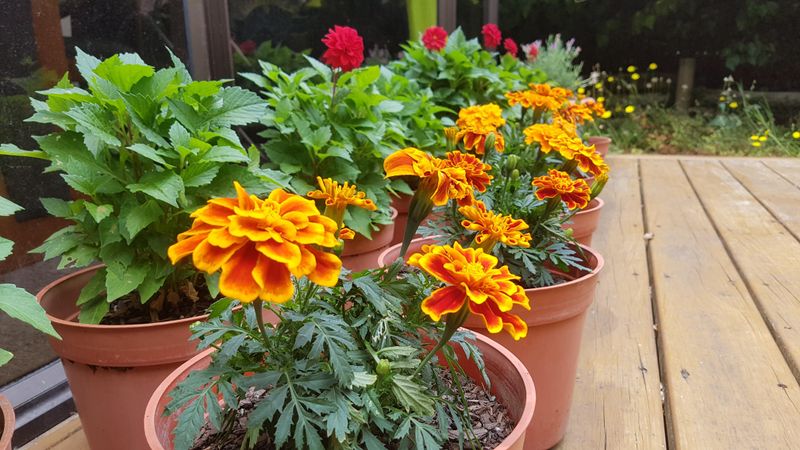
Marigolds release compounds from their roots that discourage harmful nematodes in North Carolina soil, protecting fruit tree roots from these microscopic pests that can weaken trees over time.
Their strong, distinctive scent also confuses many flying insects that might otherwise lay eggs on fruit tree leaves or damage developing fruit during the critical growing season months.
These cheerful annuals bloom continuously from late spring through fall in Carolina gardens, providing constant color and pest protection throughout the entire fruit-growing season without requiring replanting.
Marigolds attract beneficial insects like ladybugs and lacewings that feed on aphids and other soft-bodied pests, creating a natural army that guards your fruit trees day and night.
Planting marigolds around the drip line of fruit trees creates a protective barrier that intercepts pests before they reach valuable tree trunks, leaves, or developing fruit clusters.
These tough flowers tolerate North Carolina heat and humidity remarkably well, continuing to bloom and protect your orchard even during the most challenging summer weather conditions that stress other plants.
Gardeners love marigolds because they are inexpensive, easy to grow from seed, and incredibly effective at keeping orchards healthy without relying on chemical pesticides or expensive treatments.
6. Yarrow
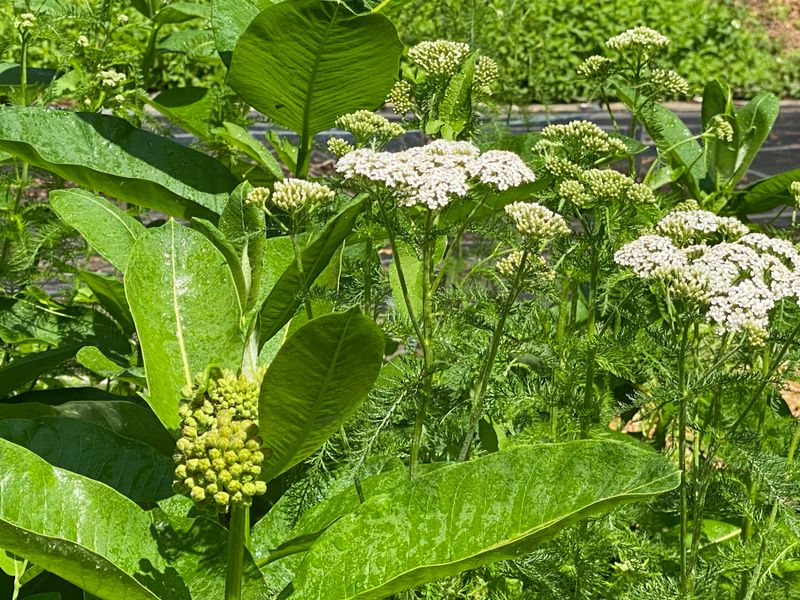
Yarrow attracts an amazing variety of beneficial insects to North Carolina orchards, including predatory wasps, hoverflies, and ladybugs that naturally control aphids, caterpillars, and other fruit tree pests.
This tough perennial thrives in Carolina clay soil and tolerates both drought and occasional flooding, making it incredibly reliable even when weather conditions challenge other companion plants.
Its deep taproot mines minerals from deep soil layers and brings them closer to the surface where fruit tree feeder roots can access them more easily throughout the season.
Yarrow flowers bloom for weeks during summer, providing constant nectar sources for pollinators that also visit your fruit tree blossoms, ensuring excellent pollination rates and maximum fruit production.
Cutting yarrow stems and leaving them as mulch around fruit trees adds nutrients back into North Carolina soil as they decompose, creating a natural fertilizer cycle that costs nothing.
This plant spreads slowly over time, filling gaps in your orchard understory and preventing weeds from establishing while never becoming aggressive or difficult to control like some groundcovers.
Gardeners appreciate how yarrow requires almost zero maintenance once established, returning faithfully each spring to continue supporting fruit tree health and productivity year after year without complaint.
7. Borage
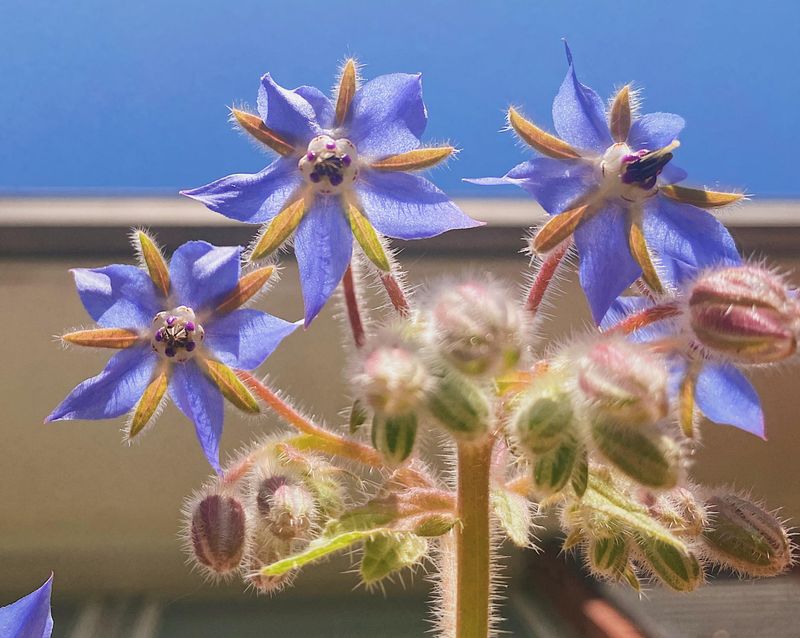
Borage produces stunning blue star-shaped flowers that bees find absolutely irresistible, ensuring your North Carolina fruit trees receive excellent pollination services throughout their critical blooming period each spring.
This annual herb self-seeds readily in Carolina gardens, returning year after year without requiring you to purchase new plants or spend time replanting around your orchard each season.
Borage leaves accumulate calcium and potassium from soil, and when they drop and decompose, these nutrients become available to nearby fruit tree roots, naturally fertilizing your orchard.
The plant attracts predatory insects like parasitic wasps that control caterpillars and other fruit tree pests, adding another layer of natural protection to your North Carolina orchard ecosystem.
Borage tolerates poor soil conditions remarkably well, thriving even in areas where other companion plants struggle, making it ideal for challenging spots in your orchard where nothing else grows.
Its fuzzy leaves deter some browsing pests like deer and rabbits from wandering too close to fruit trees, providing a gentle physical barrier that protects young trees from damage.
Growing borage near fruit trees in North Carolina creates a buzzing, productive environment where pollinators thrive and fruit production increases naturally without requiring expensive interventions or complicated garden management.
8. Daffodils

Daffodils bloom early in North Carolina spring, providing crucial nectar sources for pollinators that emerge before fruit trees flower, ensuring these beneficial insects stay in your orchard.
Their bulbs contain compounds that deer, rabbits, voles, and other browsing animals find distasteful, creating a natural protective ring around fruit tree trunks that discourages unwanted visitors.
Planting daffodils beneath fruit trees adds spectacular spring color to Carolina orchards when most other plants are just beginning to wake up from winter dormancy and bare ground.
These hardy perennial bulbs naturalize over time, multiplying slowly and returning more abundantly each year without requiring replanting, fertilizing, or special care from busy gardeners like you.
Daffodil foliage dies back naturally by early summer in North Carolina, allowing other companion plants to take over while bulbs rest underground until the next spring season arrives.
Their presence helps mark tree locations during winter when deciduous fruit trees are bare, preventing accidental damage from digging or walking too close to sensitive root zones.
Gardeners love daffodils because they are incredibly low-maintenance, pest-resistant, and beautiful, adding cheerful color to orchards while protecting fruit trees from browsing animals throughout the growing season.
9. Lavender
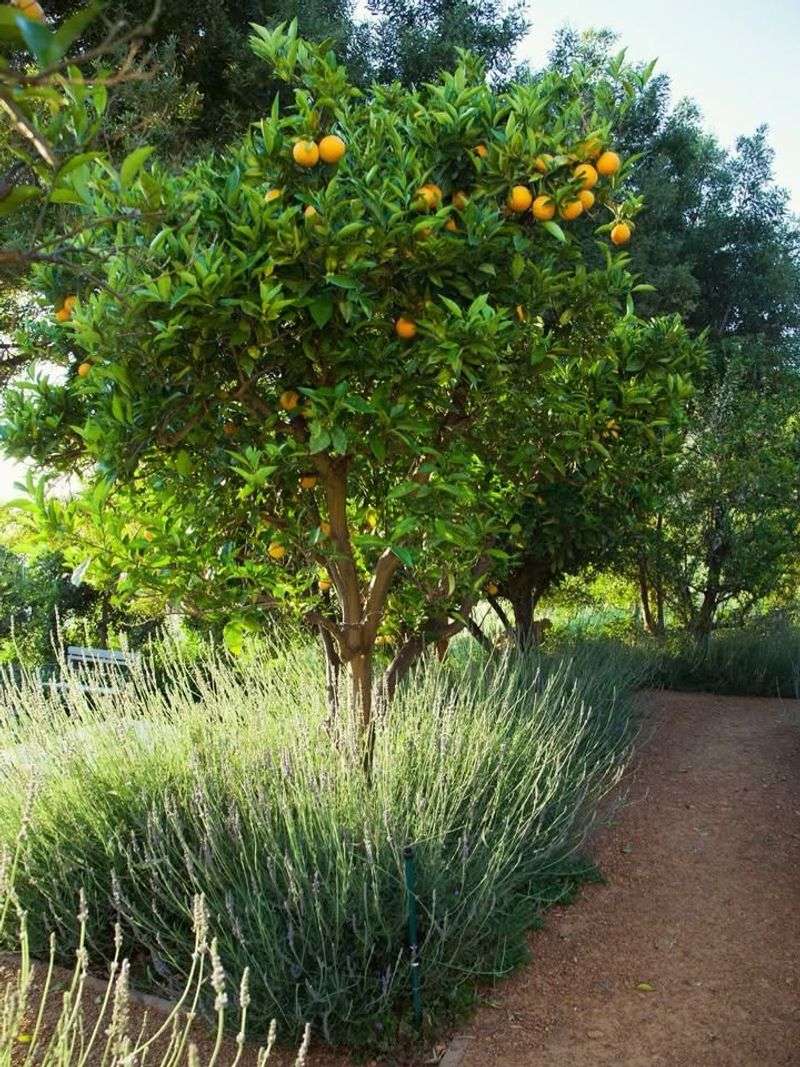
Lavender releases aromatic oils that repel moths, fleas, and mosquitoes from North Carolina orchards, creating a more pleasant environment for gardeners while protecting fruit trees from certain pests.
Bees and other pollinators adore lavender flowers, and planting them near fruit trees ensures a steady stream of pollinator traffic that improves fruit set and harvest yields significantly.
This Mediterranean herb thrives in well-drained soil and full sun, making it perfect for planting along the sunny edges of fruit tree canopies in Carolina gardens where conditions suit.
Lavender requires minimal water once established, making it an excellent choice for orchards where irrigation is limited or during dry spells that sometimes affect North Carolina during summer months.
Harvesting lavender stems for drying and crafts encourages bushier growth and more flower production, giving you both practical benefits and beautiful blooms throughout the entire growing season.
Its evergreen foliage provides year-round structure and color in orchards, preventing bare ground even during winter when many other companion plants have gone dormant or disappeared completely.
Planting lavender near fruit trees in North Carolina creates a sensory experience with beautiful sights, wonderful fragrances, and buzzing pollinator activity that makes your orchard feel alive and productive.