8 Companion Plants That Help Fruit Trees Thrive In Pennsylvania Backyards
In Pennsylvania backyards, fruit trees don’t thrive alone.
The plants growing around them can either support their health—or quietly undermine it.
Companion planting is about choosing neighbors that pull their weight.
The right companions improve soil health, attract pollinators, repel pests, and regulate moisture.
They reduce stress on fruit trees, leading to better growth and more consistent harvests.
Pennsylvania gardeners who embrace companion planting often see fewer disease issues and stronger trees overall.
These plants work together naturally, mimicking the balance found in wild ecosystems.
Instead of relying on sprays and fertilizers, gardeners let plant relationships do the heavy lifting.
It’s a smarter, more sustainable way to grow fruit—and one that pays off season after season.
1. Comfrey (Symphytum Officinale)
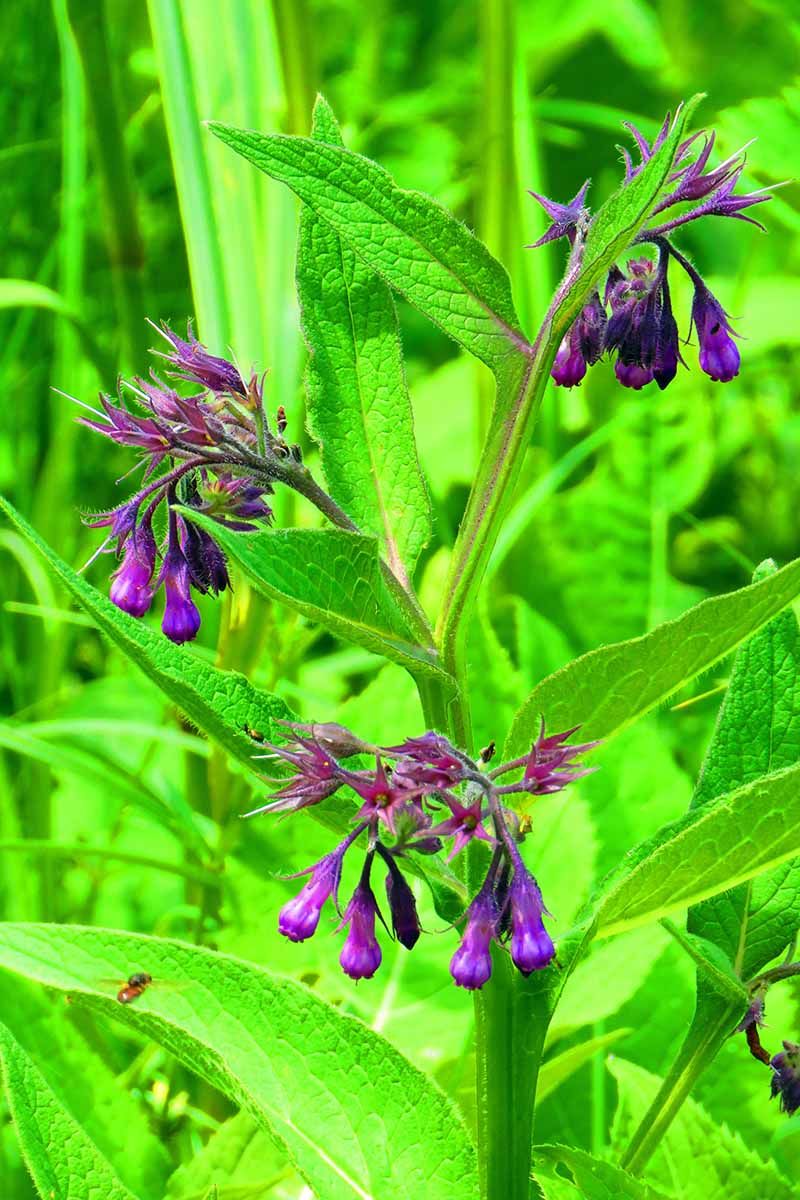
Comfrey works like a natural underground miner, sending its roots deep into the soil where most plants cannot reach.
This remarkable plant pulls up valuable nutrients such as potassium, calcium, and phosphorus from lower soil layers and stores them in its large, fuzzy leaves.
When those leaves break down or get chopped and dropped around your fruit trees, all those minerals become available to shallow tree roots.
Gardeners in Pennsylvania appreciate comfrey because it thrives in the state’s climate and requires very little attention once established.
Its ability to accumulate nutrients makes it especially valuable for fruit trees that need steady feeding throughout the growing season.
Comfrey also produces lovely purple or white bell-shaped flowers that attract bees and other beneficial insects to your orchard area.
You can harvest the leaves several times each season and use them as mulch or add them to your compost pile for an extra nutrient boost.
Plant comfrey a few feet away from the trunk so it doesn’t compete directly with young tree roots.
Over time, this dynamic accumulator will enrich the soil naturally, reducing your need for synthetic fertilizers.
Pennsylvania’s mix of sun and rain suits comfrey perfectly, making it a dependable partner for backyard fruit growers.
2. White Clover (Trifolium Repens)
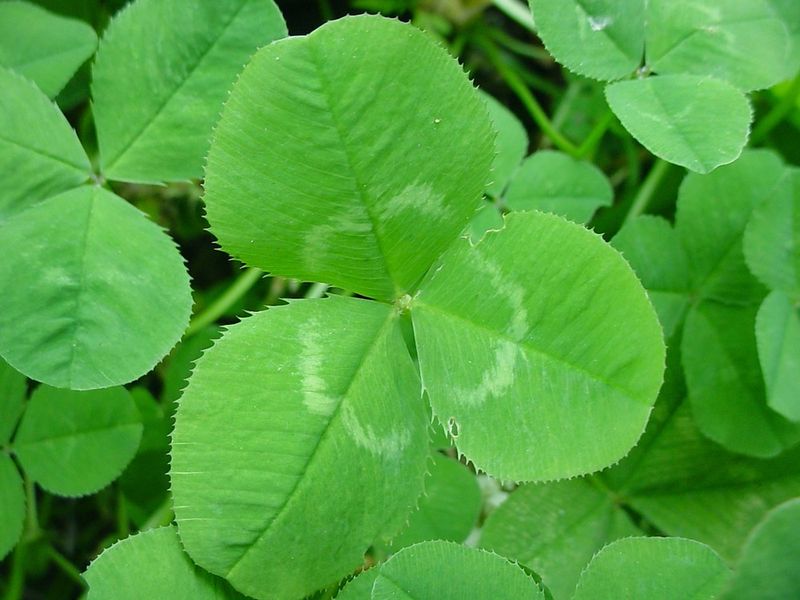
White clover transforms bare ground beneath your fruit trees into a living carpet that works hard for your garden’s health.
This low-growing legume has a special relationship with bacteria in the soil that allows it to capture nitrogen from the air and convert it into a form plants can use.
As the clover grows and its roots naturally cycle through the soil, that nitrogen becomes available to your fruit trees without any chemical fertilizers.
Pennsylvania orchardists love white clover because it stays short, so you won’t need to mow it constantly like traditional grass.
The dense mat of clover leaves also chokes out many common weeds, saving you hours of tedious weeding work.
When white clover blooms with its small, rounded white flowers, bees arrive in droves to collect nectar and pollen.
Those same pollinators will then visit your fruit tree blossoms, improving your harvest significantly.
White clover handles Pennsylvania’s summer heat and occasional dry spells better than many groundcovers, staying green when grass turns brown.
Its shallow roots don’t compete aggressively with tree roots for moisture or nutrients.
You can walk on white clover without harming it, making it practical for orchards where you need to move around frequently to tend your trees.
3. Chives (Allium Schoenoprasum)

Chives bring a double benefit to your fruit tree plantings with their pest-deterring properties and pollinator-attracting blooms.
These slender, grass-like herbs belong to the onion family and release compounds that many troublesome insects find unpleasant.
Aphids, Japanese beetles, and certain borers tend to avoid areas where chives grow, giving your fruit trees some natural protection.
In late spring, chives produce gorgeous purple pom-pom flowers that buzz with bee activity, drawing pollinators right to your orchard.
Pennsylvania gardeners appreciate how chives return year after year without any fuss, pushing up fresh green shoots as soon as the ground warms.
They stay compact and fit easily into tight spaces around tree trunks or along the edges of planting beds.
Unlike some companion plants that spread aggressively, chives remain in tidy clumps that you can easily divide and share with neighbors.
The mild onion flavor of the leaves makes them useful in the kitchen too, so you get a bonus harvest while helping your fruit trees.
Chives tolerate Pennsylvania’s cold winters beautifully, going dormant underground and returning reliably each spring.
Their upright form adds visual interest without shading out other low-growing companions you might plant nearby.
Planting chives around young fruit trees gives you peace of mind knowing you’re providing gentle, natural pest management.
4. Garlic (Allium Sativum)

Garlic acts as a protective circle when planted around the base of your fruit trees, releasing natural compounds that pests prefer to avoid.
Planting cloves in fall allows them to establish strong roots before winter, and they’ll emerge with vigorous growth in Pennsylvania’s early spring.
The sulfur compounds in garlic help discourage aphids, borers, and certain fungal problems that can trouble fruit trees.
Many backyard orchardists swear by garlic as a companion because it requires almost no maintenance once planted.
You simply tuck the cloves into the soil in October, mulch lightly, and let nature take its course through the cold months.
Come June or July, you’ll harvest full bulbs of garlic for your kitchen while your fruit trees benefit from months of natural pest deterrence.
Garlic’s upright leaves don’t shade out other plants or compete heavily for water, making it an ideal neighbor for trees.
Pennsylvania’s climate suits garlic perfectly, with cold winters that help bulbs develop properly and warm summers for curing.
After you harvest the garlic, you can plant a quick summer crop of something else in that space or let it rest until fall planting time again.
The visual effect of garlic planted in a ring around a young tree also adds structure and intention to your garden design.
This simple, time-tested companion offers real benefits without demanding much from you as a gardener.
5. Yarrow (Achillea Millefolium)

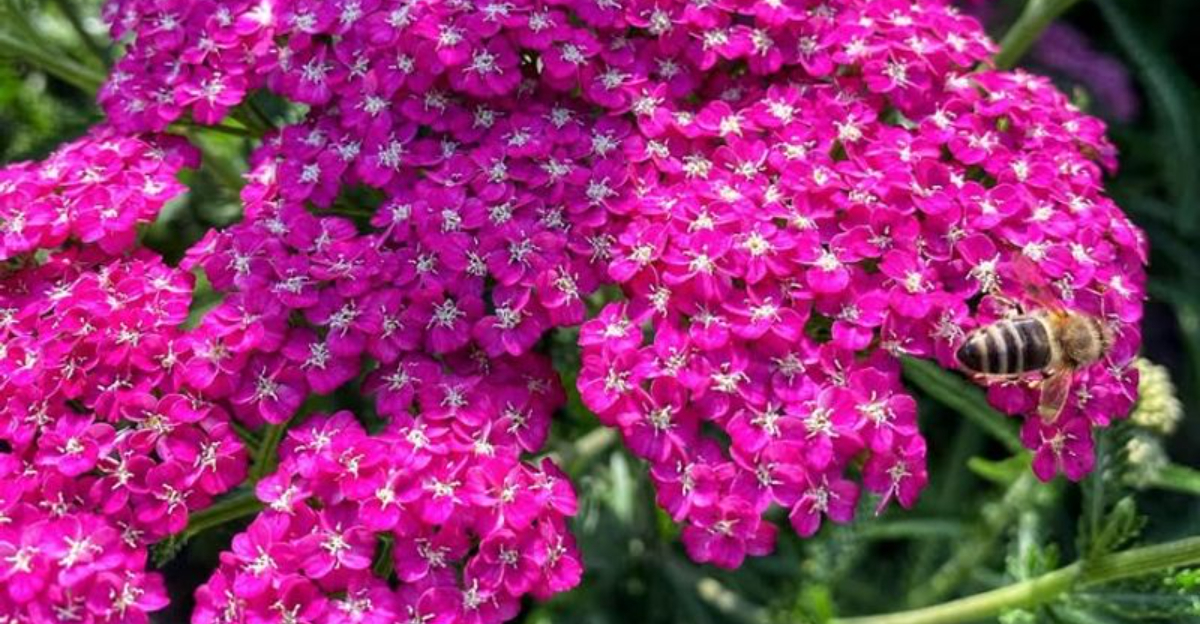
Yarrow stands out as a companion plant because it attracts an army of beneficial insects that help keep your orchard ecosystem balanced.
Ladybugs, lacewings, hoverflies, and predatory wasps all visit yarrow’s flat-topped flower clusters to feed on nectar and pollen.
These helpful insects then patrol your fruit trees, feeding on aphids, caterpillars, and other pests that might otherwise damage leaves and fruit.
Pennsylvania’s variable weather doesn’t faze yarrow one bit—it handles summer heat, spring rains, and occasional drought with equal ease.
Once established, yarrow’s deep taproot helps it access moisture during dry spells without competing with your fruit trees’ feeder roots.
The plant also accumulates minerals from deeper soil layers and contributes them back to the surface when its leaves break down.
Yarrow blooms for weeks during summer, providing a continuous food source for beneficial insects throughout the peak growing season.
Its feathery foliage and white or yellow flower clusters add texture and color to the orchard floor without growing tall enough to shade anything.
You can cut yarrow back after flowering to encourage fresh growth, and the cuttings make excellent mulch or compost material.
Native yarrow varieties are especially well-suited to Pennsylvania gardens, requiring zero special care once they’ve settled in.
This tough, reliable perennial keeps working for your fruit trees year after year with minimal input from you.
6. Borage (Borago Officinalis)
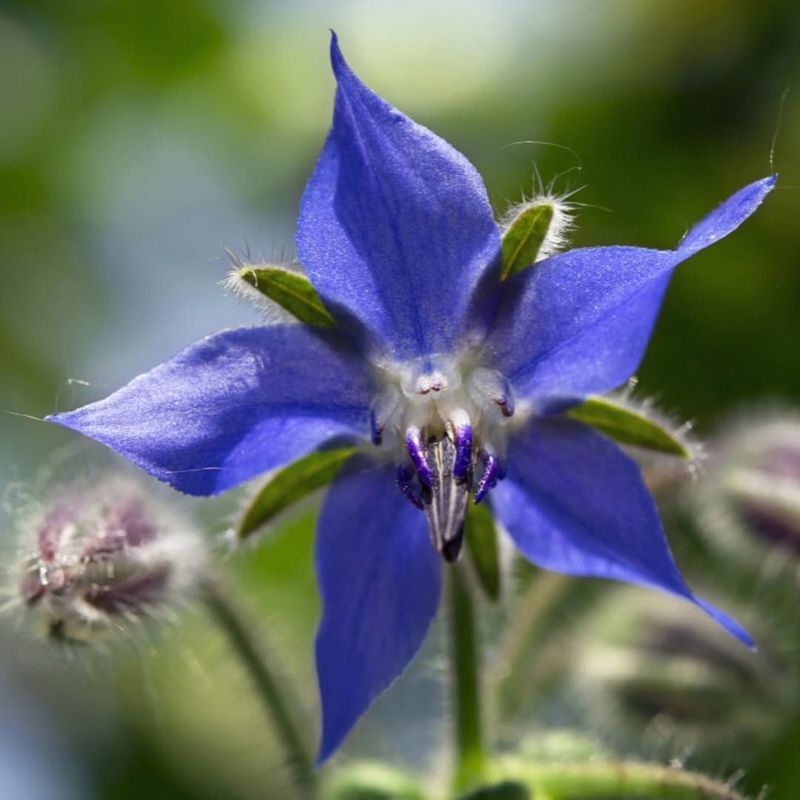
Borage brings a cheerful burst of brilliant blue flowers to your orchard that pollinators simply cannot resist.
Bees, especially, adore borage blossoms and will visit them repeatedly throughout the day, then move on to pollinate your fruit tree flowers.
This annual herb grows quickly from seed and can reach two to three feet tall, creating a lush presence around your trees by midsummer.
Pennsylvania gardeners often let borage self-sow, allowing it to return year after year without replanting.
The plant’s fuzzy leaves and stems have a cucumber-like flavor that some people enjoy in salads, though they’re a bit prickly to handle.
When you cut borage back or when it naturally finishes its cycle, all that leafy growth breaks down quickly and adds valuable organic matter to your soil.
This organic matter improves soil structure, helps retain moisture, and feeds beneficial microorganisms that support fruit tree health.
Borage also has a reputation for accumulating trace minerals and making them available to neighboring plants as it decomposes.
The plant tolerates Pennsylvania’s summer conditions well but appreciates some afternoon shade during the hottest weeks.
Its sprawling habit fills empty spaces beneath fruit trees, reducing weed pressure and creating habitat for ground-dwelling beneficial insects.
Planting borage near your fruit trees turns your backyard into a buzzing, productive ecosystem that supports both harvests and pollinators beautifully.
7. Daffodils (Narcissus Species)
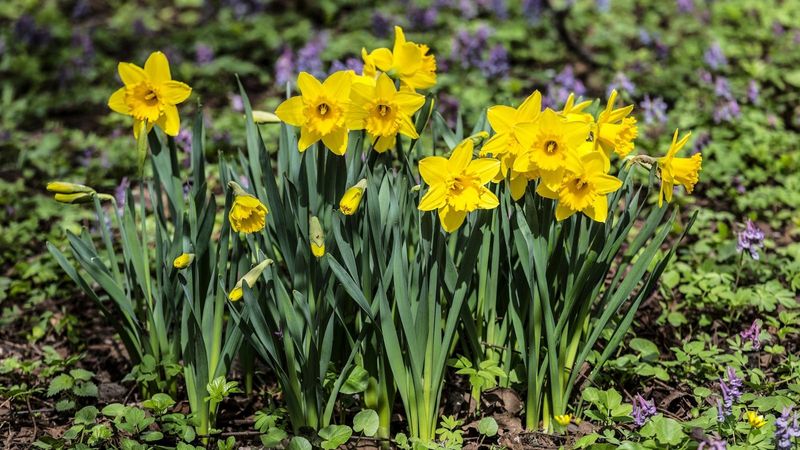
Daffodils offer early-season beauty while providing practical protection for your fruit trees against hungry animals.
Deer, rabbits, voles, and other creatures avoid daffodils because all parts of the plant contain compounds that taste terrible and cause stomach upset.
Planting a ring of daffodil bulbs around your fruit trees creates a natural barrier that discourages nibbling on bark during lean winter months.
Pennsylvania’s spring arrives with a spectacular show when daffodils bloom in March and April, often while fruit trees are still waking up.
Their bright yellow, white, or orange flowers signal warmer days ahead and attract early-emerging pollinators to your garden space.
Daffodils require no maintenance once planted—you simply tuck the bulbs into the ground in fall and enjoy the results for years to come.
Their foliage emerges, blooms, and then fades away by early summer, leaving space for other companions to take center stage.
Because daffodils bloom and go dormant before fruit trees need maximum nutrients, they don’t compete for resources during critical growing periods.
The bulbs naturalize over time, multiplying underground and creating larger, more impressive displays each spring.
Pennsylvania’s cold winters are perfect for daffodils, which need that chill period to bloom properly.
Planting different daffodil varieties extends the bloom season and keeps your orchard looking cheerful for weeks.
This low-effort companion provides both function and beauty, making it a favorite among backyard fruit growers.
8. Calendula (Calendula Officinalis)
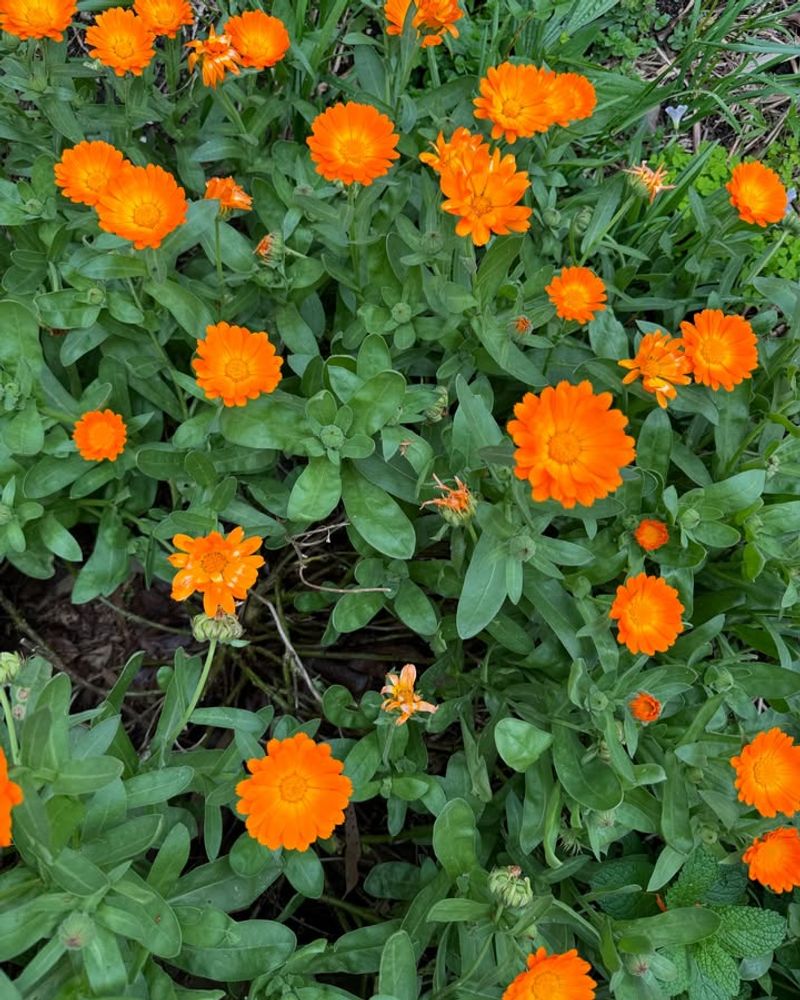
Calendula brightens your orchard with cheerful orange and yellow flowers while attracting a diverse crew of beneficial insects.
Hoverflies, whose larvae devour aphids by the hundreds, are especially drawn to calendula’s daisy-like blooms.
Ladybugs, lacewings, and tiny parasitic wasps also visit regularly, creating a natural pest control team for your fruit trees.
This easy-going annual thrives in Pennsylvania’s spring and fall weather, often blooming from May until hard frost arrives.
Calendula tolerates light shade beneath fruit trees better than many flowering companions, making it perfect for orchard understories.
The plant reseeds readily, so you may only need to plant it once before it returns on its own year after year.
Calendula’s roots release substances that help suppress harmful nematodes in the soil, protecting your fruit tree roots from these microscopic pests.
When calendula plants finish blooming, you can chop them up and leave them as mulch, where they’ll decompose and enrich the soil.
Pennsylvania gardeners appreciate calendula’s resilience—it handles cool spring temperatures and keeps blooming even as summer heat builds.
The flowers are also edible and have been used traditionally for their soothing properties, giving you an extra harvest alongside your fruit.
Planting calendula in drifts around your fruit trees creates a cottage-garden feel while supporting the health and productivity of your orchard.
This hardworking companion fits seamlessly into fruit tree guilds, pulling its weight in multiple ways throughout the growing season.