9 Companion Plants That Support Strong Tomato Vines In Georgia
Tomatoes tell you early if they feel supported or stressed. You see it in how vines stand, how leaves hold color, and how confidently plants reach upward instead of collapsing sideways.
In a Georgia garden, what grows nearby makes a real difference. Some plants help tomatoes stay balanced during rapid growth and rising heat.
Others quietly create competition below the soil surface before problems show above ground. These relationships shape vine strength long before fruit appears.
Gardeners who pay attention to plant neighbors often deal less damage, fewer weak stems, and more consistent growth through the season.
Strong tomato vines do not come from constant fixing. They come from smart planning at planting time.
The right companions help vines stay upright, steady, and productive as the garden hits its stride.
1. Improved Soil Balance Comes Naturally With Basil Nearby
Basil and tomatoes belong together, not just on your dinner plate but right in the garden bed. When you plant basil close to your tomato vines, you’re creating a partnership that benefits both plants throughout the growing season.
The aromatic oils that basil releases can actually help improve the flavor of your tomatoes while keeping certain flying insects from settling in too close.
Georgia gardeners know that our clay-heavy soil needs all the help it can get. Basil’s root system works differently than tomato roots, which means they’re not competing for the same nutrients at the same soil depth.
This natural layering makes better use of available resources without either plant suffering.
The shade from your tomato plants also protects basil during our brutal July and August heat. Without some afternoon shade, basil tends to bolt and turn bitter in Georgia’s climate.
Meanwhile, the basil acts as a living mulch around the base of your tomatoes, helping keep the soil cooler and reducing moisture loss during dry spells.
Plant your basil about eight to twelve inches away from the tomato stem. This gives both plants enough room to grow while still providing all those companion benefits.
You’ll notice fewer aphids hanging around, and your tomatoes will thank you with stronger growth and better fruit production all season long.
2. Root Health Benefits From Nitrogen Support Provided By Beans
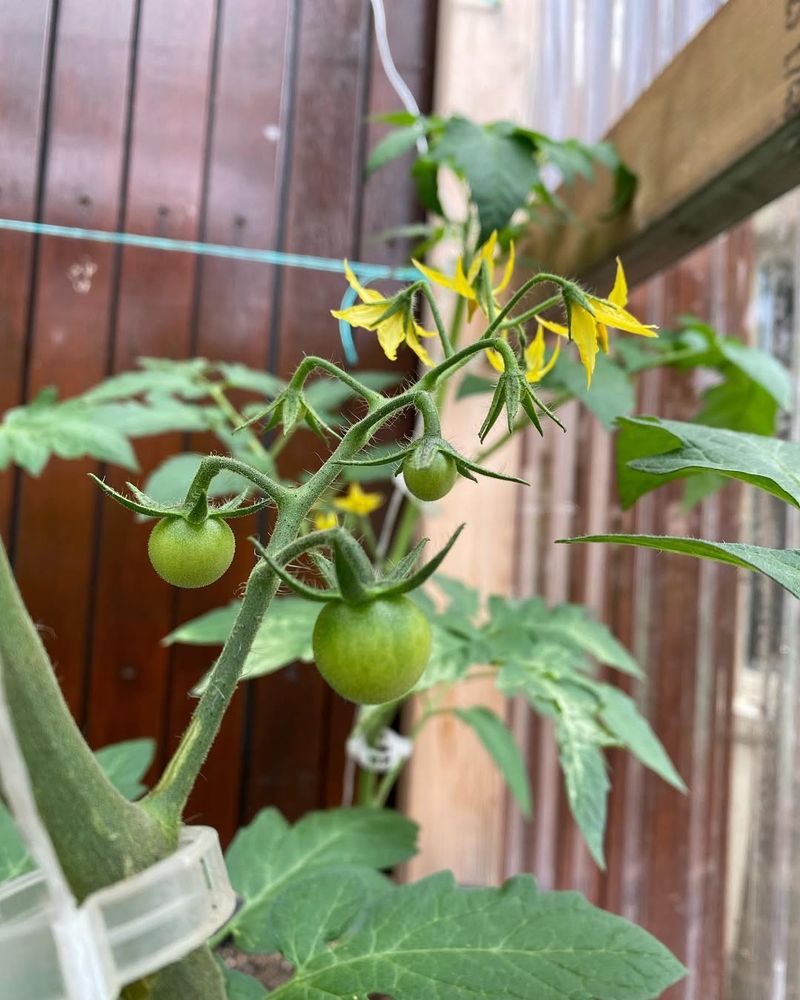
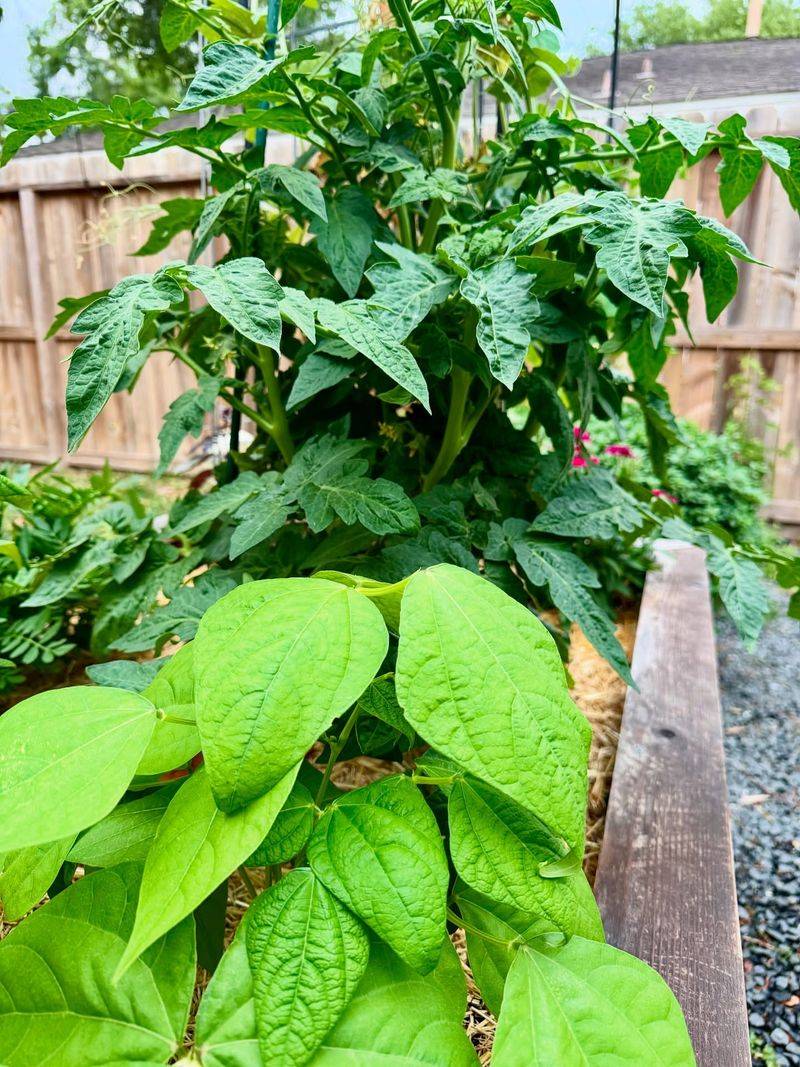
Bush beans work magic underground that you can’t see but your tomatoes definitely feel. These legumes have special nodules on their roots that capture nitrogen from the air and convert it into a form that plants can actually use.
Your tomato vines get access to this extra nitrogen without you having to add more fertilizer to the soil.
In Georgia, where our growing season stretches long and hot, tomatoes need consistent nutrition to keep producing fruit into fall. Beans planted at the base of your tomato plants act like little nitrogen factories, constantly enriching the soil right where your tomatoes need it most.
This partnership works especially well in raised beds or container gardens where nutrients get used up faster.
Bush varieties work better than pole beans because they don’t compete for vertical space or create too much shade. Plant them in a circle around each tomato plant, leaving about six inches between the bean seeds and the tomato stem.
The beans will fill in quickly and create a living ground cover.
The shallow root system of bush beans doesn’t interfere with tomato roots either. They occupy different soil zones, which means both plants can thrive without getting in each other’s way.
Plus, when the bean plants finish producing, you can chop them down and leave the nitrogen-rich roots in the ground to decompose and feed your tomatoes even more.
3. Low-Growing Cover Helps Retain Moisture With Marigolds
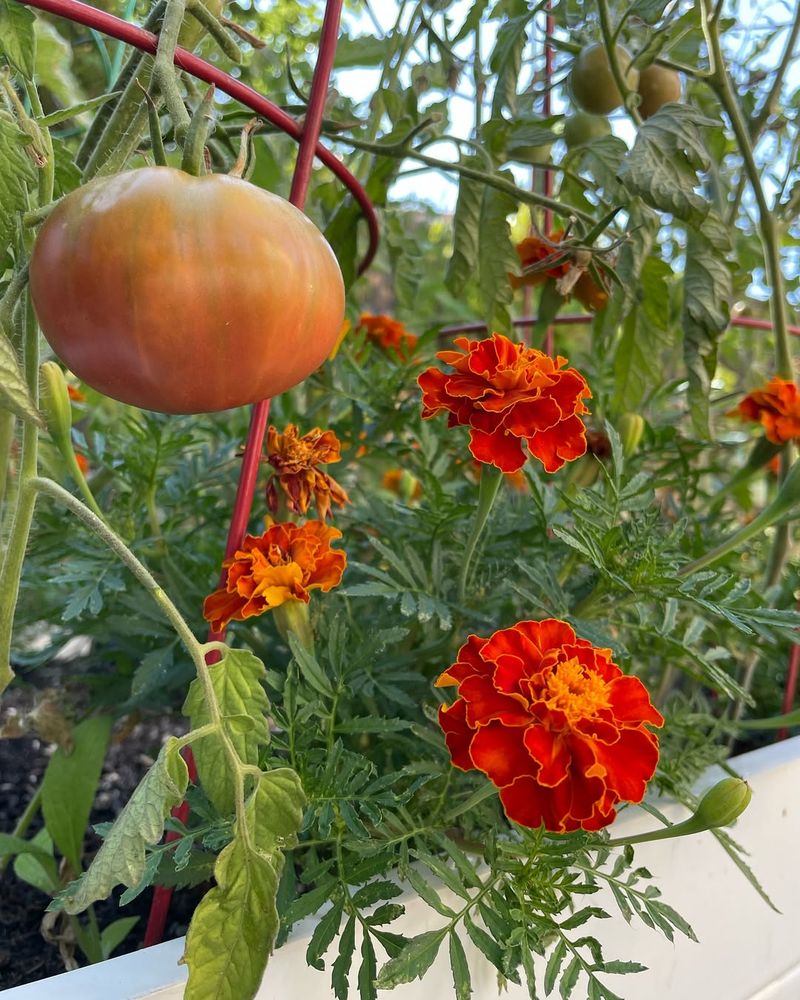
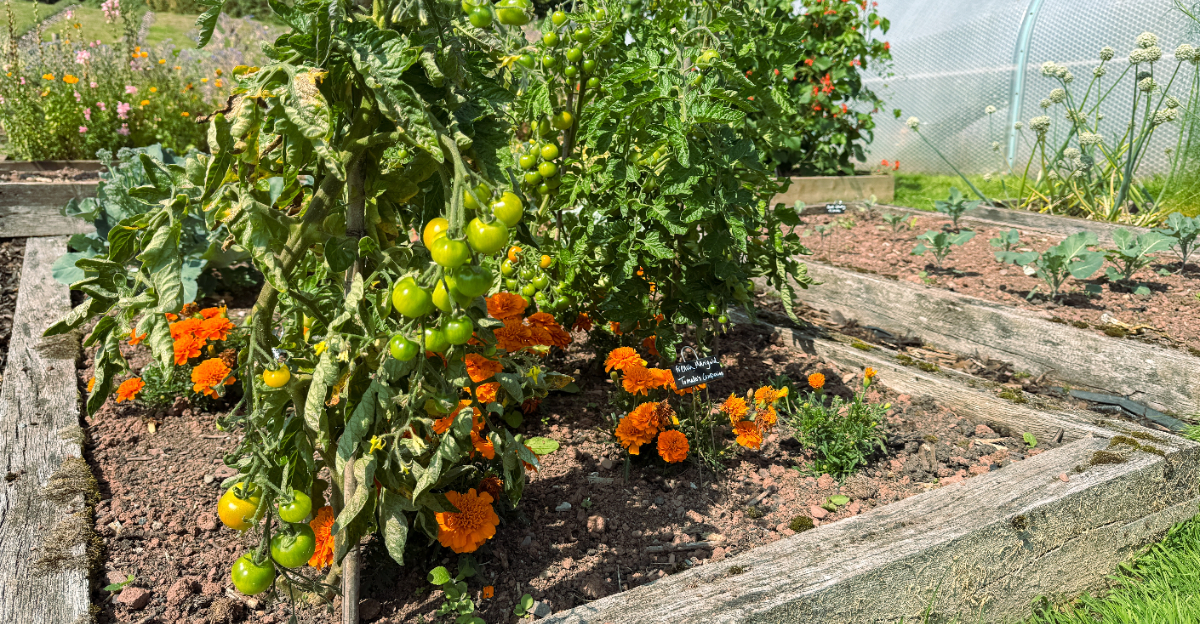
Marigolds bring more to your tomato patch than just cheerful color. These tough little flowers create a protective carpet around your tomato plants that helps solve several common Georgia gardening challenges at once.
Their dense foliage shades the soil surface, which keeps moisture from evaporating too quickly during our hot summer days.
The strong scent that marigolds produce confuses many insects that would otherwise target your tomatoes. Hornworms, aphids, and whiteflies all seem less interested in tomato plants when marigolds are growing nearby.
Some gardeners swear that marigolds even help reduce nematode problems in the soil, though this works best when you plant French marigold varieties specifically.
In Georgia’s unpredictable spring weather, marigolds establish quickly and can handle both heat and occasional cool snaps. They don’t need much attention once they’re growing, which makes them perfect for busy gardeners.
Water them when you water your tomatoes, and they’ll bloom continuously from late spring through the first frost.
Plant marigolds in a border around your tomato bed or tuck them between individual plants. They stay low enough that they won’t block air circulation around your tomato vines, but they’ll still provide that valuable ground cover.
The bright flowers also attract beneficial insects like ladybugs and lacewings that help control pest populations naturally throughout your garden.
4. Pest Pressure Drops When Chives Are Planted Close
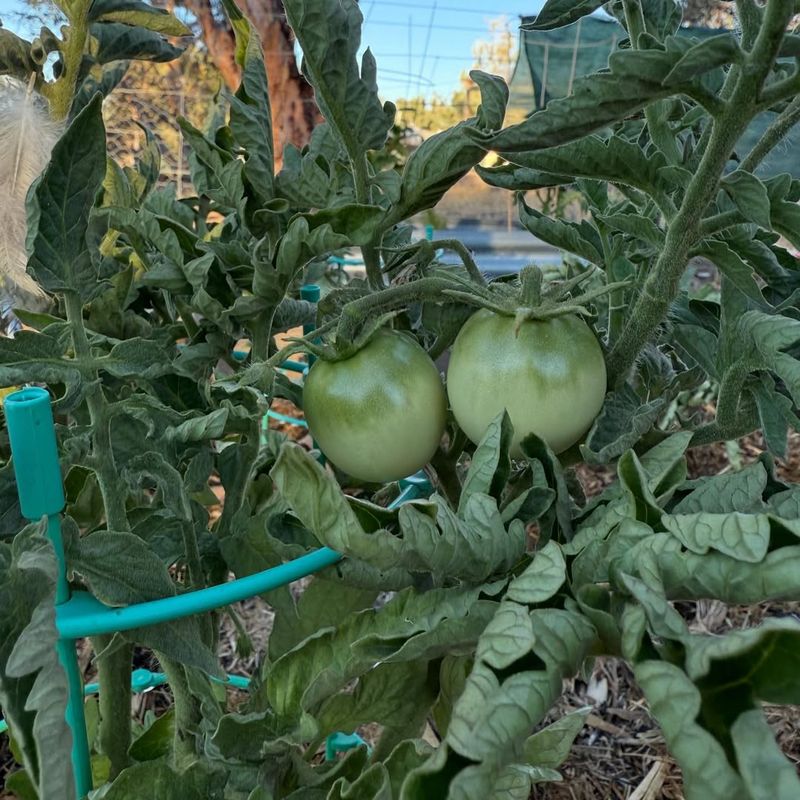
Chives pack a powerful punch in a small package when it comes to protecting your tomato plants. These perennial members of the onion family release sulfur compounds that many common tomato pests find absolutely repulsive.
Aphids, in particular, tend to avoid areas where chives are growing, which means fewer problems with these sap-sucking insects throughout the season.
Georgia gardeners appreciate that chives come back year after year without replanting. Once you establish a clump near your tomato bed, it’ll keep working for you season after season.
The plants stay compact and don’t take up much space, so you can tuck them into corners or along the edges of your tomato rows without sacrificing growing room.
The pretty purple flowers that chives produce in late spring aren’t just decorative. They attract pollinators and beneficial insects that help keep your garden ecosystem balanced.
Bees and butterflies visit the blooms regularly, and these helpful visitors often stick around to check out your tomato flowers too.
Plant chives about six to eight inches away from your tomato stems. They prefer similar growing conditions—full sun, regular water, and well-drained soil—so they’re easy to care for alongside your tomatoes.
You can also harvest the leaves to use in your kitchen without harming the plant, making chives both a practical and protective companion for your tomato vines.
5. Pollinator Activity Increases Thanks To Borage Blooms
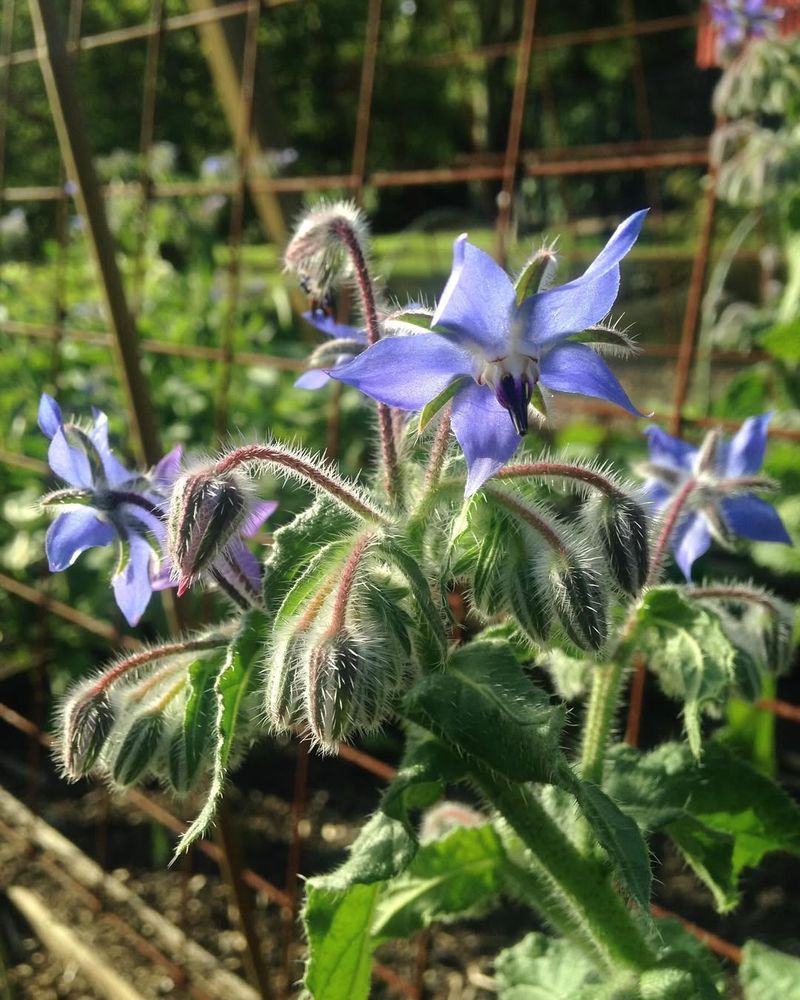
Borage might look delicate with its star-shaped blue flowers, but this plant is actually a powerhouse companion for tomatoes in Georgia gardens. The flowers produce abundant nectar that brings bees and other pollinators streaming into your garden.
More pollinator visits mean better fruit set on your tomato plants, especially during those critical early weeks when flowers first appear.
The plant grows quickly and tolerates our Georgia heat surprisingly well, though it appreciates some afternoon shade during the hottest part of summer. Borage has a deep taproot that mines nutrients from lower soil layers that your tomatoes can’t reach.
When borage leaves drop and decompose, they return these nutrients to the surface soil where tomato roots can access them.
Many gardeners report that tomatoes growing near borage seem healthier and more vigorous overall. Some research suggests that borage may even help tomatoes resist certain diseases, though the exact mechanism isn’t fully understood.
What’s clear is that the two plants seem to boost each other’s performance when grown together.
Give borage plants about eighteen inches of space from your tomato stems because they can get fairly bushy. The plants self-seed readily, so you might find volunteer borage plants popping up year after year.
The leaves are edible and taste like cucumber, and you can add the flowers to salads for a pop of color and mild flavor.
6. Weed Growth Stays Lower With Lettuce Filling Bare Soil
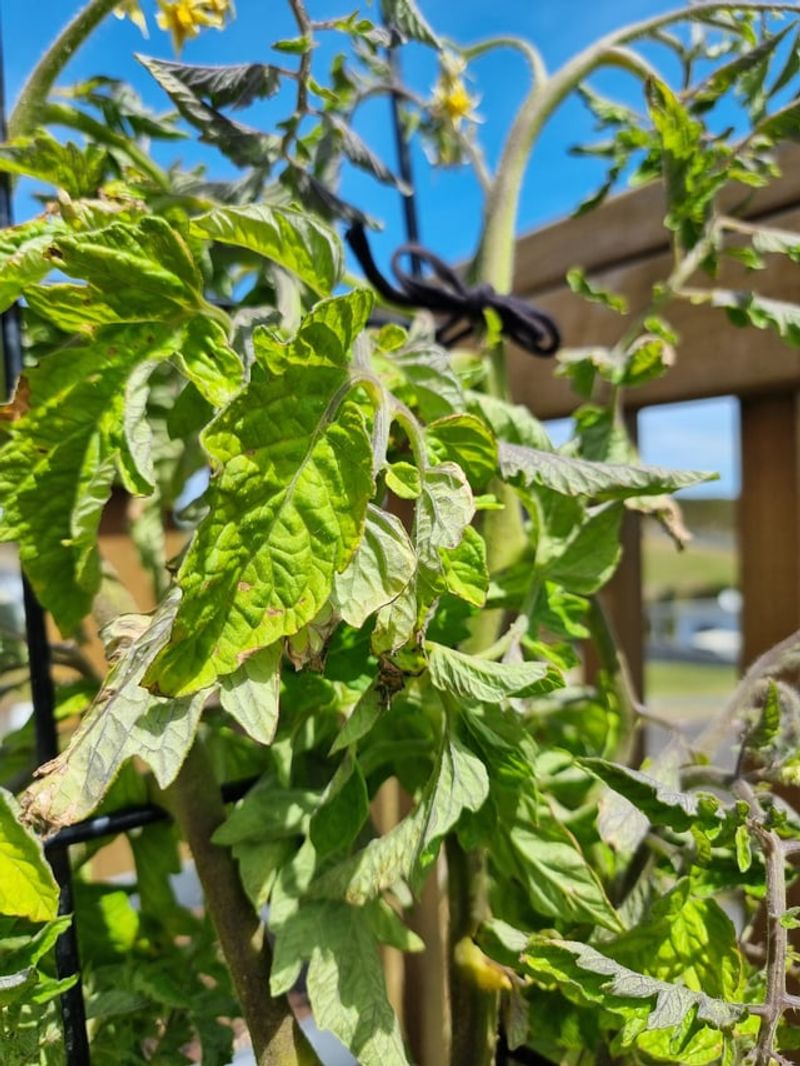
Lettuce serves as a smart space-filler in your tomato bed, especially during the early part of the season when tomato plants are still small. The lettuce grows quickly and spreads out to cover bare soil, which prevents weed seeds from germinating and taking hold.
This living mulch approach saves you hours of weeding work throughout the growing season.
In Georgia, you can plant lettuce in early spring alongside your tomato transplants. The lettuce will mature and be ready to harvest just as your tomatoes are getting big enough to need that space.
This succession planting makes efficient use of your garden real estate and gives you two crops from the same area.
Lettuce has shallow roots that don’t compete with the deeper tomato roots for water and nutrients. The plants also help keep the soil surface cool and moist, which benefits young tomato plants during those warm spring days.
As temperatures climb into summer, you can pull out the lettuce and replace it with a heat-tolerant ground cover or simply mulch the area.
Choose loose-leaf lettuce varieties rather than head lettuce for the best results. They mature faster and you can harvest individual leaves without removing the whole plant.
Plant lettuce seeds or transplants about eight inches away from your tomato stems, leaving enough room for both plants to grow without crowding each other during those early weeks.
7. Aromatic Foliage Helps Deter Pests Using Oregano
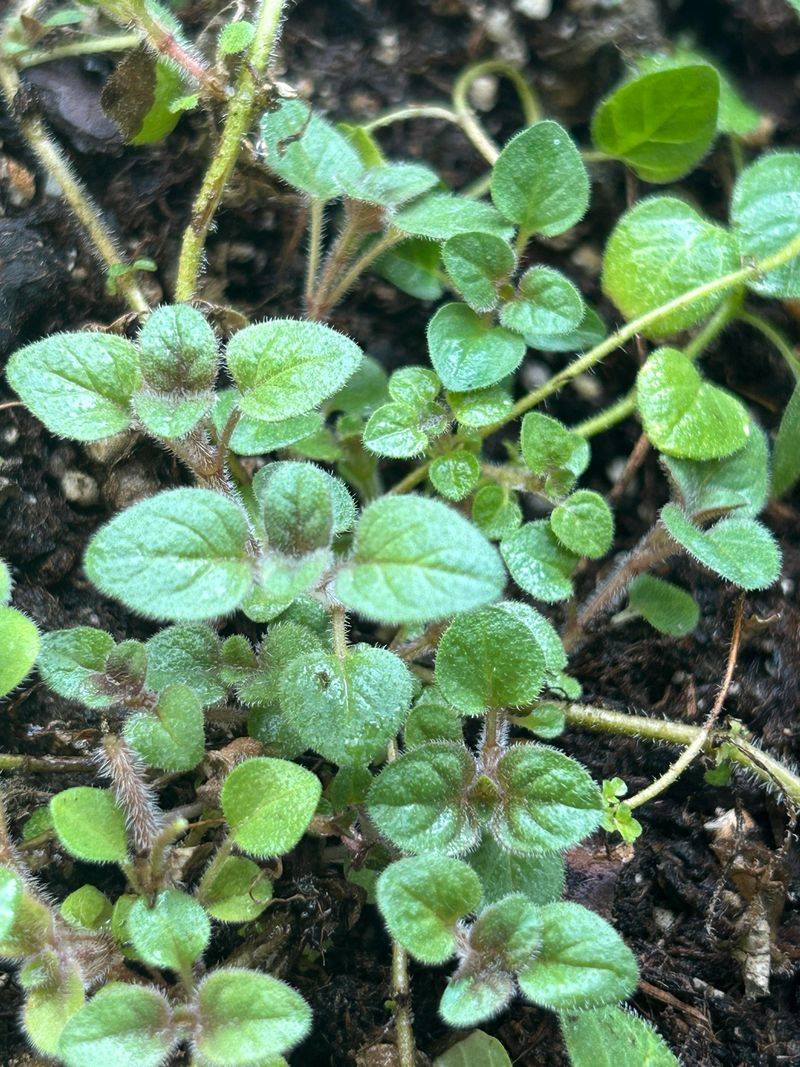
Oregano brings Mediterranean toughness to your Georgia tomato patch while providing serious pest protection. The strong essential oils in oregano leaves create a scent barrier that confuses and repels many insects that would otherwise target your tomatoes.
Spider mites and aphids particularly dislike the aroma, which gives your tomatoes natural protection without any chemical sprays.
This perennial herb thrives in Georgia’s climate once established, tolerating both heat and humidity remarkably well. Oregano prefers the same full-sun conditions that tomatoes love, and it doesn’t require much water once the roots are established.
The plant spreads slowly to form a dense mat that suppresses weeds while allowing air to circulate around your tomato stems.
The small white or purple flowers that oregano produces attract tiny beneficial wasps and other predatory insects. These helpful bugs patrol your garden looking for pest insects to feed on, providing an extra layer of protection for your tomatoes.
The flowers also bring in bees and other pollinators that help with fruit set.
Plant oregano along the edges of your tomato bed or between plants, keeping it about ten inches from tomato stems. The herb will gradually fill in the space without climbing up your tomato stakes or interfering with plant care.
You can harvest oregano leaves regularly for cooking, and the pruning actually encourages bushier growth that provides even better ground cover.
8. Early Season Space Gets Used Efficiently With Radishes
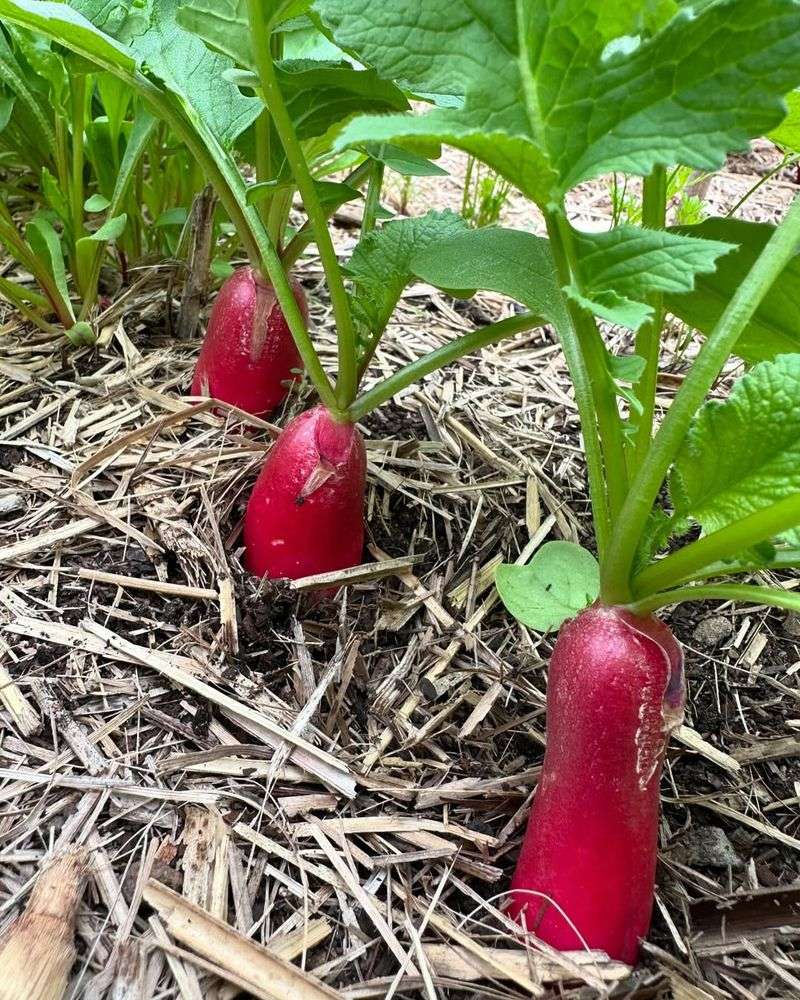
Radishes might seem like an odd companion for tomatoes, but these quick-growing roots make brilliant use of space and time in your Georgia garden. They mature in just three to four weeks, which means you can harvest them and clear the space long before your tomato plants need that room.
This intercropping strategy maximizes your garden’s productivity without any competition between plants.
The radish roots actually help break up compacted soil as they grow, creating channels that improve drainage and air circulation. This soil conditioning benefits your tomatoes throughout the season, especially in Georgia where clay soil can be challenging.
When you pull the radishes, those channels remain and make it easier for tomato roots to spread and access nutrients.
Plant radish seeds directly in the soil around your tomato transplants in early spring. Space them about two inches apart and about six inches away from tomato stems.
The radishes will sprout quickly and be ready to harvest before your tomatoes really start their major growth push in late spring.
Radishes also serve as a trap crop for flea beetles early in the season. These tiny jumping insects prefer radish leaves over tomato leaves, so they’ll concentrate on the radishes instead.
By the time you harvest the radishes, the flea beetle population has usually moved on or been reduced by beneficial insects, leaving your tomatoes largely unbothered.
9. Flowering Herbs Improve Garden Balance When Dill Is Nearby
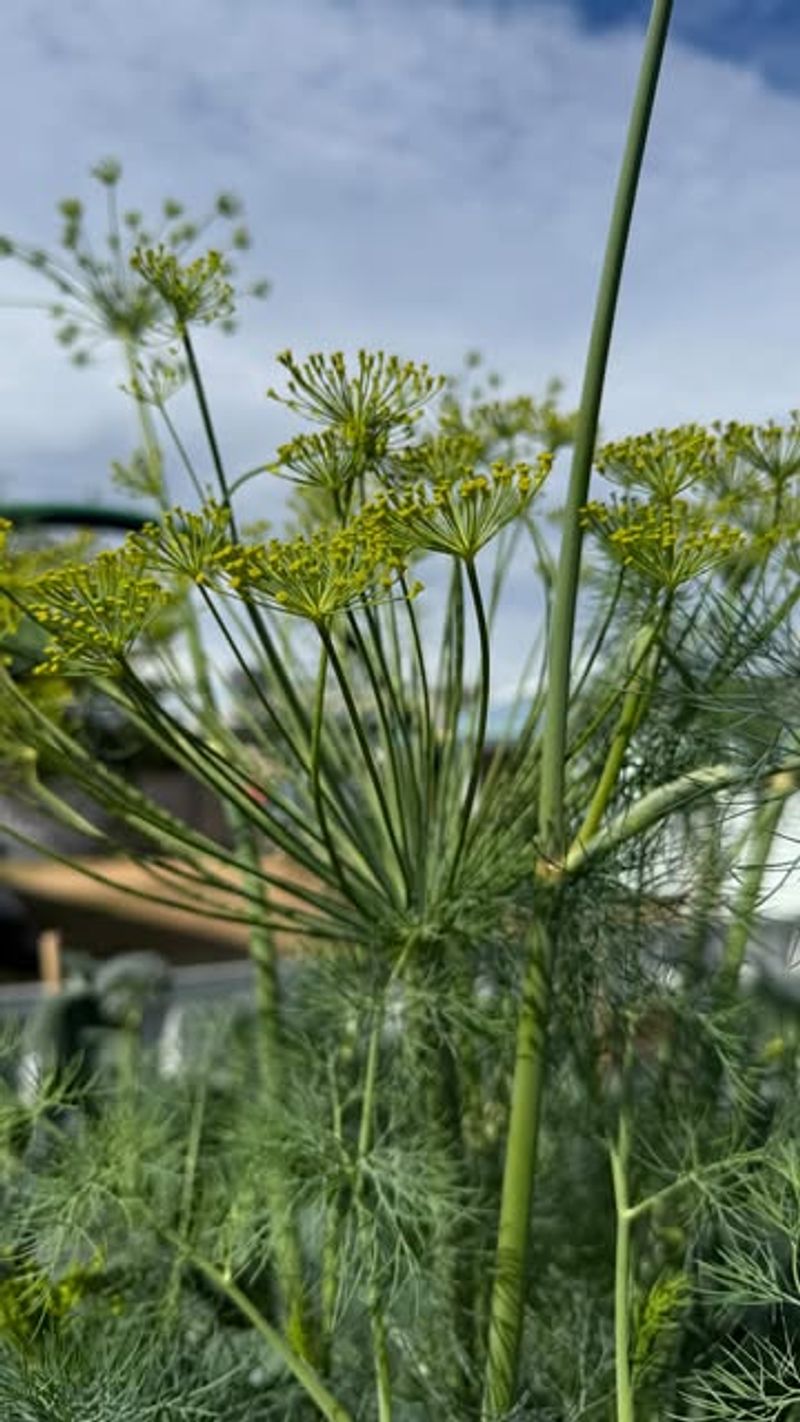
Dill creates a vertical accent in your tomato patch while attracting an army of beneficial insects that help protect your crop. The umbrella-shaped flower clusters draw in parasitic wasps, ladybugs, hoverflies, and lacewings—all insects that prey on common tomato pests.
Having dill nearby essentially recruits free pest control that works around the clock.
In Georgia, dill grows best during the cooler parts of our growing season—early spring and fall. Plant it alongside your tomatoes in March or April, and it’ll establish before the serious heat arrives.
The feathery foliage provides light shade without blocking air circulation, and the tall stems don’t interfere with tomato vine growth or fruit production.
Some gardeners worry that dill might attract tomato hornworms, but the parasitic wasps that dill brings in actually help control hornworm populations. The wasps lay their eggs on hornworms, and the developing wasp larvae consume the pest from the inside.
You might see hornworms with white cocoons attached to their backs—that’s the beneficial wasps doing their job.
Plant dill about twelve inches from your tomato stems to give both plants adequate space. The herb will self-seed readily, so you’ll likely have volunteer dill plants appearing in subsequent seasons.
You can harvest the leaves for cooking or let the plants flower to maximize beneficial insect attraction. Either way, your tomatoes benefit from having this aromatic herb as a neighbor throughout the growing season.